Geneva is split in two by the Rhone, and the Geneva Rive Droite and Rive Gauche have genuinely different characters that change how you experience the city depending on which side you base yourself. The Rive Gauche (left bank, south of the river) is the historical Geneva: the Old Town on its hill, the cathedral, the Reformation heritage, the medieval and Renaissance streets, the luxury shopping on Rue du Rhone, the Jet d’Eau, and the Eaux-Vives and Plainpalais neighbourhoods. The Rive Droite (right bank, north of the river) is the newer Geneva: Cornavin station, the UN and international quarter, the multicultural Paquis district, the Botanical Gardens, and the airport gateway.
Most travellers arrive and sleep on the right bank but spend their days on the left bank, and the short crossing of the Pont du Mont-Blanc each morning is, in its small way, one of the city’s best free experiences. This guide explains what each side offers, the seven bridges that connect them, where to stay and eat on each, and the honest answer to which bank to base your trip on. To see how the districts fit together, start with our Geneva neighborhoods guide and the where to stay in Geneva overview.
The geography: how the two banks work
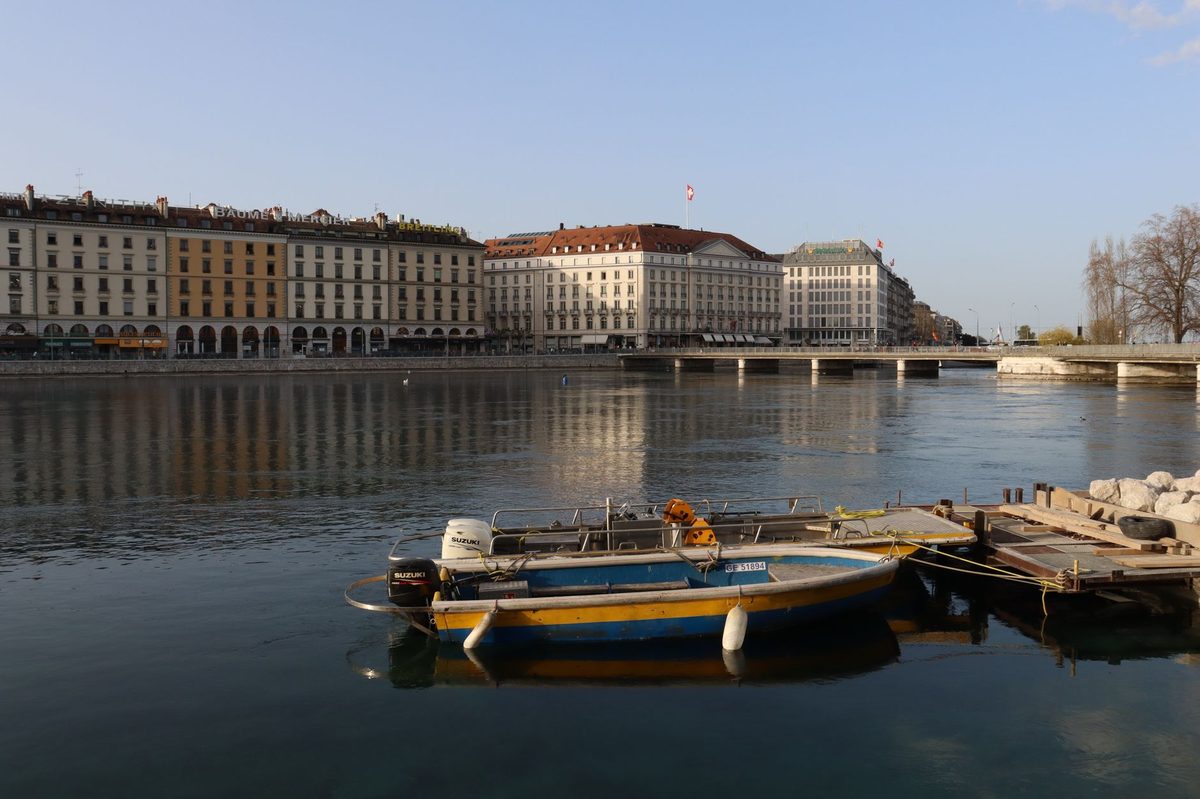
Geneva sits at the south-west tip of Lake Geneva, where the Rhone flows out of the lake and heads west toward Lyon. That lake-and-river layout creates the two banks:
- The lake stretches north-east of the city for 75 km to Montreux.
- The Rhone exits the lake at Geneva and flows west through the centre.
- The river splits the city into the Rive Droite (north of the river; right because if you face downstream toward Lyon, the right is north) and the Rive Gauche (south of the river).
The Old Town sits on the Rive Gauche, on a small rocky hill above the lakefront. Both banks have lakefront access: Quai Wilson and Quai du Mont-Blanc on the right, Jardin Anglais and Quai Gustave-Ador on the left. Distances are small. The banks are linked by seven bridges (one walking-only). Crossing the Pont du Mont-Blanc on foot takes five minutes; by tram, three. Most visitors switch banks several times a day without thinking about it.
A quick history of the split
The two-banks distinction is ancient. Geneva was founded by the Allobroges, a Celtic tribe, on the Rive Gauche hill, the only naturally defensible spot at the south end of the lake. The Romans fortified the same site (Caesar’s fortifications of 58 BC are documented). The medieval city grew outward from the cathedral hill but stayed mostly on the Rive Gauche for nearly two millennia, while the Rive Droite was farmland, swamp and a few outlying villages. Two things changed that:
1. The Pont du Mont-Blanc, opened 1862. The first permanent road bridge across the Rhone here. Before it, crossing between banks meant a long detour via the Ile, the river island that still carries the name. The bridge opened the Rive Droite to rapid development through the 1860s to 1880s.
2. The railway, which reached Geneva in 1858. Cornavin station was built on the then-empty Rive Droite, pulling the city’s commercial centre of gravity northward; the right bank grew up around the station as the transport and trade hub.
So the Rive Droite is “newer” Geneva (mostly 1860-1914 buildings) and the Rive Gauche is “older” Geneva (medieval and Renaissance core, with 17th to 19th century expansion). A good part of the character difference is simply the difference in architectural age.
Rive Gauche: the left bank
What you will find on the left bank:
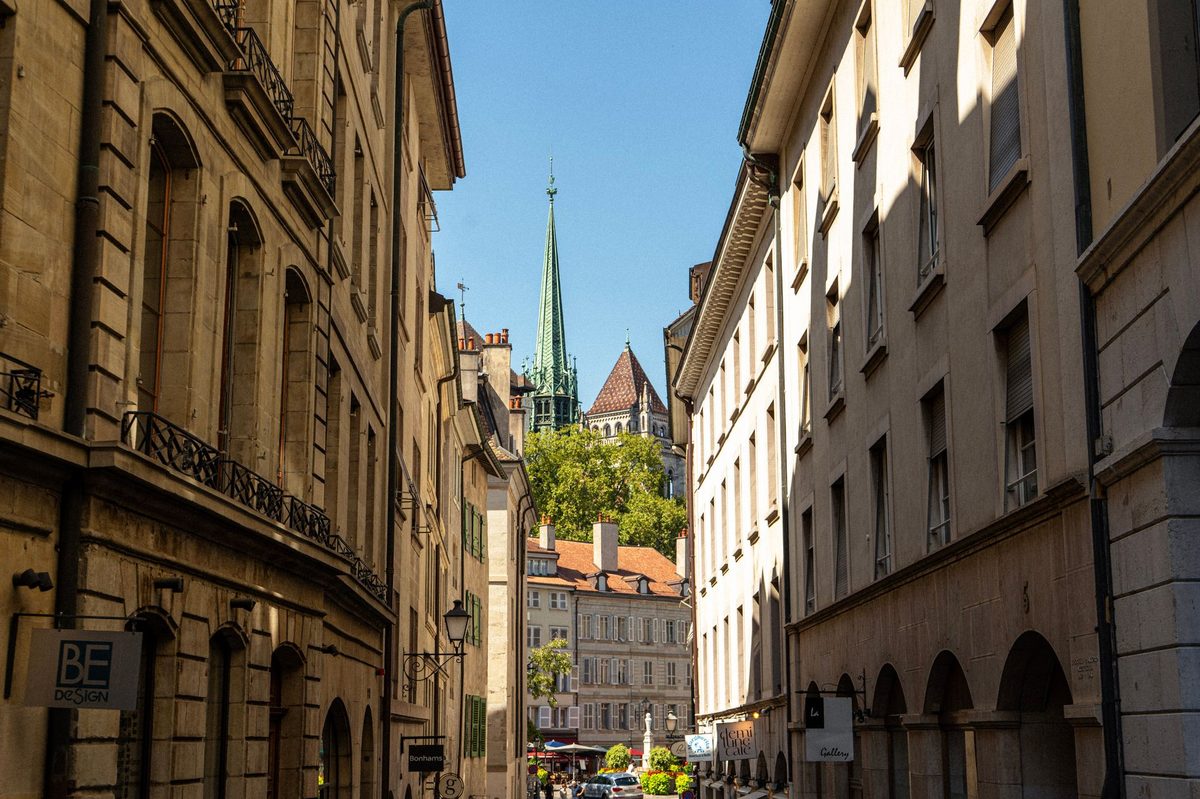
- The Old Town (Vieille Ville) — Saint-Pierre Cathedral, Place du Bourg-de-Four, the medieval core.
- Place du Molard and Place de la Fusterie — the medieval commercial squares, now the mid-range shopping district.
- Rue du Rhone — the luxury shopping street, with watch boutiques, jewellery, designer fashion and the major Genevan banks.
- The Jardin Anglais and the Flower Clock — the lakefront formal garden.
- The Jet d’Eau pier and the lakefront promenade running east.
- Eaux-Vives — the upscale residential lakefront district to the east.
- Plainpalais — the student-and-markets district south of the Old Town.
- Parc des Bastions — the Reformation Wall and the giant chess sets.
- Parc des Eaux-Vives and Parc La Grange — the major left-bank parks.
- Geneve-Plage — the public lake beach.
- Musee d’Art et d’Histoire — the main free art museum.
- Patek Philippe Museum and L’Atelier Robuchon (two-star Michelin, at The Woodward).
Character: historical, upscale-residential mixed with student energy, and the cultural and shopping centre of the city.
Rive Droite: the right bank
What you will find on the right bank:
- Cornavin train station — the main rail terminal, where most visitors first arrive.
- The Paquis neighbourhood — multicultural, dense, and the budget hotel district.
- Quai Wilson and Quai du Mont-Blanc — the right-bank lakefront promenade with the Jet d’Eau view.
- The Bains des Paquis — public lake baths and the social heart of Paquis.
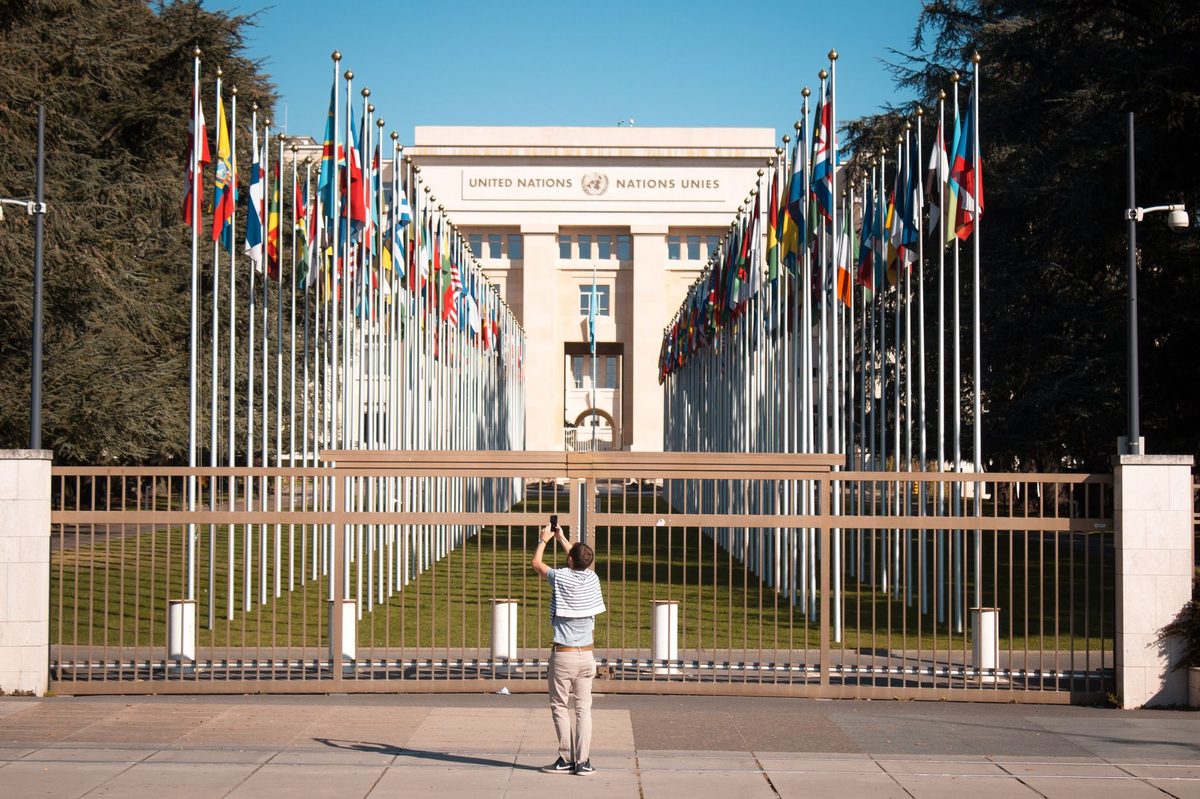
- The UN and the diplomatic quarter — Palais des Nations, Place des Nations, the Broken Chair, WHO headquarters.
- International Red Cross Museum — next to the UN.
- Musee Ariana — the free national ceramics museum, near the UN.
- The Botanical Gardens — free entry, greenhouses, a small zoo.
- Musee d’histoire des sciences — the free science-history museum in the Perle du Lac park.
- The big lakefront hotels — Beau-Rivage, Hotel President Wilson, La Reserve (Bellevue, slightly north).
- Geneva Airport at the western edge (Cointrin), and CERN further out (Meyrin).
Character: practical, multicultural, international, and the gateway and accommodation district.
The seven bridges
The Rhone is crossed by seven bridges within central Geneva, east to west:
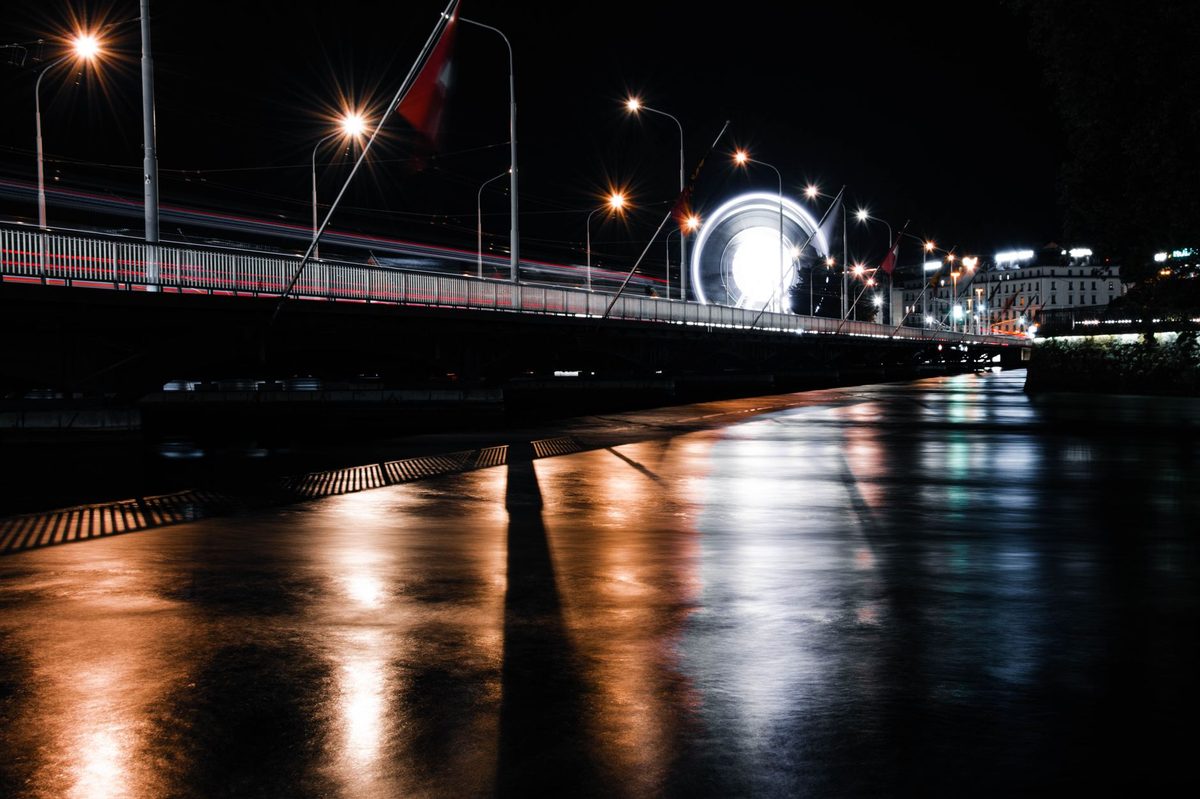
- Pont du Mont-Blanc — the main road bridge, opened 1862. The view (Jet d’Eau to the right, Mont Blanc dead ahead on a clear day) is one of Geneva’s defining images.
- Pont des Bergues — a pedestrian and tram bridge crossing the small Ile island, a charming two-stage crossing.
- Pont de la Machine — a pedestrian bridge with the historic Machine pumping station (now a small museum) at its centre.
- Pont de l’Ile — crosses the Ile island, mixed pedestrian and tram.
- Pont de la Coulouvreniere — a road bridge serving the central tram routes.
- Pont Sous-Terre — west of the centre, serving the western districts.
- Pont Hans-Wilsdorf — the elegant 2012 pedestrian bridge (named for the Rolex founder) at the far western edge.
The Pont du Mont-Blanc is the most used by visitors and the most photogenic. Walking it at sunset on a clear day is one of the great free Geneva experiences. For how the trams and Mouettes water taxis tie the banks together, see our Geneva transportation guide.
Which bank to stay on
The bank you choose sets the rhythm of your trip.
Stay on the Rive Droite if:
- You arrive or depart by train from Cornavin and want minimal luggage friction.
- You are budget-conscious; Paquis hotels run 15-25% cheaper than equivalent left-bank options.
- You want easy airport access (15 minutes by train).
- You like the multicultural density of Paquis as an evening neighbourhood.
- You are visiting the UN and diplomatic quarter a lot.
- You are staying short, one or two nights, and want maximum convenience.
Stay on the Rive Gauche if:
- You want the lakefront-and-Old-Town atmosphere.
- You can afford the upscale Eaux-Vives hotels.
- You are prioritising culture and history and want to walk to the cathedral, the MAH and the Old Town.
- You are staying longer (four nights or more) and want a quieter residential feel.
- You are a student or young traveller who wants the Plainpalais bar scene.
- You are on a romantic trip and value atmosphere over convenience.
| Factor | Rive Droite (right) | Rive Gauche (left) |
|---|---|---|
| Feel | Practical, multicultural | Historical, residential |
| Key district | Paquis | Old Town, Eaux-Vives |
| Train station | On this bank (Cornavin) | 5-10 min across the bridge |
| Price | More affordable | Higher |
| Best for | Short stays, budget | Longer stays, atmosphere |
Most first-timers stay on the Rive Droite, in Paquis, for the convenience. Repeat and longer-stay visitors often shift to the Rive Gauche. For a fuller comparison, see our best area to stay in Geneva breakdown.
Which bank to eat on
The Rive Droite eating scene
Paquis is the densest restaurant neighbourhood: Lebanese, Turkish, Sri Lankan, Italian and more, cheap to mid-range. The Bains des Paquis buvette does the city’s cheapest authentic fondue, and the Beau-Rivage runs the reference Sunday brunch. Several large hotel restaurants here serve high-end international food.
The Rive Gauche eating scene
More varied and generally more upscale. The Old Town holds the historic restaurants (Les Armures, Cafe Papon, Cafe de l’Eveche). Plainpalais has the cheap eats and student bars. Eaux-Vives has the specialty coffee and mid-to-high-end kitchens. The Rue du Rhone area has the business-district restaurants, and the two-star L’Atelier Robuchon is here too.
Carouge
Technically on the Rive Gauche but a 3 km tram ride south, Carouge is the city’s other major restaurant cluster. See our best restaurants in Carouge guide.
In practice you will eat on both banks across a multi-day trip. Lunch where you are; cross banks for dinner if the destination is worth the short walk or tram ride.
Which bank has the best attractions
Honest answer: the Rive Gauche has more attraction density, but the Rive Droite has the two single most important international draws, the UN and CERN. For the full list, see our Geneva museums and culture guide and the wider things to do in Geneva.
Rive Gauche must-sees
- Old Town and Saint-Pierre Cathedral
- Musee d’Art et d’Histoire (free)
- Maison Tavel (free)
- Reformation Wall and Parc des Bastions
- Patek Philippe Museum
- Jet d’Eau pier and Jardin Anglais
- Quartier des Bains gallery district
- Geneve-Plage
Rive Droite must-sees
- UN Palais des Nations and the Broken Chair
- International Red Cross Museum
- Musee Ariana (free)
- Botanical Gardens (free)
- CERN Science Gateway (free)
- Bains des Paquis
- The right-bank lakefront promenade
For a three- or four-day trip you will want to cover both banks. The Pont du Mont-Blanc walk takes five minutes.
A two-bank itinerary
A sample full day that touches both banks properly:
09:00 — Coffee at the Buvette des Bains (right bank, Bains des Paquis).
10:00 — Walk south across the Pont du Mont-Blanc to the left bank. Jet d’Eau pier and the Flower Clock.
10:30 — Climb to the Old Town via Place du Molard. Maison Tavel and the Saint-Pierre Cathedral tower.
12:30 — Lunch at Cafe de l’Eveche (Old Town, left bank).
14:00 — Walk down to the Plainpalais market via Parc des Bastions, passing the Reformation Wall.
15:00 — Cross north to the right bank. Tram 15 to Nations.
15:30 — UN exterior, the Broken Chair and Musee Ariana (free).
17:30 — Walk back to Paquis via the Botanical Gardens.
18:30 — Apero at one of the Paquis cafes on Rue de Berne.
20:00 — Dinner at a Paquis Lebanese or Turkish restaurant.
Total: 10-11 hours, both banks covered, four major attractions and two meals.
How each bank actually feels
After enough trips, the two banks feel distinct in ways a tourist map never shows. A few observations:
The Rive Gauche has older money and quieter Sundays. The Old Town empties early on Sunday evening, the Eaux-Vives parks fill with families out for a stroll, and the Rue du Rhone shops are shut tight. It is a more conventionally Genevan experience: quietly affluent, conservative in its rhythms, beautifully kept.
The Rive Droite stays more alive on Sundays and after hours. The Paquis Lebanese and Turkish restaurants run late, the Bains des Paquis draws people year-round, and the Rue de Berne cafes and street life do not observe Swiss closing hours. This is where Geneva’s international, multicultural identity shows up most clearly.
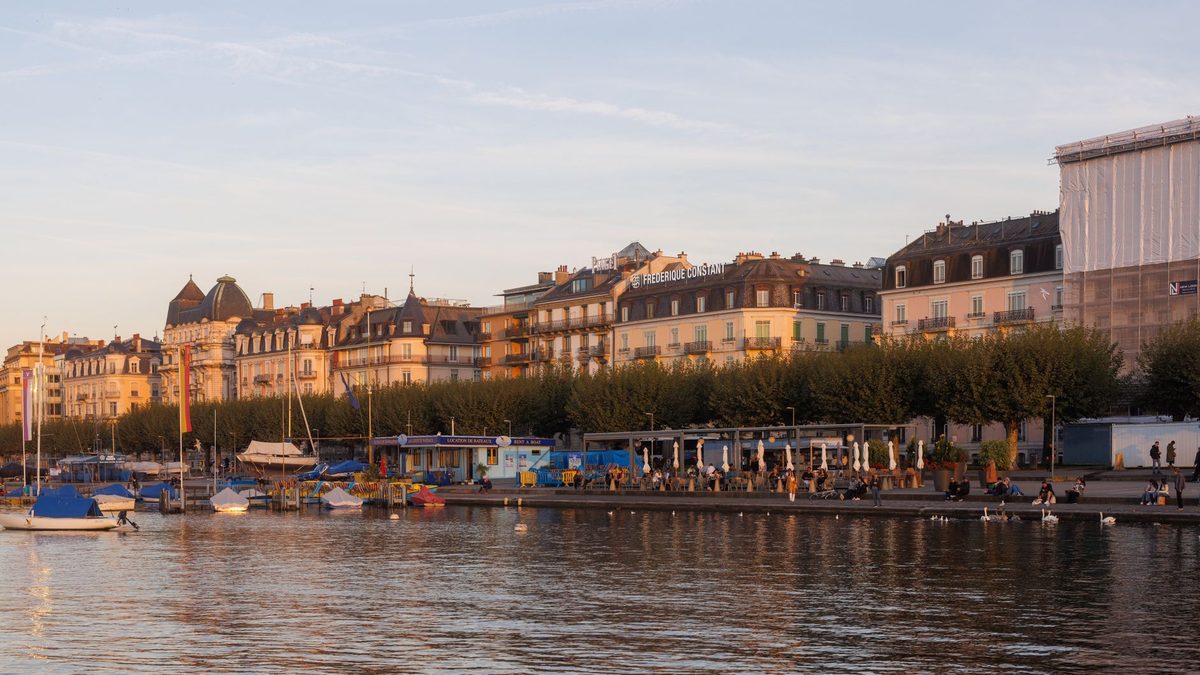
The Rive Gauche photographs better. The Old Town silhouette from the Quai du Mont-Blanc, the Jet d’Eau against the cathedral with the Saleve behind, the medieval streets, the parks with their old trees: these are the postcard Geneva images. The Rive Droite is more functional and harder to photograph well, but it is the better side for seeing how Genevans actually live.
Both characters are worth your time. The best trips use both: postcard mornings on the Rive Gauche, everyday afternoons and evenings on the Rive Droite, with the bridge crossings as the thread between them. With only one day, do the morning on the left bank and the afternoon on the right, ending with dinner in Paquis.
Frequently asked questions about Geneva Rive Droite and Rive Gauche
What is the difference between Rive Droite and Rive Gauche?
Rive Droite is the right bank, north of the Rhone: newer Geneva, the UN, the Paquis district and the train station. Rive Gauche is the left bank, south of the Rhone: historical Geneva, the Old Town, the luxury shopping and Eaux-Vives.
Which side is the Old Town on?
The Rive Gauche (left bank). Saint-Pierre Cathedral sits on the highest point of the left bank.
Which side is the UN on?
The Rive Droite (right bank). The Palais des Nations and the Place des Nations sit north of the lake and river.
Which side is better to stay on?
The Rive Droite (Paquis) for budget convenience and short stays; the Rive Gauche (Eaux-Vives or the Old Town) for atmosphere and longer stays. Most first-timers stay on the Rive Droite for the train station access.
How do I get between the two banks?
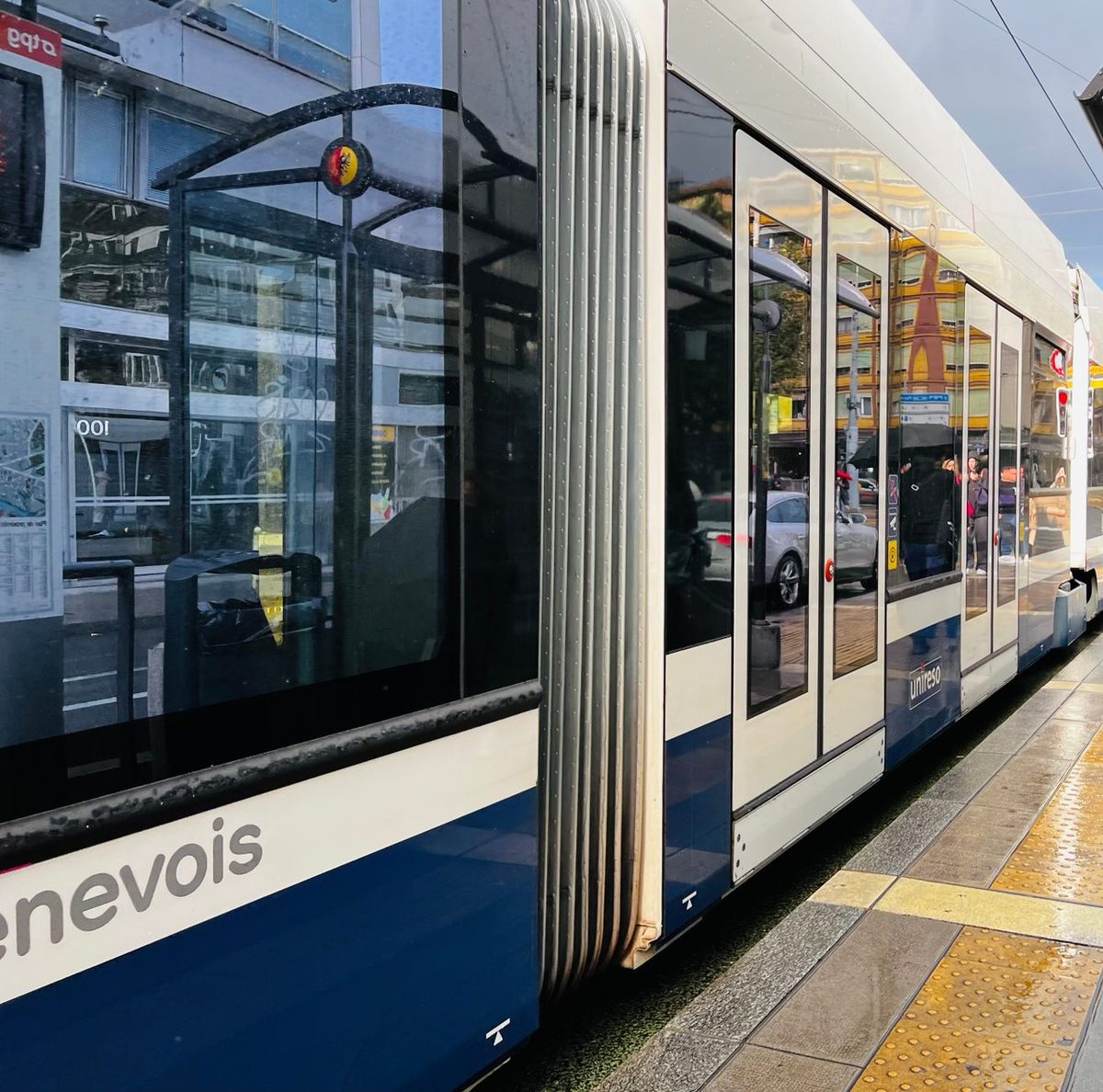
There are seven bridges, several tram routes and the Mouettes water taxis. The Pont du Mont-Blanc takes five minutes on foot; tram crossings two to three.
Where is the airport, and which side has the lake views?
Geneva Airport sits at the western edge of the Rive Droite (Cointrin); the train from Cornavin takes six minutes. Both banks have lake views: the Quai du Mont-Blanc on the right has the Jet d’Eau-and-Old-Town skyline, while the Jardin Anglais and the Eaux-Vives lakefront on the left have the lake-and-Mont-Blanc view.
Related Geneva guides
Keep planning with the Geneva neighborhoods guide, our where to stay in Geneva overview, the best area to stay in Geneva breakdown, the Geneva transportation guide, and the wider things to do in Geneva.