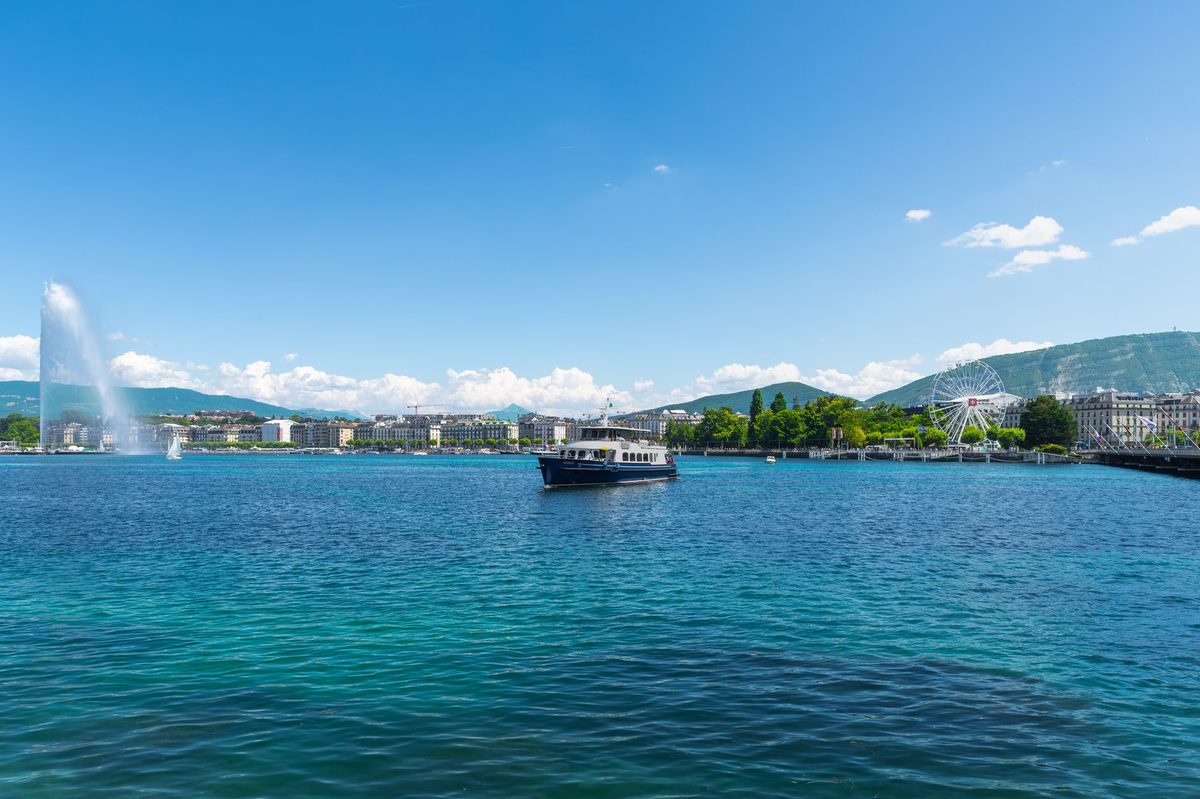
Eaux-Vives is the left-bank Geneva neighbourhood that manages to feel both upscale and lived-in, and it is quietly my favourite base for a long weekend if the hotel rates work for you. It runs east from the Jet d’Eau along the lakefront to the public Geneve-Plage and back into the hillside parks of La Grange. Two of the city’s best free green spaces sit here, Parc des Eaux-Vives and Parc La Grange, wrapped around a residential core full of specialty coffee shops, small restaurants, and the lakefront promenade most visitors photograph without realising which neighbourhood they are standing in.
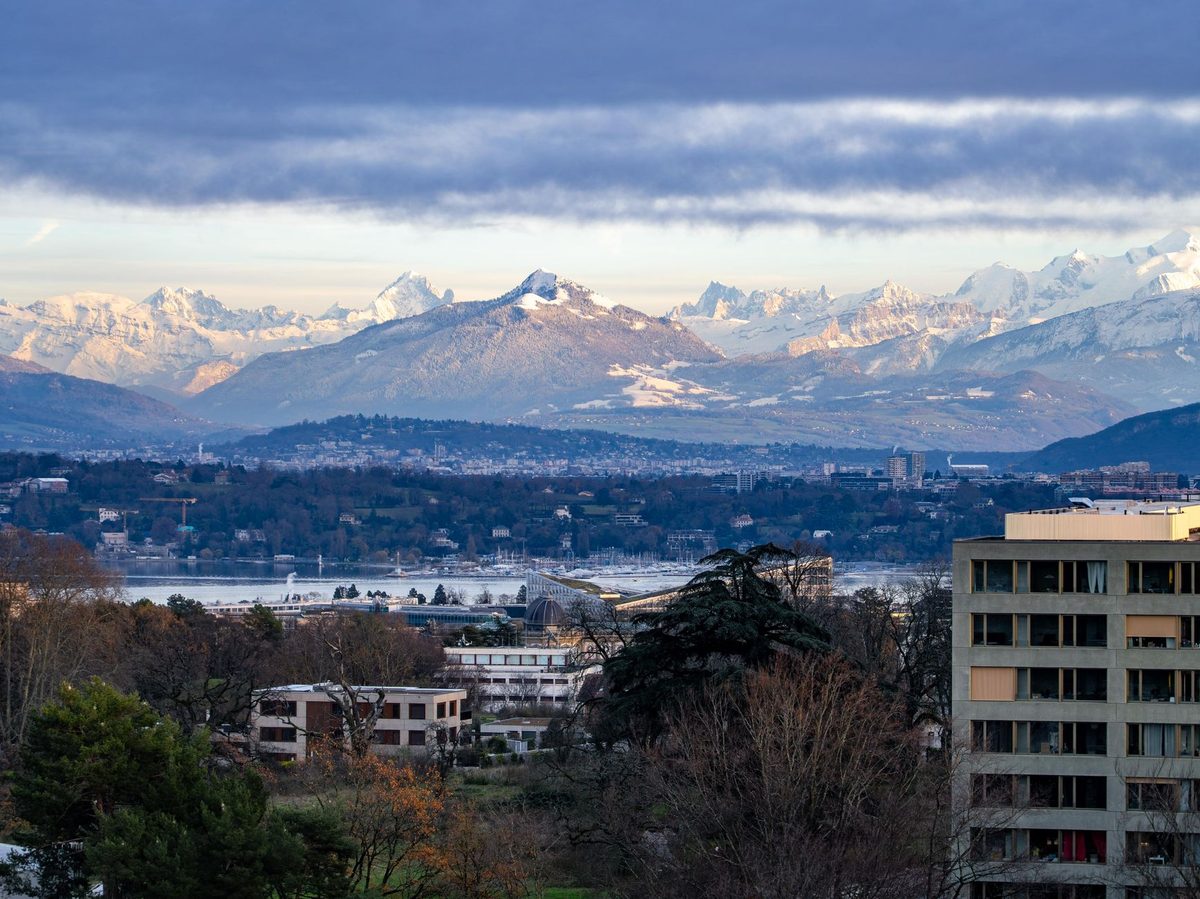
The lakefront here puts the Mont Blanc skyline directly in view on clear days. The hotels run to the serious end, including the Four Seasons Hotel des Bergues and the newer Woodward. Ordinary life happens around Rue de Rive and Rue de la Mairie. This guide covers the geography (it is bigger than visitors realise), the two great parks, the lakefront promenade and the lake beach, the third-wave coffee scene, the restaurants, and the practical reason couples and families with budget tend to gravitate here. For the wider city, start with our Geneva neighborhoods guide and the where to stay in Geneva overview.
The 60-second plan
Walk east from the Jet d’Eau along Quai Gustave-Ador, the left-bank lakefront. After about 200 metres you are in Eaux-Vives. Keep going to Parc des Eaux-Vives (free, on the lake), then cross into the adjacent Parc La Grange for the rose garden (also free). Continue roughly 400 metres to Geneve-Plage, the public lake beach, open summer only with a CHF 7 entry. Walk back inland to the residential streets around Rue de la Mairie and Rue du Nant for the specialty coffee, small restaurants and shops. Tram 12, 17 or 19 gets you back to central Geneva. Budget three to four hours for a relaxed loop.
Geography and sub-neighbourhoods
Eaux-Vives is a former municipality (it merged into the city of Geneva in 1931) covering a substantial chunk of the lake’s south shore. It breaks down into several sub-areas:
- Lakefront Eaux-Vives — the strip along Quai Gustave-Ador with Jet d’Eau views, the parks, and the upscale hotels.
- Residential central Eaux-Vives — Rue de la Mairie, Rue du Nant, Rue de Montchoisy: the commercial and cafe streets.
- Florissant — the upper-hillside sub-neighbourhood toward Champel.
- Frontenex and Vollandes — residential streets bordering the Carouge and Plainpalais side.
- Malagnou and Conches — further inland and quieter.
For most visitors, “Eaux-Vives” means the lakefront and the central commercial-residential strip, roughly 2 km long east to west and about 800 metres deep. It started as a working-class district with riverside industry; over the 20th century it turned upmarket, and the character now mixes preserved 19th-century apartment buildings with newer construction. The Leman Express station that opened here in 2019 has sped up some of that development, which I cover further down.
The lakefront promenade
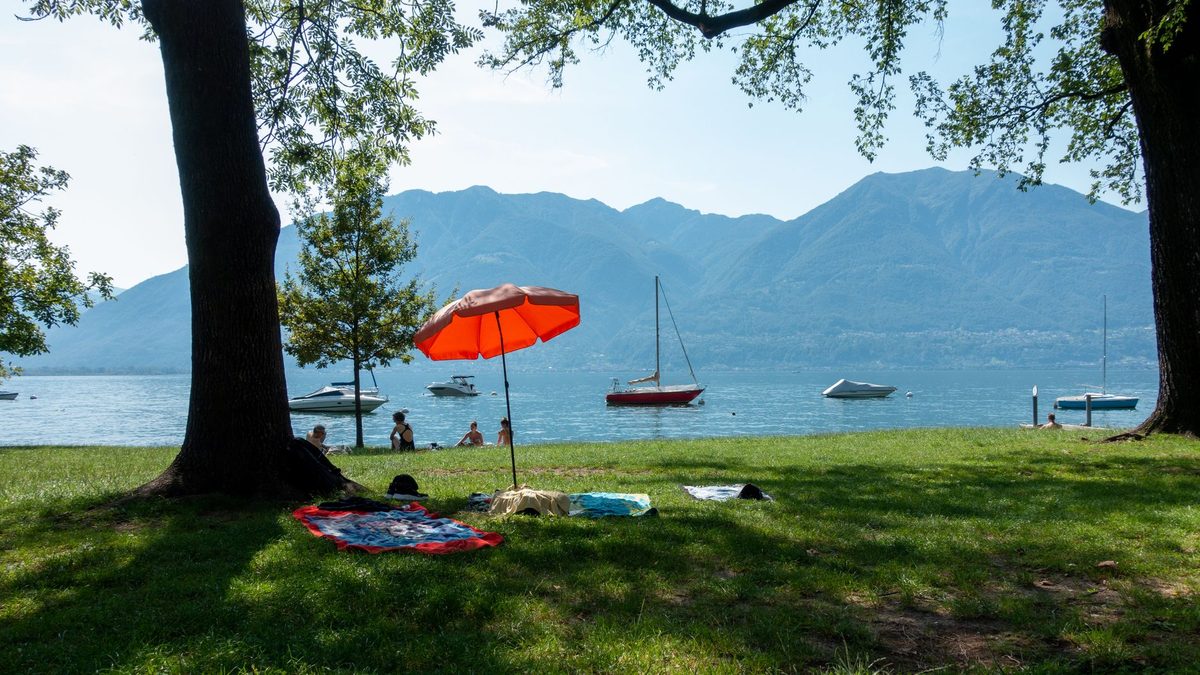
The Eaux-Vives lakefront is the most photographed stretch of Lake Geneva, and for once the reputation is earned. Quai Gustave-Ador runs from the Jet d’Eau pier east about 2 km to Geneve-Plage, passing through:
- The Jardin Anglais (just before Eaux-Vives officially starts) — the Flower Clock and the Belle Epoque park.
- The Jet d’Eau pier — walk out to the breakwater for the close-up view of the fountain.
- Parc des Eaux-Vives — lakefront access, old trees, and the Hotel-Restaurant du Parc.
- Parc La Grange — the famous rose garden and summer concerts.
- Geneve-Plage — the public beach complex (summer).
The whole promenade is paved, flat and free to walk, and on a clear afternoon with Mont Blanc on the horizon it is one of the better urban walks in Europe. Allow about 60 minutes end to end without stops. For more lakefront ideas, our things to do in Geneva guide pulls the highlights together.
Parc des Eaux-Vives and Parc La Grange
These two adjacent lakefront parks form the green heart of the neighbourhood, around 20 hectares of free public space between them.
Parc des Eaux-Vives
The smaller, older park (8 hectares) sits directly east of the Jet d’Eau. Landscaped grounds with mature trees, lakefront access, and the Hotel-Restaurant du Parc des Eaux-Vives at its centre, an 18th-century country house now run as a luxury hotel and restaurant. The terrace is open to non-guests and delivers one of the best lakefront lunches in Geneva (CHF 65-90 menus). The park itself is free and popular for picnics, dog walks and jogging.
Parc La Grange
The larger park (12 hectares, the biggest in the city) sits immediately east of Parc des Eaux-Vives. The highlights:
- The rose garden — over 200 varieties, peak bloom June to October. One of the great free urban rose gardens anywhere.
- Roman-era ruins — partial Roman villa remains in one corner, a reminder that this lakeshore has been lived on for 2,000 years.
- Theatre de l’Orangerie — a small outdoor theatre running summer programmes of classics and contemporary plays.
- Theatre de Verdure — an open-air concert venue hosting the free “Musiques en ete” summer series.
- Children’s playground — large, well-equipped, one of the city’s best.
- Free open-air cinema in July and August.
Both parks are free and open daily during daylight hours. Combined, give them 90 to 120 minutes for an unhurried walk.
Geneve-Plage and lake swimming
At the eastern end of the Eaux-Vives lakefront, Geneve-Plage is the city’s main public lake beach. It opened in 1933 and had a substantial renovation in 2018-2020. What you get:
- A large grass beach with lake-swimming access.
- Several Olympic-size swimming pools.
- A children’s pool and water play areas.
- The 60-metre water slide, a Geneva summer institution.
- A beach cafe and restaurant.
- Sun lounger rentals.
- Changing rooms, showers and lockers.
Tickets: CHF 7 adult, CHF 3.50 child, CHF 17 family (two adults and two children). Day passes only, no half-day option.
Season: mid-May to mid-September; closed October to April.
Getting there: bus 9 from the lake-side routes, or a 25-minute lakefront walk from the centre.
Geneve-Plage is the family-friendly alternative to the Bains des Paquis: more amenities, less character, and the right call if you have younger kids. The Bains stays more compelling for adults who want the social, co-operative atmosphere. If swimming is your thing, the broader Geneva outdoor activities guide has more.
The specialty coffee scene
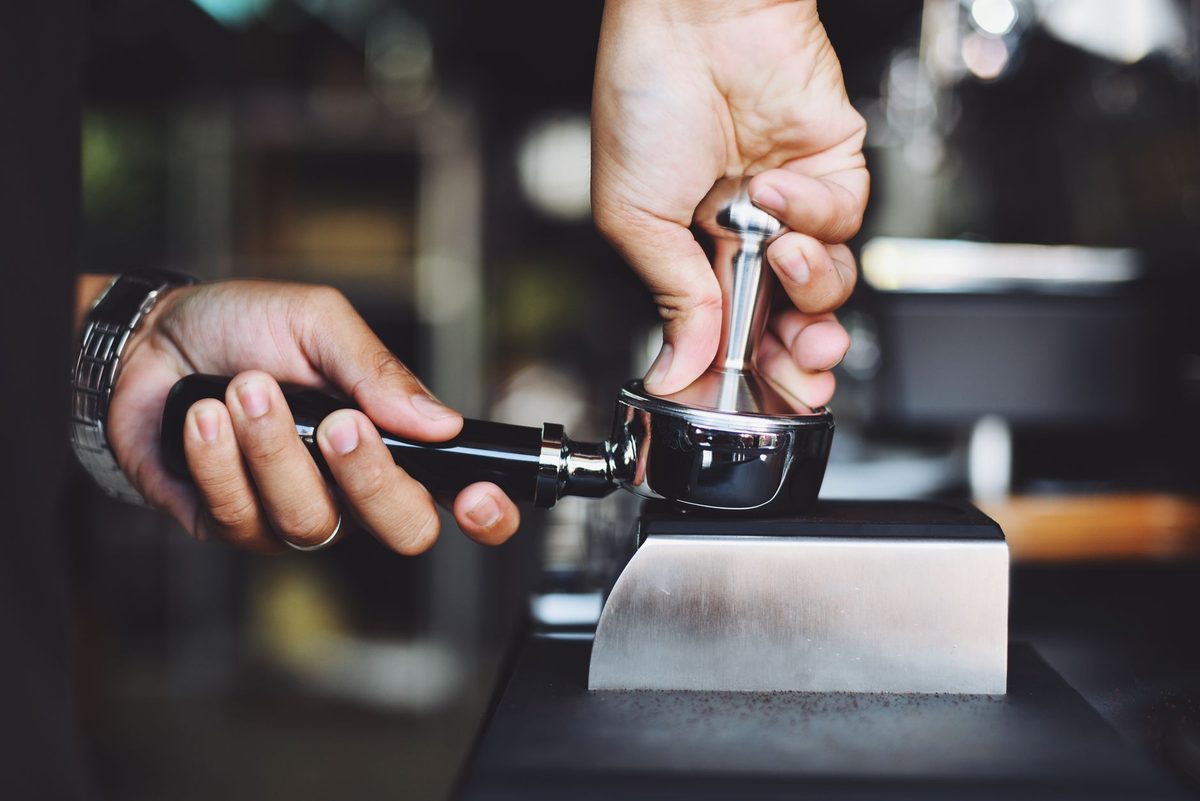
Over the last decade Eaux-Vives has become Geneva’s specialty coffee neighbourhood, with at least four of the city’s top addresses inside a 600-metre radius. Here is the short version:
- MAME — founded by Emi Fukahori, the 2018 World Brewers Cup champion. Precision-focused, the best filter coffee in town. Open Wed-Sat 09:00-17:00.
- Utopia Coffee — a neighbourhood roaster with the nicest cafe room in Eaux-Vives. Open Tue-Sat 08:30-18:00.
- My Little Cup (Eaux-Vives) — championship-trained baristas and, in my view, the best iced lattes in the city.
- Corde Coffee — a newer spot with a Scandinavian look and rotating beans from several Swiss roasters.
- Oh Martine — cafe-brunch with serious specialty coffee and the best Sunday brunch menu I have found in Geneva.
The concentration here makes a proper coffee crawl possible: walk between three or four addresses in a morning, compare the espresso programmes, and finish with a long flat white at Oh Martine before brunch. For the citywide picture, see our where to eat in Geneva guide.
Restaurants and where to eat
Fine dining
- L’Atelier Robuchon (at The Woodward) — Geneva’s other two-star Michelin restaurant. Counter dining, tasting menus from CHF 200.
- Le Cafe Royal (at Four Seasons des Bergues) — the brasserie of the Four Seasons just off Eaux-Vives. Lake views, CHF 65 lunch menu.
- Restaurant du Parc des Eaux-Vives — the 18th-century building inside the park, lakefront terrace, CHF 65-90 lunch menus.
Mid-range
- La Paire — Mediterranean-leaning brunch and dinner with a courtyard terrace.
- Max Restaurant — eggs benedict and a Conches-valley croque-monsieur in a modern brasserie.
- Bombay Palace — long-running Indian, reliable for dinner.
- Alma — Peruvian fusion and one of the more interesting contemporary kitchens in the city.
- L’Atelier Cocktail Club — a cocktail bar with serious small plates.
Casual and quick
- Chez Lopez — pizza by the slice and pasta, CHF 12-18.
- Coop Eaux-Vives — the supermarket take-away counter, CHF 6-10 hot meals.
- Boulangeries along Rue de la Mairie and Rue du Nant.
Hotels and why you would stay here
Eaux-Vives is where Geneva’s true luxury hotels concentrate, but there is mid-range and self-catering value too if you look.
Luxury
- The Woodward (Auberge Resorts Collection) — the newest five-star, opened 2021. From CHF 1,200. Home to L’Atelier Robuchon.
- Four Seasons Hotel des Bergues — the historic 1834 grand hotel on the lake. From CHF 600.
- Beau-Rivage — slightly north on the lake but Eaux-Vives-adjacent, the historic palace hotel. From CHF 600.
- Hotel-Restaurant du Parc des Eaux-Vives — a small luxury hotel in the 18th-century park building, seven rooms only. From CHF 500.
Mid-range and boutique
- Hotel Ramada Encore Geneva — a modern four-star, CHF 200-280.
- Hotel Eden — a small independent three-star, CHF 180-250.
- Airbnbs in residential Eaux-Vives — CHF 120-220 for studios, CHF 200-380 for one-bedroom flats, generally better value than central-Geneva equivalents.
| Eaux-Vives vs Paquis | Eaux-Vives | Paquis |
|---|---|---|
| Bank | Left (Rive Gauche) | Right (Rive Droite) |
| Character | Upscale, residential, coffee | Multicultural, dense, lively |
| Lake access | Promenade and parks | Bains des Paquis |
| Price level | Higher | More affordable |
| Train station | 15-20 min walk to Cornavin | 5-10 min walk to Cornavin |
| Best for | Couples, families with budget | First-timers, value seekers |
The Eaux-Vives case in one line: quieter than Paquis, more residential character, lakefront walking, excellent coffee, and slightly less convenient for Cornavin (15-20 minutes on foot, or one tram stop). To weigh the banks against each other, see our left vs right bank guide.
A day in Eaux-Vives
This is the day I would run with one full Eaux-Vives day to spend:
08:30 — Coffee at Oh Martine. A specialty flat white and a granola bowl in the quiet morning hour.
09:30 — Walk to Parc des Eaux-Vives. A slow 30-minute walk along the lakefront promenade.
10:00 — Parc des Eaux-Vives and Parc La Grange. Give it 90 minutes for a full walk including the rose garden and the Roman ruins.
11:30 — Walk east to Geneve-Plage (summer only). Lake swimming or sun lounger time.
13:00 — Lunch at La Paire or the Hotel du Parc terrace. About 75 minutes.
14:30 — Specialty coffee crawl. MAME, then Utopia, then My Little Cup. Compare three espresso programmes and pick a favourite. 60-90 minutes.
16:00 — Walk back along the lakefront to central Geneva. Sunset over the lake on a clear day, Mont Blanc on the horizon.
17:30 — Apero at one of the cocktail bars, say L’Atelier Cocktail Club.
19:30 — Dinner at a mid-range Eaux-Vives spot: Alma if you want something different, Max if you want classics.
The Leman Express effect
One change worth flagging: the Leman Express suburban rail system opened in December 2019 and added a major underground station, Geneve-Eaux-Vives, right in the heart of the neighbourhood. It runs direct, fast connections to French-side destinations (Annemasse, Annecy, Saint-Gervais), to Geneva airport, and to other Swiss-side suburbs. That makes Eaux-Vives a more practical base for trips that include French-side day trips such as Chamonix, Annecy and Evian; you are 15-25 minutes from the border with no transfer. See our Geneva transportation guide for how the network fits together.
The station has also sped up commercial development along the southern edge of the neighbourhood, with several new restaurants, a small office complex and more housing since the line opened. The blocks around the station feel noticeably newer than the older Eaux-Vives streets to the north. For visitors, the practical win is the day-trip range: Annecy via Leman Express (one change at Annemasse) takes about 90 minutes from Eaux-Vives, roughly the same as from Cornavin but from a calmer departure point. Browse the options in our things to do in Geneva guide.
The quiet local side
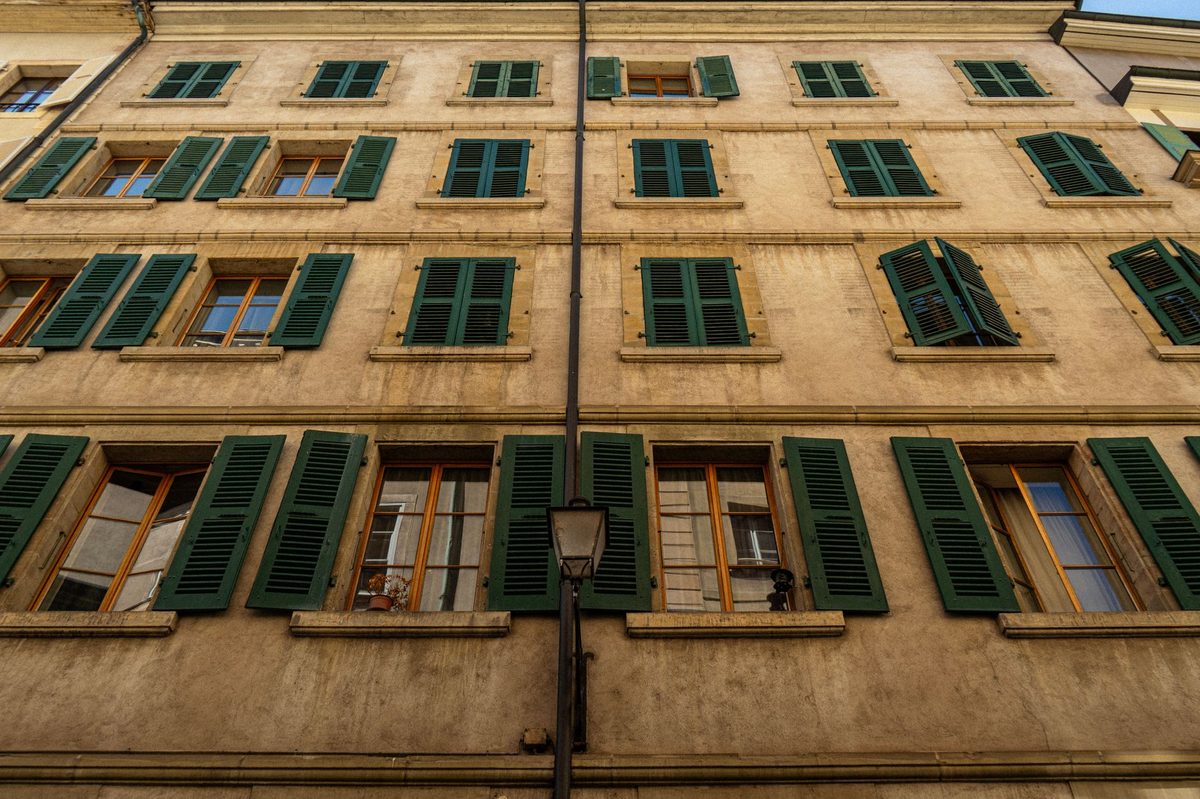
Beyond the lakefront, the parks and the coffee, Eaux-Vives has plenty of quiet residential streets worth a wander. Rue de la Mairie (the historic main commercial street), Rue du Nant, Rue de Montchoisy and the small Place des Eaux-Vives have the feel of a French village dropped inside a Swiss city: older Genevan apartment buildings with their shuttered facades, small grocers and bakeries serving the locals, pocket parks tucked between the buildings, and church bells from the Saint-Joseph and Sainte-Croix parishes marking the hours.
If you have an extra hour, walk inland from the lake one block at a time. The visitor density drops, the residential feel rises, and the cafes turn into the kind of place where the owner knows the regulars. The neighbourhood rewards a multi-day stay rather than a single afternoon: the lakefront walk before breakfast becomes routine, the MAME-or-Utopia decision becomes a daily ritual, and the Saturday fruit-and-vegetable market at Place du Pre-l’Eveque starts to feel like yours. Most visitors stay in Paquis for the convenience and the prices. The ones who can afford Eaux-Vives, and who give it the time it needs, tend to like Geneva more.
Frequently asked questions about Eaux-Vives Geneva
Is Eaux-Vives a good area to stay in Geneva?
Yes, especially for couples and families. You get lakefront access, a calmer feel than Paquis, walking distance to most central attractions, the city’s best specialty coffee, and the major luxury hotels. The one trade-off is that it is slightly less convenient than Paquis for the train station.
What is Eaux-Vives known for?
The lakefront promenade and parks (Parc des Eaux-Vives and Parc La Grange), a strong specialty coffee culture, mid-range to luxury restaurants, and the Geneve-Plage public beach in summer.
How do I get to Eaux-Vives?
Take tram 12 to Rive or tram 17 toward Eaux-Vives. From the centre it is a 10-15 minute lakefront walk east from the Jet d’Eau. The Geneve-Eaux-Vives Leman Express station also serves the neighbourhood directly.
Is Parc La Grange free?
Yes. Both Parc des Eaux-Vives and Parc La Grange are free public parks, open daily during daylight hours. The rose garden in Parc La Grange is at its best from June to October.
When can I swim at Geneve-Plage?
Mid-May to mid-September, with a CHF 7 adult day entry. The complex is closed from October to April.
What is the difference between Eaux-Vives and Paquis?
Eaux-Vives is on the left bank, upscale, residential and coffee-heavy, and calmer. Paquis is on the right bank, multicultural, denser and more affordable. Both have lakefront access but the characters are different. Our left bank vs right bank guide compares them in full.
Related Geneva guides
Keep planning with the Geneva neighborhoods guide, our where to stay in Geneva overview, the best of things to do in Geneva, where to find the best cafes in Geneva, and how to move around with the Geneva transportation guide.
