Geneva on a Budget: Complete Money-Saving Guide
This article contains advertising. Our booking links are routed through a partner that adds commission tracking automatically, so if you book through one we earn a commission from the provider, at no extra cost to you. It never affects what we recommend. Affiliate disclosure
Yes, you can do Geneva on a budget — I have, repeatedly, and not by suffering through it. The city earns its reputation as one of the most expensive in the world, and the bill that does the damage is almost always accommodation and restaurant dinners. Get those two under control and the rest of Geneva is shockingly generous: free transport, free museums, a free 140-metre fountain, and a lake you can swim in for two francs.
This guide is the playbook I’d hand a friend arriving with limited francs: where to sleep without overpaying, how to eat well for the price of a coffee back home, and the long list of things here that cost nothing. For the nuts and bolts of moving around, pair it with our Geneva transportation guide, and if you want the numbers laid out line by line, the Geneva trip cost breakdown goes deeper on daily spend.
01 — What Geneva actually costs per day
Before the tactics, set your expectations. Your daily spend swings hugely on one decision, where you sleep, so here is the honest range by travel style.
| Travel style | Daily spend | What it looks like |
|---|---|---|
| Budget | CHF 95-130 | Hostel dorm or shared room, supermarket meals and the odd kebab, free transport card, free attractions and tip-based walking tours |
| Mid-range | CHF 200-280 | Three-star hotel or private apartment, restaurant lunches with self-catered dinners, a Geneva Pass, one or two paid excursions |
| Comfort | CHF 350-500+ | Four-star central hotel, lunch and dinner out, guided tours, boat cruises, day trips |
The budget figure is realistic if you plan ahead — I’ve kept trips here closer to CHF 100 a day without feeling deprived. And the tips below cut costs even at the comfort end; there is no spending tier where Geneva stops rewarding a little strategy.
Where the money really goes
Accommodation is the single biggest line, routinely eating 40-50% of a daily budget. Dining out is next: a plain restaurant lunch averages CHF 25-35, and dinner climbs to CHF 50-80 a head fast. The flip side is that the things most cities charge for, getting around and seeing the sights, are where Geneva hands you the most for free. Spend your energy controlling beds and dinners, and let the city cover the rest.
02 — Where to sleep cheaply in Geneva
Your bed is the lever that moves your whole budget, so start here. The good news is that even the cheapest options come with a perk worth real money — more on that in a second.
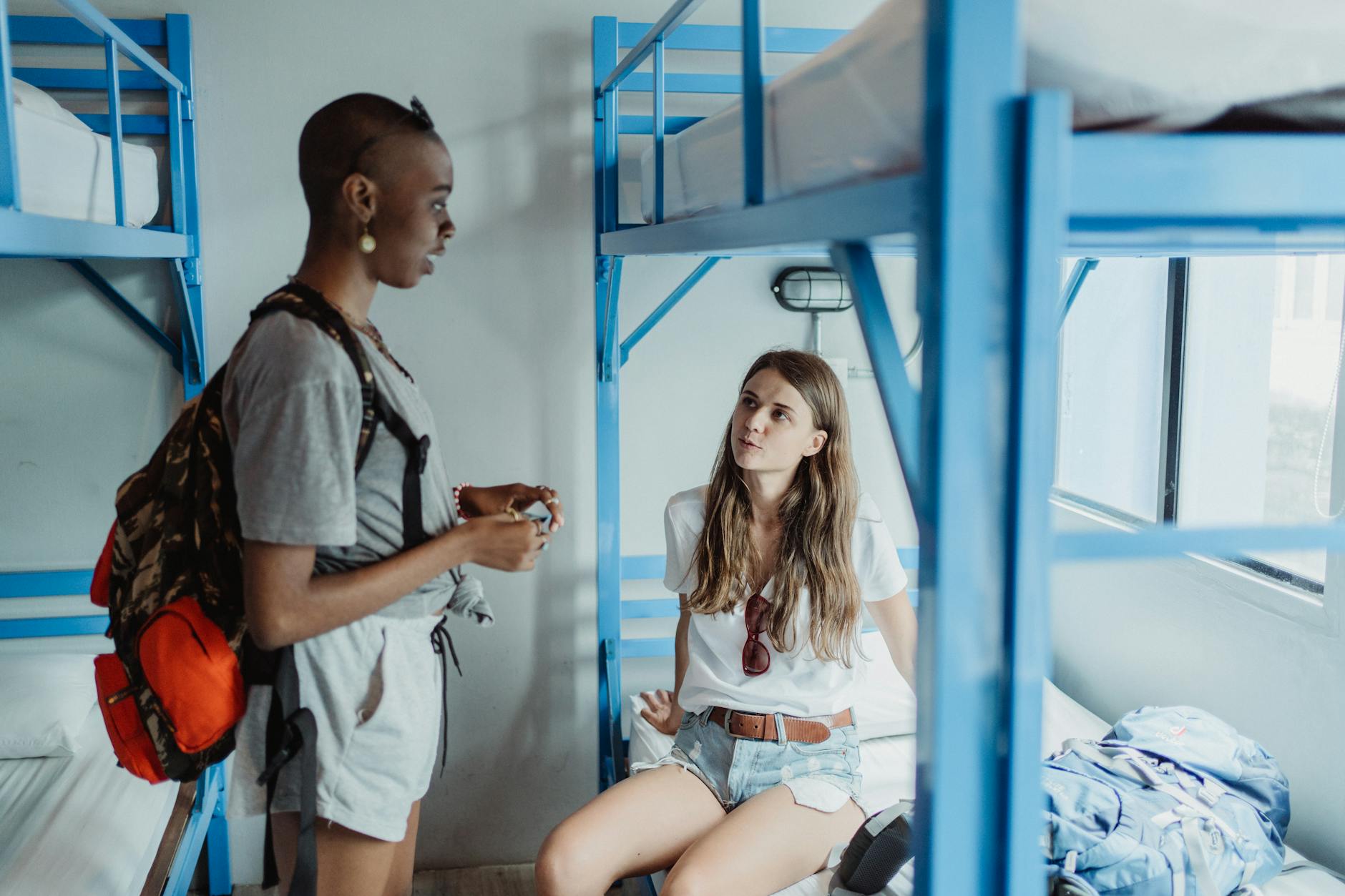
Hostels (CHF 35-70 a night)
Geneva has a handful of solid hostels. The Geneva Hostel (HI) near the lake runs dorm beds from CHF 35-45 with breakfast, and City Hostel Geneva in the Paquis neighbourhood does beds from CHF 40-55. Both hand you the free Geneva Transport Card, which on its own saves CHF 7-10 a day on buses and trams. Private rooms in hostels usually land at CHF 90-130 — sometimes the better deal once you factor in not sharing with a snorer. Travelling on a student card changes the maths again — see the Geneva student travel guide for the discounts worth carrying ID for.
Budget hotels (CHF 100-160 a night)
For the best value among proper hotels, look around the Paquis district and near Cornavin train station. Hotel Bel’Esperance in the Old Town and Ibis Budget near the airport are dependable picks in the CHF 100-140 band. One thing I always confirm at booking: that the free Geneva Transport Card is included. Most places provide it, but it is worth a line in the booking email rather than an unhappy surprise at check-in.
Sleep across the border in France
My single biggest money-saver for Geneva is not staying in Geneva. Annemasse, just over the French border, sits 20 minutes from the centre on tram line 17, and rooms there run 40-50% cheaper than the Swiss equivalent. Ferney-Voltaire and Saint-Julien-en-Genevois work the same trick. A double in Annemasse averages EUR 70-90 against CHF 150-200 in the city proper. You trade a short commute for savings that can clear CHF 500 over a week — for me, an easy call. For more on neighbourhoods and areas, see our where to stay in Geneva guide and the dedicated budget hotels in Geneva roundup. The trade-offs, tram times and which suburb suits which traveller are in our budget accommodation across the French border guide.
Apartments and vacation rentals
Apartment rentals start around CHF 80-120 a night for a studio, which puts them level with budget hotels — and ahead once you stay three nights or more. The real win is the kitchen, which quietly demolishes your food costs. Look in Carouge, Plainpalais, or the Nations area for decent value within reach of the centre.
03 — Eating well in Geneva for less
Food is where the budget quietly leaks. A sit-down dinner runs CHF 40-60 a head with no effort at all. But locals eat for a fraction of that, and the methods are no secret once you know them. Our cheap eats in Geneva guide has the full address book; here are the principles.
Lean on the supermarkets (CHF 8-15 a meal)
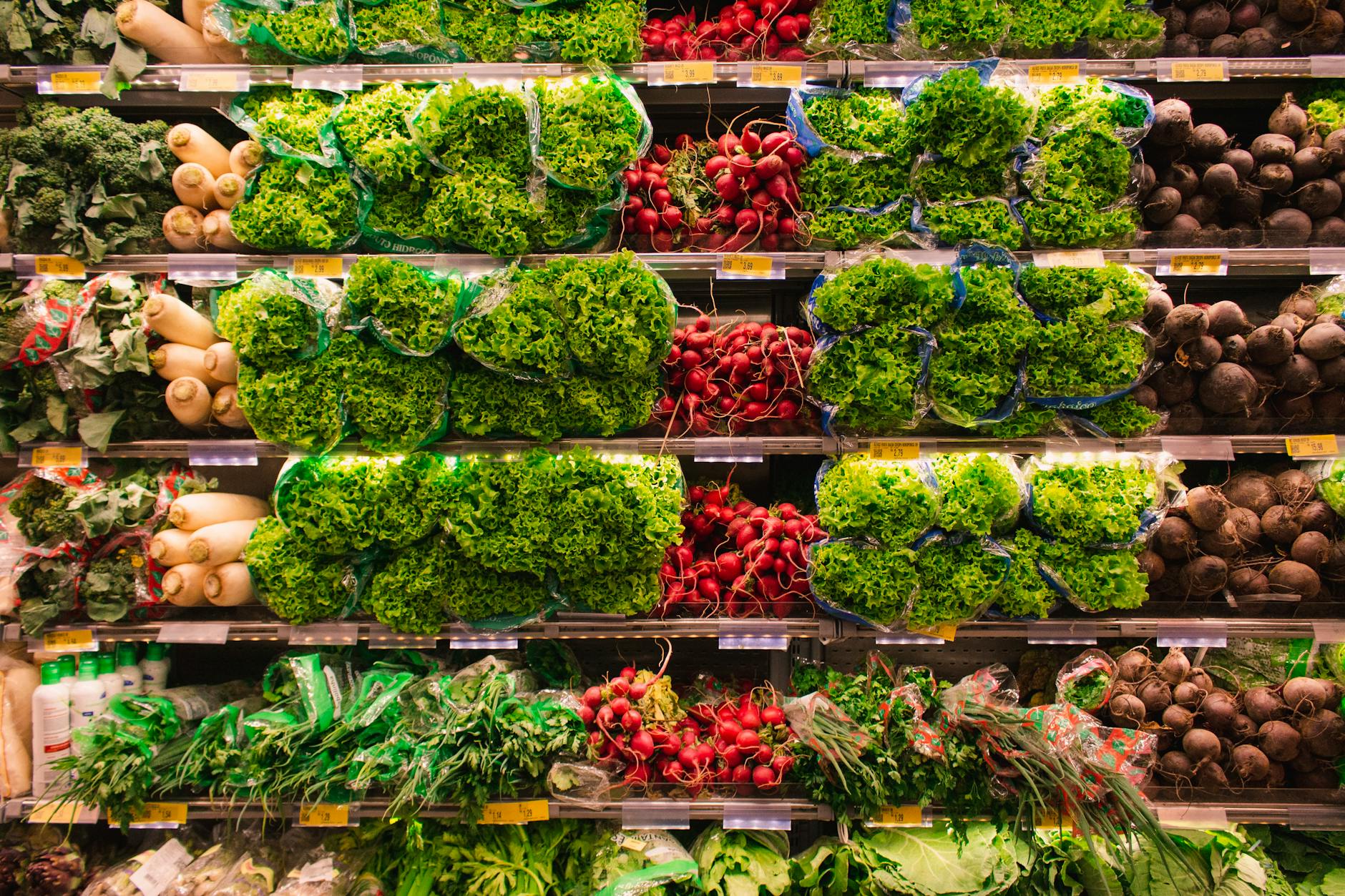
Migros and Coop are the two big Swiss chains, and both run serious prepared-food counters. A fresh sandwich, salad, or hot dish from the takeaway costs CHF 8-12, roughly a third of restaurant prices. They also sell the bread, cheese, and charcuterie that turn into a lakeside picnic. Lidl and Aldi go cheaper still on basics. Swapping one or two meals a day to the supermarket is the most effective single move for your food budget here — nothing else comes close.
Order the plat du jour (CHF 16-25)
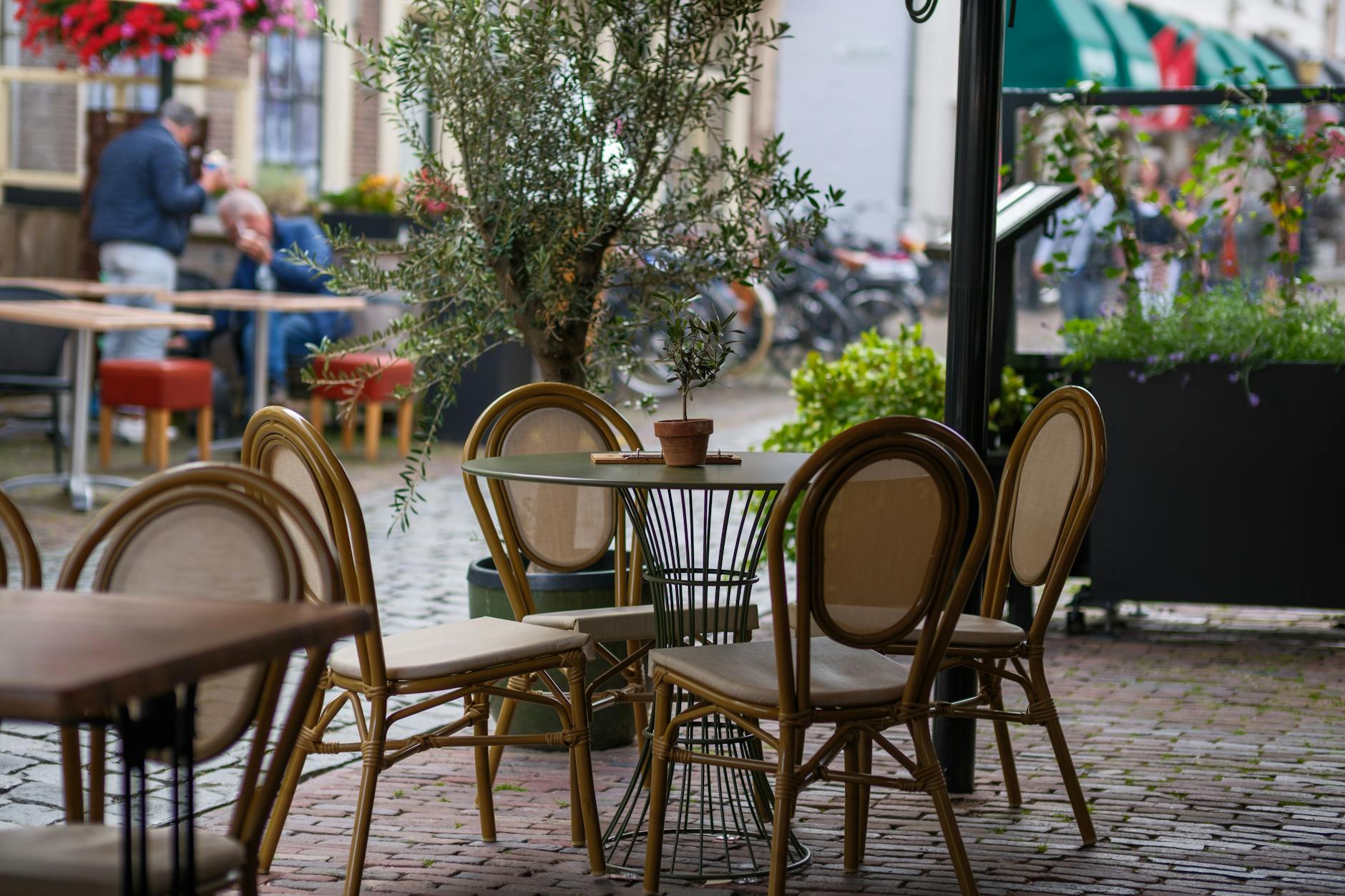
Nearly every restaurant in Geneva runs a plat du jour, a dish of the day, at lunch, typically CHF 16-25 for a main, sometimes with a starter or coffee thrown in. This is how locals afford to eat out. Paquis near the station and Plainpalais by the university have the densest run of cheap lunch spots. The trick is to make lunch your main restaurant meal instead of dinner; it knocks 30-40% off the same plate. Our where to eat in Geneva guide rounds up more.
Where to find cheap food
Paquis is the most varied food neighbourhood in the city — kebab shops, Asian noodle bars, and Middle Eastern places turning out meals at CHF 10-15. Rue de Berne and the streets around it are wall-to-wall with options.
Plainpalais, next to the University of Geneva, runs on student money: cheap cafes, pizzerias, and the big Plainpalais flea market on Wednesdays and Saturdays where you can graze for not much.
Manor and Globus food halls are the department-store secret — better quality than you would guess at mid-range prices, with enough variety to split small plates of a few things instead of committing to one.
Markets and picnics
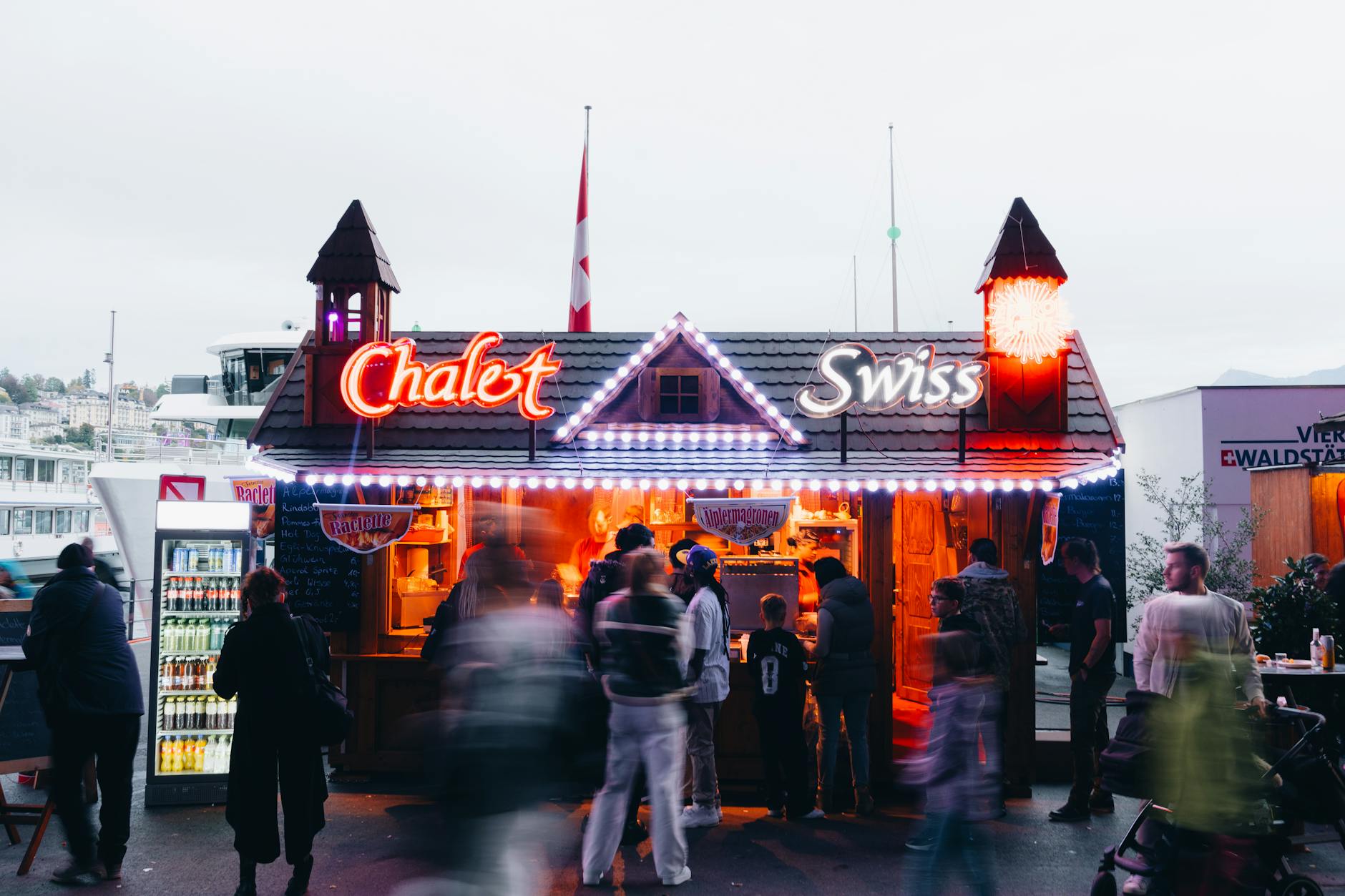
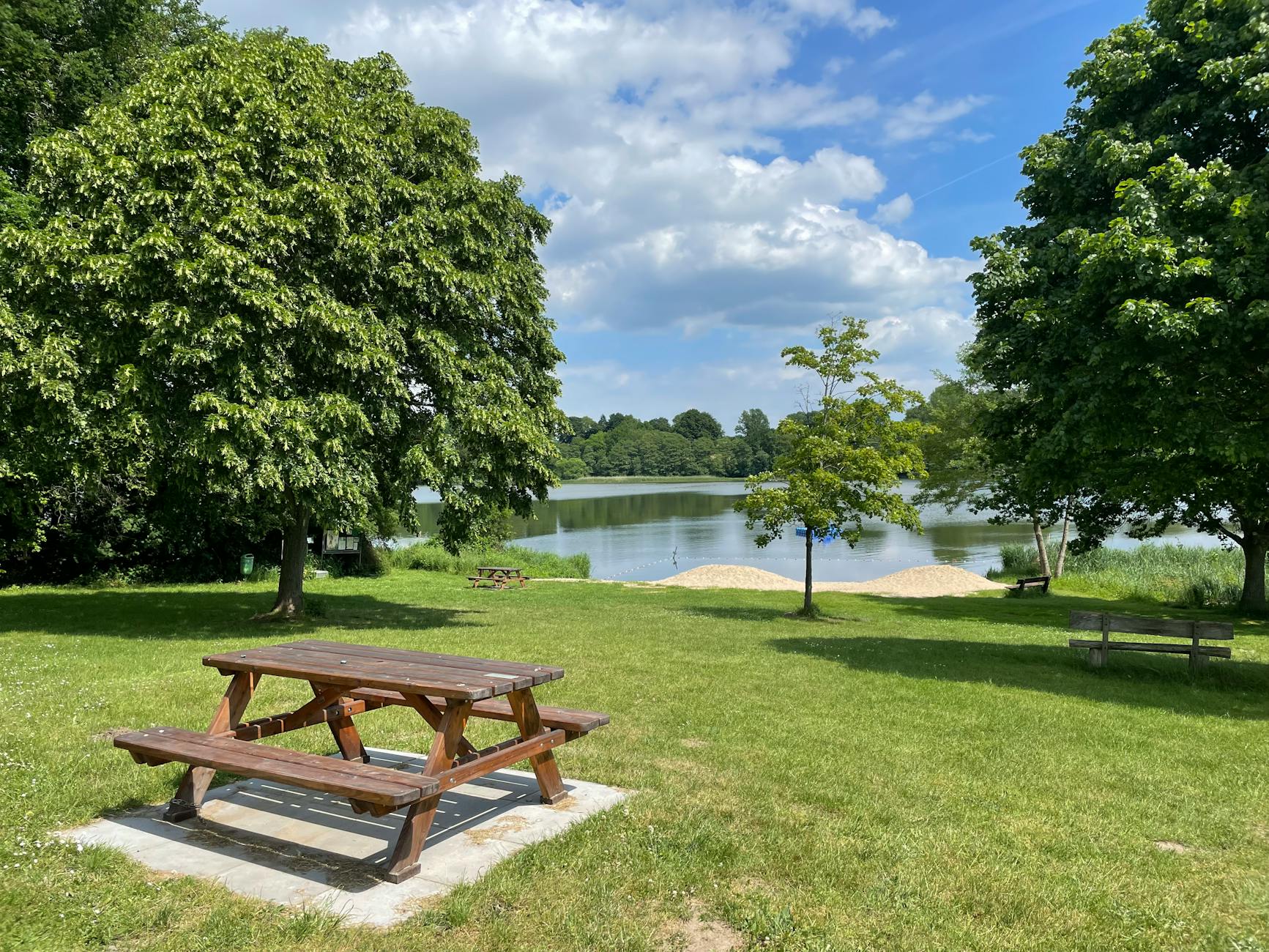
Geneva’s outdoor markets pull double duty as a cultural outing and a cheap lunch. The Plainpalais flea market (Wednesday and Saturday) and the Rive market (Wednesday morning) sell fresh produce, cheese, and prepared food at fair prices. Load up, walk to a lakefront park, and eat there — a picnic by the water is one of the best free things you can do in this city, full stop.
04 — Free things to do in Geneva
This is where Geneva quietly earns back its reputation. An unusual share of the city’s best experiences cost nothing, which is exactly why a tight budget here is no real handicap. For the full inventory, see our free things to do in Geneva guide.
Free landmarks
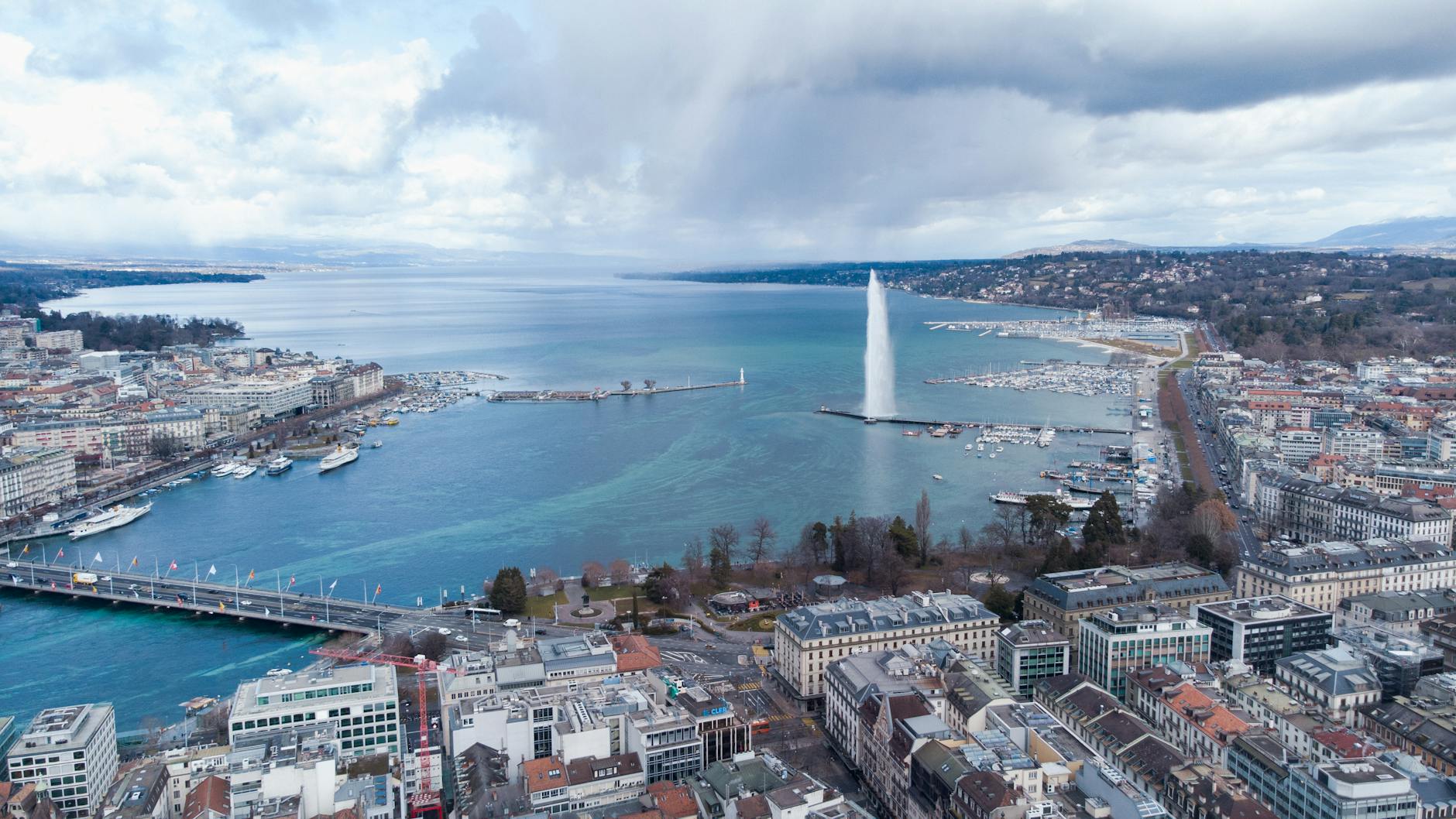
Jet d’Eau. The 140-metre water plume on the lake is free to watch from the shore, and you can walk out along the jetty to stand right under it — you will get a little wet, which is half the fun. It runs March through October and is at its best in low evening light. I keep a running list of free things to do in Geneva with opening hours and the catch on each one.
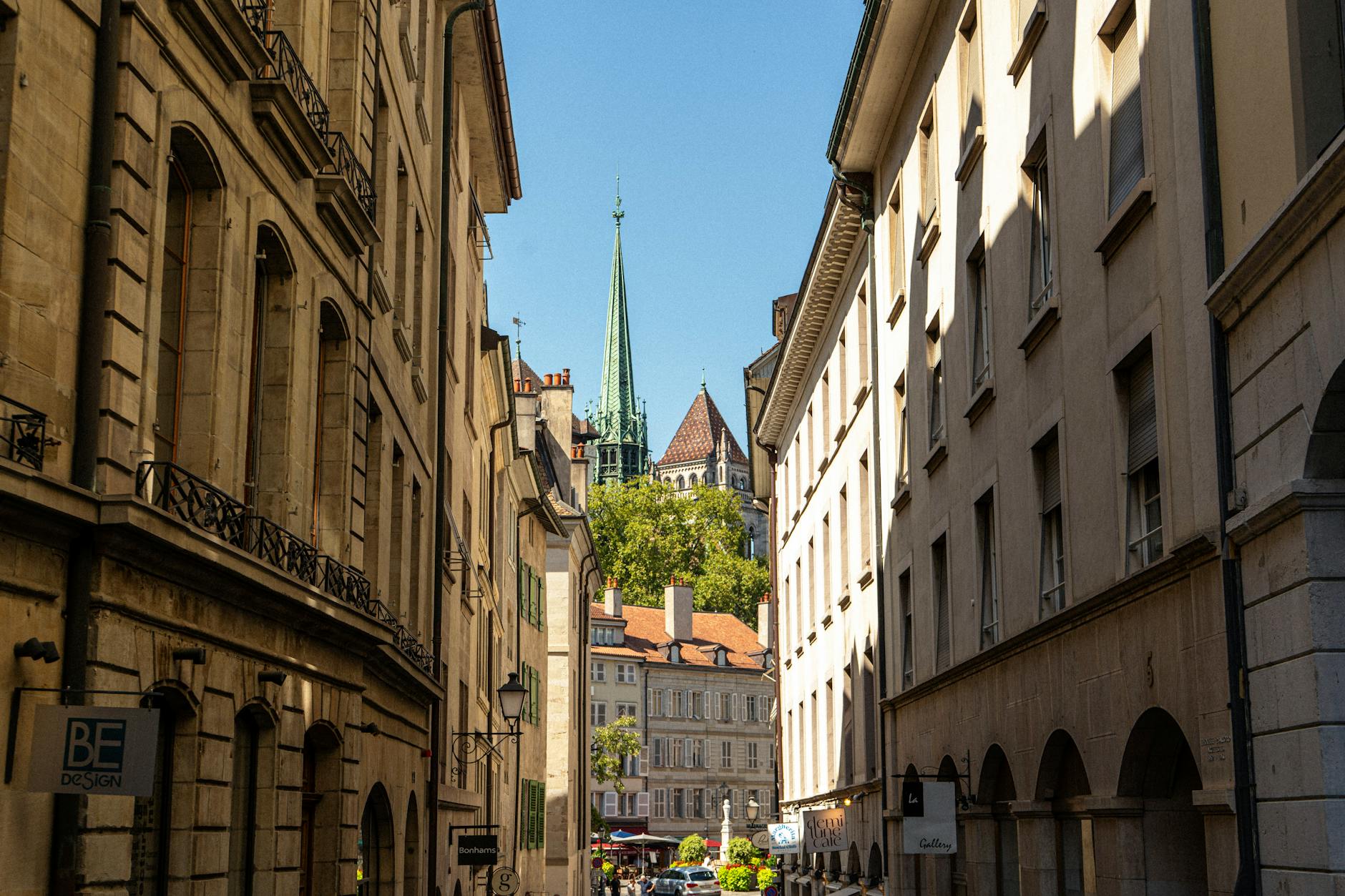
Old Town (Vieille Ville). Geneva’s historic core is free to roam: cobbled lanes, the Place du Bourg-de-Four (the city’s oldest square), the Reformation Wall, and the outside of St. Pierre Cathedral. Entry to the cathedral itself is free; only the tower climb costs CHF 7, and the view is worth the coins.
Flower Clock (L’Horloge Fleurie). In the Jardin Anglais, this working clock is planted from more than 6,500 flowers, replanted with the seasons, and nods to Geneva’s watchmaking trade. Free, year-round, and right on the lakefront walk.
Palais des Nations. The grounds of the UN’s European headquarters, including the Broken Chair sculpture out front, are free to explore. A guided tour of the interior costs CHF 15 and is optional. For more ideas, see our full things to do in Geneva guide.
Free museums
Here is the part that genuinely sets Geneva apart from most European cities: the permanent collections at its main municipal museums are free. You walk in and pay nothing.
Musee d’Art et d’Histoire. The city’s largest museum, holding over 650,000 objects across fine art, archaeology, and applied arts. Permanent collection is free.
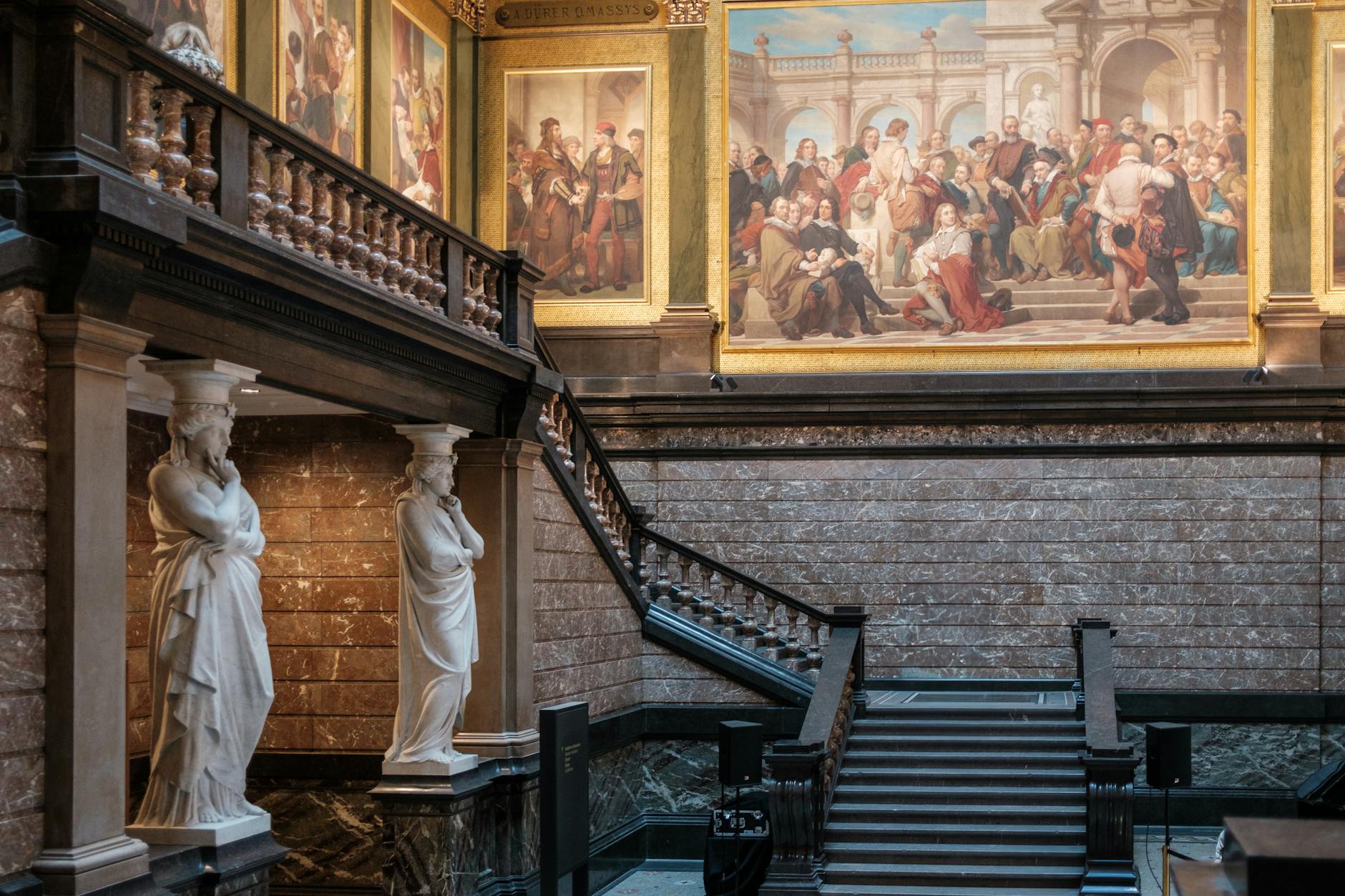
Museum d’Histoire Naturelle. One of the best natural history museums in Switzerland and a reliable hit with kids. Free.
Maison Tavel. The oldest private house in Geneva, now a museum tracing the city’s story. Free.
Musee Ariana. A serious collection of ceramics and glass in a graceful neoclassical building near the UN. Free.
Musee d’Histoire des Sciences. Scientific instruments and the history of discovery, set in a lakeside villa with a park around it. Free.
Free parks and lake
Conservatoire et Jardin Botaniques. A 28-hectare green sprawl with over 12,000 plant species, greenhouses, and a small animal area with deer and flamingos. Free all year, and a genuinely pleasant place to kill an afternoon.
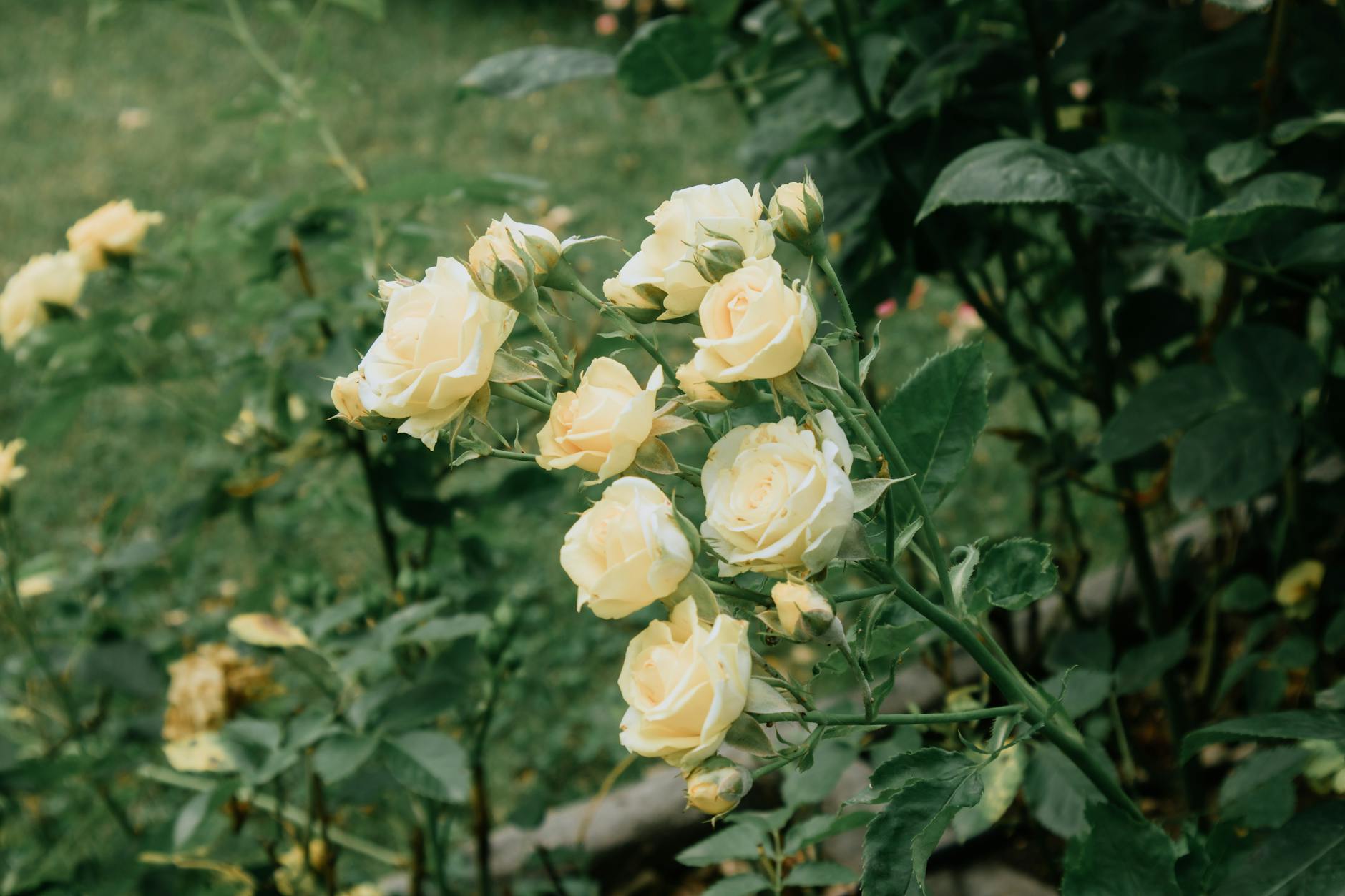
Parc La Grange. The prettiest park in the city, with a rose garden of 200 varieties (peak bloom in June), old-growth trees, and lake views. Free.
Parc des Eaux-Vives. Right next door, with wide views over the lake and out to Mont Blanc on a clear day. Free.
Bains des Paquis. The public bathing pier where Geneva actually goes to swim, sunbathe, and gossip. Entry is CHF 2, call it free, and that covers lake swimming, plus a sauna in winter. If I had to name one cheap thing that captures local life here, this is it.
Free walking tours and views
Free Walk Geneva runs tip-based tours of the Old Town and other quarters, about two hours each, led by guides who know their stuff — you pay what you reckon it was worth. And the lakefront promenade from Bains des Paquis round to Parc La Grange is a 45-minute self-guided walk that costs nothing and shows off the city at its best.
05 — Getting around for free (almost)
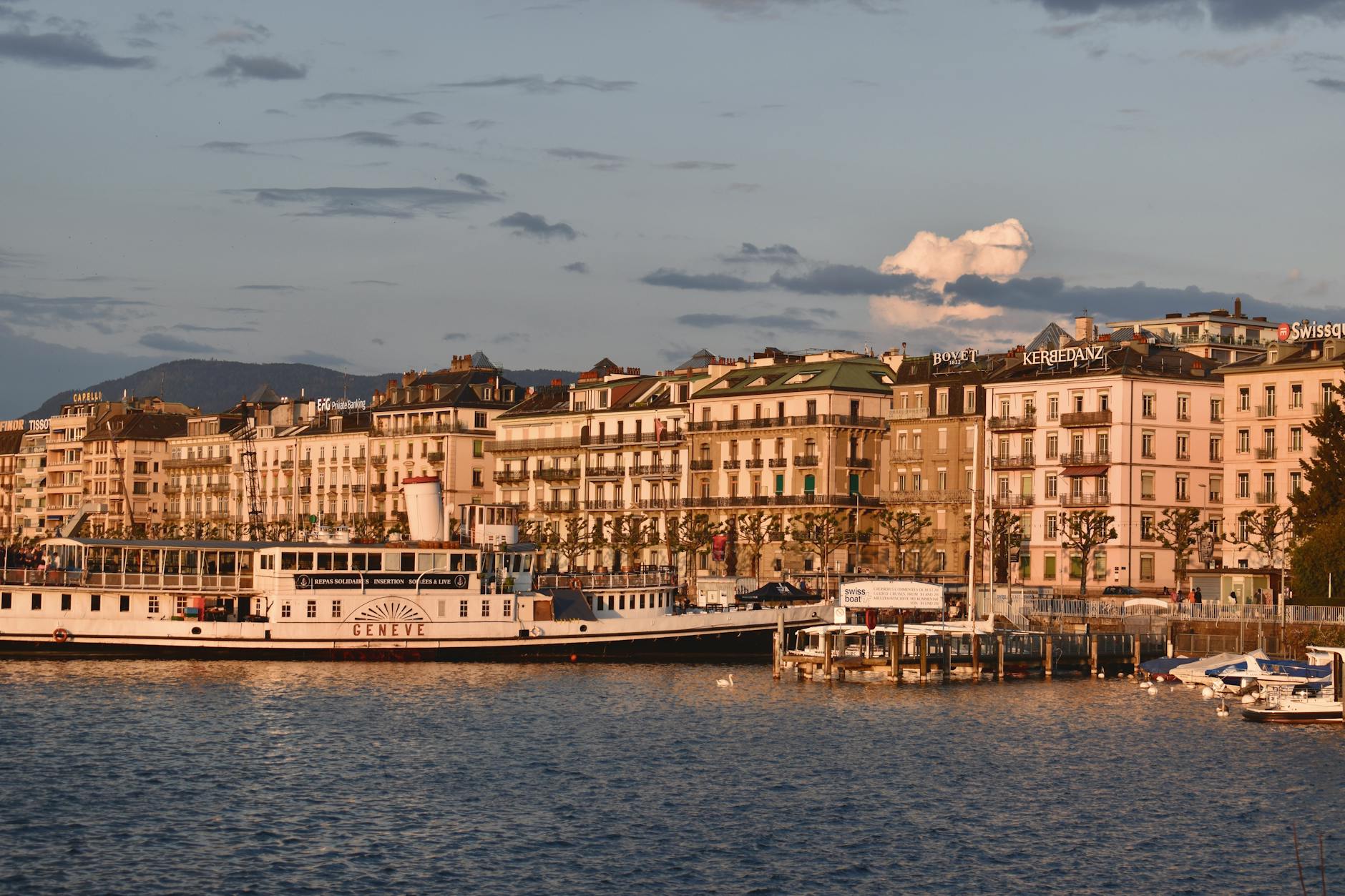
Transport is the area where Geneva on a budget tips over into Geneva for free, provided you understand the system. Our Geneva public transport guide has the route-level detail; here is the money part.
The free Geneva Transport Card
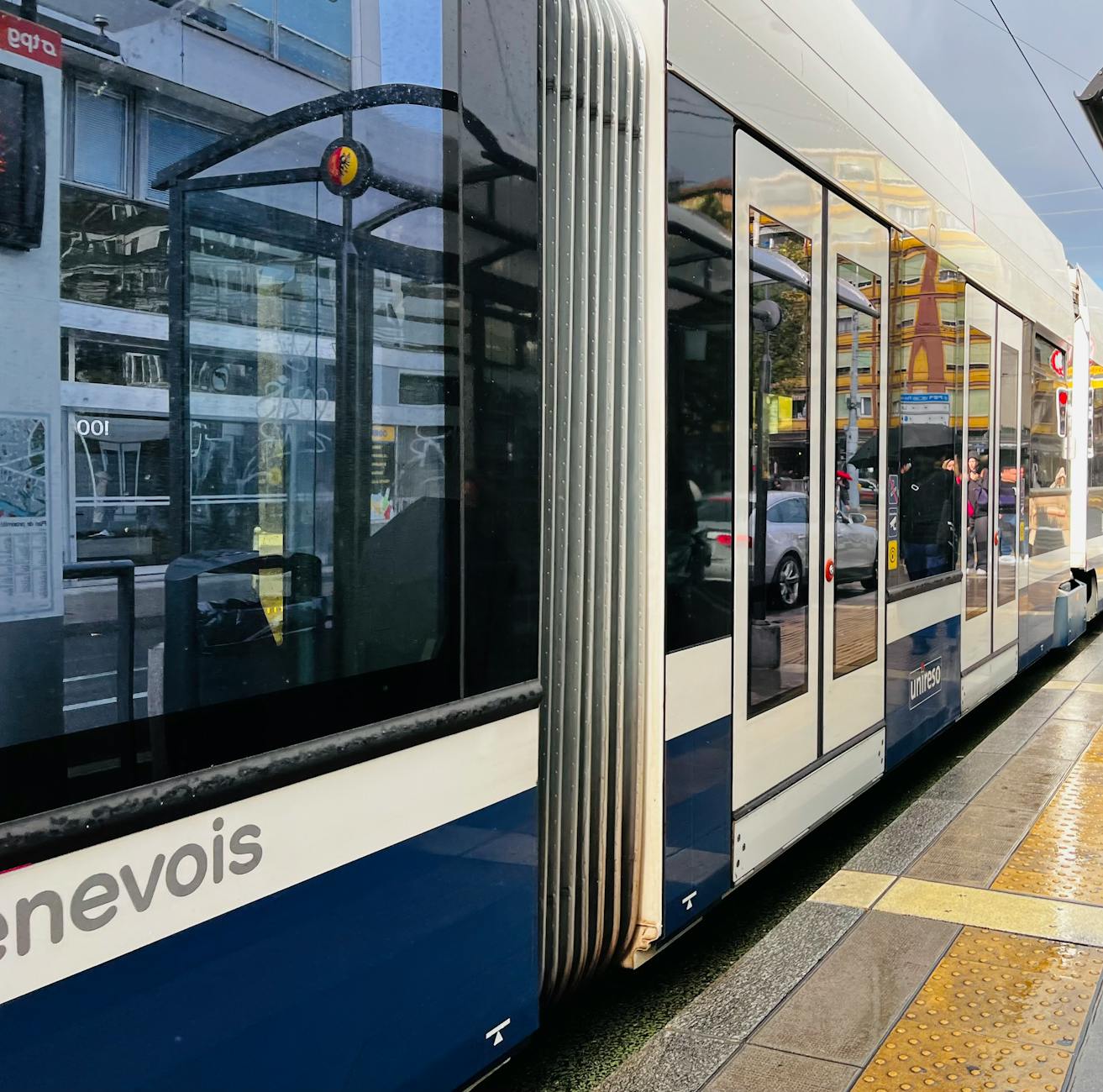
Every guest in official accommodation, including hotels, hostels, apartments and even campsites, gets a free Geneva Transport Card. It covers unlimited travel on TPG buses and trams, the Mouettes Genevoises lake shuttle boats, and SBB trains within the canton. It is valid for your whole stay plus your arrival and departure days, and it saves CHF 7-10 a day against single tickets. Take it the moment you check in and use it for everything. There is a deeper rundown in our Geneva Transport Card guide.
Geneva Pass or Swiss Travel Pass?
The Geneva Pass (the city pass) costs CHF 30-40 and bundles entry to over 50 attractions, a boat cruise, and tour discounts. If you will hit three or more paid attractions, it pays for itself quickly.
The Swiss Travel Pass covers unlimited travel across the whole country plus entry to 500+ museums, but it starts at CHF 244 for three days, so it only earns its keep if you are travelling well beyond Geneva. Staying put in the city? The free Transport Card plus a Geneva Pass beats it comfortably. We weigh the two head-to-head in the Geneva Pass vs Swiss Travel Pass comparison.
06 — Free neighbourhoods worth your shoe leather
Some of the best hours I have spent in Geneva cost nothing but comfortable shoes and a bit of curiosity. Three quarters reward an aimless wander.
Carouge, the Italian-flavoured one
Two tram stops from the centre (free with your card), Carouge was laid out by the King of Sardinia in the 18th century, and it shows: low coloured facades, narrow streets, artisan workshops, and cafe terraces with a distinctly Italian tilt. Time it for the Wednesday or Saturday market. The whole neighbourhood is free to wander, and it photographs beautifully without trying.
Paquis, the multicultural one
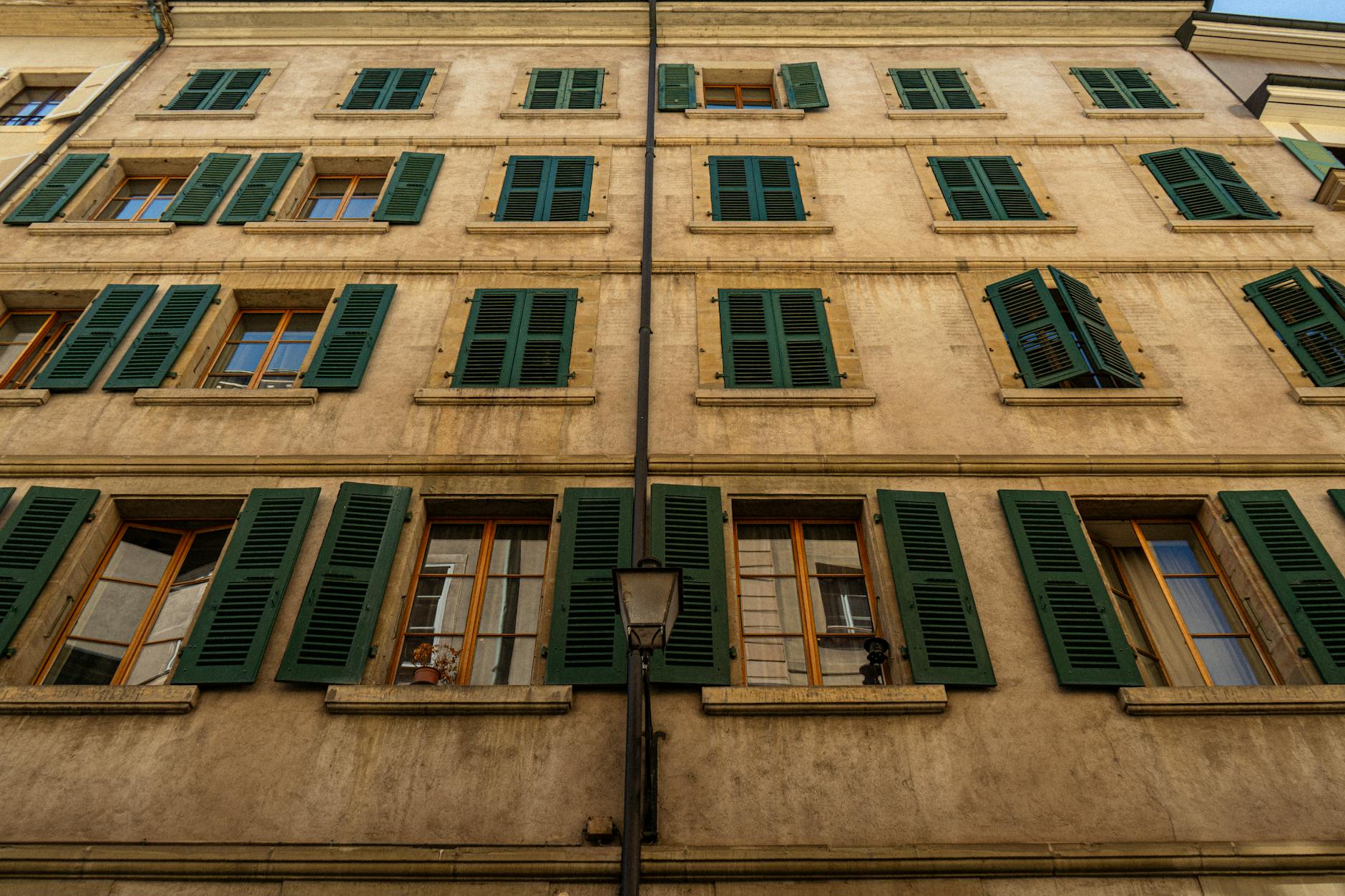
On the right bank between the station and the lake, Paquis is the most mixed, most alive part of Geneva — international restaurants, specialty shops, and a real lived-in feel a world away from the polished left bank. Walking through it is free and never dull.
The International District
Around Place des Nations you will find the UN, the Red Cross Museum (CHF 15, and worth the splurge), and a cluster of international bodies. Ariana Park, wrapped around the ceramic museum, is a quiet green space with Mont Blanc on the horizon. Free to explore.
07 — Cheap day trips from Geneva
You do not need a fat wallet to get out of the city, either. A few of the best escapes are genuinely cheap when you plan them. For the full list, see our best day trips from Geneva guide. For costed options only, see cheap day trips from Geneva.
Yvoire, France (under CHF 20 round trip). A medieval lakeside village across the French border, reachable by CGN boat or bus. The village itself is free to wander; only the Garden of Five Senses charges (EUR 14).
Annecy, France (CHF 25-35 round trip). The “Venice of the Alps,” and a FlixBus gets you there from CHF 10-15 each way. The old town, the canals, and the lake beach are all free.
Nyon (free with your Transport Card). This lakeside town sits inside Zone 90, so your Geneva Transport Card covers the train fare. A Roman museum, a medieval castle, and a lake promenade make it an ideal free half-day.
CERN (free). The world’s largest particle-physics lab runs free exhibitions on the workings of the universe. The guided underground tours need advance booking and are also free — one of the best-value outings anywhere near Geneva, and you should book the moment you have dates.
08 — 25 money-saving tips for Geneva
These are the tactics I actually use, sorted so you can skim to what matters. None of them require roughing it. Each one is expanded, with numbers, in the full Geneva money-saving tips guide.
Accommodation
1. Confirm the free Geneva Transport Card is included before you book. 2. Reserve 6-8 weeks out for the best rates; Geneva fills fast around conferences and UN sessions. 3. Consider Annemasse, France, for 40-50% off hotel prices. 4. An apartment with a kitchen pays for itself after three nights through food savings. 5. Travel November to February (skip Christmas and Davos week) for the lowest room rates.
Food and drink
6. Eat your big meal at lunch, since plat du jour specials run 30-40% cheaper than dinner. 7. Raid the Migros or Coop takeaway counters for CHF 8-12 meals. 8. Drink the tap water everywhere; it comes straight from Lake Geneva and tastes great. 9. Refill a bottle at the city’s public fountains instead of buying bottled water. 10. Buy basics at Lidl or Aldi, 20-30% under Migros and Coop.
Sightseeing
11. Do the free museums first; the permanent collections alone could fill several days. 12. Take a Free Walk Geneva tour for an expert overview on a tip basis. 13. Book CERN’s free guided tour online weeks ahead; slots vanish. 14. Swim at Bains des Paquis for CHF 2 instead of a pricey pool. 15. Grab a free bike from a Geneveroule station — the first four hours are free with an ID deposit.
Transport
16. Use your free Transport Card for everything: buses, trams, regional trains, and the Mouettes lake shuttles. 17. Geneva is compact; you can walk between most central sights in 15-20 minutes. 18. Take tram 17 to Annemasse for cheaper shopping and dining (covered to the border). 19. Use Geneveroule bike-share instead of taxis. 20. If you are only doing Geneva, skip the Swiss Travel Pass — the free card has you covered.
General
21. Pay in francs, not euros — places that take euros usually give you a poor exchange rate. 22. Carry a Wise or Revolut card for fair rates and no foreign-transaction fees. 23. Skip the exchange offices at the station and airport; use ATMs. 24. Free WiFi is everywhere, in cafes, public buildings and on TPG transport, so you can skip costly roaming. 25. Check the official Geneva Tourism site for free seasonal events and exhibitions before you go.
09 — A 3-day Geneva itinerary under CHF 400
Proof that the numbers work in practice — three full days for under CHF 400 all in, food and activities and a hostel bed included.
Day 1: Old Town and lakefront
Start with the free Old Town walking tour, step inside St. Pierre Cathedral, and find the Reformation Wall. Lunch on a plat du jour in Paquis (CHF 18). Spend the afternoon at the Jet d’Eau and the Jardin Anglais flower clock. Picnic from Migros by the lake at dusk (CHF 12). Day cost: CHF 30, food only.
Day 2: Museums and Carouge
Morning at the free Musee d’Art et d’Histoire. Tram to Carouge for a market lunch and a wander (CHF 15). Afternoon in the Botanical Gardens (free). Kebab or Asian in Paquis for dinner (CHF 14). Day cost: CHF 29.
Day 3: CERN and the lake
Morning at the CERN exhibition (free, booked ahead). Supermarket lunch (CHF 10). Afternoon swim at Bains des Paquis (CHF 2), then walk the lakefront promenade to Parc La Grange. Plat du jour dinner (CHF 22). Day cost: CHF 34.
Three-day total: CHF 93 for food and activities, plus CHF 105-195 for a hostel dorm, comes to CHF 198-288. Comfortably under CHF 400, with slack left for a day trip to Annecy or Yvoire.
10 — When to visit Geneva to spend less
Timing alone can shave 20-40% off your accommodation. Here is how the calendar breaks down for a budget traveller.
| Period | What to expect | Value verdict |
|---|---|---|
| Nov-Feb (excl. Christmas, Davos week) | Cheapest beds; room rates drop 30-40% vs summer | Best for the budget |
| Apr-May and Sep-Oct | Pleasant weather, moderate prices, fewer crowds | Best all-round value |
| Jun-Aug | Peak tourism; busiest and priciest | Pay up or plan hard |
| Major UN, motor show and conference weeks | Prices can spike 50-100% | Avoid if you can |
One more lever: business travel pushes hotel prices up Tuesday through Thursday, so booking Sunday-through-Wednesday nights often beats a mid-week arrival. Stack a quiet month with a quiet weeknight and you get the city at its cheapest.
11 — So, is Geneva worth it on a budget?
Yes, and not grudgingly. The moments that stick with you here cost nothing: the Jet d’Eau catching the evening light, the cobbles of the Old Town, a free room full of world-class art, a picnic by the lake with the Alps lined up behind it. What makes Geneva expensive is unplanned spending on beds and dinners, and this guide hands you the controls for both.
Between the free Transport Card, the free museum collections, the tip-based walking tours, and the lake itself, Geneva is one of the more do-able expensive cities in Europe once you know the moves. Use the playbook above and you will come home with the memories and most of your francs.
Frequently asked questions
How much do I need per day for Geneva on a budget?
Plan on CHF 95-130 a day as a budget traveller: a hostel dorm or shared room, supermarket meals with the occasional cheap restaurant, and free attractions. The free Geneva Transport Card keeps your getting-around cost at zero, which is what makes that number achievable.
Is the Geneva Transport Card really free?
Yes. Anyone staying in official accommodation, whether a hotel, hostel, apartment or campsite, gets it at check-in at no charge. It covers buses, trams, the Mouettes lake boats, and regional trains within the canton for your whole stay, saving CHF 7-10 a day over single tickets.
What can I do in Geneva for free?
A lot. The Jet d’Eau, the Old Town, the flower clock, the UN grounds, the lakefront parks, and the permanent collections at the main municipal museums are all free. Add a tip-based walking tour and a swim at Bains des Paquis for CHF 2, and you can fill several days without an entry fee.
How do I eat cheaply in Geneva?
Make lunch your main meal and order the plat du jour (CHF 16-25), then lean on Migros and Coop takeaway counters for CHF 8-12 dinners. Tap water is excellent and free, Lidl and Aldi cover the basics, and a lakeside picnic from the market is both cheap and one of the nicest things to do here.
Should I stay in France to save money?
It is the biggest single saving available. Annemasse is 20 minutes from the centre on tram 17, with rooms 40-50% cheaper than Swiss equivalents. A double averages EUR 70-90 there against CHF 150-200 in the city, so a week-long stay can save well over CHF 500 for the price of a short commute.
12 — Related Geneva guides
Keep planning with the Geneva trip cost breakdown, our free things to do in Geneva list, cheap eats in Geneva, budget hotels in Geneva, and the Geneva public transport guide. For the bigger picture, start with things to do in Geneva and where to stay in Geneva.