Planning Your Geneva Trip: The Complete Guide
This article contains advertising. Our booking links are routed through a partner that adds commission tracking automatically, so if you book through one we earn a commission from the provider, at no extra cost to you. It never affects what we recommend. Affiliate disclosure
Here is the short version of how to plan a trip to Geneva: fly into an airport that sits five kilometres from downtown, grab a free public-transport ticket at baggage claim, give yourself two to three full days for the city and at least one for a day trip, and budget more than you think you need because Switzerland is genuinely expensive. Do those four things and most of the trip plans itself. The rest of this guide is the detail behind each of them.
Geneva rewards a bit of planning more than most European cities, partly because it is pricey and partly because it is small enough that a single good decision (where you sleep, which pass you buy) changes the whole trip. I’ll walk through when to come, how many days you need, the money, getting in from the airport, where to base yourself, and the visa, packing and connectivity admin — with honest trade-offs rather than a brochure. If you already know your dates, skip ahead to the budget table or jump straight to things to do in Geneva and a ready-made 3-day Geneva itinerary.
01 — When to go to Geneva
Geneva works year-round, but the season you pick decides what kind of trip you get — and what you pay for it. The lake is the city’s living room, so the warmer months feel like a different place entirely from the grey stretch of February.
June to August is peak: 20–27°C, long evenings, the lakefront in full swing, and the city’s big festivals (the Fête de la Musique in June, the Fêtes de Genève fireworks in August). It is also the most expensive and the busiest. September and early October are my pick for most visitors — you keep mild, often clear weather, the summer crowds thin out, hotel rates ease, and the vineyards around the lake turn gold. December is cold but worth it for L’Escalade, the city’s torchlit medieval festival in mid-month, plus Christmas markets and easy access to Alpine snow. January and February are the quietest and cheapest weeks of the year, which is either a downside or the entire point if you want a ski-day base without the crowds. April and May bloom nicely and sit at shoulder prices before the summer surcharge kicks in. For the full month-by-month rundown of what is on, see the Geneva events and festivals guide, or weigh each month against crowds and prices in the best time to visit Geneva.
| Season | Weather | Crowds & prices | Best for |
|---|---|---|---|
| Spring (Apr–May) | Mild, changeable | Moderate, good value | Parks, gardens, shoulder pricing |
| Summer (Jun–Aug) | Warm, 20–27°C | Highest of the year | Lake life, festivals, long days |
| Autumn (Sep–Oct) | Cool, often clear | Easing off | Best value with good weather |
| Winter (Dec) | Cold, festive | Busy around L’Escalade | L’Escalade, markets, Alps access |
| Deep winter (Jan–Feb) | Cold, short days | Lowest of the year | Budget trips, ski day-trips, quiet |
02 — How many days do you need in Geneva?
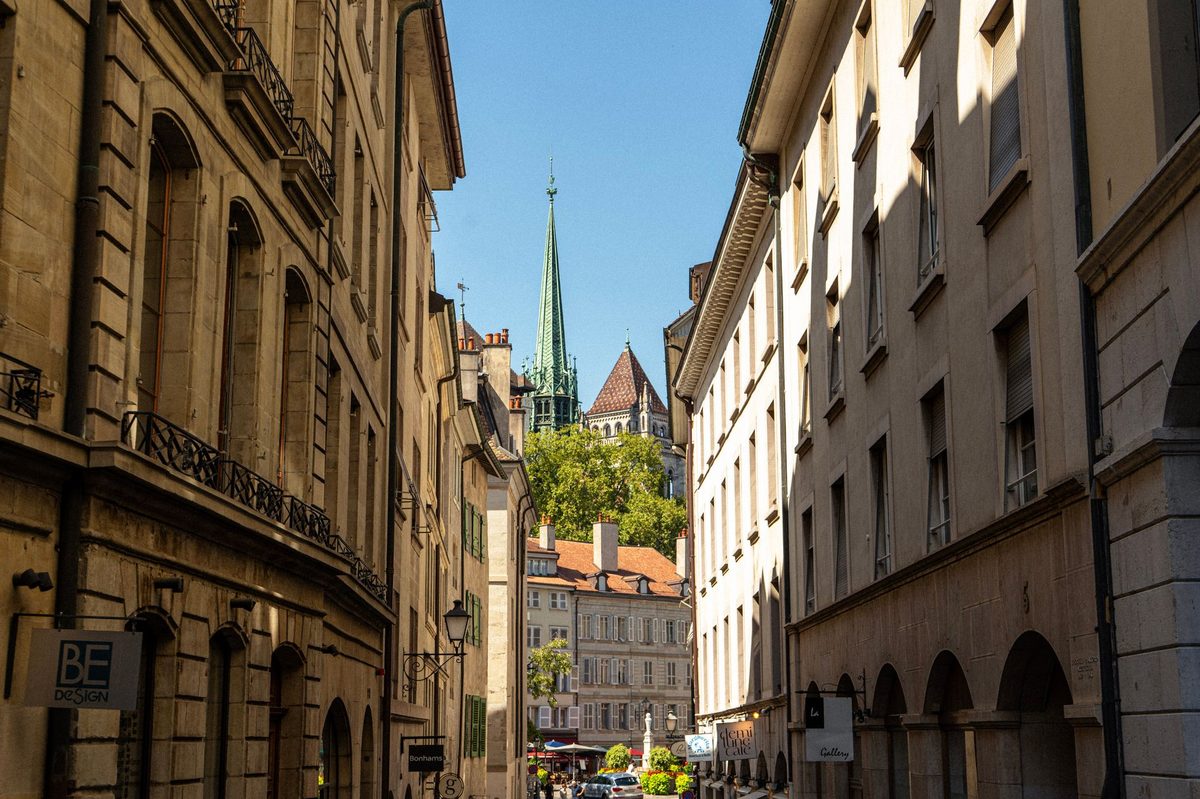
Geneva proper is compact. You can see the headline sights — the Jet d’Eau, the Old Town, the lakefront, the flower clock, a museum or two — in a busy day and a half. But that sells the trip short, because half of Geneva’s value is what is an hour away by train: Montreux, Lausanne, Chamonix, Annecy, the Lavaux vineyards. My honest recommendation is three to four days: two for the city at a civilised pace, one or two for day trips into the Alps and along the lake. How many days you need in Geneva walks each trip length from one to seven days, with what fits and what gets cut.
Here is how the common trip lengths actually shake out. If you only have a day, see the itinerary guides and prioritise ruthlessly; if you have a week, you are really planning a Switzerland trip with a Geneva base.
| Trip length | What you can realistically do | Good for |
|---|---|---|
| 1 day | Old Town, Jet d’Eau, lakefront stroll, one museum | Layovers, business add-on |
| 2 days | Above plus a neighbourhood (Carouge or Pâquis), more museums, a proper lakefront afternoon | A focused city break |
| 3 days | The full city at a relaxed pace plus one day trip (Montreux or Chamonix) | Most first-time visitors — the sweet spot |
| 4–5 days | City plus two day trips, time for the lake and the Alps both | Travellers who want Switzerland, not just Geneva |
The trade-off is real: add days and you add day trips, not more city. Geneva does not need a week on its own, but it makes an excellent base for one. Build the days around what is open and what is on using things to do in Geneva and the best day trips from Geneva.
03 — What a Geneva trip costs
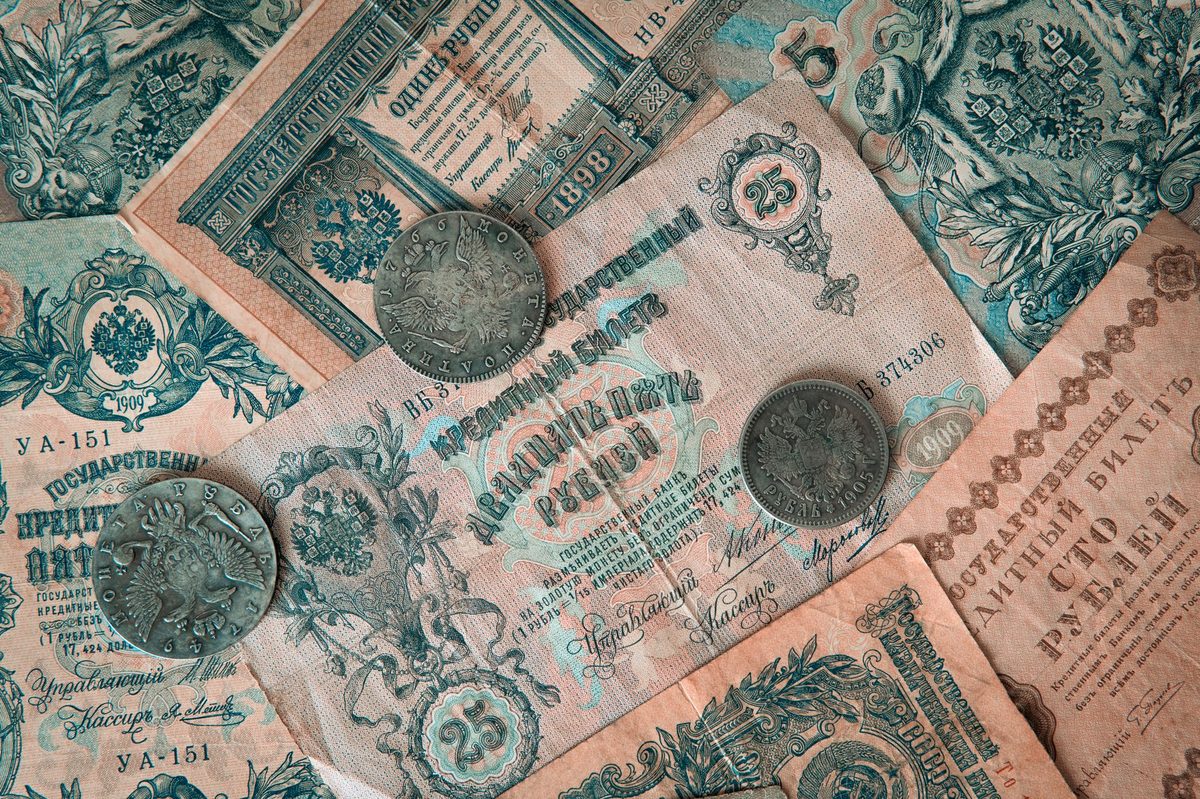
No way around it: Geneva is one of the most expensive cities in Europe. A sit-down lunch can run CHF 25–35, a beer CHF 7–9, a mid-range hotel room CHF 150–250 a night. The good news is that the city hands you several large freebies (public transport, a lot of the best museums’ permanent collections, the lakefront, the parks), so a careful traveller can keep costs far lower than the reputation suggests. Note that Switzerland uses the Swiss franc (CHF), not the euro; more on money below.
Here is a realistic daily budget per person, excluding flights, at three levels. These are spending bands, not promises — a single fancy dinner blows past the “budget” food line on its own.
| Category | Budget | Mid-range | Luxury |
|---|---|---|---|
| Accommodation | CHF 40–80 (hostel / over the French border) | CHF 150–250 (3–4★ hotel) | CHF 400+ (5★ hotel) |
| Food | CHF 30–50/day | CHF 60–100/day | CHF 150+/day |
| Transport | Free (Geneva Transport Card) | Free + day trips CHF 30–50 | Taxis / private CHF 50+ |
| Activities | CHF 0–20 (many free) | CHF 30–60 | CHF 100+ |
| Daily total | CHF 100–170 | CHF 270–460 | CHF 700+ |
The single biggest lever is where you sleep and eat. Staying just across the border in France or in a hostel, eating from bakeries and supermarkets at lunch, and leaning on the free transport card and free museums can bring a day in Geneva down near CHF 100 — which, for Switzerland, is a win. The full playbook is in Geneva on a budget and where to eat in Geneva (which covers the cheap-eats end as well as the splurges).
04 — Getting to Geneva
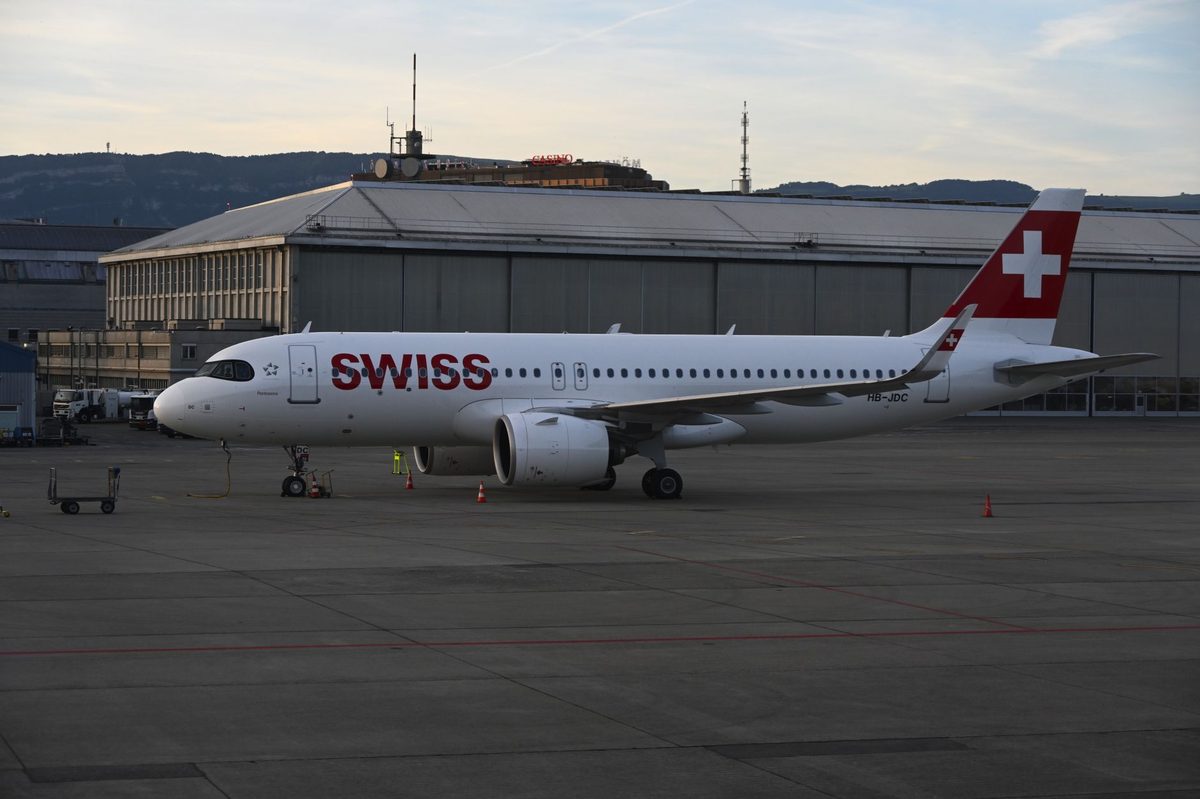
Most visitors arrive one of two ways: by air into Geneva Airport, or by train into Gare Cornavin. Both drop you within a few minutes of the centre, which is one of the genuinely easy things about this city.
Geneva Airport (GVA)
Geneva International Airport (Cointrin) sits just 5 km north of the centre — one of the best-placed airports in Europe — with flights from across Europe, North America, the Middle East and Africa. A quirk worth knowing: it straddles the border, with a French sector and a Swiss sector. Most international travellers use the Swiss side.
Getting downtown is easy and can be completely free. In the baggage-claim hall, look for the free Unireso ticket machine — it dispenses a complimentary 80-minute public-transport ticket good for trains, trams and buses across the Geneva zone. The train to Gare Cornavin (the main station) takes about 7 minutes and runs every 10–15 minutes. A taxi runs CHF 30–40 and takes 10–15 minutes; Uber operates with pickup at Parking 4. The full breakdown, including the cheapest and fastest options at every hour, is in the Geneva airport to city centre guide, and the wider Geneva transportation guide covers getting around once you arrive.
By train
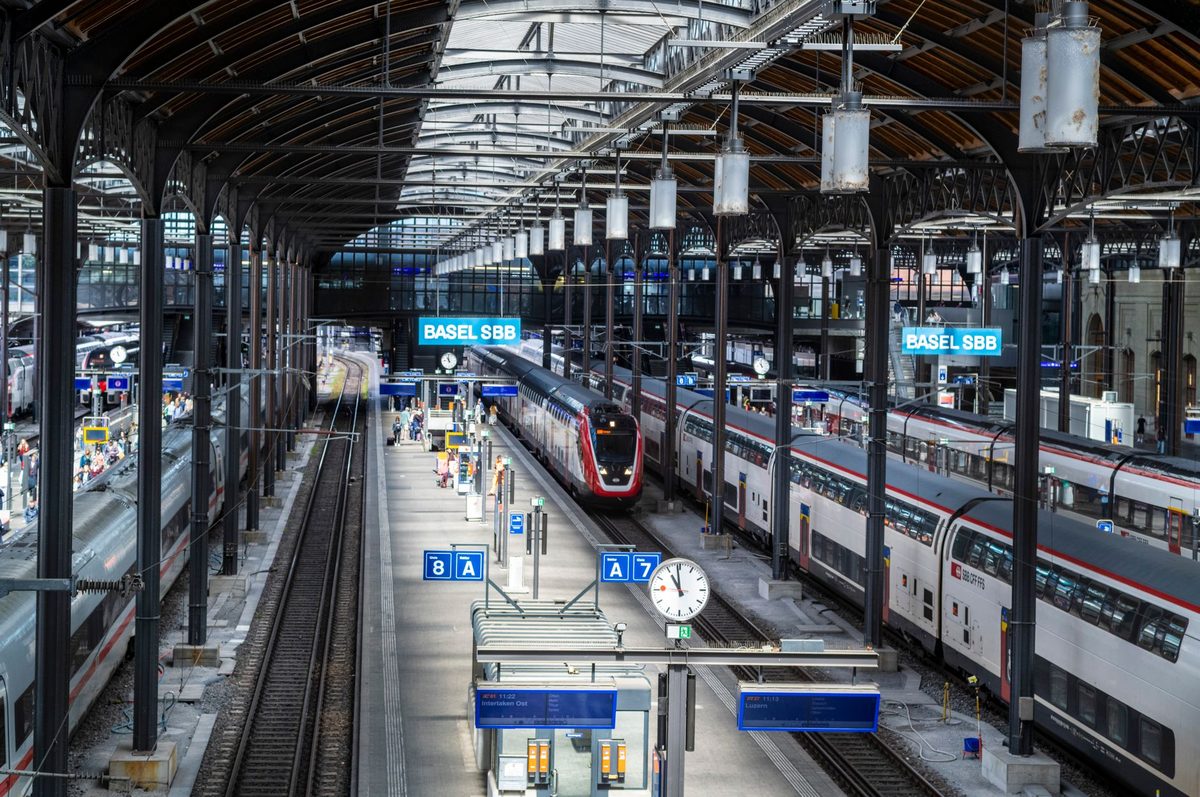
Gare Cornavin is a major rail hub with direct TGV service from Paris (about 3 hours 15 minutes), plus connections to Lyon, Milan and Zurich and frequent regional trains across Switzerland. Swiss trains are famously punctual and comfortable, and the station is a 10-minute walk or one tram stop from the lake. Book through the SBB/CFF site or app. If you plan to range beyond Geneva, a rail pass can pay for itself fast — the Geneva Pass vs Swiss Travel Pass guide lays out which one suits which kind of trip, and the Half Fare Card is worth a look if you are doing several paid journeys.
05 — Where to stay (and the transport-card trick)
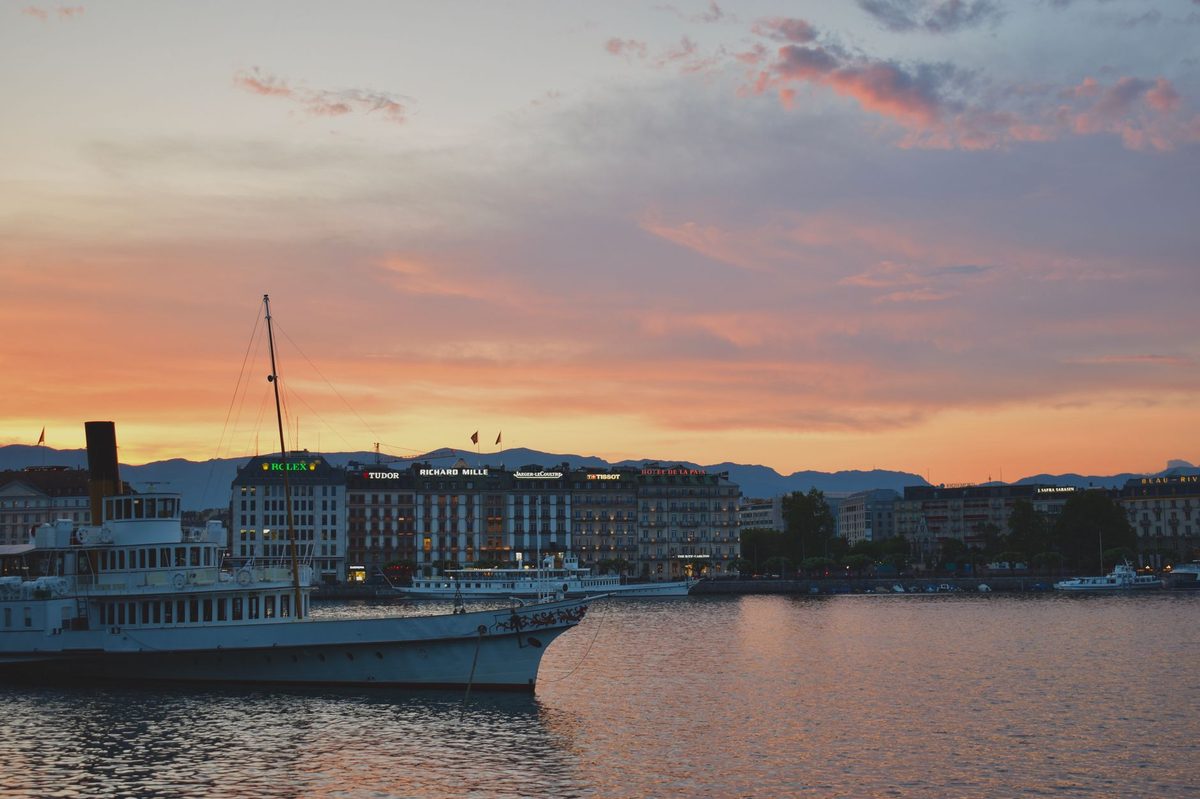
One booking detail saves more money than almost anything else: stay somewhere that gives you the Geneva Transport Card. Nearly every hotel and hostel, and even some Airbnb hosts, hand it over at check-in, and it covers unlimited free trams, buses, trains and the little yellow lake shuttles for the length of your stay. That is worth CHF 10 or more a day, and it is automatic — you just have to book a property that participates (almost all do).
As for where: the area around Les Pâquis, between the station and the lake, holds the best value in the city and puts you walking distance from everything, though the streets nearest the station get seedy at night. The Old Town and Eaux-Vives are quieter and more charming and cost more. Budget travellers should seriously consider sleeping over the French border (Annemasse, Ferney-Voltaire or Saint-Julien-en-Genevois), where room rates run 30–50% lower and trams or buses connect straight into the city. The full neighbourhood-by-neighbourhood breakdown, with picks at each price point, is in where to stay in Geneva.
06 — Money: francs, cards and the euro question
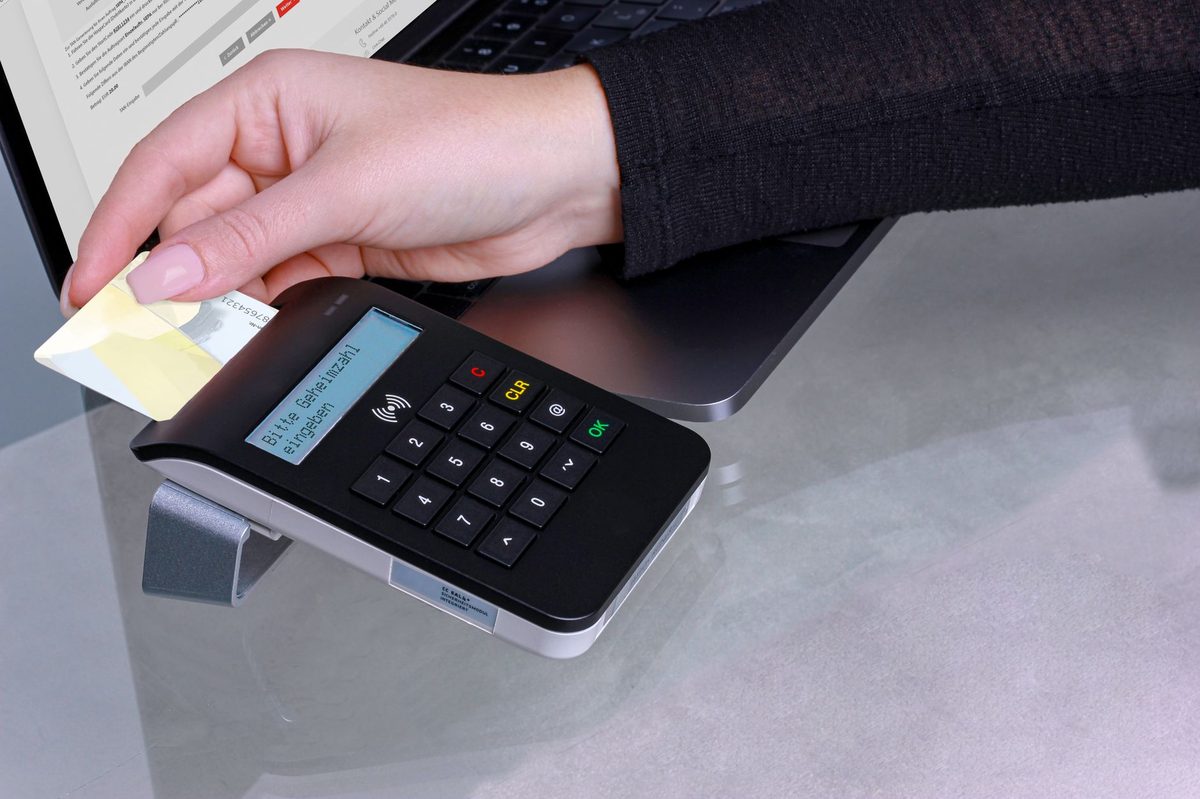
Geneva runs on the Swiss franc (CHF). Switzerland is not in the Eurozone — some tourist-facing businesses will take euros, but at a poor rate and with change handed back in francs, so it is rarely worth it. You barely need cash. Visa and Mastercard are accepted virtually everywhere, including small shops and transport ticket machines, and contactless is the default. ATMs are everywhere if you do want francs, though your home bank may add foreign-transaction fees, so check your card before you go and consider one that does not charge them.
A few practical money habits: notify your bank of your travel dates so a Geneva charge does not get flagged, decline the “pay in your home currency” option that card terminals sometimes offer (it bakes in a bad exchange rate), and keep maybe CHF 50 in cash for the rare market stall or small café that prefers it. Tipping is easy — service is included, and rounding up a restaurant bill is plenty. The Geneva currency and money guide goes deeper on exchange rates, card fees and when cash still matters.
07 — Visa and entry requirements
Switzerland is part of the Schengen Area, so the rules match most of Western Europe. Citizens of the US, Canada, UK, Australia and most EU/EEA countries can enter visa-free for stays up to 90 days within any 180-day period; you need a passport valid for at least three months beyond your planned departure. Citizens of other countries should check Switzerland’s Schengen visa requirements, which can mean applying at a Swiss consulate with proof of accommodation, travel insurance and sufficient funds.
One change to watch: the EU’s new Entry/Exit System (EES) has been rolling out across Schengen borders, replacing passport stamps with biometric data (a facial image and fingerprints) for non-EU/EFTA travellers on first entry. The related ETIAS travel authorisation for visa-exempt travellers is expected to launch in late 2026 at a fee of around €7, but is not yet required as of writing. Confirm the current rules close to your trip — this is the one area where guidance genuinely shifts year to year.
08 — What to pack
Geneva’s weather swings by season, and any mountain excursion ups the requirements, so pack in layers and check the forecast before you zip the bag. A few year-round essentials matter more here than elsewhere: comfortable walking shoes (the Old Town’s cobbles punish thin soles), a universal power adapter — Switzerland uses the three-pronged Type J plug, which differs from the standard European two-pin — a reusable water bottle (the tap water and public fountains are excellent and free), layers for changeable days, and sunglasses.
By season: in summer add swimwear (the lake is the main event) and a light jacket for cool evenings. In winter bring warm layers, a waterproof jacket and sturdy boots if the Alps are on the agenda. For any time of year, pack a small daypack for excursions and a rain jacket, because Geneva sees rain across all four seasons. Keep it light otherwise — you can buy anything you forget, you will just pay Swiss prices for it. The season-by-season Geneva packing list sets it out month by month, and the Geneva weather guide has the temperatures and rainfall behind it.
09 — Staying connected
Getting online is painless. At the airport you can buy a SIM from Swisscom, Sunrise or Salt, and Lebara offers cheaper prepaid plans starting around CHF 10 for the SIM plus a top-up — note that airport SIM vendors often take cash only (CHF or EUR). The simplest option for most visitors is an eSIM bought online before you travel and activated instantly via QR code; providers like Holafly and Airalo sell Switzerland-specific data plans. Free Wi-Fi is widely available at the airport, train stations, most hotels, many cafés and all McDonald’s, and the city offers free Wi-Fi in some public spaces. If you are only here a few days and your home plan includes EU roaming, check whether it extends to Switzerland — it often does not, since Switzerland is outside the EU. The Geneva SIM card and Wi-Fi guide compares operator prepaid plans, eSIM providers and where the free networks genuinely reach.
10 — Is Geneva safe?
Geneva is one of the safest cities in Europe, with very low violent crime and a visible police presence. The everyday precautions still apply: watch for pickpockets in crowded tourist spots, especially around Gare Cornavin and on busy trams, keep valuables zipped away, and be a little more aware at night in the streets of Les Pâquis near the station, which is the city’s red-light area. Swiss emergency services are excellent — dial 112 for general emergencies, 117 for police, 144 for an ambulance and 118 for fire. Pharmacies, marked with a green cross, are common and pharmacists give basic medical advice. And yes, the tap water is safe and genuinely good. The full Geneva safety guide covers the neighbourhood-by-neighbourhood picture, common scams and what to do if something does go wrong.
11 — A first-timer’s Geneva checklist
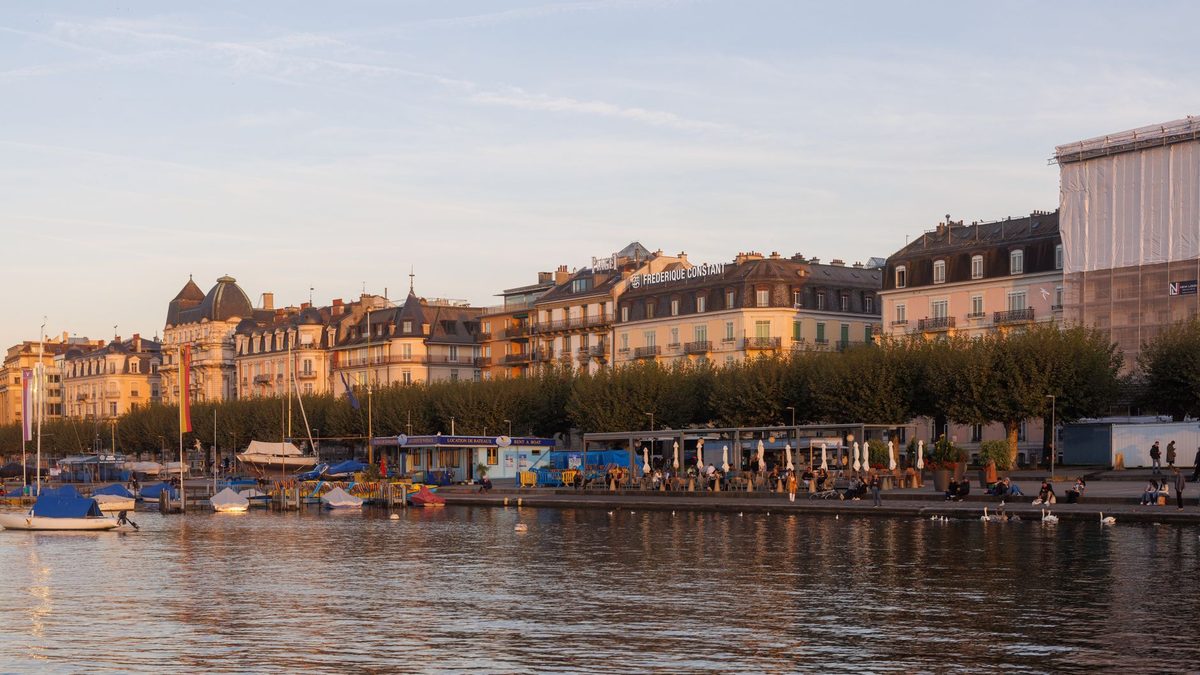
Run through this before you leave and on the ground. It folds the whole guide into a packing-and-doing list. If this is your first visit, the first-timer’s guide to Geneva covers arrival step by step, local etiquette and the mistakes that catch people out.
Before you go: check your passport is valid 3+ months beyond your travel dates; verify visa/ETIAS rules for your nationality; book accommodation that includes the Geneva Transport Card; download the SBB Mobile app for train schedules; arrange travel insurance that covers Switzerland; tell your bank your travel dates; sort an eSIM or plan to buy a SIM at the airport; check the forecast and pack in layers; register for the free CERN Science Gateway if you want to visit; and book a UN Palais des Nations tour if that is on your list.
On arrival: grab the free Unireso ticket from the machine in baggage claim; take the 7-minute train to Gare Cornavin; collect your Geneva Transport Card at hotel check-in; download the TPG app for live tram and bus times; and swing by the Tourist Office at Cornavin for maps and current tips.
During your stay: use the free transport card for everything, including the yellow Mouettes lake shuttles; visit the free permanent collections at the city’s museums; take a dip at the Bains des Pâquis (about CHF 2); get out to at least one neighbourhood beyond the Old Town, such as Carouge; have fondue at least once; and refill your bottle from the fountains — the water is pristine. For ideas to fill the days, lean on things to do in Geneva.
Frequently asked questions
How many days do you need in Geneva?
Two to three days covers the city comfortably — a day and a half for the core sights, the rest to slow down and explore a neighbourhood. Add a fourth or fifth day if you want to fit in day trips to Montreux, Chamonix or the Lavaux vineyards, which is where a lot of Geneva’s appeal sits.
Is Geneva expensive to visit?
Yes — it is one of Europe’s priciest cities, with mid-range hotels around CHF 150–250 and a casual lunch CHF 25–35. But public transport, many top museums and the lakefront are free, so a budget traveller staying in a hostel or over the French border can keep a day near CHF 100.
How do I get from Geneva Airport to the city centre?
Take the free 80-minute Unireso transport ticket from the machine in baggage claim and ride the train to Gare Cornavin in about 7 minutes. Taxis cost CHF 30–40 and take 10–15 minutes. The airport is only 5 km from the centre, so every option is quick.
What currency does Geneva use — can I pay in euros?
Geneva uses the Swiss franc (CHF), not the euro. Some tourist businesses accept euros but at a poor rate with change in francs. Cards are accepted almost everywhere, including transport machines, so you barely need cash at all.
What is the best time of year to visit Geneva?
June for warm weather, long days and the summer festivals, or September if you want similar weather with fewer people and lower prices. Choose mid-December for L’Escalade and the Christmas markets, and January–February for the cheapest, quietest trip and a ski-day base.
Do I need a visa to visit Geneva?
Citizens of the US, UK, Canada, Australia, the EU and many other countries can enter visa-free for up to 90 days in any 180-day period, with a passport valid 3+ months beyond departure. The ETIAS authorisation is expected in late 2026 but is not required yet — check the current rules near your travel date.
Almost every visit begins at Genève Aéroport, so it pays to understand it before you land: the complete Geneva Airport guide covers arrivals, transport into the city, ski transfers and the French sector.
12 — Related Geneva guides
Keep planning with things to do in Geneva, a step-by-step 3-day Geneva itinerary, where to stay in Geneva, Geneva on a budget, and the best day trips from Geneva for when you want to range beyond the city. Travelling with reduced mobility? Start with the Geneva accessibility guide.