Geneva Food & Restaurant Guide
Geneva Food & Restaurant Guide: Where to Eat
This article contains advertising. Our booking links are routed through a partner that adds commission tracking automatically, so if you book through one we earn a commission from the provider, at no extra cost to you. It never affects what we recommend. Affiliate disclosure
Here is the short answer on where to eat in Geneva: go to Café du Soleil in Petit-Saconnex for fondue, eat a midday plat du jour almost anywhere to dodge the prices, and save one dinner for a lakeside table at a place like Bayview if you want the full Geneva splurge. The food here leans French in technique, Alpine in spirit, and surprisingly global thanks to the diplomats and aid workers who live in the city.
This guide walks through the dishes worth ordering, the restaurants I would actually send a friend to, and the tricks that make eating in one of Europe’s priciest cities bearable on a normal budget. If you want to go deeper on a single topic, I link out to focused guides on the best fondue in Geneva, fine dining, and cheap eats as we go.
01 — Swiss Dishes Worth Ordering in Geneva
Before you pick a restaurant, it helps to know what is actually local. Cooking in the Geneva (Romandy) region borrows its method from France next door, then keeps the cheese-heavy, mountain-fed habits that make Swiss food so filling. A few dishes show up again and again, and they are the ones I steer people toward first. For the full rundown, see my guide to traditional Swiss food in Geneva.
Fondue, Geneva’s Shared Pot
Fondue is the dish people fly in for. The Geneva version melts Gruyère and Vacherin Fribourgeois together with white wine, garlic, and a shot of kirsch in a heavy ceramic caquelon. You spear a cube of crusty bread on a long fork and swirl it through the pot, and if your bread falls off the fork into the cheese, custom says you owe the table a round of drinks.
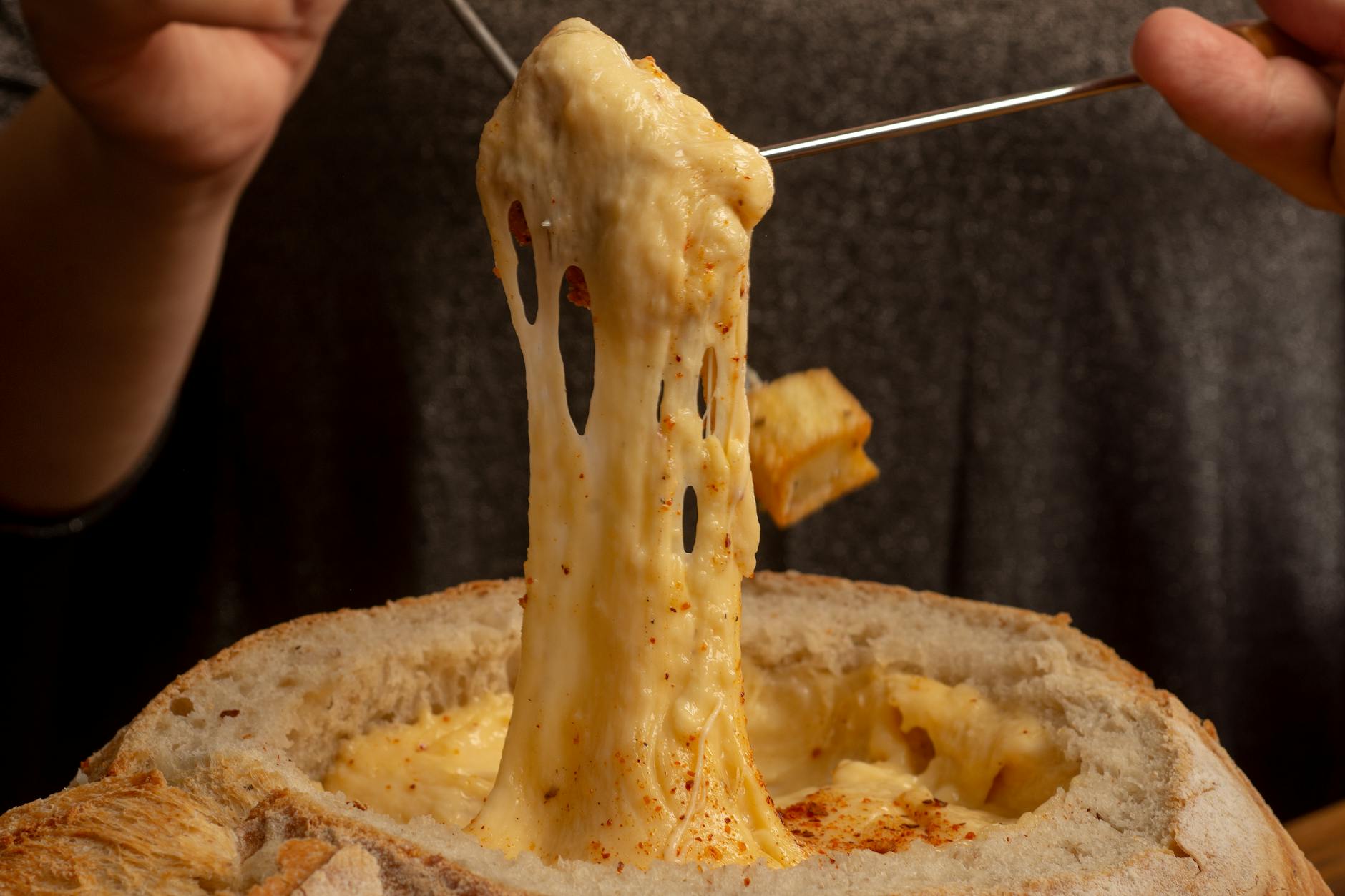
My first pick is Café du Soleil in Petit-Saconnex. The place has been pouring cheese for more than 400 years and barely bothers with a menu, because fondue is the point. Order the moitié-moitié (half Gruyère, half Vacherin) and book ahead, especially on a weekend, or you will be turned away at the door. Cave Valaisanne at the Hôtel de la Cigogne has been doing a Valais-style fondue since 1960 in a vaulted stone cellar, and Edelweiss in the city center plays it for atmosphere, with Swiss folk music and a dining room dressed up like an Alpine chalet. I rank these and a few more in my dedicated fondue guide.
Raclette, the Other Cheese Ritual
If fondue is the group activity, raclette is the indulgent one-on-one. A half-wheel of raclette cheese is heated until the cut face bubbles, then scraped straight onto your plate next to boiled potatoes, gherkins, pickled onions, and cured meat. Plenty of Geneva restaurants run it as a winter dish from October through March, though a few serve it all year. Les Armures in the Old Town and Auberge de Savièse near the Plainpalais flea market both do it well, and I compare more spots in my raclette guide.
Filets de Perche, the Lake on a Plate
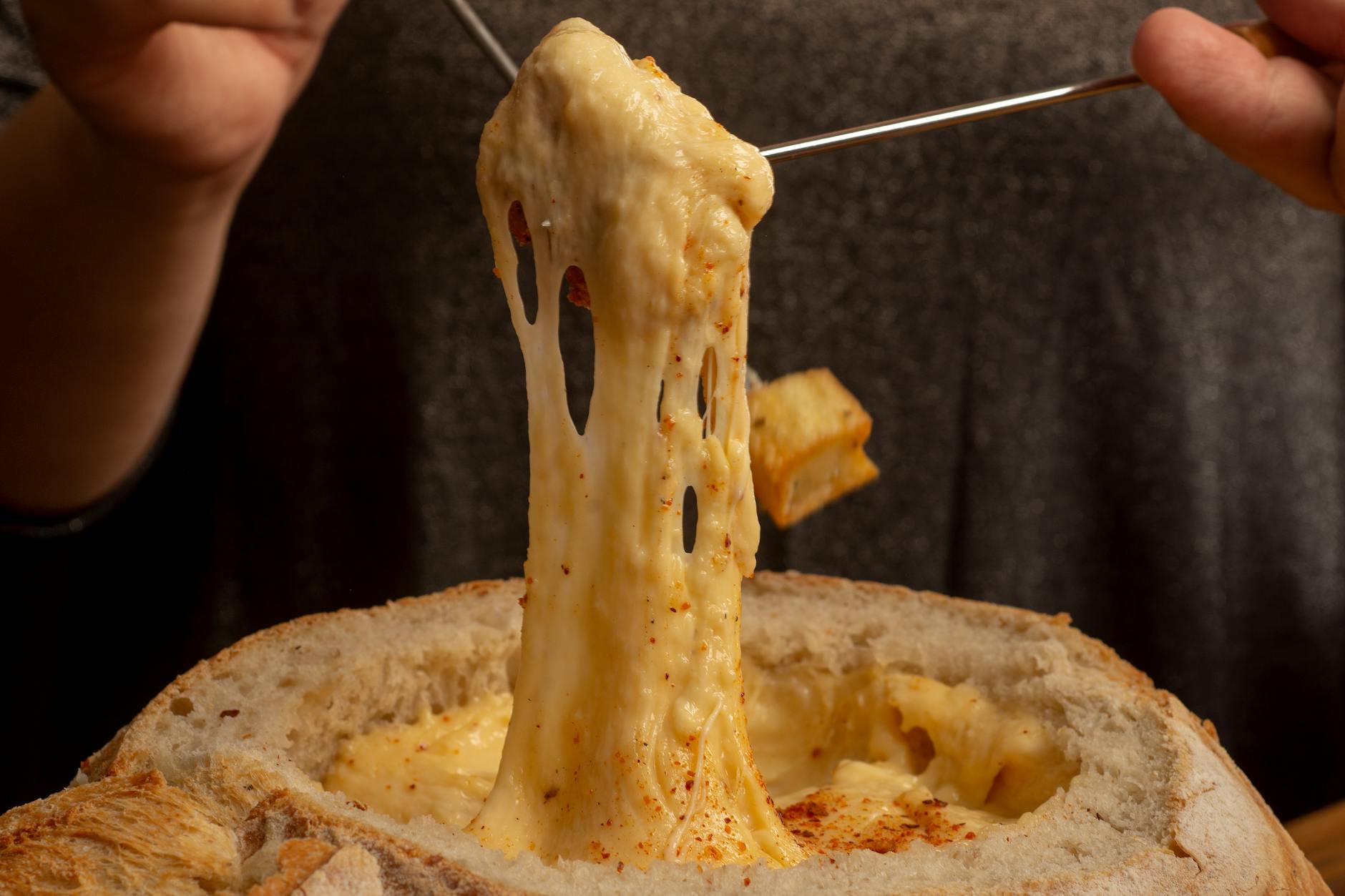
Filets de perche are small, delicate freshwater perch fillets, pan-fried in butter until golden and sent out with lemon and either frites or a plain salad. They run on menus from spring through autumn and are about as local as a meal gets here. One tip: look for the words perche du Léman (Lake Geneva perch), because a lot of kitchens quietly use cheaper imported perch instead. Le Bateau Lavoir, a restaurant that floats on the Rhône, and the terraces along the Quai du Mont-Blanc both do a good version.
Rösti, Croûte au Fromage, and the Rest
Rösti is a crisp pan-fried potato cake, like a hash brown that went to the gym, often topped with a fried egg, bacon, or melted cheese. Croûte au fromage is an open-faced toast drowned in melted cheese and sometimes ham, baked until it bubbles, basically cheese on toast with ambition. You will also run into longeole, a Geneva pork-and-fennel sausage with IGP protected status, usually simmered slow and served with lentils or potato gratin. It comes out in force during L’Escalade, the city’s December festival.
02 — Fine Dining in Geneva
Geneva punches above its size on the European fine-dining map. France is a tram ride away, Swiss and Savoyard ingredients are excellent, and a steady crowd of diplomats and bankers keeps the high end busy. If a tasting menu is the reason you came, my Geneva fine dining guide goes restaurant by restaurant.
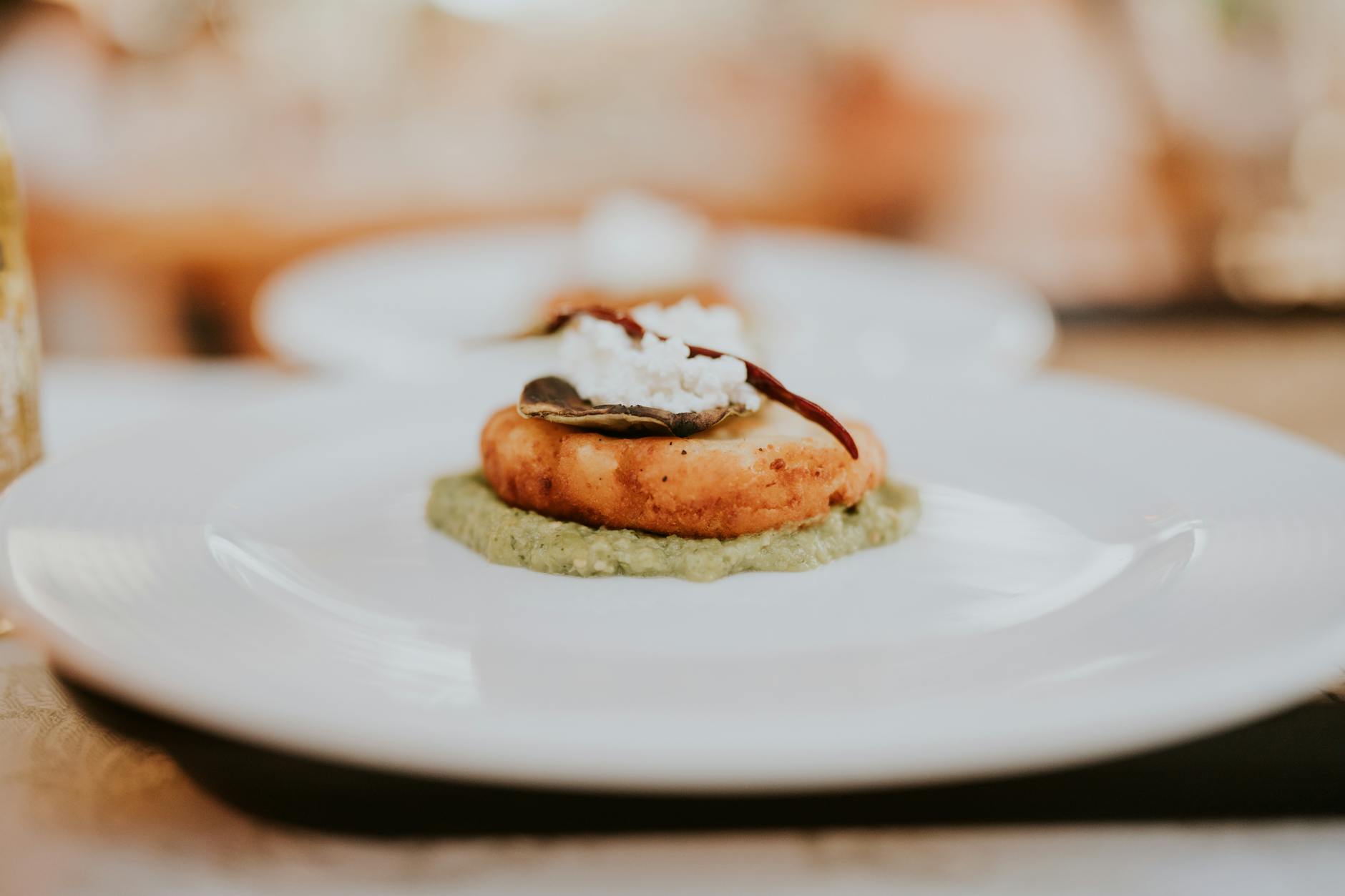
For a once-a-trip dinner, Bayview by Michel Roth at the Hôtel Président Wilson is my top recommendation. Roth, a Meilleur Ouvrier de France, cooks classic French technique with a lighter modern hand, and the dining room looks straight out at the lake and Mont Blanc. Il Lago at the Four Seasons Hôtel des Bergues holds a Michelin star for polished Italian cooking, and Izumi in the same hotel does a well-regarded Japanese-Peruvian nikkei menu if you want something less expected.
Le Chat-Botté at the Beau-Rivage is another Michelin-starred fixture, leaning French haute cuisine with seasonal Swiss produce. If you want the cooking without the hush, La Micheline earned its first star serving creative European plates in a more relaxed room. Book all of these ahead, particularly for a Friday or Saturday dinner.
03 — Where to Eat in the Old Town and City Center
The Vieille Ville (Old Town) is the core of how Geneva eats. The cobbled lanes around Place du Bourg-de-Four, the oldest square in the city, are packed with restaurants, brasseries, and cafés in buildings that have stood for centuries. It is also where most first-timers should start, and it sits right next to plenty of other sights if you are working through a list of things to do in Geneva.
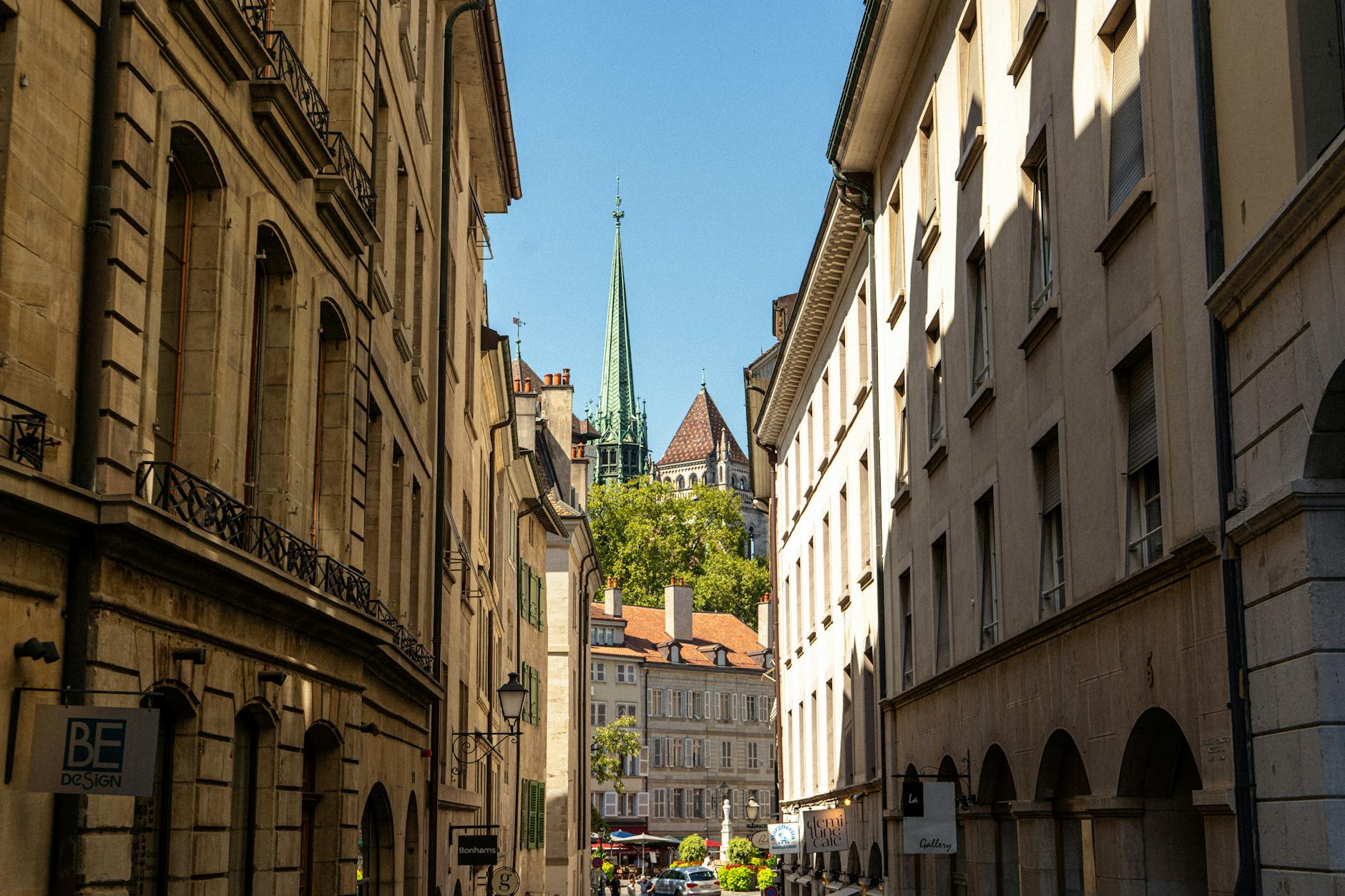
Les Armures sits a few steps from the Cathédrale Saint-Pierre and serves the Swiss classics, fondue, raclette, and rösti, inside a 17th-century building. Brasserie Lipp on Rue de la Confédération copies its famous Paris namesake, with choucroute garnie, steak tartare, and a serious raw seafood bar. Café des Négociants, over in Carouge just south of the center, is the kind of local institution that piles French bistro plates high without charging Old Town prices.
For something more low-key in the Old Town, L’Adresse does creative seasonal dishes in a warm room, and Café Papon on Rue Henri-Fazy puts out a well-priced plat du jour at lunch that pulls in workers from the cantonal government offices nearby.
04 — Eating Cheap in Geneva
Geneva is one of the most expensive cities in Europe, full stop. But you can still eat well here without bleeding francs, as long as you copy what locals do instead of what the guidebooks assume. The short version: eat your big meal at lunch, lean on supermarkets, and skip the tourist terraces. For a full list of spots, see my cheap eats in Geneva guide, and for the bigger picture there is also Geneva on a budget.
The Plat du Jour Trick
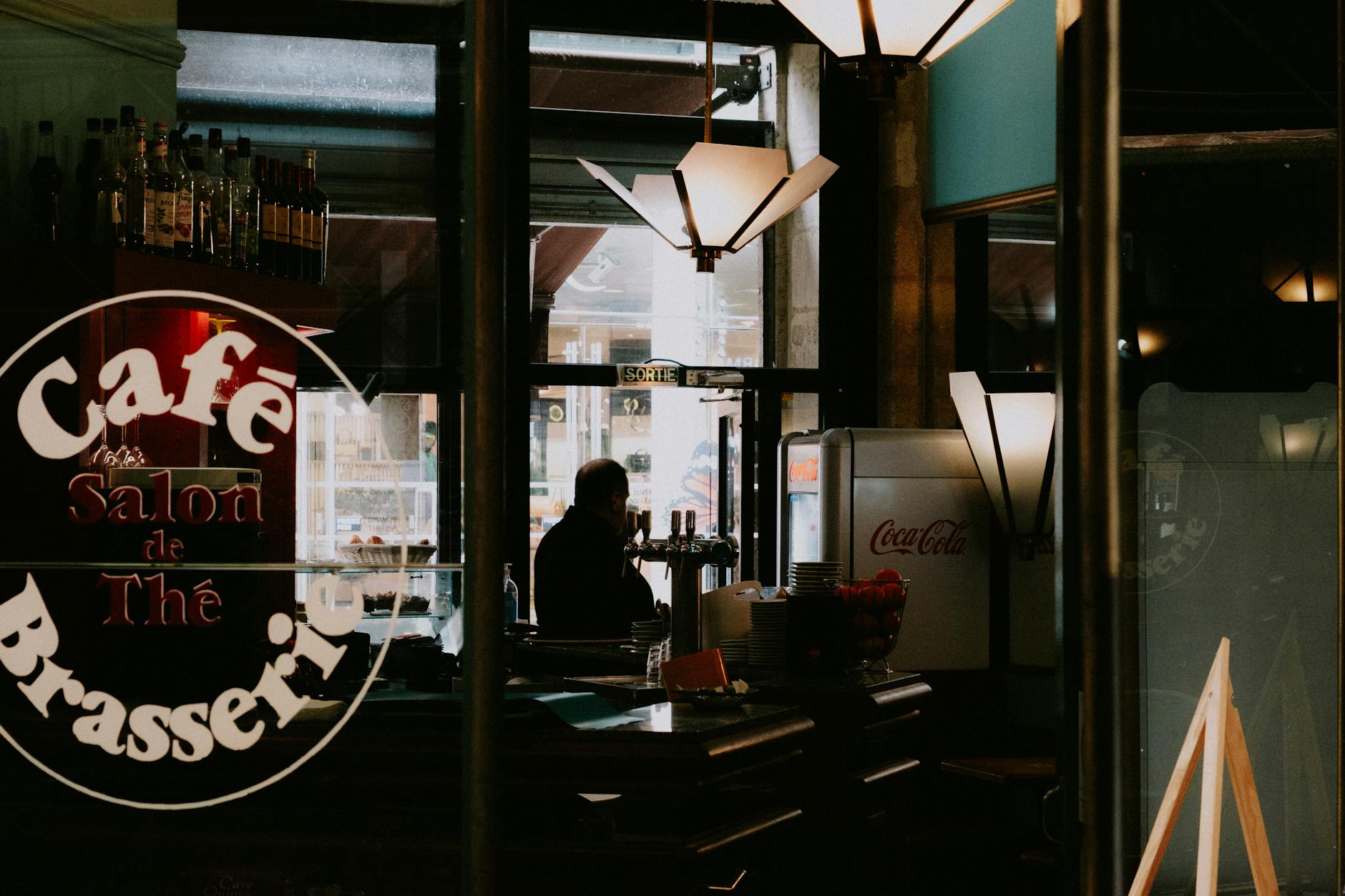
Nearly every restaurant in Geneva puts out a plat du jour (daily special) at lunch, usually CHF 18 to 25 for a main that would cost CHF 35 to 45 on the dinner menu. This is the single best move for eating well cheaply, and it is exactly how locals afford to go out. Watch for the chalkboard propped outside the door listing the day’s dish. The food is often the same quality as dinner, just priced for the lunch crowd.
My Go-To Budget Restaurants
Chez Ma Cousine near Place du Bourg-de-Four does simple roast chicken meals from CHF 14.90, which is almost suspiciously cheap for an Old Town address. Parfums de Beyrouth piles on Lebanese platters of falafel, hummus, and shawarma at fair prices, and it is always full of office workers and students. Les Brasseurs brews its own beer on site and serves it with burgers, flammkuchen, and tartares for under CHF 25.
The best-value lunch in the city might be the UN cafeteria at the Palais des Nations, open to visitors with valid ID, where a full meal runs around CHF 15 with a side of international diplomacy. Manor Food, in the Manor department store on Rue Cornavin, runs a self-service restaurant with fresh hot dishes, salads, and sushi at near-supermarket prices in a handy downtown spot.
The Supermarket Move
Switzerland’s big supermarkets, Coop, Migros, and Manor Food, all run deep hot-and-cold takeaway counters with sushi, sandwiches, salads, and proper hot meals well below restaurant prices. A full meal off these counters usually lands at CHF 8 to 15. The Coop and Migros inside Gare Cornavin, the main train station, are the most convenient if you are passing through or arriving hungry.
05 — Cafés and Brunch in Geneva
Café culture is serious business here. The coffee scene runs from grand Belle Époque salons to tiny third-wave roasters, and weekend brunch has turned into a proper city-wide habit. I keep separate guides for the best cafés in Geneva and where to go for brunch, but here are the spots I send people to first.
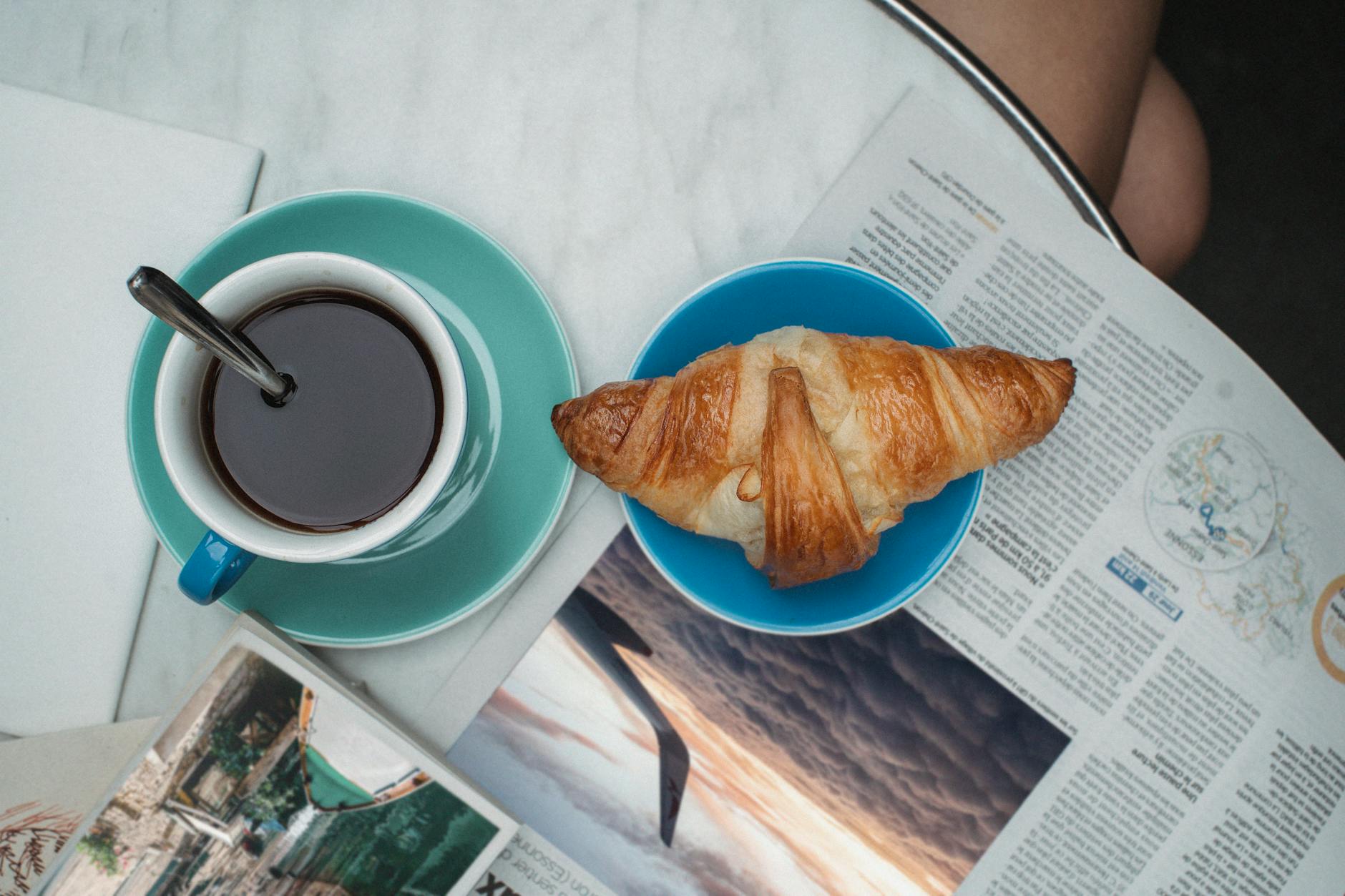
Birdie in Eaux-Vives is the brunch default now, with avocado toast, eggs Benedict, and açaí bowls in a bright, photogenic room. Café Slatkine pairs a bookshop with a café, which makes it my pick for a slow morning with a pastry. Boréal Coffee is the city’s leading specialty roaster, with several branches, single-origin pour-overs, and baristas who actually know their beans. For old-school charm, Café du Centre on Place du Molard has been serving coffee and watching the square since 1871.
06 — Chocolate and Sweets in Geneva
Switzerland and chocolate go together, and Geneva is one of the homes of the craft, with chocolatiers who have been refining recipes for generations. If you want shop addresses and tasting tours, I cover them in the Geneva chocolate guide.
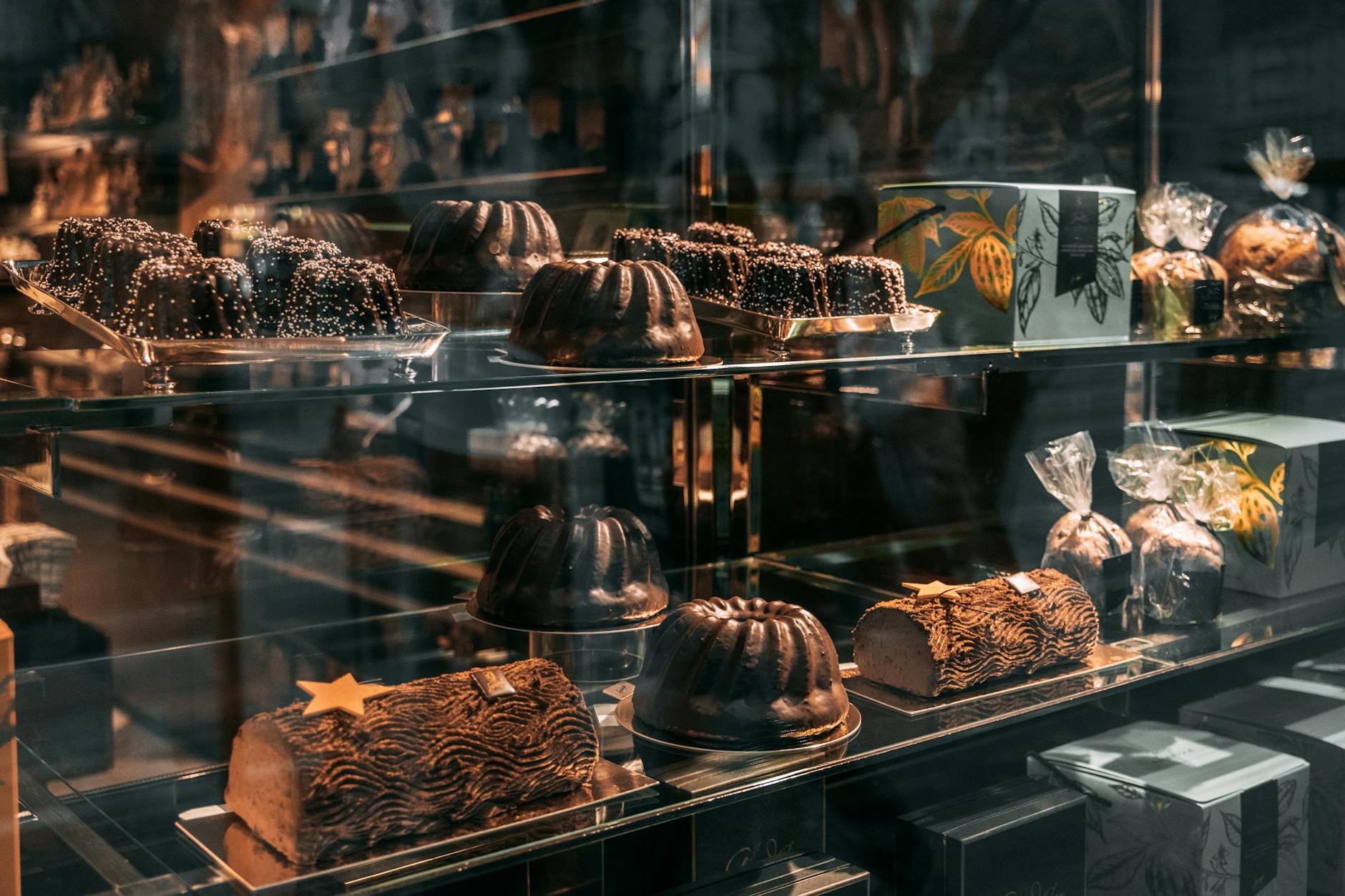
Stettler is the name locals drop first. It invented the pavé de Genève, a smooth, rich chocolate truffle that has become the city’s signature sweet, and a box of them is the souvenir to bring home. Du Rhône Chocolatier on Rue de la Confédération turns out pralines and seasonal collections in a shop laid out like a jeweler’s. Auer Chocolatier, family-run since 1939, makes truffles fresh every day from a recipe it keeps quiet about.
If you want to do more than buy a box, several chocolatiers run tasting tours and workshops where you walk through the bean-to-bar process and sample different cacao origins. They usually last one to two hours and need to be booked ahead.
07 — Food Markets in Geneva
Markets are my favorite way to eat the city without sitting down. You shop shoulder to shoulder with locals, the produce comes from the Genevois countryside and just over the French border, and a picnic assembled here beats most casual restaurants. For days, times, and what to buy, see my Geneva food markets guide.
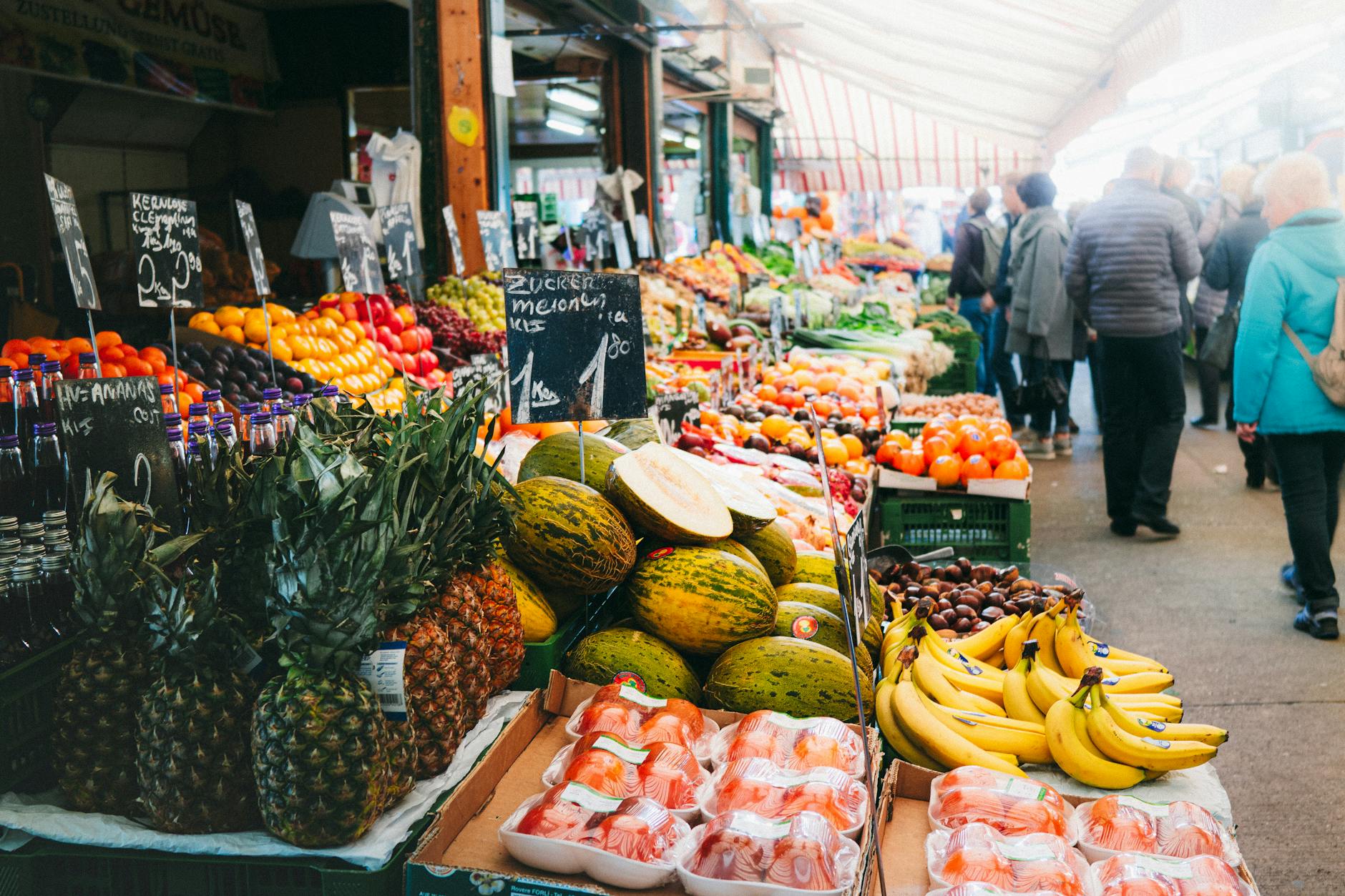
The Plainpalais Flea and Farmers’ Market takes over the huge Plaine de Plainpalais, with produce stalls on Tuesday and Friday mornings and the well-known flea market on Wednesday and Saturday. The produce side is stacked with local vegetables, farm cheeses, charcuterie, and fresh bread. The Carouge Market fills Place du Marché on Wednesday and Saturday mornings, and it is one of the better places in town for regional specialties, organic veg, and ready-made food to take to the park.
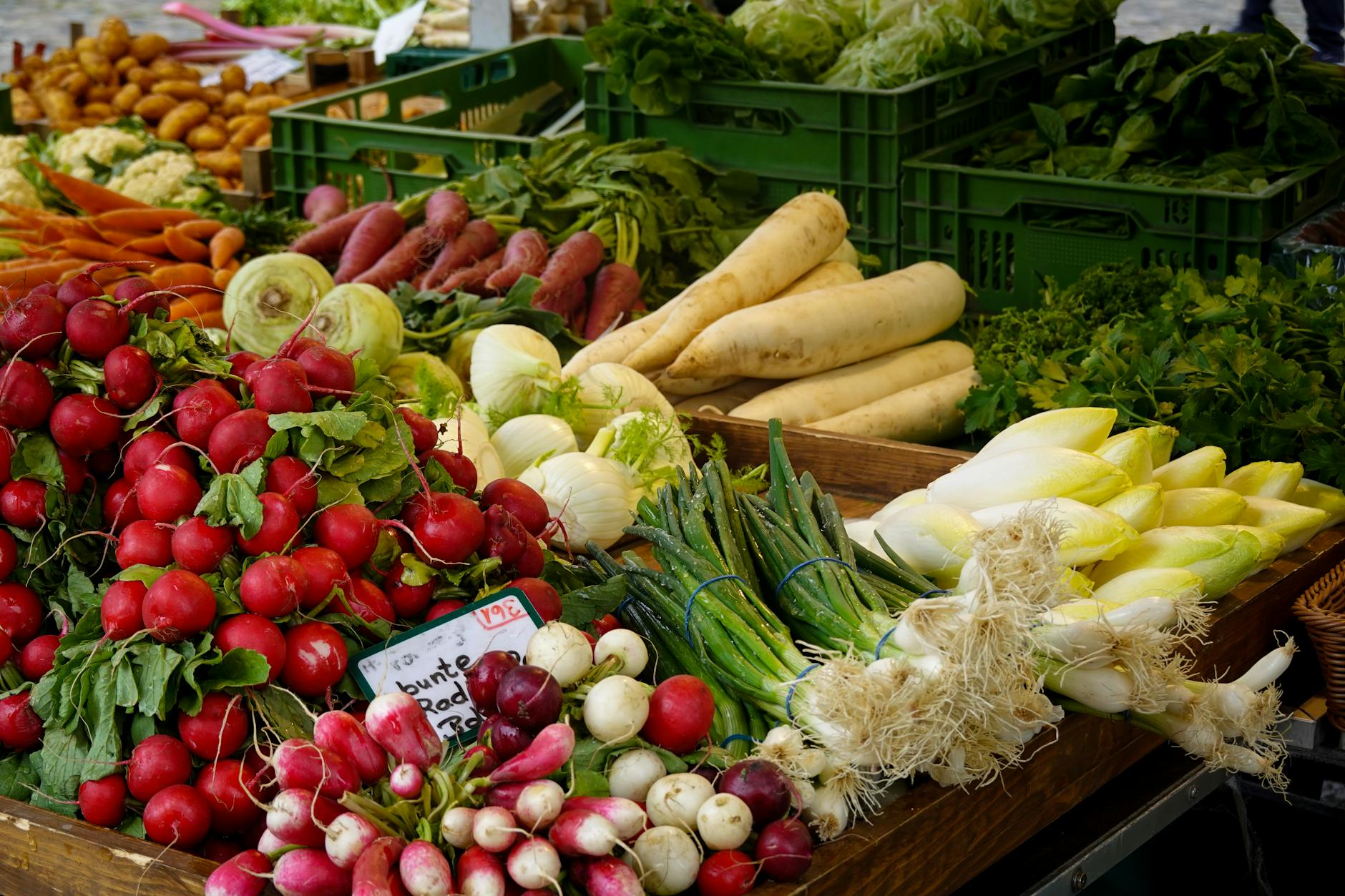
Marché de Rive near Eaux-Vives runs Wednesday and Saturday mornings under the plane trees, with everything from Alpine cheeses to fish pulled from the lake. Come December, the city’s Christmas markets fill the Quai du Mont-Blanc and the Jardin Anglais with mulled wine (vin chaud), roasted chestnuts, and seasonal sweets. Year-round, keep an eye out for Marché des Bains near the Bains des Pâquis, which leans toward street-food vendors and small producers.
08 — Dining in Carouge, Geneva’s Indie Quarter
Carouge, the leafy borough just south of the center, was laid out by the King of Sardinia in the 18th century and still feels more Mediterranean than Swiss, all low arcades and village squares. It is the neighborhood I send food-minded travelers to, with independent restaurants, wine bars, and artisan shops packed along its streets. If you want the deep dive, I wrote a separate Carouge restaurants guide.
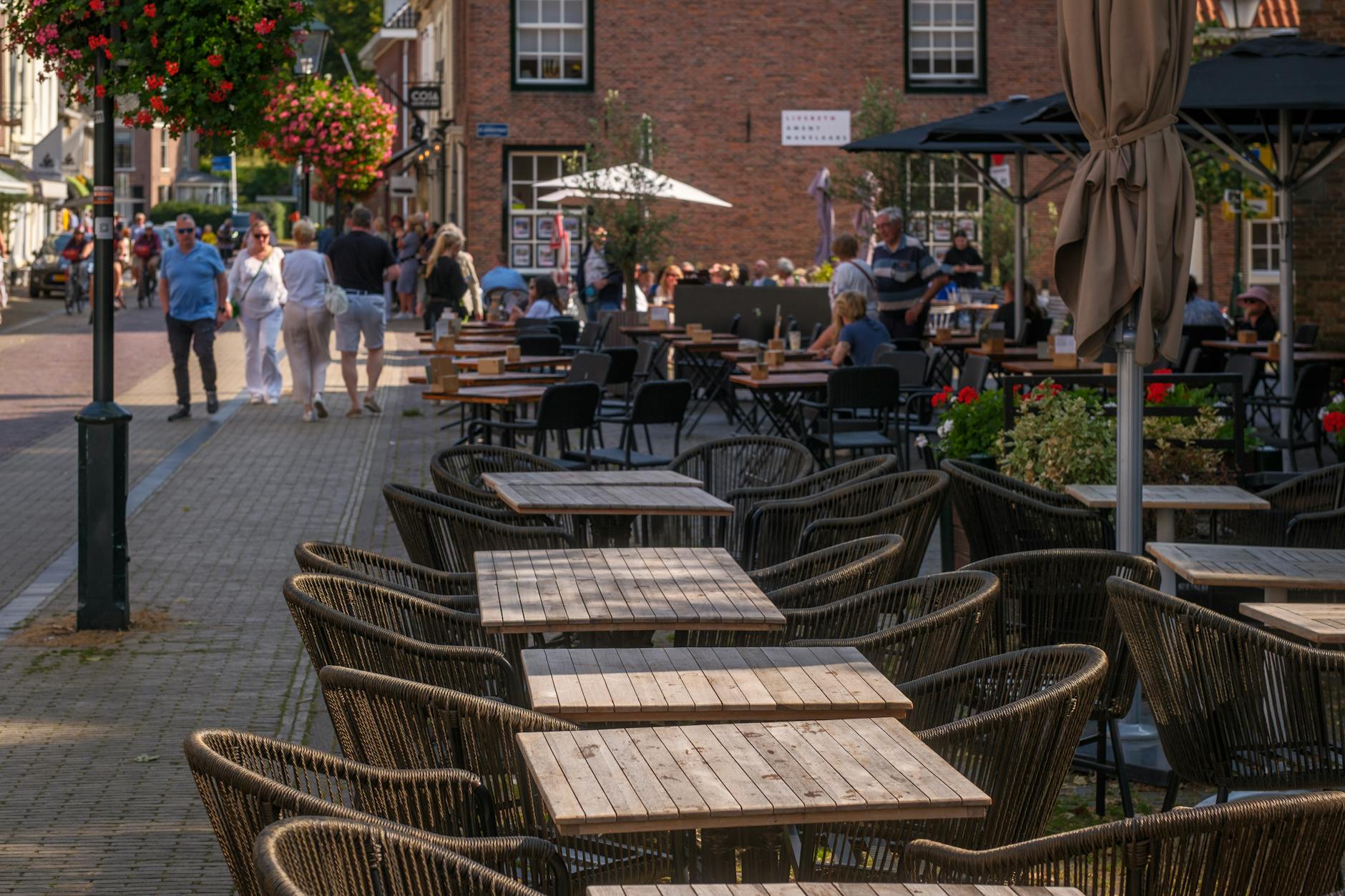
Café des Négociants anchors the scene with a generous, French-leaning menu and a crowd of regulars. Spaghetti Factory is a quirky, long-running pasta spot people love for its inventive plates and loud décor. Smaller favorites include Vieux-Carouge for pizza, Izakaya Clio for Japanese small plates, and the cluster of wine bars on Rue Saint-Joseph, where you can sit for an hour over a glass of local Chasselas and a cheese plate.
09 — International Food in Geneva
As home to the United Nations, the Red Cross, and more than 180 international organizations, Geneva is genuinely cosmopolitan, and the food follows the people. You can eat your way around the world here without leaving the canton.
Japanese: Izumi at the Four Seasons and Miyako at the Hôtel Président Wilson both deliver the goods. Lebanese and Middle Eastern: Parfums de Beyrouth and Al-Amir cook honest Beirut food. Italian: beyond Il Lago at the high end, Luigia at the Hôtel de la Paix brings proper Neapolitan pizza and a loud, happy room. Indian: Rasoi by Vineet at the Mandarin Oriental does refined modern Indian. Thai: Thai Phuket in Eaux-Vives is a long-standing local pick for real curries and stir-fries at fair prices.
10 — Wine and Drinks in Geneva
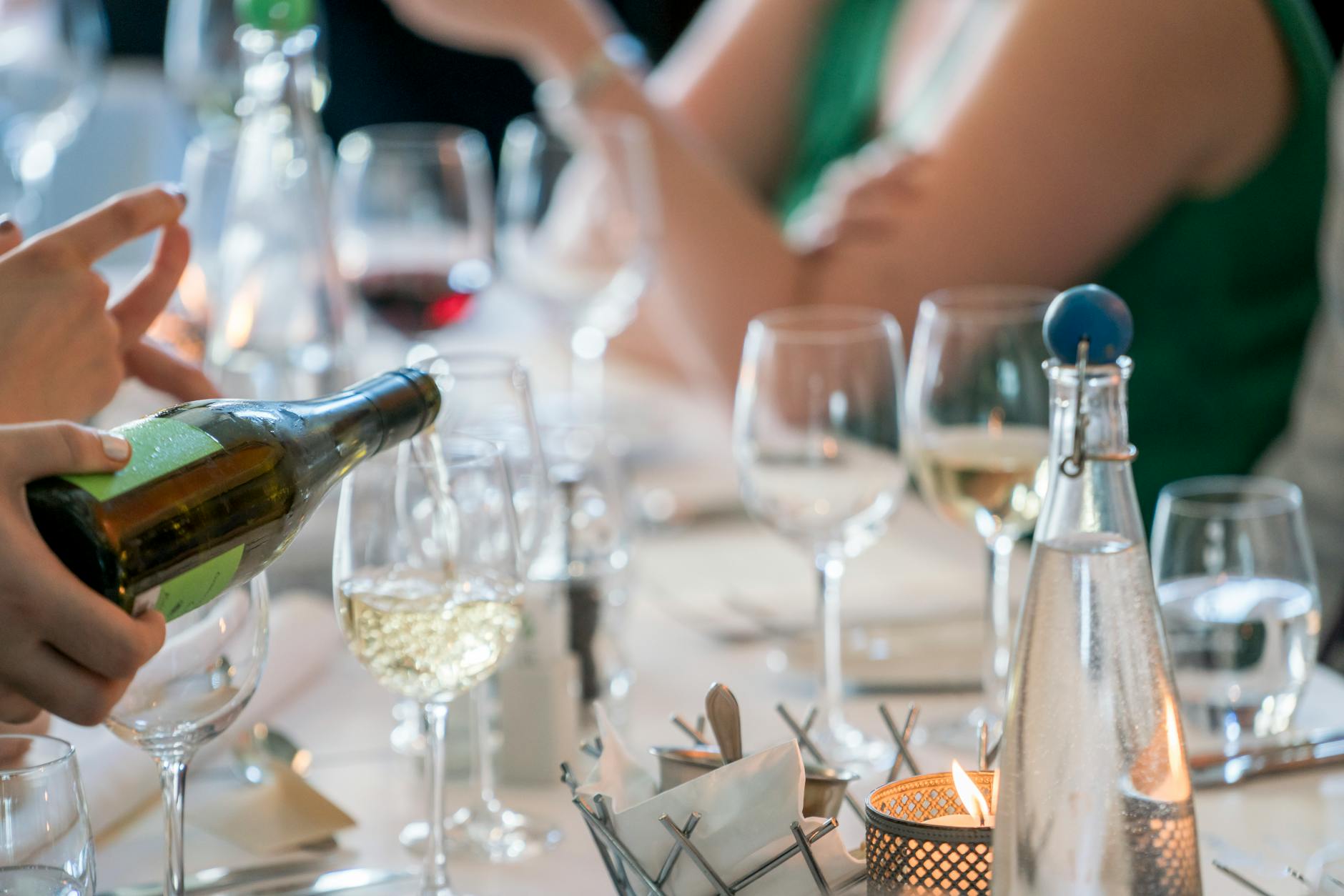
The Canton of Geneva is Switzerland’s third-largest wine region, and most of what it makes never leaves the country, so this is one of the rare places you can actually taste it. Chasselas is the flagship white, crisp and mineral, and it is the natural partner for both fondue and filets de perche. Gamay is the main red, light and fruity, not far off a Beaujolais.
Plenty of restaurants pour Geneva wines by the glass. Look for vin ouvert (open wine) on the menu, the house wine served by the carafe at fair prices. To go to the source, head to Domaine du Paradis or Domaine des Balisiers in Satigny, Geneva’s biggest wine commune, about 15 minutes from the center. Several estates run tastings and cellar visits, busiest during the September Grape Harvest Festival.
For a drink after dinner, the Bar des Bergues at the Four Seasons is one of the more elegant hotel bars in town, while Mr. Pickwick Pub near the station has been Geneva’s reliable British-style pub for more than 40 years.
11 — What a Meal Actually Costs in Geneva
Prices here surprise people, so it helps to set expectations before you sit down. This table is a rough guide to what you will pay across different styles of eating, so you can plan a day without sticker shock.
| Meal type | Typical price (CHF) | Best for |
|---|---|---|
| Supermarket takeaway (Coop, Migros) | 8 – 15 | Picnics, fast lunches, tight budgets |
| Plat du jour at lunch | 18 – 25 | Eating well cheaply, same kitchen as dinner |
| Fondue or raclette per person | 25 – 35 | The classic Swiss night out |
| Mid-range restaurant main | 30 – 50 | A relaxed bistro or brasserie dinner |
| Coffee | 4 – 6 | A café stop between sights |
| Michelin tasting menu | 180 – 350+ | A once-a-trip splurge with a lake view |
12 — Practical Tips for Eating Out in Geneva
A few local habits and details will save you money and awkward moments at the table.
Tipping: service is built into every restaurant bill in Switzerland by law. You do not need to tip. Rounding up or leaving 5 to 10% for a standout meal is a nice gesture, nothing more.
Reservations: the popular places fill fast, especially Friday and Saturday nights. Book ahead for fine dining, the fondue spots, and anywhere in Carouge on a weekend. Lunch is usually easy to walk into.
Meal times: lunch runs roughly 12:00 to 14:00 and dinner 19:00 to 21:30. A lot of kitchens shut between services, around 14:00 to 18:30, and smaller places often close on Sundays. Plan around it so you are not stuck hunting for food at 16:00.
Water: the tap water is excellent, drawn from the lake and treated to Swiss standards. Ask for une carafe d’eau (a carafe of tap water) anywhere and it is free, though some waiters will reach for the bottled stuff first.
Dietary needs: vegetarian options are everywhere, and vegan eating has grown a lot, with dedicated spots like Veg’Art and Green Gorilla on top of the plant-based dishes most restaurants now carry. Gluten-free awareness is high, and most kitchens will work with you.
13 — Where to Eat in Geneva by Neighborhood
Each part of Geneva eats a little differently. Here is a quick read on where to point yourself based on where you are staying or wandering. If you are still sorting out your base, my Geneva neighborhoods guide and where to stay in Geneva go deeper.
Old Town (Vieille Ville): traditional Swiss restaurants, fondue, and tourist-friendly brasseries. Best for first-timers who want the classic Geneva dishes in a historic setting.
Eaux-Vives and Rue du 31 Décembre: trendy brunch spots, wine bars, and neighborhood bistros. Best for casual meals, brunch, and a local feel away from the crowds. It is also the area I point families toward; see our guide to family restaurants in Geneva for the child-friendly picks.
Carouge: independent restaurants, Mediterranean flavors, wine bars, and the Saturday market. Best for food-minded travelers, evening dining, and weekend market trips.
Pâquis and Gare Cornavin: budget international restaurants, kebab shops, and Asian noodle houses. Best for cheap eats, late-night food, and global flavors.
Lakeside (Quai du Mont-Blanc and Quai Wilson): hotel fine dining and elegant terraces with lake views. Best for special occasions and a dinner with a view, which pairs well with the ideas in my guide to romantic things to do in Geneva.
Geneva pays off if you stay curious. Pull a piece of bread through a pot of fondue, crack the golden crust on a filet de perche, or wander into a small Carouge bistro on a side street and order whatever the chalkboard says. Use this guide as a starting point, then take the local tip when someone offers it, because the best meals in this city tend to live in the places only regulars know.
14 — Where to Eat in Geneva: FAQ
What food is Geneva known for?
Cheese first. Geneva is known for fondue (a Gruyere and Vacherin blend with white wine) and raclette, plus filets de perche, the small lake-perch fillets fried in butter. Local extras worth trying are longeole pork sausage, rosti potato cake, and the pave de Geneve chocolate truffle.
Is it expensive to eat in Geneva?
Yes, it is one of the priciest cities in Europe. A mid-range main runs CHF 30 to 50 and a coffee is CHF 4 to 6. You can cut costs a lot by eating your main meal at lunch as a plat du jour (CHF 18 to 25), using supermarket takeaway counters at Coop and Migros (CHF 8 to 15), and asking for free tap water.
Where is the best fondue in Geneva?
My pick is Cafe du Soleil in Petit-Saconnex, a 400-year-old bistro that basically only serves fondue, so book ahead on weekends. Cave Valaisanne and Edelweiss are strong alternatives. For a full ranking, see the dedicated best fondue in Geneva guide.
Do you tip at restaurants in Geneva?
Service is included in the bill by Swiss law, so tipping is not required. Most locals just round up, or leave 5 to 10 percent for a meal they really enjoyed. There is no expectation beyond that.
What are the best neighborhoods for food in Geneva?
The Old Town is best for classic Swiss dishes, Carouge for independent restaurants and wine bars, Eaux-Vives for brunch and bistros, Paquis for cheap international food near the station, and the lakeside quais for fine dining with a view.
Can vegetarians and vegans eat well in Geneva?
Yes. Vegetarian options are on almost every menu, and the vegan scene has grown fast, with dedicated spots like Veg’Art and Green Gorilla alongside plant-based dishes at mainstream restaurants. Gluten-free needs are also well understood by most kitchens.
15 — Related Geneva Guides
Keep planning your eating with these focused reads: best fondue in Geneva, best raclette in Geneva, cheap eats in Geneva, Carouge restaurants, and the Geneva chocolate guide. For the wider trip, see things to do in Geneva and Geneva food markets.