Geneva Shopping & Luxury Experiences Guide
Shopping in Carouge Geneva — Artisan Boutiques & Local Crafts
This article contains advertising. Our booking links are routed through a partner that adds commission tracking automatically, so if you book through one we earn a commission from the provider, at no extra cost to you. It never affects what we recommend. Affiliate disclosure
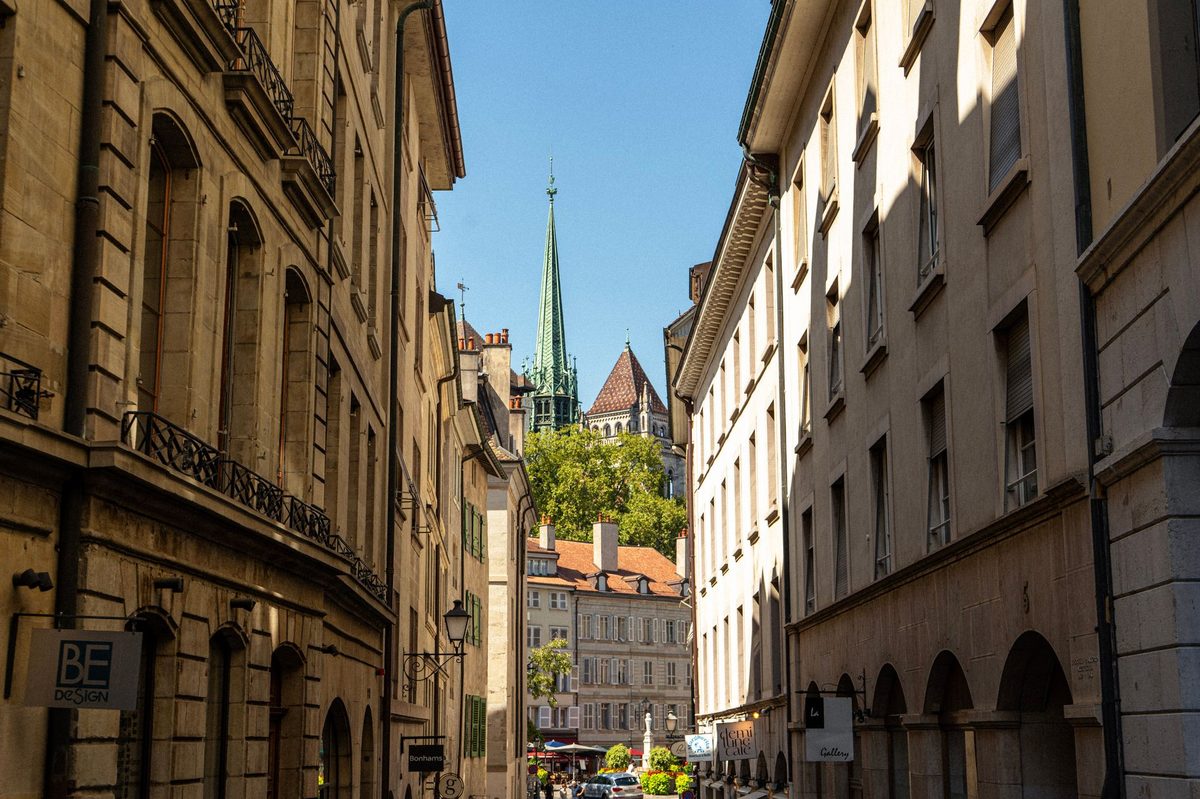
Carouge is the part of Geneva most visitors never reach, and that is exactly why it is the best place in the city to shop for something other than a watch. This is artisan, independent, small-scale retail: jewellery made in the workshop you are standing in, antiques along Rue Saint-Joseph, organic chocolate from Sweetzerland, ceramics carried over from Japan, and a Saturday-morning market that locals treat as a ritual. Carouge shopping runs on a completely different model from the luxury-brand windows on Rue du Rhône, and for most travellers it is the more rewarding half-day.
Here is the short version before the detail. Take tram 12 or 18 from the centre (15 minutes, free with your hotel’s Geneva Transport Card), aim for Place du Marché, and walk the four shopping streets that fan out from it. Come Saturday for the food market or the first Sunday of the month for the brocante. Below I cover the street-by-street boutiques, the market days, where to stop for coffee, a realistic half-day route, and how to pair Carouge with the Plainpalais flea market for a full treasure-hunting Sunday. For the wider picture, start with the Geneva shopping and luxury guide and the Geneva neighbourhoods guide.
01 — Carouge shopping at a glance
If you read nothing else, read this.
| What | The detail |
|---|---|
| Shopping spine | Rue Saint-Joseph (antiques), Rue Ancienne (concept stores), Rue Vautier & Rue de la Filature (jewellery ateliers), Place du Marché (market square) |
| Market days | Wed & Sat mornings (food, flowers); first Sunday of the month, March-October (brocante) |
| Best for | Handmade jewellery, vintage clothing, antique furniture, organic chocolate, independent fashion |
| Coffee stops | Café du Vieux-Bourg, Brasserie du Soleil, Birdie, 20G natural wine bar |
| Getting there | Tram 12 or 18 to Carouge, 15 min from Bel-Air, free with the Geneva Transport Card |
| Time needed | Half a day minimum; a full day with the markets |
02 — Why Carouge feels nothing like the rest of Geneva
The history is the reason the shopping works, so it is worth two minutes. In 1786 King Vittorio Amedeo III of Sardinia had a problem: Geneva, the Protestant Calvinist city-state across the Arve River, was thriving on trade, banking, and watchmaking, while the Sardinian-owned land on the far bank was underdeveloped and Catholic. His fix was unusual. He hired Italian architects (notably Giuseppe Battista Piacenza) to build a brand-new town from scratch, explicitly designed to compete with Geneva.
The brief was specific: Mediterranean architecture rather than Swiss-French, low buildings with hidden interior courtyards rather than tall packed townhouses, and Catholic-friendly social rules that welcomed exactly the trades Calvinist Geneva regulated hardest, especially jewellery, decorative arts, and food production. Artisans and craftsmen moved in because Carouge was friendlier to their work than the city across the river.
That tradition never broke. Geneva annexed Carouge in 1816, the same year it joined the Swiss Confederation, but the quarter kept its character right through the centuries that turned central Geneva into a banking-and-luxury town. So the independent jewellery ateliers, antique dealers, and organic chocolatiers you will walk past today are the direct legacy of a 1786 decision. The shopping mix on Rue Saint-Joseph is, more or less, the kind of trade the Sardinian king built the place for.
03 — Getting there and how the shopping spine runs
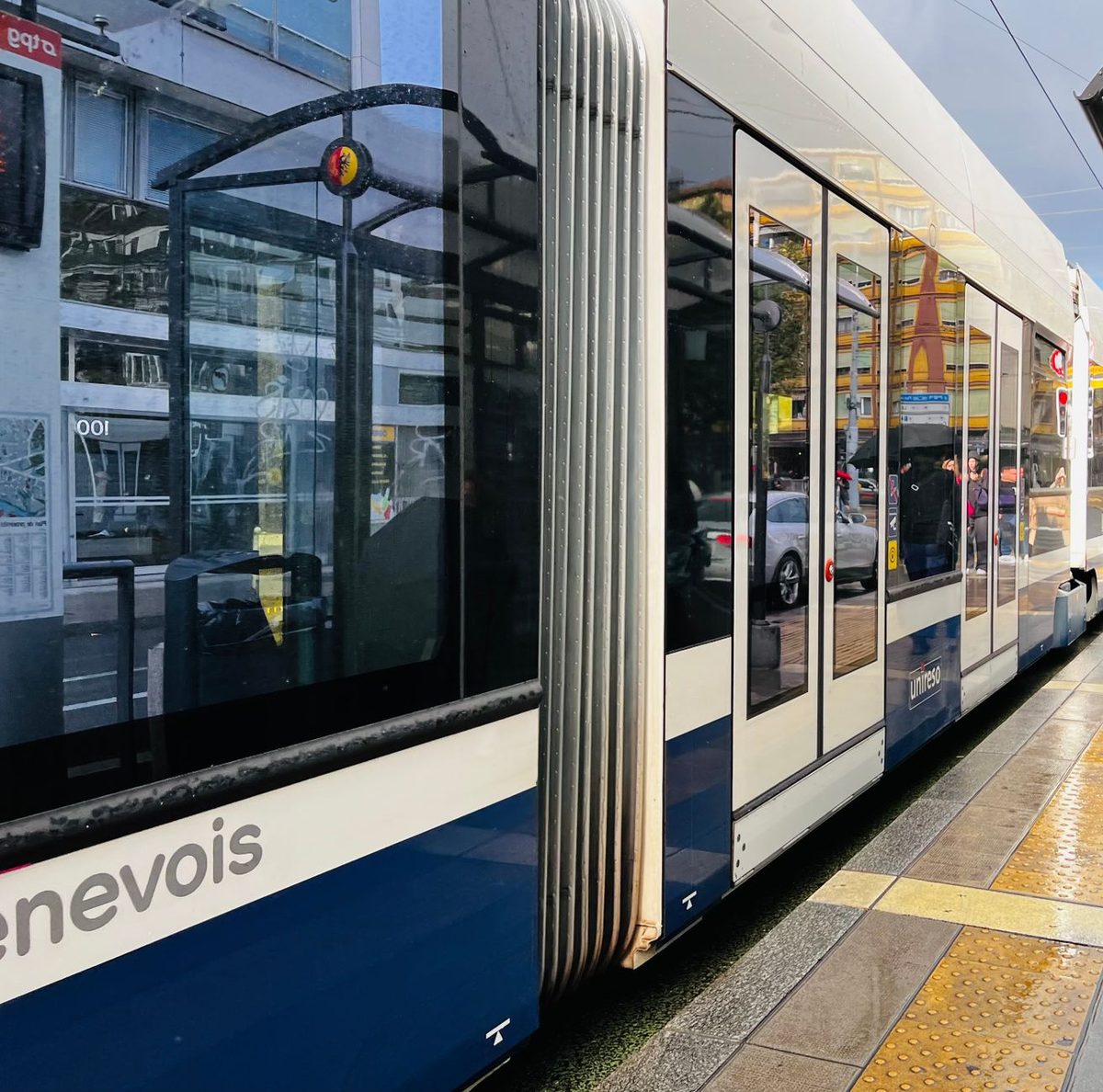
Getting there: tram 12 or 18 from any central stop (Bel-Air, Molard, Rive, Plainpalais). The Carouge stop is 15 minutes from Bel-Air, trams run every 5-10 minutes during the day, and the ride is free with the Geneva Transport Card your hotel hands you at check-in. For the wider network see the Geneva public transport guide.
Carouge is not one street but a compact grid, roughly 600 metres across, and almost all the shopping sits within a five-minute walk of Place du Marché. The anchors are Place du Marché (the central square and market), Rue Saint-Joseph (the antique and dealer artery running north-south), Rue Ancienne (independent boutiques and concept stores), Rue Vautier (jewellery ateliers and smaller dealers), Rue de la Filature (artisan ateliers), Rue Jacques-Dalphin (more boutiques), and the Esplanade du Théâtre (the first-Sunday brocante set-up).
04 — Place du Marché: start here
Begin at the square. Place du Marché is Carouge’s social heart, ringed by cafés and shops, and the market named after it runs Wednesday and Saturday mornings (roughly 07:00-13:00): cheese from local fromageries, canton produce, flowers, honey, olives, tapenades. Saturday is the bigger, busier, more atmospheric day and the one I would build a visit around. On the first Sunday of the month from March to October, the brocante (an antiques and vintage flea market) takes over the square instead.
My move on a Saturday: graze the market, then take a coffee on the Café du Vieux-Bourg terrace before the rest of the quarter properly wakes up. The other days of the week the square works as a café terrace, with Café du Vieux-Bourg, Brasserie du Soleil, and Birdie all spilling onto it when the weather cooperates.
05 — Rue Saint-Joseph: antiques and the dealer artery
Rue Saint-Joseph runs the length of the quarter and carries the heaviest concentration of antique dealers. Walk it north to south and you get a fair cross-section of what Carouge does well.
- Numéro 6 (Garçon Manquée) at #31 is the standout: luxury vintage and second-hand, curated by an owner with a real eye, with Chanel, Hermès, and Saint Laurent at well below retail. The single best vintage clothing shop in Carouge.
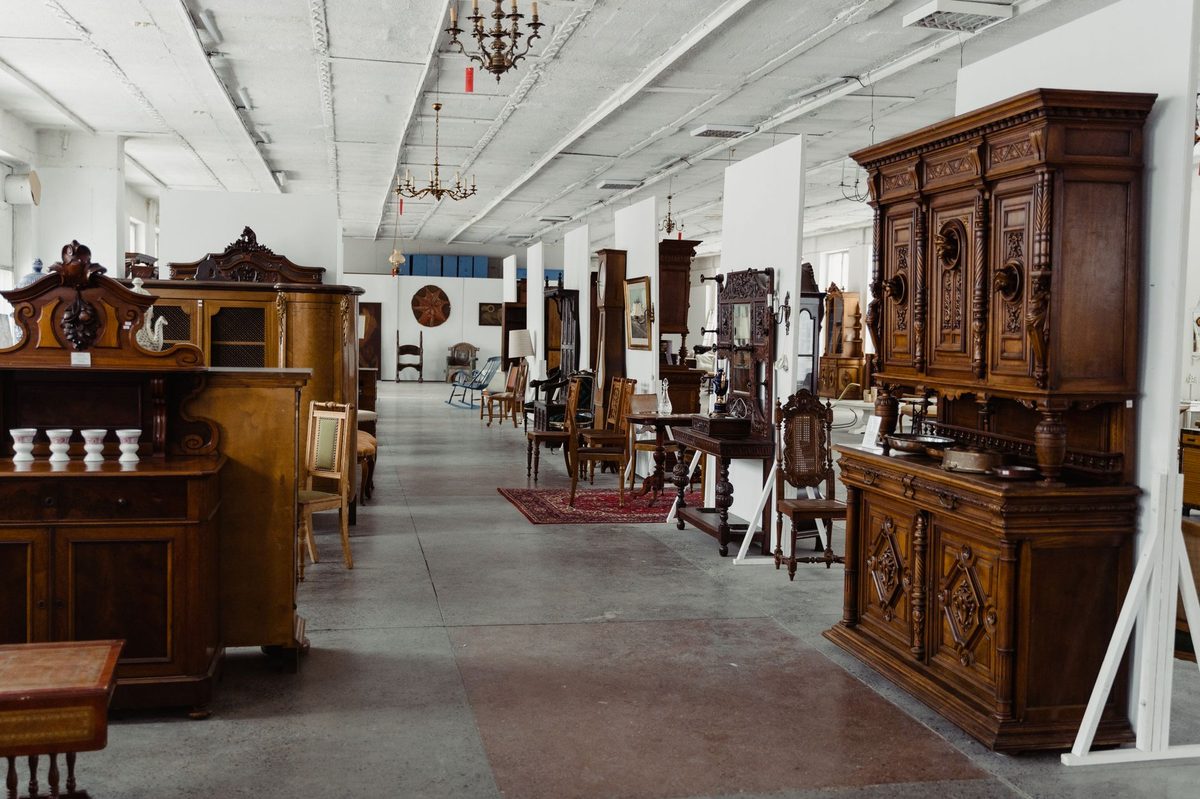
- Antique furniture dealers, several of them, carry Italian, French, and Swiss 18th-19th-century pieces, with restoration on request.
- Independent designer boutiques stocking Swiss and European labels.
- Antiquarian book dealers where Voltaire and Rousseau editions occasionally surface.
The character here is curated, not bargain-hunting. Prices run higher than the Plainpalais flea market but so does the quality, so for genuine antique furniture, jewellery, or art the Rue Saint-Joseph dealers are reliable. Save the casual rummaging for the Plainpalais market.
06 — Rue Ancienne and Rue Saint-Victor: independent boutiques and concept stores
West of Rue Saint-Joseph is the second tier of Carouge shopping, where the independent boutiques and concept stores cluster. My confirmed picks:
- L’échappée belle, Place du Marché 5: a concept store of gifts, candles, toys, and beautiful packaging. The one to hit for a last-minute present.
- Boutique Prunelle, Place du Marché 3: independent womenswear from contemporary European designers.
- Boutique Différence, Rue Saint-Victor 2: independent fashion.
- Boutique Soilaine, Rue du Marché 9: fashion and accessories.
- Garde-à-Vue, Rue Jacques-Dalphin 19: independent fashion.
- Boutique Les Authentiques, Rue Saint-Victor 29: curated lifestyle goods.
- Boutique Japonaise, Rue Ancienne 36: Japanese ceramics and handicrafts, imported direct. A genuinely surprising find in the Carouge mix and one of my favourites.
These shops generally open Tuesday to Saturday and close Sunday and Monday. Fashion runs mid-range to premium, roughly CHF 100-600 for a typical purchase, and the curation leans timeless rather than trend-chasing.
07 — Rue de la Filature and Rue Vautier: jewellers and ateliers
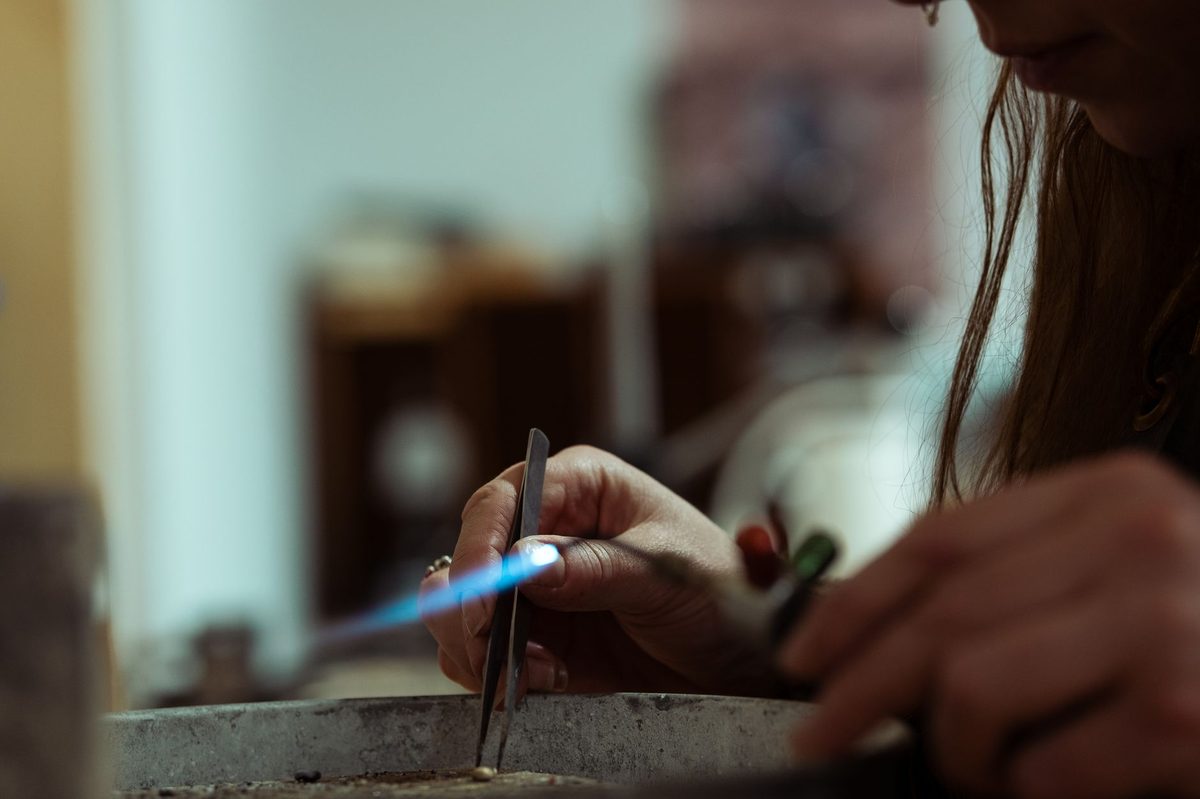
This is where Carouge’s craftsman heritage is most visible. The jewellery ateliers concentrate along Rue de la Filature and Rue Vautier, many of them owner-operated with made-to-order and custom work.
- Atelier-Boutique mood Store, Rue de la Filature 38: handcrafted jewellery and lifestyle goods.
- Independent jewellery ateliers, several of them, typically owner-run, with custom designs and prices from around CHF 100 to CHF 2,000 and up.
- Ceramicists and potters working out of small studio workshops with retail fronts.
- Textile and fibre artists selling handmade goods, sometimes seasonal.
- Cabinet-makers taking bespoke furniture commissions.
The standard of work here is high. For a one-of-a-kind handmade gift, jewellery, ceramics, or textile, these two streets are the best in Geneva, full stop.
08 — Vintage and second-hand
Beyond Numéro 6, the standout, Carouge has a real second-hand layer worth working through:
- Numéro 6 / Garçon Manquée, Rue Saint-Joseph 31: luxury vintage, worth naming twice.
- La Fiancée du Crocodile: French-flair vintage dresses and accessories.
- Anti-mode: bohemian, alternative vintage.
- Vêt’Shop Carouge (Red Cross): a charity shop where proceeds go to the Red Cross; quality varies but patient shoppers turn up real finds at low prices.
- Emmaüs Genève, Rue Ancienne 69: a charity network with furniture, household goods, and books, and a lot of turnover.
For the full vintage-and-flea-market picture, including how this links up with Plainpalais, see our Geneva flea markets and vintage guide.
09 — Food, wine, and chocolate worth a bag of their own
Carouge eats and shops for food as well as it does jewellery:
- Sweetzerland: a bohemian organic chocolatier whose signature is a Gruyère double-cream caramel truffle. Workshops are bookable.
- Artisan cheese shops, several along Rue Saint-Joseph and the market square, will vacuum-pack for travel.
- Wine merchants like Le Caveau du Bacchus and other independents.
- Organic and natural food shops, denser here than in central Geneva.
- 20G natural wine bar: a tasting stop with food once the shopping is done.
- Wolfisberg: a family bakery and lunch spot with an indoor slide and climbing frame for kids.
For chocolate across the whole city see our Geneva chocolate guide, and for Geneva-canton wine producers see the Geneva wine tasting guide.
10 — Where to stop for coffee or lunch between shops
Carouge has one of the better café scenes in Geneva, and the geography is forgiving: you are never more than a couple of streets from a good terrace.
- Café du Vieux-Bourg: a classic neighbourhood café with a terrace right on Place du Marché. My default for coffee or a casual lunch.
- Brasserie du Soleil: a French brasserie on the square, good for a proper sit-down lunch.
- Birdie: a modern brunch spot, busy at weekends.
- Wolfisberg: the family bakery with the indoor slide, handy if you are shopping with kids.
- 20G natural wine bar: for an evening tasting after the shops close.
For Carouge restaurants more broadly, including dinner options, see our best restaurants in Carouge guide and the wider best cafés in Geneva roundup.
11 — A half-day Carouge shopping route
A realistic, walkable morning of about three hours that hits the highlights:
- 09:30 Tram 12 or 18 to Carouge.
- 09:45 Coffee at Café du Vieux-Bourg on Place du Marché.
- 10:30 Wander the Saturday market on the square (cheese, flowers, olives), or the first-Sunday brocante if your timing lines up.
- 11:00 Rue Saint-Joseph north to south: Numéro 6 vintage and the antique dealers. Allow 30-45 minutes.
- 11:45 Rue Ancienne: Boutique Japonaise (#36) and L’échappée belle (Place du Marché 5).
- 12:15 Rue de la Filature: Atelier-Boutique mood Store (#38) and the jewellery ateliers. Allow 30 minutes.
- 12:45 Lunch at Brasserie du Soleil or Birdie.
- 14:00 Sweetzerland for chocolate, plus any last shopping, and a tasting at 20G if you are lingering.
- 15:00 Tram back to the centre, or keep going into the afternoon.
12 — When to go: best days and what is closed
Best days: Saturday is the busiest and most alive, with the market on the square, every shop open, and the terraces full. Wednesday morning has a smaller market and fewer people. Tuesday to Friday afternoons are the quietest stretch for serious, unhurried shopping.
What is closed: most independent boutiques shut Sunday and Monday. Cafés and restaurants generally open daily, the first-Sunday brocante pulls many shops into opening on that Sunday, and some food shops trade on Sunday morning.
What is seasonal: the first-Sunday brocante runs March through October, and the outdoor terraces follow the weather. The Carouge Magique Christmas illuminations light up from late November into early January (our Geneva events and festivals guide tracks the festive calendar). The Marché de Noël de Carouge runs 11-13 December in 2026 with more than 150 artisan stalls, the single biggest shopping event the quarter throws all year.
13 — Pairing Carouge with Plainpalais on a first-Sunday loop
The first Sunday of the month is, in my view, the best shopping day in Geneva, because the Plainpalais flea market and the Carouge brocante run at the same time. Here is how I would chain them:
07:30 Tram to Plainpalais. The market opens 06:30 and runs to 18:30; arrive early for the best of the selection.
10:00 Coffee at Boréal in Plainpalais.
10:30 Tram 12 or 18 to Carouge. The brocante sets up on Place du Marché and the Esplanade des Récréations, and many Carouge antique shops open for the day too.
13:00 Lunch at Café du Vieux-Bourg or Birdie.
14:30 Carry on through Carouge: the Rue Saint-Joseph antiques, Numéro 6 vintage, the jewellery ateliers.
16:00 Back to Plainpalais for late-day bargaining, when dealers would rather discount than pack things home.
17:30 Done, and laden. If you are a flea-market hunter, this is the day to come to Geneva for. The full mechanics and bargaining etiquette are in our Geneva flea markets guide.
14 — How the architecture shapes the shopping
Worth knowing while you browse: the Italianate layout is not just pretty, it changes how you shop. The cours intérieures, the interior courtyards tucked behind plain street frontages, hide some of the best ateliers and workshops, the kind with no street sign that you only find by following a small doorway through to the back. Keep an eye out for open gates.
The narrow cobbled lanes and low buildings keep everything at a human scale. You do not feel rushed, you can stop and look, and the place is built for walking and browsing rather than transactional retail. Place du Marché works as a social hub where a shopping pause turns into a coffee, the coffee turns into lunch, and lunch turns back into more shopping. That is the design doing its job, and it is exactly why Carouge feels nothing like the luxury strip of Rue du Rhône or the high street of the Rues Basses.
15 — VAT and tax-free shopping in Carouge
The usual Swiss VAT rules apply, 8.1% as of 2024, with a Tax-Free Form available to non-EU/EEA residents on purchases over CHF 300 per shop. Most small Carouge boutiques do not see many refund requests but will sort one out; a few of the smaller ateliers may need a minute to dig out the form.
The CHF 300 threshold is per shop, which matters here, because a Carouge haul tends to be spread across several small purchases: CHF 150 of jewellery at one atelier, CHF 200 of vintage at Numéro 6, CHF 100 of chocolate at Sweetzerland. Each one stands alone for the threshold, and you cannot add them up across shops to qualify. For the full mechanics, our Geneva shopping pillar covers VAT refunds and souvenirs.
Frequently asked questions
What is Carouge known for?
The Sardinian-founded bohemian quarter of Geneva: Italianate architecture, cobbled streets, independent artisan shops, jewellery ateliers, antique dealers, organic chocolate, vintage clothing, the Saturday-morning farmers market, and the first-Sunday brocante. People often call it Geneva’s Greenwich Village.
Is Carouge worth visiting?
Yes, and most international visitors miss it. For shoppers, antique hunters, vintage fans, or anyone who wants a more independent experience than Rue du Rhône, it is the best neighbourhood in Geneva, and it is only 15 minutes from the centre by tram.
What day is the Carouge market?
The farmers market runs Wednesday and Saturday mornings at Place du Marché. The brocante (antiques and vintage) takes over on the first Sunday of the month from March to October. The Marché de Noël de Carouge runs 11-13 December 2026.
How do you get to Carouge from Geneva?
Take tram 12 or 18 from any central stop; it is about 15 minutes from Bel-Air and free with the Geneva Transport Card your hotel issues at check-in. Trams run every 5-10 minutes through the day.
What are the best artisan shops in Carouge?
Atelier-Boutique mood Store (Rue de la Filature 38) for handcrafted jewellery, Numéro 6 (Rue Saint-Joseph 31) for luxury vintage, Boutique Japonaise (Rue Ancienne 36) for Japanese ceramics, L’échappée belle (Place du Marché 5) for concept-store gifts, and Sweetzerland for organic chocolate, plus the jewellery ateliers along Rue de la Filature.
Can you bargain in Carouge shops?
Not in the boutiques, where pricing is fixed as it is across central Geneva. At the first-Sunday brocante, yes: a gentle 10-20% off is normal. At the regular Rue Saint-Joseph antique dealers, modest negotiation is possible on pricier items.
How long should I spend shopping in Carouge?
Two to three hours for a quick browse, half a day to do it properly with a coffee or lunch, and a full day if you fold in the Saturday market or the first-Sunday brocante.
16 — Related Geneva guides
Keep planning with the Geneva shopping and luxury pillar, the best restaurants in Carouge, the Geneva flea markets and vintage guide, the Geneva chocolate guide, and the wider Geneva neighbourhoods guide and where to eat in Geneva.