Geneva Shopping & Luxury Experiences Guide
Geneva Wine Tasting — Vineyard Tours & Local Wine Guide (2026)
This article contains advertising. Our booking links are routed through a partner that adds commission tracking automatically, so if you book through one we earn a commission from the provider, at no extra cost to you. It never affects what we recommend. Affiliate disclosure
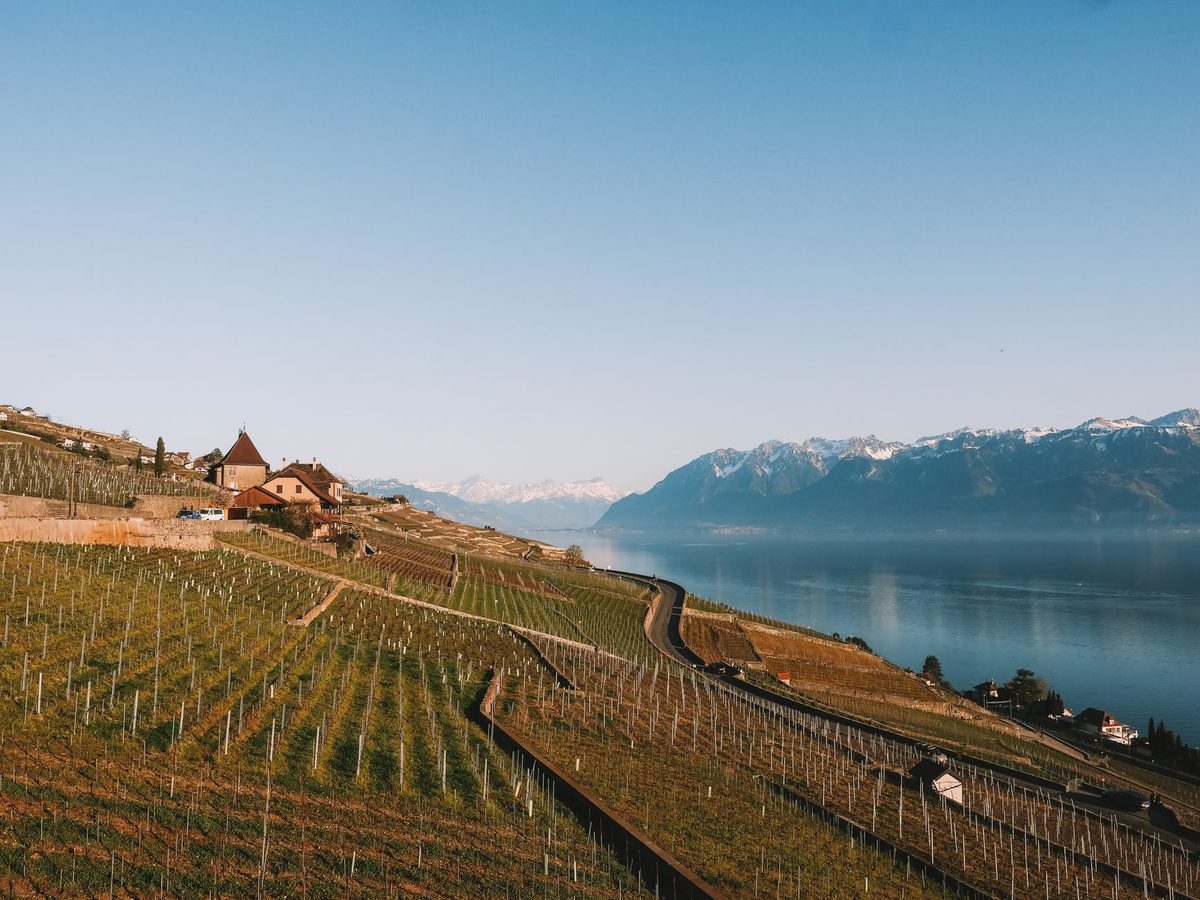
Most people are surprised that Geneva has vineyards at all, so here is the headline: the canton is Switzerland’s third-largest wine producer, with about 1,400 hectares of vines across three sub-regions. The famous Lavaux terraces 45 minutes east are technically in Vaud, but the Geneva-canton vineyards cluster in the Mandement to the west (Russin, Dardagny, Satigny, Peissy, Bourdigny, La Plaine), Entre Arve & Rhône to the south (Lully, Bernex, Soral), and Arve & Lac to the east (Jussy, Meinier, Anières, Gy). The signature grape is Chasselas, and Geneva is also the birthplace of Gamaret and Garanoir, two reds developed at the cantonal research station and now planted across the country.
Here is the part that makes Geneva wine tasting genuinely worth your time: only 1-2% of Swiss wine is exported. Tasting these bottles in Geneva is more or less the only way to drink them, the quality is high (Dardagny Chasselas rivals Lavaux at half the price, and Domaine des Balisiers Gamaret wins international medals), and the twice-yearly Caves Ouvertes Genevoises run a free shuttle from Cornavin to the wine villages. This 2026 guide covers the regions and grapes, the open-cellar dates and logistics, the estates worth a visit, the in-city wine bars, and the Lavaux day-trip upgrade. For the wider food picture, start with where to eat in Geneva and the Geneva shopping and luxury pillar.
01 — Geneva wine tasting at a glance
- Geneva canton: Switzerland’s third-largest wine producer, about 1,400 hectares.
- Three sub-regions: Mandement (west), Entre Arve & Rhône (south), Arve & Lac (east).
- Grapes to know: Chasselas (white classic), Gamay (red), and the Geneva-developed Gamaret and Garanoir, plus Aligoté, Chardonnay, Pinot Noir, and Merlot.
- Caves Ouvertes Genevoises: free open-cellar days with a TPG shuttle. Spring edition on the last Saturday of May (30 May 2026); autumn edition the first weekend of September.
- Russin Fête des Vendanges: a village harvest festival in mid-September. St. Martin’s Day in Peissy: all cellars open the second weekend of November.
- CHF 20 day pass at Caves Ouvertes includes an engraved tasting glass and the free shuttle.
- Only 1-2% of Swiss wine is exported, so you can essentially only drink Geneva wine in Switzerland.
- Lavaux UNESCO vineyards sit 45 minutes east by train as a day-trip upgrade.
02 — Yes, Geneva makes wine, and a lot of it
The surprise is real: arriving visitors see a banking-and-watchmaking city, not a wine region. Yet a 15-minute drive west takes you into the rolling hills of the Mandement, the canton’s main wine area, where roughly 1,000 of the 1,400 hectares spread across Russin, Dardagny, Satigny, Peissy, Bourdigny, and La Plaine. The rest sits in Entre Arve & Rhône to the south and Arve & Lac to the east.
A few numbers that capture the scale: about 1,400 hectares total, the third-largest wine canton after Valais and Vaud, roughly 10% of Switzerland’s vineyard area, 150-plus active wineries, 40-plus varietals, and that 1-2% export rate. The history runs deep, too: the Romans planted vines here, monasteries kept it going through the medieval period, and modern cantonal viticulture dates from 1815. The research station developed Gamaret and Garanoir in the 1960s and 70s, and both have since spread well beyond Geneva.
03 — The grapes to know
Whites
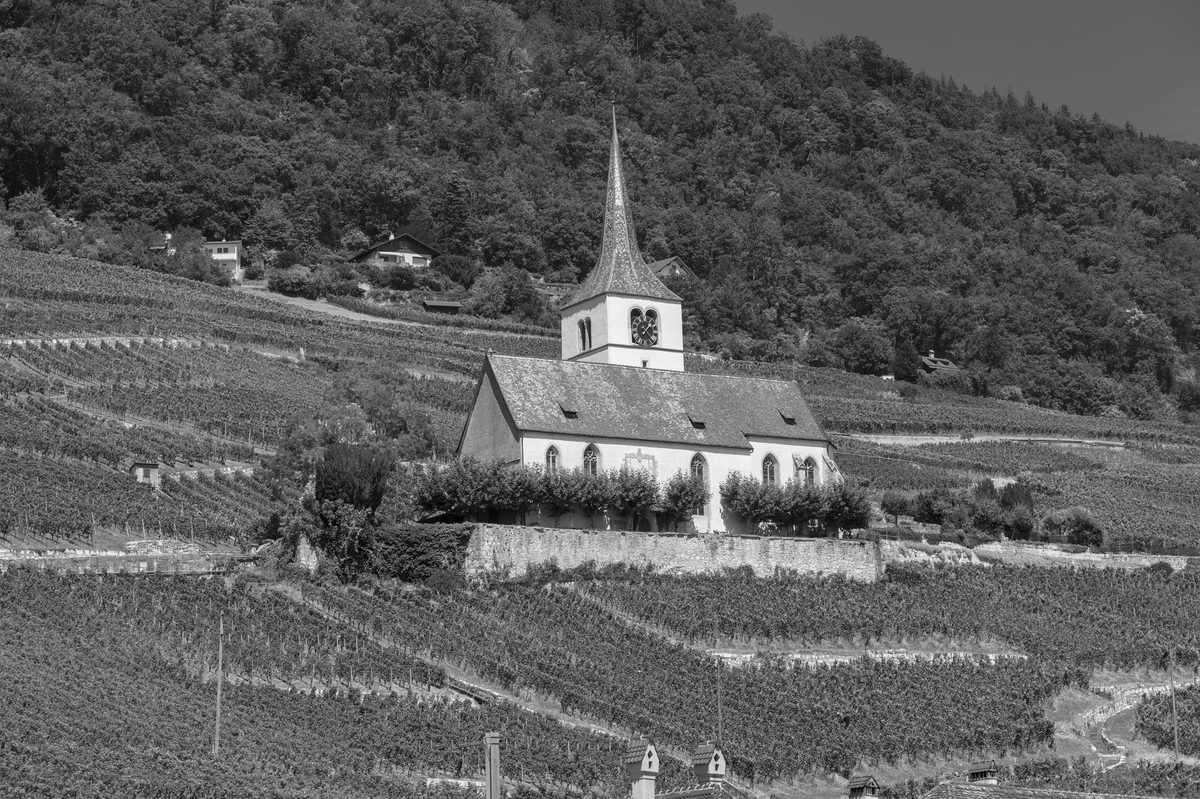
- Chasselas is the Swiss white classic and about 30% of the canton’s vines: light, mineral, and food-friendly, perfect with fondue, raclette, fish, and fresh cheese. The Geneva style has a touch more body than Lavaux Chasselas. Look for bottles from Dardagny and Satigny.
- Aligoté, a Burgundy crossover, is planted in Geneva more than anywhere else in Switzerland: crisp, mineral, a little more aromatic than Chasselas.
- Chardonnay suits the local soils, with some good oaked examples from Russin and Dardagny.
- Sauvignon Blanc is particularly strong from Dardagny producers.
- Pinot Gris, Viognier, Gewürztraminer, and Riesling-Silvaner round out the whites, from softer and fruit-forward to aromatic and distinctive.
Reds
- Gamay is the Geneva red signature, the same grape as Beaujolais but with more structure here.
- Pinot Noir is elegant and traditional, with strong examples from Domaine des Balisiers.
- Gamaret (a 1970 Geneva crossing of Gamay and Reichensteiner) brings deep colour, soft tannins, and dark fruit; Garanoir, another local crossing, is rich and plush and often blended with Gamaret.
- Merlot, Cabernet Sauvignon, and Syrah appear at selected estates.
For a first taster, focus on the local specialities: Chasselas for whites, Gamay for reds, and the Gamaret/Garanoir blends. Those are the ones you cannot get at home.
04 — Geneva’s three wine regions, mapped
Mandement (west), the main area
The biggest of the three, about 70% of the canton’s vines, spread across the hills west of the Rhône:
- Satigny, the largest wine-producing commune in Switzerland (around 340 hectares), with Domaine du Paradis the major producer and its experimental varietals.
- Dardagny, listed since 2021 among the Most Beautiful Villages of Switzerland, with steep slopes good for whites; Domaine Les Hutins (organic, much-awarded) is the standout.
- Russin, famous for its mid-September Fête des Vendanges, with several family estates.
- Peissy, which hosts St. Martin’s Day in November when all cellars open; Domaine des Balisiers, Domaine des Charmes, and Domaine Les Perrières are all here.
- Bourdigny, La Plaine, and Avully, smaller estates in the western Mandement.
The Mandement is the natural starting point, both for its size and because the Caves Ouvertes shuttle runs straight through it.
Entre Arve & Rhône (south)
Lully, Bernex, Soral, and the Plan-les-Ouates surrounds are reachable by Geneva tram: smaller producers, characterful wines, good for car-free visitors who want to fold a vineyard stop into a tram day.
Arve & Lac (east)
Jussy, Meinier, Anières, Gy, and Vandœuvres make up the eastern terroir, often a touch cooler than the Mandement and producing elegant whites, with their own Caves Ouvertes shuttle route.
05 — Caves Ouvertes Genevoises, the easiest way in
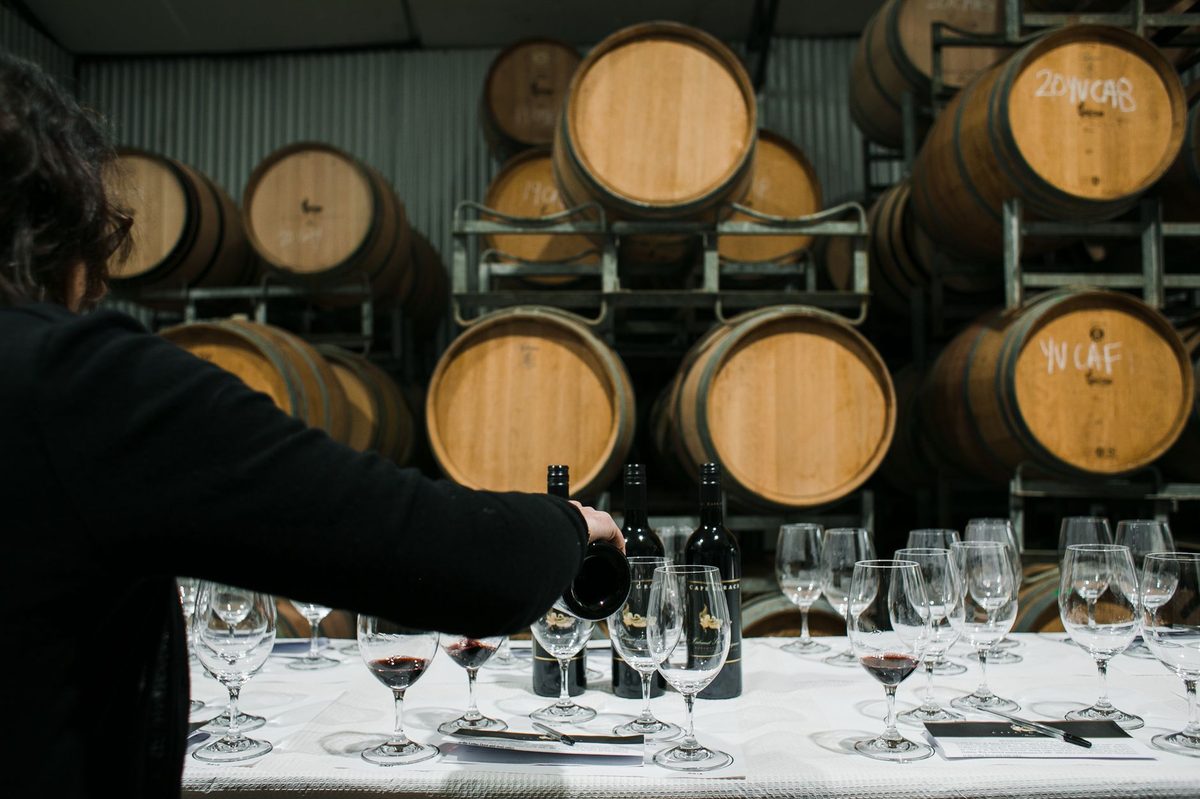
The Caves Ouvertes Genevoises (Geneva Open Cellars) is the single best wine experience in the canton, and most visitors never hear of it. The format: 70-plus wineries open at once on a single day, a CHF 20 day pass gets you an engraved tasting glass and access to all of them, and the canton runs a free TPG shuttle from Cornavin out to the Mandement villages (Dardagny, Satigny, Russin, Peissy) and separately to the Arve & Lac villages, which solves the transport problem entirely.
2026 dates: the spring edition is Saturday 30 May 2026 (the bigger of the two), and the autumn edition is the first weekend of September during the vendange harvest.
How it works: buy the CHF 20 pass at any participating winery on the day, at the Geneva Tourism office, or online at genevawine.ch; you get an engraved glass and a passport stamped at each cellar; take the free shuttle from Cornavin (every 30 minutes through the day); visit four to six wineries, each pouring three to six wines; buy bottles you like directly; and shuttle back in the evening.
The rhythm: cellars open around 10:00 and run to 18:00, the pours are generous (these are family estates keen to introduce their range), so bring water and snacks and pace yourself across four or five wineries rather than chasing all 70. The atmosphere is festive but not raucous, a mix of serious local enthusiasts, families, and curious visitors, and many estates lay on barbecue lunches with sausages, raclette, or fondue. If you are in Geneva on either Caves Ouvertes weekend, prioritise it: it is one of Europe’s best public wine days for the price.
06 — Year-round wine events
Russin Fête des Vendanges in mid-September is the village’s harvest festival, with a costumed parade, music, food stalls, and tasting; smaller and more traditional than Caves Ouvertes. St. Martin’s Day in Peissy on the second weekend of November opens all the village’s cellars for the new-vintage releases. Various other village open days happen through the year; check genevawine.ch for the current calendar, and our Geneva events and festivals guide for the wider picture.
07 — Wineries worth visiting outside open-cellar days
Many estates welcome visitors year-round by appointment, or walk-in at the larger producers. The standouts:
Mandement
- Domaine Les Hutins (Dardagny), organic and much-awarded, strong on Sauvignon Blanc and Chasselas.
- Domaine des Balisiers (Peissy), Geneva’s most internationally recognised producer, with standout Pinot Noir and Gamaret.
- Domaine des Charmes and Domaine Les Perrières (Peissy), family estates with a full range.
- Domaine du Paradis (Satigny), a larger producer with experimental varietals, and Domaine de Bellerive (Russin), a long-established family estate.
Entre Arve & Rhône and Arve & Lac
- Domaine de la Devinière (Meinier) plus various small estates in Bernex and Soral.
Cooperative
- Cave de Genève, the canton’s cooperative representing 60-plus winemakers, with retail outlets across the city, good for tasting a range in one spot.
To book an individual visit, contact wineries directly, allow one to two weeks, and expect tastings to be free or CHF 10-30 and to run 45-90 minutes.
08 — Guided wine tours from Geneva
If you would rather not plan, several operators run guided days: full-day tours with transport, three to four winery visits, and lunch at CHF 100-200 per person; private sommelier tours at CHF 300-500 and up; half-day tours with two wineries and a tasting flight at CHF 80-120; cycling wine tours that pair the canton’s bike routes with vineyard stops (see our cycling in Geneva guide and the 46-48 km vineyard loop); and Lavaux private tours to the UNESCO terraces at CHF 200-400 and up. Book through Winalist, MySwitzerland.com, or directly, and confirm whether lunch and tastings are in the headline price.
09 — Geneva’s wine bars: tasting local without leaving the city
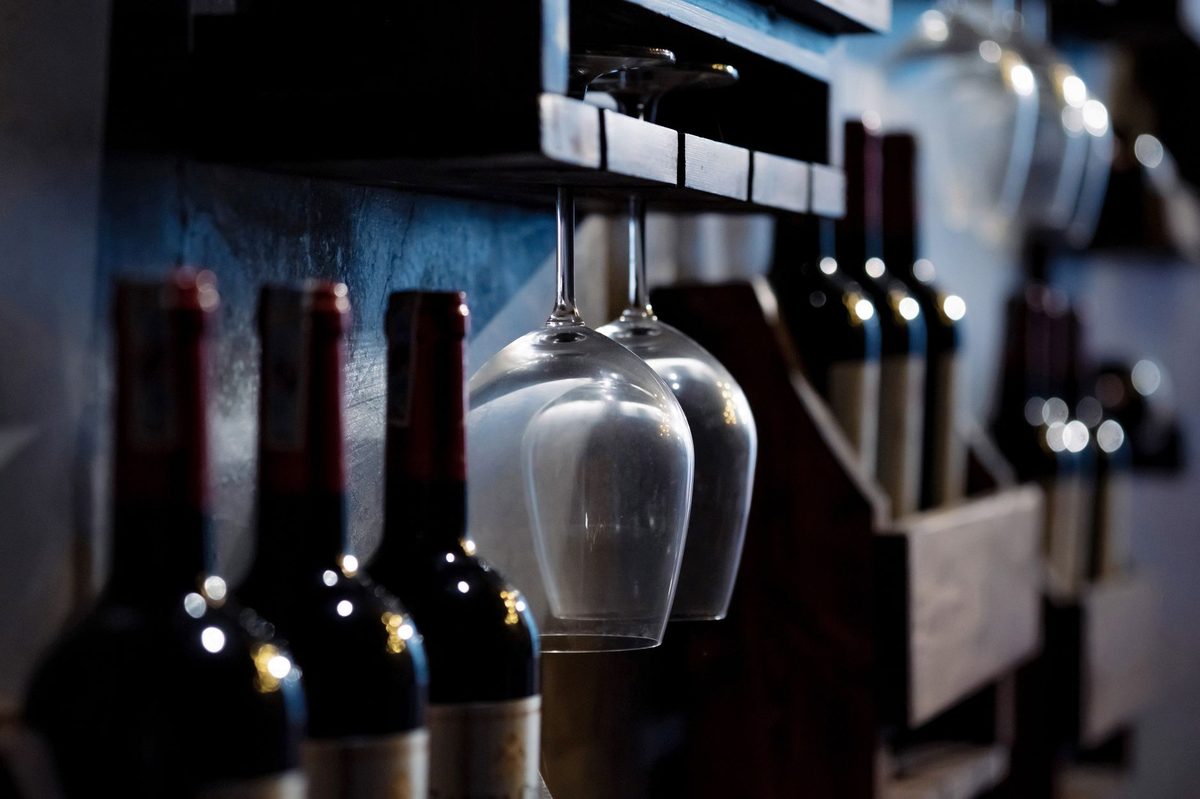
If you cannot get out to the vineyards, the city’s wine-bar scene brings the local wines to you:
- The Uva, a chalet-feel bar with a strong canton-of-Geneva list, wine flights, and food pairings.
- Bacchus (Rond-point de Rive), a Swiss and French selection with bistronomic plates, good for a casual evening.
- Bar Qu’importe, focused on local growers including Geneva and Lake Geneva wines.
- Soulwines, Swiss biodynamic, natural, and organic, part merchant and part tasting space.
- Sauvage for a rotating natural-wine list, Soleil Rouge for Spanish plus tasting nights, and 20G, the natural wine bar in Carouge.
- Mövenpick Wines Meyrin, a large merchant with an unlimited tasting bar and the full Geneva selection.
A two- or three-stop wine-bar evening gives you a fair tasting of Geneva-canton wines without leaving town.
10 — Day trip: the Lavaux UNESCO vineyards
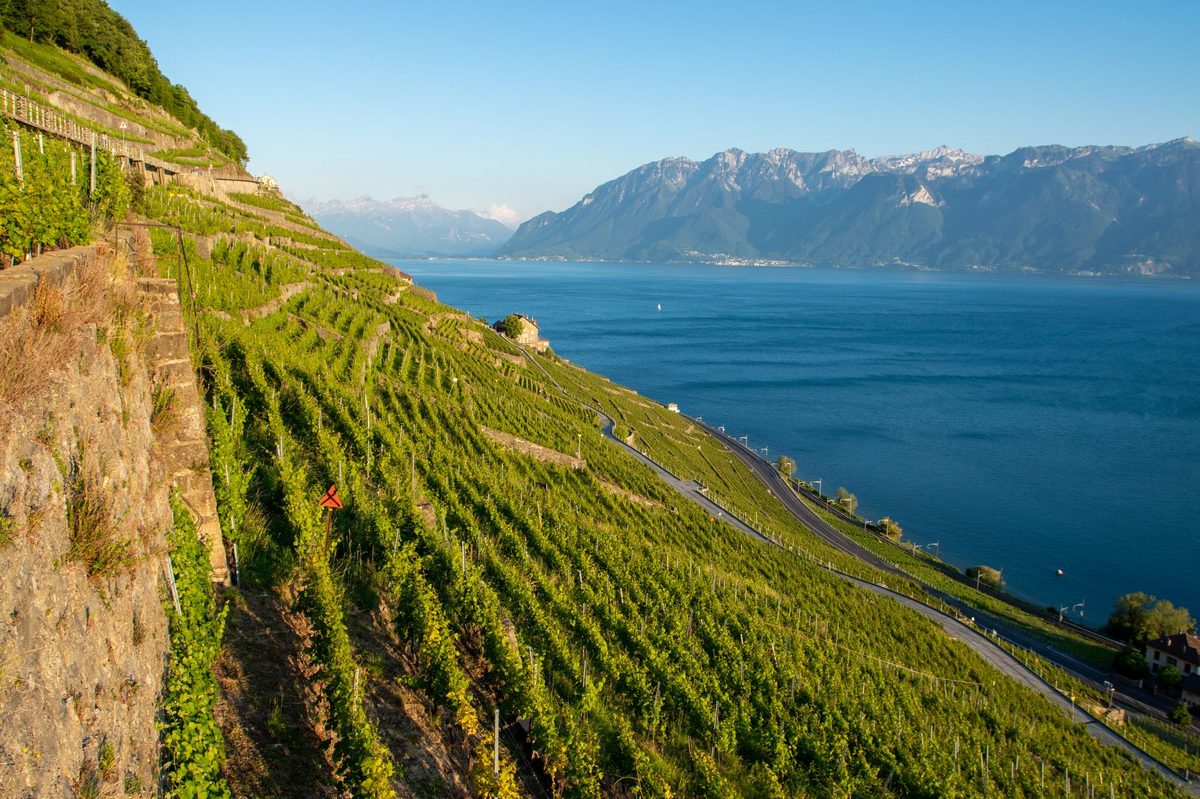
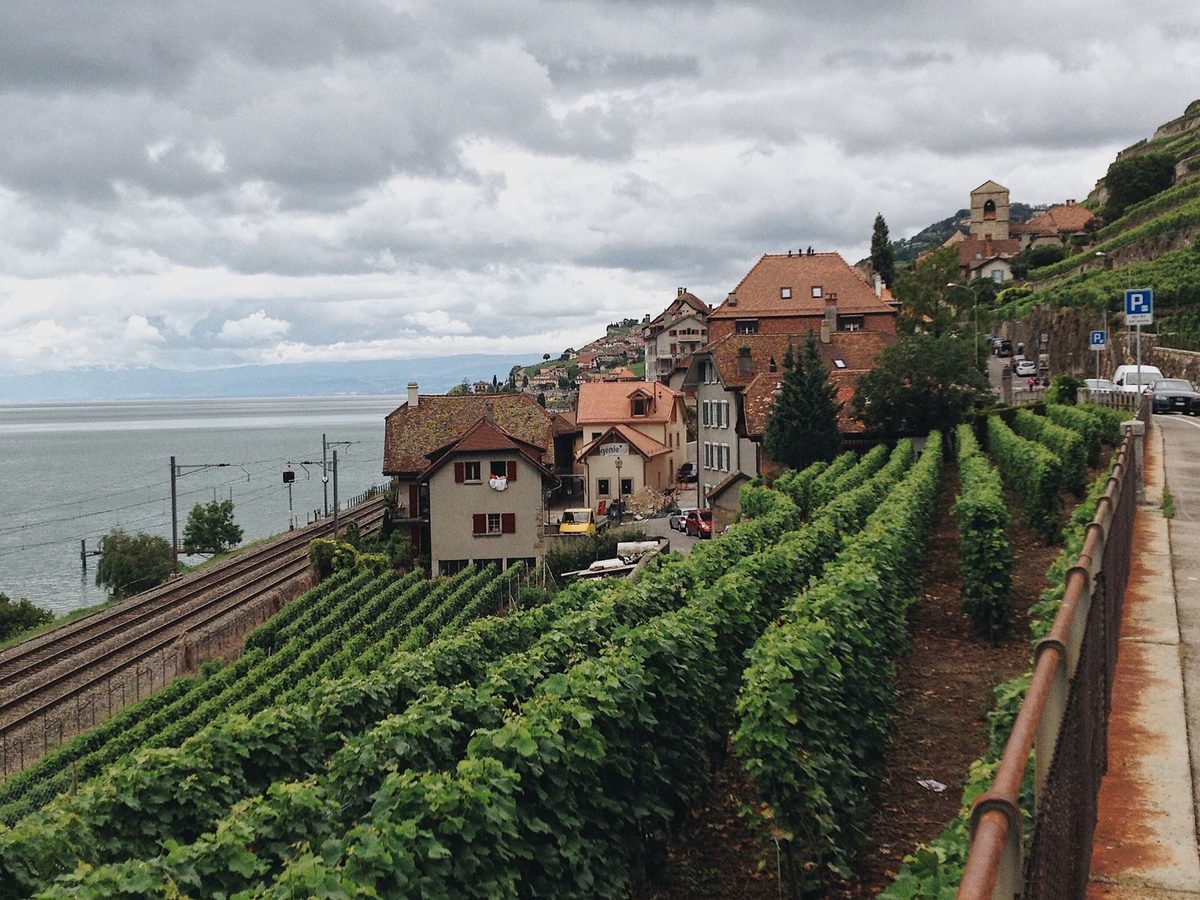
For an upgrade beyond the canton, the Lavaux UNESCO vineyards sit 45 minutes east by direct train. This is Vaud’s signature region, terraced by 12th-century monks on the south-facing slopes above Lake Geneva and a UNESCO World Heritage site since 2007. The look is genuinely something: stone terraces dropping in tiers to the water, vines, walking paths, and dozens of small estates.
How to do it from Geneva: take the direct train to Lutry (45 minutes), the western start of the trail; walk the terraces through Cully, Epesses, Rivaz, and St-Saphorin to Vevey (about 11 km, 3-4 hours with stops); pause at the caveaux (cellar tasting rooms) open on summer and autumn weekends; and train back from Vevey (50 minutes). As an alternative, a CGN paddle steamer from Geneva toward Lausanne gives you the Lavaux from the water. See our Lavaux day trip and Lausanne day trip guides.
The dominant grape in Lavaux is Chasselas at its most refined, helped by the triple exposure of sun above, lake reflection below, and heat radiating off the terrace walls. Try an AOC Lavaux Chasselas at any caveau. Walking plus wine plus a UNESCO landscape plus lake views makes one of the great Swiss wine days.
11 — Where to buy Geneva wine to take home
- Cave de Genève retail shops, the cooperative with outlets across the city and a selection from 60-plus producers.
- Manor and Globus wine departments, carrying premium estates and a Lavaux selection.
- Coop “Vins de Genève”, the supermarket option at accessible prices.
- Direct from estates, the best prices and full range, with most shipping within Switzerland.
- Cavesa, an independent merchant, plus Soulwines and Mövenpick Wines, which retail as well as pour.
Expect roughly CHF 12-25 for entry-level estates, CHF 25-50 for mid-tier, and CHF 50-100 and up for premium and aged wines.
12 — Tasting tips, etiquette and food pairing
- French etiquette applies: modest pours, a look before you taste, and conversation with the producer.
- Chasselas pairs with fondue (the classic), raclette, fresh cheese, fish, and charcuterie; Gamay with roast chicken, mushroom dishes, and soft cheeses; Gamaret/Garanoir with red meat, stews, and aged cheeses; Pinot Noir with duck, salmon, and traditional French cooking.
- Spit when visiting several wineries, even small pours add up; bring water to clear the palate; and ask questions, because Geneva producers love talking about the rare varietals like Aligoté and Garanoir.
- Buy directly from producers for better prices and to support the cellar.
For the full food angle see our traditional Swiss food guide and the best fondue in Geneva.
13 — Practical info: hours, booking, getting there
Winery hours are typically Wednesday to Saturday afternoons by appointment, with some larger producers open for walk-in retail Monday to Saturday, and most closed Sundays outside Caves Ouvertes. Getting to the Mandement: the free TPG shuttle during Caves Ouvertes, TPG bus 35 from Cornavin to Russin/Satigny/Dardagny daily (free with the Geneva Transport Card), the train to Satigny SBB (10 minutes from Cornavin) then a walk or local bus, or a 15-20 minute drive with parking at most wineries. The canton vineyard cycle route is a 46-48 km loop; see our cycling in Geneva guide. To book, walk in with the CHF 20 pass on Caves Ouvertes day, email or call estates one to two weeks ahead otherwise, and bring walking shoes, water, a notebook, and a bag for bottles.
14 — The 2026 wine calendar at a glance
| Date | Event |
|---|---|
| 30 May 2026 (Saturday) | Caves Ouvertes Genevoises spring edition (70+ wineries, free shuttle) |
| Early September 2026 | Caves Ouvertes Genevoises autumn edition |
| Mid-September 2026 | Russin Fête des Vendanges (village harvest festival) |
| Second weekend of November 2026 | St. Martin’s Day in Peissy (all cellars open) |
| Weekends April-October | Lavaux caveaux open weekends (UNESCO terraces) |
Frequently asked questions
Does Geneva have vineyards?
Yes. Geneva canton is Switzerland’s third-largest wine producer, with about 1,400 hectares across three sub-regions: Mandement (west), Entre Arve & Rhône (south), and Arve & Lac (east). Most visitors are surprised by it.
Where can I do wine tasting in Geneva?
In-city, the wine bars: The Uva, Bacchus, Bar Qu’importe, Soulwines, Sauvage, 20G, and Mövenpick Wines Meyrin. For winery visits, the Mandement villages (Russin, Dardagny, Satigny, Peissy). For an organised event, the Caves Ouvertes Genevoises twice a year, on the last Saturday of May and the first weekend of September.
When is Caves Ouvertes in Geneva 2026?
The spring edition is Saturday 30 May 2026 and the autumn edition is the first weekend of September 2026. The CHF 20 day pass includes an engraved tasting glass and the free TPG shuttle from Cornavin to the wine villages.
What wine is Geneva famous for?
Chasselas (the Swiss white classic), Gamay (the red equivalent), and the locally developed Gamaret and Garanoir, plus Aligoté, which is more widespread in Geneva than anywhere else in Switzerland, and Pinot Noir from selected estates.
Can you visit Lavaux from Geneva in a day?
Yes. The direct train to Lutry takes 45 minutes, you walk the 11 km terraced trail to Vevey (3-4 hours with caveau stops), and the train back from Vevey is 50 minutes. A CGN paddle steamer toward Lausanne is the lake-view alternative. See our Lavaux day trip guide.
Can you buy Geneva wine outside Switzerland?
Almost never. Only 1-2% of Swiss wine is exported, and most Geneva estates sell only to the domestic market, so visiting is essentially the only way to drink the local wines. Buy bottles to carry home within your destination’s allowance.
15 — Related Geneva guides
Keep planning with our best fondue in Geneva, the traditional Swiss food guide, the Lavaux day trip, cycling in Geneva, Geneva food markets, and the Geneva shopping and luxury pillar.