Geneva Neighborhoods & Districts
Geneva Neighborhoods & Districts: Complete Guide

This article contains advertising. Our booking links are routed through a partner that adds commission tracking automatically, so if you book through one we earn a commission from the provider, at no extra cost to you. It never affects what we recommend. Affiliate disclosure
Most people “do” Geneva as a single thing — the Jet d’Eau, the Old Town, a lap of the lakefront — and leave thinking it’s a tidy, slightly buttoned-up banking town. That’s a third of the picture. Geneva is really a cluster of small, opinionated neighborhoods packed into a tight space: a medieval hilltop on one side of the water, a Sardinian-built artists’ quarter to the south, a chaotic multilingual food district behind the station, and a stretch of diplomatic calm up north. Pick the wrong base and you’ll spend the trip commuting past the bits you came for.
This is a neighborhood-by-neighborhood guide to Geneva — what each district actually feels like, what’s worth your time there, where to eat, and which one fits how you travel. If you’re using it to choose a base, read it alongside where to stay in Geneva and the more focused best area to stay in Geneva; if you’ve already got a bed sorted, treat it as a map for spending your days well. The good news: the whole city is small enough that no neighborhood is ever really far from another.
01 — Geneva’s neighborhoods at a glance
Before the detail, here’s the shape of the city in one table — the vibe of each district, who it suits, and roughly where it sits. Geneva splits across the water into the Rive Droite (right bank, north — station, Pâquis, the UN) and the Rive Gauche (left bank, south — Old Town, Eaux-Vives, Plainpalais), a distinction locals use constantly; there’s more on it in the Rive Droite vs Rive Gauche guide.
| Neighborhood | The vibe | Best for | Where it is |
|---|---|---|---|
| Old Town (Vieille Ville) | Cobbled, historic, hushed after dark | First-timers, history, couples | Hill on the Rive Gauche |
| Carouge | Sardinian-Italian, arty, boozy at night | Bars, browsing, dinner | South of centre, Rive Gauche |
| Les Pâquis | Loud, multilingual, cheap and alive | Budget eats, late nights, convenience | Behind the station, Rive Droite |
| Eaux-Vives | Lakeside, residential, low-key smart | Families, swimming, slow days | East along the lake, Rive Gauche |
| Plainpalais | Student, scruffy, culture-heavy | Museums, markets, cheap food | South-central, Rive Gauche |
| Champel | Leafy, quiet, well-off | Calm stays, river walks | Uphill, south Rive Gauche |
| Nations / Petit-Saconnex | Diplomatic, spread out, formal | Business, the UN, the museums | North of the lake, Rive Droite |
| Grottes & Saint-Gervais | Offbeat, creative, a bit rough | Curiosities, indie theatre | Beside the station, Rive Droite |
02 — Old Town (Vieille Ville): the historic heart
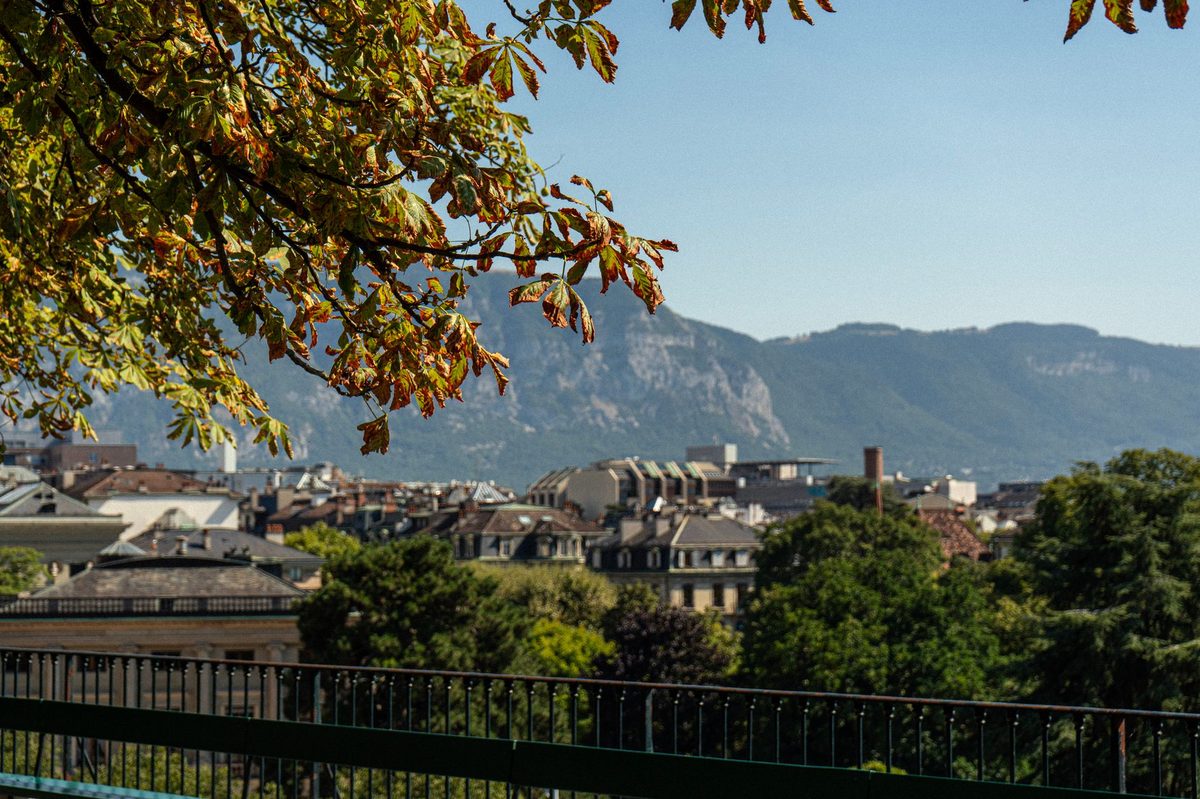
If you only get one neighborhood, get this one. Geneva’s Old Town sits on a hill above the water, and it’s where the city literally started — five centuries of it stacked into a few hundred metres of cobbles, fountains and shuttered townhouses. Everything radiates out from St. Pierre Cathedral; climb its tower and you get the single best view in Geneva, out over the rooftops to the lake and, on a clear day, the Alps behind. Down in the crypt, the archaeological site under the cathedral is genuinely worth the ticket.
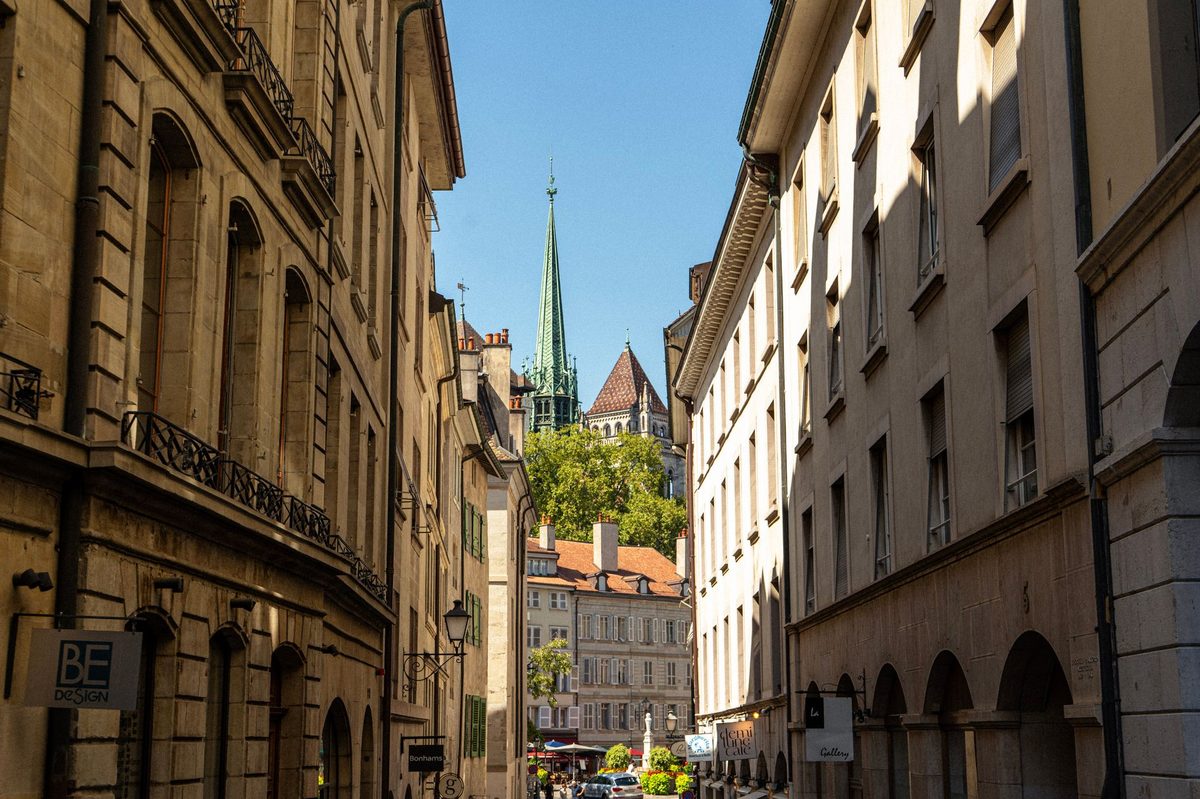
The Old Town rewards aimless wandering more than a checklist. Place du Bourg-de-Four, the oldest square in the city, is still a working one — students and office workers spilling out of the cafés around the fountain. Walk the Grand-Rue past antiquarian bookshops and small galleries; Jean-Jacques Rousseau was born at number 40, now a small museum. Duck into Maison Tavel, the oldest house in Geneva and a free history museum, and don’t miss the Reformation Wall in the adjacent Parc des Bastions, where the giant stone reformers stare out across a public chess board. The Treille Promenade claims the world’s longest wooden bench at 120 metres — a daft, lovely thing to sit on with a coffee.
Dining up here skews upscale and atmospheric: candlelit restaurants and wine bars tucked into medieval cellars, the kind of place you book for an anniversary rather than a quick bite. For fondue, locals will send you a short walk out to Café du Soleil in Petit-Saconnex, often named the best in the city. The honest trade-off with the Old Town: it’s romantic and central, but it goes quiet early, it’s all stairs and slopes (hard going with a suitcase or a stroller), and rooms are pricey. It’s my pick for first-timers and couples; less so for nightlife or budgets. For the full deep dive, see the dedicated Old Town Geneva guide.
03 — Carouge: Geneva’s bohemian, Italian-flavoured quarter
Cross the Arve to the south and Geneva stops feeling Swiss for a while. Carouge was built in the 18th century by the King of Sardinia as a deliberate rival to Calvinist Geneva, laid out by Italian architects with wide low streets, pastel houses, shuttered windows and hidden interior courtyards. The result is a neighborhood that looks and behaves like a small Italian town that drifted north — and today it’s the city’s craft-and-design heartland, full of ceramicists, jewellers, independent designers and one-room ateliers.
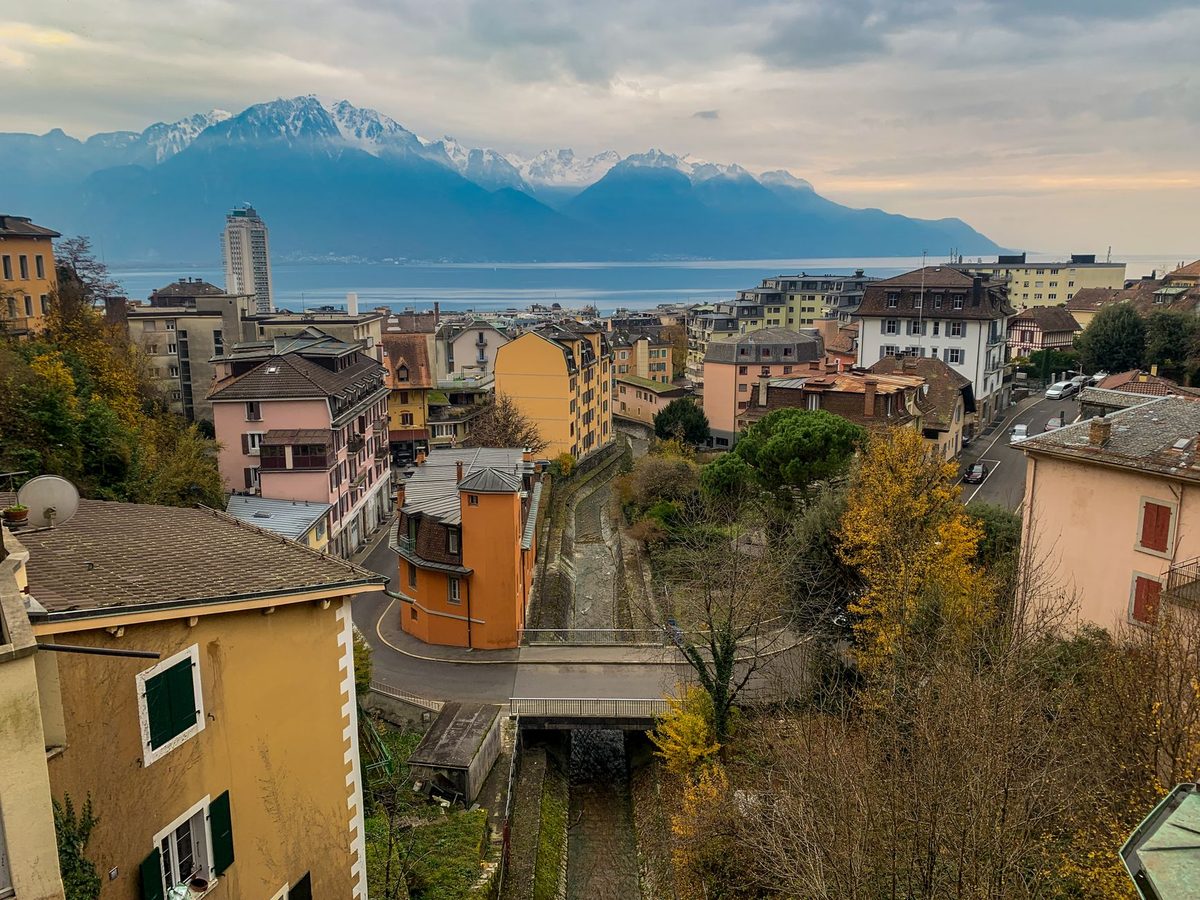
The pleasure of Carouge is mostly atmosphere. The Place du Marché holds a proper produce market on Wednesday and Saturday mornings — cheese, flowers, regional veg — and the streets around it are made for slow browsing rather than chain-store shopping (the where to eat in Geneva guide flags some of the best stops). After dark it flips: Carouge is the city’s most reliable night-out, anchored by the long-running Chat Noir live-music club and a run of cocktail bars, wine caves and late bistros around Rue Saint-Joseph. If a night out is the priority, the Geneva nightlife and bar areas guide goes deeper.
Eating here is some of the most interesting in Geneva — proper Italian trattorias, a few ambitious modern kitchens, craft beer. Carouge suits creative types, night owls and anyone who’d rather have character than a lobby with a concierge. It’s about 10 minutes from the centre on trams 12, 13 or 18, which makes it an easy base or an easy evening out. More in the Carouge guide.
04 — Les Pâquis: the loud, cheap, multicultural one
Wedged between Gare Cornavin and the lake, Les Pâquis is the most alive square kilometre in Geneva and the city’s great contradiction: a working-class, multilingual district sitting right next to five-star lakefront hotels. More than 100 nationalities live here, and the streets read like a world map of small kitchens — Thai, Lebanese, Eritrean, Portuguese, Japanese ramen, halal butchers and African grocers, all within a few blocks. It’s scruffy, busy, and genuinely interesting in a way the postcard parts of Geneva aren’t.
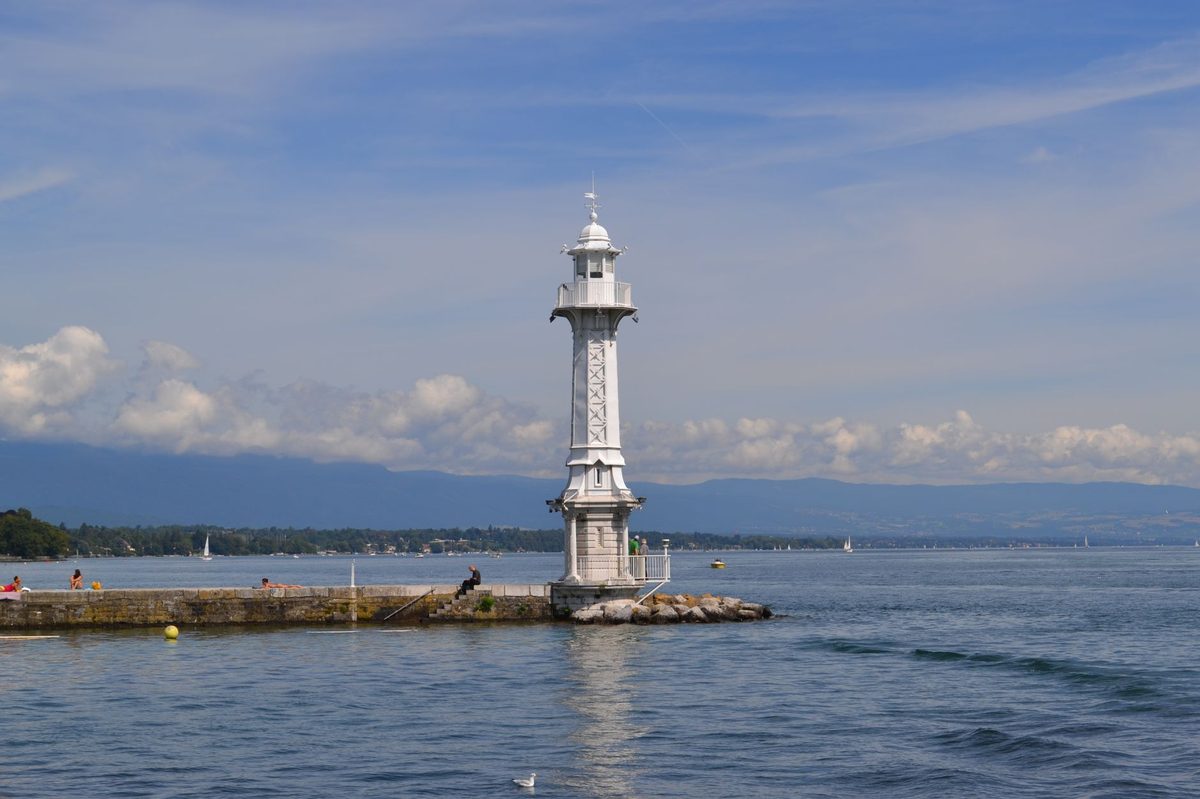
Its heart is the Bains des Pâquis, a public bathing pier reaching out into the lake that functions as the neighborhood’s living room. In summer locals swim off it, sunbathe, and queue for fondue on the deck; in winter there’s a sauna and hammam, and the kitchen does hearty Swiss plates with the water right there. It runs concerts, an annual poetry festival, and famous early-morning Aubes Musicales in summer — worth setting an alarm for. This is also where to eat cheaply: a good Thai curry, a shawarma or a plate of Portuguese chicken for well under CHF 15, which in Geneva borders on a miracle. Stretch the budget further with the Geneva on a budget guide.
The flip side is honest too: a few blocks of Pâquis double as the red-light district, so the late-night streets can feel edgy, and it’s noisier than anywhere else in town. But it’s the most convenient base in the city — the station and most tram lines are on your doorstep — and the best value for food adventurers and budget travellers. More in the Les Pâquis district guide.
05 — Eaux-Vives: lakeside, residential, quietly smart
East of the Old Town, hugging the southern shore, Eaux-Vives is where Geneva exhales. It’s residential and unflashy, but it has the lake on its doorstep and two of the city’s best parks: Parc de la Grange, whose rose garden runs to some 200 varieties and peaks in June, and the neighbouring Parc des Eaux-Vives, both looking straight across the water to the mountains. The newer Plage des Eaux-Vives — a man-made beach and swimming area opened a few years back — is one of the easiest places in the city to get in the lake on a hot day.
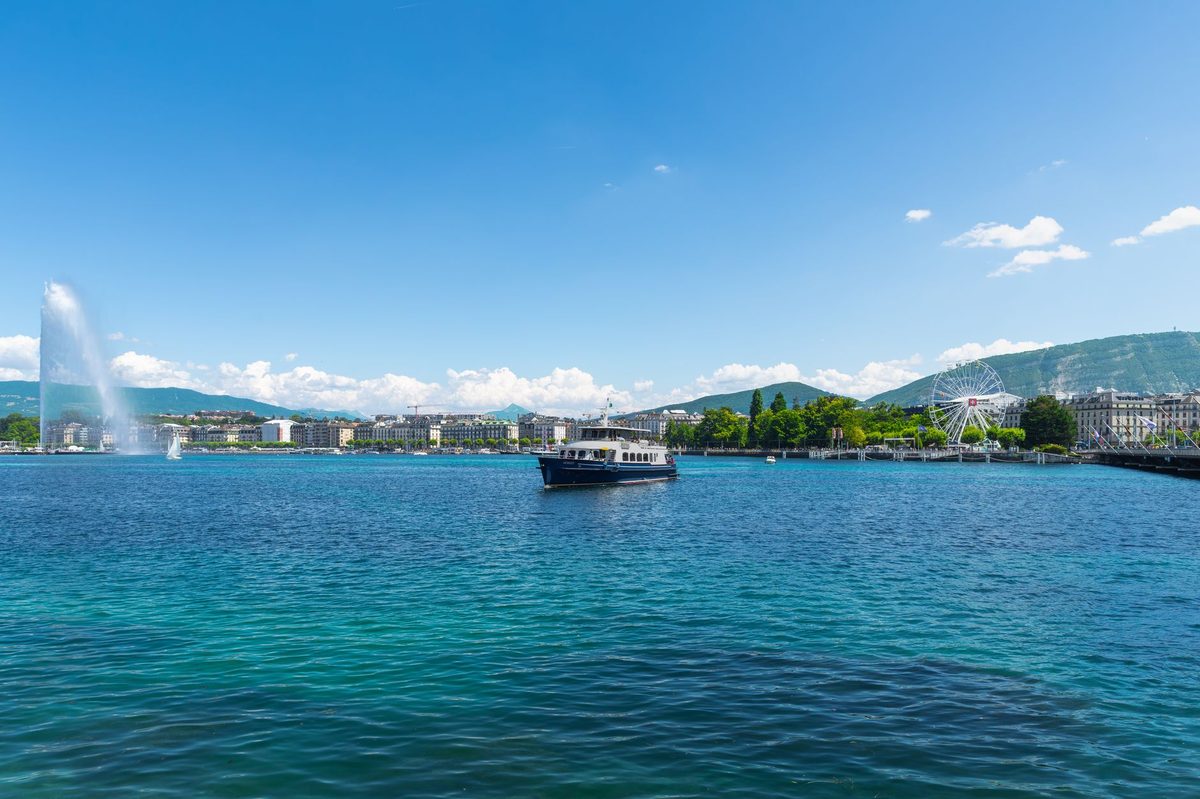
Daily life centres on Rue du 31-Décembre and the streets around it: bakeries, neighbourhood bistros, small shops that serve residents rather than tour groups, which is exactly the appeal. You’re a flat walk or cycle along the promenade from the Jet d’Eau and the Old Town, and the Léman Express (the cross-border rail line that replaced the old CEVA) runs from Eaux-Vives station straight to Cornavin and on into France. Dining is refined but unpretentious — local institutions over influencer spots.
Eaux-Vives is my pick for families and for anyone who wants green space, water and a calmer base while staying genuinely central. It’s also a lovely area to simply walk; pair it with ideas from things to do in Geneva. Full detail in the Eaux-Vives guide.
06 — Plainpalais: students, markets and the museum mile
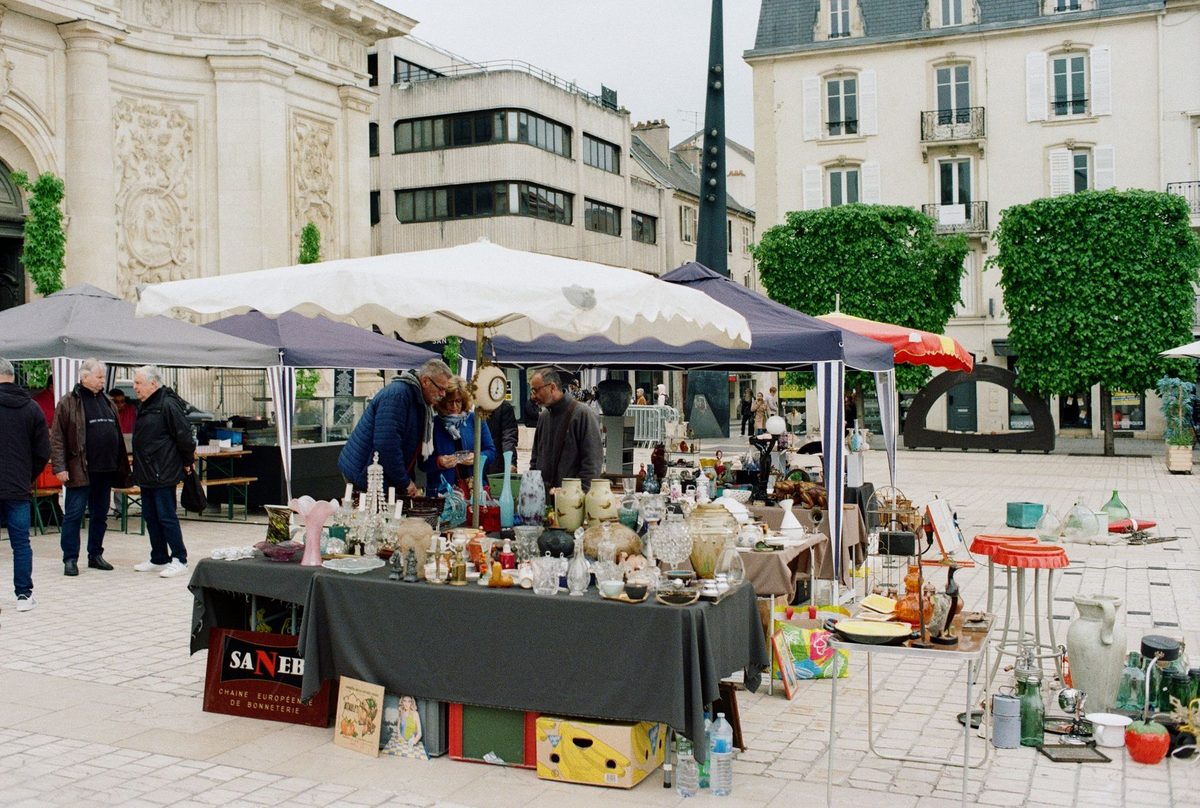
Built around the big diamond-shaped Plaine de Plainpalais, this is Geneva’s student and culture district — home to the University of Geneva and a café-and-bar scene that’s among the cheapest and most relaxed in the city. It feels scruffier and younger than the lakefront, and that’s the draw. The Plaine itself is a multipurpose slab of gravel that hosts a circus, a summer open-air cinema, food trucks, and — twice a week, Wednesday and Saturday — Geneva’s famous flea market, a brilliant rummage of antiques, vinyl, old cameras and other people’s attics.
It’s also the museum heartland. The Patek Philippe Museum (a watch-lover’s pilgrimage), MAMCO (Switzerland’s biggest contemporary-art museum), the Musée d’ethnographie (MEG) and a cluster of independent galleries in the Quartier des Bains are all here, walkable in an afternoon. Plan a route with the Geneva museums and culture guide. Eating runs from student kebab shops and noodle bars to wine bars and weekend brunch spots.
Plainpalais suits younger travellers, art and design people, and anyone who wants culture without lakefront prices. Trams 12, 14, 15 and 18 all pass through, so getting anywhere is quick. More in the Plainpalais guide.
07 — Champel: leafy, quiet and well-off
Uphill from Plainpalais and south of the Old Town, Champel is the city’s most genteel residential quarter — tree-lined avenues, grand 19th-century villas, embassies and old money. There isn’t much commercial buzz, and that’s the entire point: this is the Geneva of long-term residents and diplomats who want quiet. As a visitor you come here for one thing above all, the Arve river gorge, where a steep wooded path drops you into surprisingly wild scenery a few minutes from the centre.
The Bois de la Bâtie nearby adds forest walks, a small free animal park and a summer open-air cinema. Restaurants are few but tend to be solid neighbourhood bistros rather than tourist traps. A Léman Express stop at Champel links you fast to the centre and Eaux-Vives. It’s a good base if calm and greenery beat nightlife for you — and a pleasant, overlooked corner to walk even if you stay elsewhere. More in the Champel guide.
08 — Nations & Petit-Saconnex: International Geneva
North of the lake, the Nations district is where Geneva does its day job as a world capital. It centres on the Place des Nations and the vast Palais des Nations, the European headquarters of the United Nations (guided tours run most days — bring your passport). This is “International Geneva”: diplomats, NGO staff and correspondents, plus a serious run of museums. The International Red Cross and Red Crescent Museum is the standout — quietly devastating and one of the best museums in the city — with the Musée Ariana (ceramics and glass) and the Conservatory and Botanical Garden all close by. In the square itself, the giant three-legged Broken Chair is Geneva’s most photographed protest sculpture.
It’s spread out and a touch formal compared with the lived-in neighbourhoods, and it empties on weekends when the organisations close. Hotels here lean business-class and can be decent value, and the area is well served by buses (5, 8, 11, 22, 28) and tram 15. Worth a half-day for the museums even if you base yourself elsewhere.
09 — Grottes & Saint-Gervais: the offbeat corner
Right behind Cornavin station, Les Grottes is known for one wonderfully strange thing: the Schtroumpfs (the “Smurf Houses”), a knot of 1980s apartment buildings with curved walls, organic shapes and barely a straight line between them. They’re a genuine architectural oddity and worth the ten-minute detour even if you’re not staying nearby. The surrounding streets are low-key, villagey and resolutely local.
Across the tracks, Saint-Gervais is the older, grittier sibling on the Rive Droite — independent theatres (the Théâtre Saint-Gervais among them), alternative art spaces and a slowly improving food scene, with the 15th-century Temple de Saint-Gervais as its historic anchor. Neither area is polished, and that’s the appeal for travellers who like finding a city’s working edges rather than its showpieces.
10 — Which Geneva neighborhood is right for you?
Short version, by traveller type — then read the deeper stays advice in where to stay in Geneva.
| If you are a… | Stay / focus on | Why |
|---|---|---|
| First-time visitor | Old Town | Walk to the big sights, the most atmosphere, central |
| Budget traveller | Les Pâquis | Cheapest food, affordable beds, on top of the station |
| Night owl | Carouge | The best bars and live music in the city |
| Art & culture lover | Plainpalais | The museum mile, galleries, flea market |
| Family with kids | Eaux-Vives | Parks, lake swimming, calm streets, still central |
| Quiet & upmarket | Champel | Leafy villas, river walks, no crowds |
| Business traveller | Nations | By the UN and NGOs, good-value business hotels |
| Food adventurer | Les Pâquis + Carouge | The two most interesting food scenes, full stop |
11 — Getting between Geneva’s neighborhoods
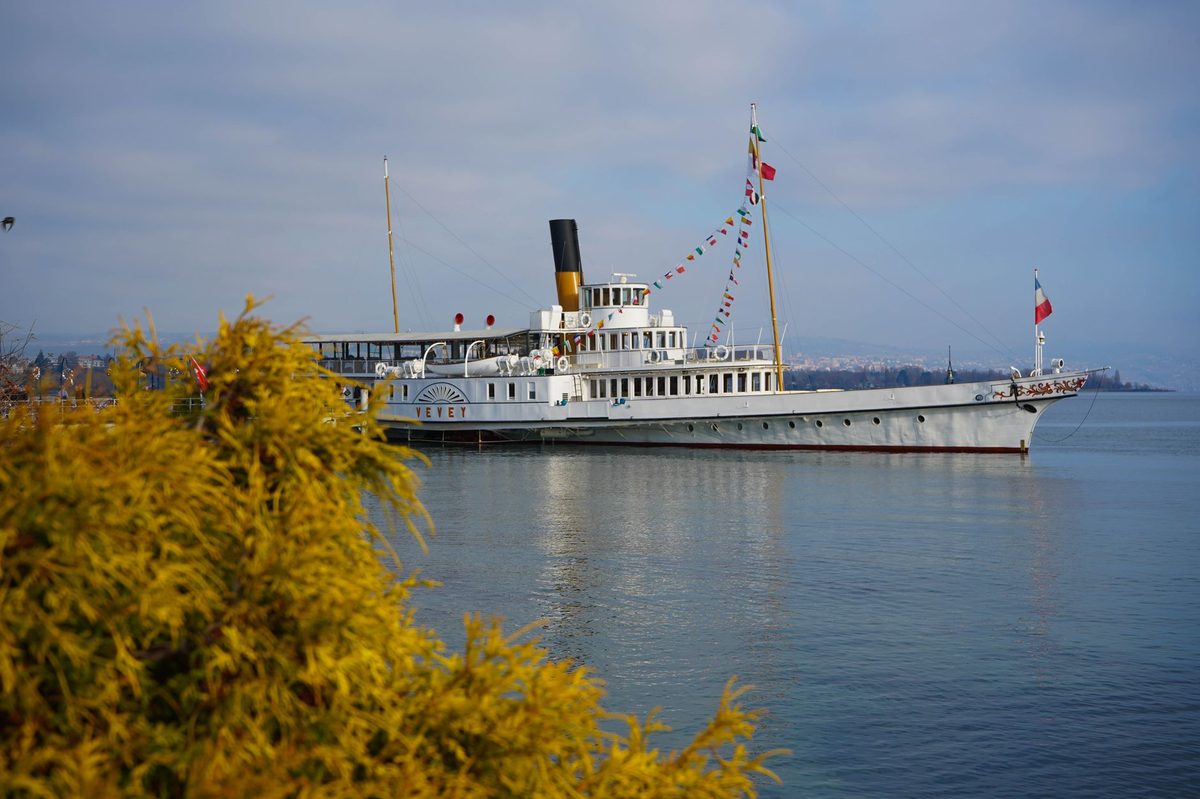
Here’s the thing that makes Geneva easy: it’s tiny. Most neighborhoods are 15 to 20 minutes apart by tram or bus, and you can cross the whole centre on foot in well under an hour. If you’re staying overnight, your hotel gives you a free Geneva Transport Card covering trams, buses and the little yellow Mouettes shuttle boats that hop across the harbour — a cheap thrill and a genuine shortcut between the Rive Droite and Rive Gauche. The Léman Express rail line links Cornavin, Champel and Eaux-Vives and runs on into France. Full details in the Geneva transportation guide.
My advice: don’t try to “stay everywhere” — pick one base and use the trams. A good first day strings the districts together at walking pace: start in the Old Town for the history, drop down to Plainpalais for a market and a museum, tram out to Carouge for a long lunch and a browse, then end at the Bains des Pâquis as the sun goes down over the lake. Geneva gives up its best bits slowly, one neighborhood at a time.
Frequently asked questions
What is the best neighborhood to stay in Geneva?
For most first-time visitors, the Old Town or nearby Eaux-Vives are the best bases — central, walkable and close to the lake. Les Pâquis wins for budget and convenience (it’s on the station), while Carouge is the pick if nightlife and character matter more than being in the dead centre.
What is the difference between Rive Droite and Rive Gauche in Geneva?
They’re the two banks of the lake and river. The Rive Droite (right bank, north) holds the main station, Les Pâquis and the UN district; the Rive Gauche (left bank, south) holds the Old Town, Eaux-Vives, Plainpalais and Carouge. Locals use the terms constantly to describe where things are.
Which Geneva neighborhood is best for nightlife?
Carouge is the most reliable night out, with live music at the Chat Noir and a cluster of bars and wine caves around Rue Saint-Joseph. Pâquis and Plainpalais are the other late-night options, both younger and cheaper.
Where do locals eat in Geneva?
Les Pâquis for cheap, global, no-frills food, and Carouge for trattorias and ambitious modern kitchens. Eaux-Vives and Plainpalais are full of neighbourhood bistros that cater to residents rather than tourists.
Is Geneva easy to get around between neighborhoods?
Very. The city is compact — most districts are 15 to 20 minutes apart by tram or bus, and the centre is walkable. An overnight stay comes with a free Geneva Transport Card covering trams, buses and the yellow shuttle boats across the harbour.
How many days do you need to see Geneva’s neighborhoods?
Two to three days lets you cover the main districts comfortably — a day for the Old Town and lakefront, a day split between Plainpalais and Carouge, and a third for the Nations museums or a slow morning in Eaux-Vives.
12 — Related Geneva guides
Keep planning with where to stay in Geneva, the best area to stay in Geneva, things to do in Geneva, where to eat in Geneva, and the Geneva transportation guide — plus the district deep dives on the Old Town, Carouge and Eaux-Vives.