Geneva Museums & Cultural Attractions Guide
Geneva Museums & Cultural Attractions Guide
This article contains advertising. Our booking links are routed through a partner that adds commission tracking automatically, so if you book through one we earn a commission from the provider, at no extra cost to you. It never affects what we recommend. Affiliate disclosure
For a city of barely 200,000 people, Geneva has an absurd number of museums — more than 36 of them, which works out to one of the highest museum-per-resident ratios anywhere. That density is the real story here. You can stand inside the machine that found the Higgs boson at CERN in the morning, sit with 150 years of humanitarian history at the Red Cross Museum after lunch, and finish the day in front of the oldest watch on earth at the Patek Philippe Museum, all on one tram line. My honest advice: don’t try to do all 36. Pick a few that match what you actually care about, and lean on the fact that most of the permanent collections cost nothing.
This guide is how I’d plan a museum trip to Geneva: the five I’d never skip, the best free ones, where the art lives, and how to time visits so you pay as little as possible. I’ve grouped everything by theme and neighborhood so you can build a sane day rather than zig-zagging across town. For working out trams and the free transport card that gets you between all of these, start with our Geneva transportation guide, and if it’s the wider story you want, the Geneva history and heritage guide pairs well with everything below.
01 — The five Geneva museums I’d never skip
If your time is short, start here. These five are the ones I send everyone to first, and each does something you can’t get anywhere else. Two of them are free, which makes the shortlist easy on the wallet.
1. CERN Science Gateway
The world’s largest particle physics lab sits on Geneva’s western edge, and since October 2023 it has a proper public face: the Science Gateway, designed by Renzo Piano. The free hands-on exhibitions let you accelerate virtual particles, poke at the problem of dark matter, run through 13.8 billion years of cosmic history, and step into a quantum-world simulation. It is genuinely good, and not just for physicists.
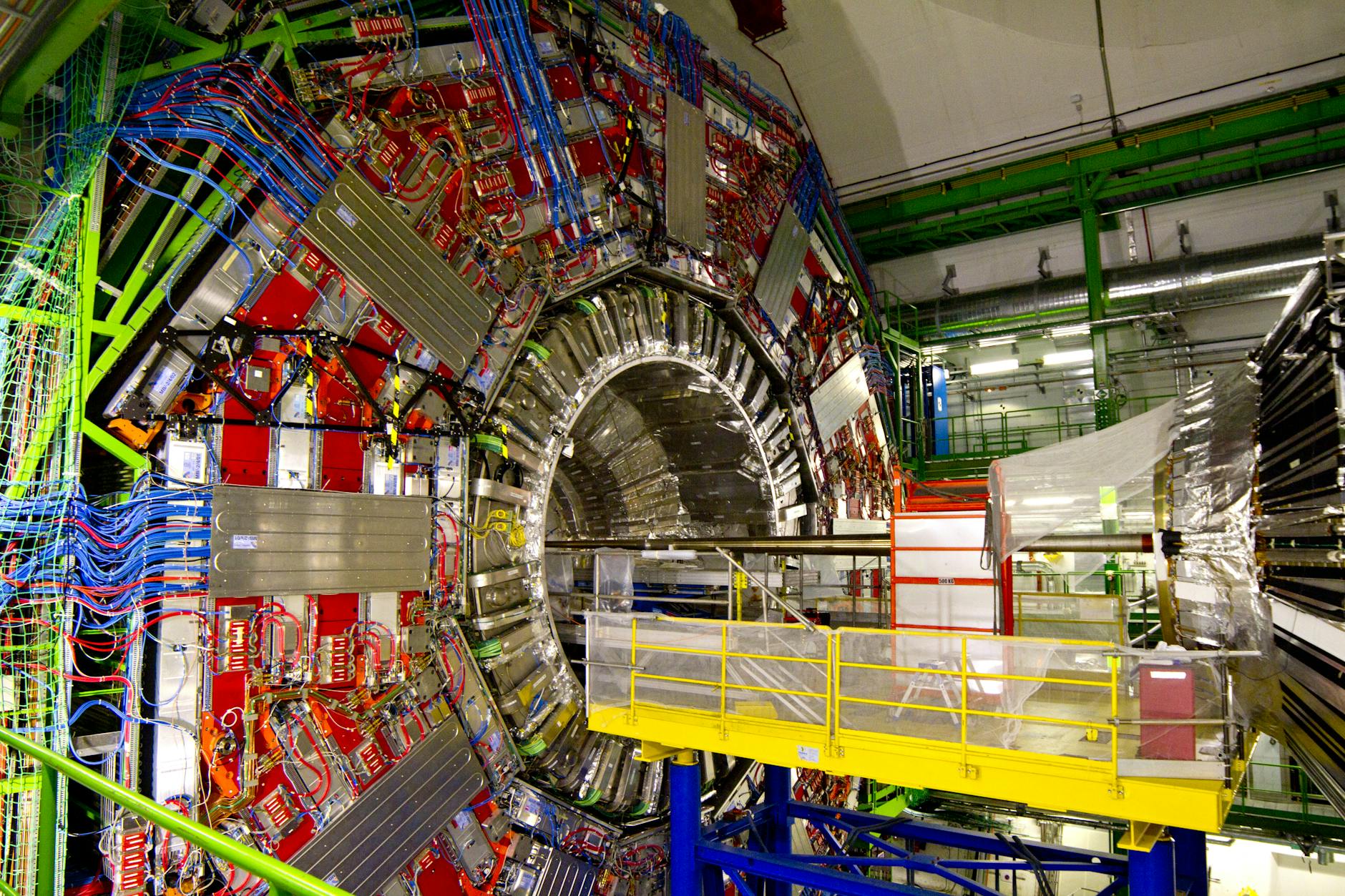
Beyond the exhibitions there are immersive films, live science demos, and lab workshops of 45 to 90 minutes covering everything from particle detection to robotics. Admission is free, but you must register first: book online at visit.cern and show your QR code at the door. It opens Tuesday to Sunday, 9:00 to 17:00 (reception runs 8:00 to 18:00). Tram 18 from Gare Cornavin gets you there in about 20 minutes and is free with your Geneva Transport Card. Allow more time than you think — most people underestimate this one.
2. International Red Cross and Red Crescent Museum
Across the road from the United Nations, this is the most emotionally demanding museum in the city, and the one I’d argue you shouldn’t miss even if you only have a day. It traces over 150 years of humanitarian work through three permanent exhibitions: Defending Human Dignity, Restoring Family Links, and Reducing Natural Risks. You can track live Red Cross operations around the world on interactive screens, and the personal testimonies from survivors of disasters and conflict zones are what stay with you afterward.
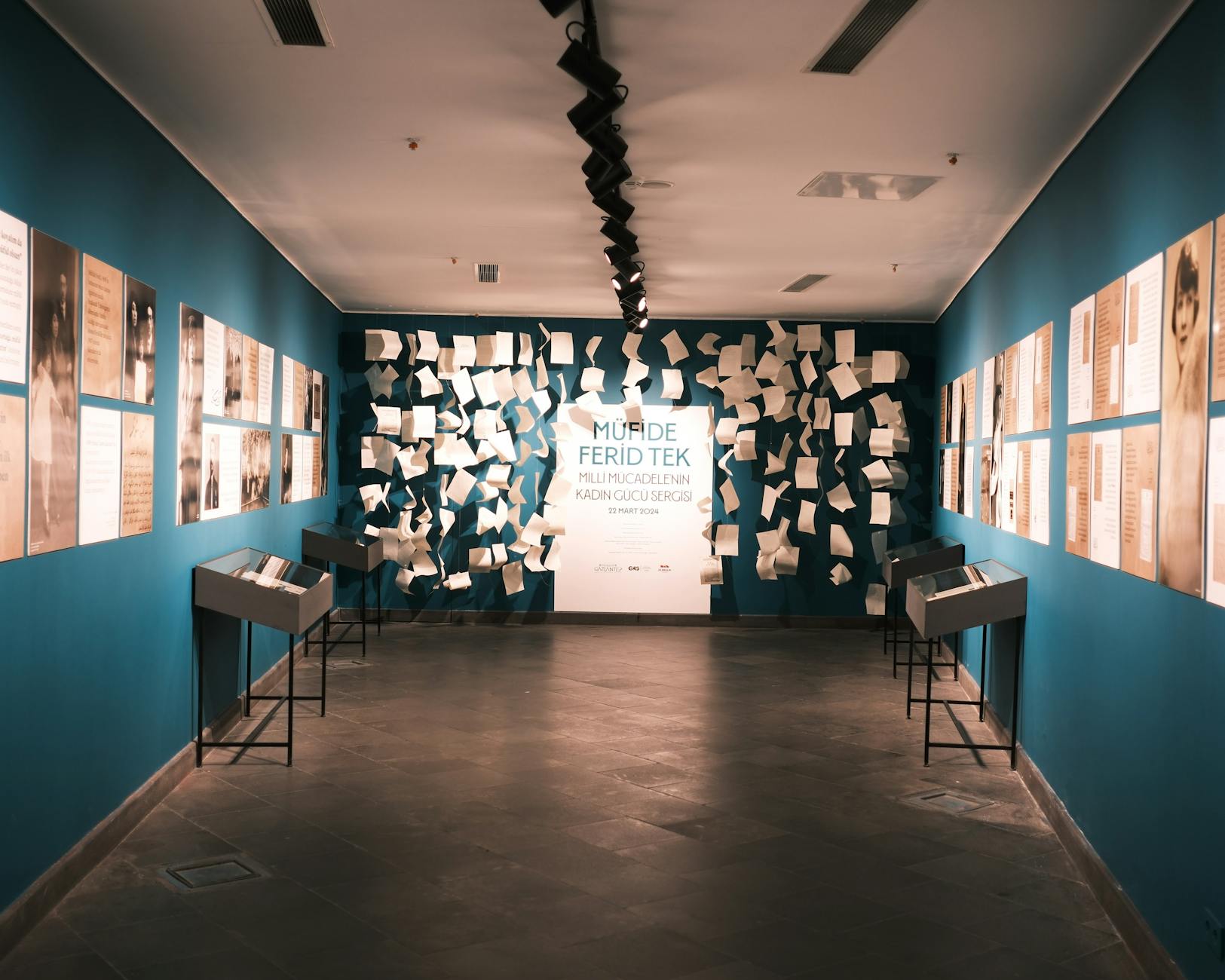
A major renovation gave it powerful multimedia installations from three different architects and scenographers, and the three sections feel distinct rather than blurred together. Give it at least two hours. Adult admission is CHF 15, with discounts for students and seniors. Hours are Tuesday to Sunday 10:00 to 18:00 from April to October, and 10:00 to 17:00 from November to March. Take Bus 8 or 28 to the Appia stop.
3. Patek Philippe Museum
Geneva is the capital of fine watchmaking, and nowhere makes that case as well as the Patek Philippe Museum in Plainpalais. It opened in 2001 across four floors and holds more than 2,000 pieces covering over 500 years of horology, including the oldest known watch in the world, dating to 1530. It is not just a shrine to Patek’s own work either: the collection reaches across Genevan, Swiss, and European watchmaking, with musical automata and tiny enamel miniatures from the 16th to 19th centuries that I found more captivating than I expected to. If the collection sends you looking for a piece of your own, our Geneva watch shopping guide covers where to buy and what to check before you hand over a card.
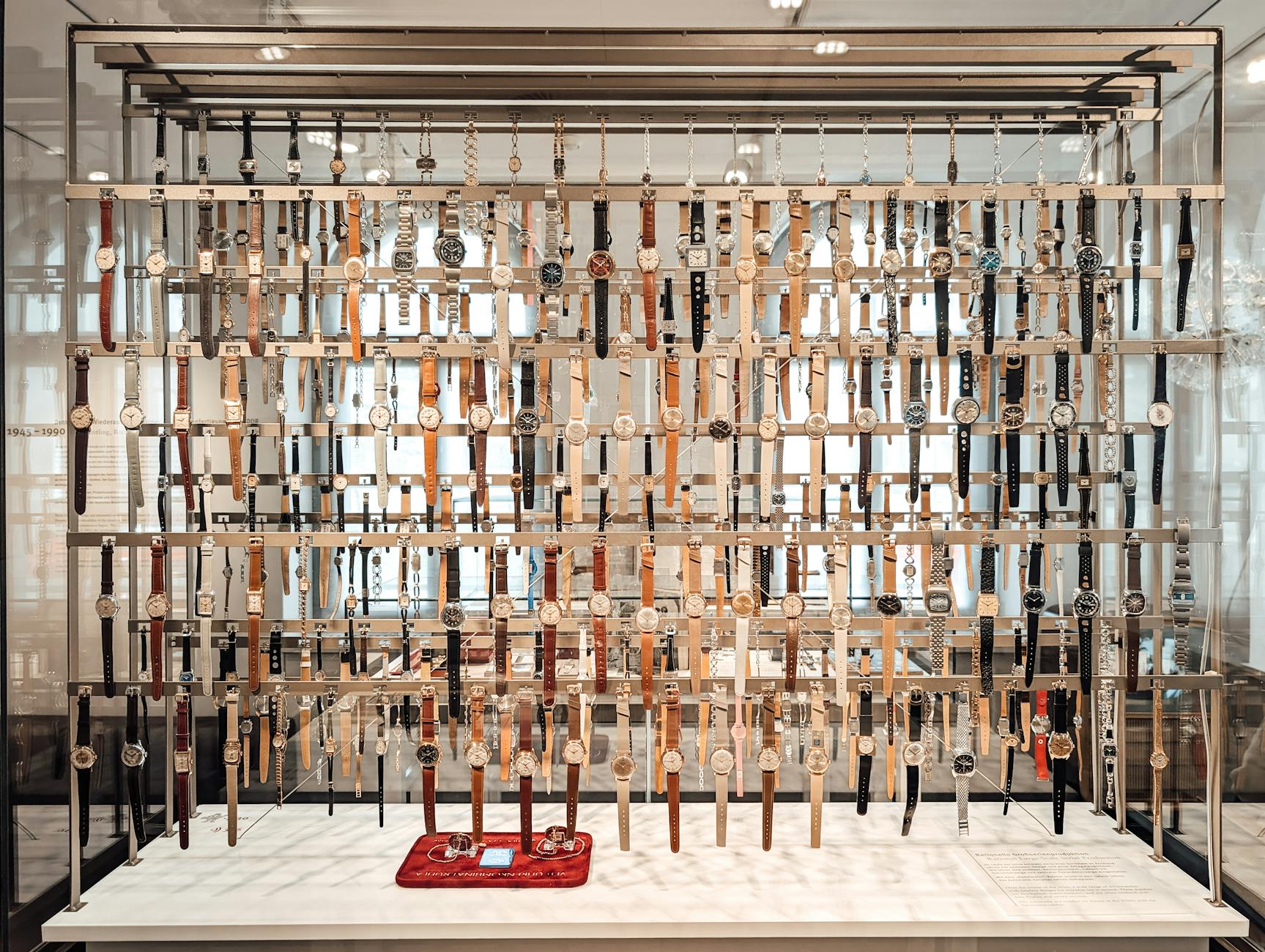
The ground floor holds a library of over 8,000 watchmaking publications. Grab the audio guide (it comes in several languages) — without it you’ll walk past craftsmanship you’d otherwise miss. Adult admission is CHF 10. Open Tuesday to Friday 14:00 to 18:00 and Saturday 10:00 to 18:00, closed Sunday and Monday, which trips up a lot of weekend visitors. You’ll find it at Rue des Vieux-Grenadiers 7 in Plainpalais.
4. Musee d’Art et d’Histoire (MAH)
The MAH is Geneva’s biggest museum and the anchor of the city’s art-and-history network, with a collection that runs across five thousand years of Western civilization. The archaeology rooms go from Egyptian antiquities through Greek and Roman artifacts, while the fine-art galleries cover the Middle Ages to the 20th century, including major canvases by Konrad Witz, Ferdinand Hodler, and Felix Vallotton. If you only want one big classical museum, this is the one.
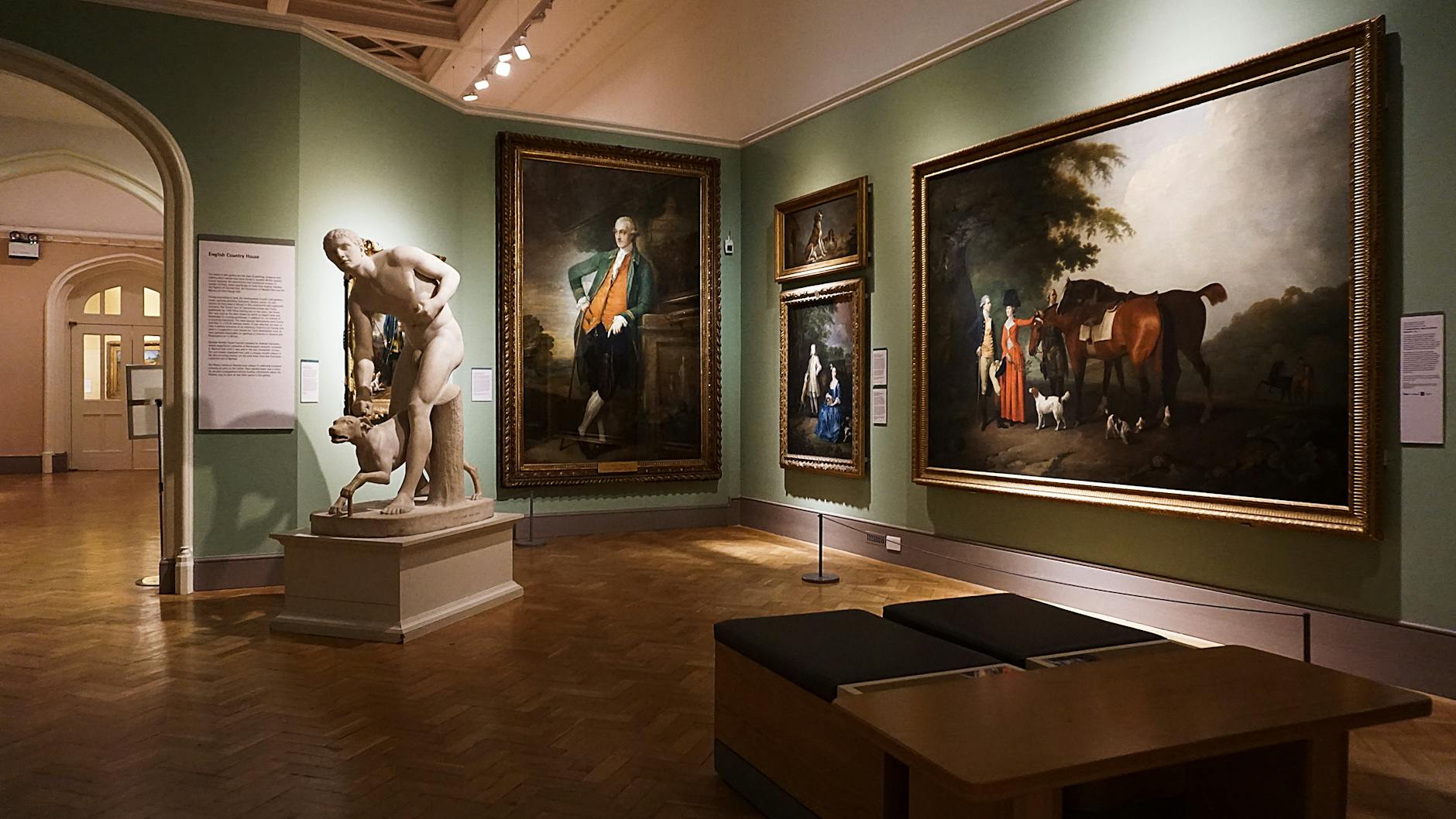
The applied-arts wing adds furniture, textiles, musical instruments, and a serious arms-and-armor collection from across Europe. The permanent collection is free; temporary shows are priced individually. Open Tuesday to Sunday 11:00 to 18:00, with a late night until 21:00 on the first Thursday of each month, which is my favorite time to go — quieter, and the building feels different after dark. It sits at Rue Charles-Galland 2, an easy walk up from the Old Town.
5. Musee d’Ethnographie de Geneve (MEG)
The MEG won European Museum of the Year in 2017, and it earns the reputation. After a bold 2014 rebuild, the permanent exhibition, The Archives of Human Diversity, puts more than 1,000 objects from five continents in conversation about how different cultures read the world. The rotating temporary shows are some of the strongest in Switzerland, and they’re the reason I keep coming back rather than treating it as a one-and-done.
The permanent collection is free; temporary exhibitions usually run CHF 9 for adults. Open Tuesday to Sunday 11:00 to 18:00, at Boulevard Carl-Vogt 65 in Plainpalais. It also runs concerts, film screenings, and workshops through the year, so it’s worth a glance at the program before you go.
02 — The best free museums in Geneva
This is where Geneva quietly outperforms more famous cities. Every city-funded museum keeps its permanent collection free all year, and on the first Sunday of the month many temporary exhibitions go free too. Here are the ones I’d actually spend that free time on.
Maison Tavel — the oldest house in Geneva
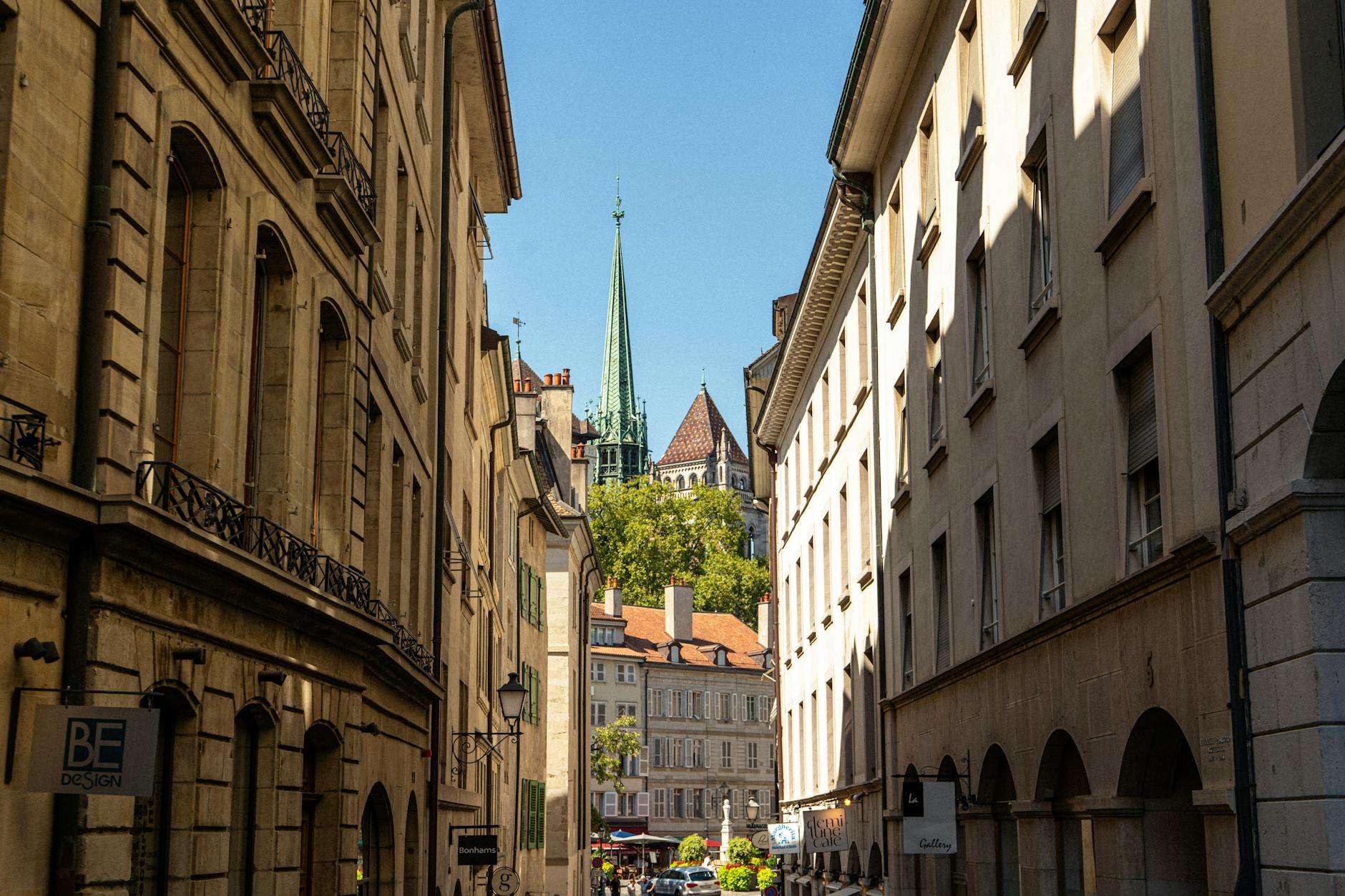
Maison Tavel dates to the 12th century, making it the oldest private home in Geneva, and it now works as the city’s history museum. Inside this preserved medieval house in the Old Town you’ll find objects of everyday Genevan life from the Middle Ages to the 19th century. Go up to the top floor for the scale model of Geneva as it looked before 1850 — it’s the single best way to grasp how the city used to fit together. Free admission, open Tuesday to Sunday 11:00 to 18:00, at Rue du Puits-Saint-Pierre 6.
Museum of the History of Science
Set in the Villa Bartholoni right on the lakeshore, this small museum follows how scientific thinking evolved, through old instruments, globes, sundials, and early lab gear. The setting is half the point: pair it with a waterfront walk and you have an easy, free hour by the water. Free admission, open Wednesday to Monday 10:00 to 17:00 (note it closes Tuesdays, the opposite of most museums here).
Natural History Museum
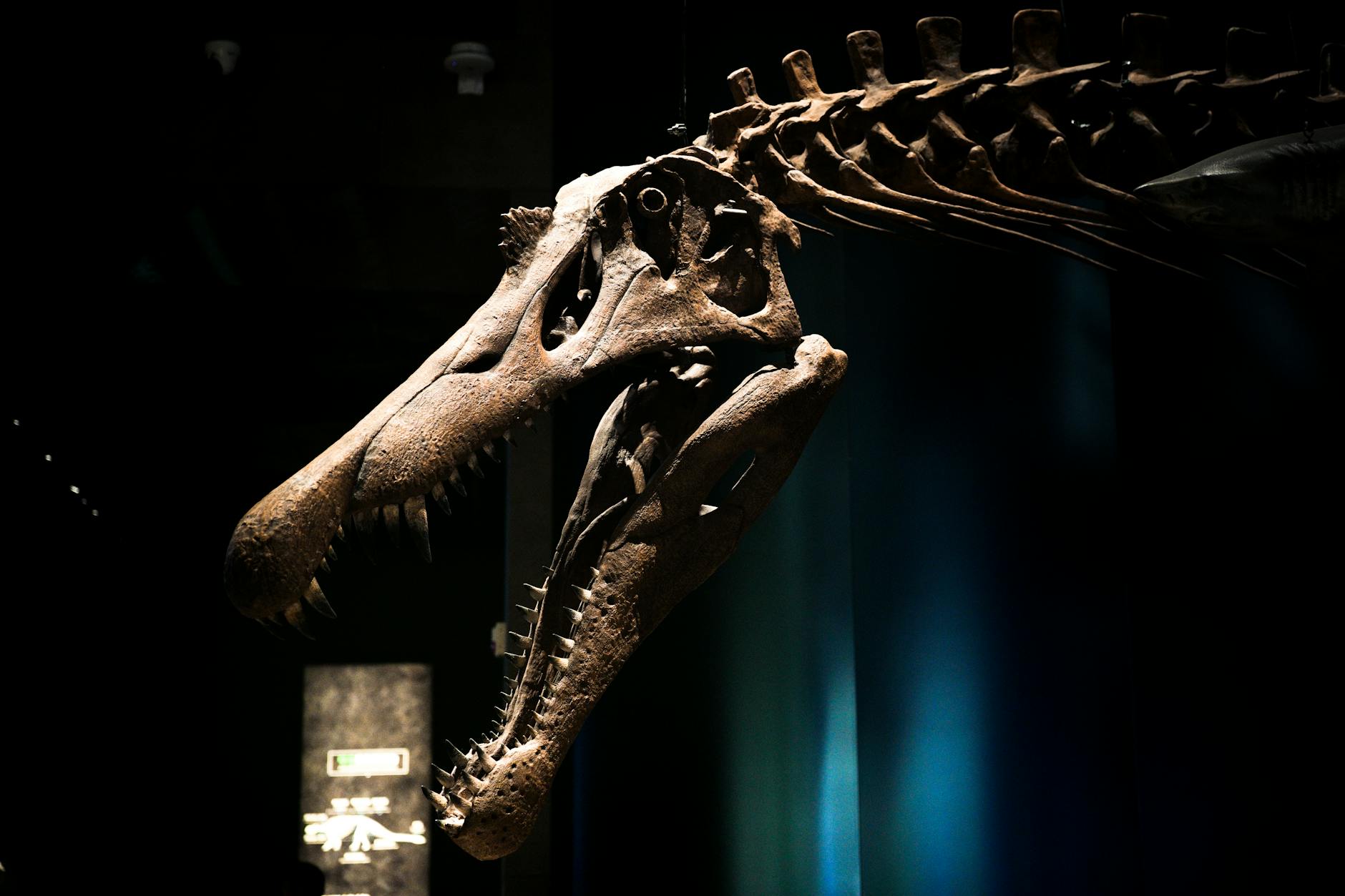
This is the free museum families gravitate to, and for good reason. It holds deep collections of regional and exotic wildlife, geology, dinosaur fossils, and a whole section on Swiss ecology. The dioramas are the standout, and temporary shows often add interactive bits for kids. Free admission, open Tuesday to Sunday 10:00 to 17:00, at Route de Malagnou 1. If you’re traveling with children, it pairs naturally with our Geneva with kids guide.
Conservatory and Botanical Garden
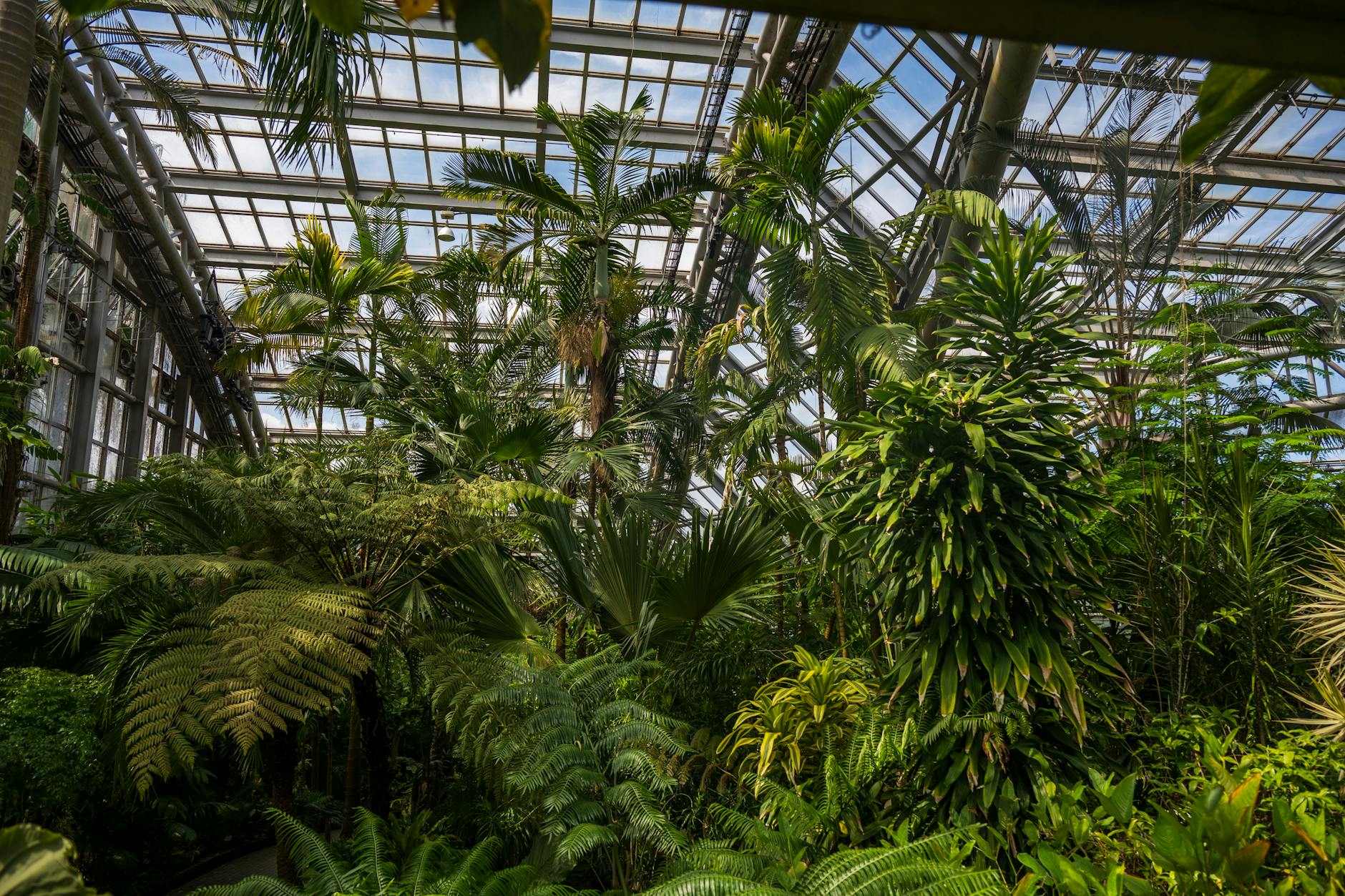
It’s a garden rather than a museum, strictly speaking, but I’m including it because it’s free, calm, and sits right by the UN quarter. There are 16,000 plant species here, greenhouses that swing from tropical to desert, and one of the largest herbaria in the world. A small terrarium with live animals usually wins over kids. Free year-round, open daily 8:00 to 19:30 in summer or 9:30 to 17:00 in winter. Stack it with the UN or the Red Cross Museum and you’ve filled a morning without spending a franc on entry.
03 — Art museums and galleries in Geneva
Geneva’s art runs from Old Masters to deliberately difficult contemporary work, and for a city this size the depth surprises people. If art is your reason for coming, here’s where to point yourself.
MAMCO — Museum of Modern and Contemporary Art
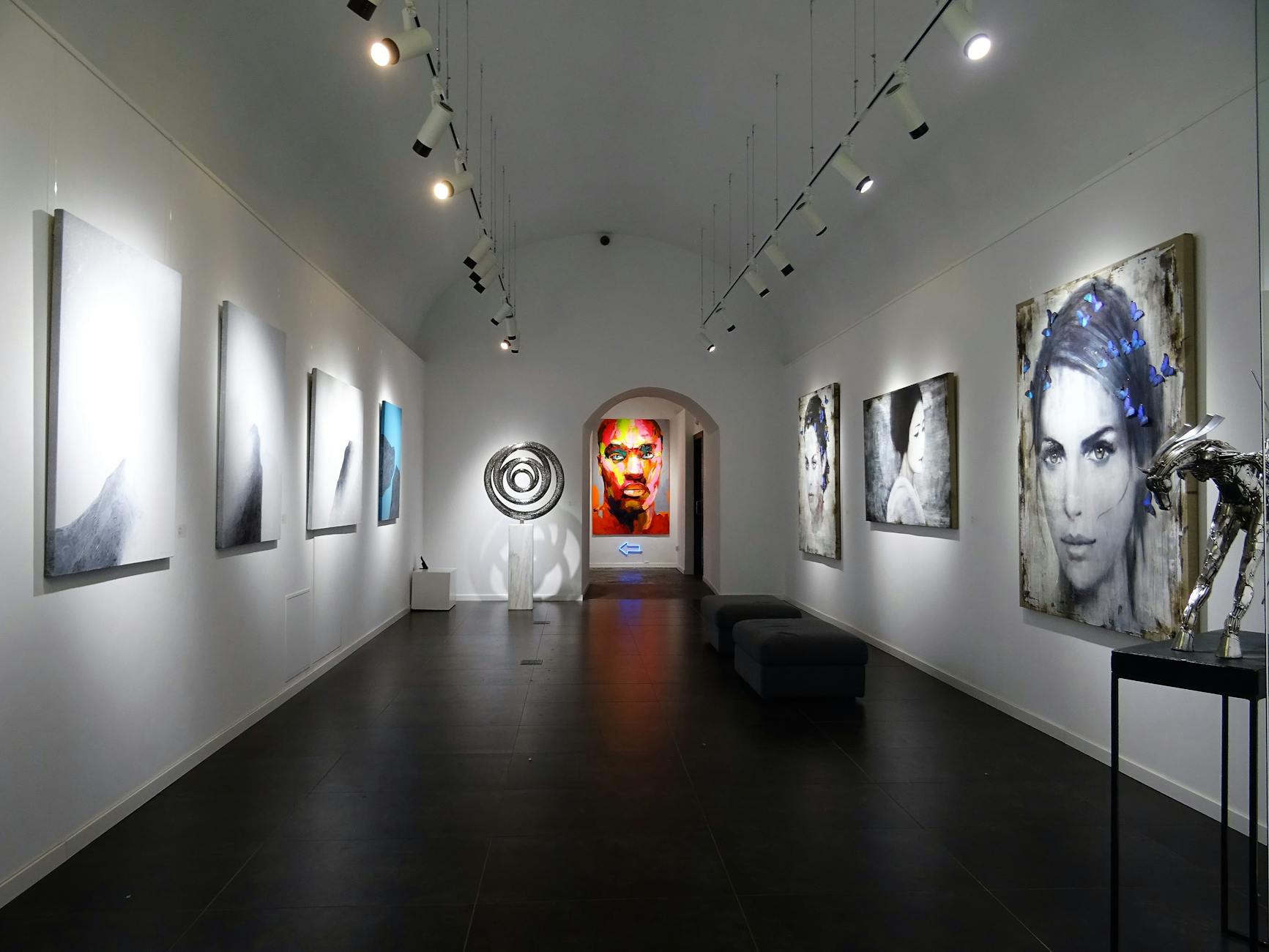
Switzerland’s largest contemporary art museum lives in a converted factory in Plainpalais, four floors of exhibitions that change constantly. MAMCO‘s trick is that it doesn’t keep a fixed permanent display: it reconfigures the whole place on a regular cycle, so two visits a year apart feel like two different museums. The lean toward conceptual, installation, and multimedia work makes it the most head-scratching museum in town, in the good way. Adult admission CHF 15 (free with the Geneva City Pass). Open Tuesday to Friday 12:00 to 18:00, Saturday and Sunday 11:00 to 18:00.
Musee Ariana — ceramics and glass
Housed in a grand neo-Baroque and neo-Classical building in Ariana Park near the UN, this is a specialist’s delight: one of the world’s finest collections of ceramics and glass, 1,200 years of it, drawn from Europe, the Middle East, and East Asia. Even if pottery isn’t your thing, the marble interiors and the gardens make it worth the walk. Permanent collection free, open Tuesday to Sunday 10:00 to 18:00.
Petit Palais and the private galleries
Past the big institutions, Geneva has dozens of private galleries clustered in Plainpalais, Carouge, and Eaux-Vives. The Quartier des Bains in Plainpalais is the engine room of the contemporary scene, with openings on the first Thursday of the month that pull in collectors and gallery-goers from across the region. If you can line your trip up with one of the “Nuit des Bains” evenings, do it — it’s the most fun way to see a lot of art in one night.
04 — History and heritage museums
Geneva sat at a European crossroads, became the headquarters of the Protestant Reformation, and then reinvented itself as a diplomatic capital. That history stacks up in layers, and these sites are where you can read them. For the deeper background, our Geneva history and heritage guide goes further than I can here.
Reformation Wall and the Museum of the Reformation
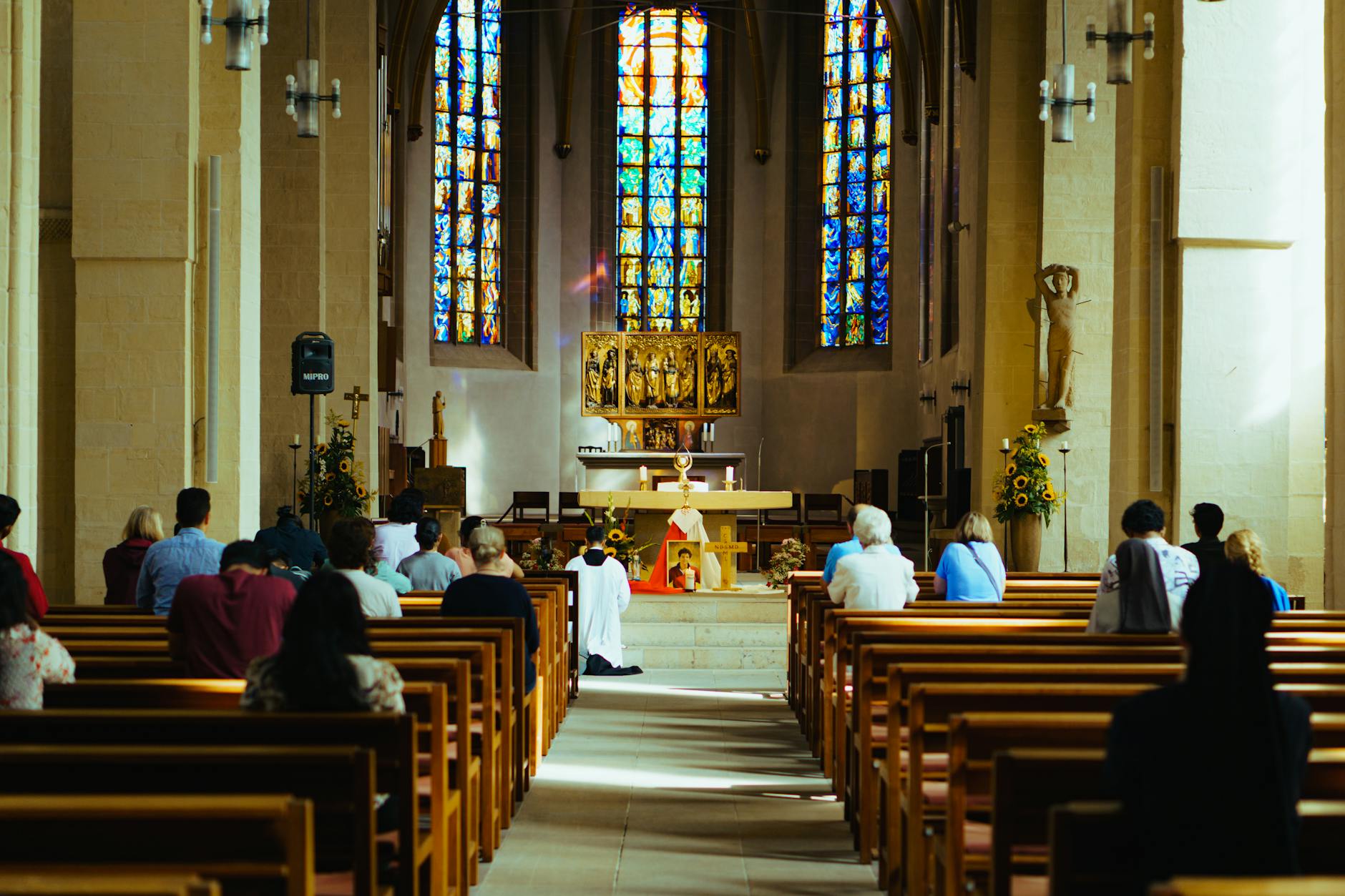
The Reformation Wall (Mur des Reformateurs) in the Parc des Bastions is one of Geneva’s signature monuments: a 100-meter stretch of stone with 5-meter statues of John Calvin, William Farel, Theodore Beza, and John Knox, the four men who ran the Protestant Reformation out of Geneva. It costs nothing to walk past, and you should. Nearby, the International Museum of the Reformation, in the 18th-century Maison Mallet, tells the rest of the story through original documents, paintings, and multimedia. Admission CHF 8, open Tuesday to Sunday 10:00 to 17:00.
Palais des Nations — the United Nations in Geneva
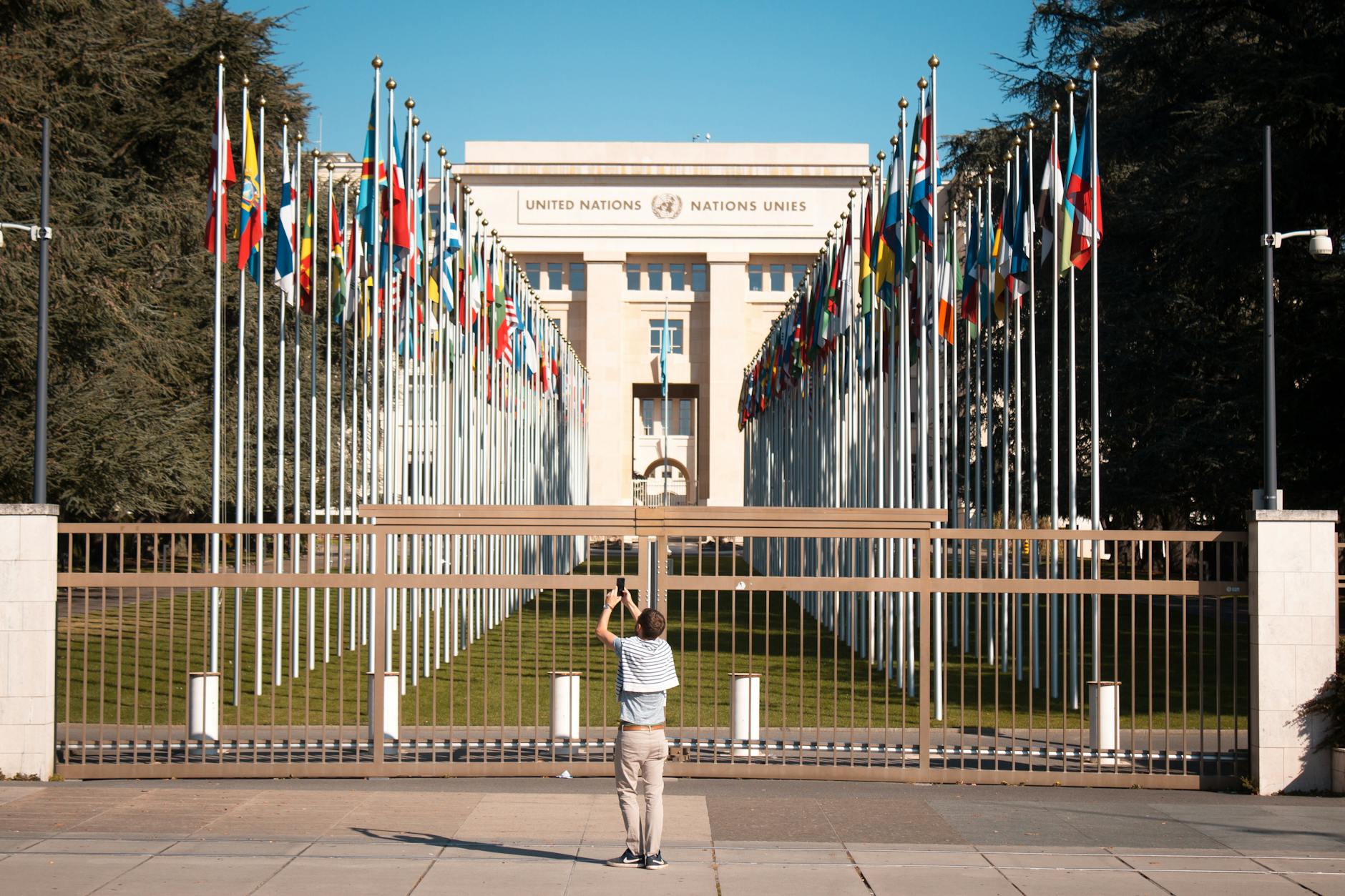
The UN’s European home is the Palais des Nations, built for the League of Nations between 1929 and 1938. Guided tours walk you through the Assembly Hall where real negotiations happen, the Council Chamber with its murals by Jose Maria Sert, and the Ariana Park grounds. More than 10,000 meetings a year run through this building, which makes it one of the busiest conference centers anywhere. Book tours ahead at unog.ch, and bring a valid ID or passport — you won’t get in without one. Adult admission CHF 15.
05 — Science and specialist museums
With CERN and a cluster of international research bodies on its doorstep, Geneva does science museums better than most cities its size. Beyond the Science Gateway, a few more are worth your time.
Globe of Science and Innovation
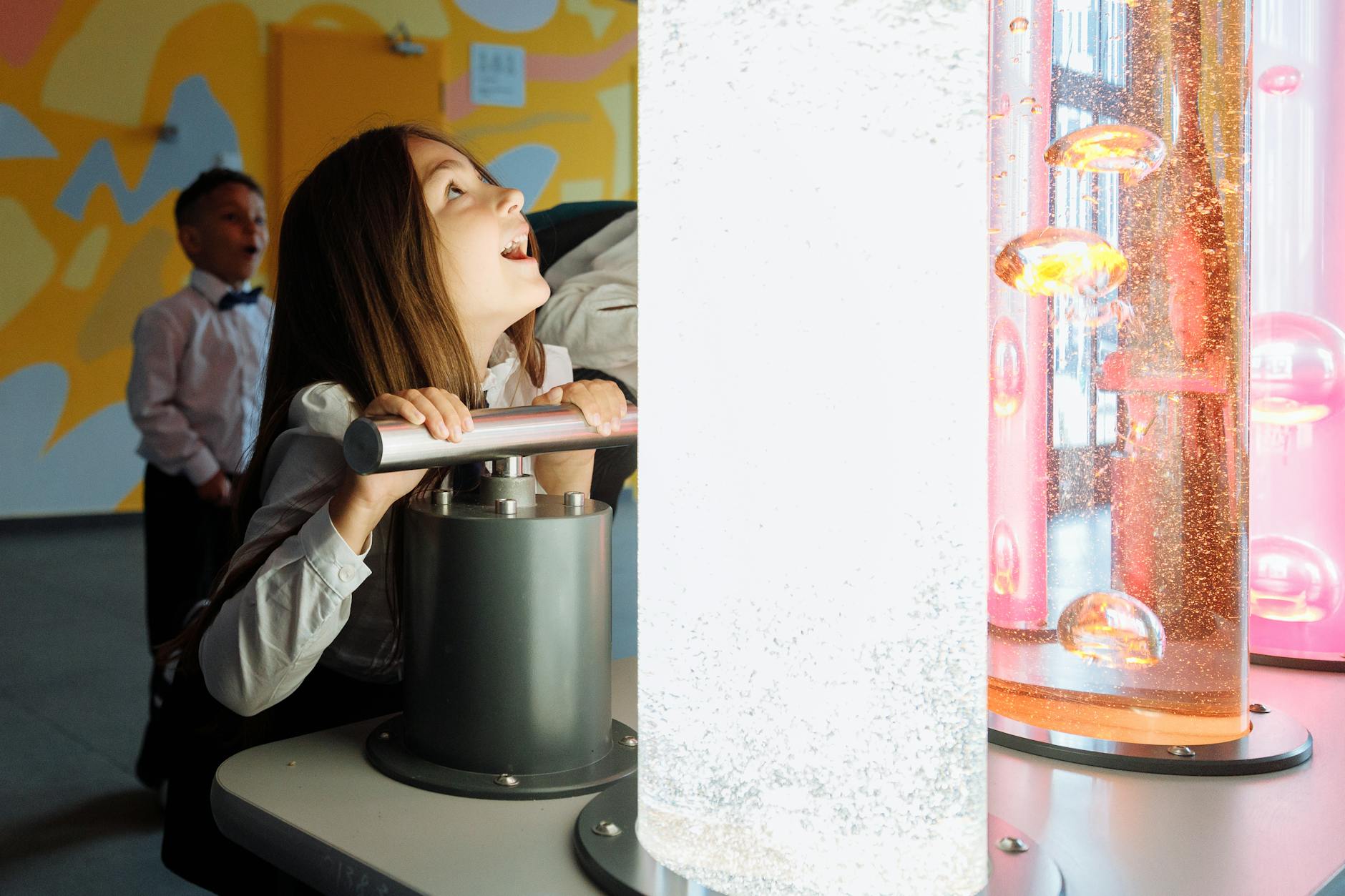
Right next to the Science Gateway at CERN, this 27-meter wooden sphere was built for Expo.02 and later handed to CERN. Inside is an interactive exhibition on the universe, energy, and sustainability. Free admission, open alongside Science Gateway hours, so you can fold it into the same visit.
Microcosm at CERN
This permanent exhibition walks you through the particle world using interactive panels, real kit from CERN’s experiments (including actual detector components), and multimedia. Put it together with the Science Gateway and the Globe, and CERN can swallow a whole day if you’re into it. Free admission.
Watchmaking, photography, and other niche collections
Geneva and the region around it hide a string of specialist collections: watchmaking history at the Musee de l’Horlogerie, contemporary work at the Centre de la Photographie, and the history of science at the Musee d’Histoire des Sciences. For a bigger excursion, the Alimentarium food museum in Vevey is a train ride away and digs into the science and culture of food in a way that’s more fun than it sounds.
06 — Museum passes and how to spend less
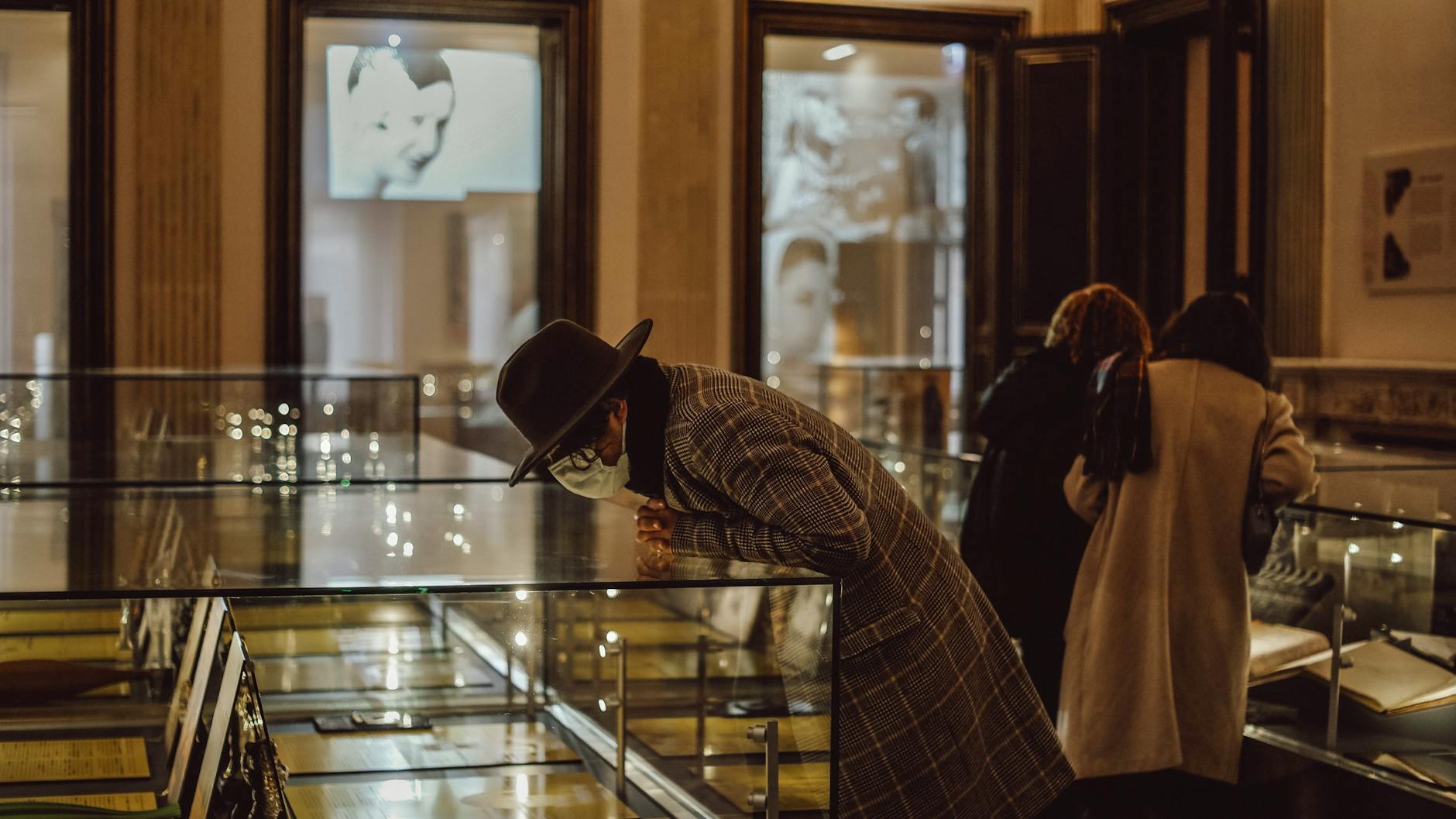
Here’s the part that actually changes how much your trip costs. Between free permanent collections, first-Sunday deals, and a couple of passes, you can see a lot of Geneva for very little.
Geneva City Pass
Sold in 24, 48, and 72-hour versions, the Geneva City Pass gets you free or discounted entry to major museums, including MAMCO, the Patek Philippe Museum, and the Red Cross Museum, plus unlimited public transport and boat cruises. My rule of thumb: if you’ll hit three or more paid museums, it usually pays for itself. Buy it online at geneve.com or at the tourist office in Gare Cornavin.
Swiss Museum Pass
If you’re staying longer or touring several Swiss cities, the Swiss Museum Pass (CHF 168 a year) opens over 500 museums across the country, most of Geneva’s included. It also comes free with the Swiss Travel Pass, which makes it strong value if Geneva is one stop on a wider trip. To weigh that against the local pass, our Geneva Pass vs Swiss Travel Pass comparison lays out the numbers.
How to get in for free
Time it right and you’ll barely pay. Every city-funded permanent collection is free all year. The first Sunday of the month opens many temporary exhibitions for free too. Students with a valid ID get free or heavily reduced entry at most private museums. And the Geneva Transport Card, handed to you free at your hotel, covers all the trams and buses you’ll need between sites. For the full money-saving playbook, see our Geneva on a budget guide and the roundup of free things to do in Geneva.
07 — Geneva museums by neighborhood
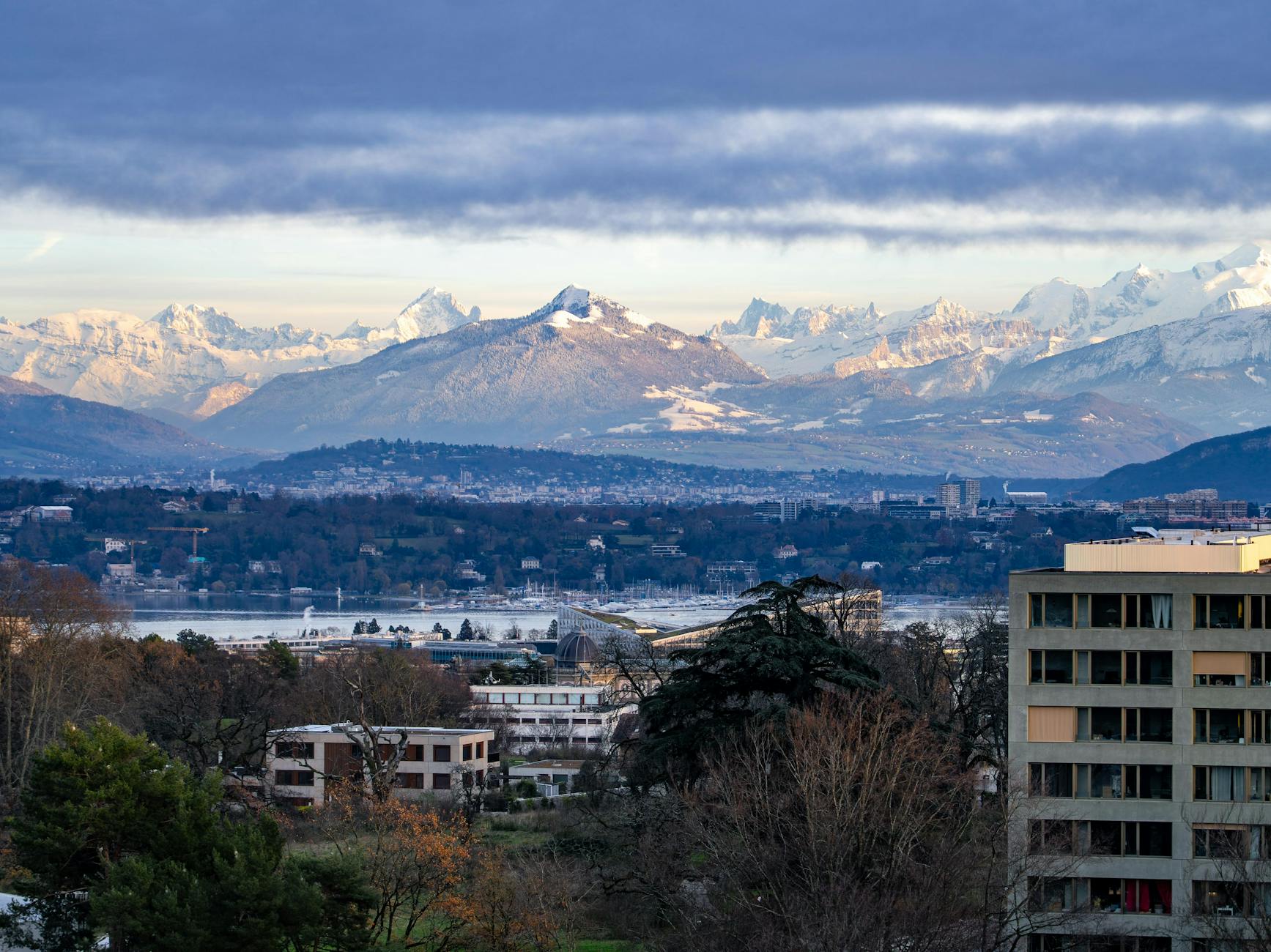
The smartest way to plan is by area, not by museum. Geneva is small, so pick a district, do it properly, and you’ll waste no time crossing town. Here’s how the museums cluster.
Old Town (Vieille Ville)
The compact medieval quarter holds Maison Tavel, the International Museum of the Reformation, the Barbier-Mueller Museum of tribal art, and the Musee Rath (Geneva’s first art museum). Give it half a day so you can mix museum stops with the cobbled streets, St. Pierre Cathedral, and the lookouts over the lake.
Plainpalais
Modern Geneva’s cultural center, Plainpalais holds the Patek Philippe Museum, MAMCO, the MEG, and a thick run of contemporary galleries. The Quartier des Bains turns into an art destination on gallery nights. It’s also home to the big flea market every Wednesday and Saturday, so time a visit around that if you like a rummage.
Nations Quarter (international district)
Around Place des Nations you’ll find the Palais des Nations (UN), the Red Cross Museum, the Musee Ariana, and the Conservatory and Botanical Garden, all within an easy walk of each other. Budget a full day here and play the museums against the park grounds so you’re not indoors the whole time.
Meyrin (CERN)
A little outside the center, the CERN complex (Science Gateway, Globe of Science, Microcosm) is a quick ride on Tram 18. Plan at least half a day: between the exhibitions, the films, and the demos, anyone who likes science can easily spend three or four hours here.
08 — Planning your visits: a few practical tips
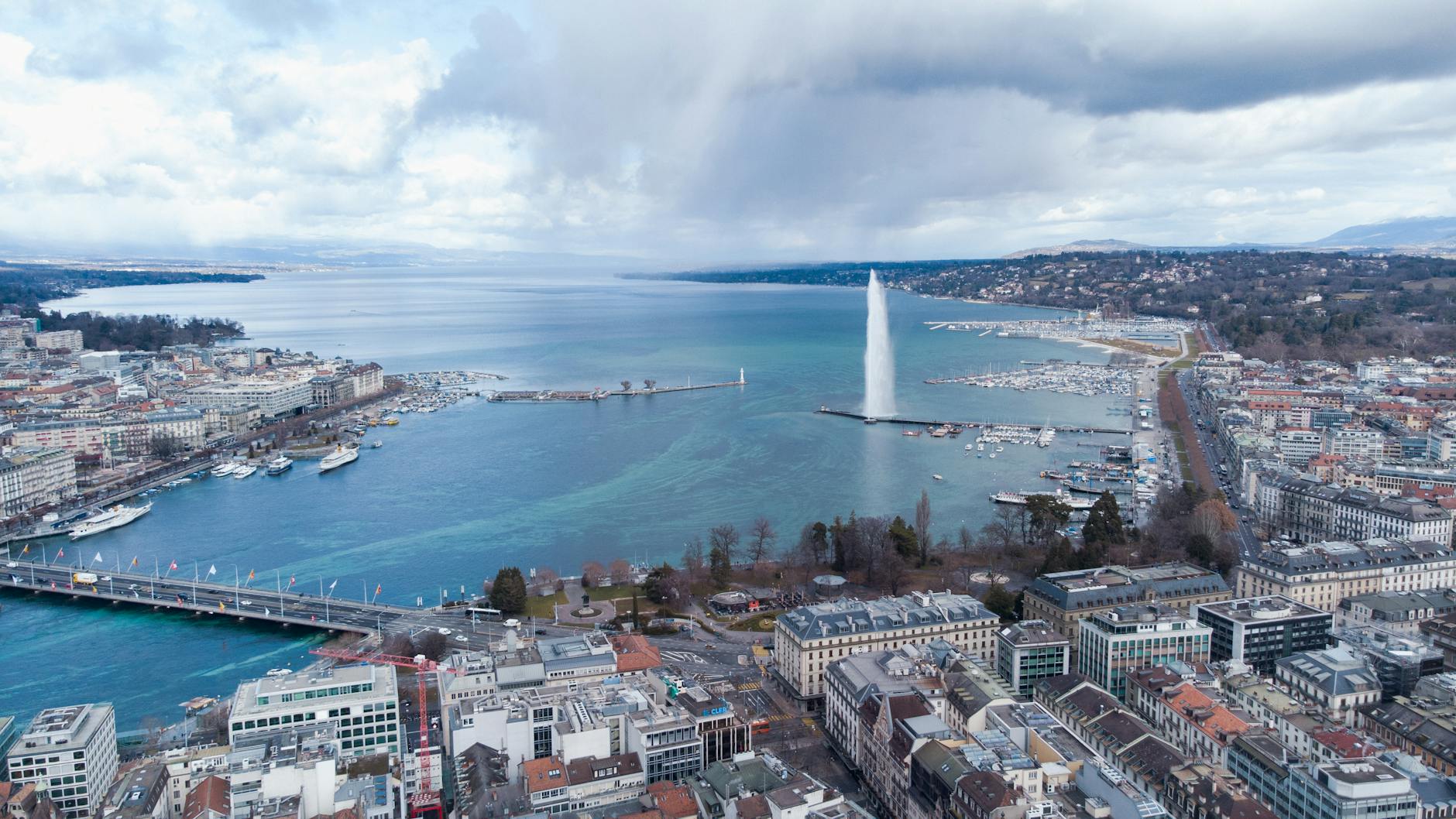
Best days to go
Tuesday through Thursday are the quietest. The first Sunday of the month draws bigger crowds because of the free entry, so if you hate lines, skip popular spots like the Natural History Museum and CERN on Saturday afternoons. The big thing to remember: most museums close on Mondays, so build your week around that.
How many museums in a day?
Two or three is the sweet spot for most people, with room left for a meal, the walk between, and time to actually digest what you saw. If you want depth over breadth, pick one museum neighborhood per day (Old Town, Plainpalais, Nations Quarter, or the CERN area) and do it thoroughly instead of sprinting across the city.
Getting between museums
Because Geneva is so compact, most museums are within 20 minutes of each other by public transport, or about 30 on foot. Your free Geneva Transport Card covers every tram, bus, and the yellow shuttle boats. Tram 18 runs to CERN; buses 8 and 28 serve the Nations Quarter. The Old Town and Plainpalais museums are close enough to walk between. For the full network, our Geneva public transport guide has the details.
Booking and reservations
Most Geneva museums don’t need advance booking; just turn up during opening hours. The two exceptions matter: CERN needs free online registration, and the UN requires you to book guided tours ahead with a valid ID. In peak summer (July and August) and during school holidays, popular museums can have short queues, but Geneva almost never gets the crushing crowds you’d hit in a bigger European capital.
09 — Museum itineraries that actually work
One day: the cultural highlights
Morning at the CERN Science Gateway (free, two to three hours), Tram 18 back to the center, lunch in Plainpalais, then the Patek Philippe Museum in the afternoon (about 90 minutes). Walk up to the Old Town for Maison Tavel (free, 45 minutes) and finish with dinner up there. It mixes Geneva’s most iconic museums with a healthy balance of free and paid.
Two days: a deeper cultural run
Day one, the Nations Quarter: Conservatory and Botanical Garden (free), the Red Cross Museum (two hours), the Musee Ariana (free), lunch, then a guided tour of the Palais des Nations (90 minutes). Day two, Plainpalais and the Old Town: MAMCO (90 minutes), the MEG (an hour), lunch, the MAH’s free permanent collection (two hours), the Reformation Wall and museum, and Maison Tavel (free) to close.
Three days: the full Geneva museum tour
Add a third day to the two-day plan: the CERN Science Gateway (half a day), the Natural History Museum (free, 90 minutes), the Museum of the History of Science (free, by the lake), an afternoon boat cruise, and the Patek Philippe Museum to finish. Three days lets you go at a relaxed pace with room for meals and a wander. For everything beyond museums, our things to do in Geneva guide and a ready-made Geneva 3-day itinerary slot right in, and the day trips from Geneva guide covers the excursions between visits.
10 — Geneva museums at a glance
Here’s the quick-reference version: prices, hours, closing days, and who each museum suits, so you can plan without scrolling back up.
| Museum | Admission | Hours | Closed | Best for |
|---|---|---|---|---|
| CERN Science Gateway | Free (register online) | Tue-Sun 9:00-17:00 | Monday | Science lovers, families |
| Red Cross Museum | CHF 15 | Tue-Sun 10:00-18:00 | Monday | History, humanitarian interest |
| Patek Philippe Museum | CHF 10 | Tue-Fri 14:00-18:00, Sat 10:00-18:00 | Sun-Mon | Watch enthusiasts, design lovers |
| Musee d’Art et d’Histoire | Free (permanent) | Tue-Sun 11:00-18:00 | Monday | Art and history buffs |
| MEG (Ethnography) | Free (permanent) | Tue-Sun 11:00-18:00 | Monday | World cultures, photography |
| Maison Tavel | Free | Tue-Sun 11:00-18:00 | Monday | Geneva history, families |
| Natural History Museum | Free | Tue-Sun 10:00-17:00 | Monday | Families, children |
| Palais des Nations (UN) | CHF 15 | Mon-Fri, guided tours | Weekends | Politics, international affairs |
| MAMCO | CHF 15 | Tue-Sun 11:00-18:00 | Monday | Contemporary art fans |
| Musee Ariana | Free (permanent) | Tue-Sun 10:00-18:00 | Monday | Ceramics, decorative arts |
| Museum of Reformation | CHF 8 | Tue-Sun 10:00-17:00 | Monday | Religious history |
| History of Science Museum | Free | Wed-Mon 10:00-17:00 | Tuesday | Science history, lakeside walk |
11 — Current and upcoming exhibitions
The temporary shows are often the best reason to go, and they rotate constantly. The MAH, the MEG, and MAMCO run the most ambitious programs, the kind that pull visitors in from across Europe. Check geneve.com and the individual museum sites before you travel for the current schedules. Many museums also join the annual Museums Night (Nuit des Musees) each May, with late openings, performances, and behind-the-scenes access at reduced prices — it’s one of my favorite nights in the city’s calendar, and it shows up in our Geneva events and festivals guide.
12 — Geneva museums with kids
Traveling with children? A few museums here are made for it. The Natural History Museum is the reliable winner, with dinosaurs, animal dioramas, and hands-on displays. The CERN Science Gateway runs experiments pitched at all ages, younger kids included. The Conservatory and Botanical Garden gets them outside, with terrariums of live animals to find. Several museums add family workshops on weekends and during school holidays, so check the program. For more, our Geneva with kids guide has the full lineup.
13 — Why Geneva punches above its weight
What makes the museum scene here special isn’t any single collection — it’s the density and the range packed into walking and tram distance. In one day you can trace the origins of the universe at CERN, sit with the hardest questions of humanitarian work at the Red Cross Museum over lunch, and end among 500 years of watchmaking at Patek Philippe, all linked by a free tram ride. Few cities let you do that.
Add the free permanent collections, the first-Sunday deals on temporary shows, the Geneva City Pass, and the free transport card, and the city makes its cultural wealth genuinely affordable. Plan a dedicated culture trip or just slot a couple of these into a wider Swiss holiday — either way, Geneva’s 36-plus museums deserve real space on your itinerary. To build the rest of the trip, start with our Geneva trip planner.
Frequently asked questions
Which Geneva museums are free?
A lot of them. Every city-funded museum keeps its permanent collection free all year, including the Musee d’Art et d’Histoire, the MEG, Maison Tavel, the Natural History Museum, and the Musee Ariana. CERN’s Science Gateway is free too (you just register online). On the first Sunday of each month, many temporary exhibitions are free as well.
What is the best museum in Geneva?
It depends what you’re after. For science, the CERN Science Gateway is hard to beat and it’s free. For something moving, the International Red Cross and Red Crescent Museum (CHF 15). For craft and design, the Patek Philippe Museum (CHF 10). And for a broad art-and-history sweep, the MAH, whose permanent collection is free.
How many days do you need for Geneva’s museums?
One full day covers the headline acts (CERN, Patek Philippe, Maison Tavel). Two days lets you add the Nations Quarter and the main art museums at a comfortable pace. Three days is enough to go deep without rushing. I’d plan two or three museums a day at most so you can enjoy them rather than tick them off.
Do I need to book Geneva museums in advance?
Mostly no, just show up during opening hours. The two that need planning are CERN (free online registration) and the United Nations (book the guided tour ahead and bring a valid ID or passport). Even in summer, queues are short by big-city standards.
Is the Geneva City Pass worth it for museums?
If you will visit three or more paid museums it usually pays for itself, especially since it bundles unlimited public transport and boat cruises with entry to places like MAMCO, the Patek Philippe Museum, and the Red Cross Museum. If you are mostly doing the free museums, skip it and put the money toward lunch instead.
Are Geneva’s museums good for kids?
Several are. The Natural History Museum (free) is the family favorite for its dinosaurs and dioramas, the CERN Science Gateway has hands-on experiments for all ages, and the Botanical Garden adds an outdoor break with live-animal terrariums. Weekend and holiday workshops at many museums help too.
14 — Related Geneva guides
Keep planning with our things to do in Geneva guide, the deeper Geneva history and heritage story, the free things to do in Geneva roundup, our Geneva transportation guide for getting between sites, and a ready-made Geneva 3-day itinerary to tie it all together.