Getting to and Around Geneva: Complete Transport Guide
This article contains advertising. Our booking links are routed through a partner that adds commission tracking automatically, so if you book through one we earn a commission from the provider, at no extra cost to you. It never affects what we recommend. Affiliate disclosure
Here is the single best thing to know about getting around Geneva: if you book a hotel, hostel, or registered Airbnb in the canton, you get a free Geneva Transport Card that covers every tram, bus, and lake boat for your whole stay. That one perk changes how you plan a trip here. You almost never need a car inside the city, and the airport sits six minutes from the central station by train.
Geneva is small and built for moving on foot, on rails, and across water. In this guide I walk through exactly how to get from the airport, how the free card and the Unireso ticket system actually work, when a Swiss rail pass pays off, and the best ways to reach the Alps and the lake towns. For the card itself, see our dedicated Geneva Transport Card breakdown, and for a deeper look at the network read the Geneva public transport guide.
01 — Getting from Geneva Airport to the city
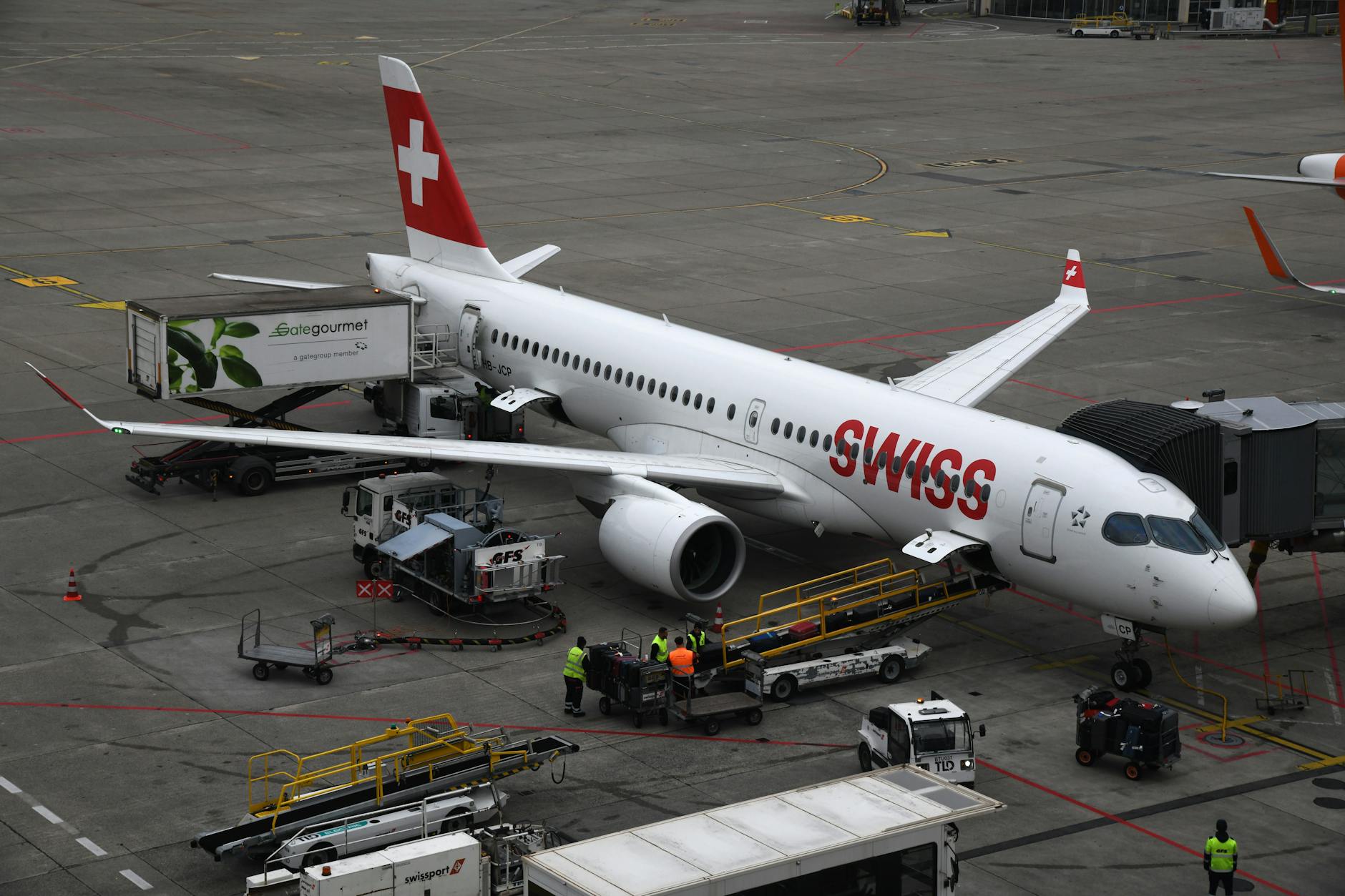
Most people land at Geneva Airport (GVA), called Genève Aéroport, which is only 4 kilometres from the centre. Take the train. It is the fastest, cheapest way in, and if you already have your transport card it costs you nothing. The taxi is the option I would skip unless you have a stroller, three suitcases, or a flight that lands after the last train. For a fuller rundown of every route, see our Geneva airport to city centre guide.
The airport train (take this one)
The station sits directly under the terminal, signed from the arrivals hall, so you barely walk outside. Trains to Gare Cornavin, the central station, leave every 12 to 20 minutes and take 6 minutes flat. A single Unireso Zone 10 ticket is CHF 3.00 and stays valid for 60 minutes across the whole network. The first departure is 05:07 and the last is 00:51, which covers all but the most brutal red-eye arrivals. Grab the free ticket voucher from the machine in the baggage hall before you go through; it gives you 80 minutes of free transport even before your hotel card kicks in. If you already have the Geneva Transport Card on your phone, just board.
Airport buses
City bus lines 5 and 10 also run from the airport into town. Bus 10 heads to the Gare Routière next to Cornavin; Bus 5 serves Bel-Air and other central stops. They leave every 8 to 15 minutes at peak and take 20 to 30 minutes depending on traffic. They use the same Unireso ticket as the train, so there is no reason to pay extra. I only take the bus when I am staying somewhere a tram or bus drops me right at the door.
Taxis and private transfers
Taxis wait at the stand outside arrivals. Expect CHF 30 to CHF 50 to the centre and 15 to 20 minutes in normal traffic. They are metered, so the figure shifts with your address and the time of day. For a group with luggage, a pre-booked transfer with a fixed price and a name board can be worth it; Welcome Pickups is one option. For most solo travellers and couples, though, the CHF 3 train wins on speed and price every time.
Arriving by train from elsewhere in Europe
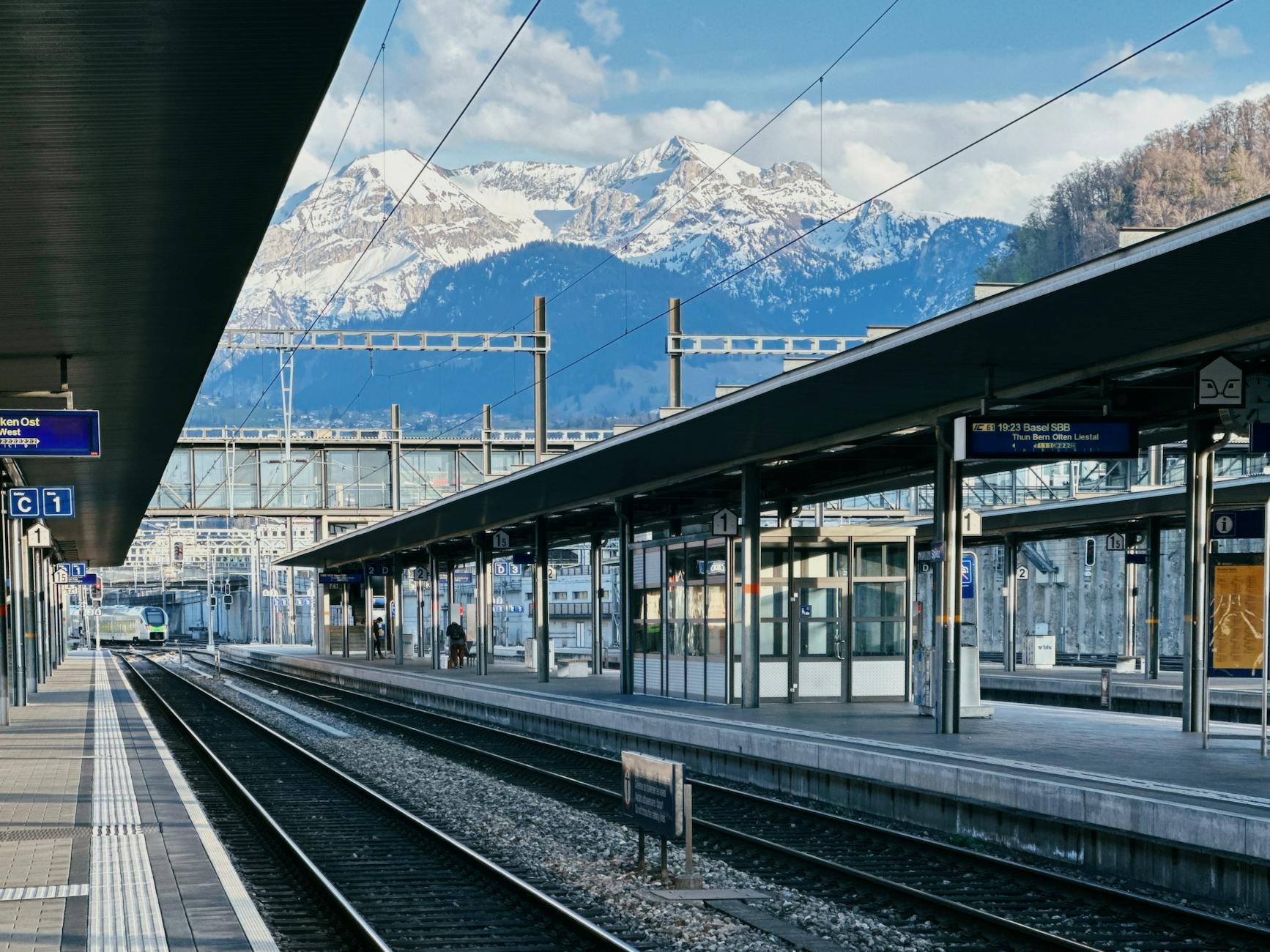
Gare Cornavin is a real European rail hub. TGV Lyria runs Paris to Geneva in 3 hours 10 minutes with several departures a day. Direct trains also come from Lyon (about 2 hours), Milan (around 4 hours via the Simplon line), and Zurich (2 hours 45). From other Swiss cities, SBB (Swiss Federal Railways) runs frequent, punctual trains from Bern, Basel, and Lausanne. Swiss trains leave on the minute they say they will, so do not dawdle on the platform.
02 — The free Geneva Transport Card
This is the perk that makes Geneva cheap to move around. Anyone staying in officially registered accommodation in the Canton of Geneva gets the Geneva Transport Card free of charge for the length of their stay. That covers hotels, hostels, Airbnbs that collect the tourist tax, and campsites. If you only do one bit of admin before you arrive, make it this one.
What it covers
The card gives you unlimited travel on the whole Unireso network inside Geneva: every TPG tram and bus, CFF regional trains within the canton, and the Mouettes Genevoises water taxis that cross the lake. It starts on your check-in date and runs until the day after checkout, so you ride free out to the airport or station on the way home too. Practically, that means the airport train, the trip to the Old Town, and the little yellow boat across the harbour all cost you nothing.
How to get your card
Most places now do this digitally. Up to three days before you arrive, your hotel emails a link to a short online form. Fill it in and your personal Geneva Transport Card lands on your phone. It is personal and non-transferable, and you do not scan or validate it anywhere; you just keep it ready to show if an inspector asks. If your accommodation does not send a digital version, ask at reception when you check in and they will hand you a paper one. Do not throw it away on day one thinking you will not need it, because spot checks are common and the fine is not.
03 — Trams, buses, and the lake boats
Geneva’s network is run by TPG (Transports Publics Genevois) and sits inside the wider Unireso system, which ties trams, buses, regional trains, and boats into one set of tickets. You will rarely wait long for anything. Here is how each mode actually behaves day to day.
Trams, the fastest way across town
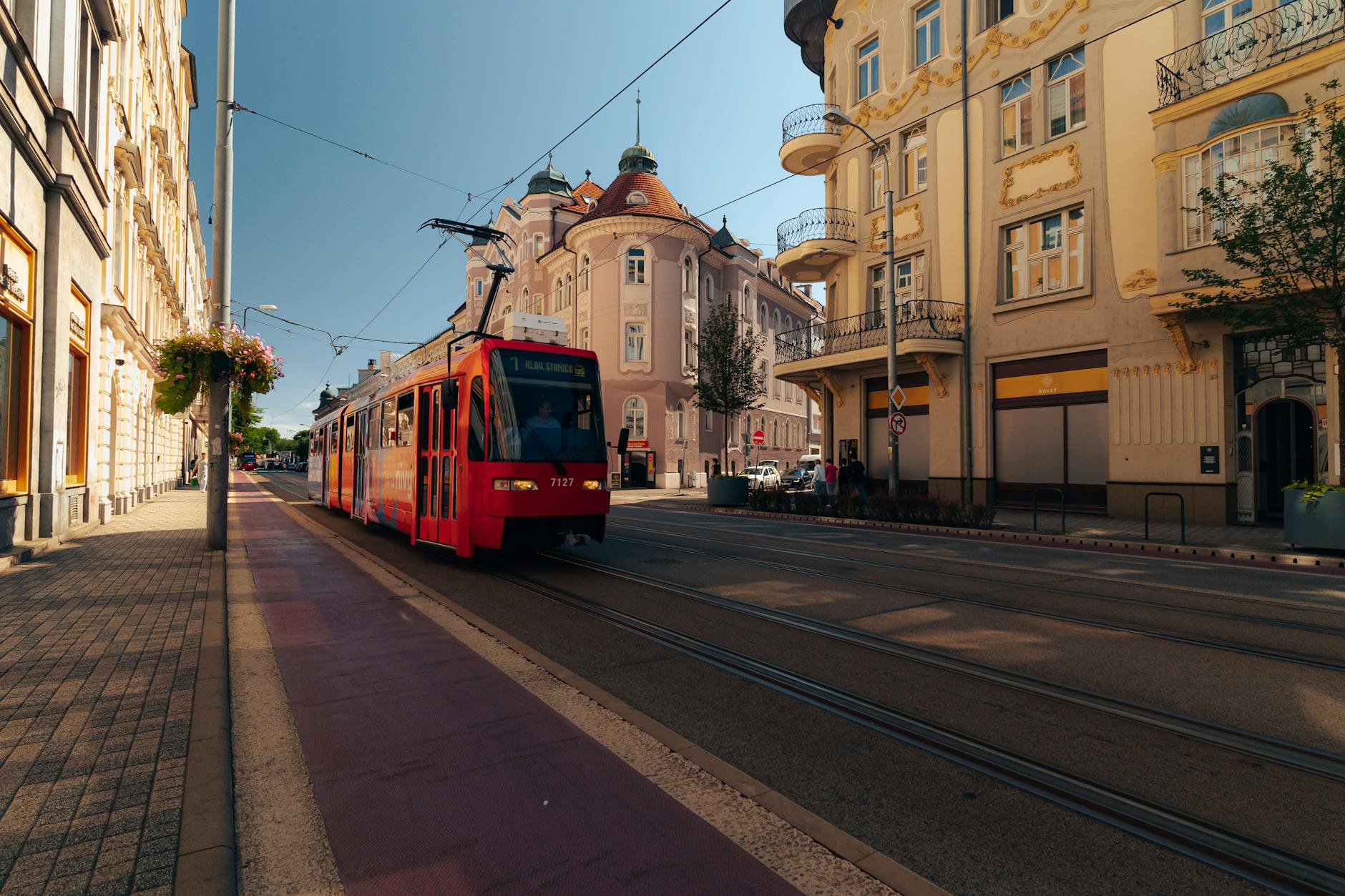
Six tram lines (numbered 12 to 17) cut across the centre and out to the edges. Trams beat buses through the middle of the city because they run on their own tracks and ignore the traffic. The ones you will use most: Tram 12 links Carouge to the Nations district past the Old Town, Tram 14 runs Bernex to Meyrin through the centre, and Tram 15 serves the Palais des Nations and the international quarter. They run from roughly 05:00 to midnight, every 5 to 10 minutes at peak. If you are heading to the UN area, the tram is faster than any taxi.
Buses, including the night ones
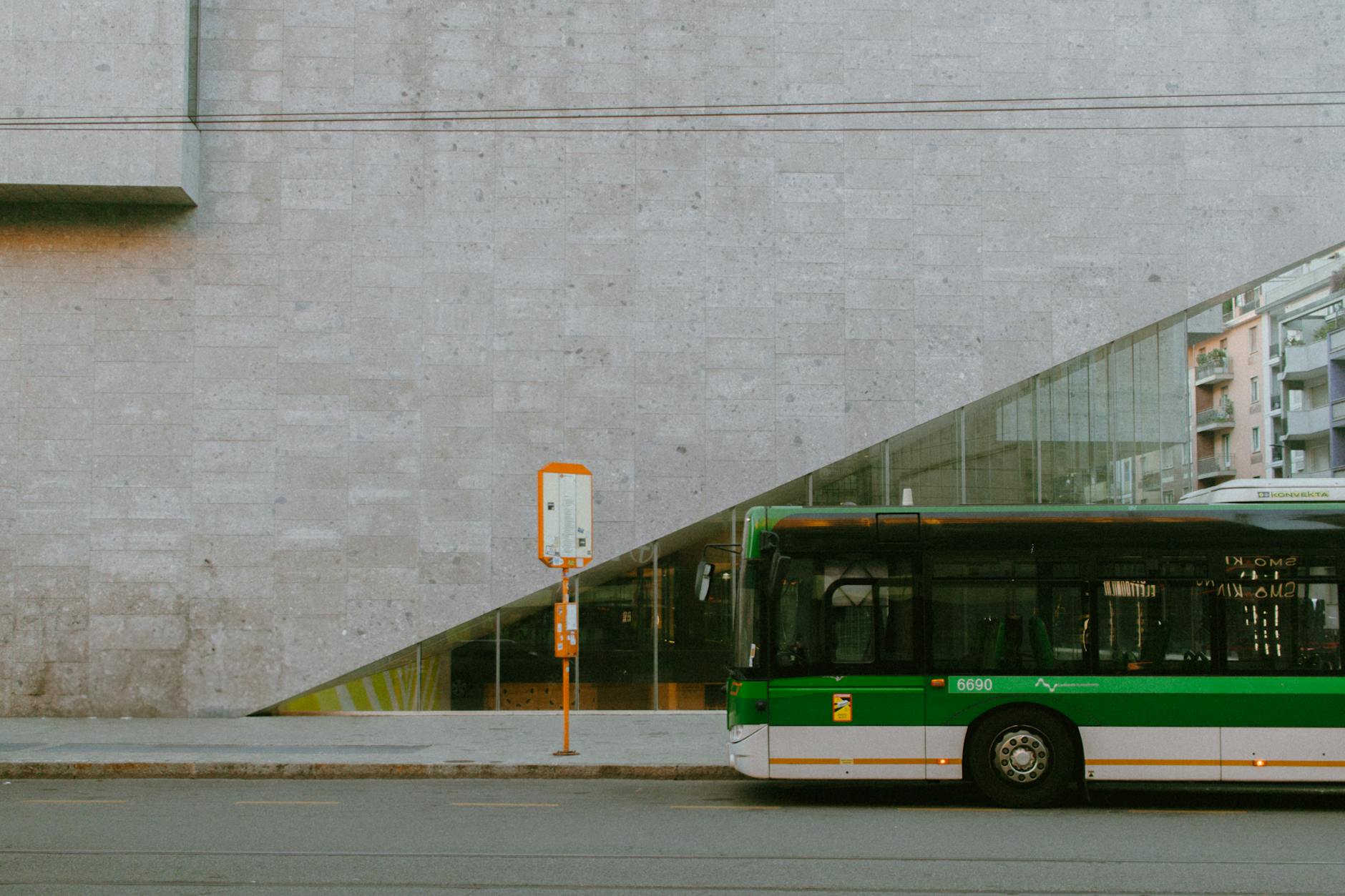
Buses fill in everywhere the trams do not reach, with dozens of routes out into the suburbs. They run from early morning to around midnight. On Friday and Saturday nights, Noctambus services keep going from roughly 02:00 to 04:00, which is how you get home after a late night out. Stops show real-time arrivals on screens, and the TPG app gives you live tracking and route planning that I trust more than guessing at the stop.
Mouettes, the little boats across the lake
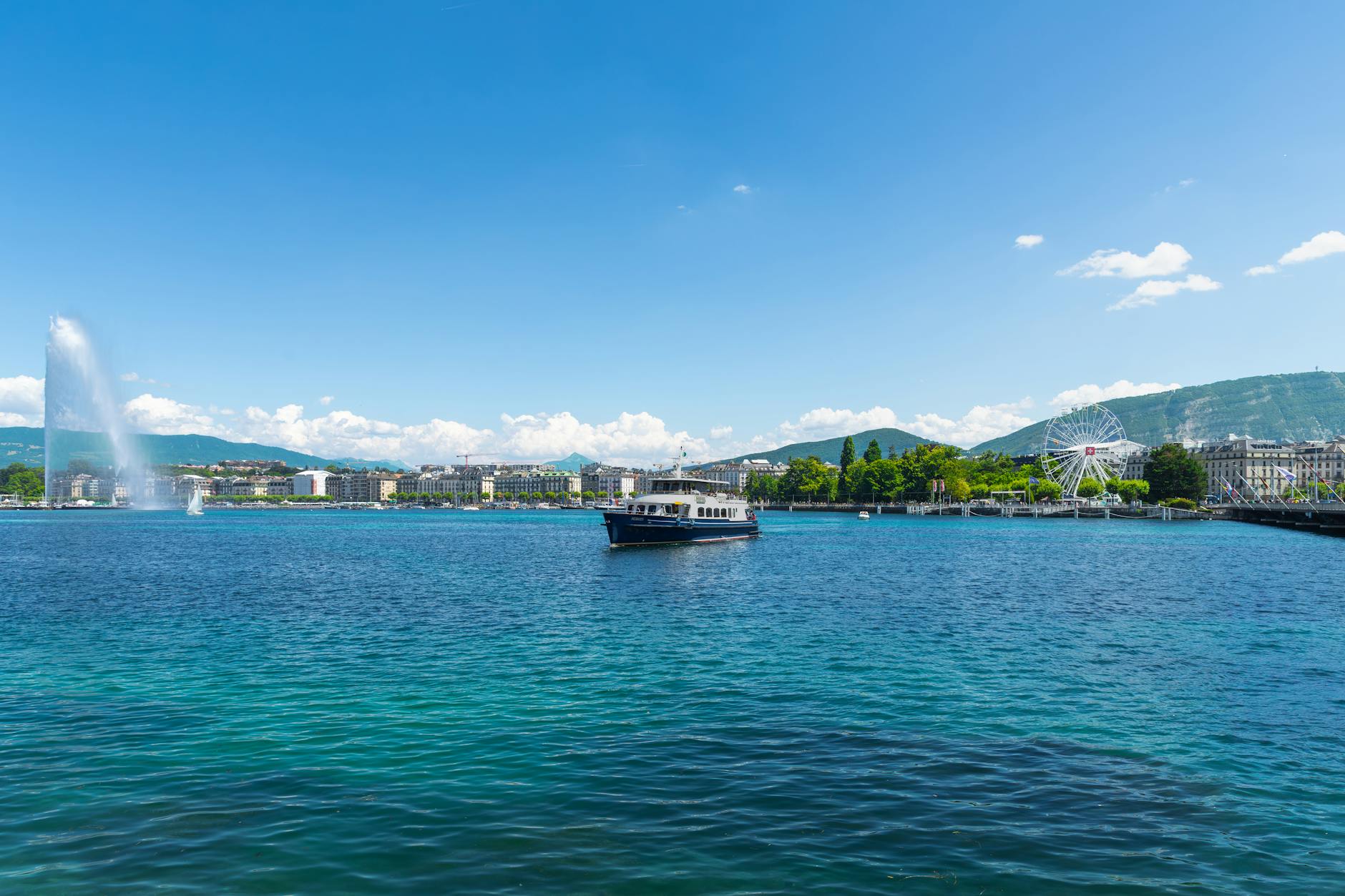
The Mouettes Genevoises (Geneva gulls) are small yellow water taxis that ferry people across the harbour between the left and right banks. They are part of the Unireso system, so your Geneva Transport Card or any valid ticket works on them. The four stops are Pâquis, Les Eaux-Vives, Molard, and De-Châteaubriand. The crossing takes about 10 minutes and doubles as the cheapest lake cruise you will ever take, with the Jet d’Eau and Mont Blanc in view. Take the boat at least once even if you do not need to; it beats walking around the harbour, and it is free with the card.
Tickets and fares if you do not have the card
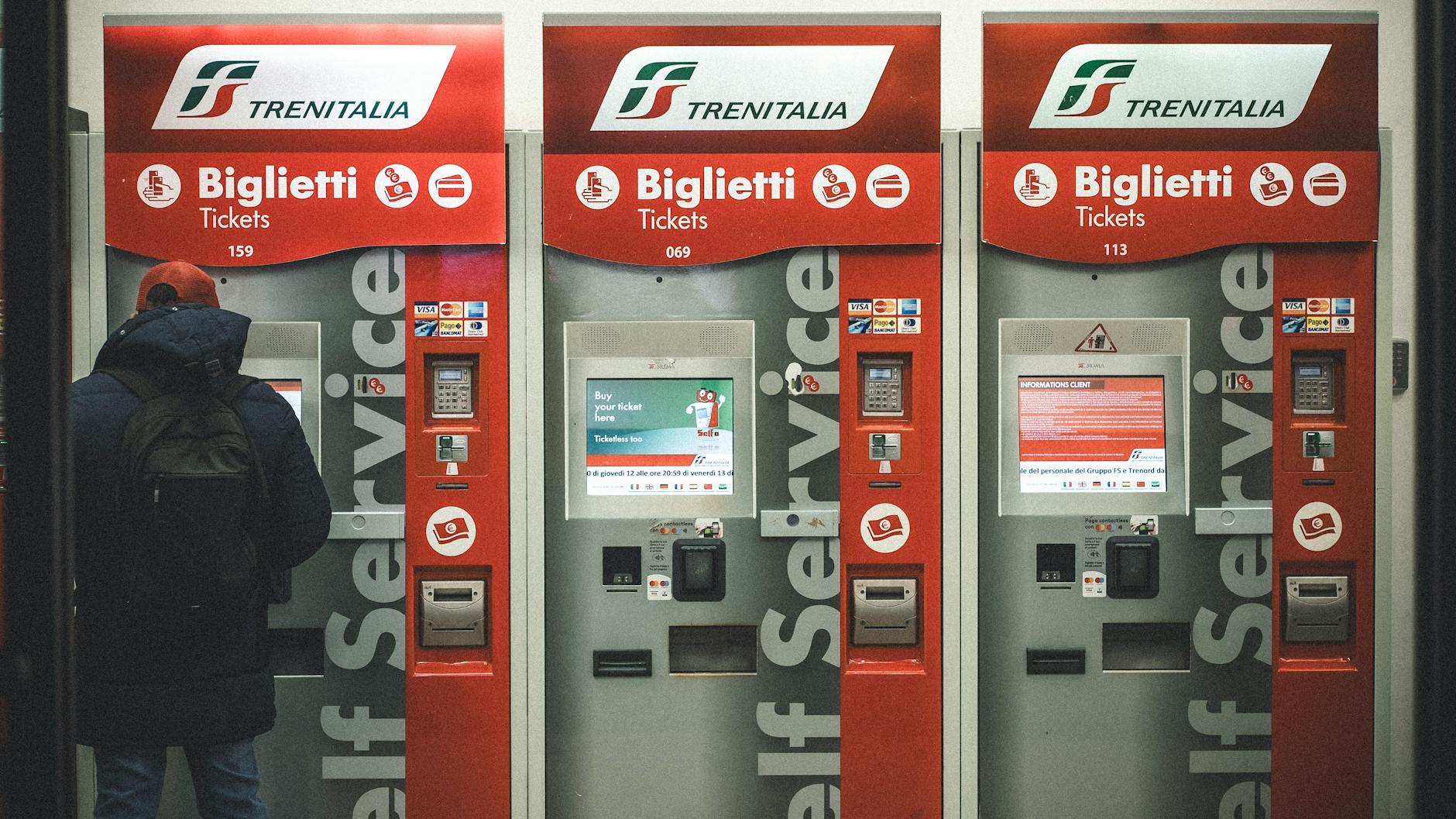
If you are here on a day trip without accommodation, or your card has not arrived yet, buy from the machines at every stop, in the TPG app, or tap a contactless card onboard. The single Tout Genève ticket is CHF 3.00 and covers 60 minutes on every mode. A 24-hour pass is CHF 10.00 for unlimited travel in the Geneva zones, and it pays for itself after about four rides. For a quick three-stop hop there is the saut de puce at CHF 2.00, good for 30 minutes. Kids under 6 ride free and 6 to 16 get reduced fares. Here is how the everyday options stack up.
| Ticket / pass | Price (2026) | Valid for | Best for |
|---|---|---|---|
| Saut de puce (short hop) | CHF 2.00 | 30 min, up to 3 stops | One quick ride |
| Tout Genève single | CHF 3.00 | 60 min, all modes | Airport train, one-off trips |
| 24-hour pass | CHF 10.00 | 24 hours, all zones | A full day of riding |
| Geneva Transport Card | Free with lodging | Whole stay | Anyone with a hotel booking |
04 — Swiss rail passes: do you need one?
If your trip stays inside Geneva, the answer is no; the free card already has you covered. A rail pass earns its keep only when you start riding Swiss trains beyond the canton. The two worth weighing are below, and we compare them in detail in Geneva Pass vs Swiss Travel Pass and the Swiss Travel Pass from Geneva guide.
Swiss Travel Pass
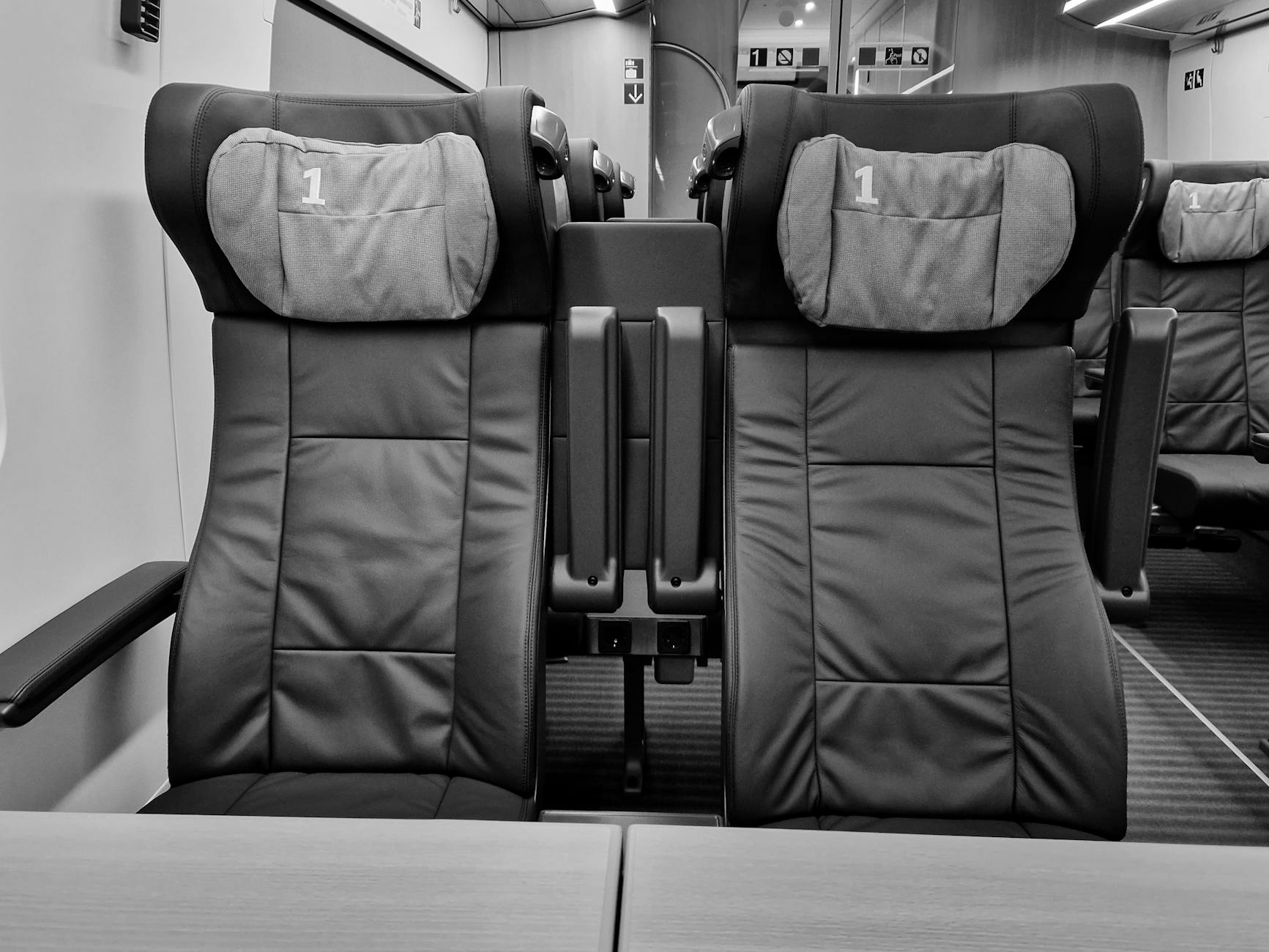
The Swiss Travel Pass gives unlimited travel on the national network of trains, buses, and boats, plus free entry to more than 500 museums and discounts on mountain railways. In 2026 it starts at CHF 254 for a 3-day second-class pass and CHF 405 for first class, with 4, 6, 8, and 15-day versions too. It makes sense when you are racking up long hauls; pair Geneva with Zermatt, Lucerne, or the Bernese Oberland and the maths tips in its favour fast.
Swiss Half Fare Card
The Swiss Half Fare Card is CHF 150 in 2026 and knocks 50% off trains, buses, boats, and most mountain railways for a full month. It breaks even after roughly CHF 300 of tickets. This is my pick for a Geneva-based trip with a few day trips sprinkled in rather than daily travel; think one run to Montreux, one to Lausanne, a cable car somewhere, and you are ahead. You can buy either pass online through SBB or at any Swiss station counter.
05 — Cycling in Geneva
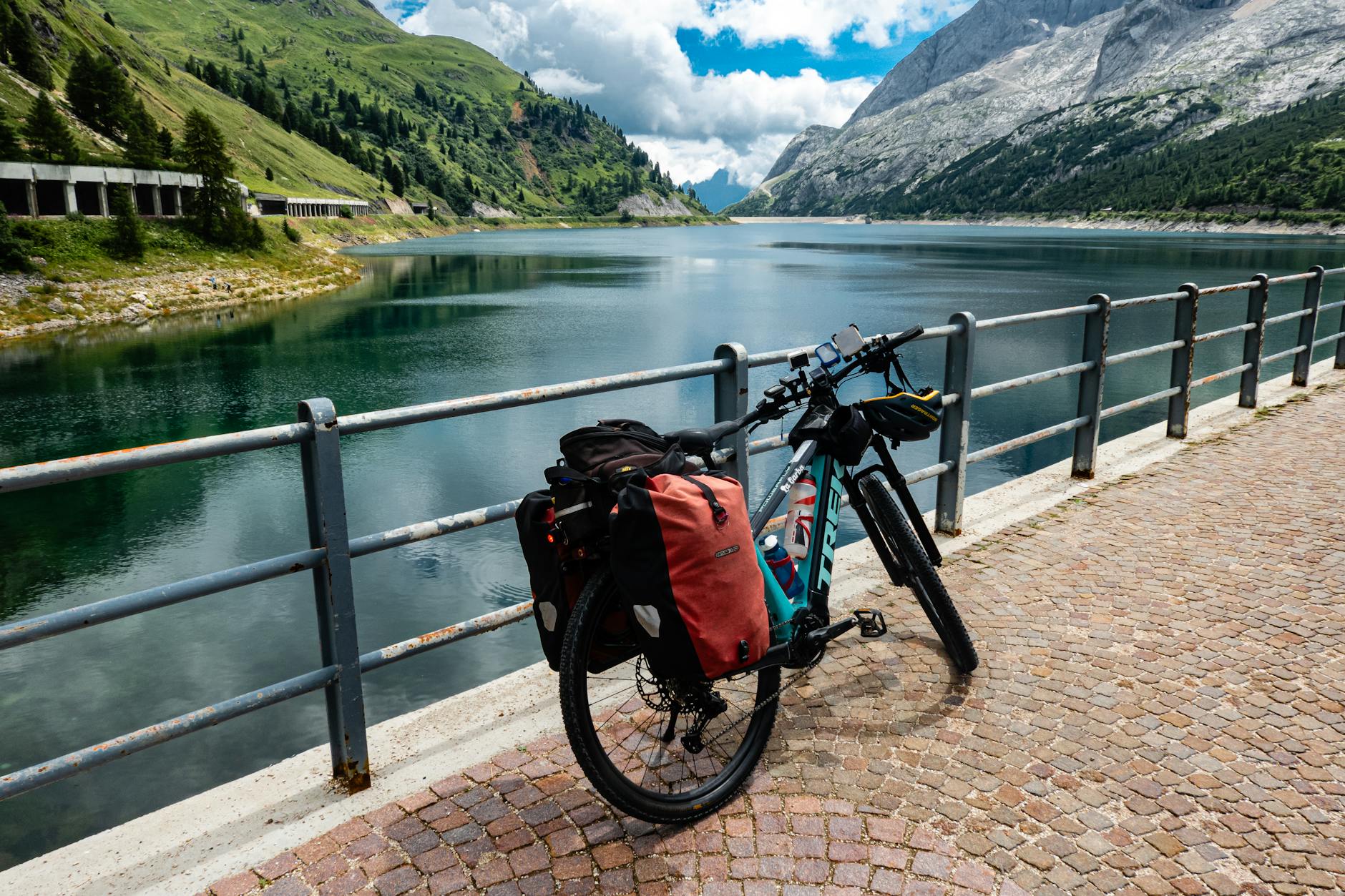
Geneva is genuinely good on a bike, with proper lakeside paths, growing bike lanes, and a share scheme that any visitor can use. If the weather holds, riding the shore is the nicest way to see the lake. Our biking in Geneva guide goes deeper on routes and rentals.
VéloPartage bike-sharing
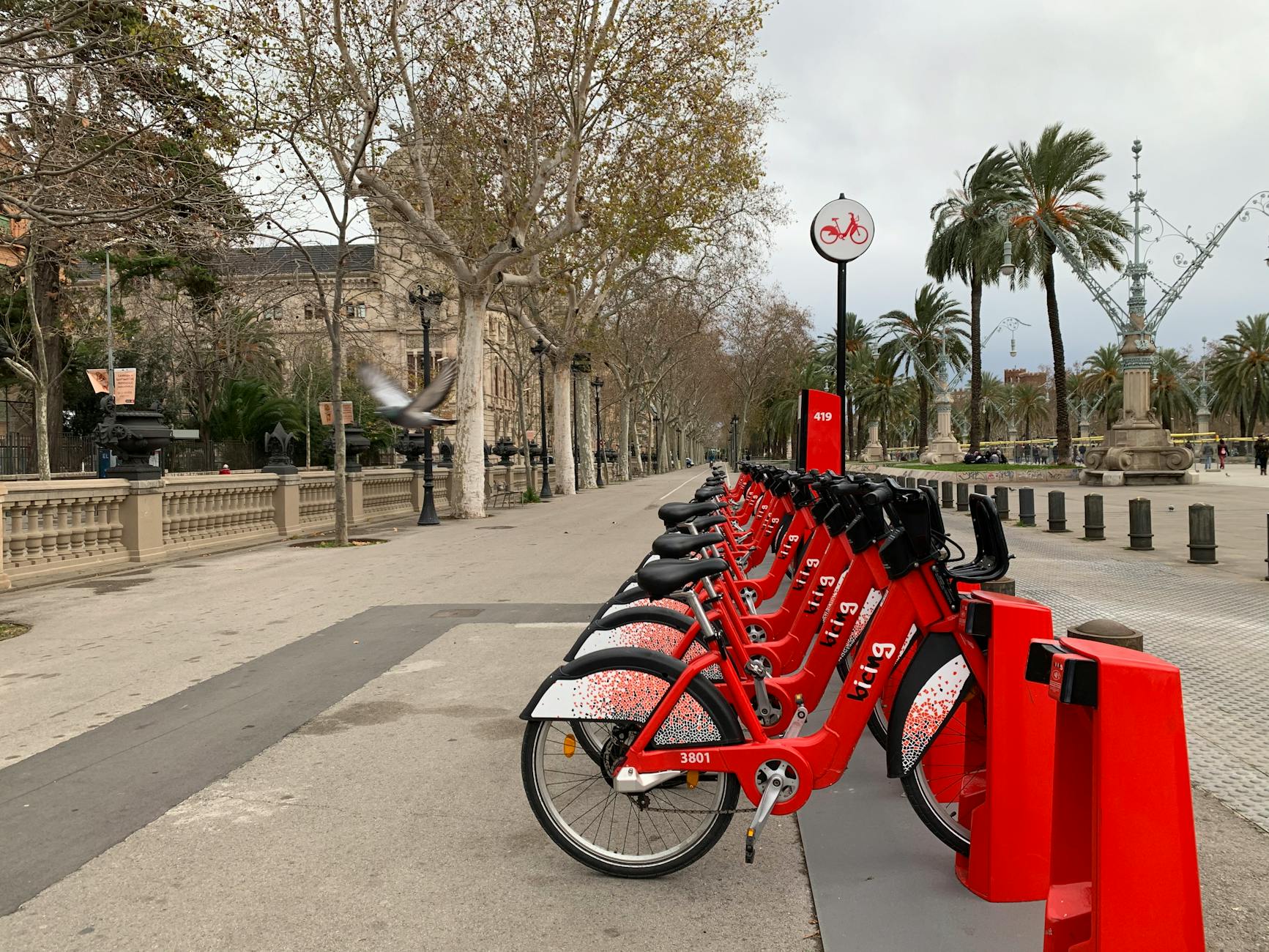
The official share scheme is VéloPartage, run by Genèveroule with Donkey Republic. Over 200 stations across the canton offer both pedal bikes and e-bikes, around the clock. Download the Donkey Republic app, find a nearby station, unlock with a tap, and go. A standard bike runs about CHF 1 per 30 minutes, with day passes for longer outings. The e-bikes are worth the small premium if you plan to ride out past the city.
Where to ride
The lakeside promenade from the Bains des Pâquis out to Genève-Plage is the route everyone does, and for good reason: flat, car-free, lake on one side, Alps ahead. For something longer, ride the left bank south to the village of Hermance, about 15 km each way. Inside the city, the path from Carouge along the Arve river to the Bois de la Bâtie is a green, traffic-free corridor that makes a good morning loop. Geneva also sits on the La Suisse à Vélo national network, with marked long-distance routes toward Lausanne.
06 — Renting a car and driving in Switzerland
You do not need a car for Geneva itself, and parking in the centre is a genuine hassle. A rental only makes sense when you want to roam the Alps, the French countryside, or the Swiss wine terraces on your own schedule. If that is the plan, our renting a car in Geneva guide covers the details; here are the essentials.
Rental basics
Europcar, Hertz, Avis, and Sixt all have desks at the airport and at Gare Cornavin. Minimum age is usually 19 to 21, and drivers under 25 often pay a young-driver surcharge. Manuals are the default and cheaper; an automatic adds roughly CHF 10 a day. Book ahead for summer and ski season, when both prices and availability swing hard. One tip many people miss: returning the car on the French side of the airport can be cheaper than the Swiss side, so check both.
The Swiss motorway vignette
To drive Swiss motorways (autoroutes) you need a vignette, an annual sticker that costs CHF 40. Most rentals already have one, but confirm it at pickup, because driving without it risks a CHF 200 fine on top of the sticker price. You can buy them at border crossings, petrol stations, post offices, and online. The vignette is valid for the calendar year plus the December before and the January after.
Driving tips that matter
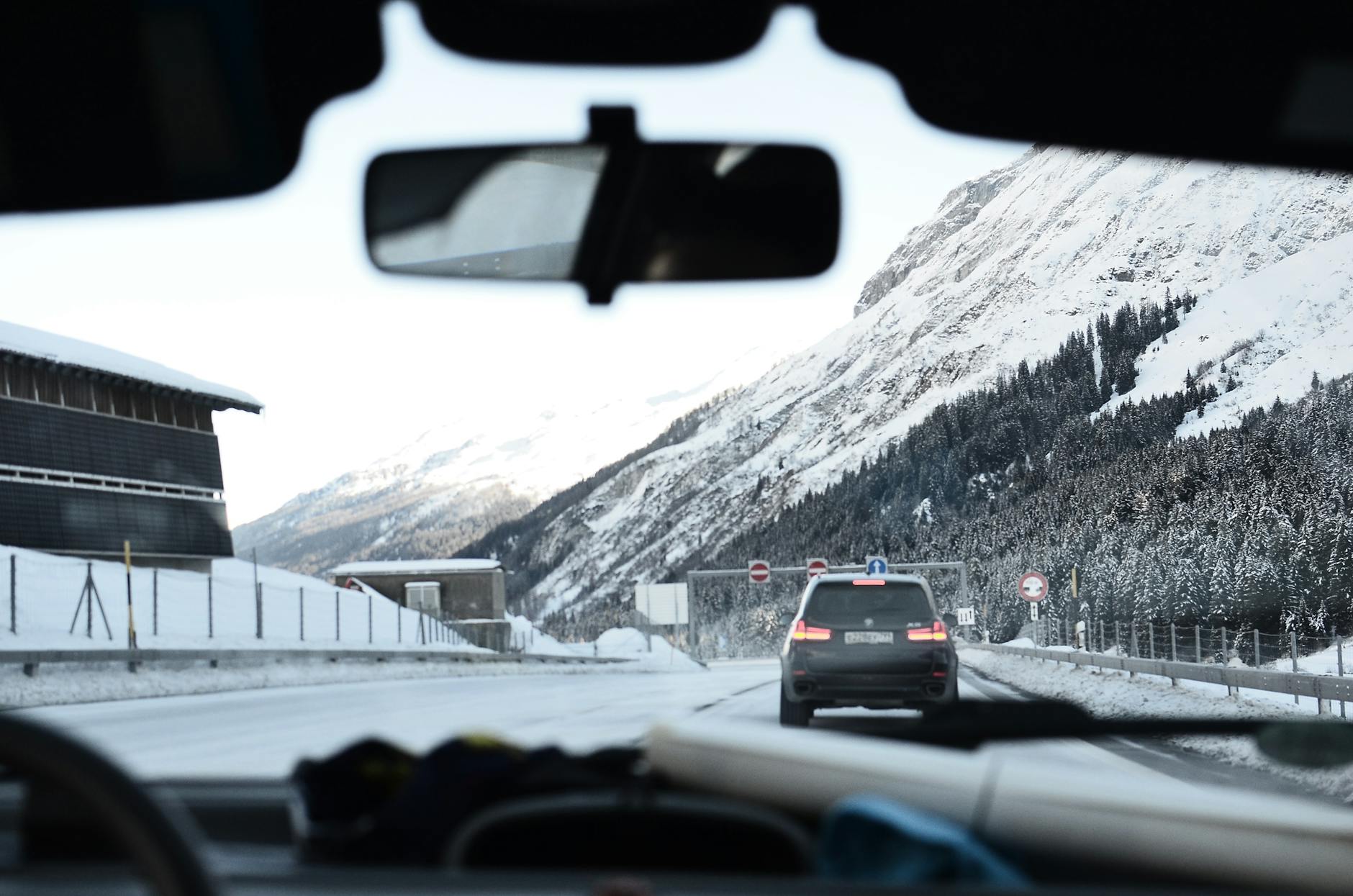
Switzerland drives on the right. Speed limits are 50 km/h in towns, 80 on main roads, and 120 on motorways, and they are policed hard. Cameras are everywhere and the fines are steep; even a small overage can mean an on-the-spot penalty, so do not treat the limits as suggestions. Headlights stay on at all times (most cars handle this automatically). In winter, rentals come with winter tyres, which are not strictly required by law but are expected by insurers and very much wanted on mountain roads. Central parking runs CHF 2 to 4 an hour in garages, which is another nudge toward leaving the car parked while you are in town.
07 — Walking: Geneva is small enough to do it
Geneva is compact, and walking is often the honest fastest option for short trips. The big sights, the Old Town, the Jet d’Eau, the lakeside promenades, and the Broken Chair at Place des Nations, all sit within about a 30-minute walk of each other. The pedestrian lanes of the Vieille Ville reward going slowly, with courtyards, small workshops, and café terraces you would roll straight past from a tram window.
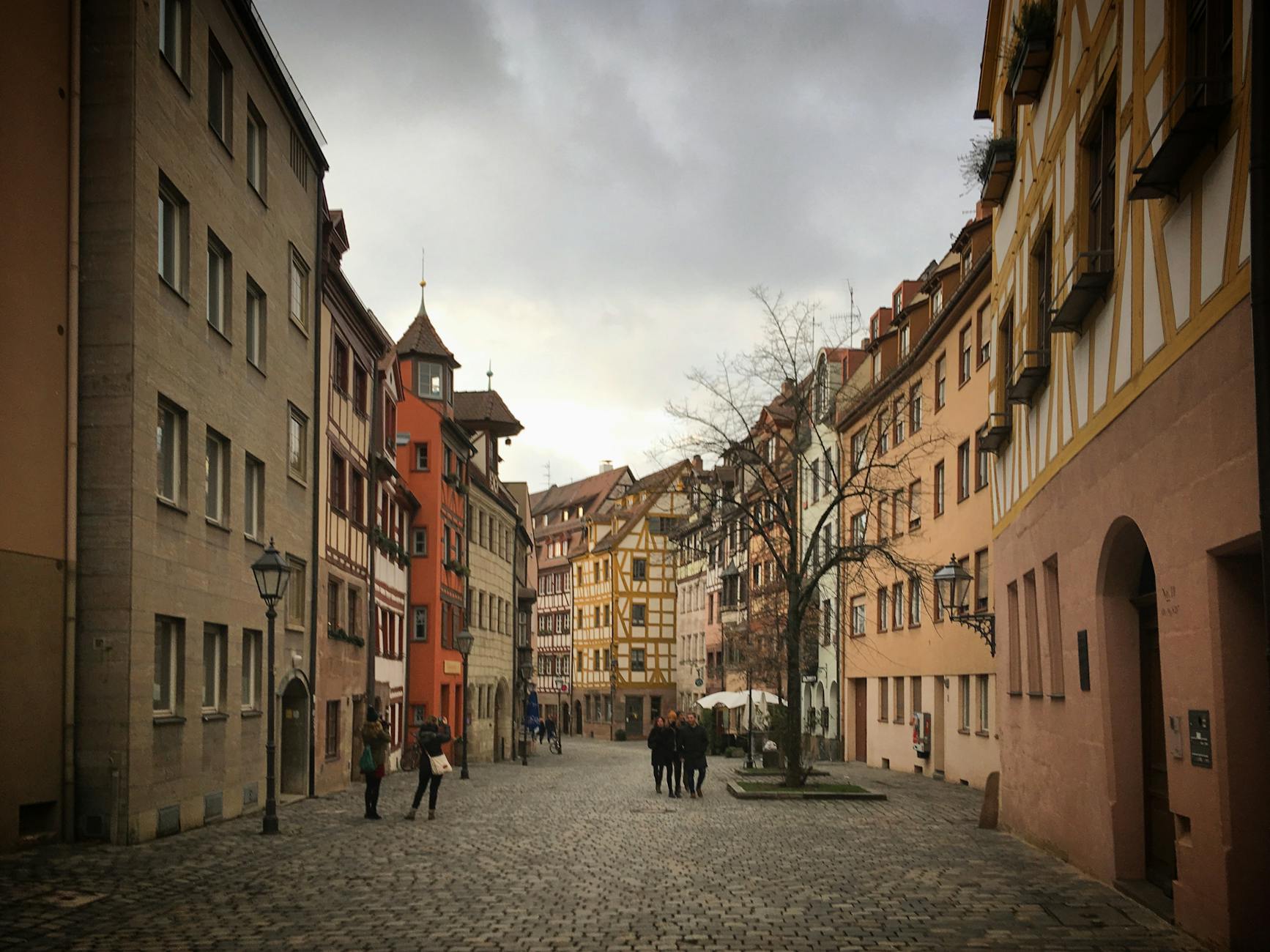
For the best stroll, follow the Quai du Mont-Blanc from the Bains des Pâquis along the north shore, with the Jet d’Eau and the Alps lined up across the water. Cross the Pont du Mont-Blanc to the south side and carry on through the Jardin Anglais and Parc La Grange; the whole lakeside loop is flat and easy for any pace. For more places that reward walking, see our things to do in Geneva guide.
08 — Taxis, Uber, and e-scooters
Beyond the network and a bike, Geneva has the usual on-demand options for when you are tired, late, or carrying something awkward.
Taxis
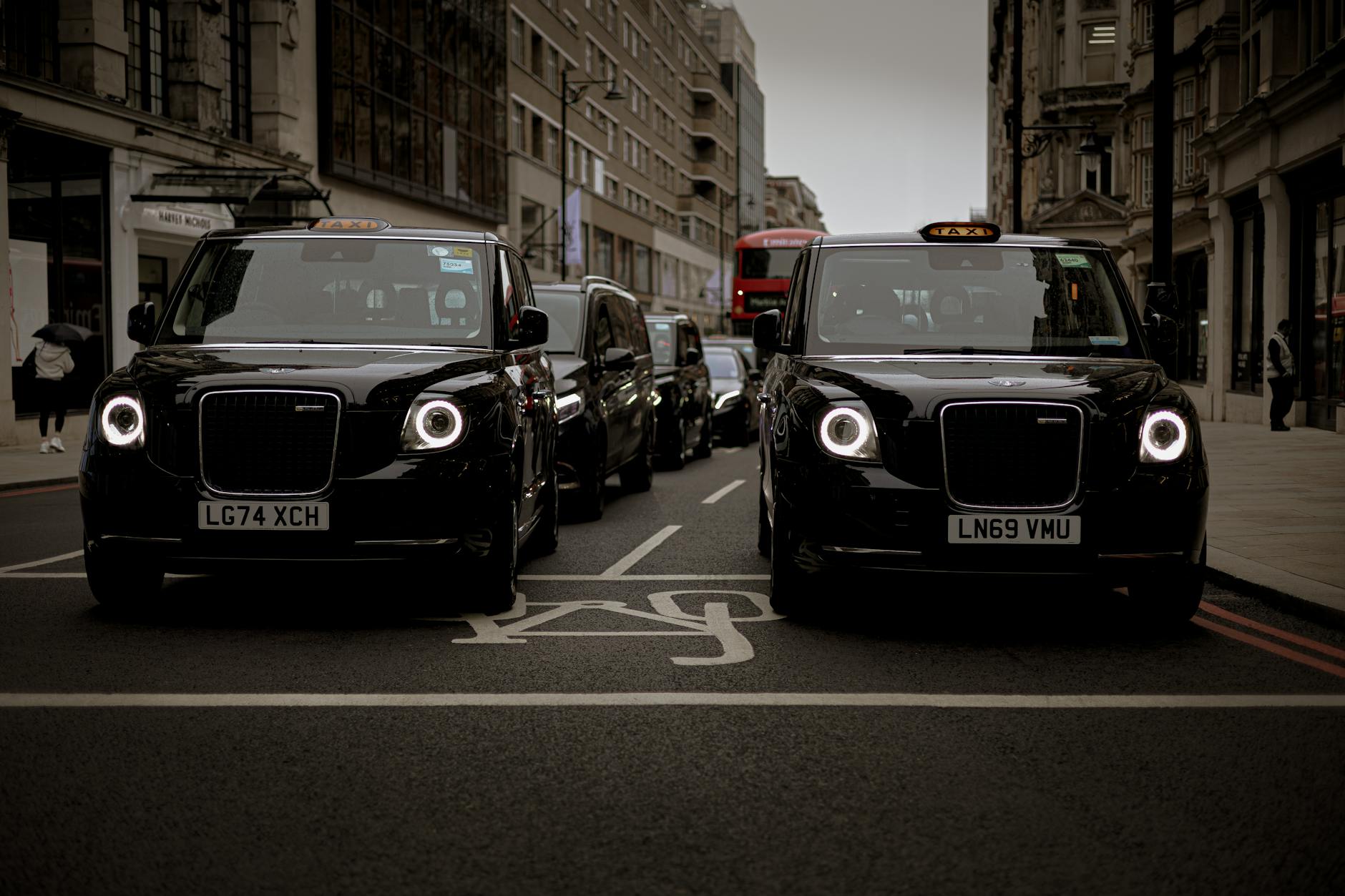
Geneva taxis are clean and metered, but not cheap. The base fare is about CHF 6.30, with around CHF 3.20 per kilometre by day; night (19:00 to 07:00) and weekend rates run higher. Hail them on the street, find them at stands (Cornavin, the airport, big hotels), or call Taxiphone (022 331 41 33). Uber works in Geneva too, with UberX, UberGreen, and Comfort, often a touch below the metered taxis. For short central hops, honestly, the tram is both faster and free with your card.
E-scooters
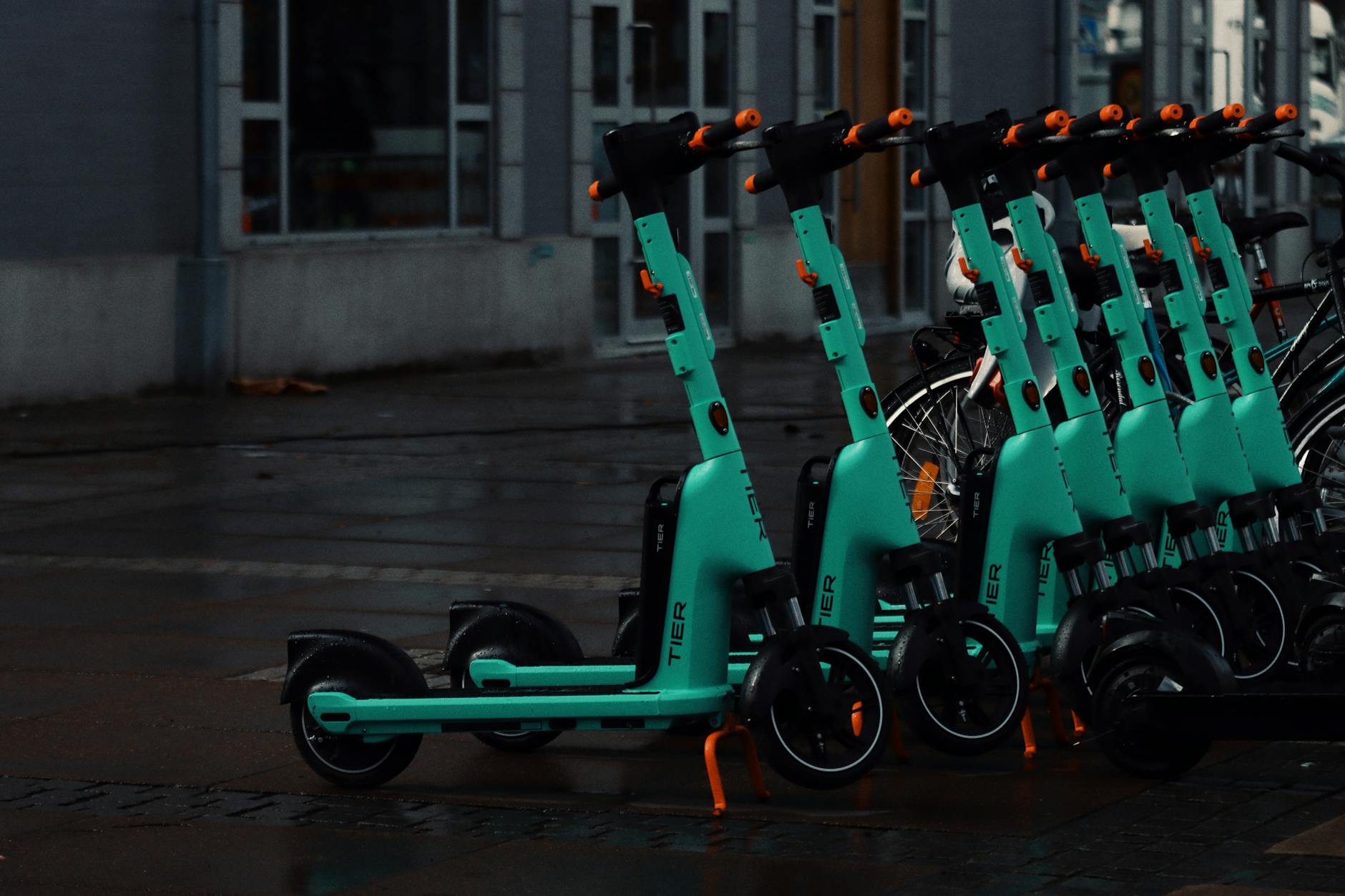
Scooter apps like Lime and Tier are scattered around the city. Open the app, find one on the map, scan the QR code, and ride. They are handy for that awkward distance a bit too far to walk but not worth waiting for a tram. Swiss rules: riders must be at least 14, scooters stay off the pavement (use bike lanes or the road), and a helmet is sensible even though it is not required.
09 — Getting from Geneva to nearby towns and the Alps
Geneva sits right on the Swiss-French border, which makes it a strong base for day trips by train and bus. Our day trips from Geneva guide has the full list, and for the mountains specifically see Swiss Alps excursions from Geneva. These are the runs people ask about most.
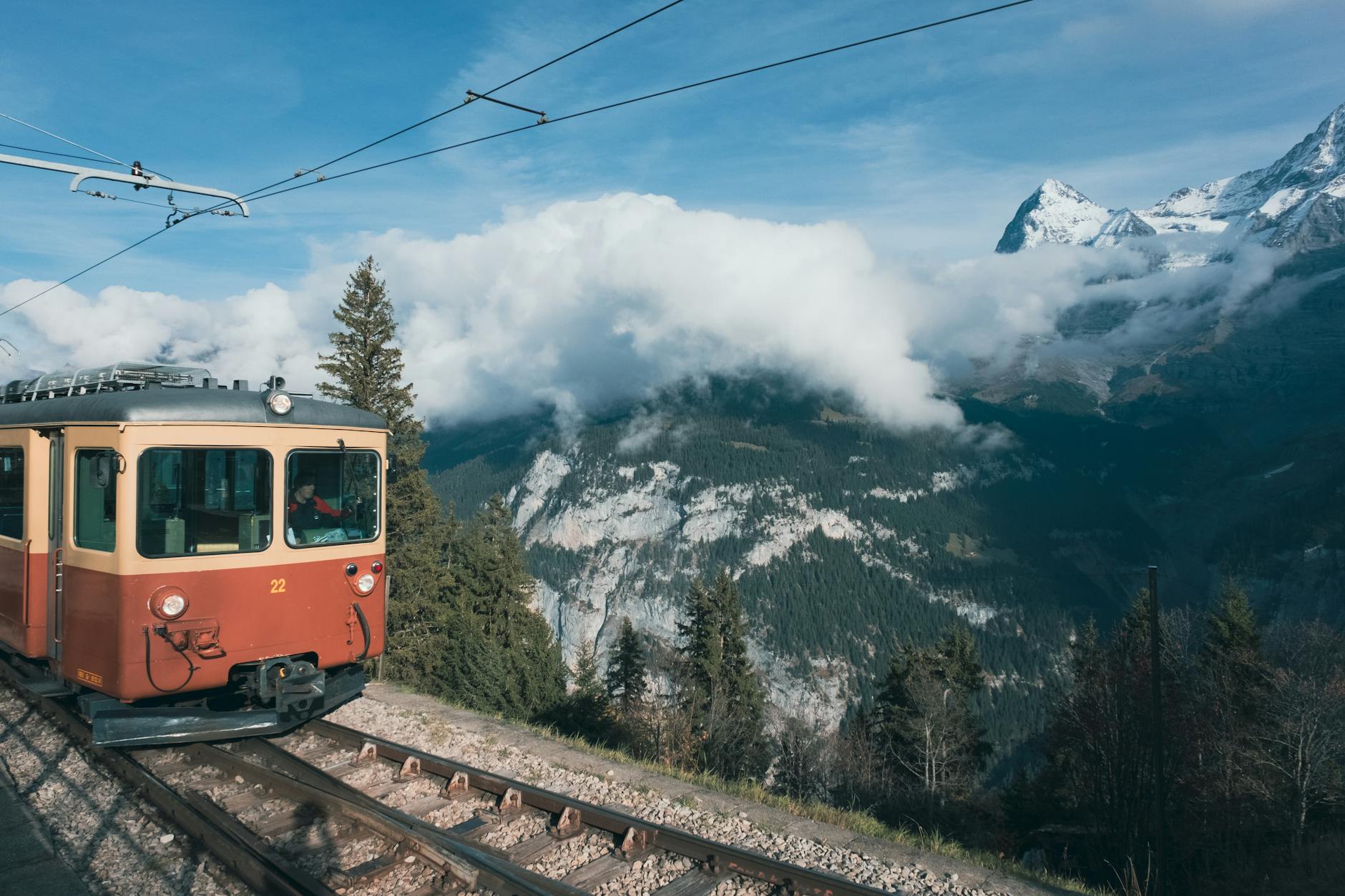
To Lausanne: direct trains every 15 to 30 minutes, about 40 minutes. The line runs the north shore past the Lavaux vineyard terraces, a UNESCO site. Sit on the left for the lake. Full details in our Geneva to Lausanne guide.
To Chamonix: the practical route is bus or car toward the Mont Blanc tunnel. Direct FlixBus and regional buses take about 1 hour 15; driving the A40 on the French side is roughly 80 km and an hour. See Geneva to Chamonix for the options.
To Zurich: direct SBB trains in about 2 hours 45, roughly hourly, through Bern and a long stretch of Swiss countryside. More in Geneva to Zurich.
To Annecy: just over the French border, 45 minutes to an hour by regional bus or car, with buses leaving the Gare Routière several times a day. See Geneva to Annecy.
To Montreux: about 1 hour 10 by train along the lake, easy to combine with the Château de Chillon. Details in Geneva to Montreux. For where to base yourself, our where to stay in Geneva guide helps.
10 — Practical tips for getting around Geneva
A handful of things I wish someone had told me before my first trip.
Get the TPG app. The official TPG app gives live schedules, route planning, disruption alerts, and mobile tickets. Google Maps also routes Geneva transit reliably if you prefer it.
You rarely need to validate. Paper tickets from machines come pre-stamped with a timestamp, and app tickets activate when you buy them. Inspectors do random checks on every mode, and riding without a valid ticket is an on-the-spot CHF 100 fine, so do not chance it on a short hop.
Accessibility is good. The tram network is fully wheelchair accessible with low floors and raised platforms at every stop, and most buses are low-floor too. Cornavin has lifts and ramps. The Mouettes boats are generally accessible but can be tricky for power wheelchairs in rough weather.
Cross-border quirk. Geneva touches France on three sides, and some TPG bus routes cross into French territory (to Annemasse and Saint-Julien, say). Your Geneva Transport Card covers those TPG routes, but French SNCF regional trains need separate tickets, so do not assume the card stretches across the border on rail.
Mind the rush. Peak runs about 07:30 to 09:00 and 17:00 to 19:00 on weekdays. Trams and buses fill up then, especially toward the Nations district and the banking streets around Rue du Rhône.
Early flight? The first train from Cornavin to the airport leaves at 04:43, early enough for most morning departures. After midnight, weekend night buses serve the airport; otherwise budget CHF 30 to 50 for a taxi. Airport Wi-Fi is free throughout. For the full picture on this leg, see our Geneva airport to city centre guide.
Frequently asked questions
Is public transport really free in Geneva?
For overnight visitors, yes. If you stay in registered accommodation in the canton, you get a free Geneva Transport Card covering all TPG trams and buses, regional trains within Geneva, and the Mouettes lake boats for your whole stay. Day-trippers without lodging pay normal fares, starting at CHF 3 for a 60-minute single.
What is the cheapest way from Geneva Airport to the city?
The train, by a wide margin. Pick up the free ticket voucher from the machine in the baggage hall and the 6-minute ride to Cornavin costs nothing, even before your hotel card is active. Without the voucher, a single is CHF 3. A taxi for the same trip runs CHF 30 to 50.
Do I need a car in Geneva?
Not for the city itself. Trams, buses, boats, and your own feet cover everything, and central parking is pricey and scarce. Rent only if you want to explore the Alps or French countryside on your own schedule, and even then you can reach most day-trip spots by train or bus.
Is the Swiss Travel Pass worth it from Geneva?
Only if you are taking several long train journeys beyond the canton. For a Geneva trip with a couple of day trips, the CHF 150 Swiss Half Fare Card usually beats it. The full Swiss Travel Pass pays off when you string together places like Zermatt, Lucerne, and the Bernese Oberland.
How do the Mouettes lake boats work?
They are small yellow water taxis crossing the harbour between Paquis, Les Eaux-Vives, Molard, and De-Chateaubriand. Each crossing takes about 10 minutes and runs on the Unireso system, so your Geneva Transport Card or any valid ticket covers it. It is the cheapest lake cruise in the city.
11 — Related Geneva guides
Keep planning with our Geneva Transport Card guide, the wider Geneva public transport guide, our Swiss Travel Pass from Geneva breakdown, day trips from Geneva, and our roundup of things to do in Geneva.
Geneva is one of the easiest cities in Europe to get around without a car. Between the free Transport Card, the dense tram and bus lines, the little boats across the lake, and a bike share that actually works, you can reach every corner of the city for next to nothing. Sort the card before you arrive, put the TPG app on your phone, and you will spend your time on the lake and in the Old Town instead of puzzling over logistics.