Things to Do in Geneva: The Ultimate Guide
This article contains advertising. Our booking links are routed through a partner that adds commission tracking automatically, so if you book through one we earn a commission from the provider, at no extra cost to you. It never affects what we recommend. Affiliate disclosure
If you only do five things in Geneva, do these: walk out to the Jet d’Eau and let it spray you, climb the cathedral tower in the Old Town, take a boat onto Lake Geneva, see the free exhibitions at CERN, and eat fondue at the Bains des Paquis with the fountain going off behind you. That is the short version. This guide is the long one, and it covers the best things to do in Geneva, Switzerland, sorted so you can plan by time, budget, and interest rather than scrolling a flat list.
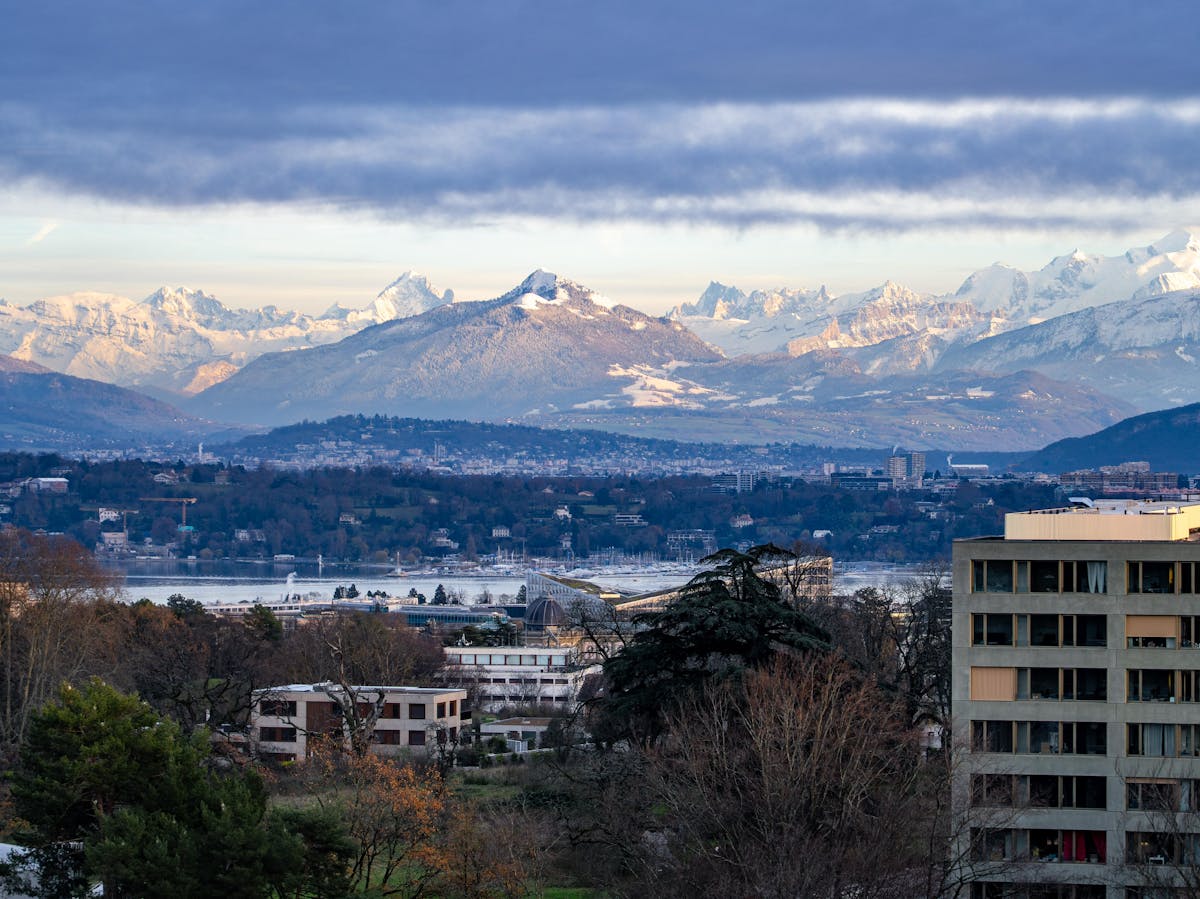
Geneva sits at the southwestern tip of Lake Geneva (Lac Leman), and it is smaller than its reputation suggests: roughly 200,000 people, walkable end to end, with the Alps visible on a clear day and over 36 museums packed into a compact center. That combination is the whole point. You can see a Renzo Piano science building, a 17th-century cathedral, and a Belle Epoque paddle steamer in one day without rushing. If you want a structured route through it all, our Geneva trip planning guide and 3-day itinerary lay out the logistics.
01 — Iconic Landmarks and Must-See Attractions in Geneva
Start with the postcard sights. They are popular for good reason, and most are within a short walk of each other along the lake and up into the Old Town, so you can cover the headline list in a single morning. If you want them ranked and timed, start with our best Geneva attractions rundown.
Jet d’Eau: Geneva’s Towering Water Fountain
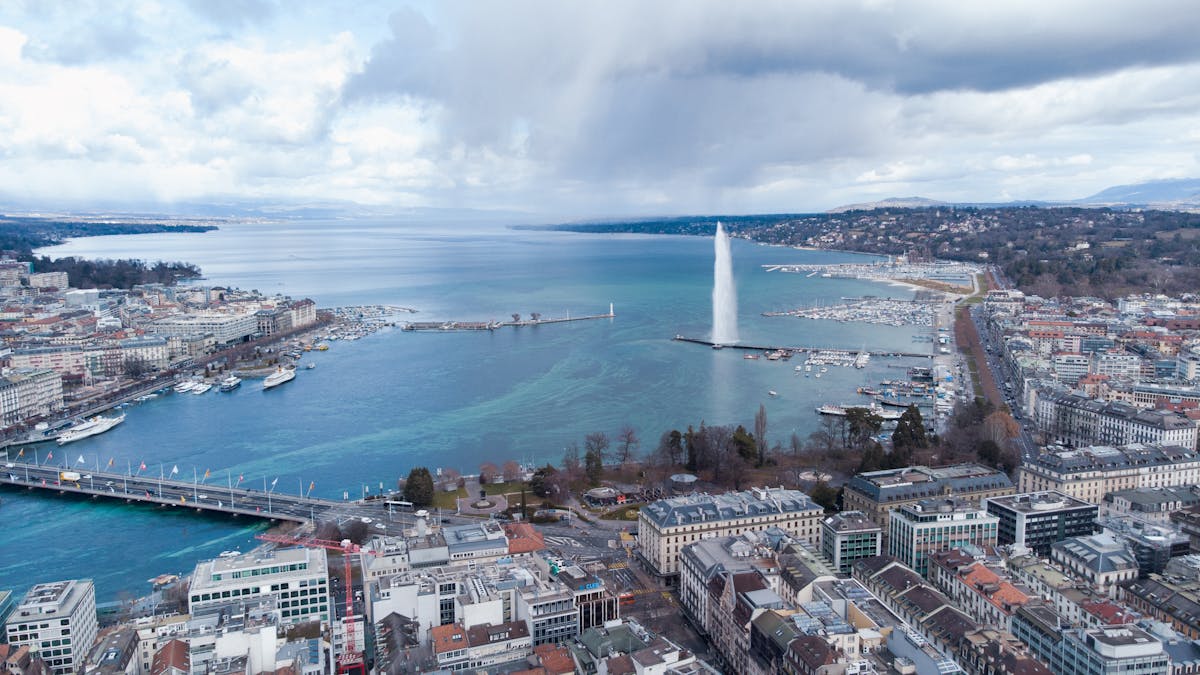
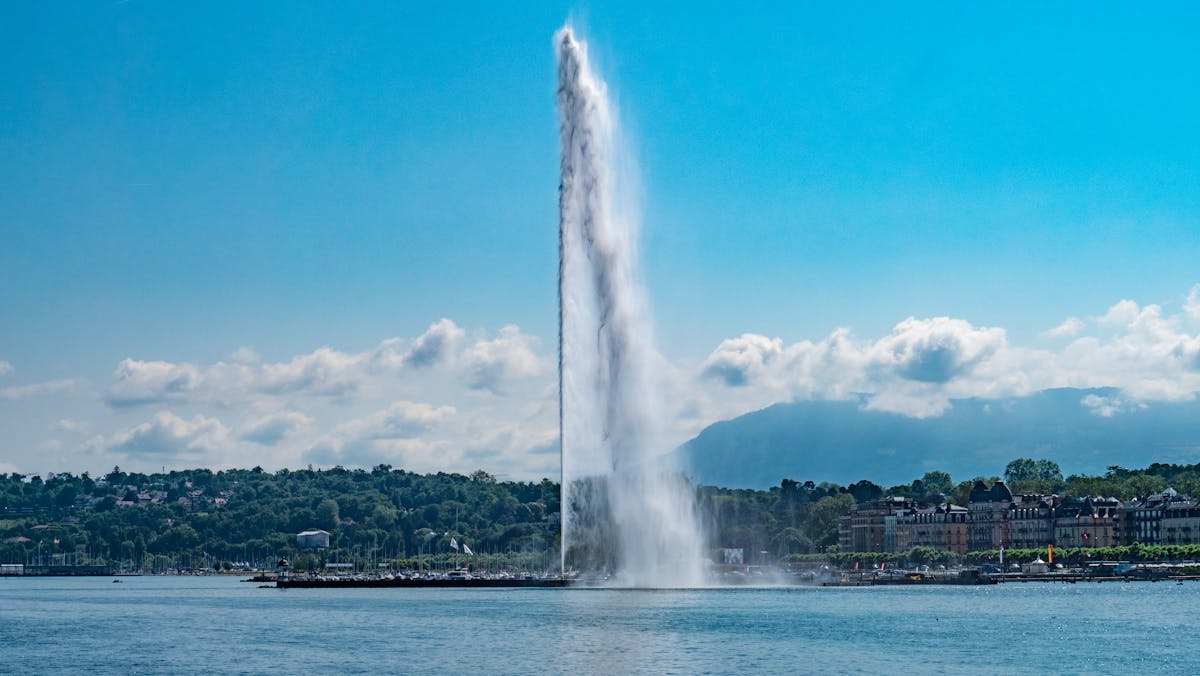
The Jet d’Eau is the thing everyone photographs, and it earns it. The fountain pushes water 140 meters (460 feet) into the air from the point where the lake meets the River Rhone, firing 500 liters per second at 200 km/h. You can see the plume from most of the city, and against the Alps on a clear day it is genuinely hard to look away from. Fair warning: the jetty is also the single most photographed spot in the city, and our most Instagrammable places in Geneva guide has the angles that actually work.
It started life in 1886 as a pressure-release valve for a hydraulic plant, moved to its current spot in the lake in 1951, and has been the city’s symbol ever since. My pick for photos is the Quai Gustave-Ador promenade on the left bank or the Bains des Paquis pier on the right; from the water on a lake cruise you get a different angle entirely. You can also walk the stone jetty right out beside it, which is the fun version, just know you will get soaked on a windy day. It runs March through October during the day and is lit on some summer evenings.
L’Horloge Fleurie (The Flower Clock)
In the Jardin Anglais (English Garden) on the south bank, the Flower Clock is a quick stop rather than a destination, but it is worth the two minutes. Built in 1955 as a nod to Geneva’s watchmaking, it is a working clock 5 meters across, planted with over 6,500 flowers that get swapped out by season. The second hand runs 2.5 meters, the longest in the world. Pair it with a lakeside walk; the garden has shaded benches and a clean view of the Jet d’Eau across the water.
St. Pierre Cathedral and the Tower Climb
St. Pierre Cathedral has anchored the Old Town skyline since the 12th century, and it carries real weight in history: John Calvin preached here from 1536 to 1564, during the Protestant Reformation. The building is a mix of Romanesque, Gothic, and neoclassical work, the result of centuries of changes and restorations rather than a single design.
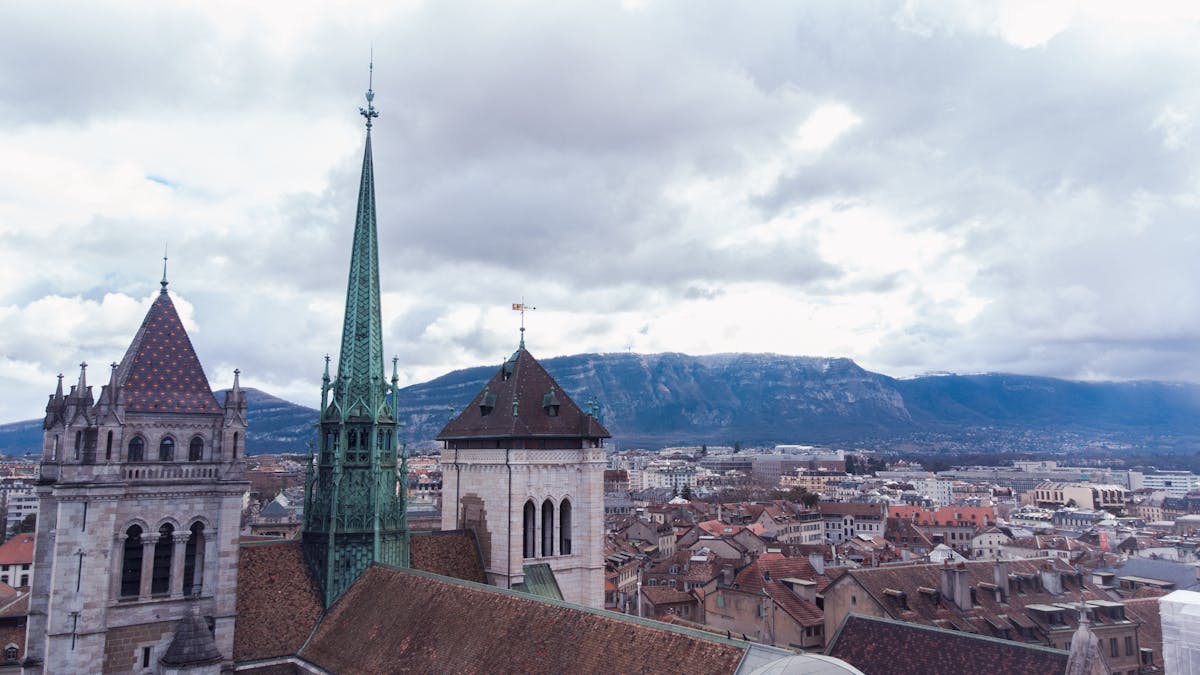
The reason to come is the climb. It is 157 steps up the north tower, and the payoff is the best viewpoint in central Geneva: the whole Old Town below, the lake stretching east, the Jura to the west, and the Alps (Mont Blanc included on a clear day) to the south. Down below the cathedral, the Archaeological Site digs back to Roman times, with 4th-century mosaics and early Christian baptismal fonts. Budget an hour for both and go on a clear morning for the view.
The Reformation Wall (Mur des Reformateurs)
Set into the old city walls inside Parc des Bastions, the Reformation Wall runs 100 meters and lines up four towering statues of the Reformation’s key figures: Guillaume Farel, John Calvin, Theodore de Beze, and John Knox. It was built between 1909 and 1917, marking 400 years since Calvin’s birth. Even if church history is not your thing, the monument is striking, and the park around it is one of the nicest green spaces in the city, home to the oversized chess boards where locals play in good weather.
02 — Exploring Geneva’s Old Town (Vieille Ville)
Geneva’s Vieille Ville is the largest historic center in Switzerland and one of the better-preserved old towns in Europe. It sits on a hill above the lake, a tangle of cobbled lanes, quiet courtyards, old fountains, and centuries-old buildings. This is the one part of Geneva where I would put away the map and just wander.
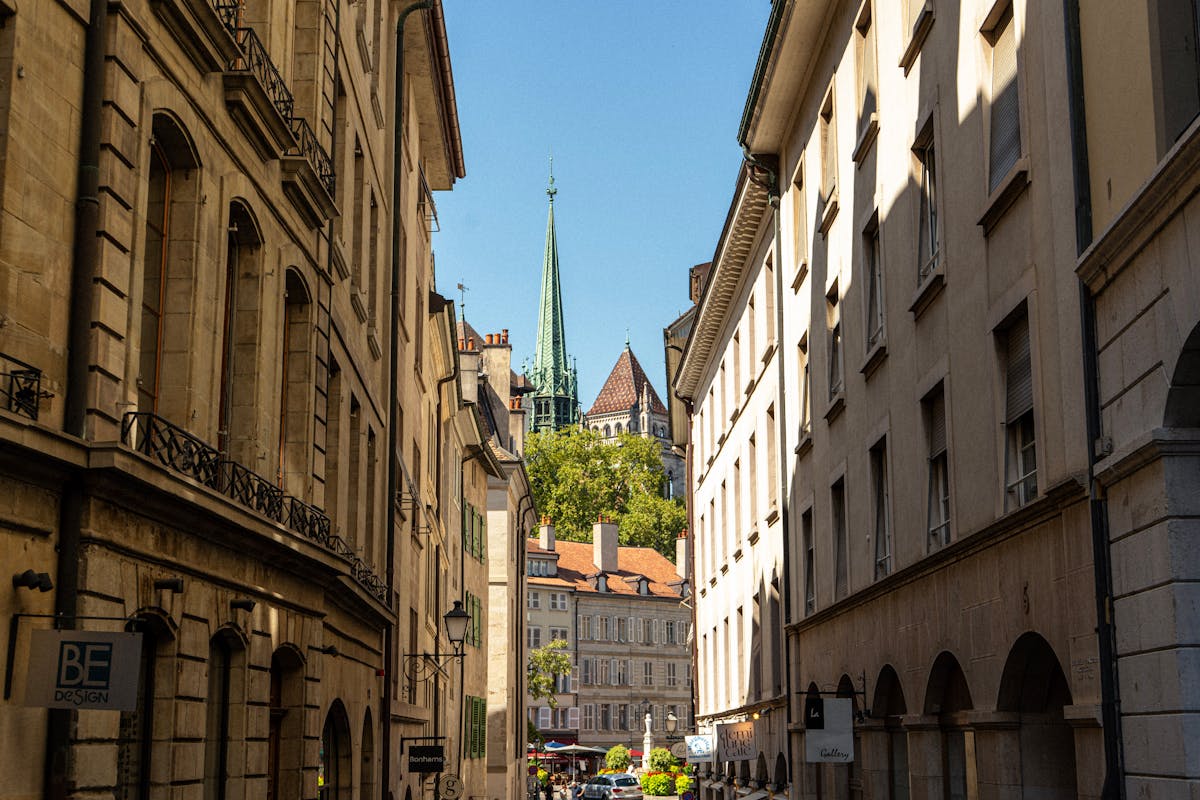
Begin at Place du Bourg-de-Four, Geneva’s oldest square and the natural place to grab a coffee before you set off. From there the streets spread out, each one different. Rue du Puits-Saint-Pierre passes art galleries and antique shops on the way to the cathedral. The Grand-Rue, where Jean-Jacques Rousseau was born at No. 40, is lined with bookshops and artisan studios and leads to the Maison Tavel, Geneva’s oldest private house and now a free museum tracing the city from the medieval period to the 19th century.
Two more things worth finding: the Passage des Degres-de-Poules, a steep medieval stairway with rooftop views, and the Treille Promenade with its 120-meter bench, the longest wooden one in the world. The Old Town also holds the Town Hall (Hotel de Ville), where the first Geneva Convention was signed in 1864, which tells you a lot about how this city ended up the world’s humanitarian hub. Give it 2-3 hours and let it unfold; this is a part of town that rewards getting slightly lost.
03 — World-Class Museums and Cultural Attractions
For a city of 200,000 people, Geneva has an absurd number of museums: over 36 with permanent collections, plus around 50 commercial galleries. The range is the appeal, from particle physics to humanitarian history to watchmaking to contemporary art. Below are the ones I would prioritize; for the deeper list, our Geneva museums guide goes further.
CERN Science Gateway
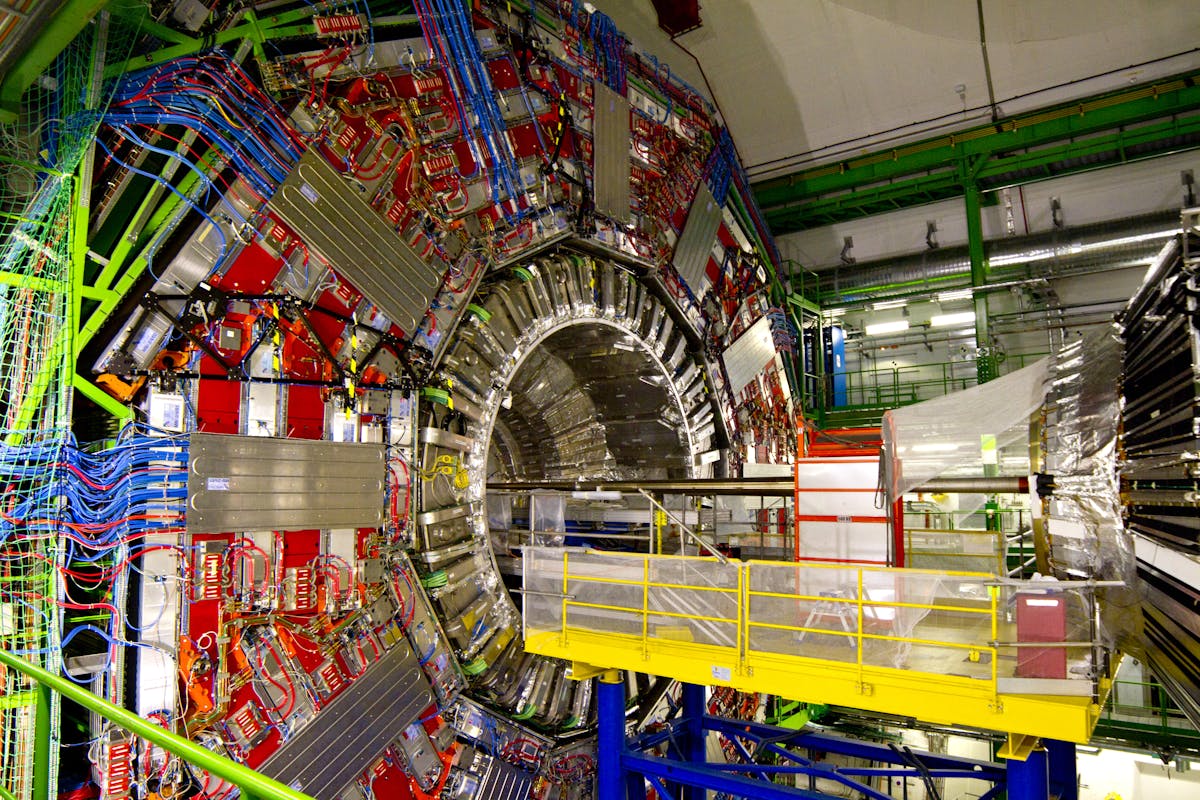
CERN, the European Organization for Nuclear Research, is where the Higgs boson was found and, more useful to your daily life, where the World Wide Web was invented. It sits on the edge of the city, straddling the French-Swiss border, and welcomes hundreds of thousands of visitors a year to its Science Gateway, the Renzo Piano-designed building that opened in 2023.
Inside are three exhibitions on the Big Bang, particle physics, and the technologies that came out of CERN, with interactive displays where you can play with virtual accelerators. You do not need a physics degree to get something out of it, and it works for a wide range of ages. Guided tours run on select days, bookable ahead, and sometimes get you closer to the actual experiments and into the underground tunnels. The permanent exhibitions are free, which puts CERN near the top of any list of free things to do in Geneva.
International Red Cross and Red Crescent Museum
This one stays with you. The museum covers over 150 years of humanitarian work across three permanent exhibitions, each designed by a different architect around one challenge: defending human dignity, restoring family links, and reducing natural risks. It leans on personal testimony, multimedia, and historical objects to tell hard stories about conflict and disaster, and it is as moving as it is educational. Geneva is the birthplace of the Red Cross and the Geneva Conventions, so this is the place that explains the city’s role in the wider world.
Patek Philippe Museum
You do not have to care about watches to be won over here. Four floors of an elegant Art Deco building hold one of the most important timepiece collections anywhere, spanning five centuries of watchmaking. The ground and first floors show Patek Philippe’s own work, including pieces with dozens of complications; the second floor covers Geneva watchmaking from the 16th to 19th centuries, with enameled watches, automata, and musical pieces that are basically miniature sculptures. Geneva is the center of haute horlogerie, and this is the clearest single introduction to why.
Palais des Nations (United Nations Office)
The Palais des Nations is the European headquarters of the UN and the second-largest UN complex in the world after New York. Guided tours, offered in 15 languages, take you through the Assembly Hall, the Human Rights and Alliance of Civilizations Room with its ceiling by Spanish artist Miquel Barcelo, and the Council Chamber. The surrounding Ariana Park has gardens, peacocks wandering loose, and the Broken Chair sculpture, a 12-meter wooden chair with one broken leg that protests landmines and cluster munitions. Book ahead through the UN Geneva website, especially in summer, and bring photo ID.
More Museums Worth Your Time
The headline museums are not the whole story. The Musee d’Art et d’Histoire is the city’s largest, covering fine art from the Middle Ages to the modern era plus archaeology and applied arts. The Museum of Natural History is free and ideal for families, with strong dioramas and a popular dinosaur hall. MAMCO (Musee d’Art Moderne et Contemporain), in the Quartier des Bains, is the go-to for contemporary art and lives in a converted factory. And the Musee Ariana, next to the Palais des Nations, holds one of Europe’s best ceramics and glass collections, also free.
04 — Lake Geneva Activities and Boat Cruises
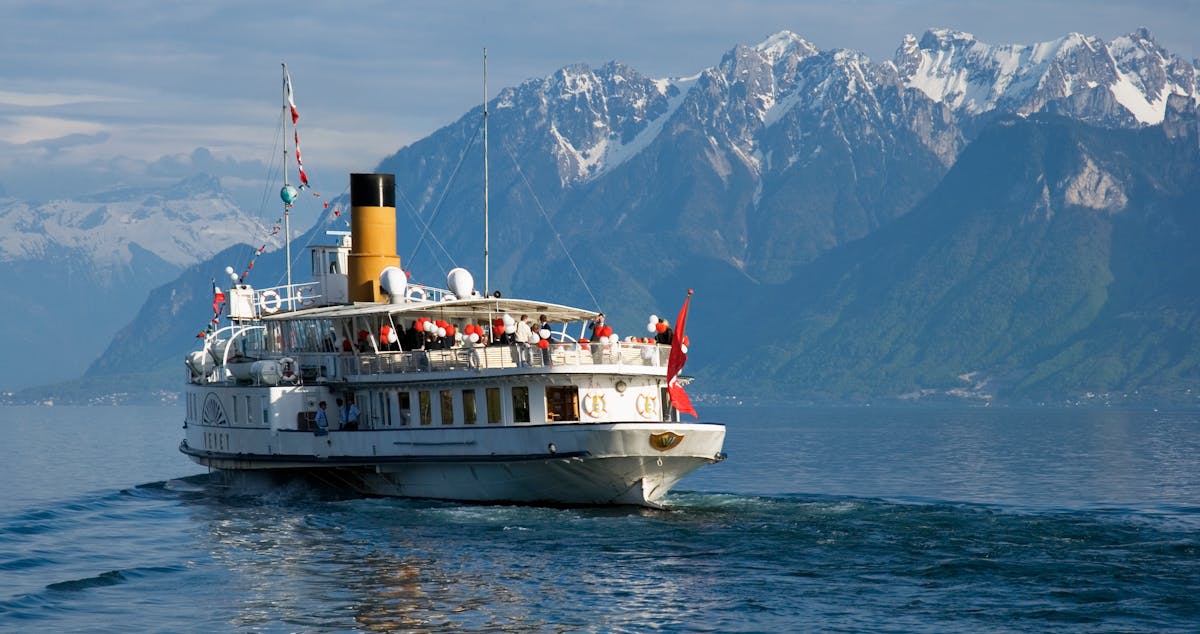
Lake Geneva (Lac Leman) is the largest lake in Western Europe and the reason the city looks the way it does. It is crescent-shaped, shared by Switzerland and France, and runs 73 kilometers from Geneva west to Montreux east, with the Alps as the backdrop on the south side. It is not just a view, though; the lake is an activity hub and a working transport route, and getting onto it is one of the better things you can do here.
The CGN (Compagnie Generale de Navigation) runs a fleet that includes restored Belle Epoque paddle steamers, some of which have been working the lake since the late 1800s. Options range from a 50-minute loop around the Geneva harbor, which is the easy way to see the Jet d’Eau from the water, to full-day runs along the Swiss Riviera to Montreux with stops at Nyon, Lausanne, and Vevey. In summer there are dinner cruises and themed trips (jazz, fondue, sunset). If you only have a couple of hours, the short harbor loop is the one I would book.
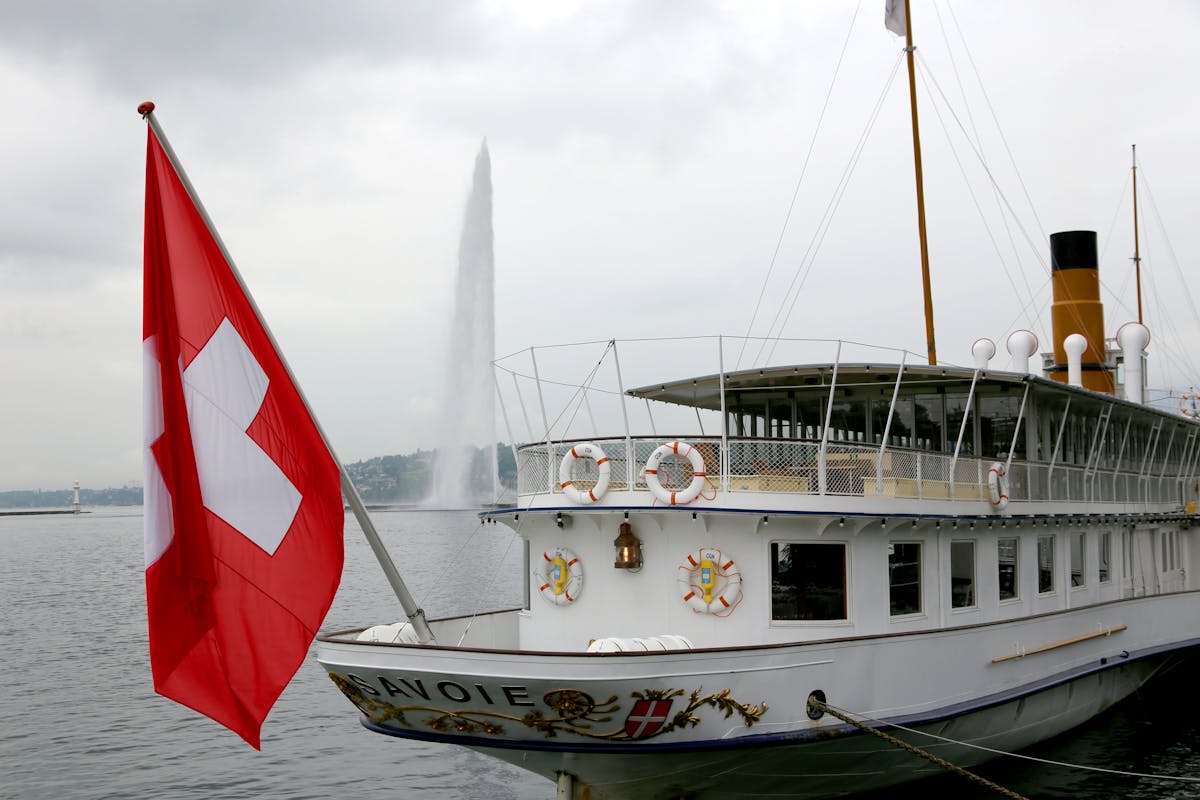
If you would rather be on the water than watching it, the lake handles paddleboarding, kayaking, sailing, and even wakeboarding. Rental outfits cluster around the Paquis area and Eaux-Vives along the waterfront. The Mouettes Genevoises, the little yellow water taxis, are a cheap and genuinely useful way to hop between the left and right banks, and they are covered by the free Geneva Transport Card you get with any hotel stay. More on the water in our Geneva outdoor activities guide.
05 — Outdoor Activities and Nature Experiences
Geneva reads as a city of diplomacy and banking, but the outdoors is never far. The Alps are on the horizon from almost everywhere, the lake is a year-round playground, and green space is threaded right through the center.
Mont Saleve: Geneva’s Backyard Mountain
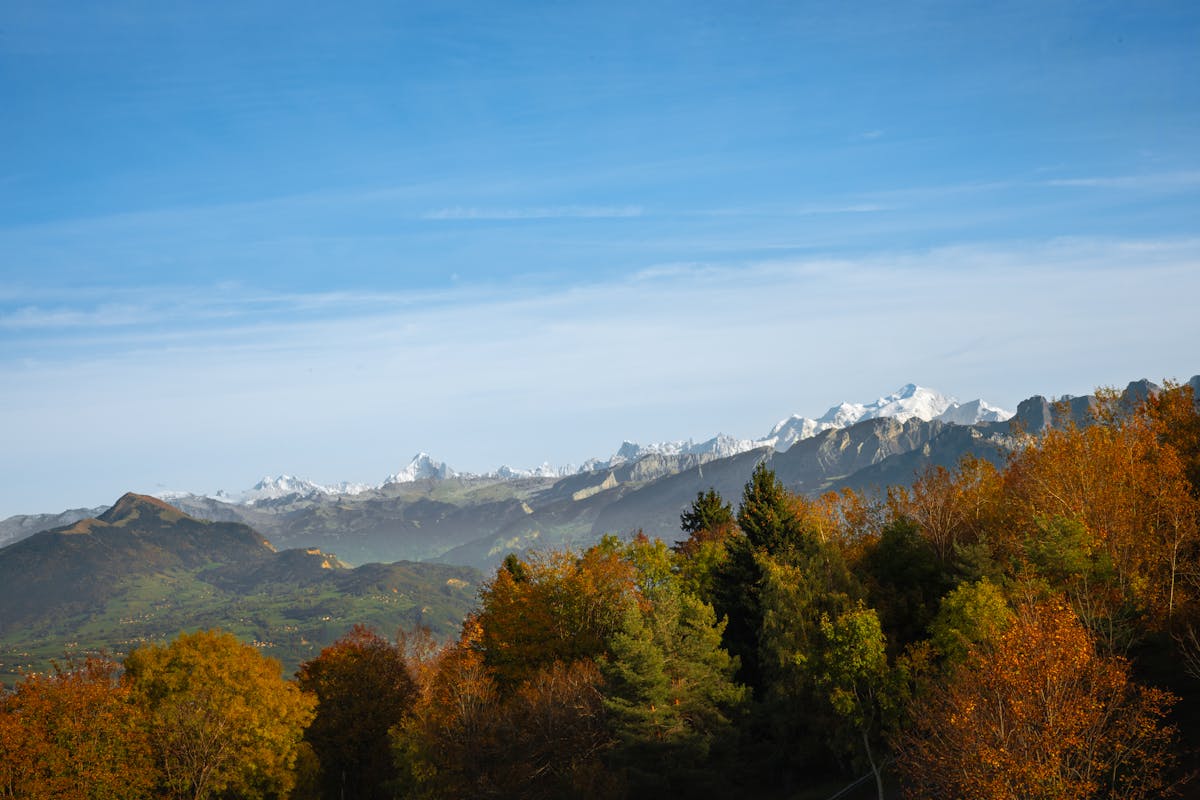
Mont Saleve is technically in France, but everyone treats it as Geneva’s mountain. It rises straight up south of the city, and a cable car takes you from the base station (reachable by public bus from Geneva) to 1,100 meters in under five minutes. The view from the top does a lot of work: Geneva laid out below, the full length of the lake, the Jura to the west, and on a clear day the chain of Alpine peaks including Mont Blanc.
At the summit you have marked hiking trails for every level, paragliding (tandem flights for beginners), a climbing wall, mountain biking, and a small museum on the mountain’s natural and cultural history. In winter there are cross-country ski trails. A round-trip cable car ticket runs around 18 euros, with discounts for kids and seniors. This is the best half-day from Geneva if you want an Alpine hit without committing to a full day trip.
Bains des Paquis: Geneva’s Beloved Lakeside Baths
The Bains des Paquis is more than a swimming spot; it is a Geneva institution. This public bathhouse on a jetty out into the lake has been part of city life since 1872. For a CHF 2 entry you get lake swimming, sun decks, saunas, a hammam, and a simple restaurant that serves what plenty of locals call the best fondue in Geneva, eaten at shared tables with the Jet d’Eau going off in the background. It is the rare place that is both a tourist sight and where actual Genevois spend their time.
The Bains stay open year-round, and winter brings a committed crowd of cold-water swimmers who turn up through the morning mist for a freezing dip. It is the most authentically local thing you can do here, popular in equal measure with suited bankers, families, and tourists who wandered in by accident. Come late afternoon for the sunset, or for the Saturday morning hammam-and-brunch ritual.
Parks, Gardens, and Green Spaces
Geneva is greener than you would expect for its size. The Conservatory and Botanical Garden (Conservatoire et Jardin Botaniques) near the Palais des Nations is a lush spread of over 12,000 plant species with a rock garden and a deer and bird enclosure, all free. The Parc de la Grange on the left bank is the largest park, with a rose garden of over 200 varieties that peaks in June. The Parc des Bastions, home to the Reformation Wall and those giant chess boards, is the spot for a picnic or a game. And the Promenade de la Treille, built on the old ramparts, gives you the world’s longest bench and a quiet view over the Saleve and the countryside.
Hiking and Water Sports
Beyond Mont Saleve, the options open up fast. The lakeshore gives you flat, scenic walking and cycling. The nearby Jura Mountains have moderate trails through forest and wildflower meadows. For serious Alpine trekking, a day trip to Chamonix (an hour away) puts you on world-class terrain. On the water, paddle-sport rentals dot the lakefront, sailing schools run courses for all levels, and swimmers can choose public beaches (Geneve-Plage and Baby-Plage are the busiest) or the wild swimming spots along the shore.
06 — Food and Chocolate Experiences
Geneva’s food sits where Swiss, French, and international cooking overlap. You can go from a pot of Alpine comfort food to a Michelin-starred tasting menu to a chocolate workshop to a market stall in a single day, and eating well is one of the real pleasures of being here.
Fondue and Raclette: The Essential Swiss Experience
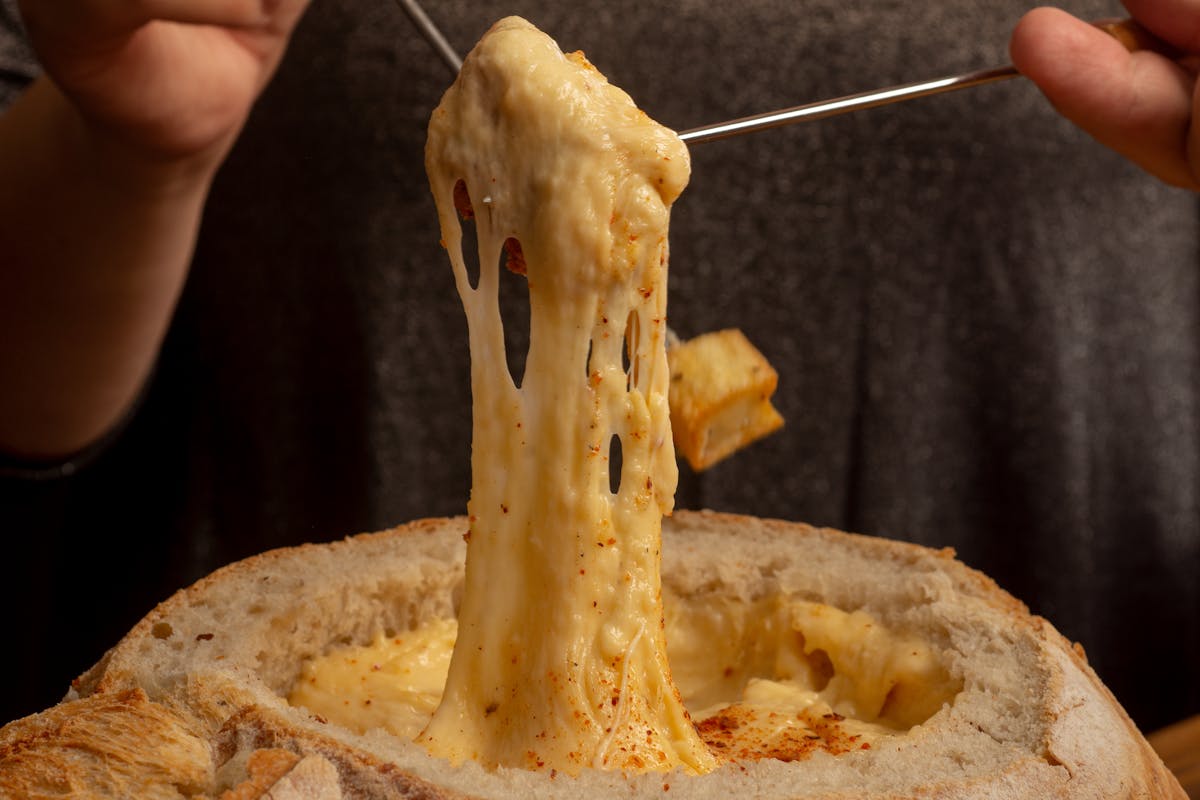
Do not leave without sitting down to a bubbling caquelon of fondue. The classic Geneva version blends Gruyere and Vacherin Fribourgeois melted with white wine and a touch of kirsch, served over a small flame. The good fondue spots each have their own feel: Cafe du Soleil in Petit-Saconnex has been at it for over four centuries and is the benchmark; Les Armures in the Old Town does fondue in a grand 17th-century room; the Bains des Paquis serves a no-frills, atmospheric version right on the lake; and Auberge de Saviese in Paquis has held the line on Swiss tradition for over 50 years. For the full ranking, see our best fondue in Geneva guide.
Raclette is the other great cheese ritual: half a wheel melted under a heat source and scraped over potatoes, pickles, and cured meats. L’Edelweiss leans all the way into the Alpine theme with live yodeling and cowbell-covered walls and generous platters. If you want to compare spots, our best raclette in Geneva guide breaks them down.
Swiss Chocolate: Tours, Tastings, and Shopping
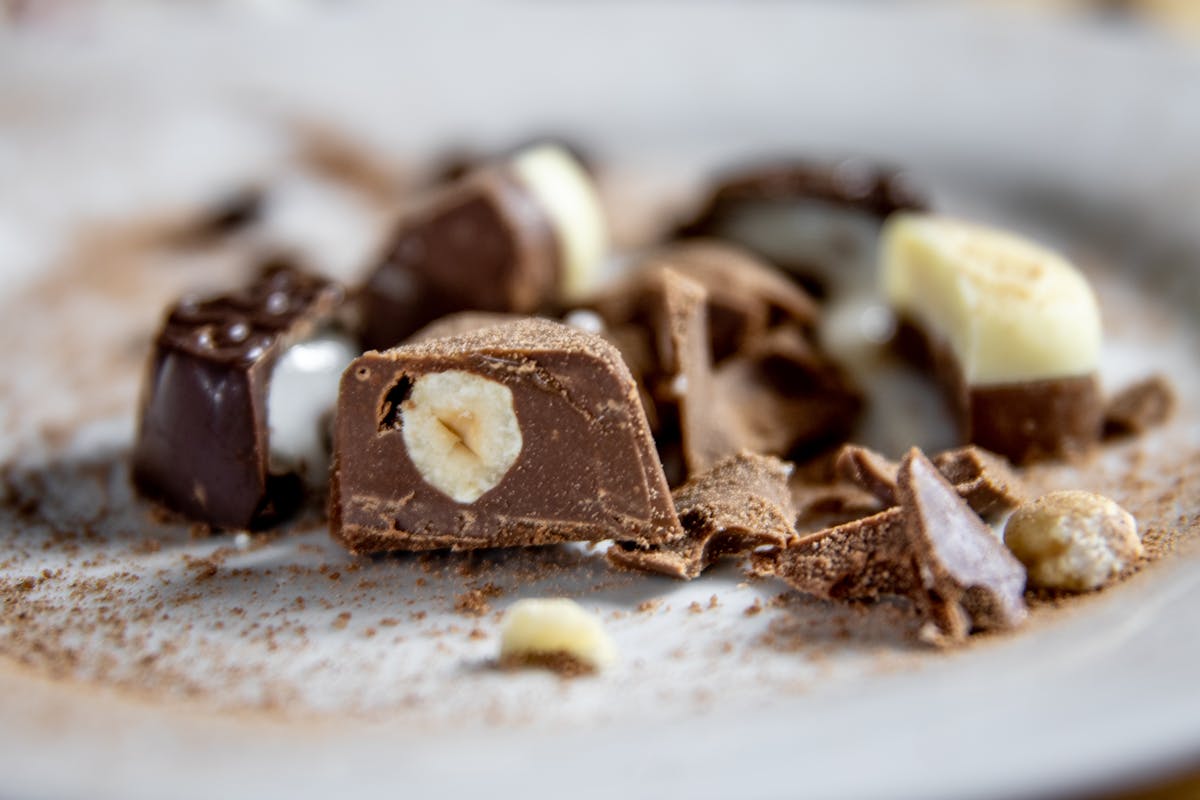
Geneva is a serious chocolate city, with a handmade tradition going back centuries. You can buy good Swiss chocolate in any supermarket, but the real experience is the independent chocolatiers still making everything in small batches.
Several operators run guided chocolate tours, usually 2-3 hours visiting 4-6 chocolatiers with a tasting at each, and they fold in city history along the way, so you cover ground while eating well. To go on your own, do not miss Stettler (famous for their Paves de Geneve), Auer Chocolatier (a family business in the Old Town since 1939), and Du Rhone Chocolatier (known for pralines and truffles). Our full Geneva chocolate guide covers the best shops and tastings in detail.
Markets and Local Food Scene
For a look at everyday Geneva, hit the food markets that come and go through the week. The Plainpalais flea market (Wednesdays and Saturdays) is the largest open-air market in Switzerland, mixing food stalls with vintage and antiques. The Carouge market (Wednesday and Saturday mornings), in the bohemian Carouge district, is the one I like best, with local farmers selling regional cheese, cured meat, fresh bread, fruit, and flowers. Smaller neighborhood markets at Rive, Grenus, and Coutance rotate through the week, from organic produce to hot prepared food. On a budget, the markets are one of the best ways to eat well without restaurant prices.
07 — Exploring Geneva’s Distinctive Neighborhoods
One of the best things about Geneva is that each neighborhood has its own personality. Step out of the tourist core and the city gets more interesting fast. Our Geneva neighborhoods guide maps them all; here are three to start with. Once the headline sights are done, the hidden gems of Geneva are where the city gets interesting.
Carouge: The Bohemian Quarter
Just south of the center, Carouge feels like a Mediterranean town that wandered into Switzerland. The King of Sardinia founded it in the 18th century as a rival to Geneva, and it kept an Italian-influenced character: low, colorful buildings, wide arcaded sidewalks, leafy squares, and artisan workshops. Today it is Geneva’s most creative quarter, full of independent boutiques, ceramic studios, vintage shops, strong restaurants (Italian and Middle Eastern especially), and some of the best nightlife in the city. The Wednesday and Saturday markets in Place du Marche are a highlight. For where to eat, see our best restaurants in Carouge guide.
Paquis: Multicultural Energy
The Paquis district, along the right bank north of the train station, is Geneva’s most diverse and most energetic neighborhood. The streets are packed with restaurants from dozens of countries: Thai, Ethiopian, Indian, Lebanese, Turkish, Portuguese, often well below tourist-area prices. This is where locals go for cheap eats, and it is also home to the Bains des Paquis. It has a gritty, real-world edge that cuts against Geneva’s polished image, which is exactly what makes it worth a walk. Rue de Berne and the side streets around it turn up the unexpected.
Eaux-Vives and the Left Bank
Eaux-Vives runs along the left-bank lakefront east from the Jet d’Eau, taking in some of Geneva’s best waterfront parks and smart residential streets. The Parc de la Grange and Parc des Eaux-Vives are the highlight, especially the rose garden in early summer, and the lakefront promenade is made for a sunset walk. Baby-Plage is the family beach, and the restaurant and cafe scene along Rue du 31-Decembre keeps growing.
08 — Shopping and Luxury Experiences
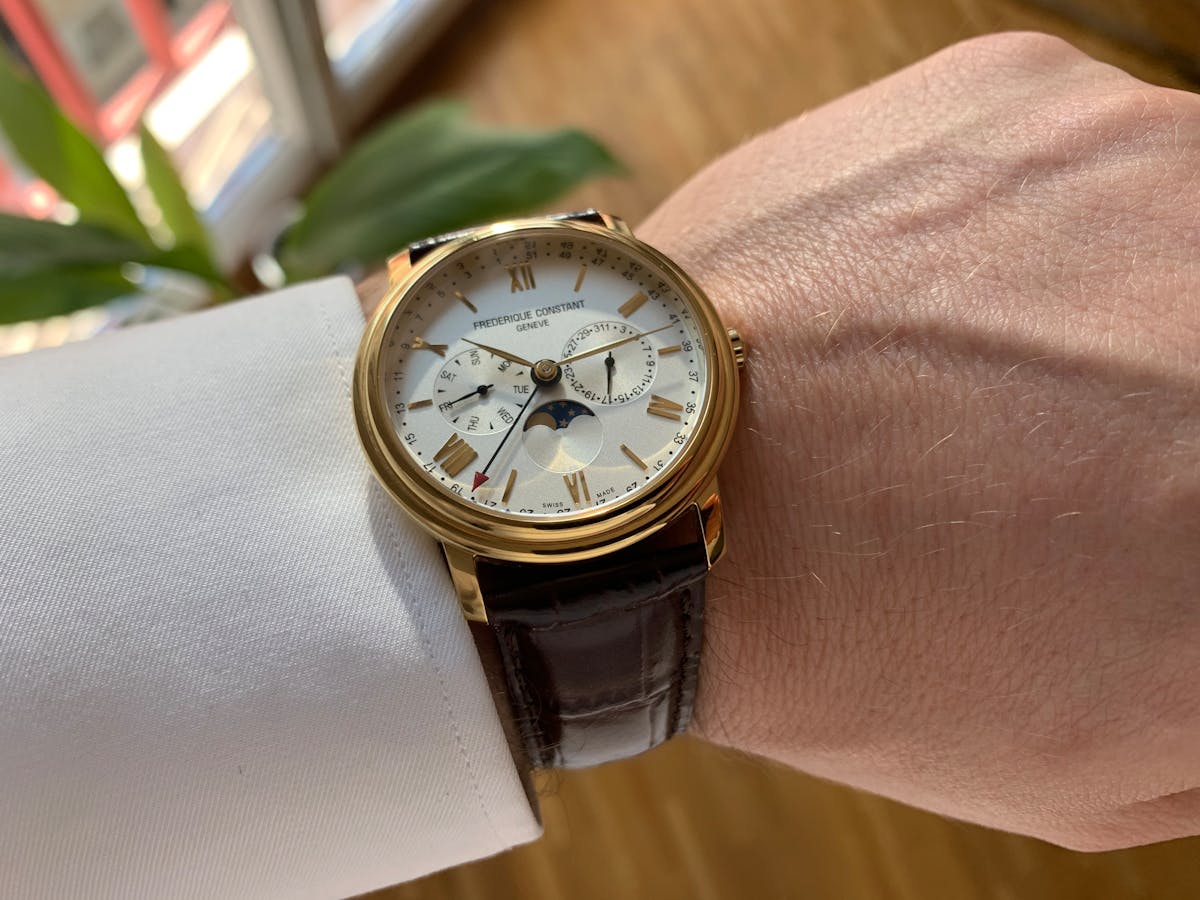
Geneva has meant luxury for centuries, and the shopping reflects it. Looking for a Swiss watch, artisan chocolate, or a souvenir that is not tourist tat, you will find the full range here, from world-class luxury houses to small independent shops.
Rue du Rhone: Luxury Shopping Street
Rue du Rhone is one of the most expensive shopping streets on earth and the heart of Geneva’s luxury retail. The street and the blocks around it hold nearly every major name: Patek Philippe, Rolex, Audemars Piguet, Cartier, Bulgari, Hermes, Louis Vuitton, and on. Even with no plan to buy, window-shopping here is its own activity, and the Patek Philippe Salon at No. 41 is the only place in the world showing the brand’s entire current collection. For the watch scene specifically, see our Geneva luxury shopping guide.
Best Souvenirs to Buy
Past watches and jewelry, Geneva is good for souvenirs. Swiss chocolate is the obvious one, and I would chase the artisan names (Du Rhone, Auer, Stettler) over the mass-market bars. Swiss Army knives (the Victorinox store on Rue du Marche has the full range), vacuum-packed cheese for the trip home, music boxes, Swiss textiles, and anything with the Geneva cross all travel well. The Globus department store in the center and the Manor near Cornavin station both have excellent food halls for edible gifts.
09 — Day Trips from Geneva
Geneva sits where Switzerland meets France with the Alps within an hour’s drive, which makes it an excellent base for day trips. Several first-rate destinations are reachable by train, bus, or car, and the variety is the selling point: medieval villages, vineyard terraces, glaciers, and Alpine peaks all within reach.
The popular picks: Chamonix and Mont Blanc (an hour by car or bus) for cable cars, glaciers, and Alpine scenery; Annecy in France (40 minutes) for a fairy-tale medieval old town and a clear lake; Montreux (an hour by train) for the Chateau de Chillon and the Swiss Riviera; Lausanne (40 minutes by train) for the Olympic Museum and the hilltop cathedral; and Gruyeres (90 minutes) for cheese-making demos, the Cailler chocolate factory, and a perfectly preserved medieval castle. Our day trips from Geneva guide plans each one in full.
10 — Geneva for Families with Children
Geneva is a strong family destination: safe, clean, well-run, with plenty to keep kids of any age busy. The parks and lakefront double as open-air playgrounds, and a lot of the big museums have dedicated kids’ programs and hands-on exhibits.
The activities that land best with kids: the Museum of Natural History (free, with great dioramas and dinosaurs), CERN’s Science Gateway (free, hands-on, and a hit with curious kids), rides on the yellow Mouettes water taxis (a thrill for little ones), the playground in Parc de la Grange, Baby-Plage for summer swimming, and a chocolate tasting the whole family can do together. The free Geneva Transport Card that comes with any hotel stay makes getting around with kids painless. For a full itinerary with age-by-age picks, see our Geneva with kids guide.
11 — Nightlife and Evening Activities
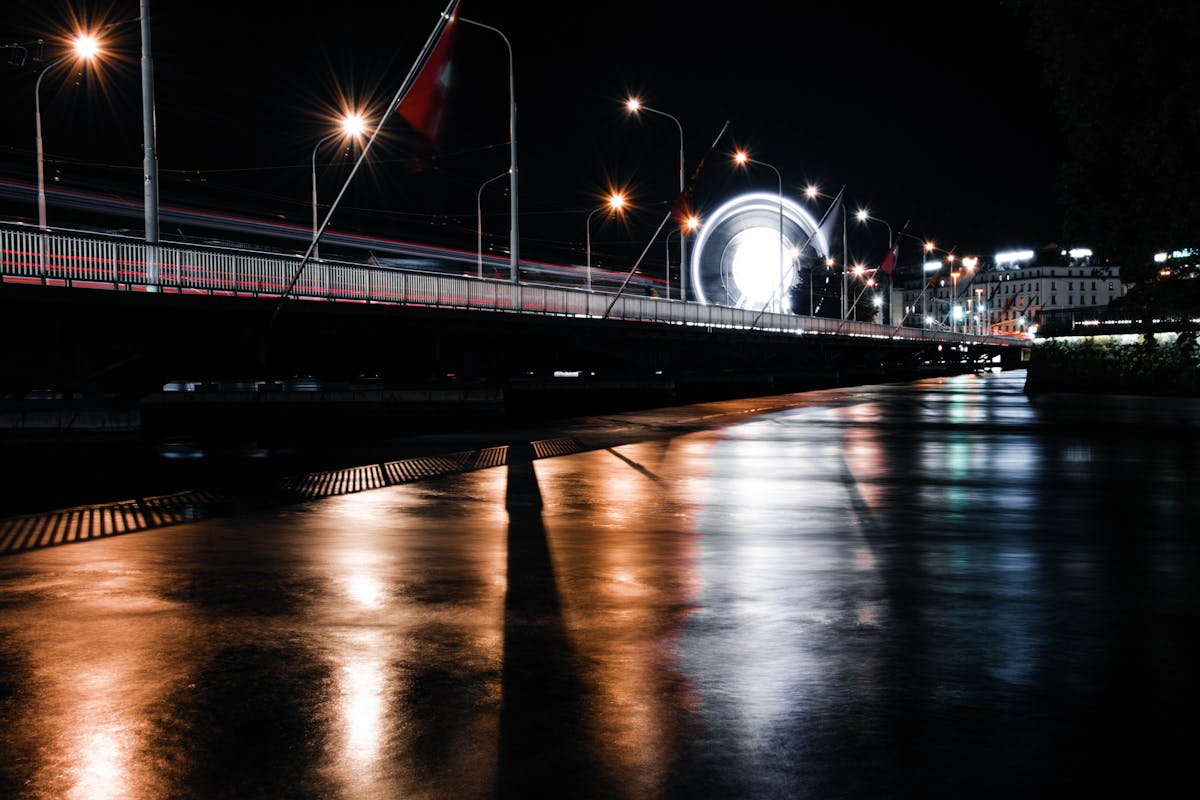
Geneva’s nightlife is more polished than wild, which fits the city. The standout is the rooftop bars with lake views; Le Panorama at the Hotel Metropole and the terrace at La Reserve are the scenic ones. Paquis and the streets around Place du Molard have the densest run of bars, from craft cocktail rooms to easygoing wine bars. Carouge is the move for a more bohemian night out, with live music, small bars, and late-night food. For the full rundown, see our guide to things to do in Geneva at night.
For a cultural evening, the Grand Theatre de Geneve stages opera and ballet, and Victoria Hall is home to the Orchestre de la Suisse Romande. In summer, Cine Transat puts on free open-air film screenings in the Parc de la Perle du Lac, and lakeside venues host concerts and DJ sets. In winter, the Christmas markets bring mulled wine, artisan gifts, and lights along the water.
12 — Seasonal Events and Festivals
Geneva keeps a full events calendar, and timing your trip around one can change the whole visit. The Fetes de Geneve (usually early August) is the city’s biggest party, with concerts, fairground rides, food stalls, and a huge fireworks display over the lake that pulls in hundreds of thousands of people. L’Escalade in December marks Geneva’s 1602 defeat of a surprise attack by the Duke of Savoy, with costumed parades, torch-lit runs through the Old Town, and the tradition of smashing chocolate marmites (cauldrons).
Winter also brings the Antigel Festival (February), a forward-looking music and performing-arts festival staged in unusual venues across the city, plus the Christmas markets (late November into December) along the waterfront and in the Old Town. Spring brings the Geneva International Film Festival, and summer adds open-air cinema, lake events, and the Musiques en Ete concert series. For a month-by-month breakdown, see our Geneva events and festivals guide.
13 — Practical Tips for Visiting Geneva
A few things will stretch your time and money here. First, the Geneva Transport Card is essential: every hotel, hostel, and campsite in the canton hands it to guests for free, and it covers unlimited buses, trams, trains, and the yellow Mouettes water taxis for your whole stay. Pick it up at reception on check-in. Our Geneva Transport Card guide explains exactly what it covers.
Geneva is expensive, but there are sensible ways to manage it. A lot of the best attractions cost nothing: CERN, the Botanical Garden, the Museum of Natural History, the Musee Ariana, the Maison Tavel, and the Reformation Wall. The lake is free, and public beaches do not charge entry (though Geneve-Plage, the main swimming complex, does). Tap water is excellent and safe, so carry a reusable bottle. For cheap eats, Paquis has the lowest restaurant prices, the university canteens do solid meals for around CHF 15, and Coop and Migros have prepared-food sections far cheaper than restaurants.
The best time to visit depends on what you want. Summer (June to September) is warmest, with lake swimming and the fullest events calendar, but also the biggest crowds and highest prices. Spring (April to May) and autumn (September to October) bring mild weather, fewer people, and either blooming gardens or autumn color. Winter (December to February) is cold but atmospheric, with Christmas markets, skiing nearby, and a fondue culture that is at its best when the temperature drops. For a detailed seasonal breakdown, see our trip planning guide.
14 — Things to Do in Geneva by Interest: Quick Picks
Short on time or traveling with a specific crowd? Use this to point yourself at the right things fast.
| If you want | Go here | Cost | Time needed |
|---|---|---|---|
| The classic first day | Jet d’Eau, Old Town, St. Pierre tower | Free / a few CHF | Half a day |
| Free things | CERN, Botanical Garden, Natural History Museum | Free | 1-2 days |
| Time on the water | CGN harbor cruise, Bains des Paquis | From ~CHF 2 | 2-3 hours |
| Mountains without a big day trip | Mont Saleve cable car | ~18 euros round trip | Half a day |
| Food and chocolate | Fondue, a chocolate tour, Carouge market | Varies | Half a day |
| Kids in tow | Natural History Museum, Mouettes, Baby-Plage | Mostly free | Full day |
| A day trip | Chamonix, Annecy, or Montreux | Train/bus fare | Full day |
Planning by the clock instead? Our one day in Geneva route and the longer 3-day itinerary turn these picks into a walkable schedule.
15 — Frequently Asked Questions About Things to Do in Geneva
What are the top 5 must-see attractions in Geneva?
The five I would not skip are the Jet d’Eau fountain, the Old Town with St. Pierre Cathedral, a Lake Geneva boat cruise, CERN’s Science Gateway, and the International Red Cross Museum. Between them you get the city’s signature landmark, its historic core, its lake setting, its scientific weight, and its humanitarian history.
How many days do you need to explore Geneva?
Two to three days covers the main sights, the food, and the lakeside atmosphere without rushing. With four or five days you can add day trips to Chamonix, Annecy, or Montreux. A week lets you reach the quieter neighborhoods and take a slower pace. Even one day, tight as it is, gets you the Jet d’Eau, the Old Town, and a lake cruise.
Is Geneva worth visiting?
Yes. You get the lake and the Alps, a cluster of world-class museums, very good food, and an international feel, all in a city compact enough to see a lot in a short trip. It also works as a base: the Swiss Alps and the French countryside are both within easy reach.
What can you do for free in Geneva?
Plenty. CERN’s Science Gateway, the Botanical Garden, the Museum of Natural History, the Musee Ariana, the Maison Tavel, and the Reformation Wall are all free. So is walking the Old Town, swimming at public beaches, sitting in the parks, and watching the Jet d’Eau. With the free Geneva Transport Card from your hotel, public transport is free too. Our free things to do in Geneva guide has the full list.
What is Geneva famous for?
Geneva is known as the home of major international organizations, including the United Nations and the Red Cross, and as the birthplace of the Geneva Conventions. It is also a global center for luxury watchmaking and banking, and it is famous for the Jet d’Eau, for Swiss chocolate and fondue, and for its setting on Lake Geneva with the Alps behind it.
Is Geneva expensive to visit?
It is one of Europe’s pricier cities, but planning helps a lot. Budget travelers can get by on roughly CHF 150-200 a day using hostels, cooking some meals, and leaning on free attractions and the free Transport Card. Mid-range is more like CHF 250-400 a day. And many of the best things here, the lake walks, the parks, CERN, several strong museums, cost nothing. Our transport card guide is a good place to start saving.
How do I get around Geneva?
Geneva has an excellent network of trams, buses, and Mouettes water taxis, all covered by the free Geneva Transport Card from your hotel. The center is very walkable too; most major sights are within a 30-minute walk of each other. Cycling is popular and rental bikes are easy to find. For day trips, the main station (Cornavin) links to the Swiss rail network and nearby French cities. See our Geneva public transport guide for routes and tickets.
What is the best time of year to visit Geneva?
It depends on your priorities. June through September is warmest, with lake swimming and the most events. April-May and September-October give you mild weather and fewer crowds. December through February suits anyone after Christmas markets, nearby skiing, and cozy fondue nights. There is a good case for every season.
16 — Related Geneva Guides
Keep planning with our most useful Geneva reads: the complete trip planning guide, our 3-day Geneva itinerary, the free things to do in Geneva list, our roundup of the best fondue in Geneva, and the full day trips from Geneva guide. For evenings out, see things to do in Geneva at night and the most romantic things to do in Geneva.