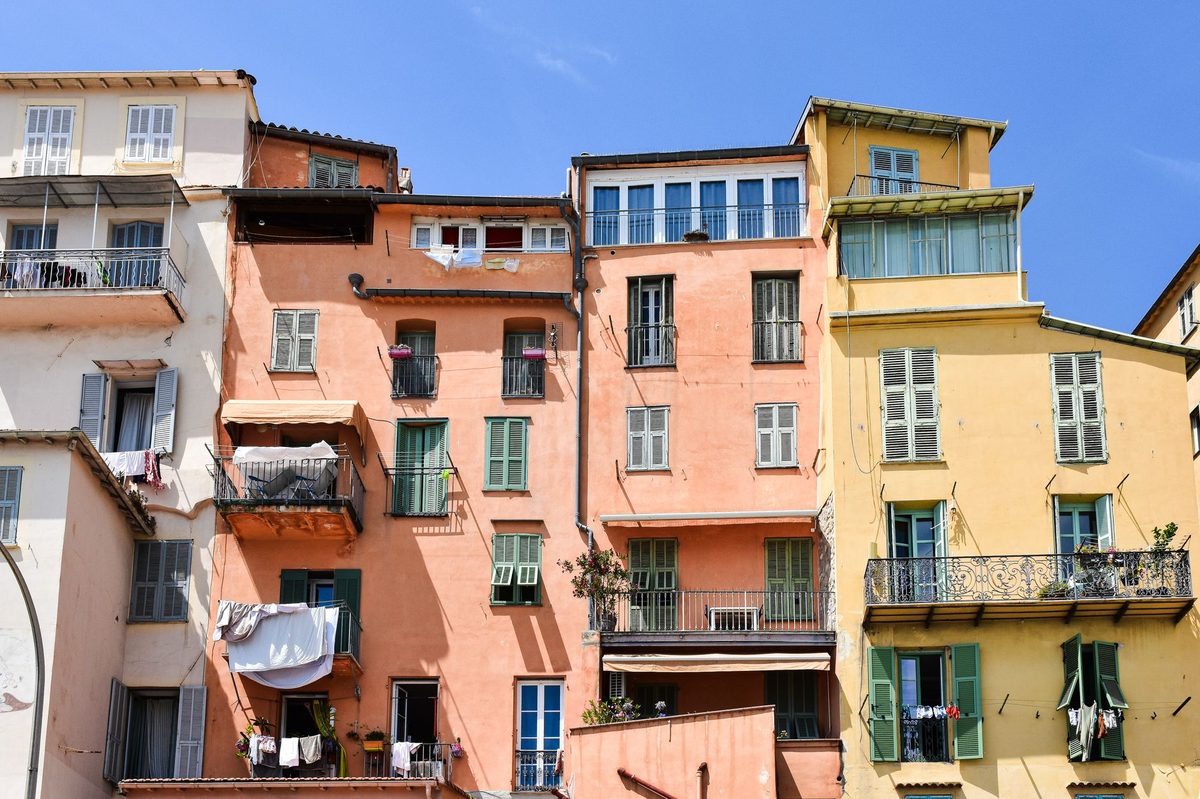
Carouge isn’t really Geneva, and that’s the whole point. The Sardinian-founded “Royal City” three kilometres south of the centre was built in the 1780s as a Catholic, Mediterranean-style commercial rival to Calvinist Geneva, and 240 years later you can still feel the original brief. Two-storey pastel buildings with shuttered windows on a grid of streets, an interior courtyard behind almost every doorway, a Place du Marche where a working market has run since 1786, the Italian, French, Lebanese and Sri Lankan restaurants that make it Geneva’s densest dining neighborhood per head, and the craft studios that earned it the “Greenwich Village of Geneva” tag. It is 12 minutes by tram 12 from the Old Town, but the trip across the Arve feels longer than the distance suggests.
This is the local’s 2026 guide to Carouge: the history that explains the Mediterranean architecture, the walking circuit worth doing (Place du Marche to Rue Saint-Joseph to Rue Ancienne to the courtyards), where to eat – covered in full in our Carouge restaurants guide – the 18th-century market, the artisan studios, and the one thing that really sets Carouge apart: it stays open and lively on Sundays, when central Geneva shuts down. It sits within the wider Geneva neighborhoods guide.
The 60-second plan
Take tram 12 from Place du Molard or Cornavin to Carouge-Marche, 12 minutes, and walk straight into Place du Marche, the central square. On a Wednesday or Saturday morning the market is the must-see. Walk Rue Saint-Joseph, the main shopping street, west toward Rue Ancienne, then push through the archways into the hidden interior courtyards. Lunch at Cafe du Marche or Il Salento, an afternoon coffee at Cafe Slim, then the tram back. Reckon on four to five hours for a relaxed Carouge half-day.
The history: why Carouge looks so different
Carouge’s odd character starts with King Victor-Amadeus III of Piedmont-Sardinia. In the late 18th century, the Kingdom of Sardinia, which then controlled most of north-western Italy and the western Alps, wanted a commercial rival to Geneva – a Catholic, Mediterranean-style town right on the Protestant city’s doorstep, designed to pull tradespeople and merchants out of the Genevan economy.
In 1786, Victor-Amadeus commissioned a new town on the south bank of the Arve. The 17-house hamlet of Carouge was rebuilt from scratch as a planned grid. Sardinian architects modelled it on Turin and Nice: regular blocks, two-storey buildings with shutters and balconies, an interior courtyard for each building in the classic Mediterranean pattern, a Catholic parish church, a central market square, and freedom of religion – radical for the period, and a deliberate lure for Jews, Protestants and other refugees from Catholic Sardinia.
It worked. Carouge grew fast through the 1790s, became a “Royal City” with its tolls abolished to encourage trade, and got its own town hall and parish church, Sainte-Croix. Catholic, multicultural, Mediterranean by design, and deliberately the opposite of Calvinist Geneva.
The Napoleonic Wars changed everything. Sardinia lost territory, Carouge was briefly French, and then in 1816, after the Congress of Vienna, it was folded into the Swiss canton of Geneva. The Sardinian period ended; the architecture stayed. Carouge has been part of the canton for 210 years now, but the grid, the courtyards, the shuttered buildings and the southern light still announce its non-Genevan origins.
Getting to Carouge
Tram 12 (recommended): the easiest route, running from Place du Molard or Cornavin to Carouge-Marche, or one stop further to Carouge-Tours for the southern edge – 12 minutes from the centre, and free with the Geneva Transport Card. Trams 17 and 18 also serve the area on different routings, but 12 is the most direct. The full network is in our Geneva public transport guide.
On foot: 25-30 minutes from Place du Molard via the Pont de Carouge, a pleasant walk through Plainpalais in good weather. By bike: about 15 minutes using the Geneve Roule free rentals, and Carouge has good bike infrastructure with several pickup points. By car: avoid it – the streets are narrow and restricted, and parking is limited and ticketed hard. Use the underground Parking de l’Octroi (CHF 4 an hour) if you must.
Place du Marche and the 240-year-old market
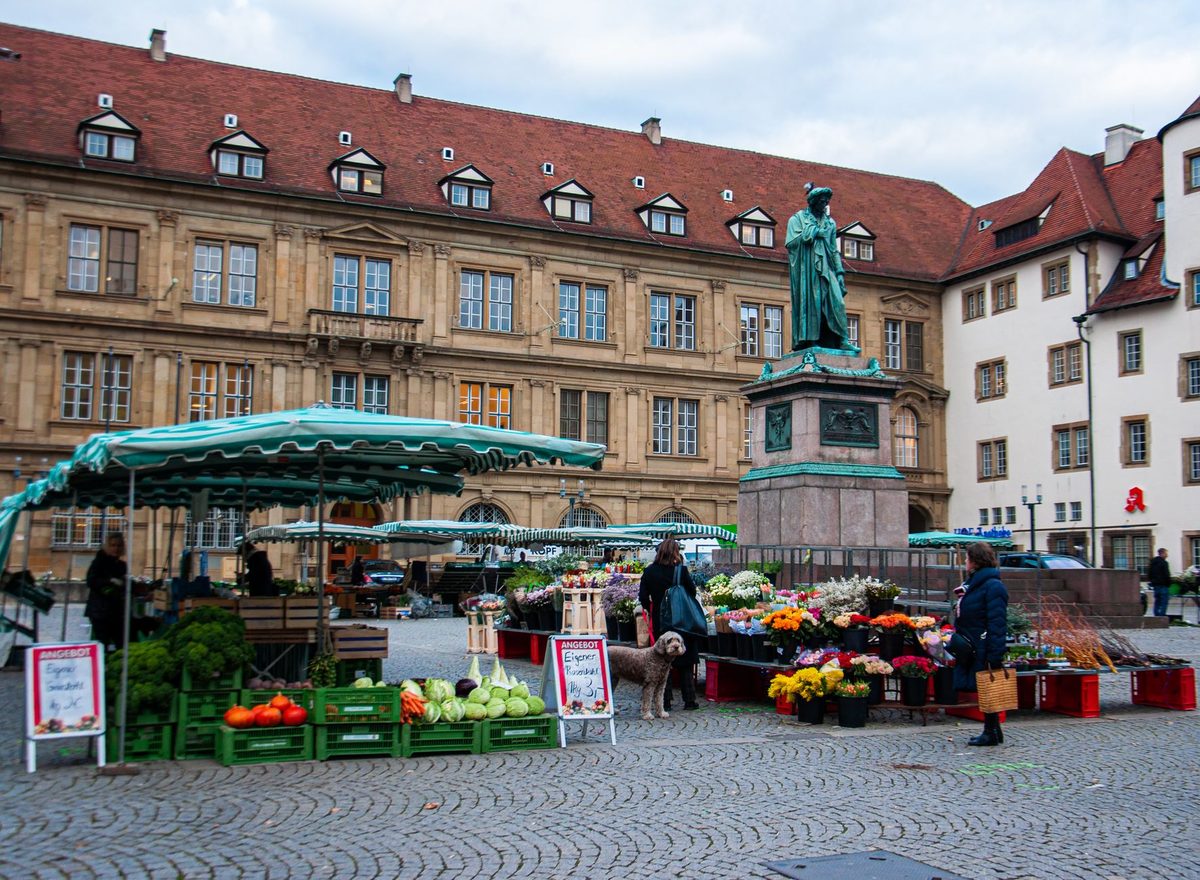
The heart of Carouge is a rectangular cobbled square ringed by 18th-century buildings with their shuttered facades – designed as the commercial centre of the planned Sardinian town, and still doing that job 240 years on.
The square has hosted a working market every Wednesday and Saturday morning since 1786, plus a smaller Thursday evening market from March to December. About 40 stalls sell produce, cheese, charcuterie, flowers, bread and honey, run by growers from across the canton and the French Haute-Savoie. It is smaller than the Plainpalais market but more atmospheric, and the producers are regulars who know their customers.
Wednesday market: 07:30-13:30, quieter and more local.
Saturday market: 06:00-14:00, the big weekly one and the social event of the week for many residents.
Thursday evening: 15:00-21:00 (March-December), smaller and focused on cooked and prepared food.
The terraces around the square are some of the best in the canton. Cafe du Marche is the signature brasserie, with a Genevois wine list and the local benchmark fondue; La Bourse is a quieter, cheaper alternative with the same fondue tradition; and Via Roma is a Roman trattoria on the square. The full picture is in our Carouge restaurants guide, and the market itself features in our Geneva food markets guide.
Rue Saint-Joseph and the shopping streets
Rue Saint-Joseph runs north to south through the centre, perpendicular to Place du Marche. It is the most-visited street in the neighbourhood and the spine of the artisan-and-boutique economy that made Carouge the Greenwich Village of Geneva.
What you will find: independent jewellery designers with genuinely original work; smaller, more accessible art galleries and print shops than the Quartier des Bains; a cluster of antique furniture and decorative-arts dealers; clothing boutiques carrying local designers and small European labels; general and specialist bookshops; and artisan food shops for cheese, charcuterie, chocolate and wine.
Other streets worth knowing: Rue Ancienne, parallel to Saint-Joseph, with lower-key boutiques and cafes; Rue Vautier, an east-west cross street with restaurants and shops; and Rue Jacques-Dalphin, north of the square, mixing restaurants and small shops. Hours are typically Tuesday to Saturday, 10:00-18:00. Saturdays are busiest, Tuesdays quietest.
The hidden courtyards
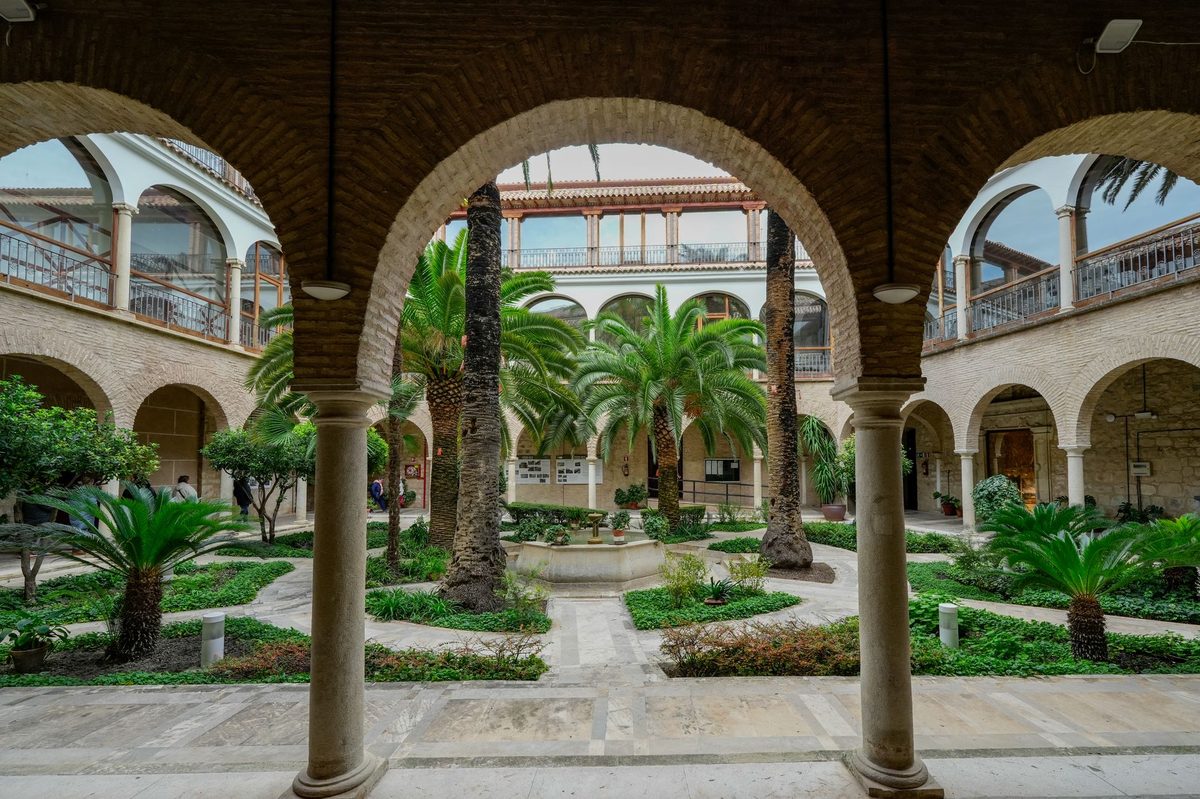
This is the single most distinctive thing about Carouge, and the one most visitors walk right past. Almost every block in the historic centre is built around an interior courtyard – a Mediterranean tradition where the real life of the building happens around an enclosed garden or paved space rather than facing the street.
Many are private, residents only, but several open off the public streets through small archways, especially during shop hours when boutiques on the inner courtyards have their doors open. Look for the Passage du Marche, with several small artisan workshops; the Cour de la Grenette, a historic courtyard near the square; and the various unmarked passageways along Rue Saint-Joseph and Rue Ancienne – push gently on the archway gates and many open onto restaurant terraces, planted gardens or just quiet stone paving.
The courtyards explain why Carouge’s street facades feel so flat: the architectural energy is on the inside. Spending an hour deliberately hunting for them is one of the more rewarding ways to walk the neighbourhood.
Where to eat and drink
Our detailed Carouge restaurants guide covers the full picture; here is the short version for this neighbourhood overview.
Lunch: Cafe du Marche for brasserie classics and the local plat du jour benchmark (CHF 22); La Bourse for a cheaper plat du jour and reliable fondue; Via Roma for Roman pasta and pizza; Il Salento for Pugliese-Italian with wood-fired pizza (CHF 18-24).
Dinner: Le Flacon, Carouge’s Michelin-starred restaurant, with tasting menus from CHF 145-220; La Huchette, a wood-fire meat bistro with a serious natural wine list; and Indian Rasoi, modern Indian fine dining and the highest-rated Carouge restaurant on TheFork.
Coffee and afternoon: Cafe Slim, the bohemian morning anchor with in-house roasted coffee; Guillaume Bichet, a championship pastry chef for chocolates and eclairs; and the Cafe du Marche terrace for apero on the square. For fondue specifically, see our best fondue in Geneva guide.
Artisans and workshops
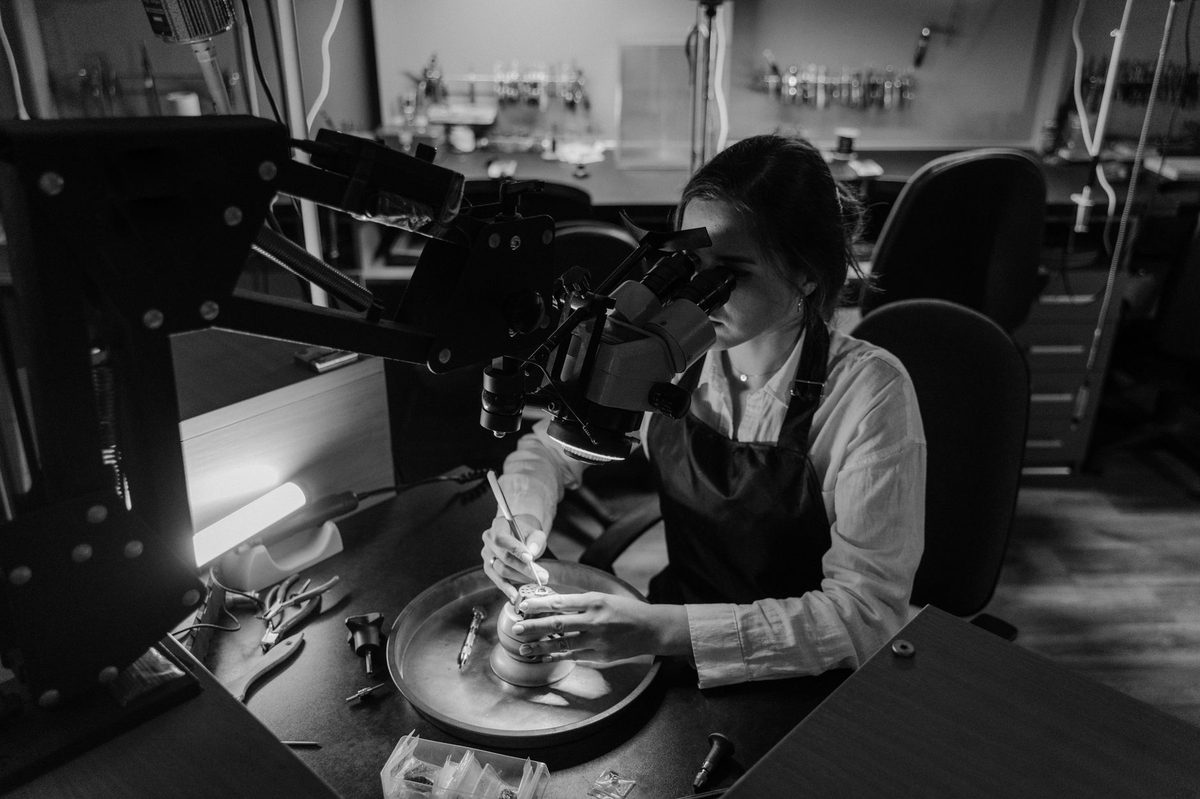
Part of Carouge’s modern identity is its concentration of working artisans – people who actually make things in workshops you can visit. Well-represented here:
- Jewellers – several independent designers with studios on Rue Saint-Joseph and Rue Ancienne, many working in silver, contemporary semi-precious stones, or unconventional materials.
- Bookbinders and paper artists – a small cluster of traditional bookbinders, with one shop on Rue Ancienne taking commission work.
- Ceramicists – several pottery studios with retail attached.
- Leatherworkers and shoemakers – the historic Sardinian crafts tradition carries on in a few traditional shoe and leather shops.
- Glass artists – at least one Carouge glass studio runs visitor demonstrations.
Most workshops keep normal shop hours, though some need an appointment for a proper visit. Look for the “Metiers d’Art Carouge” markings on the participating studios.
A Saturday in Carouge
This is my recommended full day, built around Saturday, when the market and the shopping streets are at their best.
09:30 – coffee at Cafe Slim, a small espresso and a croissant before the Saturday rush.
10:00 – the Place du Marche market. Walk the full circuit, buy a wedge of Reblochon or Tomme de Savoie from the affineur stall and bread from the Boulangerie Aiglon corner. CHF 20-30 of market shopping.
11:30 – Rue Saint-Joseph. Browse the jewellers, the bookshops and the antique dealers, 60-90 minutes.
13:00 – lunch at Cafe du Marche, plat du jour or fondue, on the terrace if it is sunny, about 75 minutes.
14:30 – the hidden courtyards. Push through the archways on Rue Ancienne and Saint-Joseph, about 45 minutes.
15:30 – Guillaume Bichet for chocolate or patisserie, CHF 6-10.
16:00 – a final stroll past the Eglise Sainte-Croix, the 1780s Catholic parish church of the Sardinian foundation, distinctly different from any Protestant church in the canton, then back to the tram.
16:30 – tram 12 back, and you are at Place du Molard by 16:45.
Carouge for different kinds of visitors
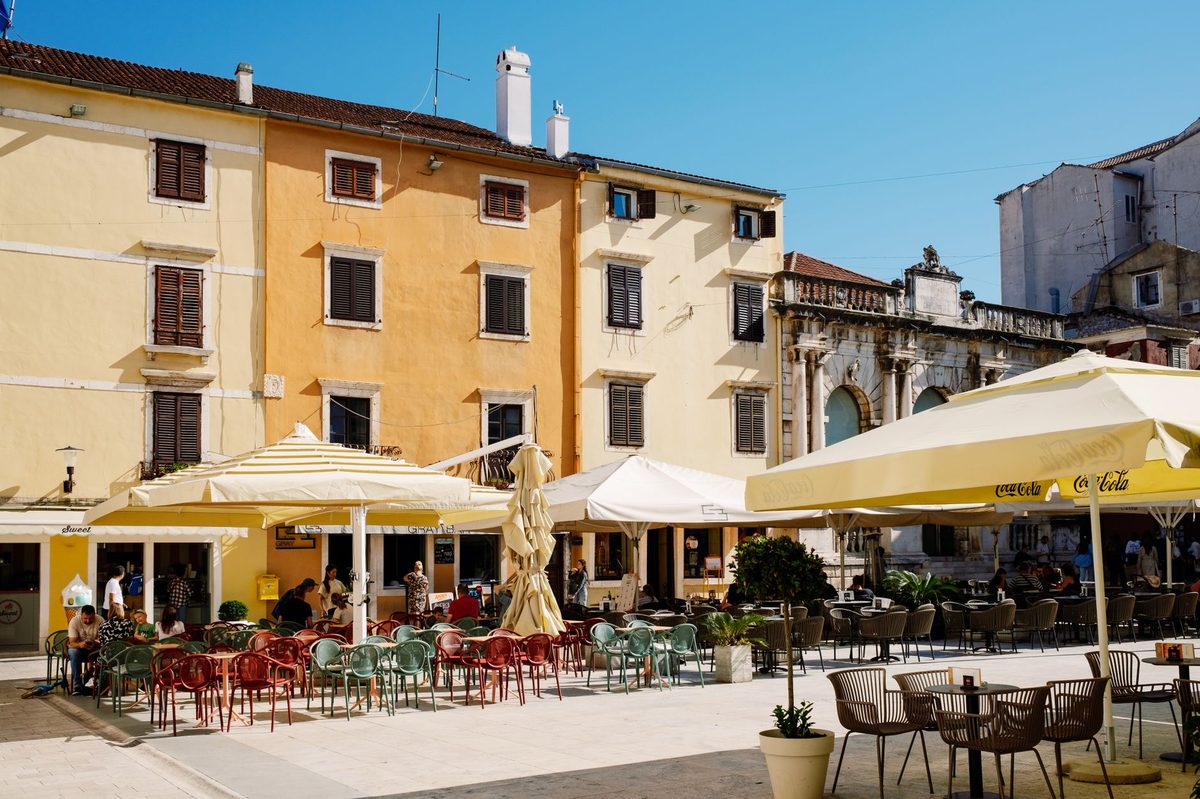
The neighbourhood works differently depending on your trip.
Couples on a romantic afternoon: Saturday market, lunch with wine on the Cafe du Marche terrace, a slow wander through the courtyards and shops, late coffee at Cafe Slim, and dinner at Le Flacon if you can book ahead – a day that genuinely feels different from central Geneva.
Families with children: the small scale and lack of traffic make Carouge easier with kids than the centre. The market is engaging, Vicolo 39 has a kids’ menu and courtyard seating, and the small park behind Place du Marche works for a break.
Shoppers and the design-curious: Rue Saint-Joseph and Rue Ancienne give you three or four hours of independent browsing, and the artisan workshops are the real differentiator from any other Swiss shopping street.
Food-focused visitors: the market on Wednesday and Saturday, the dense restaurant scene and the food shops together make Carouge the canton’s best food-tourism neighbourhood. Pair a market morning with a multi-stop lunch.
Budget travellers: prices run 15-25 percent below the centre for equivalent quality. A plat du jour at La Bourse or Cafe du Marche (CHF 22), a bakery sandwich (CHF 6-9), and a coffee on the square (CHF 4-5) get you the same urban density for less.
Carouge at night
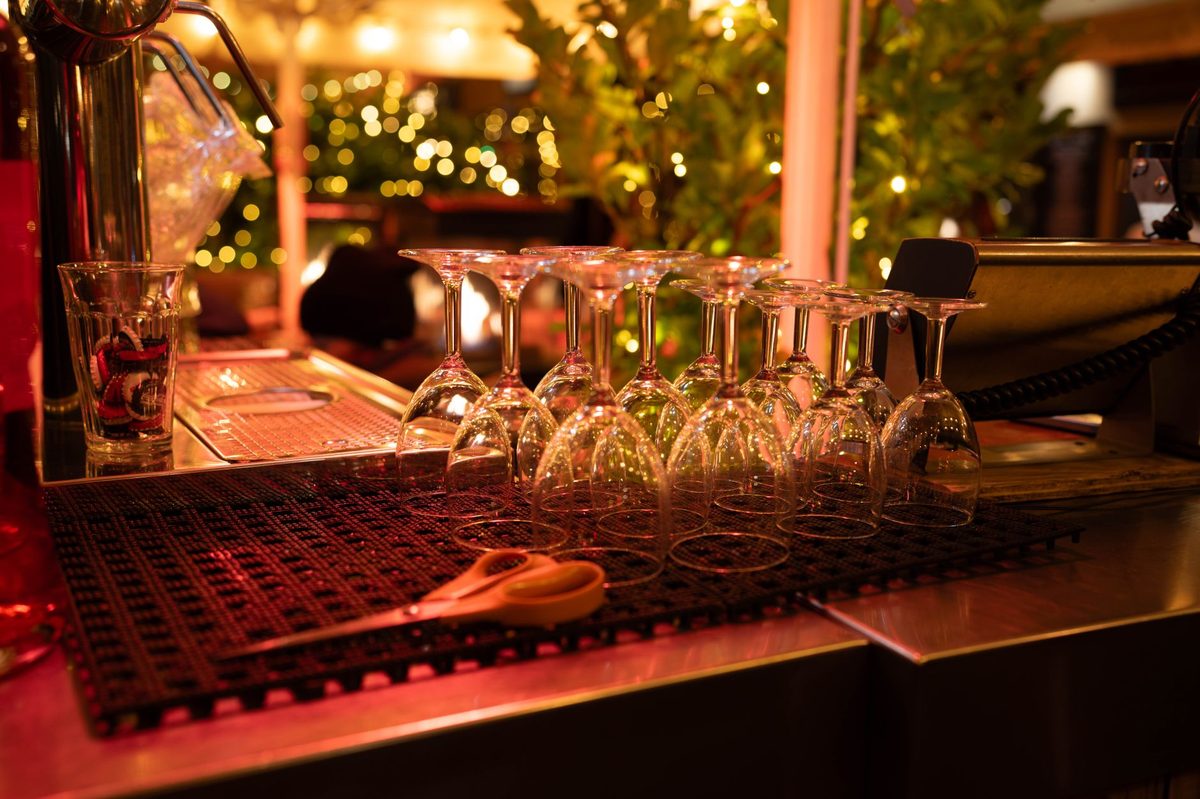
One thing really stands out: Carouge stays alive much later than central Geneva. The bar and restaurant scene runs into the night in a way the more buttoned-down Old Town does not. The Place du Marche terraces fill with locals on warm summer evenings, the wine bars on Rue Ancienne and Rue Jacques-Dalphin pour past 23:00, and the small side-street bars stay open to 01:00 or later at weekends.
Worth knowing if you are based in the centre and find the evenings flatter than expected – tram 12 runs until midnight, and the Noctambus night service covers Carouge on Friday and Saturday nights. For the full picture, see our Geneva neighborhoods guide.
Frequently asked questions
Is Carouge worth visiting?
Yes. It is one of the most distinctive neighbourhoods in the canton, with architecture, food and history that set it sharply apart from central Geneva, and the 12-minute tram ride is genuinely worth it.
What is the best day to visit Carouge?
Saturday morning for the market (06:00-14:00) and the shopping streets at their busiest. Wednesday morning is a quieter market alternative, and Sundays Carouge is unusually lively for Geneva, with most restaurants and many shops open.
How do I get to Carouge from Geneva?
Take tram 12 from Place du Molard or Cornavin to Carouge-Marche, 12 minutes, and free with the Geneva Transport Card.
Is Carouge actually part of Geneva?
Carouge is its own municipality within the canton, officially the Ville de Carouge – not part of the city of Geneva proper, but adjacent and effectively functioning as a Geneva neighbourhood. The distinction does not affect visitors.
What is the Sardinian connection?
Carouge was founded in the 1780s by King Victor-Amadeus III of Piedmont-Sardinia as a planned commercial rival to Calvinist Geneva. The Mediterranean grid, the pastel architecture, the interior courtyards and the religious tolerance were all deliberate. Carouge became Swiss in 1816 after the Napoleonic Wars.
Is Carouge expensive?
Restaurant prices typically run 15-25 percent below central Geneva for equivalent quality, with noticeably less markup on wine. Shopping is comparable to the centre or slightly lower for artisan goods.
Related Geneva guides
Keep exploring with the Geneva neighborhoods guide, our Carouge restaurants and Geneva food markets guides, the city-wide things to do in Geneva, where to stay in Geneva, and the Geneva trip planner.
Carouge is the easiest day-trip-within-Geneva you can take – 12 minutes by tram into a neighbourhood that announces itself, in architecture and atmosphere, as fundamentally Mediterranean rather than Swiss. Walk the Saturday market. Push through the archways into the hidden courtyards. Lunch on Place du Marche. Have a coffee at Cafe Slim. And remember that this place was built specifically to be different from Geneva, and remains, 240 years later, exactly that.