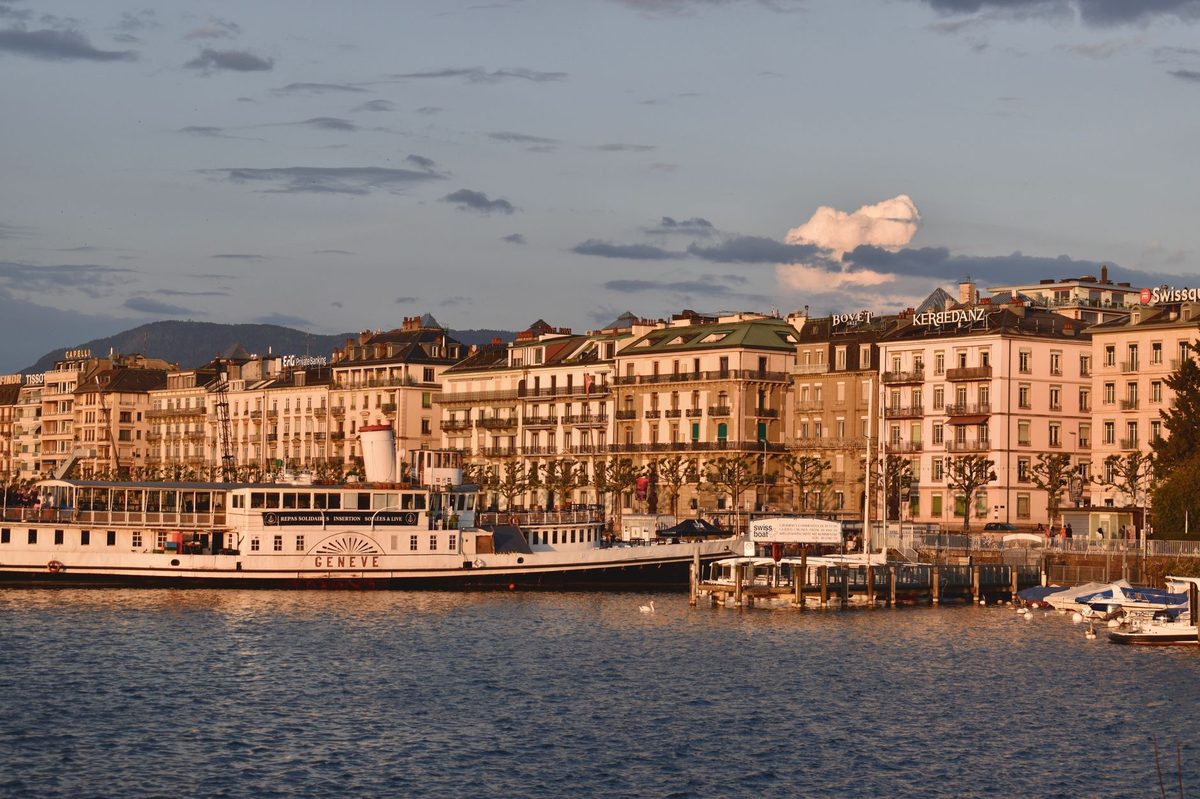
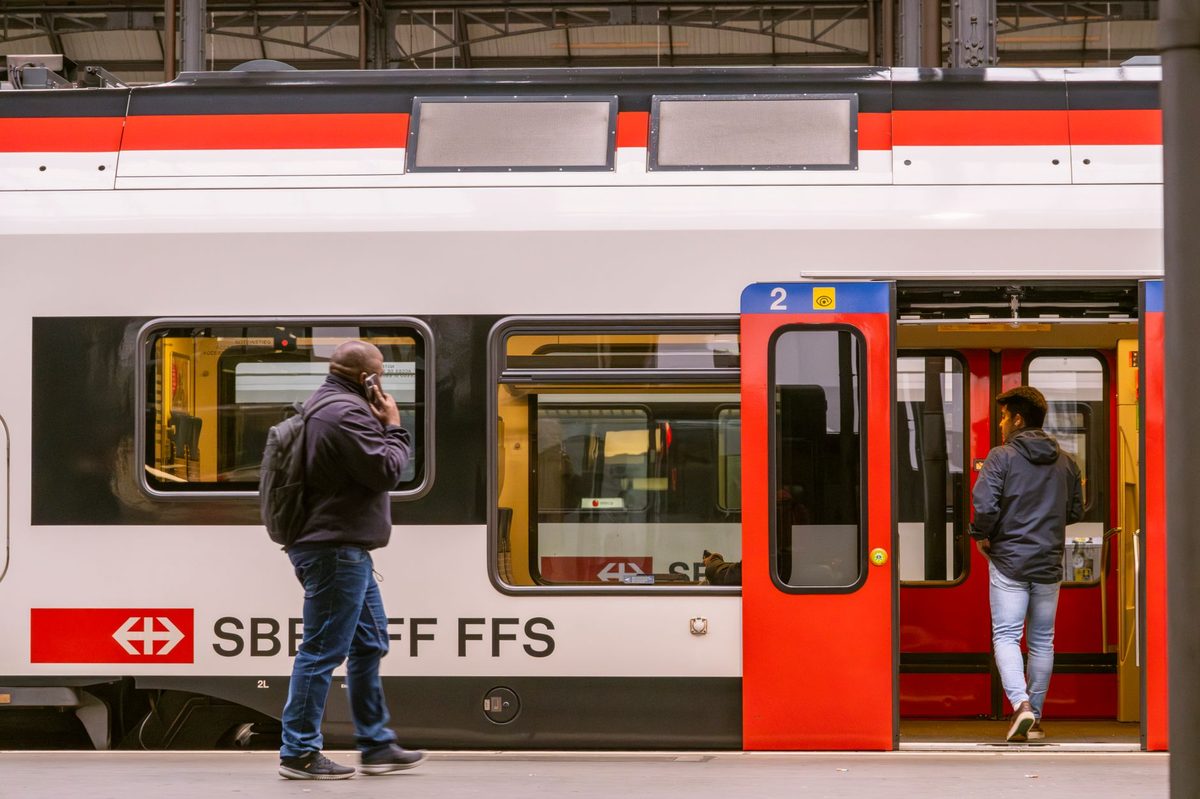
Here is the part most visitors miss: in Geneva, public transport is free for the whole stay if you sleep in a hotel. The TPG network (trams, buses, trolleybuses), the SBB suburban trains, and the bright yellow “Mouettes” water taxis that cross the harbour all run on one ticket and one fare zone (Zone 10 covers almost everything you will do), and every overnight guest gets a free Geneva Transport Card at check-in, good for the length of the stay. It is the most generous tourist transport deal I have come across in Europe.
This is our full 2026 guide to Geneva public transport: every tram line (12, 14, 15, 18, plus the new cross-border 17 arriving in 2026), the bus network, the four Mouettes routes, how Unireso ticketing actually works, the app to install, and a set of “I am staying at X, how do I reach Y” routes for the trips visitors make most. Pair it with the Geneva Transport Card guide and, if you are arriving by air, the airport to city center guide.
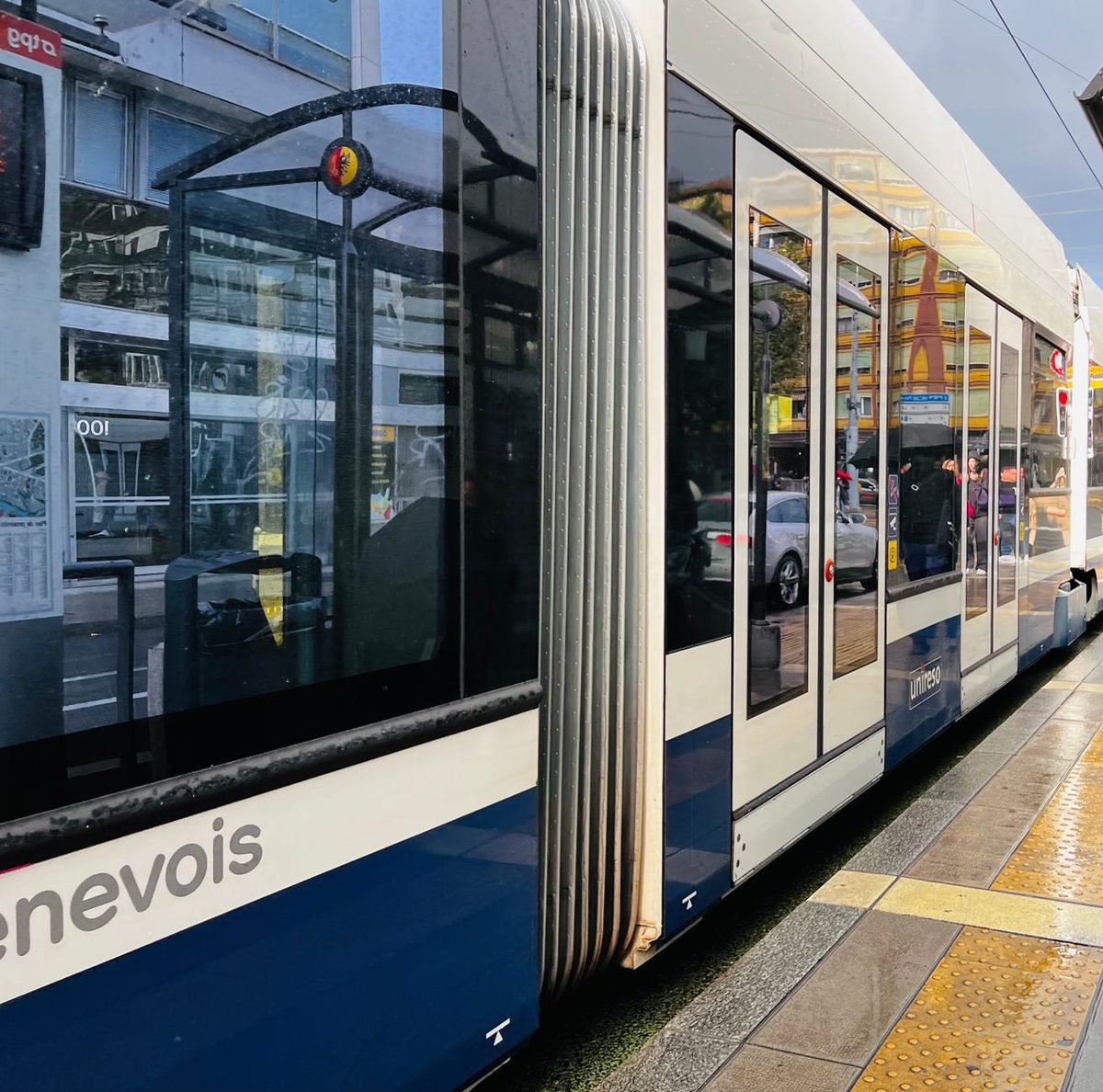
Table of Contents
Geneva Public Transport at a Glance
One agency, TPG (Transports Publics Genevois), runs the trams, buses, and trolleybuses. The same Unireso ticket is also good on the suburban SBB trains, the local Leman Express commuter railway, and the Mouettes water taxis. The whole network is integrated under the Unireso fare community, so a single CHF 3 ticket lets you switch between modes for 60 minutes.
The headline numbers visitors care about:
- Single ticket (Zone 10): CHF 3, valid 60 minutes, all modes.
- Day pass (Zone 10): CHF 10, all modes, all day.
- Geneva Transport Card: free for every overnight hotel guest, valid for the entire stay, covers airport-to-hotel and all later transport.
- Operating hours: roughly 05:00 to 00:30 daily, with reduced night service on Fridays and Saturdays.
- Average wait: 6-12 minutes at peak, 12-20 minutes off-peak.
Zones & Tickets Explained
Unireso splits the Geneva region into concentric zones, but as a visitor you will almost certainly stay inside Zone 10, Tout Geneve, which covers the entire city, Carouge, the surrounding municipalities, and the airport. Everything here assumes Zone 10 unless noted. The other zones only matter if you head to French-side destinations (Annemasse, Saint-Julien) or into Vaud canton (Nyon).
Ticket types (2026 prices)
| Ticket | Price | Valid for |
|---|---|---|
| Single ride (60 min) | CHF 3.00 | One trip + connections within 60 min |
| Short trip (30 min, 3 stops max) | CHF 2.00 | Quick hop only |
| Day pass (Tout Geneve) | CHF 10.00 | Unlimited rides in Zone 10 |
| Day pass 9am+ (Tout Geneve) | CHF 8.00 | Off-peak, after 09:00 |
| Day pass Junior (6-24 yo) | CHF 8.00 | Children & students |
| Multi-day passes | CHF varies | 3-day / week available |
| Geneva Transport Card | Free | Hotel guests, full stay |
Where to buy
Vending machines sit at every tram, bus, and train stop and take cash (coins only) and credit or debit cards. The TPG mobile app (iOS and Android) sells the same tickets, validates them digitally, and shows live arrivals. SBB Mobile sells the same Unireso ticket and is the better app if you plan to combine Geneva public transport with onward rail.
You must buy before boarding. There are no ticket sellers on board. Spot checks are frequent, and the fine for travelling without a valid ticket is CHF 100 (first offence) plus the cost of the ticket. Inspectors do not accept “I did not know” as a defence, and every stop has a machine.
The Tram Network
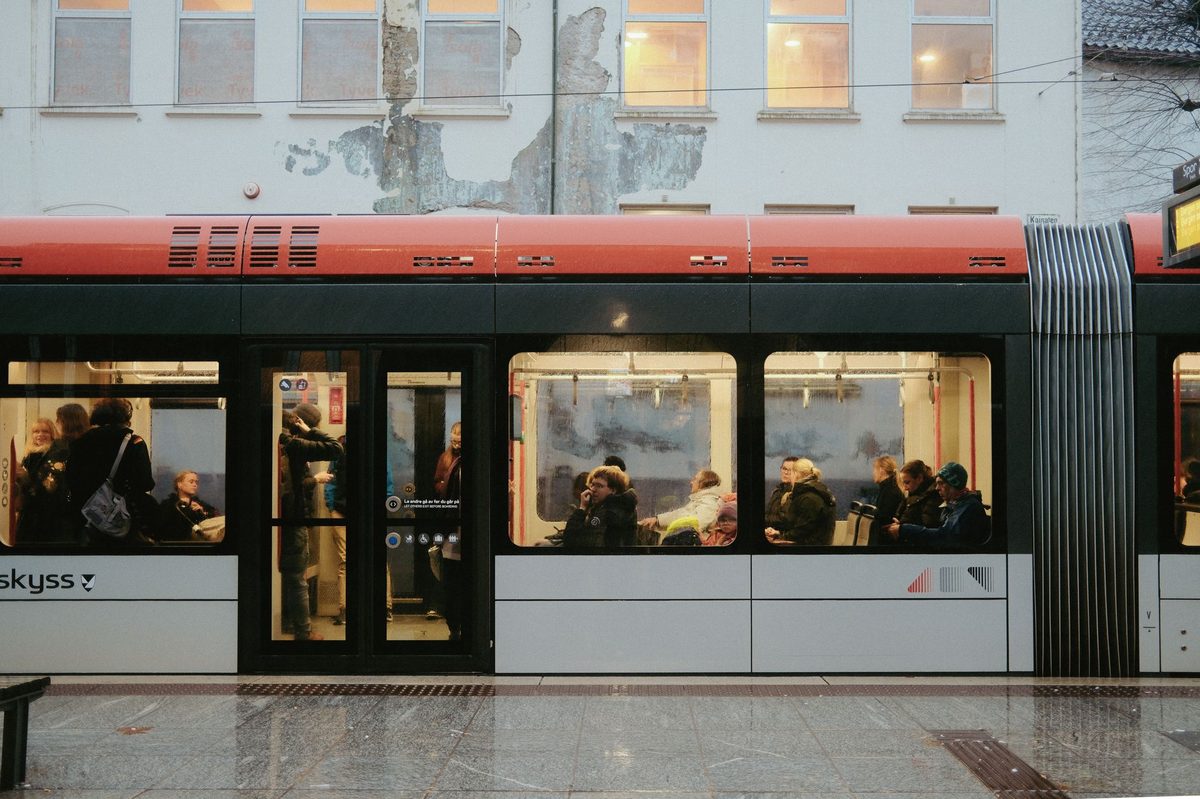
Geneva has five tram lines as of 2026: four established lines (12, 14, 15, 18) plus the new cross-border line 17 to Annemasse in France, commissioned in 2026, which makes Geneva one of only a handful of cities anywhere with an international tram service.
Line 12, Bachet to Moillesulaz (via centre)
The longest and most-used tram line in Geneva. It runs from Bachet (south) through the centre (Bel-Air, Rive, Eaux-Vives, Augustins) to Moillesulaz on the French border. Key visitor stops: Cornavin, Bel-Air, Rive, Carouge-Marche. The Carouge service alone earns the line its keep: 12 minutes from Place du Molard to Carouge.
Line 14, Meyrin-Graviere to Bernex-Vailly
Cross-city east-west line. Useful for Plainpalais and for crossing to the western suburbs, where some sports facilities and the convention centre sit. Stops at Plainpalais, Cornavin, Lyon.
Line 15, Nations to Cornavin (some services extending south)
The UN-and-Botanical-Gardens line. It connects Cornavin to the Place des Nations and the diplomatic quarter, and it is the one for the Palais des Nations, the Red Cross Museum, and the Botanical Gardens.
Line 17, Lancy-Pont-Rouge to Annemasse (France)
The newest line, commissioning in 2026. It runs from the Lancy-Pont-Rouge SBB station, through central Geneva, to Annemasse in France, the first international tram line linking Switzerland and France. Worth riding once just for the cross-border novelty.
Line 18, CERN to Augustins (via centre)
Connects CERN, the particle-physics laboratory in Meyrin, to central Geneva via Cornavin and Plainpalais. If you are heading to the Microcosm exhibition or the Globe of Science, take this tram from Cornavin to the Meyrin terminus, about 25 minutes.
Buses & Trolleybuses
The TPG bus network covers everywhere the trams do not. There are over 60 day lines plus the night services. The most useful for visitors:
- Bus 1: Hopital to Petit-Lancy via Plainpalais and Bel-Air. Good for the southern centre.
- Bus 5: Airport to Hopital via Cornavin and the centre. The airport bus alternative to the train.
- Bus 6: Veyrier to Vernier (cross-city). Useful for the eastern suburbs.
- Bus 8: OMS to Veyrier-Douane via the centre. Stops near Place du Bourg-de-Four, handy for Old Town hotels.
- Bus 10: Aeroport to Plateau-de-Bel-Air. The airport-to-UN-corridor option.
- Bus E: Bachet to Veigy-Douane (express to the French border).
Bus stops show a flag-style sign with the route numbers and a live-arrival display. Most stops have shelters, and all have ticket machines.
Mouettes, Geneva’s Yellow Water Taxis
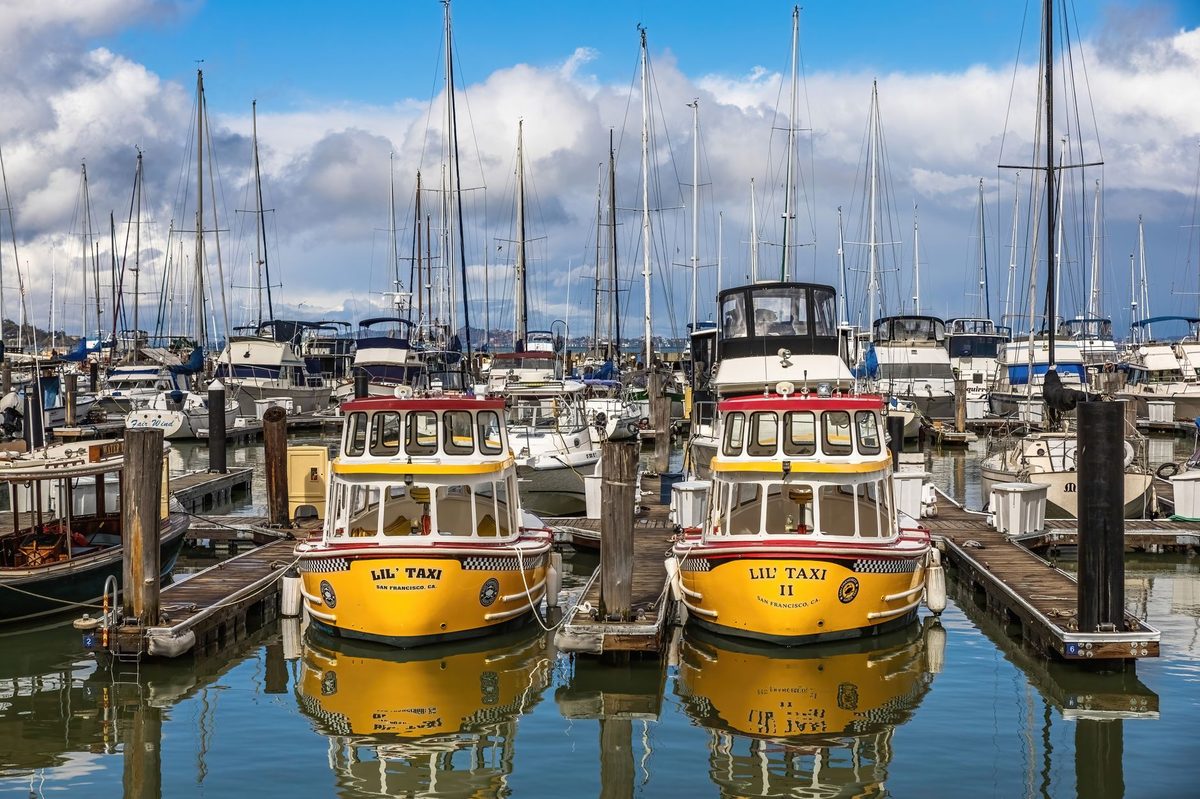
The most charming way to get around Geneva is by Mouette (literally “seagull”), the bright yellow water taxis that cross the harbour between the right and left banks every 10 minutes. The same CHF 3 Unireso ticket, or your Geneva Transport Card, covers them. Crossings take 5-7 minutes and give you the best 30-second view of the Jet d’Eau you will get from the water.
The four Mouette lines (M1, M2, M3, M4)
- M1, Paquis to Molard. The signature crossing, right-bank lakefront to Place du Molard. 7 minutes.
- M2, Paquis to Eaux-Vives. Right bank to the Eaux-Vives marina. 8 minutes.
- M3, Paquis to Geneve-Plage. Right bank to the public bath complex on the left bank. 7 minutes, busy in summer.
- M4, De-Chateaubriand to Geneve-Plage. Right-bank quai north of Paquis to Geneve-Plage.
Operating hours: 07:30 to roughly 21:00 in summer (Apr to Oct), shorter in winter. The M3 line in summer is the busiest route and runs every 5-10 minutes from late morning into the evening.
My tip: even with no reason to cross the harbour, take a Mouette once on a sunny morning. CHF 3 or free, 7 minutes, and you get the Jet d’Eau, Mont-Blanc on a clear day, and the Old Town skyline from an angle most visitors never see.
SBB Suburban Trains (Leman Express)
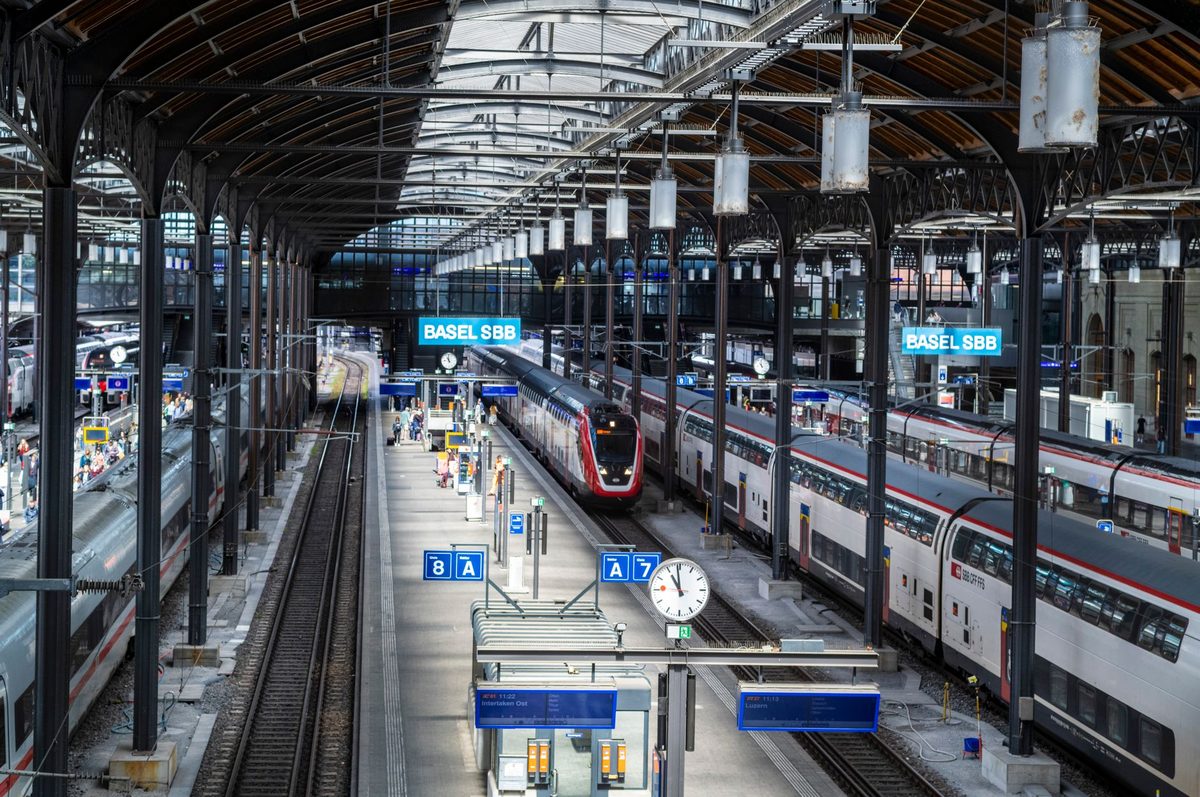
Geneva’s suburban rail network, the Leman Express, launched in 2019, is the often-overlooked tool for visitors heading to lakeside towns or French-side day trips. Six lines (L1 to L6) radiate from Cornavin and the underground Geneve-Eaux-Vives station, linking Geneva to:
- Coppet, Nyon, Versoix (Vaud, the lake’s right bank toward Lausanne)
- Annemasse, Saint-Gervais, Evian, Annecy (France)
- Bellegarde (France, the high-speed rail entry point)
Within Zone 10 the same Unireso ticket applies; for cross-zone travel an upgrade fare kicks in. The Leman Express is the fastest way from central Geneva to a French-side day trip (Annecy in about 50 minutes via Leman Express plus a connection). For the lakeside towns, the day trips from Geneva guide maps out the options.
Night Service & Frequency
Most day services run 05:00 to 00:30. On Friday and Saturday nights, the Noctambus service runs from 00:00 to 04:30 out of Bel-Air and Rive, covering 15-plus city and suburb destinations every 30-60 minutes, same CHF 3 fare. Outside Noctambus hours, a taxi is the only option.
Frequency rules of thumb:
- Trams in the centre: every 6-10 minutes at peak, 10-15 off-peak.
- Main bus lines: every 8-15 minutes at peak, 15-20 off-peak.
- Mouettes: every 10 minutes on a summer day, 15-20 in winter or off-peak.
- SBB Leman Express: every 10-30 minutes depending on the line.
TPG App & SBB Mobile
TPG Preferences app (iOS, Android, free): real-time arrivals for every TPG stop, ticket purchase, a journey planner, and line maps. The single most useful app for any Geneva visitor, so install it before you arrive.
SBB Mobile (iOS, Android, free): the Swiss Federal Railways app. It sells Unireso tickets, all SBB tickets, and regional and international rail, with the same TPG live data plus the full Swiss network. The pick if you will combine Geneva public transport with onward Swiss travel.
Google Maps and Apple Maps both pull TPG real-time data and are reliable for visitor journey planning.
Common Visitor Routes
Cornavin to Old Town (Place du Bourg-de-Four)
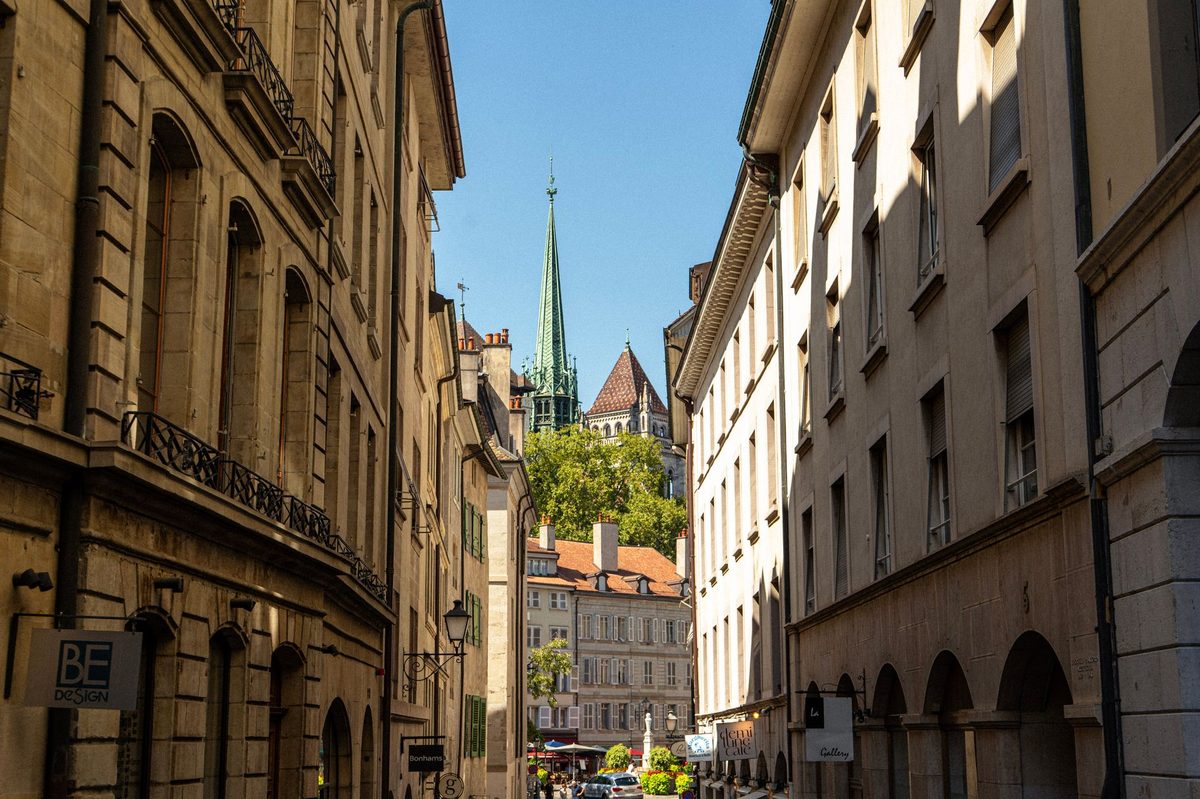
Walking: 15 minutes along Rue du Mont-Blanc and the Pont du Mont-Blanc. Or tram 12 from Cornavin to Bel-Air (3 min), then a 5-minute uphill walk.
Cornavin to Carouge (Place du Marche)
Tram 12 direct from Cornavin to Carouge-Marche, 12 minutes, every 6-8 minutes.
Cornavin to Plainpalais Market
Tram 15 from Cornavin to Plainpalais, 6 minutes.
Cornavin to UN / Palais des Nations
Tram 15 north from Cornavin to “Nations”, 7 minutes. Or bus 8 / bus F for hotels in Paquis.
Cornavin to Eaux-Vives
Tram 12 from Cornavin to “Rive” or “Eaux-Vives”, 8-12 minutes. Or bus 7 or 9 along the lake.
Cornavin to CERN (Meyrin)
Tram 18 direct to the terminus, 22 minutes.
Cornavin to the Airport
Train under the station, 6 minutes, from platform 7 or 8. See our airport transfer guide.
Right bank to Old Town (via Mouette)
Mouette M1 from the Paquis quay to Molard, 7 minutes, every 10 minutes. Then a 5-minute uphill walk to the Bourg-de-Four.
Old Town to Geneve-Plage (the public lake baths)
In summer: tram 12 to Rive, then Mouette M3 to Geneve-Plage. 20 minutes total, and scenic. In winter: bus 9 direct from Rive.
Practical Tips & Etiquette
Validate your ticket or save it on the app. Paper tickets from the machine come pre-validated; mobile tickets activate at purchase. Keep them handy, because inspectors run random checks.
Boarding: doors open with a press button, not automatically. Inside, hold the rail, because Geneva drivers brake decisively.
Priority seating: the blue-marked seats are for the elderly, pregnant passengers, those with reduced mobility, and parents with infants. Give up your seat if asked.
Quiet by default. Swiss transport is quieter than London or Paris, and speaker-phone calls are unwelcome. Conversation at normal volume is fine.
Bikes: most trams take folding bikes for free at all times and full-size bikes outside peak hours. Buses: folding only. Mouettes: bikes allowed with a CHF 2 extra ticket. For two wheels of your own, see biking in Geneva.
Luggage: allowed on all services; large bags go in the racks at the ends of trams and buses.
Pets: small pets in carriers travel free; larger dogs need a half-fare ticket.
Strollers: all low-floor trams and buses take them, with dedicated wheelchair and stroller spaces in the middle of the vehicle.
Money-Saving Tips for Geneva Transport
If you are not staying at a Geneva hotel and do not have the free Transport Card, a few small habits cut the bill noticeably:
- Use the 30-minute short-trip ticket (CHF 2) for hops of three stops or less. A CHF 1 saving per trip adds up across a day, and it is on every vending machine.
- The 9am day pass (CHF 8) is CHF 2 cheaper than the standard day pass and valid all day after 09:00. If your day starts late, take this one.
- Buy a weekly pass rather than daily tickets for a full week: the 7-day pass works out to about CHF 6 a day versus CHF 10 for dailies.
- SBB Saver Day Pass: an SBB-issued day pass covering all Swiss public transport for a day, often discounted via SBB Mobile to around CHF 39 for travel beyond Geneva.
- Children under 6 travel free with an adult; 6 to 24-year-olds pay the junior fare. The Family Card (free for SBB Half-Fare cardholders) extends free travel to children under 16.
- Combine modes: use the Mouettes (free with the Transport Card) for harbour crossings instead of walking the long way round. Free, and the city’s best photo stop.
If you are weighing a national pass instead, the Swiss Travel Pass for Geneva and the Geneva Pass vs Swiss Travel Pass comparison both lay out the math.
Accessibility & Mobility
Geneva’s transport is among the most accessible in Europe. All trams are low-floor with wheelchair ramps; most bus routes use low-floor vehicles; Cornavin station and the airport platform are fully step-free; and the major Mouettes piers have ramps. For travellers with mobility impairments, TPG runs a free accompanied-travel service (Service Accompagnement) on request: call 0800 808 091 at least 48 hours ahead. Wheelchair-accessible taxis are bookable through Centrale Taxi Phone (022 331 41 33), usually a 5-10 franc supplement.
Audio announcements at every stop and visual displays at most are bilingual French and English on tourist routes, and the TPG app offers full screen-reader support.
FAQ: Geneva Public Transport
Is public transport free in Geneva?
For overnight hotel guests, yes. The Geneva Transport Card issued at check-in covers all TPG trams, buses, trolleybuses, Mouettes water taxis, and SBB suburban trains in Zone 10 for the whole stay. For non-overnight visitors, a single ticket is CHF 3 and a day pass is CHF 10.
How do I pay for Geneva public transport?
Buy from a vending machine at any stop (cash or card), or use the TPG Preferences app or SBB Mobile. You must buy before boarding, as there are no on-board sales.
How many tram lines does Geneva have?
Five as of 2026: lines 12, 14, 15, 17 (the new cross-border line to Annemasse), and 18.
What are the yellow boats in Geneva?
The Mouettes, Geneva’s water taxis. Four lines cross the harbour every 10 minutes on the same CHF 3 ticket as the trams and buses.
How late does Geneva public transport run?
Most services run 05:00 to 00:30. On Friday and Saturday nights the Noctambus night buses run 00:00 to 04:30 from Bel-Air and Rive.
Is the Geneva Transport Card the same as the Swiss Travel Pass?
No. The Geneva Transport Card is free for hotel guests and covers Zone 10 only. The Swiss Travel Pass is a paid national pass covering most of Switzerland. See our Swiss Travel Pass guide for whether it pays off on a Geneva trip.
Official Sources & Further Reading
- TPG, Geneva Public Transport (official site)
- Unireso, Tickets & Zone Map
- Mouettes Genevoises (official site)
- Leman Express, Suburban Rail
- Geneva Tourism, Getting Around
Related Geneva Guides
Keep planning with the getting to and around Geneva pillar, the Geneva airport to city center guide, the Geneva Transport Card explained, biking in Geneva, and the one day in Geneva itinerary. If you would rather drive, compare it with renting a car in Geneva.
Geneva’s public transport is the easiest of any European city its size: one ticket, one zone, free for almost every visitor. Pick up your Transport Card at the airport or at check-in, install the TPG app, and you will move from the Old Town to Carouge, the UN to the lake baths, the airport to the centre, without paying a franc more than your hotel bill. The Mouettes alone are worth the trip.