Five days is the sweet spot for Geneva. A weekend gets you the Old Town, the Jet d’Eau and a fondue, then leaves you on the train wishing you had more. A Geneva 5-day itinerary fixes that: two days for the city itself, two or three day trips out to Chamonix, Montreux, Lausanne or Annecy, and a slow day for the parts of town that the rushed crowd never reaches. This is the version of Geneva that locals actually show their visiting friends.
Below is a day-by-day plan you can run almost as-is, plus add-ons for a sixth and seventh day. It leans on walking and the free hotel transport card, and it works in any season as long as you save the mountains for clear weather. If you only have a long weekend instead, start with the Geneva 3-day itinerary; if you are still mapping out the city, the things to do in Geneva guide is the master list this plan draws from.
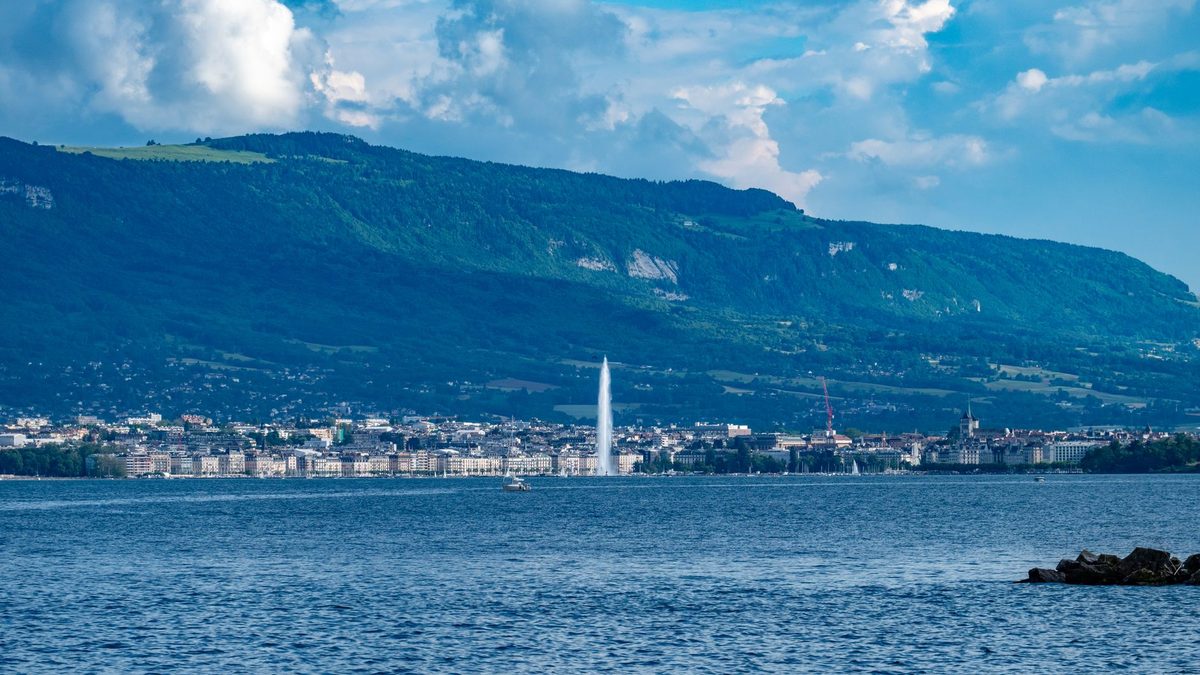
The 5-day plan at a glance
Here is the shape of the week before we get into the hour-by-hour. The logic is simple: never do two day trips back to back, and keep the weather-dependent stuff flexible.
| Day | Focus | The short version |
|---|---|---|
| Day 1 | City core, south of the lake | Old Town, St-Pierre Cathedral, Jet d’Eau, fondue dinner |
| Day 2 | International Geneva | Paquis breakfast, UN or Red Cross Museum, Botanical Gardens, lakefront |
| Day 3 | Day trip: Chamonix | Aiguille du Midi cable car to 3,842 m under Mont Blanc |
| Day 4 | Carouge and watchmaking | Slow morning, Carouge market, Patek Philippe Museum, hammam |
| Day 5 | Day trip: Lausanne + Lavaux | Olympic capital, then walking the UNESCO vineyards |
Got six days? Add Montreux and the Chateau de Chillon. Got a full week? Add a half-day on Mont Saleve or a ferry to Yvoire. I have laid those out further down.
Day 1: The city core, south of the lake
Spend your first day on foot in the historic heart of the city, the same ground covered hour-by-hour in the one day in Geneva guide. Start with a lakefront breakfast, then walk out along the jetty to the foot of the Jet d’Eau, the 140-metre water plume that is the city’s calling card. From there it is a short climb into the Old Town.
Give the Old Town the whole morning. Climb the tower of St-Pierre Cathedral for the best free-ish view in the city, poke around Maison Tavel (the oldest house in Geneva, and a free museum), and have a coffee on Place du Bourg-de-Four, the prettiest square in town. For lunch, Cafe Papon or Les Armures both do the job. In the afternoon, walk to the Reformation Wall in the Parc des Bastions and the Promenade de la Treille with its absurdly long wooden bench.
Late afternoon, catch one of the little yellow Mouettes harbour shuttles across the water and walk the lakefront to the Bains des Paquis, the public bathing pier where the whole city goes to swim and drink. Have your aperitif there, then stay for a cheese fondue at the Buvette des Bains or, in the Old Town, at Edelweiss. For more on the headline sights, the best Geneva attractions guide ranks them honestly.
Day 2: International Geneva
Day 2 heads north into the diplomatic quarter, the reason Geneva punches so far above its size. The full version lives in the Geneva 2-day itinerary; the highlights below are the spine of it.
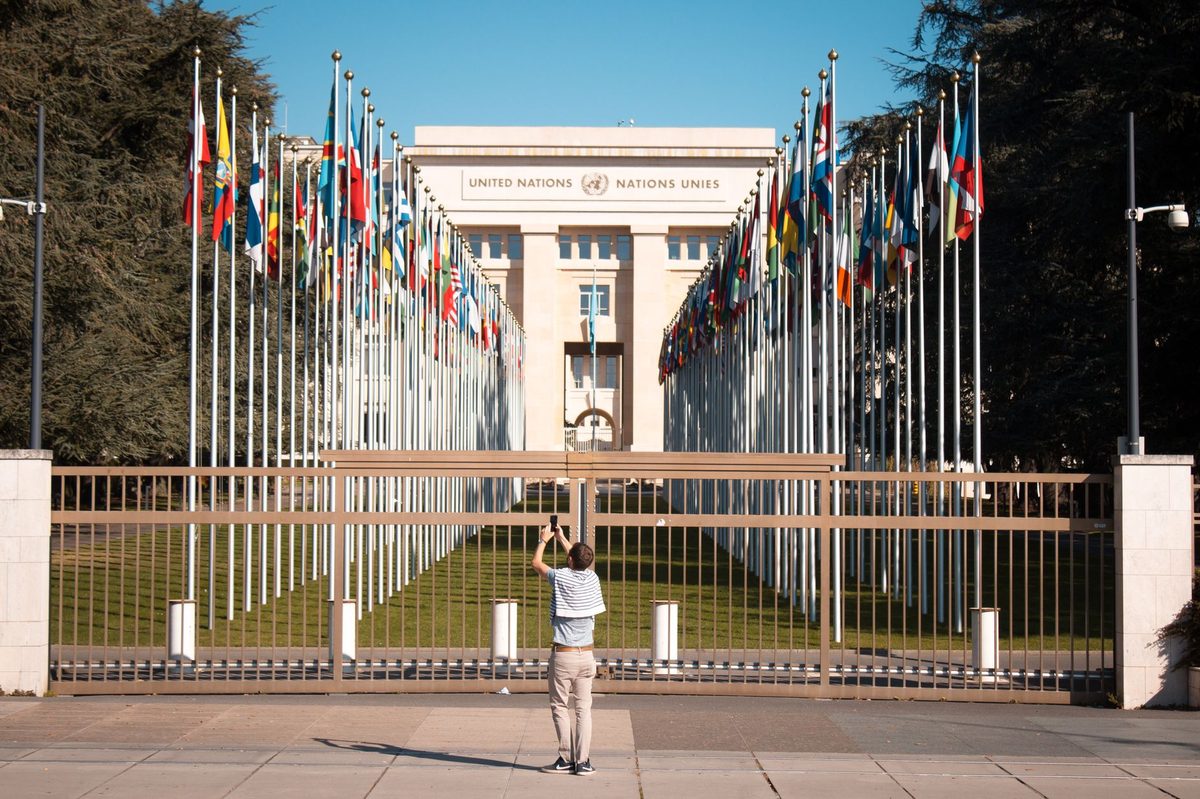
Start with a Paquis breakfast, then pick one of the two big institutions: a guided tour of the Palais des Nations (the UN’s European headquarters) or the International Red Cross and Red Crescent Museum, which is the more moving of the two and easy to do on your own. Afterwards, the Botanical Gardens next door are free and worth an hour. Have a lakeside lunch, then in the afternoon hop a tram out to Carouge for its pastel facades and market squares, or save Carouge for Day 4 and instead walk the long lakefront promenade along Quai Wilson as the light drops. For dinner, this is the night to book something special: Bayview by Michel Roth, Le Chat-Botte, or, for serious cooking at student prices, the hospitality-school restaurant Vieux-Bois. The where to eat in Geneva guide has the full shortlist.
Day 3: Day trip to Chamonix and Mont Blanc
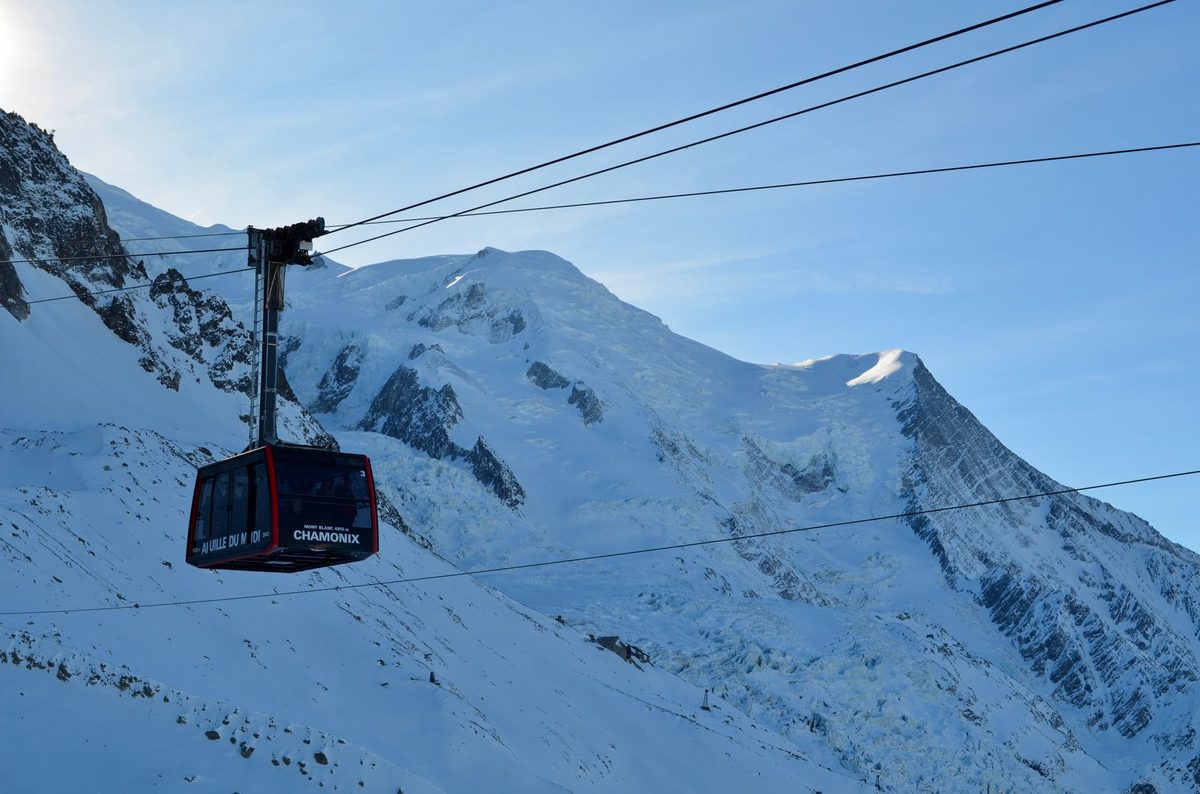
Geneva sits an hour from the highest mountain in the Alps, so on a clear day, go. Direct shuttle buses run from Geneva to Chamonix in roughly 90 minutes. The headline act is the Aiguille du Midi cable car, which hauls you up to 3,842 metres for an eye-level view across to the summit of Mont Blanc. In summer, add the rack railway up to the Mer de Glace glacier. This is the one day in the whole itinerary you must keep flexible: only commit when the forecast is clean, because in cloud the cable car is a waste of money. Full logistics are in the Geneva to Chamonix day trip guide.
If the mountains are socked in, this is the day to swap. Annecy, 75 minutes south by Flixbus or BlaBlaBus from the Gare Routiere for about 8 to 15 EUR each way, is the rain-proof alternative: a canal-laced French town on an almost unreal turquoise lake, with a hilltop chateau and a painted old quarter. The Geneva to Annecy day trip guide covers it in full. Lausanne (below, on Day 5) also works in any weather, so you can simply shuffle the order.
Day 4: Carouge, Plainpalais and watchmaking
After a day in the mountains, pull the pace right back. Day 4 is deliberately slow: a long breakfast, a half-day in Carouge, an afternoon among watches, and time to actually shop and rest instead of marching.

Take tram 12 to Carouge, the neighbourhood the Italians built in the 18th century and the closest Geneva gets to a village. The Place du Marche morning market runs into early afternoon, and the boutiques on Rue Saint-Joseph and Rue Vautier are independent and genuinely good. Have lunch at a Carouge cafe such as Cafe du Theatre or L’Atelier. In the afternoon, tram back toward Plainpalais for the Patek Philippe Museum, four floors of horology that even watch-indifferent visitors come out impressed by (around 10 CHF, budget 90 minutes, closed Sunday and Monday). If you land on a Wednesday, Saturday or Sunday, the sprawling Plainpalais flea market is one of the best in Europe for a rummage.
Late afternoon, do as Geneva does and get in the water: the Bain-Bleu hammam and spa, or a sauna-and-swim at the Bains des Paquis. For dinner, go back to Carouge for the long-running Cafe du Soleil, whose fondue some locals swear is the city’s best. If you would rather spend the day differently, the free things to do in Geneva guide and the Geneva hidden corners guide both have low-key alternatives.
Day 5: Lausanne and the Lavaux vineyards
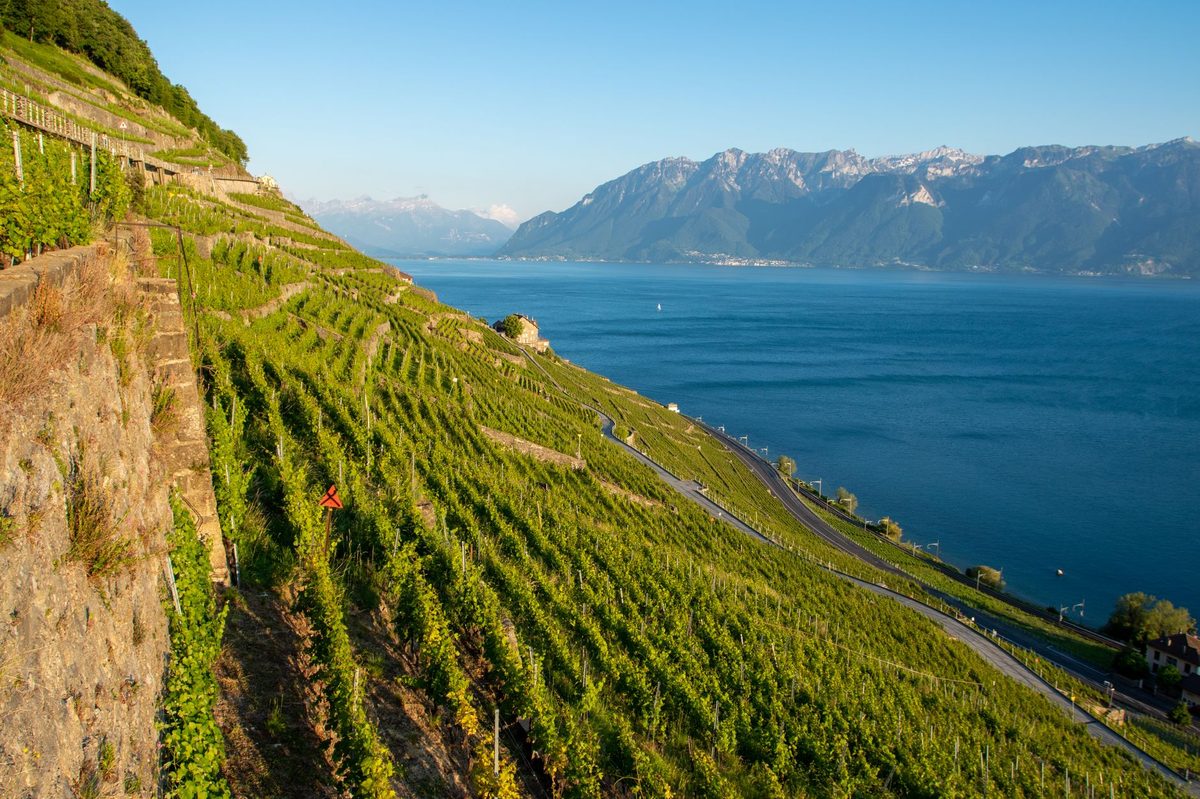
My favourite day trip from Geneva, and the one most visitors skip. A direct train reaches Lausanne in about 35 minutes (roughly 30 CHF return). Start with the Gothic cathedral and the steep medieval Old Town, then ride the M2 metro down to the Ouchy lakefront for lunch with a view (Cafe du Vieil Ouchy is a reliable pick). Lausanne is Switzerland’s Olympic capital, and the Olympic Museum on the waterfront is worth it if that is your thing.
The real reward comes after lunch. Take the local train a few minutes east to Lutry and walk the footpath through the Lavaux vineyards toward Saint-Saphorin, a UNESCO-listed wall of terraced vines dropping straight into the lake with the Alps across the water. Allow about 90 minutes of easy walking, with a stop for a glass of cold Chasselas at a village caveau along the way. Then train it back to Geneva. The Lausanne day trip and Lavaux day trip guides have the trail and timetable detail. For the bigger picture of what is reachable, see the best day trips from Geneva.
If you have 6 or 7 days
A sixth or seventh day lets you go deeper into the region rather than padding out the city. Here is what I would add, in order.
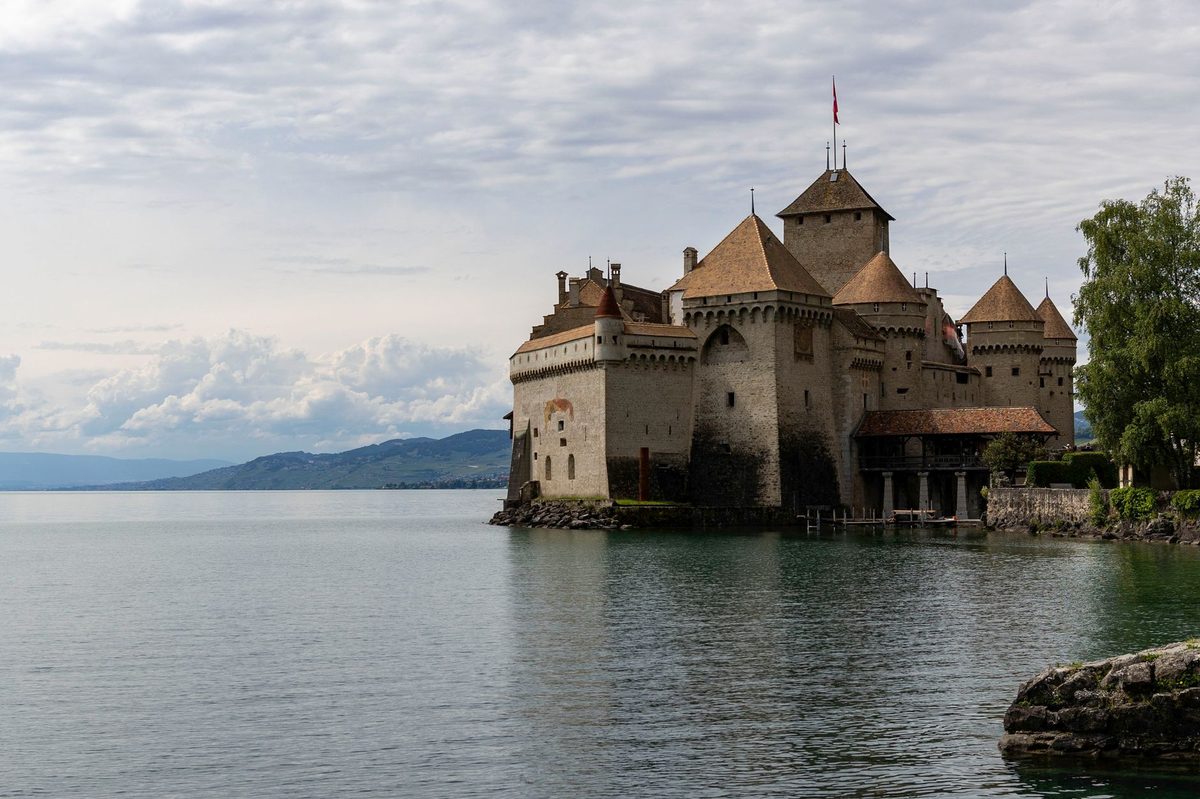
Day 6: Montreux and the Chateau de Chillon
A direct train runs from Geneva to Montreux in about 1 hour 5 minutes along one of the prettiest rail lines in Europe. Walk the flower-lined Quai des Fleurs, find the Freddie Mercury statue, and then visit the Chateau de Chillon, the moated castle built on a rock at the lake’s edge and the most-visited historic monument in Switzerland. On the way back, break the trip at Saint-Saphorin for another hour in the Lavaux vines. The Montreux day trip guide has the schedule.
Day 7 (or half-day add-ons)
- Mont Saleve (half-day): the cable car just over the French border lifts you to about 1,100 m for the definitive panorama of Geneva, the lake and Mont Blanc.
- Yvoire (half-day): a CGN ferry across the lake to a medieval flower-village on the French shore, officially one of France’s most beautiful villages.
- Gruyeres (full day): a train to the medieval hilltop town, plus its cheese dairy and the nearby chocolate factory. See the Gruyeres day trip guide.
- CERN (half-day): free tours of the lab behind the Large Hadron Collider, plus the free Universe of Particles exhibition.
Where to stay for five days
Five nights is long enough that neighbourhood character matters. Paquis, on the north side of the lake, puts you within walking distance of both the water and the Old Town and has the city’s best cheap eats. Eaux-Vives, on the south side, is the quieter mirror image and closer to Carouge. The Old Town itself is the most atmospheric but has few hotels. If day trips are the priority, stay near Cornavin station for easy morning departures and the airport link. The where to stay in Geneva guide breaks down each area with hotel picks, and the Geneva neighbourhoods guide goes deeper on the vibe of each.
What five days in Geneva costs
Geneva is not cheap, but it is more manageable than its reputation if you use the free transport card and eat where locals do. Here is a realistic per-person estimate, excluding your hotel.
| Item | Approx. cost (per person) |
|---|---|
| City public transport (free hotel Transport Card) | 0 CHF |
| Day-trip transport (Chamonix or Annecy + Lausanne) | ~80 CHF |
| Coffees and breakfasts (5 days) | ~70 CHF |
| Entries (cathedral tower, UN tour, Patek Philippe) | ~33 CHF |
| Lunches (5 days) | ~130 CHF |
| Aperitifs and nightcaps | ~100 CHF |
| Dinners (fondue, one fine-dining, casual) | ~240 CHF |
| Total (excluding accommodation) | ~650 CHF |
To push that lower, lean on the Geneva on a budget guide. On passes: the free hotel Transport Card already covers every tram and bus inside the city, so you only need to weigh a Swiss Travel Pass if you are doing three or more longer Swiss day trips. The Swiss Travel Pass for Geneva guide runs the maths.

How to pace 5 days without burning out
A few hard-learned rules. Never stack two day trips back to back; alternate a city day with an out-of-town day so you are not living on trains. Hold the mountain trips for clear forecasts and use Annecy, Lausanne or Carouge as your any-weather fallbacks. Build in at least one slow morning, because Geneva runs on long breakfasts and unhurried coffee and fighting that rhythm is pointless. Reserve fondue and fine-dining tables a day or two ahead, especially on weekends. And carry the Transport Card every single day, even for one tram stop, because the Mouettes shuttles across the harbour are a small daily pleasure you will want on tap.
Frequently asked questions
Is five days too long for Geneva?
No. Five days is the length where the city stops feeling like a checklist. Two days cover the core sights, two days reach the region, and one slow day (Carouge, museums, a hammam) gives you the texture of the place. You will not run out of things to do.
Should I buy a Swiss Travel Pass for a 5-day Geneva trip?
Only if you are taking three or more longer Swiss day trips, such as Lausanne, Montreux and Gruyeres. For one or two trips plus Annecy (which is in France), individual tickets usually work out cheaper. The free hotel Transport Card already covers all city transport.
Can this 5-day itinerary work for families?
Yes. Swap the cathedral tower for the Natural History Museum, add the Aquatis aquarium in Lausanne, and the medieval village of Yvoire makes an easy half-day. The Geneva with kids family guide has more swaps.
What is the best month for five days in Geneva?
Late May, June and September are ideal: reliable weather, long days and fewer crowds than July and August. Mid-December brings Christmas markets and the L’Escalade festival, while January to March is best if ski day trips are the goal.
Is Geneva worth a full week?
If you pair the city with the region, yes. A week lets you add Montreux, Gruyeres or a second mountain day without rushing the Old Town and Carouge. If you only have the city itself in mind, five days is plenty.
Related Geneva guides
Keep building your trip with the things to do in Geneva master list, shorter one day, two day and three day plans, the best day trips from Geneva, and where to stay and eat while you are here.