The Patek Philippe Museum is the museum I push hardest on people who swear they “aren’t into watches.” They are wrong, and they always come back to tell me so. This is not a luxury-brand showroom. It is a four-floor history of 500 years of horological invention, mechanical engineering at jeweller scale, and the slow revolution that turned timekeeping from a court novelty into something everyone carries. Roughly 2,500 timepieces and miniature enamel portraits, from the 16th century to today. CHF 10 to get in. Free for under-18s. The room of 17th- and 18th-century automata alone earns the trip, never mind the watches in the next gallery.
This is the honest 2026 visitor account: how to time it (the Saturday 16:00 free English tour is the move), what to look for on each floor, how to handle the no-photography rule, and why the place has nothing to do with selling new watches. It is one of the best small specialist museums on the Geneva museums and culture circuit, and an easy add to any list of things to do in Geneva.
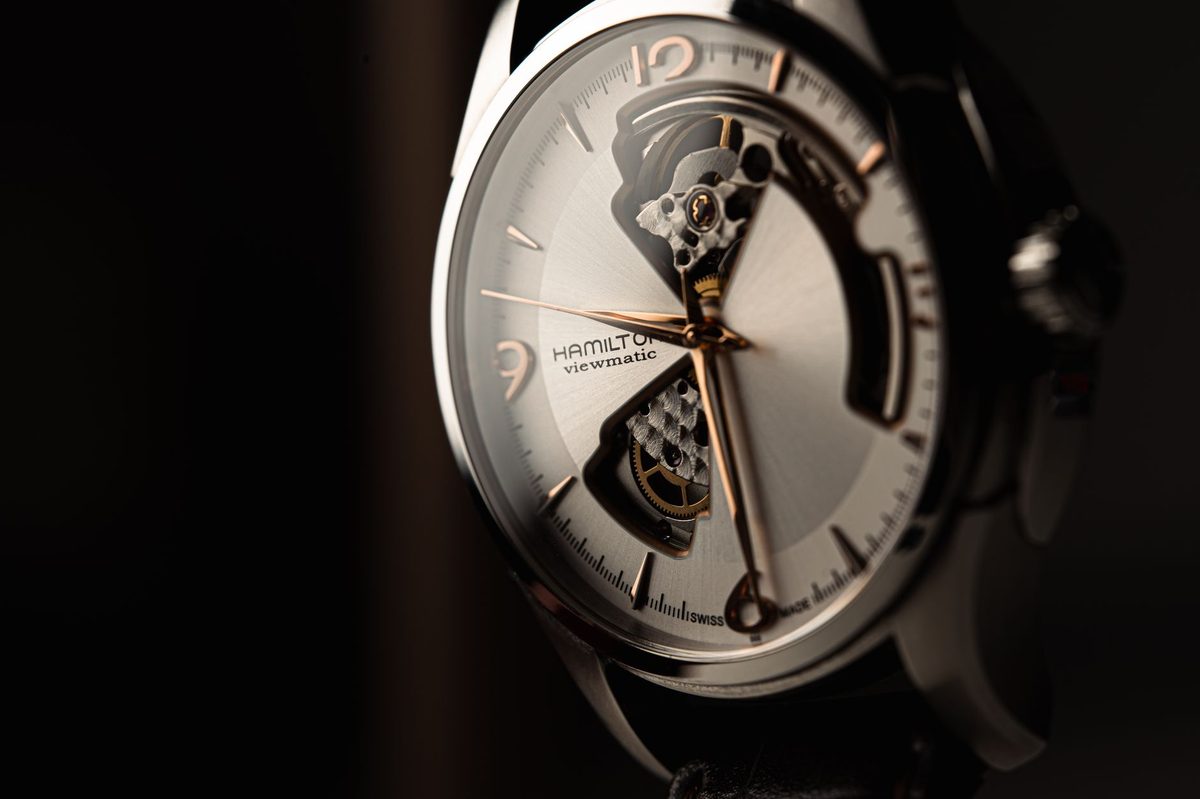
The 60-Second Plan
Take tram 15 from Cornavin to Plainpalais (about 6 minutes), then walk to Rue des Vieux-Grenadiers 7. CHF 10 entry; free under 18. Pre-book on patek.com if you are coming on a Saturday or a holiday, when it regularly sells out same-day. Give it 90 minutes minimum, closer to 2 to 2.5 hours if you do the audio guide properly. Free guided tour Saturday at 16:00 in English; sign up on-site from 14:30, and the spots go fast. Closed Sunday and Monday. No photography inside.
What the Museum Actually Is
The Patek Philippe Museum opened in 2001 inside a 1920s industrial building that once housed the brand’s own watch-case manufacturing. It is funded by Patek Philippe but run as an independent foundation: no commercial displays, no boutique attached, no sales pitch. It is purely a museum.
The collection has two halves:
- The Antique Collection — roughly 1,500 watches, clocks, and automata from the 16th to early 19th centuries, covering the whole European history of timekeeping before the Swiss industry took over. This historical depth is what sets the place apart from any other watch museum.
- The Patek Philippe Collection — roughly 1,000 timepieces the company has made since its founding in 1839, including most of the technically and aesthetically important watches in its history.
It also holds one of the world’s most significant collections of miniature enamel portraits — fine 17th-to-19th-century paintings on watch cases and small objects — plus a serious horological library (currently closed for renovation).
Tickets, Hours, and the Free Tour Trick
2026 prices
- Adult: CHF 10
- Student (18-25): CHF 7
- Senior (65+): CHF 7
- Under 18: Free
- Group (10+): CHF 5 per person
- Geneva City Pass: Free entry included
- Swiss Travel Pass: Free via the included Museum Pass
Tickets are sold online at patek.com/museum and at the door, subject to capacity. Book online for weekends and holiday periods. A Geneva City Pass or Swiss Travel Pass gets you in free, which pairs well with the math in our Geneva Pass vs Swiss Travel Pass guide.
Hours
- Tuesday-Friday: 14:00-18:00
- Saturday: 10:00-18:00
- Closed Sundays, Mondays, and public holidays
Notice the weekday hours: afternoon only. Saturday is the one full-day option, so plan around it.
2026 renovation note
The third floor and the library are closed all year for renovation. That trims visitor capacity by about 25% and lengthens queues at peak times, especially Saturday afternoons. Online ticket holders still wait when it is busy. Your best bet for a quiet visit is a weekday morning slot (Tuesday-Friday, 14:00 opening).
| Detail | Information |
|---|---|
| Address | Rue des Vieux-Grenadiers 7, Plainpalais |
| Adult entry | CHF 10 (free under 18) |
| Hours | Tue-Fri 14:00-18:00; Sat 10:00-18:00 |
| Closed | Sunday, Monday, public holidays |
| Time needed | 90 min minimum; 2-2.5 hours ideal |
| Free tour | Saturday 16:00 (English); sign up on-site from 14:30 |
| Photography | Not permitted inside |
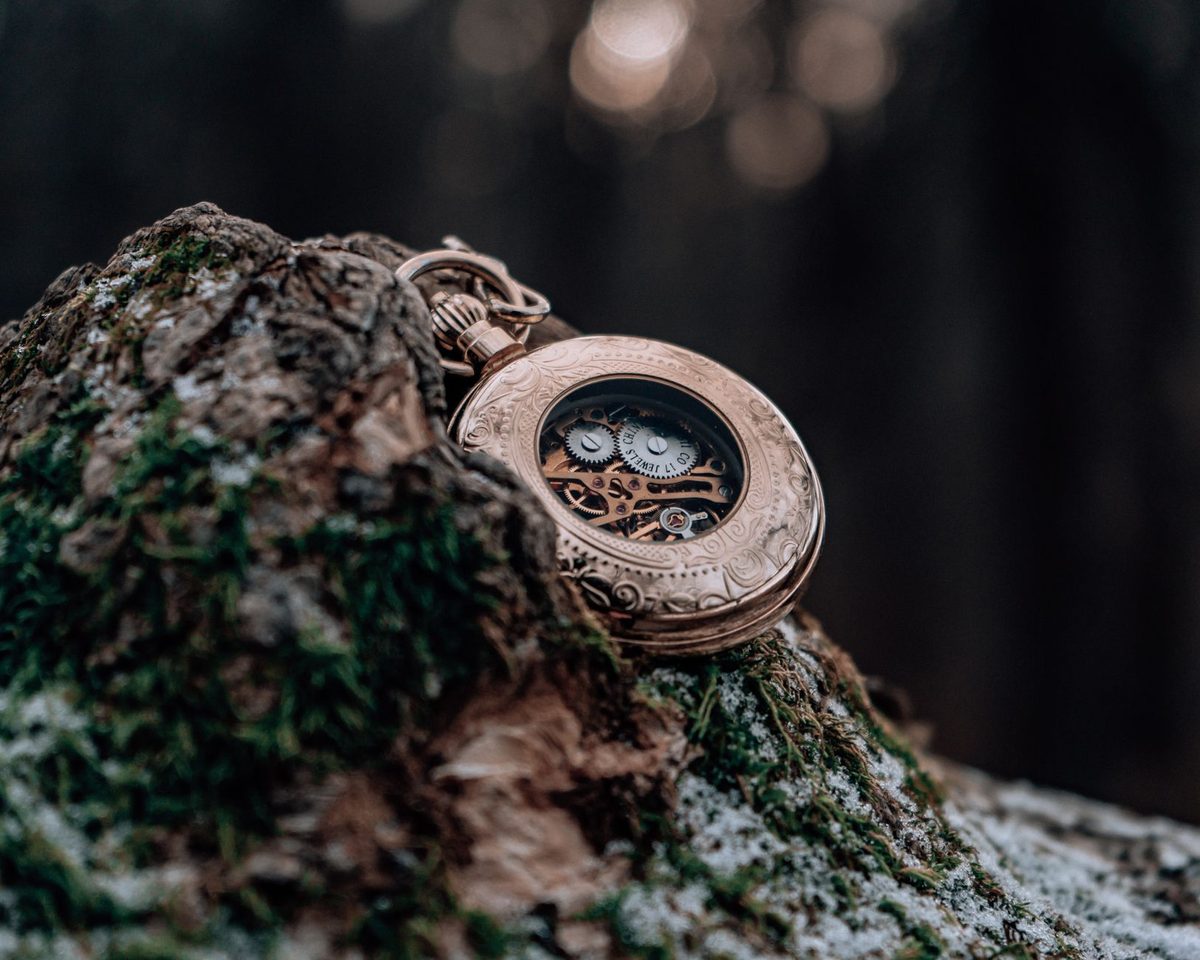
Floor-by-Floor Walkthrough
The museum runs across four floors (with the third closed in 2026). Here is the order I recommend:
Floor 0 (Ground floor): the restoration workshop window
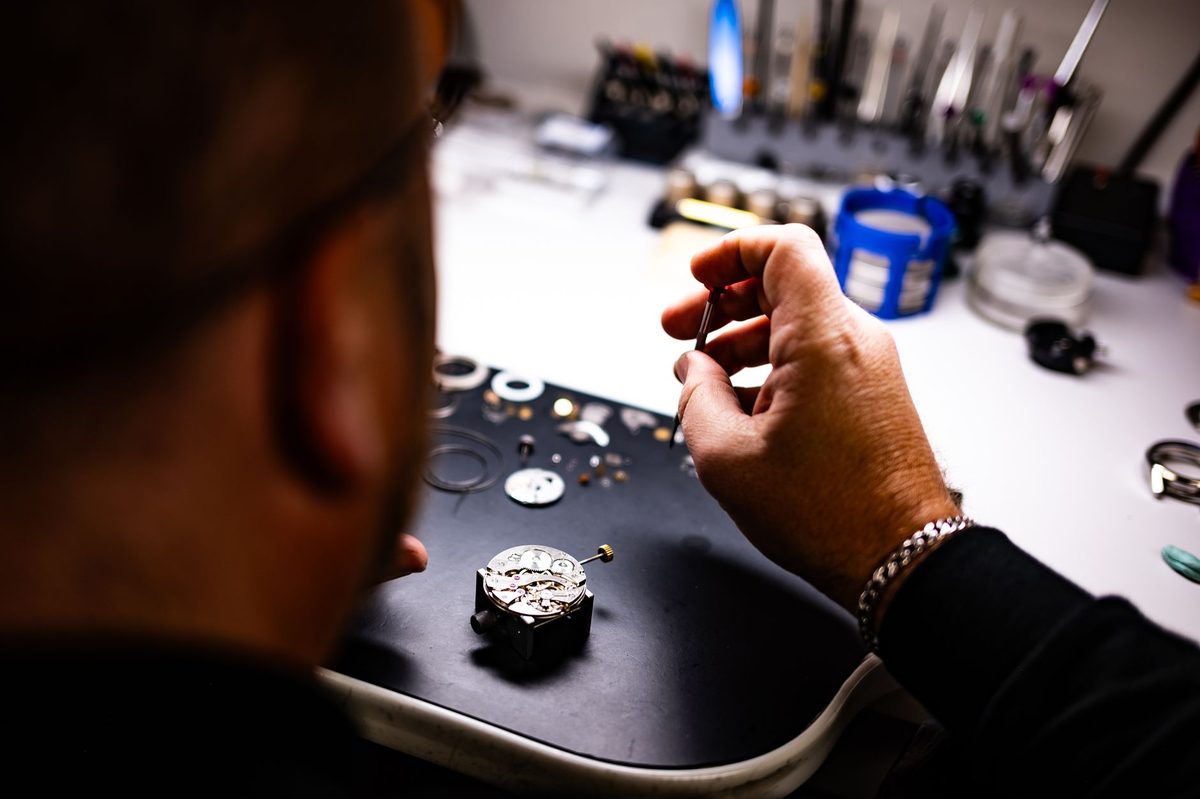
The entrance includes a working restoration workshop behind glass, where Patek Philippe watchmakers repair antique pieces. Give it 5-10 minutes. There are very few places anywhere you can watch professional horological restoration happen in real time.
Floor 1: Patek Philippe Collection (modern era)
The chronological story from 1839, when Antoine Norbert de Patek and Adrien Philippe founded the firm, through to now. You get minute repeaters, perpetual calendars, world-time complications, and the famous Calibre 89, one of the most complicated pocket watches ever made. Allow 30-40 minutes.
Floor 2: Antique Collection
The historical heart. 16th-century pocket watches from when timepieces were jewellery for European nobility; the 17th-century spring-driven balance wheel; the 18th-century Geneva and Paris workshops; 19th-century mechanisation. This floor also holds the automata alcove (more on that below). Budget 60-75 minutes to do it justice.
Floor 3: currently closed (2026)
Normally home to the miniature enamel portrait collection and more antique pieces. Closed for renovation all year, with reopening expected in 2027.
Top floor: library (currently closed 2026)
The horological library is shut for renovation. When open, it holds one of the world’s most significant collections of historical watch books and documents.
The free audio guide (included with admission) is essential. It comes in English, French, German, Italian, Spanish, Mandarin, and Japanese. The standard 90-minute tour covers about 45 key pieces; keen visitors can switch to the 150-minute detailed version.
The Automata Room
This is the most surprising room in the building, and the part nobody mentions when they talk about Patek Philippe. A small alcove on the second floor holds 18th- and 19th-century automata: singing birds in jewelled cages that open their beaks and chirp, mechanical fish that swim, a miniature cobbler hammering a shoe, a tiny magician working card tricks. All built by clockmakers using the same skills behind the pocket watches next door.
Staff demonstrate most of them at set times, usually 14:30 and 16:30 on weekdays and more often on Saturday. Ask at the front desk for the day’s schedule and stay for at least one. Watching a 200-year-old mechanical bird sing in its cage is the kind of thing that sticks with you for years.
If you only have 30 minutes in the museum, spend them here.
The Free Saturday Guided Tour
This is the best-value thing in the museum. Every Saturday there is a free guided tour in French at 15:30 and in English at 16:00, included in the standard admission. That works out to CHF 10 for a 90-minute expert-led tour, which is hard to beat anywhere in the city.
The catch: sign-up is on-site only, starting at 14:30 that same Saturday, and spots are limited (usually 15-20 per language). Arrive by 14:30, register at reception, then explore on your own until the tour starts.
The tour covers roughly 30 of the key pieces with detailed commentary from a guide who genuinely knows the collection. The English tour has been consistently excellent every time I have sent people to it.
My plan: lunch in central Geneva, arrive by 14:15, register for the 16:00 tour, explore the floors yourself from 14:30 to 16:00, take the tour 16:00-17:30, and finish around 17:30. A full, satisfying Saturday afternoon for CHF 10.
Getting There
The museum sits at Rue des Vieux-Grenadiers 7 in Plainpalais, a quiet residential street about 700m south of the Plainpalais tram interchange.
By tram
Tram 15 from Cornavin to Plainpalais (6 minutes), then a 7-minute walk down Rue de la Maladiere. Tram 17 also serves the area. It is free with the Geneva Transport Card; see our Geneva public transport guide for how that card works.
On foot
From central Geneva (Place du Molard), it is a 15-20 minute walk via Place de Neuve and the Bastions park. A pleasant stretch in good weather.
By bike
The closest Geneve Roule rental station is at Plainpalais, about 10 minutes from the centre by bike.
For Visitors Who “Don’t Like Watches”
If you have been resisting the idea of a watch museum, here are the angles that win people over:
It is really an art museum. The miniature enamel portraits on the watch cases are some of the finest miniature painting in European art. The third-floor portrait room (closed in 2026) holds 18th-century enamels worth six figures each as paintings, never mind as watches.
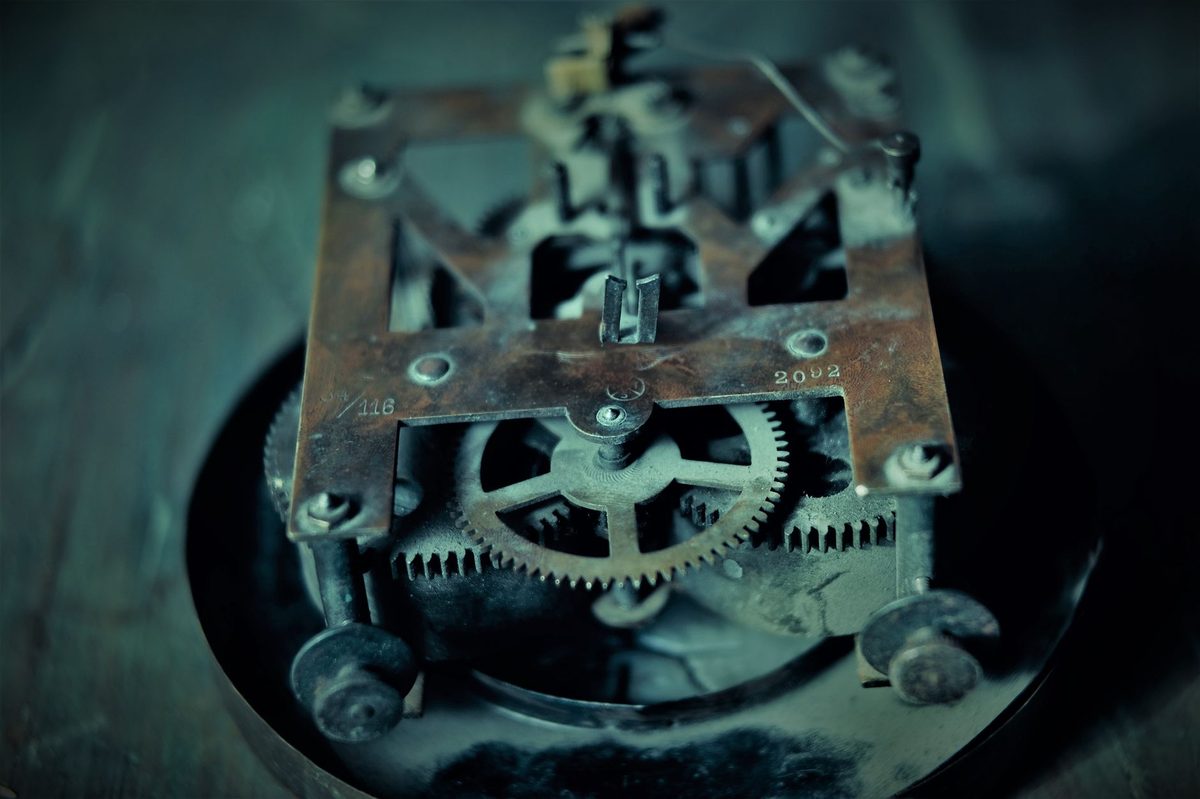
It is a history of engineering. Long before computer chips, the most precise machined objects on earth were watches. The open-movement displays show the actual gears, levers, springs, and escapements that made the modern world possible.
You see everything at human scale. Unlike paintings on distant walls, watches are made to be looked at up close, and the museum lights them well at viewing height. That intimacy is unlike any other museum in the city.
I have brought reluctant visitors here more than a dozen times. Every one left enthusiastic. The 90-minute audio guide does the work, explaining what you are looking at in plain terms without assuming any prior knowledge.
Geneva and the Origins of Watchmaking
Part of why this museum lands so well is that it sits inside the city that effectively invented modern watchmaking. Geneva’s rise as a watch city traces back to Jean Calvin’s Reformation in the mid-1500s, which banned the wearing of jewellery as ostentation. That left the city’s jewellers, goldsmiths, and enamellers with nothing to sell. At the same time, French Huguenot refugees arrived, including Paris watchmakers with the technical skills the locals lacked. The two groups merged: jewellers turned to watches, the Huguenots supplied the timekeeping know-how, and by 1601 Geneva had Europe’s first watchmakers’ guild.
By 1685 the city counted roughly 100 master watchmakers and 300 apprentices. By 1800 it stood alongside Paris and London as a centre of horological invention. Patek and Philippe founded their firm in 1839, relatively late in the story, and survived the arrival of American mass-production by going high: the most complicated, most expensive watches in the world, the strategy the brand still follows. For more on how the city earned its reputation, see our Geneva history and heritage guide.
What to Do After the Museum
Plainpalais is a student and residential neighbourhood with good options for the rest of an afternoon:
- Birdie Food & Coffee on Rue Lissignol, some of the city’s best specialty coffee, about 10 minutes’ walk. More in our Geneva cafes guide.
- The Plainpalais market (food market Tuesday, Friday, Sunday; flea market Wednesday and Saturday), 5 minutes away. The Sunday market is the highlight. See our Geneva food markets guide.
- The Bains des Paquis lakefront, a 20-minute walk north, where the Buvette does a CHF 3.50 espresso with a Jet d’Eau view.
- The MAMCO contemporary art museum, 10 minutes’ walk, free on the first Sunday of the month and CHF 8 otherwise.
My ideal Saturday: Plainpalais market 10:00-12:00, lunch at Birdie 12:00-13:30, then the Patek Philippe Museum 14:00-17:30 with the free 16:00 tour. Three of the city’s best experiences, all within walking distance. If you are sorting out where to base yourself for days like this, our where to stay in Geneva guide covers the neighbourhoods.
A Quick Note on the Funding Model
One reason the place feels different from a corporate brand museum: it runs as an independent foundation. The collection, the building, and the operating budget come from Patek Philippe, but there is no commercial presence inside. No boutique, no branded merchandise beyond the catalogue, no sales pressure. The staff are curators and educators, not salespeople. For visitors that means the displays focus on craft, history, and miniature art rather than the new-watch market.
FAQ: Patek Philippe Museum
How much does the Patek Philippe Museum cost?
CHF 10 for adults, CHF 7 for students and seniors, and free for under-18s. It is also free with the Geneva City Pass or the Swiss Travel Pass.
What are the opening hours?
Tuesday to Friday 14:00-18:00, and Saturday 10:00-18:00. It is closed Sundays, Mondays, and public holidays.
How long should I plan for a visit?
90 minutes minimum, 2 to 2.5 hours for the full audio guide, or about 3 hours if you include the free Saturday tour.
Is photography allowed inside?
No. Photography and video are not permitted, and phones must be silenced. Sketchbooks and pencils are welcome.
Is the third floor really closed in 2026?
Yes. The third floor and library are closed all year for renovation, so the enamel portrait collection is not on display. It is expected to reopen in 2027.
What is the free guided tour, and how do I join?
Every Saturday there is a free tour in French at 15:30 and English at 16:00, included with admission. Sign-up is on-site only from 14:30, spots are limited, so arrive early.
Official Sources and Further Reading
- Patek Philippe Museum (official)
- Plan Your Visit (Patek Philippe)
- Geneva Tourism: Patek Philippe Museum
Related Geneva Guides
Keep planning with the Geneva museums and culture pillar, then line up the rest of your trip: the best Geneva attractions, our full things to do in Geneva list, the deep dive into Geneva history and heritage, and the practical plan your trip to Geneva guide.
The Patek Philippe Museum is the Geneva attraction that surprises people most. The watches are remarkable, but the automata are the secret, and the floors of horological art double as floors of European mechanical history. CHF 10 for one of the great small specialist museums in Europe. Go on a quiet weekday afternoon, or commit to the full Saturday with the free tour. Even if you arrive thinking watches are just objects on wrists, you will leave understanding why Geneva has been the watch capital of the world for 500 years.