Maison Tavel is the oldest private house in Geneva, it’s free, and it takes about an hour, yet it changes how the rest of your Old Town wandering reads. The Tavel family, one of Geneva’s medieval merchant dynasties, built it in the 12th century. It burned in the great fire of 1334, was rebuilt straight after, and reopened in 1986 as the Museum of Urban History and Daily Life. Six floors are open, but the one that justifies the visit is the top: Auguste Magnin’s enormous 19th-century scale model of Geneva, 7.2 metres by 5.65 metres, showing the city exactly as it stood before the modern expansion swept the walls away.
This is the Maison Tavel Geneva visitor guide: what’s actually inside, how to read the floors, why the top-floor model matters more than first-timers expect, and how the house slots into an Old Town circuit with Saint-Pierre Cathedral, the Musee d’Art et d’Histoire and the Reformation Wall. It’s free, easy on a weekday, and one of the most efficient cultural hours you can spend in central Geneva. For the broader cultural lay of the land, start with the Geneva museums and culture guide.
The 60-second plan
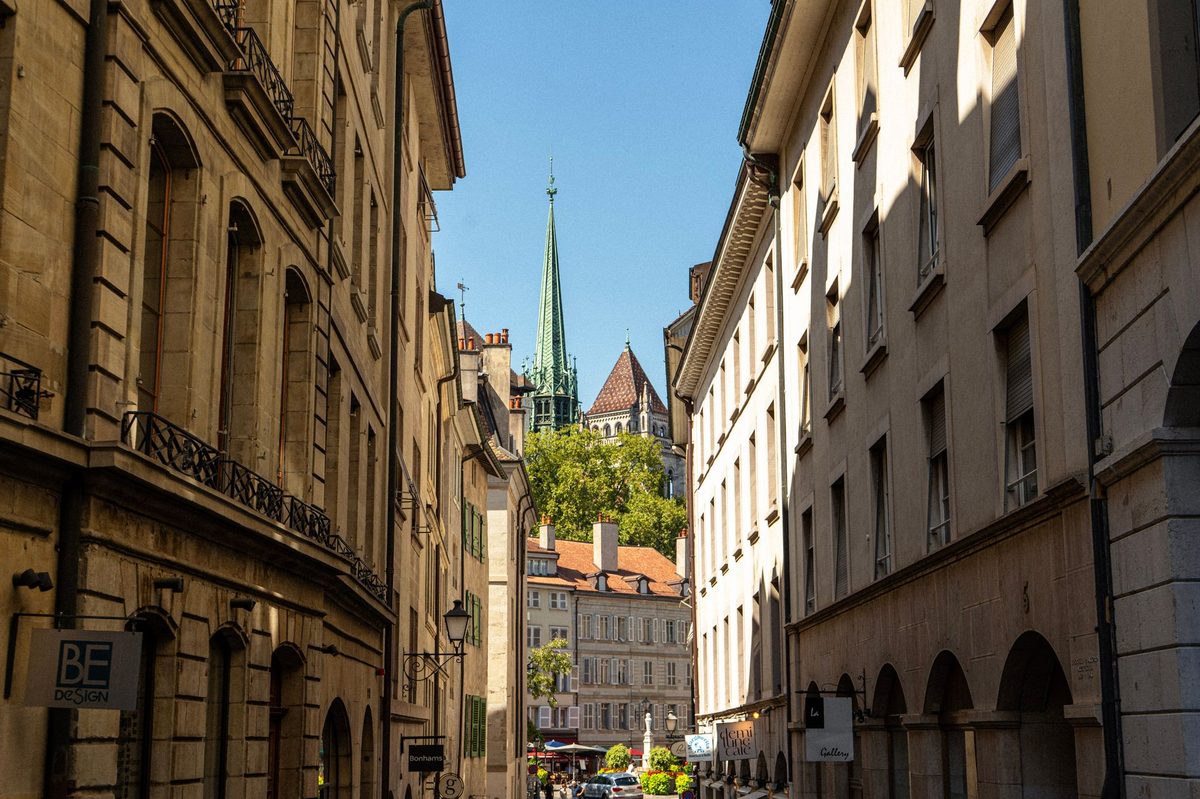
Walk to Rue du Puits-Saint-Pierre 6 in the Old Town, about 5 minutes from Place du Bourg-de-Four and 8 from Place du Molard. Entry to the permanent collection is free. Open Tuesday to Sunday 11:00-18:00, closed Mondays. Give it 60 to 90 minutes, including at least 20 at the top-floor Magnin model. Pair it with Saint-Pierre Cathedral (3 minutes away), the MAH (10 minutes), or the Reformation Wall (10 minutes) for a full Old Town history day.
From 12th-century merchant house to museum
The Tavels were one of Geneva’s medieval merchant dynasties, prominent from the 11th century on. They built their home in the early 12th century on what was then the central street of the medieval city, now Rue du Puits-Saint-Pierre, three minutes from the cathedral.
The original structure burned in the great Geneva fire of 1334, which took much of the city with it. The family rebuilt immediately, and that 14th-century reconstruction is essentially what you walk through today. Later centuries added the elegant 16th-century stone facade and 18th-century interior decoration, but the medieval bones stayed put.
The Tavels lived here until the 18th century, after which the building changed hands several times. The City of Geneva bought it in 1963, restored it through the 1970s and early 1980s, and opened it as the Museum of Urban History and Daily Life in 1986.
Why it matters historically: it’s a rare surviving example of medieval civil architecture, neither religious nor aristocratic, in Switzerland. Most medieval European houses were lost to fire, war or modernisation. Maison Tavel survived because Geneva’s compact Old Town never grew large enough to attract the demolish-and-rebuild renewal that erased comparable housing in Paris, London or Rome. For the wider story, our Geneva history and heritage guide fills in the centuries around it.
Tickets, hours and practical info
Admission
- Permanent collection: free for everyone, year-round
- Temporary exhibitions: CHF 5-10 depending on the show
- Audio guide: CHF 4, also available as a printed guide in English, French and German
- Group and school tours: bookable in advance through the museum
Hours
- Tuesday to Sunday: 11:00-18:00
- Closed Mondays
- Closed 25 December and 1 January
Address and access
Rue du Puits-Saint-Pierre 6, in the Old Town, 3 minutes from Place du Bourg-de-Four. The nearest bus stop is Bel-Air (a 10-minute uphill walk); the nearest tram stop is Place de Neuve (also about 10 minutes). Honestly, the simplest approach is to walk up through the Old Town streets from anywhere central.
Accessibility
This is six floors of medieval stone with narrow staircases. There’s a small lift from the ground floor, but access for visitors with significant mobility limitations is restricted. Audio guides include sign-language options.
Floor by floor
The museum runs across six floors, each themed around a stretch of Geneva’s urban history. Go up in order, ground to top.
Ground floor: entrance and welcome
Reception, plus a small introduction to the building itself and its architectural history. Ten minutes is plenty.
First floor: medieval and Renaissance Geneva
Geneva from the 12th to 16th centuries: the medieval city, the cathedral’s construction, the merchant economy, the early Reformation under Calvin. Look for the 14th-century coins, medieval guild documents and Reformation-era objects. Fifteen to twenty minutes.
Second floor: 17th and 18th-century daily life
How Genevans actually lived in the early modern period: furniture, kitchenware, religious objects, clothing, with a partly reconstructed period kitchen and parlour. The applied-arts detail is the draw. Fifteen minutes.
Third floor: the 19th-century city expands
Geneva’s shift from walled medieval town to modern industrial city: the walls coming down in 1849, the Pont du Mont-Blanc and the new lakefront, the railways, the emerging international quarter. The historic photographs here are the highlight. Fifteen minutes.
Fourth floor: modern urban life
Geneva in the 20th century: the wars and neutrality, the League of Nations and UN, watchmaking, the contemporary city. Less dense than the earlier floors, but it sets up what you’ll see outside today. Ten minutes.
Top floor: the Magnin model
The headline exhibit, covered next. Give it 20 minutes at least.
The Magnin model: the real treasure
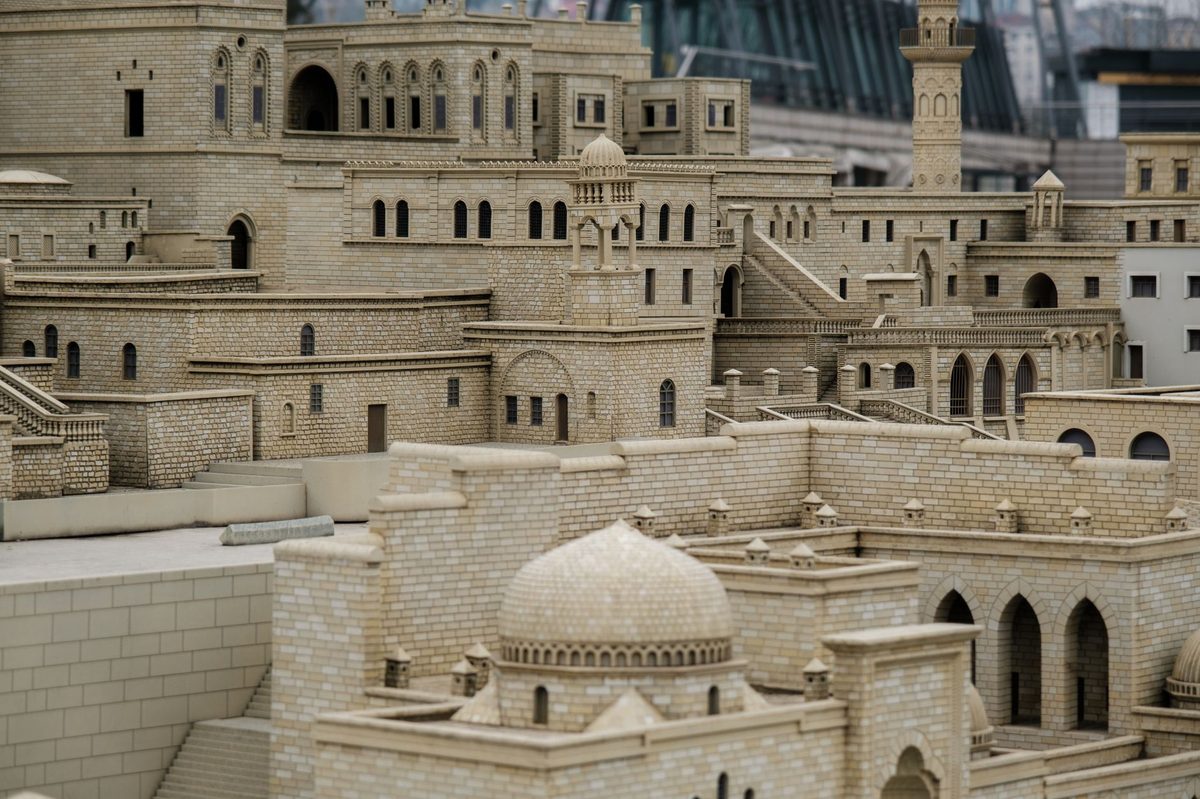
The top floor holds a single object that, in its quiet way, is one of the most important exhibits in Geneva: a precise scale model of the city as it stood in 1850, built by Geneva architect Auguste Magnin from 1880 onward and worked on for the rest of his life.
The numbers
- Dimensions: 7.2 metres by 5.65 metres
- Scale: 1:250
- Weight: roughly 800 kg
- Construction: wood and zinc, hand-built over decades
- Coverage: every individual building of mid-19th-century Geneva, including the now-demolished city walls and the medieval lakefront fortifications
Why it matters
The model freezes Geneva at a precise moment: just before the medieval walls came down in 1849 and the industrial-era expansion remade the city in the second half of the century. Without it, most of pre-industrial Geneva would be invisible to a modern visitor: the street layouts, the building heights, the walls and gates. The model lays it all out in remarkable detail.
Spending 15 to 20 minutes circling it, paying attention, is the best possible prep for the rest of your Old Town walk. You’ll see where the walls ran (roughly along today’s Boulevard James-Fazy and Boulevard Helvetique), where the city stopped and open country began, and how the lakefront was fortified before the modern Quai du Mont-Blanc existed.
Even visitors with no particular interest in urban history tend to get absorbed. Bring the kids; the scale and detail reliably hold them.
Pairing it with the Old Town
Maison Tavel sits dead centre in the Old Town and pairs naturally with the attractions around it. Our roundup of things to do in Geneva has more if you want to extend the day.
Saint-Pierre Cathedral (3 min walk)
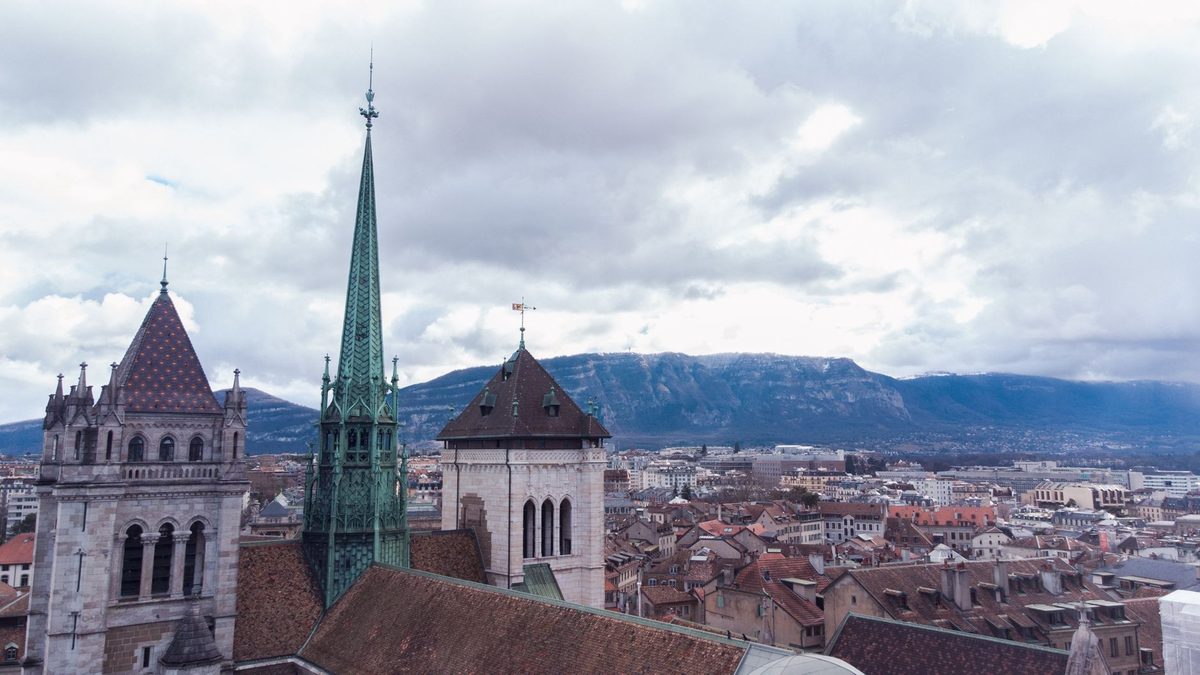
The 12th-century cathedral on the highest point of the Old Town, the same era as Maison Tavel. Visiting both puts two of Geneva’s oldest surviving medieval buildings on one short loop. The nave is free; the tower climb is CHF 7; the archaeological crypt, covering Roman-era Geneva directly beneath, is CHF 8.
Musee d’Art et d’Histoire (10 min walk)
Geneva’s major free art and history museum, which adds artistic and archaeological depth to the urban-history story Maison Tavel tells. See our full MAH guide.
Place du Bourg-de-Four (right outside)
Geneva’s medieval market square and the heart of the Old Town. Worth 30 minutes for a wander, a few photos and a coffee on a terrace.
Reformation Wall (5 min walk)
The 100-metre monument in the Parc des Bastions to the leaders of the Geneva Reformation. It pairs cleanly with Maison Tavel for a free history afternoon. See our Reformation Wall guide.
Place du Molard (8 min walk downhill)
The 14th-century commercial square below the Old Town. The historic Cafe du Centre here does a traditional Genevan breakfast in a Belle Epoque room.
A half-day Old Town and Maison Tavel itinerary
10:00 – Coffee at Cafe Papon or La Clemence in the Old Town. 30 minutes.
10:30 – Maison Tavel. 90 minutes, Magnin model included.
12:00 – Walk uphill to Saint-Pierre Cathedral. Nave (15 min), tower climb (30 min with the queue), archaeological crypt (30 min).
13:30 – Lunch at Cafe de l’Eveche on the cathedral square.
15:00 – Walk through the Old Town to Place du Bourg-de-Four, then down Rue de la Cite toward Place de Neuve.
15:45 – Parc des Bastions and the Reformation Wall. 45 minutes.
17:00 – Coffee at the Bibliotheque de Geneve terrace in the Bastions park.
Total: about six hours of Old Town history, most of it free, finishing on one of the city’s best terraces.
Who the Tavels actually were
The wall texts touch on this lightly, but it’s worth knowing: the Tavels were part of Geneva’s medieval merchant elite, the layer below the bishop and the local nobility but above the artisans. They appear in Geneva documents from the 11th century, mostly in regional commerce: wine, cloth, leather, and the trade routes between Geneva and the Italian Alpine passes.
By the 13th century they had moved into city politics too, with several Tavels serving as magistrates and council members. Their house on Rue du Puits-Saint-Pierre was a working merchant’s residence: ground floor for trade, upper floors for the family, top floor for storage and servants. The medieval Geneva version of an upper-middle-class townhouse with the business attached. The family vanished from the records in the 17th century, probably through emigration or marriage, but the house has carried their name for nine centuries since.
More medieval Geneva, just outside the door
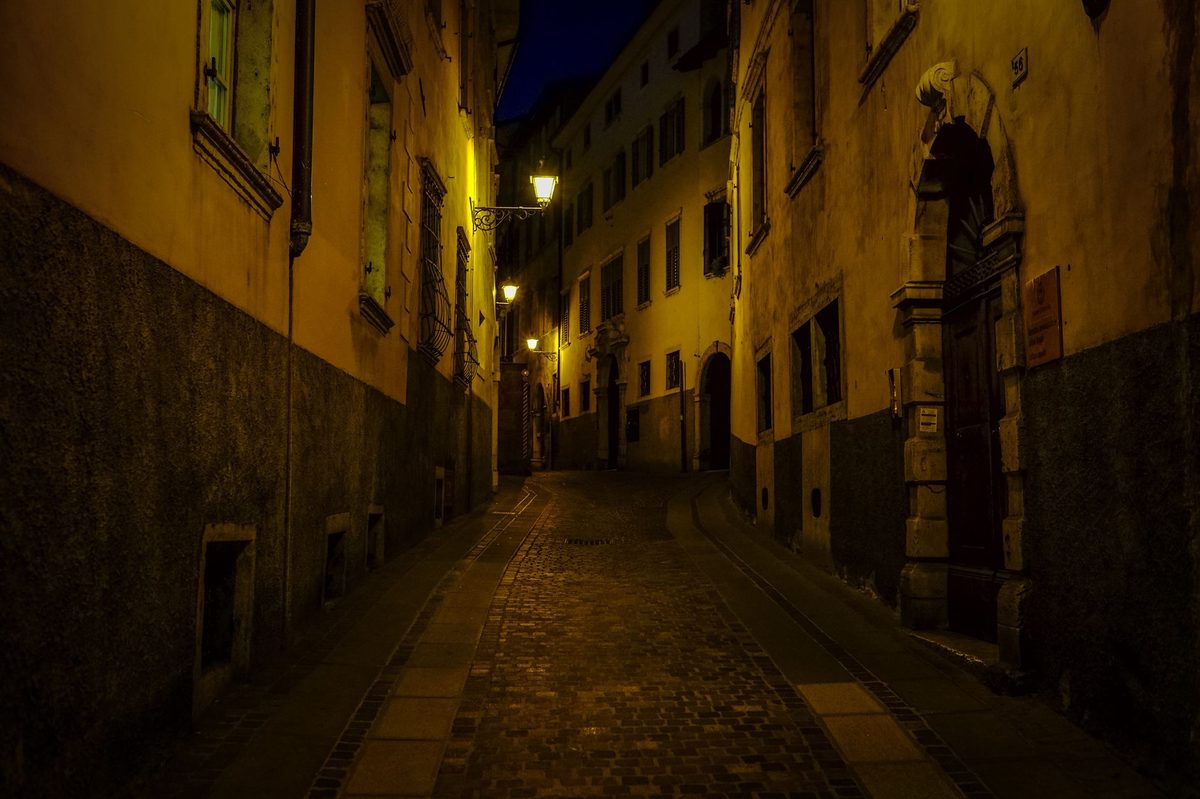
The streets around Maison Tavel keep more medieval fabric than most visitors clock. Worth noticing on the walk:
- The narrow medieval street pattern: Rue du Puits-Saint-Pierre, Rue de la Cite and Rue du Soleil-Levant follow the layout that predates the Reformation.
- The Maison Calandrini at Grand-Rue 24, another surviving medieval house of similar age.
- Place du Bourg-de-Four, Geneva’s medieval market square, in continuous use since the 9th century, with Roman origins underneath.
- The cathedral foundations: Saint-Pierre sits on a 4th-century Roman basilica, and the archaeological crypt (CHF 8) shows the layered remains.
- The Auditoire de Calvin, the small church behind the cathedral where Calvin preached, medieval in origin.
String these together with a slow walk and you’ve covered one of the better-preserved medieval Old Towns in northern Europe. It’s far smaller than Bruges or Tallinn, but the intact fabric and the unbroken urban history, from the 4th century to now, are the real draw.
One more reason to climb: the view
Easy to miss: when you reach the top floor for the Magnin model, the small windows on the north side look straight across to the towers of Saint-Pierre Cathedral from an unusual height. Most people only ever see the cathedral from below; here you’re at roughly the level of its lower spires. It’s the kind of small, unexpected angle that makes a 60-minute museum stick in the memory.
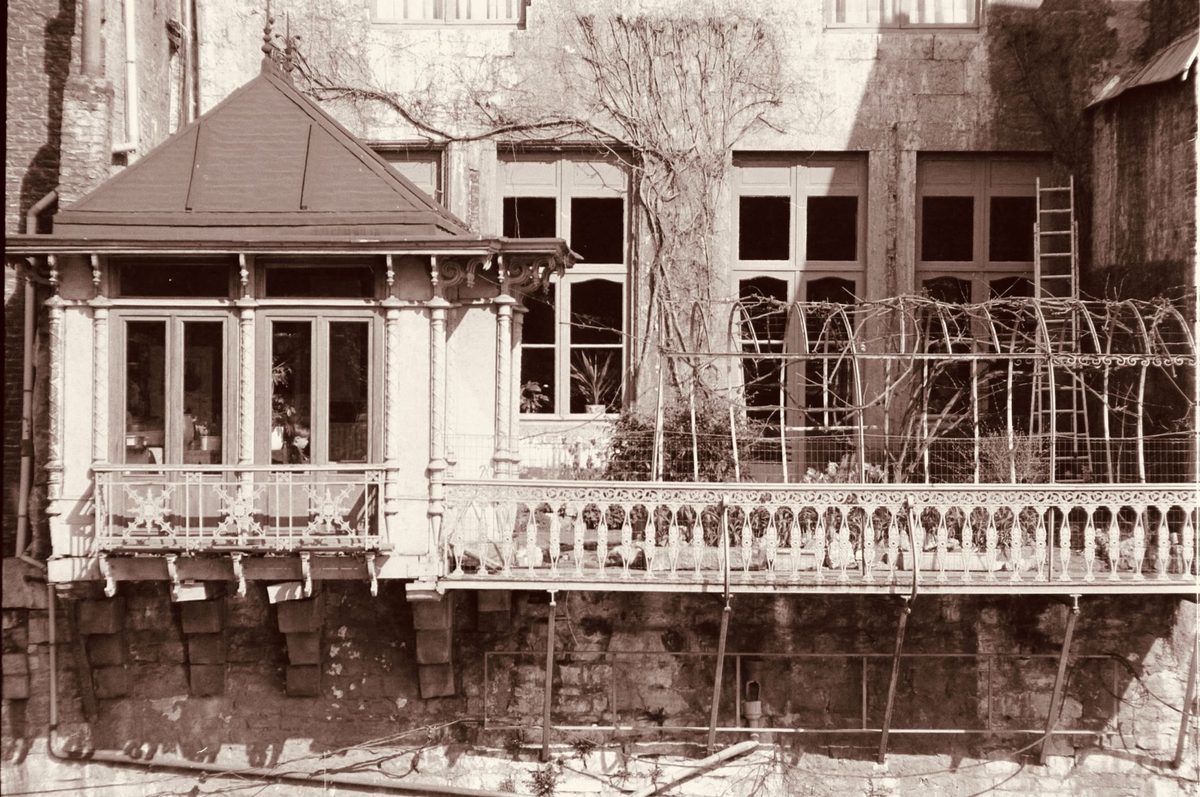
If you have a moment, look out the rear-facing windows on the third floor too. They open onto the back gardens and courtyards of the surrounding medieval houses, the interior spaces a visitor almost never sees from the street. Geneva’s Old Town is full of them, and Maison Tavel gives you one of the few easy glimpses inside.
The Magnin model: a longer backstory
The model earns one more paragraph, because the story of how it came to be is half the appeal. Auguste Magnin was a Geneva architect born in 1841 who lived through the most dramatic stretch of change in the city’s history. The medieval walls came down in 1849, when he was eight. The Pont du Mont-Blanc went up in 1862, the modern Quai du Mont-Blanc in the 1870s, the railway expansion in the 1880s. By the time he was a working architect, the Geneva of his childhood was largely gone, replaced by the industrial city you still mostly see today.
In 1880 he started the model, part historical preservation, part an architect’s fascination with what had been lost. He worked on it for the rest of his life, finishing major sections in the 1890s and continuing detail work until his death in 1903. It was donated to the city afterward, has been on public display since the 1920s, and moved to Maison Tavel when the museum opened in 1986.
His choice of 1850 wasn’t arbitrary: it was the last year before the walls came down, the last moment medieval Geneva still held together as a single urban whole. Standing in front of the model today, you’re looking at a city that vanished 175 years ago, one that an architect with a near-photographic memory of his childhood managed to fix in wood and zinc before it slipped out of living memory.
FAQ: Maison Tavel
Is Maison Tavel really the oldest house in Geneva?
Yes, the oldest surviving private residence, neither religious nor aristocratic. Built in the 12th century, rebuilt after the 1334 fire, and substantially intact ever since.
Is the museum free?
The permanent collection is free year-round. Temporary exhibitions run CHF 5-10.
What are the opening hours?
Tuesday to Sunday, 11:00-18:00. Closed Mondays, and on 25 December and 1 January.
How long should I plan for a visit?
Sixty to ninety minutes for the full museum, including the Magnin model on the top floor.
What’s the must-see exhibit?
The Magnin model of Geneva on the top floor, a 7.2-metre scale model of the city in 1850, just before the modern transformation. It holds adults and kids alike.
How do I get there?
Walk up through the Old Town from anywhere central. The nearest tram stop is Place de Neuve (about 10 minutes), the nearest bus stop Bel-Air (10 minutes uphill).
Official sources and further reading
- Maison Tavel, Ville de Geneve (official)
- Geneva Tourism, Maison Tavel
- Musee d’Art et d’Histoire (parent institution)
Related Geneva guides
- Geneva Museums and Culture (pillar)
- Museum of Art and History (free, 10 min away)
- Reformation Wall and Protestant History
- Geneva History and Heritage
- Plan Your Trip to Geneva
Maison Tavel is one of those quietly excellent small museums that earns far more than its visitor numbers suggest. Free entry, an hour of your time, six floors of urban history, and a top-floor model that changes how you read the rest of Geneva for the rest of your trip. Combine it with Saint-Pierre Cathedral and the MAH on one Old Town afternoon and it anchors one of the city’s best free cultural days. The Magnin model alone is worth the climb.