The Natural History Museum Geneva (the Museum d’histoire naturelle de Geneve) is Switzerland’s largest natural history museum, free for everyone, and the single best museum in the city for visiting with children, when it is open. It has been closed since 1 January 2024 for a major renovation expected to run through 2026 into 2027, with a phased reopening planned across 2026. Before you plan anything, check the current status at museesdegeneve.ch, because the dates have already slipped from the original 2025 target and may still move. When it reopens you get one of Europe’s better-curated natural history collections: the legendary live two-headed turtle Janus, floors of taxidermy from across the world’s ecosystems, dinosaur skeletons, mineral and meteorite collections, and one of the largest scientific reference collections in Europe.
This is the 2026 visitor guide: what to expect when the museum reopens (or what is already accessible if your dates line up with the phased reopening), the must-see exhibits, the natural-science alternatives in Geneva while it is closed, and how to plan around the renovation. It is part of the wider Geneva museums and culture scene and, in normal times, one of the best free things to do in Geneva with kids. The good news: it is free and tram-accessible. The frustrating part: check the current status carefully before you count on it.
Important 2026 Status: the Renovation Closure
The museum closed on 1 January 2024 for a major renovation and extension. The original 1966 building is being structurally renovated, the exhibition halls completely reorganised, and a new wing built to house the vast research and reference collections.
Reopening status (as of mid-2026): the dates have been pushed back from the original 2025 schedule. Some sections are expected to reopen in phases through late 2026, with the full museum operational in 2027. Specific dates have kept moving as the project progresses.
Before you plan your visit: check the current status at museesdegeneve.ch or the Geneva Tourism site. If dates have shifted, see the alternatives section below for natural-science options that do not need the main museum.
The rest of this guide describes the museum as it exists, and will exist when reopened, for visitors planning trips around the reopening or beyond.
The 60-Second Plan (When Reopened)
Take tram 1 or bus 1 from central Geneva to Tranchees (about 10 minutes), then walk 5 minutes to Route de Malagnou 1. Entry is free. Open Tuesday to Sunday 10:00-17:00, closed Mondays. Allow 2-3 hours for a family visit, or 1.5 hours for a focused adult one. Must-sees: Janus the two-headed turtle (still alive), the African and Polar mammal halls, the dinosaur skeletons on the upper floor, and the mineral collection in the basement. There is a cafeteria on-site for kid-friendly lunches.
What the Museum Actually Holds
The MHNG is the largest natural history museum in Switzerland, with over 15 million specimens in the scientific collections (most in research storage) and the public exhibits spread across four floors covering:
- Geology and mineralogy: minerals, fossils, meteorites, and the geological history of Switzerland and the Alps
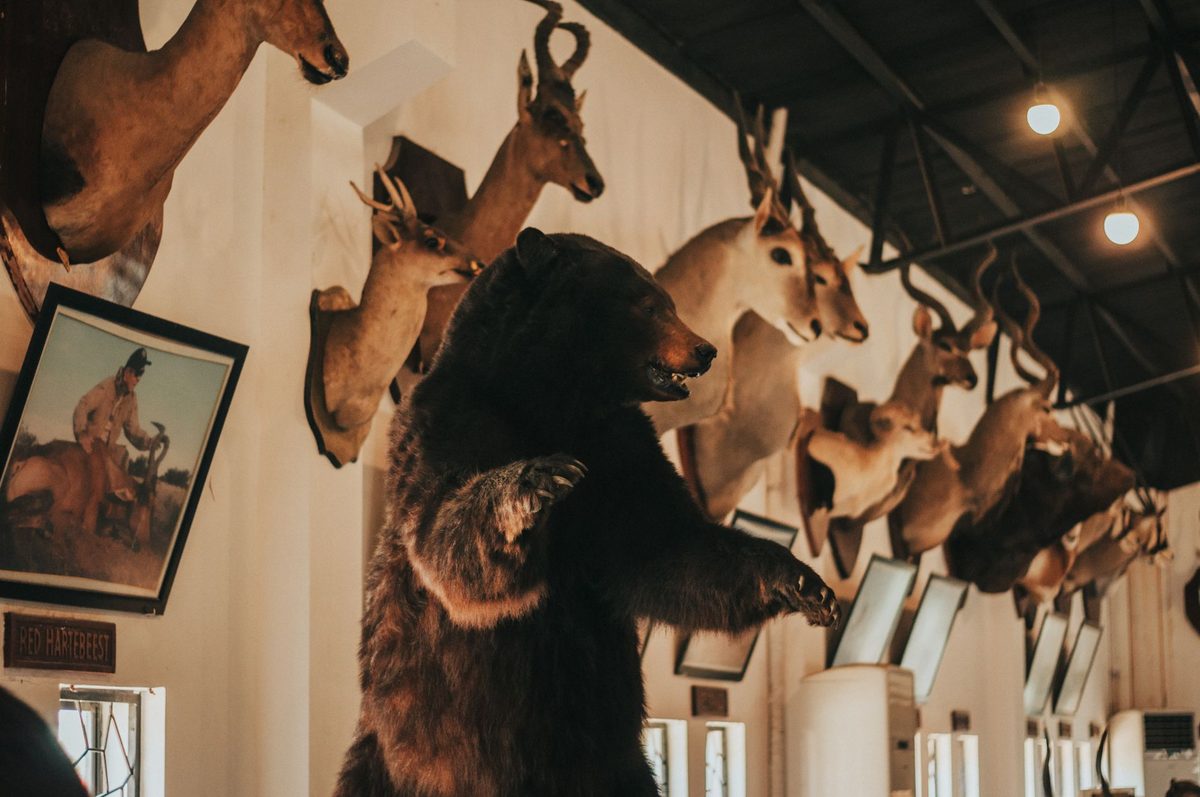
- Earth’s biodiversity: taxidermy and skeletal displays of mammals, birds, reptiles, and fish from across world ecosystems
- Switzerland in context: displays on Swiss native flora, fauna, and ecosystems
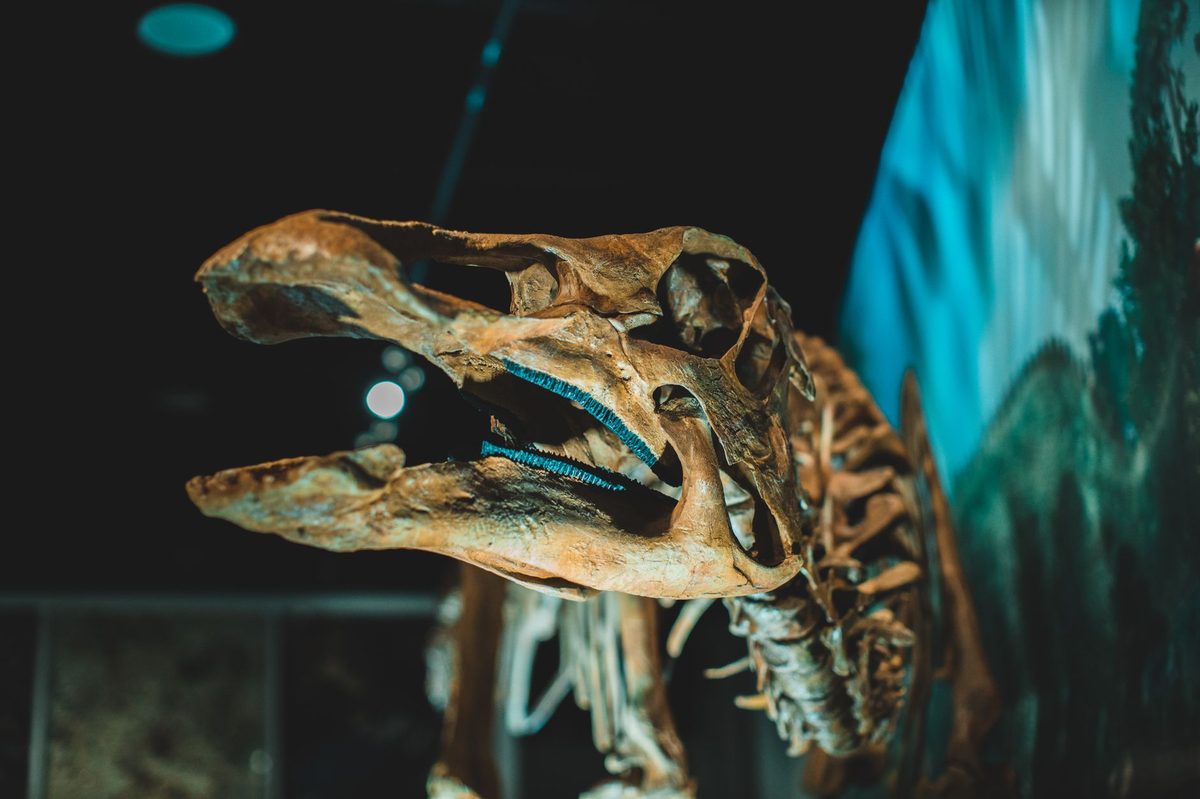
- Dinosaurs and paleontology: dinosaur skeletons and casts, plus fossils from Switzerland and beyond
- The vivarium: live reptiles and amphibians, including the famous Janus
Founded in 1820, the museum has been collecting continuously ever since, and many of the taxidermied specimens are 19th-century historic pieces with real museum-science value beyond their visitor appeal.
Janus the Two-Headed Turtle
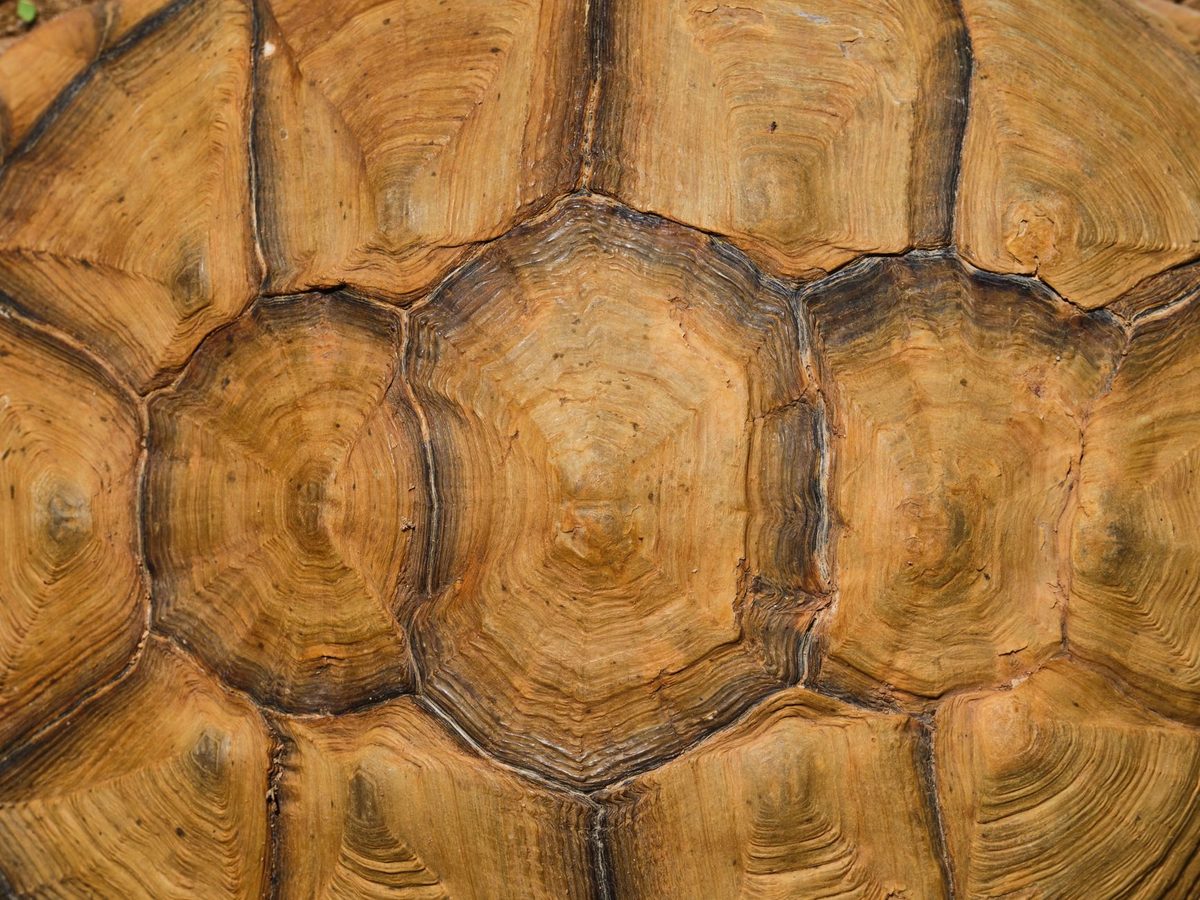
The museum’s quiet star. Janus is a Greek tortoise (Testudo graeca) born on 3 September 1997 at the museum’s vivarium, with two complete heads sharing one body. The condition (dicephalism) is genuinely rare in turtles, and most two-headed tortoises do not survive infancy. Janus has now lived for over 28 years, which makes him by a wide margin the world’s oldest documented two-headed turtle.
The veterinary team has cared for him throughout, with tailored food for both heads, occasional medical interventions, and a specially designed enclosure. When the museum is open, Janus has his own vivarium with an explanatory display about his condition and his longevity. During the renovation he is housed in temporary off-display care.
For repeat visitors and locals, Janus has become an unofficial city mascot. The museum sells Janus postcards, soft toys, and books, and the local press marks his birthday each September. When the museum reopens, the Janus exhibit will likely be a centrepiece of the new layout.
Floor-by-Floor Walkthrough
Note: the post-renovation layout will differ from the original. The descriptions below reflect the historic layout visitors will recognise; the reopened museum will reorganise these into new themes.
Ground floor: welcome and earth sciences
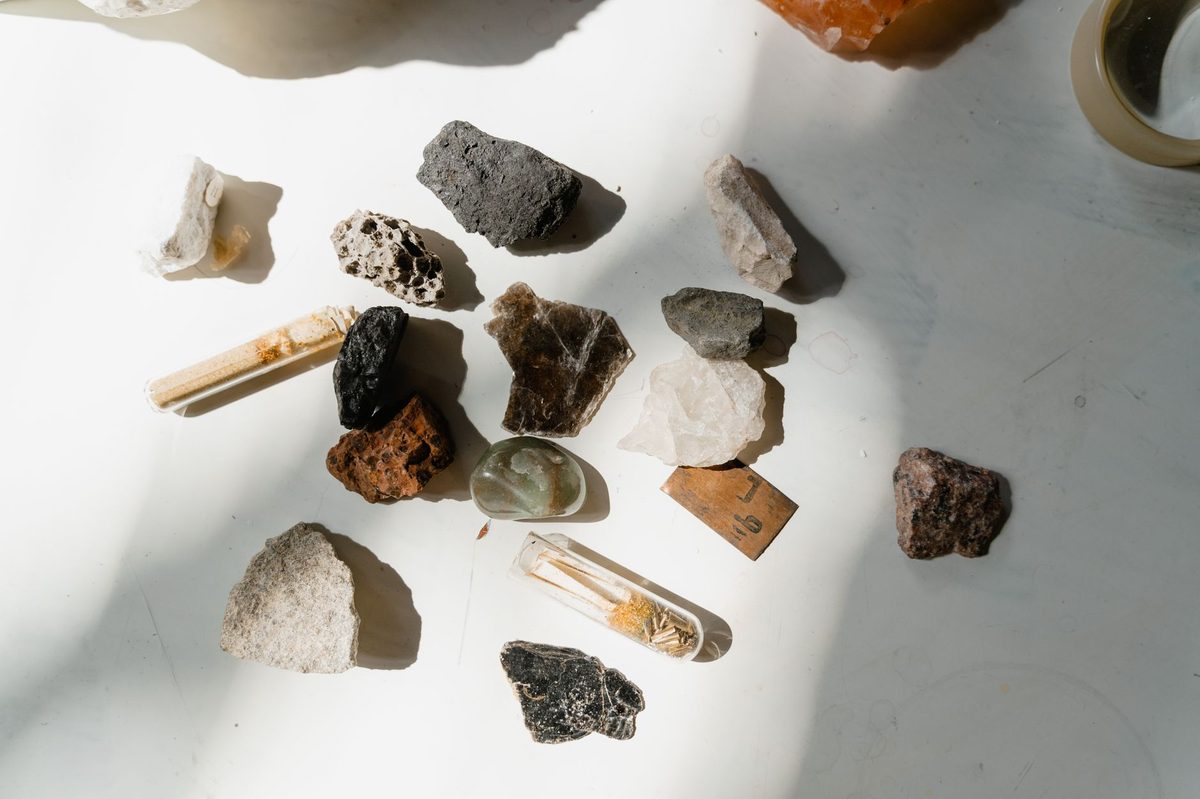
Geological samples, minerals, meteorites, and the displays explaining how the Alps formed. The mineral collection includes both Swiss specimens and major international donations, and the meteorite display includes pieces from documented Swiss falls.
First floor: Earth’s biodiversity (mammals)
The main mammals hall, with large historic dioramas of African mammals (lion, giraffe, elephant, gorilla), Asian and South American species, and a notable Arctic and Antarctic section (polar bear, penguin). Many displays date from the mid-20th-century arrangement and have a charming period quality.
Second floor: birds and reptiles
The bird collection (one of Europe’s largest) covers global biodiversity through taxidermy. The reptile section includes the vivarium where Janus lives, plus live native and exotic reptiles.
Third floor: dinosaurs and evolution
Dinosaur skeletons (casts of major species plus several authentic Swiss-found fossils), alongside the broader evolutionary story: fish, amphibians, the major transitions, and human evolution.
Basement: mollusks and insects
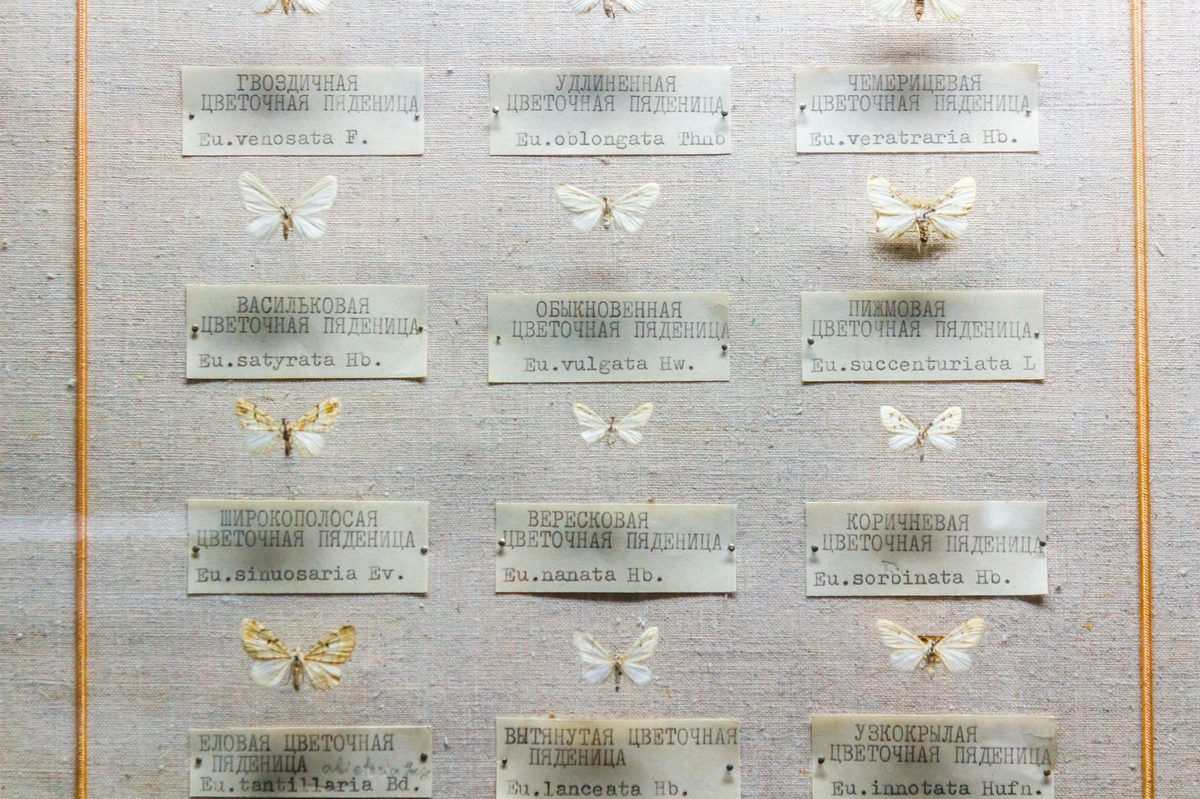
Often overlooked. The basement holds significant mollusk and insect collections that few visitors reach. Worth a quick look if you have time; the butterfly and beetle displays reward a close inspection.
For Families With Children
The MHNG is widely considered the best museum in Geneva for visitors with children aged 3-14. When open, it runs:
- A free children’s audio guide (in French), with kid-friendly narration of the main exhibits
- Family workshops on Saturdays, drop-in hands-on activities for ages 4-12 (free; some require registration)
- The Atelier des Petits, a dedicated hands-on play space for under-7s
- School holiday programmes during Swiss school breaks
- Birthday party packages for groups
The dinosaur hall, the African mammal dioramas, and Janus are reliably the kid favourites. Allow 2-3 hours minimum for a family visit, and pack snacks for the cafeteria break. For more, see our Geneva with kids family guide.
Getting There and Logistics
Address
Route de Malagnou 1, on the south-east edge of the Old Town near the Museum of Art and History.
By tram and bus
Bus 1 to Tranchees (closest, 5-minute walk), or tram 12 to Villereuse (10-minute walk). Both are included in the free Geneva Transport Card, explained in our Geneva public transport guide.
On foot
From central Geneva (Place du Molard), 20-25 minutes uphill. From the Museum of Art and History, 5 minutes south.
Amenities
Museum cafe (light meals, sandwiches, kids’ menus, fair prices), gift shop (Janus merchandise, science books, kids’ science kits), free coat-check, baby-changing, and full wheelchair accessibility. Parking is limited paid street parking, so tram or bus is faster.
Alternatives While the Museum Is Closed
If your dates fall during the closure, several Geneva science and natural-history options fill some of the gap:
CERN Science Gateway (free)
The world-class particle physics centre at the end of tram 18, free and excellent for kids 8+ and adults alike.
Botanical Gardens (Jardin Botanique, free)
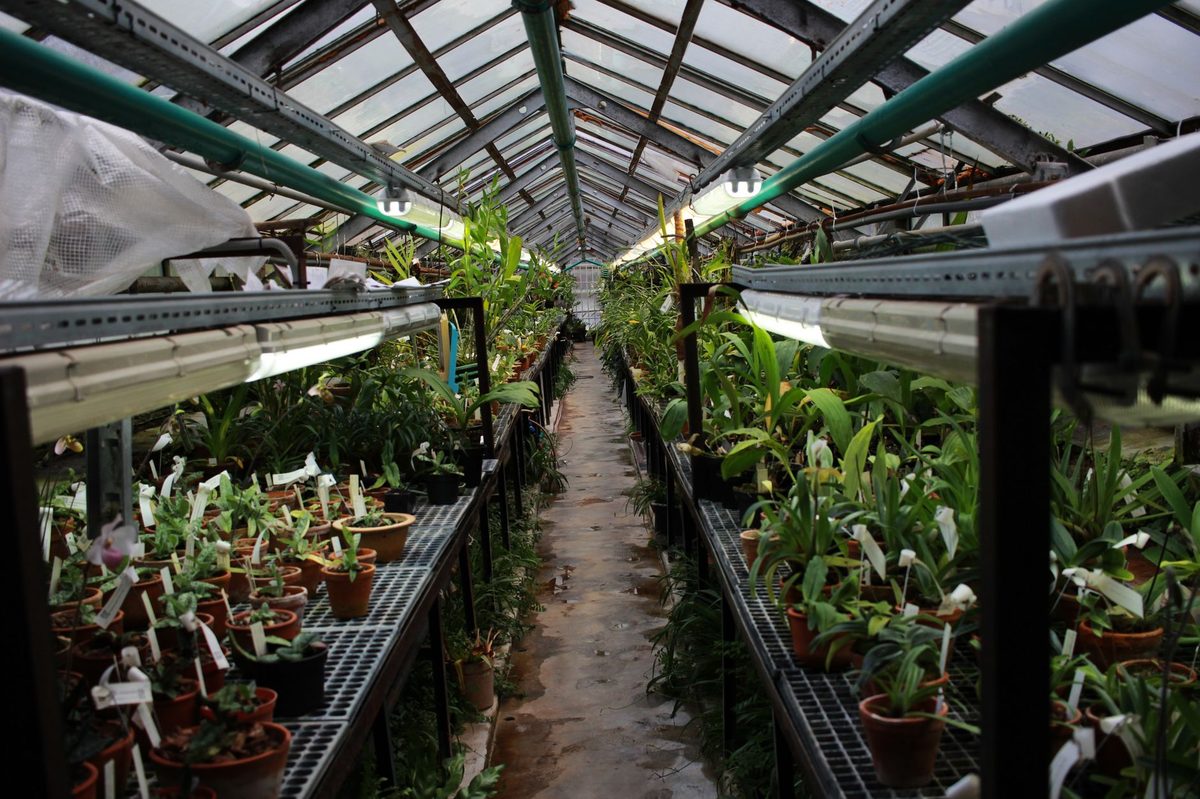
The city’s free Botanical Gardens, reached by tram 1, has greenhouses (tropical, alpine, Mediterranean), an arboretum, and a small free zoo with deer and ducks. Particularly good for younger children.
Geneve-Plage and the lakeside (free)
For nature-curious kids, the lakefront and the Bains des Paquis offer accessible nature: water birds, fish in the shallows, and summer lake-biology programmes.
Aquatis Aquarium (Lausanne, 40 minutes by train)
The largest freshwater aquarium in Europe, a strong family science visit at CHF 32 adult, CHF 22 child, and a solid day-trip alternative. See our Lausanne day trip guide.
Maison de la Riviere (Tolochenaz, 30 minutes by train)
A small but excellent freshwater ecology centre on the Vaud shore, kid-friendly and focused on lake and river ecosystems.
The Museum’s Scientific Role
Worth knowing, because it shapes what the museum is: the MHNG is fundamentally a research institution as well as a public museum. The visible exhibition halls show roughly 0.01% of the total collection. Over 15 million specimens sit in the scientific reference collections, used by biologists, entomologists, paleontologists, and other researchers from around the world. The museum employs around 80 staff, including a substantial team of research scientists who publish internationally on topics from Swiss alpine ecology to global biodiversity.
The renovation is partly about modernising the public exhibitions, but a large share of the budget goes to the research collections: climate-controlled storage, digitisation of historic specimens, and laboratory facilities. The new wing behind the existing museum is mostly research space, not exhibition. When the museum reopens, the visit will benefit from new displays, but the bigger scientific upgrade is invisible to most visitors.
This dual identity, public museum plus active research institution, is partly why the renovation is taking so long. Moving 15 million specimens in and out of working storage while a major construction project happens around them is, predictably, slower than first projected.
What I Will Be Looking For at the Reopening
Three things to watch for whenever the main floors reopen:
1. The Janus exhibit redesign. His vivarium was on the second floor of the old layout, accessible but oddly tucked away. The reopened museum has a chance to give Janus the central display he warrants, with proper material on his biology, his 28-year longevity record, and his status as a Geneva mascot.
2. The Swiss-context displays. The old layout showed Swiss native species alongside the international halls, but the Swiss-specific content was scattered. A consolidated Swiss-biodiversity section (alpine, lake, forest, urban) would deepen the museum’s relevance for residents and teach visitors about the ecosystem they are standing in.
3. The climate and biodiversity narrative. The old MHNG was a fine traditional natural history museum of taxidermy, dioramas, and evolutionary timelines. Modern ones increasingly weave a climate-and-biodiversity story through the displays: what is changing, what is being lost, what can be done. The renovated MHNG could become one of the best in Europe on this front if the curators commit to it.
Whenever the reopening lands, this is a museum worth waiting for. Geneva is luckier than most cities its size to have a free, four-floor, research-grade natural history museum just east of the Old Town. When the barriers come down, head straight up Route de Malagnou and see what they have made of it.
Other Natural-Science Museums in the Region
Beyond the MHNG, the wider Lake Geneva region has several smaller natural-history institutions, especially useful while the main museum is closed:
- Musee d’Histoire Naturelle de Neuchatel (90 minutes by train), one of Switzerland’s best at the smaller scale, particularly strong on Swiss alpine fauna.
- Musee de Zoologie de Lausanne (in the Palais de Rumine, 40 minutes by train), a historic zoology museum with a good biological focus.
- Geological Museum of Lausanne (same Palais de Rumine building), strong on Alpine geology and fossils.
- Aquatis Aquarium (Lausanne), the largest freshwater aquarium in Europe, a paid visit (CHF 32 adult) but excellent for families.
A Lausanne day combining the free Palais de Rumine museums with Aquatis can stand in for an MHNG visit during the closure. See our Lausanne day trip guide.
FAQ: Natural History Museum Geneva
Is the Natural History Museum open in 2026?
It has been closed since January 2024 for a major renovation, with a phased reopening planned through late 2026 and full operation in 2027. Check the current status at museesdegeneve.ch before planning your visit.
Is the Natural History Museum free?
Yes. Like other Geneva municipal museums, the permanent collection is free year-round when the museum is open.
How long should I plan for a visit?
2-3 hours for a family visit, or about 90 minutes for a focused adult one. It is large enough to fill a half-day if you are interested.
Where is Janus the two-headed turtle during the renovation?
Janus is in protected off-display care during the works and is expected to return to public view when the museum reopens, since the vivarium is a project priority.
Is the museum suitable for very young children?
Yes. Ages 3+ engage well, and the dedicated Atelier des Petits play space is for under-7s. Strollers are accommodated and there are lifts to all floors.
What is the best alternative while it is closed?
The CERN Science Gateway (free) for older children and adults, and the Botanical Gardens (free) for younger children. The Aquatis aquarium in Lausanne is the best day-trip alternative.
Official Sources and Further Reading
- Museum d’histoire naturelle de Geneve (official, current status)
- Geneva Tourism: Museum of Natural History
- Conservatoire et Jardin Botaniques (alternative)
Related Geneva Guides
Keep planning with the Geneva museums and culture pillar, then add the Geneva with kids family guide, the list of free things to do in Geneva, the wider things to do in Geneva, our where to stay in Geneva breakdown, and the practical plan your trip to Geneva guide.
The Natural History Museum is the one I am waiting for Geneva to reopen. Free entry, a four-floor encyclopaedic collection, Janus the two-headed turtle, and strong kid-friendly programming made it one of the city’s most valuable cultural assets, and the 2024-2026/27 closure has been a real loss. When it reopens it will again be one of the best museum experiences in Geneva for families and naturalists. Until then, check the status before you plan, and use CERN, the Botanical Gardens, and the lakefront as the natural-science stand-ins.