The Museum of Art and History Geneva (the MAH) is the city’s biggest museum, Switzerland’s largest art collection, free to enter, and the one almost no first-time visitor actually plans to spend a serious afternoon in. That is a mistake. The permanent collection holds over 650,000 pieces across three wings (Archaeology, Fine Arts, Applied Arts), including Konrad Witz’s 1444 altarpiece The Miraculous Draft of Fishes, one of the most important paintings in Europe and the first known depiction of a real, identifiable landscape in Western art. It shows Christ and the apostles fishing on Lake Geneva, the actual lake, with the actual Mont-Saleve in the background. Stand in front of it and you are looking at the moment European painting decided that real places mattered.
That is one piece. The MAH also holds Switzerland’s largest collection of Egyptian antiquities, a strong Greek and Roman archaeology wing, a fine arts collection running from the Italian Renaissance to 20th-century Swiss painting, and an applied arts section with watches, weapons, furniture, and silver. The permanent collection is free year-round. Most visitors miss it purely because it does not market itself the way the more touristy Patek Philippe Museum does, but the collection is arguably more important. It anchors the Geneva museums and culture scene and belongs near the top of any list of things to do in Geneva.
The 60-Second Plan
Walk to Rue Charles-Galland 2 (15 minutes from the Old Town, 7 minutes from Place Neuve). Entry to the permanent collection is free. Open Tuesday to Sunday 11:00-18:00, with a Thursday late opening until 21:00, and closed Mondays. Allow 2-3 hours for a focused visit, or 4 hours to do it properly with the audio guide. Must-sees: the Konrad Witz altarpiece (Fine Arts), the Hodler landscapes (Fine Arts), the Egyptian collection (Archaeology), and the watch-and-clock collection (Applied Arts). Pair it with an Old Town walk, Saint-Pierre Cathedral, and Maison Tavel for a full historical day.
What the MAH Actually Is
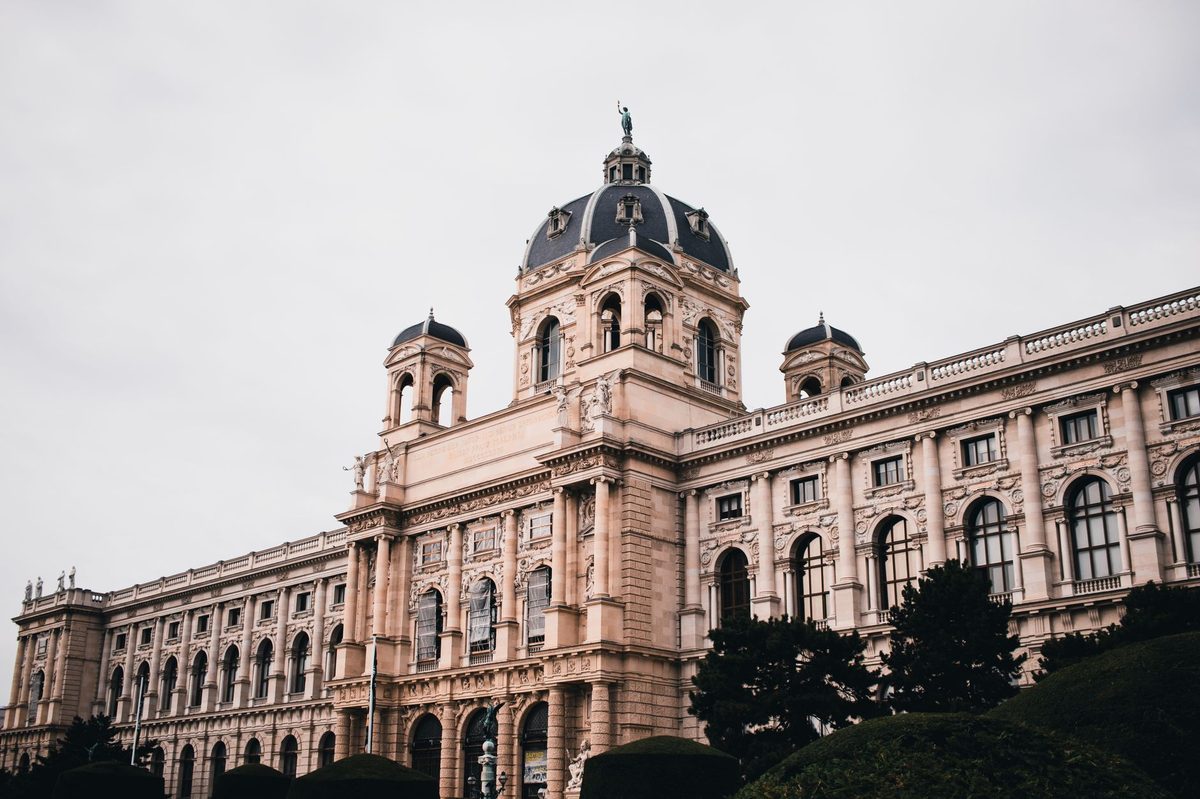
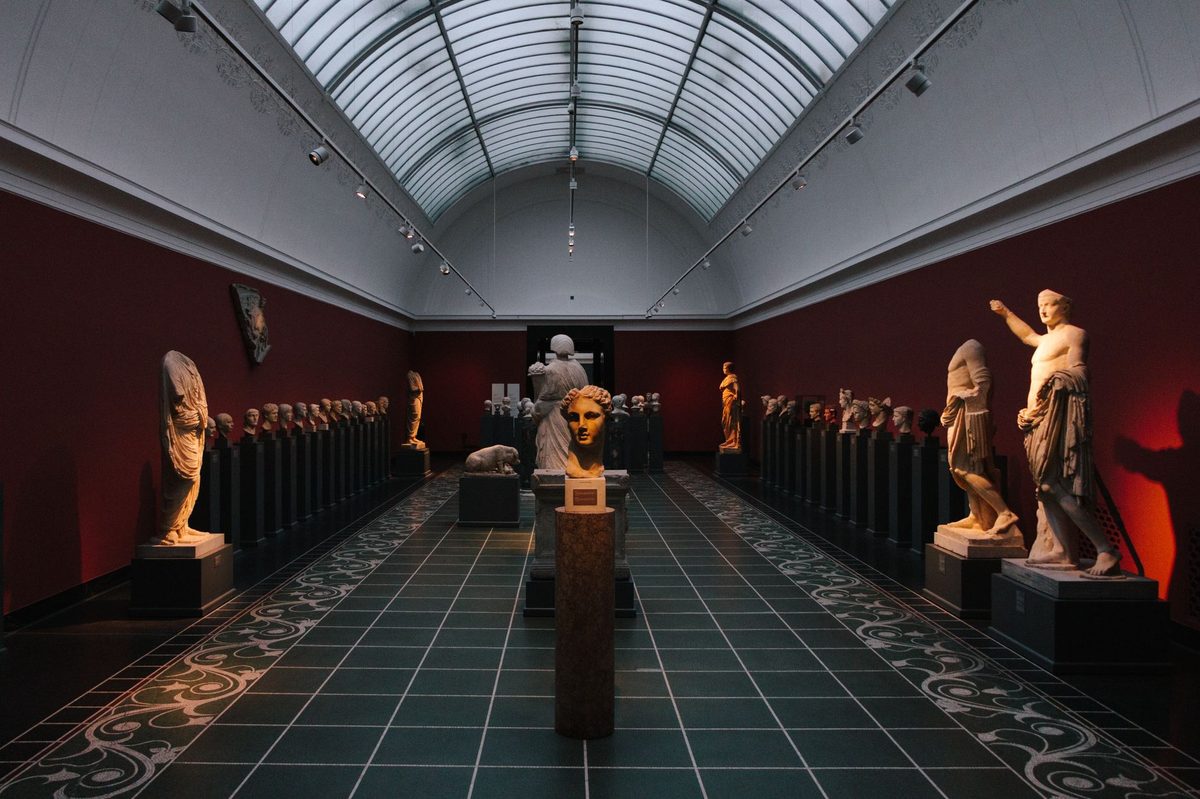
The MAH is a 1903-1910 Beaux-Arts building designed by Marc Camoletti and financed by a bequest from the Geneva industrialist Charles Galland. It opened to pull the city’s scattered art and antiquities collections into one building. Today it holds over 650,000 pieces, most in storage, with 7,000+ on permanent display across the three wings and the central sculpture hall.
The City of Geneva runs it as a public institution, which is why the permanent collection is free. It is part of a network of city-run museums (MAH, Musee Ariana, Maison Tavel, Cabinet d’Arts Graphiques, Musee Rath, Museum d’Histoire Naturelle, MEG) that together form one of the more generously funded municipal museum systems in Europe.
In practice the MAH is Geneva’s encyclopaedic museum, the city’s single repository for fine arts, decorative arts, and archaeology across all periods. If you have been to the British Museum, the Louvre, or the Met, this is the same idea at smaller scale: one museum that lets you see the whole sweep of European and Mediterranean cultural history.
Tickets, Hours, and Free Entry
2026 admission
- Permanent collection: free for everyone, year-round
- Temporary exhibitions: CHF 5-15 depending on the show
- Audio guide: CHF 5 (I would get it)
- Guided tour (Sunday 14:30 in French): free, sign up on-site
- Group and school programmes: free for Geneva schools; CHF 75-150 for private adult groups
Hours
- Tuesday to Sunday: 11:00-18:00
- Thursday late opening: 11:00-21:00
- Closed: Mondays, plus 25 December and 1 January
| Detail | Information |
|---|---|
| Address | Rue Charles-Galland 2, edge of the Old Town |
| Permanent collection | Free, year-round |
| Temporary shows | CHF 5-15 |
| Hours | Tue-Sun 11:00-18:00; Thu until 21:00 |
| Closed | Mondays, 25 Dec, 1 Jan |
| Time needed | 2-3 hours; 4 hours with audio guide |
| Must-see | Konrad Witz altarpiece (1444) |
Best times to visit
Weekday mornings are quietest. The Thursday late opening (until 21:00) is the secret good slot: far fewer people after 17:00, and the place feels almost private in the evening hours. Weekend afternoons get busy with families and school groups.
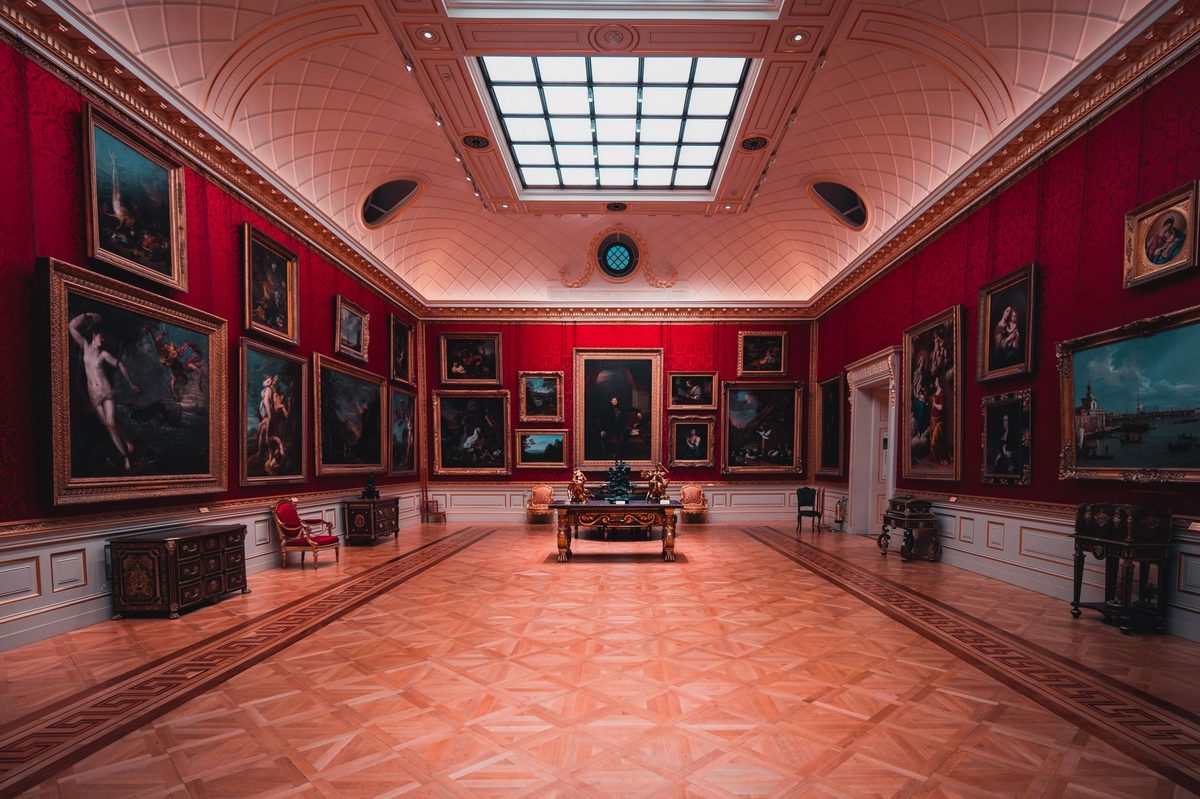
The Fine Arts Wing
The most important wing for a first visit. Highlights:
The Konrad Witz altarpiece (1444)
The Miraculous Draft of Fishes is the most art-historically significant painting in Switzerland. Painted by Konrad Witz for the Saint Peter Altarpiece in Geneva Cathedral in 1444, it shows Christ summoning Peter from the water, but uses the actual landscape of Lake Geneva as the background, with the Mont-Saleve and Petit-Saleve to the east and the Voirons further back. It is the first known European painting to depict a real, identifiable, contemporary landscape rather than an imaginary or symbolic one. Witz turned Western landscape painting into something that could be done. The panel sits in its own small room with explanatory text; give it 15-20 minutes.
Ferdinand Hodler landscapes
The MAH holds one of the largest collections of the Swiss painter Ferdinand Hodler (1853-1918), including his Lake Geneva and Mont Blanc landscapes. His Parallelism technique (rhythmic repetition of figures and landscape elements) was hugely influential on early 20th-century European painting, and his Lake Geneva sunsets are among the most reproduced Swiss artworks of all time.
Jean-Etienne Liotard portraits
A Geneva-born pastellist who became one of the great portraitists of 18th-century Europe (his portrait of Empress Maria Theresa hangs in the Vienna Belvedere). The MAH holds a substantial Liotard collection, including his famous self-portraits.
Rembrandt, Rubens, Italian Renaissance, and modern art
A select but high-quality Old Masters group, not Louvre-scale but with several important pieces; seek out the Rembrandt portrait and the early-room Italian Renaissance altarpieces. The modern collection is smaller but real, with Cezanne, Modigliani, Picasso, and Vallotton, and it is particularly strong on the Swiss modernists.
The Archaeology Wing
Egyptian collection
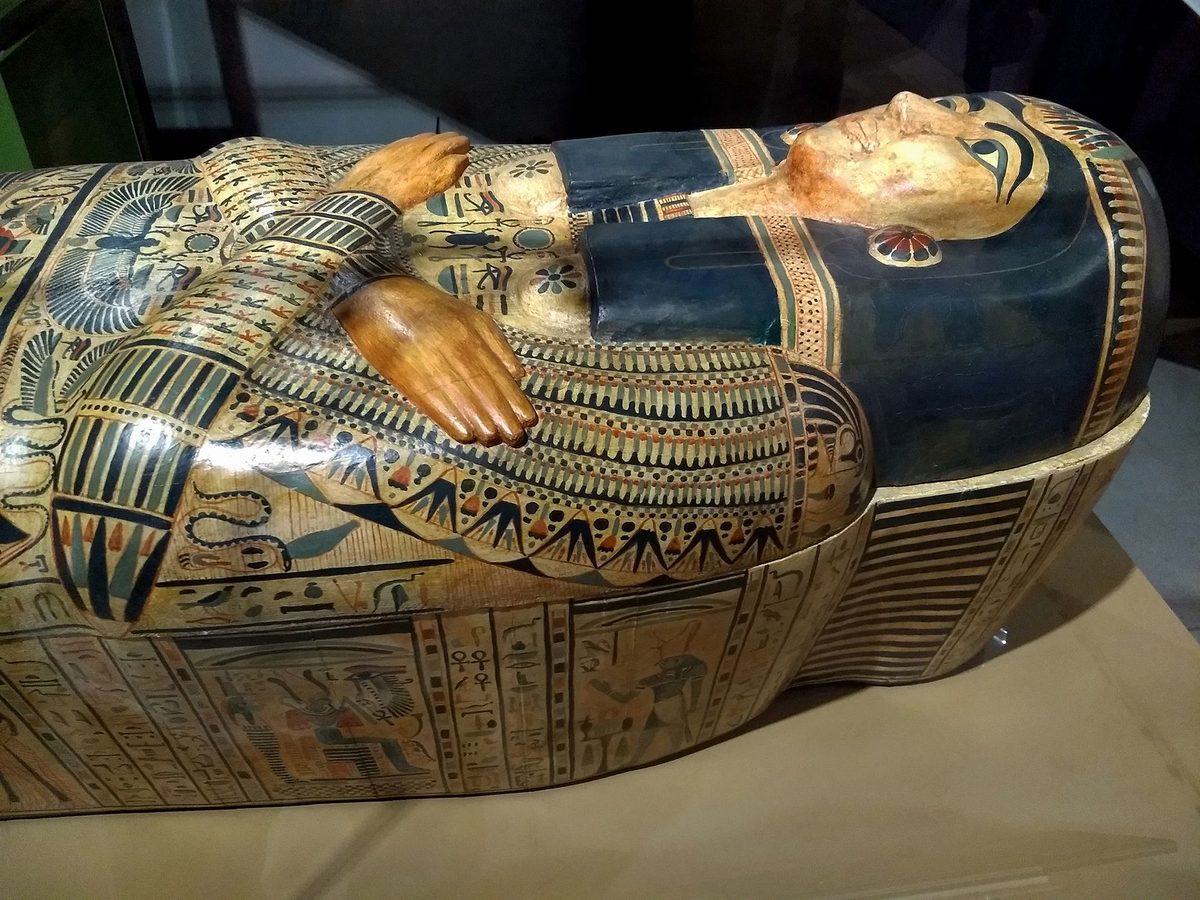
Switzerland’s largest Egyptian antiquities collection: mummies, sarcophagi, funerary masks, jewellery, papyri, and a particularly fine set of religious amulets and ritual objects. The 9th-century-BC mummy is the visitor highlight. Allow 45 minutes minimum.
Greek and Roman
Sculpture, ceramics, mosaics, and bronze figures from across the Mediterranean. The Roman provincial mosaics found in digs near Geneva itself are highlights, bringing the city’s Roman past into focus.
Geneva prehistory and medieval archaeology
Local digs cover Geneva from prehistoric lake-dwellings through the Iron Age to the medieval city. The lake-dweller display (recreations of stilt houses on Lake Geneva from 3000-1500 BC) is useful context for the long human presence on this lake.
The Applied Arts Wing
Furniture, decorative arts, weapons, textiles, silver, ceramics, and the famous watch and clock collection.
The horology collection
The MAH holds Geneva’s municipal collection of watches and clocks, different from but complementary to the Patek Philippe Museum. The MAH collection emphasises the historical development from medieval timekeepers through 18th-century pocket watches to 19th-century Swiss innovations. The Bovet enamelled pocket watches and the Lepine watches are highlights.
Arms and armour
Medieval and Renaissance European armour, swords, firearms, and a fine set of decorative weapons from various European courts. Less famous than the watch collection but historically important.
Furniture and period rooms
The period rooms include reconstructed 18th-century Geneva salons with original furniture, paintings, and decorative elements. The Cabinet des Medailles (numismatics collection) is also reached from this wing.
The 10 Must-See Pieces
If you only have 90 minutes, this is the priority circuit:
- Konrad Witz, The Miraculous Draft of Fishes (Fine Arts), the most important painting here.
- Ferdinand Hodler landscapes (Fine Arts), the great Swiss late-19th-century painter.
- Jean-Etienne Liotard self-portraits (Fine Arts), the Genevan master pastellist.
- The 9th-century-BC Egyptian mummy (Archaeology).
- Roman mosaics from local digs (Archaeology), Geneva’s own Roman past.
- The Iron Age lake-dweller reconstructions (Archaeology).
- The medieval European armour collection (Applied Arts).
- Bovet enamelled pocket watches (Applied Arts).
- The 18th-century period rooms (Applied Arts).
- The Cabinet d’Arts Graphiques drawings (a separate, free department holding Durer, Holbein, and Rembrandt drawings).
Getting There and Nearby Pairings
Getting there
The MAH is at Rue Charles-Galland 2, on the south-east edge of the Old Town. Closest stops: Place Neuve (5-minute walk) or Rive (7 minutes). Take Tram 12 to Rive, or Bus 3, 5, or 8 to Athenee. Walking from central Geneva (Place du Molard) is about 15 minutes uphill. Our Geneva public transport guide explains the tram and bus passes.
Nearby pairings
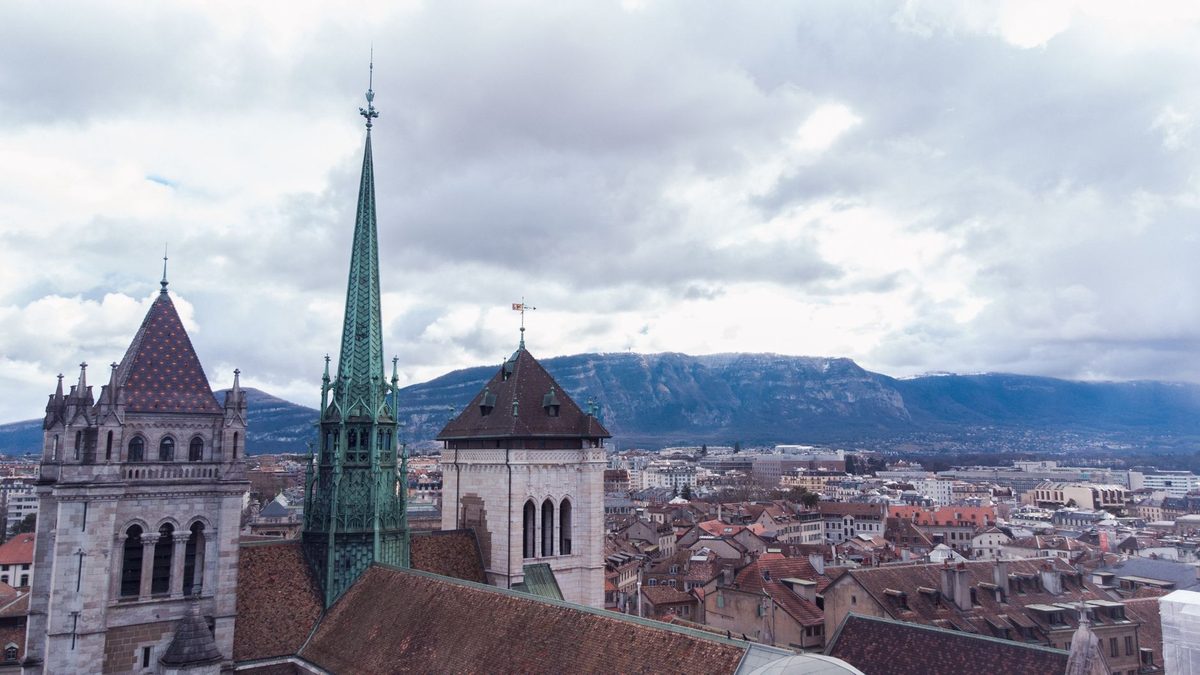
Saint-Pierre Cathedral and the Old Town: 10 minutes uphill. Combining the MAH with the cathedral and a Maison Tavel visit is the standard Geneva history day. Add lunch at Cafe de l’Eveche on the cathedral square. For background, see our Geneva history and heritage guide.
Parc des Bastions and Place Neuve: 7 minutes west. Add the Reformation Wall and the Musee Rath (rotating exhibitions) for a full historical-cultural circuit.
Patek Philippe Museum: 15 minutes south to Plainpalais. Pair the city’s two most important museum collections in one day, and see the art museums and galleries guide for the wider contemporary scene.
Lakefront: 10 minutes north to the Jardin Anglais (Flower Clock, Jet d’Eau, lakefront). A good decompression walk after the museum.
The Museum’s Future: the Nouvel Renovation Saga
One bit of Geneva cultural history worth knowing: the MAH sat at the centre of a long architectural controversy. In the early 2010s it commissioned the French architect Jean Nouvel (Pritzker Prize 2008, designer of the Louvre Abu Dhabi and the Philharmonie de Paris) to design a major extension to the historic 1903 building. Nouvel proposed a modern wing that would have nearly doubled the exhibition space and added a new contemporary entrance.
The City Council approved it, but it went to a popular referendum in 2016, and Geneva voters rejected it. The debate turned on heritage preservation, urban scale, and how visibly contemporary the addition should be in the historic neighbourhood. The project was shelved.
The museum has since pursued smaller renovations within its existing footprint, and the question of how to modernise a 120-year-old encyclopaedic museum remains open. For visitors, the practical effect is that the MAH stays in its grand but spatially constrained 1903 building, with much of the 650,000-piece collection necessarily in storage. The Nouvel project might have changed that. The voters decided otherwise.
Special Events and the Long-Night Visit
Two events are worth planning around:
The Geneva Night of Museums (May)
One Saturday evening each May (the date varies, so check institutions.ville-geneve.ch), every Geneva municipal museum opens until midnight with free entry, special programmes, music, and tours. The MAH is one of the main hub museums for it, and it is the single best night of the year for museum-lovers to be in Geneva.
The Thursday late opening (year-round)
Every Thursday the MAH stays open until 21:00. Far fewer visitors after 17:00, and the museum feels different in the lower evening light. The Konrad Witz altarpiece in particular benefits from the gentler lighting. If your trip allows a Thursday evening, this is the best visit time.
The first Sunday of the month
All municipal museums plus several normally-paid private museums offer free or pay-what-you-want admission on the first Sunday of each month. Stack several museums on a single first Sunday for maximum mileage, and see our free things to do in Geneva guide for the full list.
The Konrad Witz Painting in Context: Why 1444 Matters
One closing thought, because the wall text does not fully explain it. The Konrad Witz Miraculous Draft of Fishes (1444) is widely cited as the earliest known European painting to depict a specific, identifiable real-world landscape. To see why that matters, consider what came before.
Late medieval European painting had used landscape backgrounds for centuries, but those backgrounds were essentially symbolic or generic. A green hill in a Giotto fresco from 1305 stood for a hill in the abstract; it was not meant to be any specific hill. Religious scenes happened in vaguely Mediterranean settings invented for the painting. The idea that you might paint the actual landscape outside your window, that a real, identifiable place could itself be the subject of art, had not emerged yet.
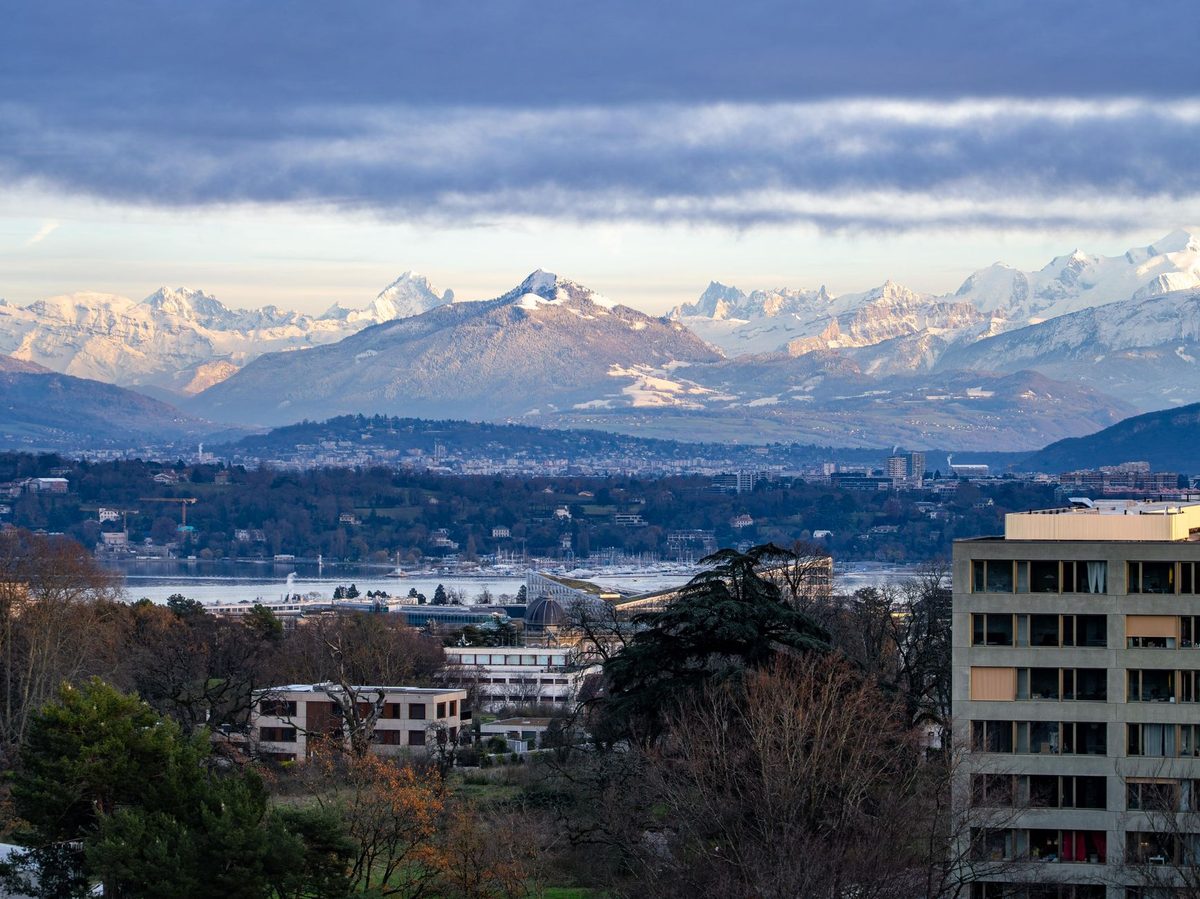
Then Witz, in 1444, painted the Mont-Saleve and the Petit-Saleve as seen across Lake Geneva from his studio, the actual mountains, recognisable to any Geneva resident, rendered with what we would now call topographical accuracy. The biblical scene sits in the foreground; the real Geneva landscape sits behind. The two read as connected: this miraculous moment, the painting suggests, could be happening here, by this real lake, in front of these real mountains.
That move, landscape as a subject in its own right and the real world as a fit setting for serious art, is one of the foundational shifts of the Renaissance, and Witz’s altarpiece is the earliest dated European example. Stand in front of it 580 years later and you are looking at where Western landscape painting starts. Then walk up to the cathedral terrace and look at the actual Mont-Saleve. The view has not changed much.
FAQ: Museum of Art and History Geneva
Is the Museum of Art and History free?
Yes. The permanent collection is free year-round. Temporary exhibitions charge CHF 5-15.
What are the opening hours?
Tuesday to Sunday 11:00-18:00, with a Thursday late opening until 21:00. It is closed Mondays, plus 25 December and 1 January.
How long should I plan for the MAH?
2-3 hours for a focused visit, or about 4 hours for a thorough one with the audio guide.
What is the most important piece in the museum?
The Konrad Witz altarpiece (1444), The Miraculous Draft of Fishes. It is the first European painting to depict an identifiable real landscape, using Lake Geneva as its setting.
Does the MAH have an Egyptian collection?
Yes, Switzerland’s largest, including a 9th-century-BC mummy and a wide range of funerary objects, papyri, and amulets.
Can I take photographs, and is it accessible?
You can photograph the permanent collection without flash; some temporary shows restrict photography. The building is fully wheelchair accessible with lifts to all floors, and there is a cafe in the central courtyard with light lunches at CHF 8-15.
Official Sources and Further Reading
Related Geneva Guides
Keep planning with the Geneva museums and culture pillar, then add the art museums and galleries guide, the Patek Philippe Museum, the wider Geneva history and heritage story, the practical plan your trip to Geneva guide, and our where to stay in Geneva breakdown.
The MAH is the Geneva museum most visitors should plan around and most do not. Free entry to one of Europe’s better-curated encyclopaedic collections, three serious wings, and the single most important painting in Swiss art history. Pair it with the Old Town and the Reformation Wall on the same day for one of the most rewarding cultural days in central Geneva. Walk through the Witz altarpiece room slowly, then go up to the cathedral and look at the actual landscape Witz painted in 1444. The lake will look almost exactly the same.