Geneva Packing List — What to Wear & Bring by Season (2026)
This article contains advertising. Our booking links are routed through a partner that adds commission tracking automatically, so if you book through one we earn a commission from the provider, at no extra cost to you. It never affects what we recommend. Affiliate disclosure
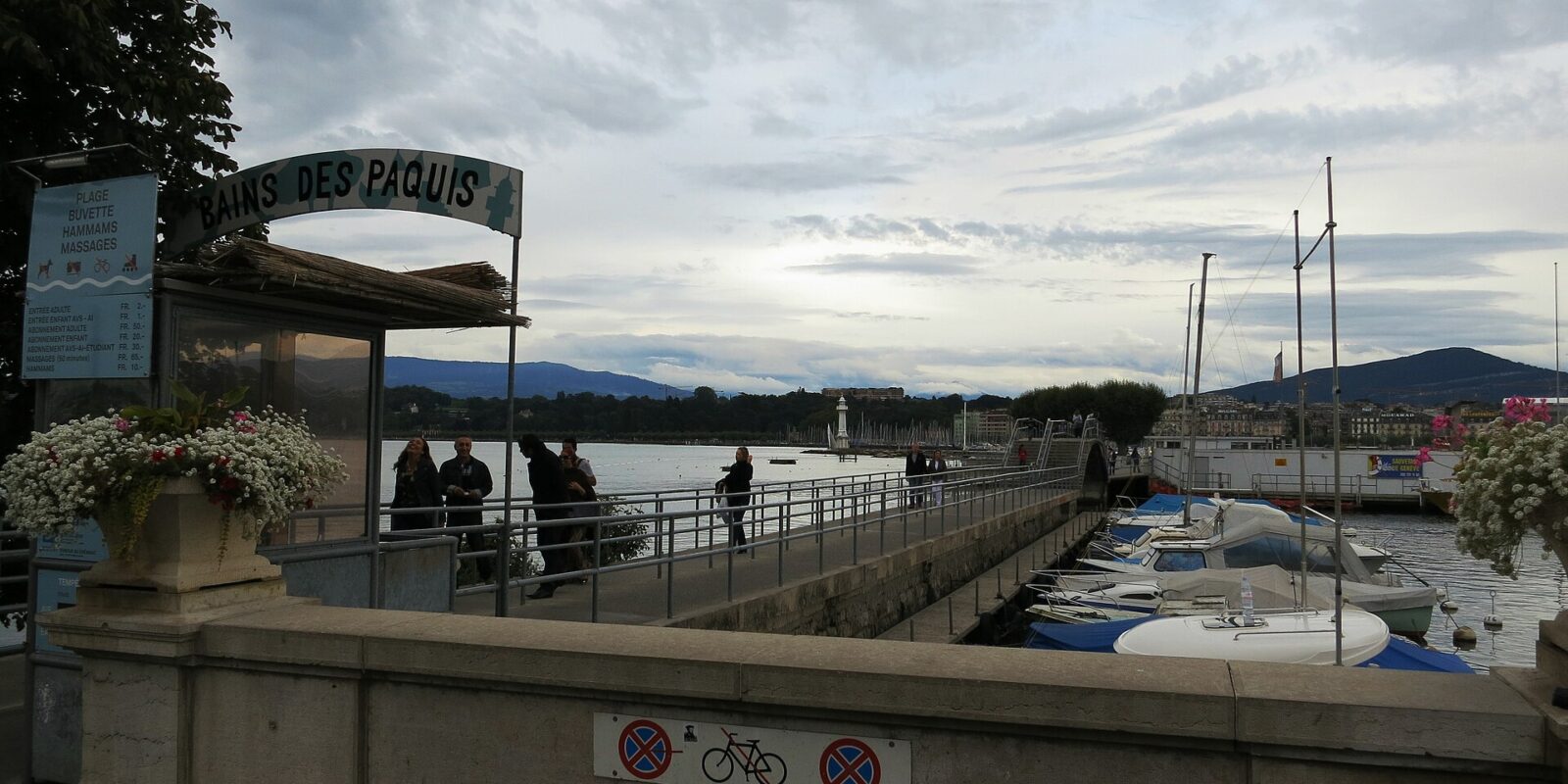
Your Geneva packing list comes down to a few decisions most visitors get wrong. The biggest one is winter: people bring a “warm coat” and forget the Bise, the cold dry north-easterly that makes it feel colder than the thermometer says. Wind protection beats raw insulation, so a waterproof shell over an insulated mid-layer wins over a heavy puffer on its own. After that it is the small Swiss specifics: cobblestones in the Old Town and Carouge (stilettos and thin sneakers fail), the Type J power socket (a slim two-pin Europlug fits, but check that any travel adapter supports Switzerland), the hundreds of public fountains that make a refillable bottle a no-brainer, and the year-round swimming at the Bains des Paquis that means even December visitors should pack a swimsuit for the sauna and cold plunge.
This is a proper Geneva packing list: season-by-season clothing with specific brands, special packs for skiers, business travellers, families, festivals and lake-swim weekends, the Swiss-only essentials, and a clear “do not bring” list. Pair it with planning your Geneva trip and, since the weather drives most of these calls, the lake-and-mountain context in the Geneva outdoor activities guide.
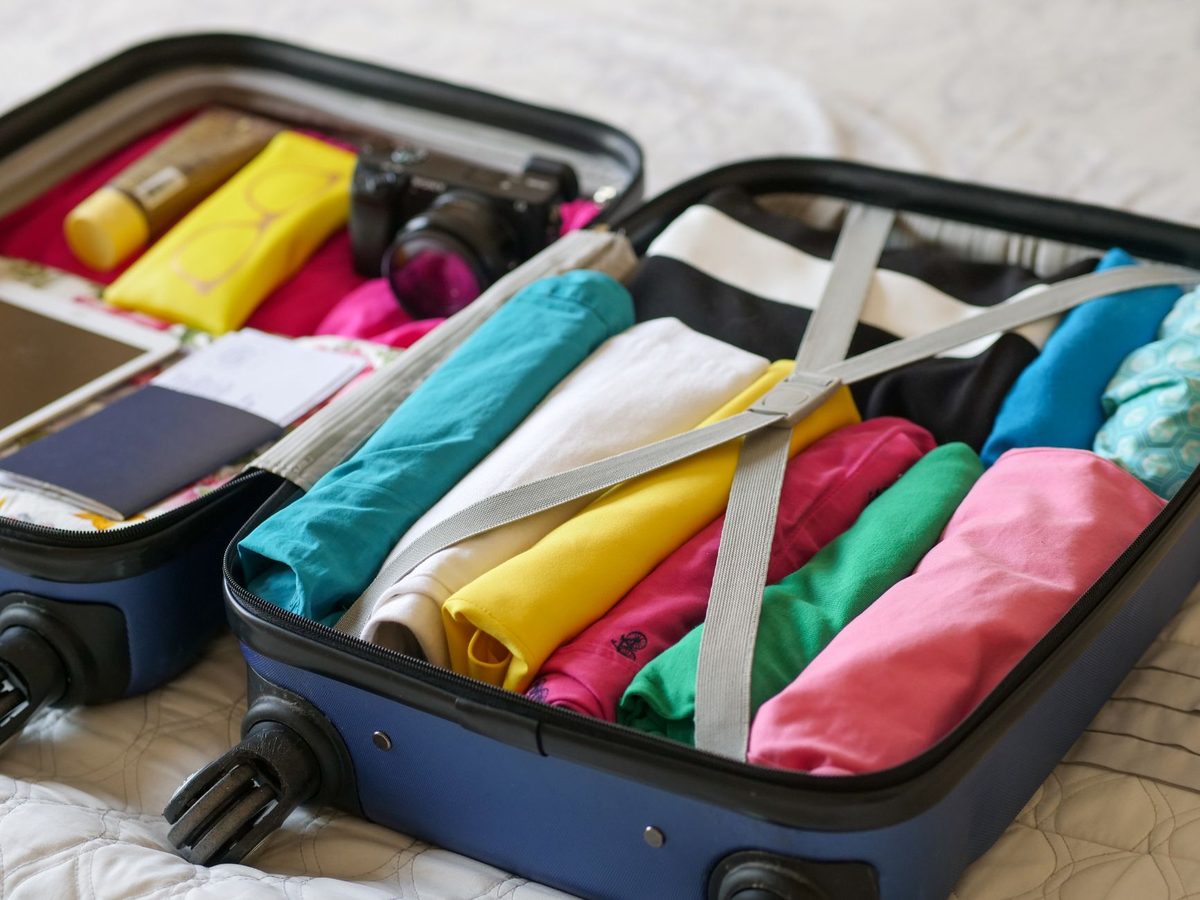
01 — Geneva packing essentials, year-round
Whatever the season, these come on every Geneva trip.
| Item | Why it matters in Geneva |
|---|---|
| Swiss Type J power adapter | Non-negotiable. Many EU plugs do not fit the Swiss socket. |
| Refillable water bottle | Hundreds of public drinking-water points with excellent tap water (most fountains are off from November to March). |
| Walking shoes with grip | Old Town cobblestones year-round. |
| One smart-casual outfit | Geneva dresses quietly elegant for restaurant dinners. |
| Cross-body bag | Anti-pickpocket at Cornavin and festivals. |
| Swimsuit | Year-round, since the Bains des Paquis sauna runs in winter. |
| Tote or shopping bag | Swiss supermarkets charge for plastic bags. |
| Compact wind-resistant umbrella | The Bise destroys large umbrellas. |
02 — What locals actually wear
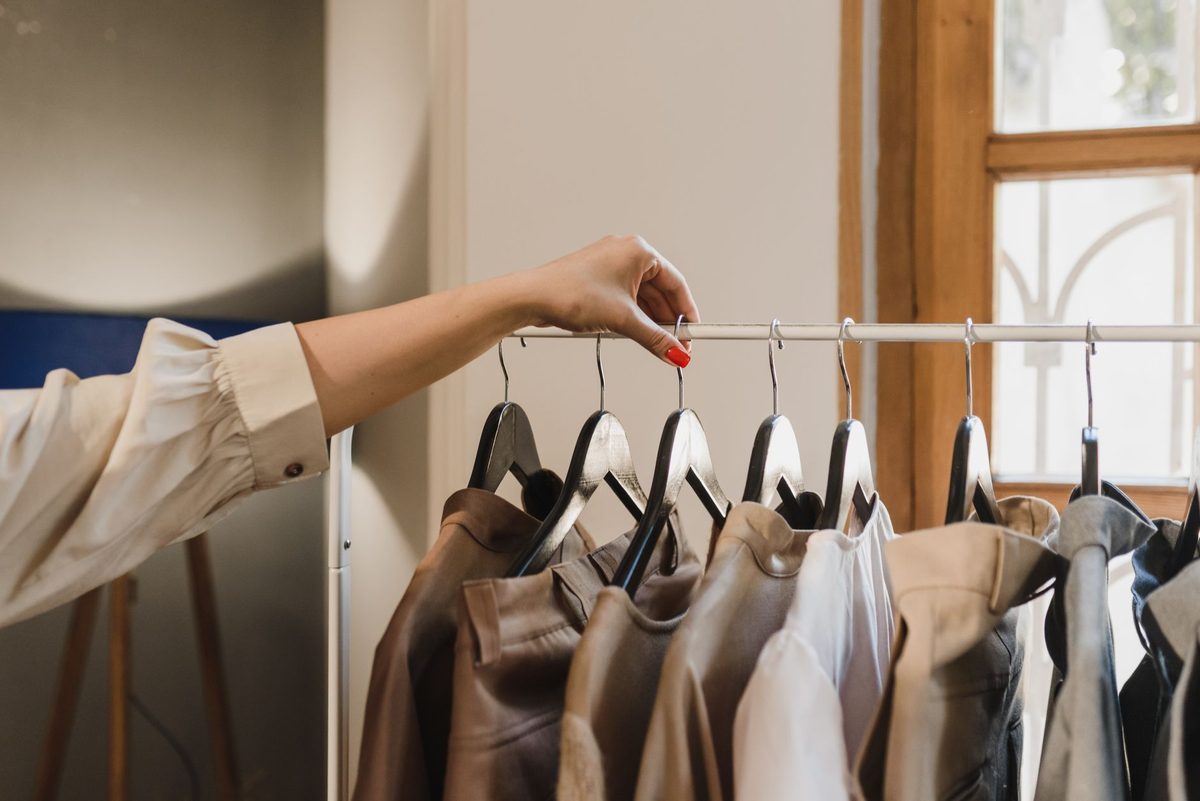
Geneva dresses on the elegant end of Europe. Banking, watchmaking and diplomacy have shaped a quietly luxurious look: good fabrics, understated colours like navy, charcoal, beige and white, few loud logos, and real shoes rather than trainers for dinner. On a quay terrace you will see a clean shirt with chinos rather than gym kit, and structured tops with smart jeans and leather flats.
For visitors that means packing at least one smart-casual outfit for restaurants, the opera or a meeting, and leaving the big-logo hoodies and gym wear at home because they read as out of place in the centre. Comfortable does not have to mean casual: comfortable shoes with a smart silhouette beat athletic shoes with shorts. Geneva tolerates casual but rewards smart, so lean elegant if you want to blend in. For UN, WTO or formal business it is full corporate dress (suits, blazers, dress shoes); for Watches and Wonders or a luxury hotel event, smart-casual with a jacket.
03 — Spring packing (March to May)
Average temperatures climb from chilly (about 2 to 12 degrees in March) to mild (9 to 20 in May), the weather is variable, April can bring showers, and the days lengthen. Pack a mid-weight waterproof shell (Patagonia Torrentshell, Arc’teryx Beta or similar), a light merino sweater or fleece, a few long- and short-sleeve tees, jeans and light trousers, one smart-casual outfit, and light gloves and a scarf for cold March mornings. On your feet, waterproof walking shoes with grip (wet cobblestones get slippery) plus a smart pair for dinner. Add sunglasses as the UV climbs and that compact wind-resistant umbrella.
04 — Summer packing (June to August)
Summer is lake season, with warm afternoons (average highs run about 24 to 27 degrees from June to August) and long days. Bring two swimsuits because you will use them daily, plus t-shirts and tank tops, a light dress or smart top and shirt for evenings, shorts and light trousers or skirts, a light cardigan or pashmina for cool nights, a sun hat and a light rain shell for the odd thunderstorm.
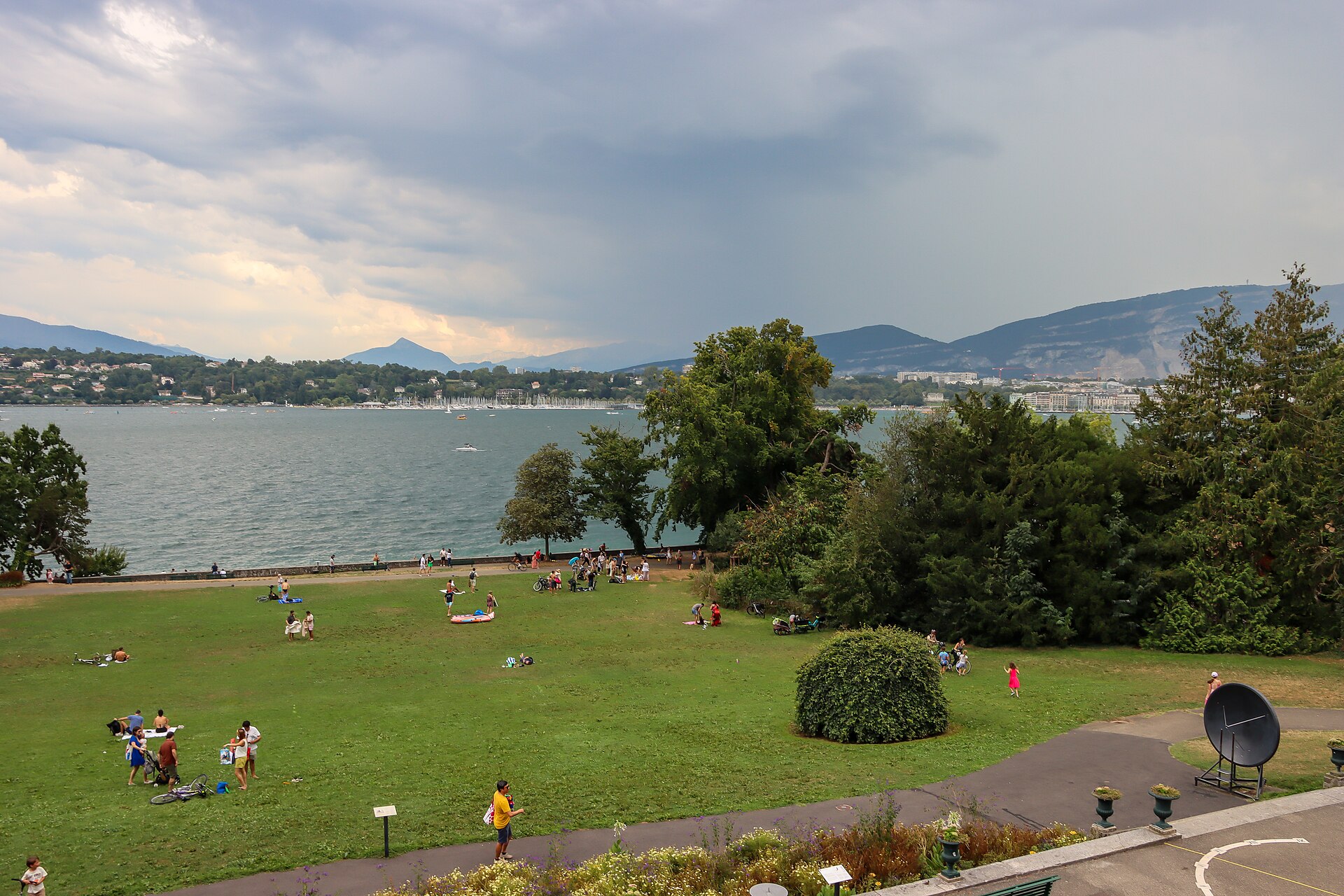
For footwear, sandals and flip-flops for the lake, cushioned walking shoes with grip for the city, and one smart pair for restaurants. Accessories that earn their place: SPF 50 sunscreen (Geneva’s UV is high at 375 metres), sunglasses, your refillable bottle for the fountains, insect repellent for evening lakeside picnics, and a cool pack or insulated bag if you are carrying chocolate or cheese home. For where to swim, see the Geneva outdoor activities guide.
05 — Autumn packing (September to November)
September stays mild (around 21 degrees), October cools to about 15, and November turns cold and foggy near 10, with October the wettest month at about 97mm and November bringing about 89mm. Daylight saving ends on the last Sunday of October, so sunset comes before 18:00 from then on. Pack a waterproof shell, a medium-weight jacket or trench, two or three wool or merino sweaters, long-sleeve tees and shirts, jeans or trousers, a thermal base layer from November, and a scarf, beanie and gloves from October, plus one smart-casual outfit.
For shoes, waterproof boots (wet leaves are slippery), walking shoes with grip and a smart pair. Useful extras: a compact umbrella, sunglasses for sunny September, a vitamin D supplement for November when sunshine drops to about 2.2 hours a day, face moisturiser as the humidity falls, and a camera for the October foliage peak at Perle du Lac and Bois-de-la-Batie.
06 — Winter packing (December to February)
This is the Bise-defining season. Temperatures run minus 1 to 7 degrees, with the Bise making it feel colder still, the city sees about 24cm of snow a year (on around seven days with at least 1cm), fog inversion is common, and the days are short.
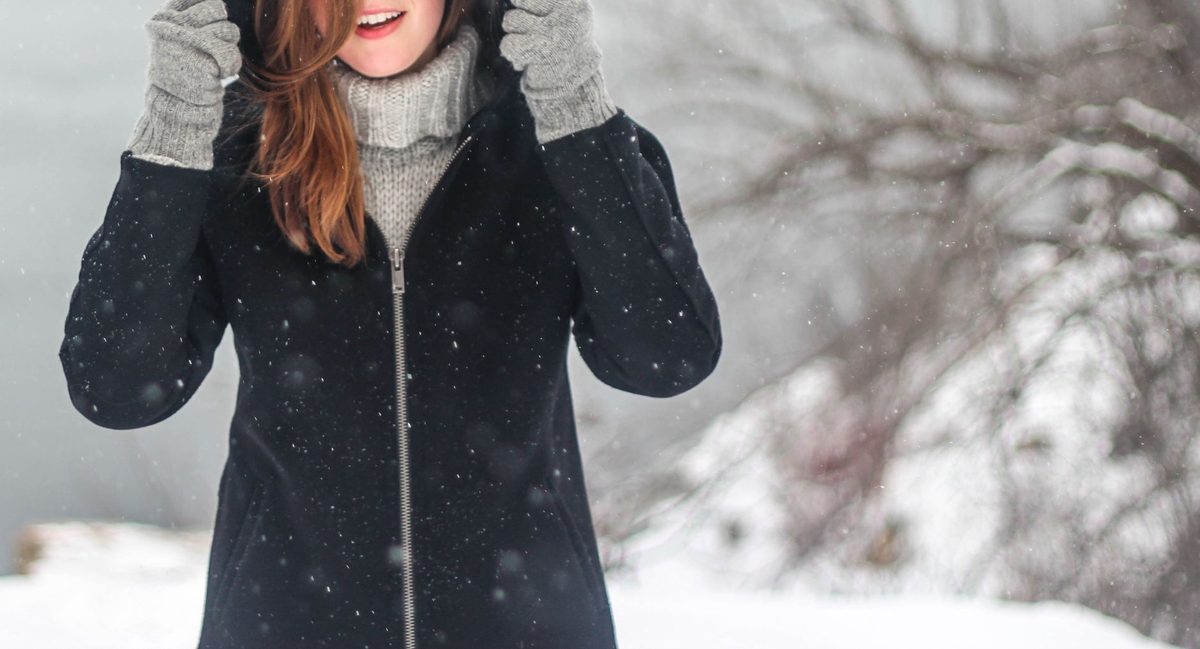
The clothing system that works: a waterproof windproof shell jacket as the key item (Arc’teryx, Patagonia, North Face, Berghaus), an insulated mid-layer in down or synthetic (Patagonia Nano Puff, Uniqlo Ultra Light Down), a merino thermal base layer (Icebreaker, Smartwool or Uniqlo Heattech), plus sweaters and fleeces, warm or lined trousers, and a smart-casual outfit for dinners. For feet, waterproof boots with grip (the lakefront freezes) from Sorel, Timberland or waterproofed Doc Martens, with wool socks and a smart pair for restaurants. The accessories matter as much as the coat: a beanie, windproof touchscreen gloves, a wool scarf, hand warmers for the L’Escalade procession on 13 December or long festival nights, face and lip balm because the Bise dries out skin, sunglasses for snow glare and Saleve cable-car days above the fog, a hood (an umbrella will fail), and a swimsuit and robe for the Bains sauna.
07 — The Bise-proof packing principle
This gets its own section because almost nobody writes about it, and it is the single thing that makes a Geneva winter comfortable. The city feels colder than the reading because of the Bise: a 5-degree day with the wind at 50 km/h feels like minus 5 on exposed skin. A heavy puffer with no wind resistance leaves you cold, while a lighter shell plus mid-layer protects far better. The order of importance is windproof shell first (the Bise will not get through a proper waterproof-breathable shell), then an insulating mid-layer you can adjust indoors, then a merino thermal base, then head protection (a beanie or hood), then gloves, then footwear with grip for frozen promenades.
What does not work: a heavy wool coat (air penetrates it), ankle-length down with no shell over the gaps, a standard umbrella (folded inside-out within minutes), and open-cuff sleeves the wind blows straight up. Get the shell right and everything else falls into place.
08 — Special-purpose packs
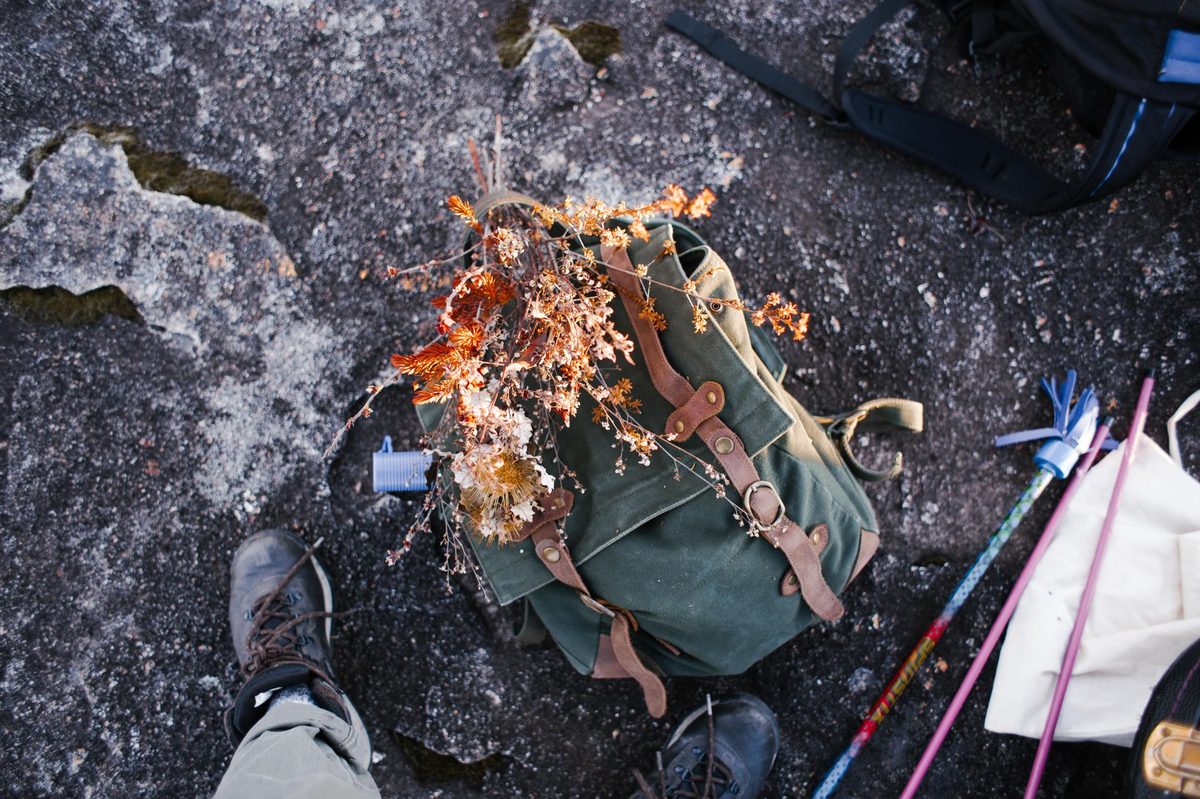
Ski day trip from Geneva
For a ski day, pack a merino thermal base, a mid-layer fleece, a ski jacket and pants (rentable at most resorts), goggles, waterproof insulated ski gloves, a neck gaiter or balaclava, ski-specific wool socks, SPF 50 for the intense Alpine UV, lip balm, apres-ski boots for the village, and hand warmers. Rent the helmet at the resort (CHF 5 to 10 a day) and the skis themselves too (CHF 35 to 60 a day), which is far easier than carrying them. The Geneva outdoor activities guide covers the resorts.
Business, UN or WTO meeting
Bring a suit or blazer with dress trousers or skirt, two or three dress shirts, a tie and smart accessories, well-broken-in dress shoes (cobblestones), a smart leather laptop bag rather than a rolling backpack, one smart-casual outfit for evening events, a notebook, pen and business cards, adapters and chargers, and a travel steamer or use the hotel pressing service. Formal UN and WTO meetings expect full corporate dress.
Family with kids
Pack kid rain shells and waterproof boots, sun hats and SPF 50, multiple swimsuits, refillable bottles, familiar snacks (Geneva snacks are pricey), a foldable stroller with bigger cobblestone-friendly wheels, a child carrier for Saleve hikes or the Old Town, kid medicines, and toys for restaurants and transport. For more, see Geneva with kids.
Festivals and lake swimming
For festivals (Geneve Geneve, Antigel, Christmas markets), bring layers for changing temperatures, comfortable boots, hand warmers for the winter ones, cash for food trucks, a small day pack, earplugs for loud concerts or fireworks, and a camera. For the lake and the Bains des Paquis, pack a swimsuit and quick-dry towel, flip-flops or swim shoes for the concrete decks, a waterproof phone pouch, a light robe year-round (sauna in winter), goggles and earplugs if you swim seriously, and sun cream.
09 — Day-pack essentials
For a day out, carry your phone and a portable battery, a wallet with CHF cash and cards, the Geneva Transport Card from your hotel, a refillable bottle, a compact umbrella or rain shell, a hat or beanie and sunglasses depending on the season, a camera, snacks if you have kids (Geneva snacks are pricey), hand sanitiser or wipes, and a tote because supermarkets charge for plastic bags.
10 — What not to bring to Geneva
A few things are actively not worth the suitcase space. Large umbrellas (the Bise destroys them, so use a compact wind-resistant one or a hood), stilettos (the Old Town and Carouge cobblestones swallow them), short shorts in winter (you will feel out of place and freeze), and loud-logo branded clothing (it reads as touristy here). Skip heavy paper guidebooks and use your phone, and skip carrying lots of cash since cards work nearly everywhere and CHF 200 to 400 covers a whole trip.
The electrical ones matter most. US power strips do not fit the Swiss Type J socket, so bring a single adapter. US hairdryers, curling irons and straighteners run on 110V and can burn out on Switzerland’s 230V, so use the hotel hairdryer or pack dual-voltage models. And espresso fans should note Switzerland runs on Nespresso, so your home-system pods may not work while Swiss pods are everywhere.
11 — Swiss-specific essentials
A short list of things that are particular to Switzerland. Swiss sockets take the Type J plug and also the slim two-pin Type C Europlug, so many EU chargers fit as they are; if you buy a travel adapter, check that it explicitly supports Switzerland. Voltage is 230V at 50Hz, fine for modern phones and laptops with just an adapter but a problem for US 110V hair tools without a converter. EU and UK visitors should carry their EHIC or GHIC card, and everyone should carry a travel-insurance card, which I cover in the Geneva travel insurance guide. Add a refillable bottle for the fountains, a tote because supermarkets charge CHF 0.05 to 0.20 for bags, any Half-Fare Card or Swiss Travel Pass as a print or digital QR, the Geneva Transport Card from your hotel, and the TPG and SBB Mobile apps for tickets and timetables. For getting around, see the Geneva transport guide.
12 — Toiletries, medication and laundry
Hotel toiletries are generally excellent, with most providing shampoo, conditioner and body wash, though some boutique places are sparser, and a washcloth is often not provided in Swiss hotels, so bring your own if you use one. For medication, pack prescriptions in their original packaging with the script, and bring a doctor’s letter for controlled substances like opioids, ADHD or certain psychiatric drugs. Common medicines are sold at Swiss pharmacies but are pricey, so bring basics like paracetamol, ibuprofen, antihistamines and anti-diarrhoea; for a duty pharmacy at night call 0848 848 110 or see pharmageneve.swiss, and keep 144 for life-threatening emergencies. Contact-lens solution and period products are stocked at Migros, Coop and pharmacies. For laundry, self-service laundrettes are available in the city and your hotel may offer a paid service, so on a long trip it is easier to pack for 7 to 8 days and do a mid-trip wash than to pack for 14.
13 — What is available if you forget something
Do not stress over packing perfection, because Geneva sells almost anything you leave behind. Migros, Coop and Manor carry clothing, toiletries and basic gear at supermarket prices, SportsXX and Athleticum cover sport gear including ski rental and outdoor jackets, and H&M, Uniqlo and Decathlon handle everyday clothing on Rue du Marche and at the Confederation-Centre. Pharmacies sort medication, sunscreen and lens solution, and Globus and Manor cover everything from luxury to basics. What is genuinely expensive here is branded luxury and premium electronics; what is reasonable is basic clothing at Uniqlo or H&M and supermarket toiletries. For ideas once you are packed, see things to do in Geneva and sort your base with where to stay.
Frequently asked questions
What should I pack for Geneva in winter?
A waterproof windproof shell jacket is the essential item for Bise protection, over an insulated mid-layer and a merino thermal base, plus a beanie, windproof gloves, waterproof boots with grip, a wool scarf, and face and lip balm. Add a swimsuit and robe if you plan to use the Bains des Paquis sauna.
What clothes should I wear in Geneva in summer?
T-shirts and light tops, shorts, skirts or light trousers, a light layer for cooler evenings, sandals plus comfortable walking shoes and one smart pair, a sun hat, SPF 50, two swimsuits, a light rain shell for thunderstorms, and one smart-casual outfit for restaurant dinners.
What power adapter do I need in Switzerland?
Swiss sockets take the Type J plug and the slim two-pin Type C Europlug, so many EU chargers fit as they are; if you buy a travel adapter, check that it explicitly supports Switzerland. Voltage is 230V at 50Hz, so US 110V hair tools also need a converter.
Is Geneva formal or casual?
Quietly elegant, sitting between formal and casual, with smart-casual as the default. Pack one smart outfit for restaurants, lean toward navy, charcoal and classic patterns, and skip loud-logo clothing, which reads as touristy. UN and WTO meetings require full corporate dress.
Do I need a swimsuit in Geneva?
Yes, year-round. Summer is for the lake beaches and the Bains des Paquis, winter is for the Bains sauna and the cold-water swimming crowd, and Geneve-Plage, public pools and hotel spas all need swimwear too.
Do I need an umbrella in Geneva?
Only a compact wind-resistant one. Large umbrellas fail in the Bise, so a waterproof shell jacket with a hood is the more reliable choice.
Ski kit is a packing problem of its own, priced per item and reclaimed in a different hall: see flying to Geneva with skis for what airlines charge and what to leave at home.
14 — Related Geneva guides
Keep planning with the complete Geneva trip planner, sort cover with the travel insurance guide, plan lake and mountain days with outdoor activities, get around with the transport guide, keep costs down via Geneva on a budget, and fill the days with things to do in Geneva.