Geneva Travel Insurance — Do You Need It? Best Options (2026)
This article contains advertising. Our booking links are routed through a partner that adds commission tracking automatically, so if you book through one we earn a commission from the provider, at no extra cost to you. It never affects what we recommend. Affiliate disclosure
Short answer on Geneva travel insurance: almost everyone should buy it, and non-Europeans absolutely must. Swiss healthcare is world-class, which is exactly why it is expensive. A slip on the ice that breaks your wrist runs CHF 800 to 1,500 in the ER, and a serious ski crash near Les Houches with a helicopter lift, surgery and a few nights at HUG (Hopitaux Universitaires de Geneve) can clear CHF 30,000 to 50,000. There is no NHS-style free care for visitors here: every franc of treatment lands on you or your insurer.
The wrinkle is nationality. EU and EEA visitors with an EHIC card get reduced (not free) rates, UK visitors with a GHIC have had similar Swiss access since 2024, and everyone else pays full price unless they are insured. Even with an EHIC or GHIC, a travel policy fills the gap, covering cancellation, baggage and the real Geneva-specific risks: Saleve hiking, ski day-trip injuries, lake water-sports, and treatment across the border in Annecy or Chamonix. This guide walks through the actual costs, the card mechanics, the providers worth a look, ski cover, REGA air rescue, and a decision matrix by traveller type. Start your wider planning with planning your Geneva trip.
01 — Do you need travel insurance for Geneva?
It depends on your passport and what you plan to do. Here is the quick read.
| You are a citizen of | Recommendation |
|---|---|
| EU/EEA with EHIC card | EHIC plus supplementary travel insurance to cover the gaps |
| UK with GHIC card | GHIC plus supplementary travel insurance |
| US, Canada, Australia, NZ, Japan, anywhere else | Travel insurance essential |
| Schengen visa applicant (any nationality) | EUR 30,000 minimum cover legally required for the visa |
| Skiing or adventure activities | Add an adventure rider or specific ski insurance |
| Business travel, no activities | Insurance recommended; check employer cover first |
02 — What a medical emergency actually costs in Geneva
These are real 2026 prices for care without insurance in the Geneva region, and they get billed to you within days because Swiss hospitals expect payment. None of it is negotiable.
| Treatment | Cost without insurance |
|---|---|
| GP or walk-in clinic visit | CHF 150-300 |
| ER visit (simple, no admission) | CHF 500-1,500 |
| ER plus imaging (X-ray, CT) | CHF 1,000-3,000 |
| Hospital stay per day | CHF 1,000-3,000+ |
| Surgery (simple, e.g. broken wrist) | CHF 8,000-15,000 |
| Major orthopaedic surgery (ski injury) | CHF 20,000-50,000 |
| ICU per day | CHF 5,000-10,000 |
| Ground ambulance | CHF 800-1,500 |
| Helicopter rescue | CHF 3,000-10,000 |
| Medical evacuation home (continental) | CHF 15,000-40,000 |
| Medical evacuation home (intercontinental) | CHF 50,000-200,000 |
| Dental emergency | CHF 200-2,000 |
Lay it out like that and the case makes itself: a week’s policy at roughly USD 50 to 100 is tiny next to even a moderate incident. Travel insurance for Geneva pays for itself the second something serious happens.
03 — EHIC and GHIC in Switzerland: what is actually covered
European visitors can get reduced-rate Swiss care through the EHIC (European Health Insurance Card) or the UK’s GHIC. The key word is reduced, not free, and neither covers everything.
With a valid EHIC, EU and EEA citizens are treated at Swiss public hospitals on the same terms as residents, including the same co-pays and deductibles, with the costs settled between countries under bilateral agreements. That covers medically necessary public hospital treatment, GP visits at participating doctors, and prescribed medication with the Swiss co-pay. It does not cover private hospitals or specialists, medical evacuation home, trip cancellation, lost baggage, theft, or the co-pays the Swiss system leaves you to pay, which can be significant. The EHIC is a medical-access agreement, not travel insurance, so always pair it with a proper policy.
After Brexit the UK replaced the EHIC with the GHIC, and the UK-Switzerland healthcare agreement was finalised in 2024, so GHIC holders now get reduced-rate Swiss treatment on much the same basis as EHIC holders. The GHIC covers medically necessary public hospital and state-provided care, but not private treatment, evacuation, cancellation, baggage, or repatriation of remains. UK travellers should always combine it with full travel insurance. Non-Europeans have no reciprocal deal at all and are billed at full Swiss rates, so a policy is essential. For the broader cost picture see the Geneva on a budget and trip cost guides.
04 — What your Geneva policy must include
As a baseline for a Geneva trip, aim for medical expenses of at least CHF 100,000 (USD 100,000) and ideally CHF 250,000 or more, medical evacuation and repatriation of CHF 500,000-plus (an Alpine helicopter rescue plus a medical flight home can reach it), trip cancellation matching your full trip cost, baggage cover of CHF 2,000 to 5,000, personal liability of CHF 1,000,000, and a 24/7 emergency assistance line. Worth adding depending on your plans: an adventure-sports rider for ski day trips, hiking and water sports; explicit off-piste cover (standard ski insurance usually excludes it); helicopter and heli-ski rescue; a cancel-for-any-reason upgrade; rental-car collision damage waiver; and a pre-existing condition declaration if relevant. Schengen visa applicants must carry at least EUR 30,000 in medical cover including repatriation, but treat that as the floor, not the target.
05 — Geneva-specific risks worth insuring
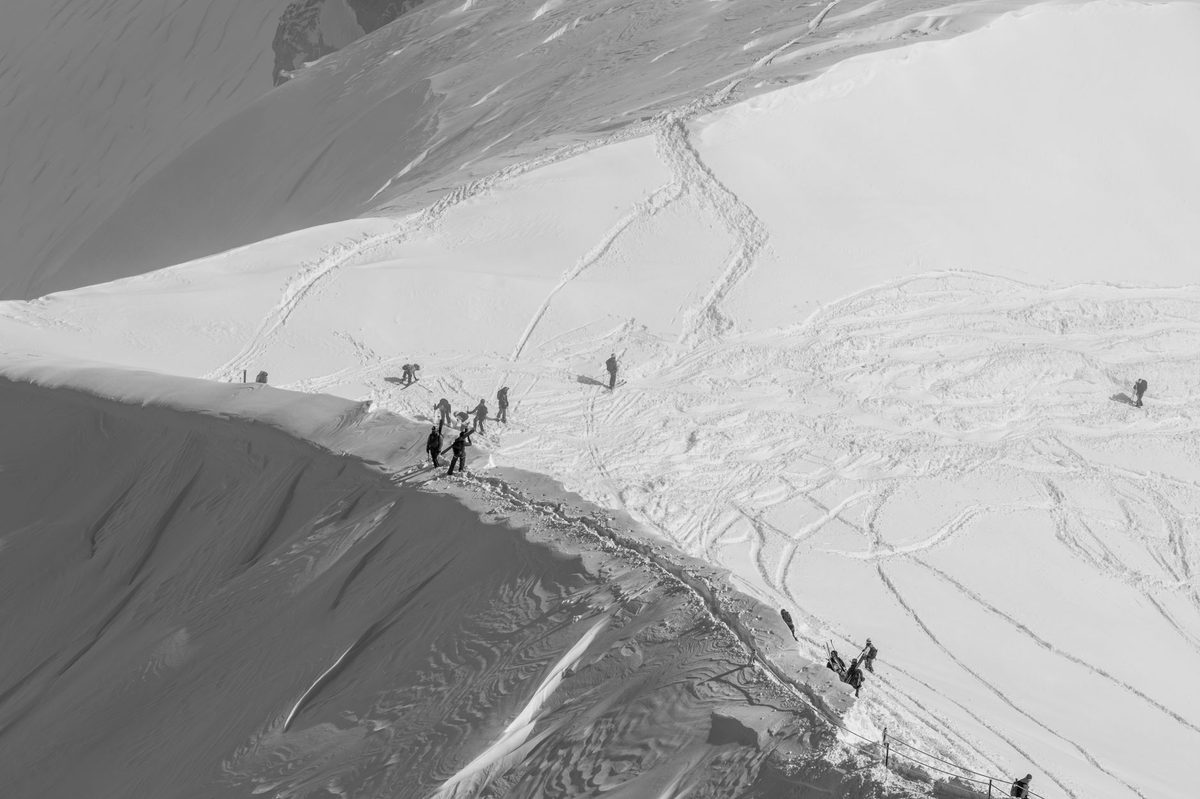
A few hazards are particular to a Geneva trip, and they map straight onto policy add-ons. Ski and snowboard day trips top the list: standard travel insurance often excludes skiing entirely, and even ski cover usually carves out off-piste and heli-skiing, so add explicit cover for on-piste injury and rescue, equipment loss or hire replacement, a lift-pass refund if you are injured, and off-piste only if you will be off marked runs (and never go off-piste without a guide). For the resort context see the Geneva outdoor activities guide.
Beyond skiing, the Saleve hikes are easy (T1 to T2) but Jura summits like the Cret de la Neige and La Dole, plus anything in the Mont Blanc area, carry genuine alpine risk, so check that hiking accidents, helicopter rescue from inaccessible terrain and altitude tourism up to around 4,000 metres (the Aiguille du Midi) are covered. Lake water sports such as paddleboarding, sailing and kayaking are usually included but worth confirming, since cold water and distance from shore turn an incident serious fast. Add theft cover for pickpocketing at Cornavin or in festival crowds (keep receipts and file a police report), and make sure your medical cover is Schengen-wide so a day trip to Annecy, Chamonix or Yvoire is not left uninsured, because a Swiss-only policy will not pay for French treatment.
06 — Travel insurance providers worth comparing for 2026
No single insurer wins for everyone, so match the provider to your trip. For adventure travel, World Nomads has wide activity cover including on-piste skiing, hiking and water sports with 24/7 help, and it suits younger travellers; Heymondo is app-first with a slick claims experience and an adventure rider; and Battleface lets you customise for high-altitude or extreme-sport needs. For longer stays, SafetyWing runs a subscription model that is good value for extended Geneva trips (lighter on adventure cover), and IMG covers long-stay and expat travellers with pre-existing condition options.
For more traditional tourism, Allianz Travel is a reliable big brand with family and annual multi-trip plans, Generali Global Assistance is a solid US pick with strong medical limits, and Travelex (US) is strong on cancellation though sometimes lighter on medical. AXA is the standout for Schengen visa applicants through its AXA Schengen brand built for the EUR 30,000 minimum. UK travellers do well with True Traveller (great for backpackers and long trips) and Staysure (a specialist in over-50s and pre-existing conditions). To compare quotes, Squaremouth and InsureMyTrip (US), MoneySupermarket (UK) and Comparis.ch (Swiss) are all useful.
07 — Is credit-card travel insurance enough?
Plenty of premium cards bundle travel cover, so check yours before paying twice. On the US side, American Express Platinum and Centurion, Chase Sapphire Reserve and Preferred, Capital One Venture X and Bank of America Premium Rewards Elite all include varying medical, evacuation and trip-protection benefits. In the UK, Barclaycard Avios Plus includes cover with its annual fee, Halifax Clarity offers a basic level, and premium current accounts like Club Lloyds and NatWest Reward Platinum often bundle family travel insurance.
The catches are consistent: you usually have to pay for the trip on the card, age limits often cap at 65 or 70, pre-existing conditions are rarely covered, adventure activities are frequently excluded, medical limits tend to be lower than a dedicated policy, and the covered trip length is often capped at 60 to 90 days. The sensible approach is to lean on the card for trip cancellation and baggage, then add a dedicated policy for medical and any adventure cover.
08 — Ski and off-piste cover for day trips
If you will ski at all from Geneva, whether Les Houches, Les Gets, Avoriaz, Flaine, Chamonix or Verbier, get explicit ski cover. On-piste cover is the standard add-on, usually CHF 20 to 40 a trip, and handles injury, equipment and a lift-pass refund. Off-piste is the one people get wrong: standard ski policies often stop at the marked piste boundary, so you need to add it specifically, normally with a condition that you ski with a certified guide. Heli-skiing is always excluded from standard policies and needs specialist cover, so flag it at the quote stage. Avalanche rescue and recovery sit inside mountain-rescue cover (check the small print), and equipment cover should handle theft and damage on your own gear plus damage and replacement on hire kit. Plan the skiing itself with the Geneva outdoor activities guide.
09 — REGA Swiss air rescue, explained
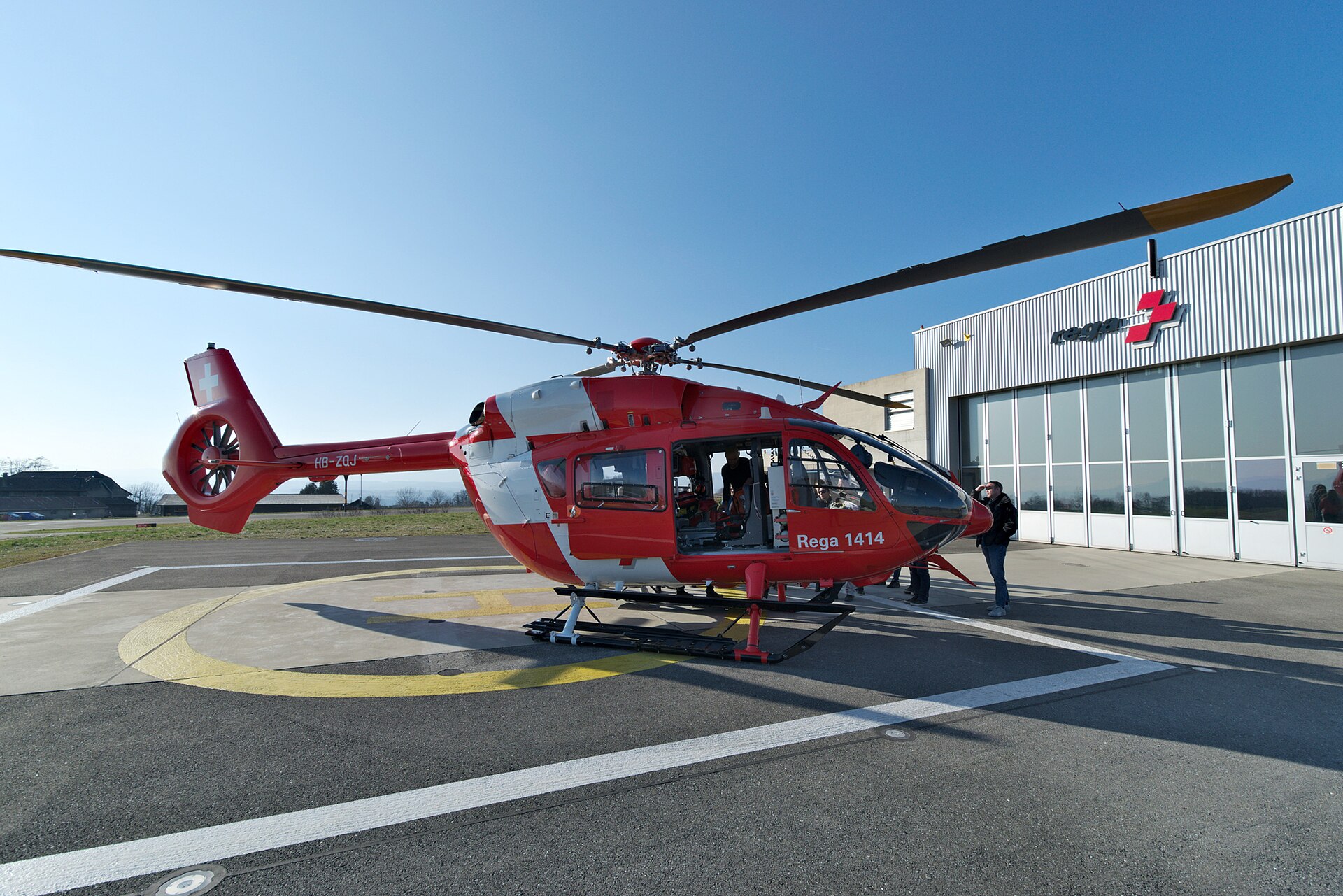
REGA (Schweizerische Rettungsflugwacht) is the Swiss air-rescue service, the red Bell helicopters that run mountain rescues across the country, funded by member donations and government contracts. For residents and long-stay visitors it is the cheapest mountain-rescue cover going: CHF 40 a year for an individual or CHF 80 for a family, which waives helicopter-rescue costs in Switzerland that would otherwise run CHF 3,000 to 10,000. You call 1414 from anywhere in Switzerland.
For short-stay tourists, REGA membership is less practical because you need a Swiss address, but it matters for two reasons. First, your travel policy should include helicopter-rescue cover, because if it does not you are billed at full REGA cost; a policy that does cover it will typically reimburse the REGA invoice when you have no membership. Second, the 1414 number is the one to know for a mountain emergency, so save it before any Alps day. For risk context, pair this with the is Geneva safe guide.
10 — Single-trip vs annual multi-trip
If you travel often, the maths shifts toward an annual plan, which usually bundles unlimited trips of 30 to 90 days each with worldwide cover and beats single-trip pricing once you go abroad three or more times a year.
| Trip frequency | Best option | Indicative cost |
|---|---|---|
| 1-2 trips per year | Single-trip policies | CHF 50-200 per trip |
| 3-5 trips per year | Annual multi-trip | CHF 150-400 per year |
| 5+ trips per year | Annual multi-trip plus adventure rider | CHF 250-600 per year |
| Long-stay (1 month plus) | Long-stay or nomad cover (SafetyWing) | CHF 30-50 per month |
11 — Schengen visa insurance requirements
If you need a Schengen visa, cover is legally required: at least EUR 30,000 in medical cover, including emergency hospital care, medical repatriation and repatriation of remains, valid across the whole Schengen area for your entire stay and from an approved insurer. Whether you need a visa at all, and what else you must show at the border, is in Geneva visa and entry requirements. Providers built for this include AXA Schengen (an official partner, compliant policies from about EUR 30), Mondialcare and Europ Assistance, though most major insurers offer a Schengen-compliant option if you confirm it at purchase. See the wider entry rules in the trip planner.
12 — How to file a claim from Geneva
If something goes wrong, call your insurer’s 24/7 emergency line first, since most policies require pre-authorisation for expensive care, then get treatment without delaying for paperwork. Keep every document (medical bills, prescriptions, receipts, police reports), get receipts in CHF so your insurer can convert them, and photograph any damage or theft scene. File a police report for theft, robbery or assault because the report number is needed for most claims, never admit fault at an accident even out of politeness, and submit within the deadline, usually 28 to 60 days. For major medical or evacuation cases insurers normally deal directly with Swiss hospitals so you do not pay out of pocket; for minor ones you may need to pay and claim back.
13 — Quick decision matrix by traveller type
| Traveller | Recommendation |
|---|---|
| US weekend tourist | Comprehensive single-trip (USD 50-150), medical CHF 250k+, evacuation CHF 500k+ |
| US ski-week traveller | The above plus ski rider plus off-piste add-on |
| UK GHIC holder, weekend | Supplementary single-trip (GBP 40-80) to cover GHIC gaps |
| EU EHIC holder, weekend | EHIC plus light supplementary (EUR 30-60) |
| Schengen visa applicant | AXA Schengen or equivalent, minimum EUR 30k medical |
| Annual leisure traveller (3+ trips) | Annual multi-trip CHF 150-400/year |
| Digital nomad / long-stay | SafetyWing or IMG subscription CHF 30-50/month |
| Family of four with kids | Family policy, medical CHF 100k each, evacuation CHF 250k each |
14 — What insurance will not cover
Know the standard exclusions before you assume you are covered. Most policies void a claim if you were injured under the influence of alcohol or drugs, and pre-existing conditions are out unless you declare and they accept them. Pregnancy after roughly 24 to 32 weeks varies by policy, war and terrorism in advisory-listed countries are excluded, and excluded sports without a rider include motorbiking, off-piste skiing, motorsports and skydiving. Mental health is rarely covered, dental is limited to emergencies, and routine or cosmetic care is out. So is property damage from gross negligence, lost cash beyond a modest CHF 200 to 500 limit, and any loss you cannot back with a police report.
Frequently asked questions
Do I need travel insurance for Switzerland?
It is strongly recommended for everyone and essential for non-EU and EEA visitors. Schengen visa applicants legally need at least EUR 30,000 in medical cover, and EU or UK visitors should pair their EHIC or GHIC with a supplementary policy.
Does EHIC or GHIC cover Switzerland?
Both give reduced-rate treatment at Swiss public hospitals, the GHIC since the 2024 UK-Switzerland agreement. Neither covers private care, evacuation, cancellation or baggage, so always combine them with travel insurance.
How much does a hospital visit cost in Switzerland?
A GP visit is CHF 150 to 300, an ER visit CHF 500 to 1,500 (CHF 1,000 to 3,000 with imaging), a hospital stay CHF 1,000 to 3,000 a day, surgery CHF 8,000 to 50,000, ICU CHF 5,000 to 10,000 a day, helicopter rescue CHF 3,000 to 10,000, and medical evacuation home CHF 15,000 to 200,000.
Is healthcare free in Switzerland for tourists?
No. Switzerland has no free care for tourists, and every franc of treatment is billed. EU and UK EHIC or GHIC holders get reduced rates; everyone else pays full Swiss prices.
What is REGA and does insurance cover helicopter rescue?
REGA is the Swiss air-rescue foundation, reached on 1414, with membership at CHF 40 individual or CHF 80 family that waives helicopter-rescue costs of CHF 3,000 to 10,000. Tourists usually rely on a travel policy with helicopter-rescue cover, which reimburses the REGA invoice.
Does travel insurance cover skiing and off-piste in Switzerland?
Standard policies often exclude skiing, so add explicit ski cover (typically CHF 20 to 40). Off-piste needs separate cover and usually requires a certified guide, and heli-skiing always needs specialist cover, so confirm before you go.
15 — Related Geneva guides
Keep planning with the complete Geneva trip planner, get the risk picture from is Geneva safe, understand Swiss prices via Geneva currency and money and the trip cost breakdown, plan mountain and lake days with outdoor activities, and keep daily spending down with Geneva on a budget.