Geneva SIM Card & WiFi — Staying Connected as a Tourist (2026)
This article contains advertising. Our booking links are routed through a partner that adds commission tracking automatically, so if you book through one we earn a commission from the provider, at no extra cost to you. It never affects what we recommend. Affiliate disclosure
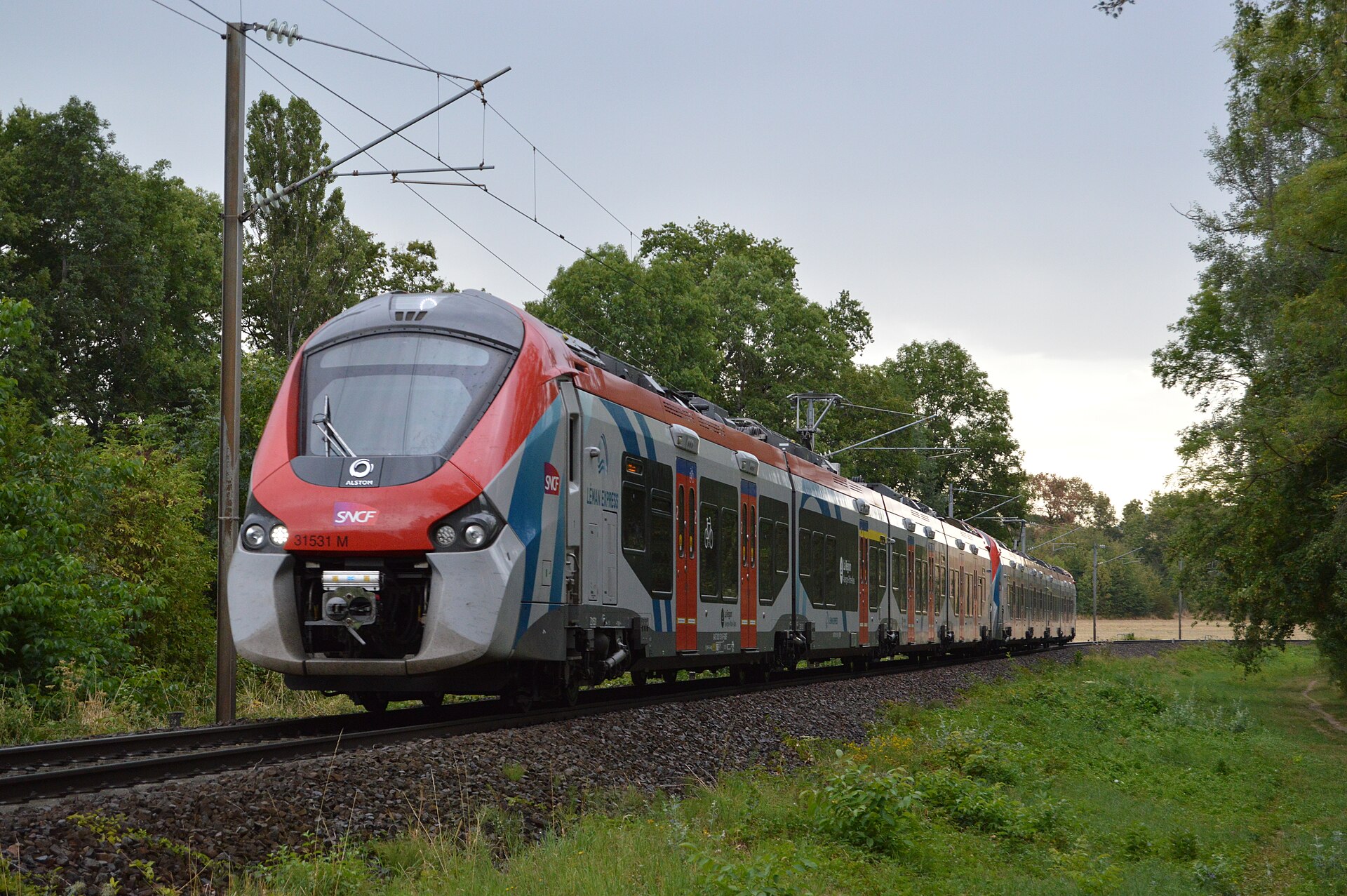
Here is the thing most guides bury: Switzerland is not in the EU, so the EU roaming rules that let you use your home plan across the continent often stop at the Swiss border. Most UK networks (Vodafone, EE, Three, O2 — though not Smarty) charge separately for Swiss data after Brexit. Many EU plans (Free Mobile, plenty of Spanish, Italian and German ones) do include Switzerland, but the policies vary. And the Leman Express, hopping the France-Switzerland border every 15 minutes, can leave your phone ping-ponging between Orange France and Swisscom, billing you on both.
For a Geneva SIM card and wifi, you really have three sensible routes: an eSIM from Airalo, Holafly, Nomad or Saily, installed before you fly for roughly CHF 5 to 25; a physical Swiss SIM from Swisscom, Sunrise or Salt, bought at the airport or in town for CHF 20 to 40; or free wifi, which is genuinely everywhere here. This guide lays out the decision matrix, current eSIM prices, where to buy, the Brexit roaming catch network by network, the Leman Express trap, and where the free wifi actually works. Start from the wider plan a trip to Geneva hub if you are still mapping the basics.
01 — Geneva connectivity at a glance
- Free wifi: Geneva Airport (with a passport code), Cornavin station, hotels, cafes, McDonald’s, Starbucks, Migros, Coop, plus the “Geneve Wi-Fi” hotspots in the Bastions, Plainpalais and the Jardin Anglais.
- Best for a 1 to 7 day trip: an eSIM (Airalo, Holafly, Nomad), installed before arrival, about CHF 5 to 15 for 5 to 10 GB.
- Best for a 1 to 4 week stay: a physical Swiss SIM (Swisscom, Sunrise, Salt), CHF 20 to 40 with data.
- Best networks: Swisscom for Alps coverage, Sunrise for urban 5G, Salt for the cheapest plans.
- EU roaming: Switzerland is not in the EU. Many plans include it, but check. Free Mobile France and most Spanish plans do; UK Vodafone, EE, Three and O2 usually do not; Smarty does.
- The Leman Express trap: your phone may switch between Swiss and French networks at the border, stacking up charges.
- Passport required to activate any Swiss SIM, under Swiss law.
02 — The fastest way to get online, by trip length
| Trip length | Best option | Cost | Why |
|---|---|---|---|
| 1-3 days | eSIM (Airalo, Holafly) | CHF 5-15 | Instant setup, no airport queues |
| 4-7 days | eSIM (Airalo, Nomad, Saily) | CHF 13-25 | 5-10 GB covers typical use |
| 1-2 weeks | Larger eSIM or a physical SIM | CHF 25-50 | Either works |
| 2+ weeks | Physical Swiss SIM | CHF 30-50 | Better value at this length |
| 1+ month | Swisscom or Sunrise prepaid | CHF 30-50/week | Unlimited data options |
| EU plan including Switzerland | Use your home plan | Free (verify) | Most Continental EU plans cover it |
| UK on Smarty / iD Mobile | Use your home plan | Free roaming included | One of few UK networks covering CH |
| No mobile data needed | Free wifi only | Free | Airport, Cornavin, hotels, Geneve Wi-Fi |
03 — Free wifi in Geneva: where it actually works

If you mostly need data in your hotel and between sights, you can almost get by on free wifi alone. The reliable spots:
- Geneva Airport (GVA): go to the Info Desk in arrivals with your passport for a single-use code (1 hour or 24 hours) on the “Geneve Aeroport WiFi” network. Buy more time after that if needed.
- Cornavin station: the SBB-FREE network, time-limited but renewable through the splash page.
- TPG interchanges: free wifi at Cornavin, Bel-Air, Plainpalais, Molard and Rive on the TPG-WiFi network.
- Geneve Wi-Fi hotspots: the city runs free wifi (network GE-WiFi) in the Parc des Bastions, the Jardin Anglais, Plainpalais and along the Paquis quay.
- Hotels and apartments: free wifi is universal; chain hotels are usually faster than boutiques, and hostels and Airbnbs are reliably free too.
- Cafes, chains and shops: most cafes, every McDonald’s, KFC, Burger King and Five Guys, plus Migros, Coop, Manor and the Balexert and Confederation-Centre malls.
- Libraries: the Bibliotheque de Geneve and the municipal Cite library offer free wifi with an email signup.
04 — eSIM or physical SIM: which to pick
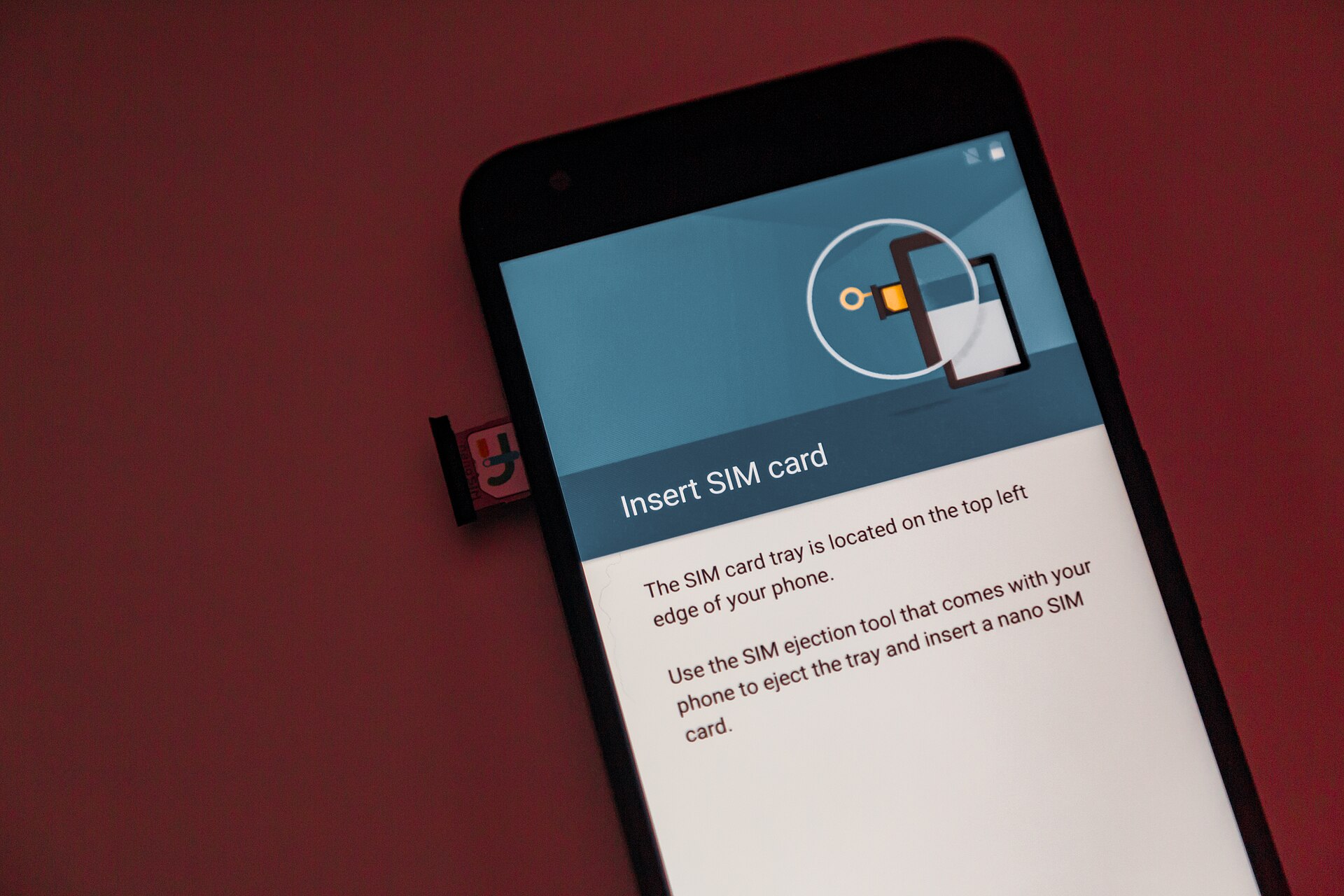
For most short trips the eSIM wins. For longer stays or older phones, a physical SIM makes more sense. The trade-offs:
| eSIM | Physical SIM | |
|---|---|---|
| Setup | Install before you fly, activate on landing — no queues | Buy at the airport or a store, with a passport |
| Your home number | Stays active alongside the data eSIM | Off while your home SIM is out |
| Phone support | Needs an eSIM-capable phone (iPhone XS+, Pixel 4+, Galaxy S20+) | Works on any phone |
| Calls and texts | Usually data-only unless you pay for a number | Includes a Swiss number |
| Value | Best for short trips | Better value past two weeks; unlimited options |
Quick rule of thumb: 1 to 7 days, eSIM; 1 to 2 weeks, either; 2 weeks or more, a physical Swiss SIM. Need unlimited data or have a phone without eSIM support? Go physical.
05 — The best eSIMs for Geneva in 2026
| Provider | 1 GB | 5 GB | 10 GB | Unlimited | Network |
|---|---|---|---|---|---|
| Airalo | ~CHF 5 | ~CHF 13 | ~CHF 23 | — | Swisscom |
| Holafly | — | — | — | CHF 6/day | Salt |
| Nomad | ~CHF 4 | ~CHF 12 | ~CHF 20 | — | Swisscom/Sunrise |
| Saily | ~CHF 4 | ~CHF 10 | ~CHF 18 | ~CHF 35 | Sunrise |
| Jetpac | — | ~CHF 15 | ~CHF 25 | — | Swisscom |
| Swisscom Prepaid Flat eSIM | — | — | — | CHF 7/day (10 GB) | Swisscom |
| Ubigi | — | ~CHF 14 | ~CHF 25 | — | Various |
My picks: for most visitors, Airalo or Nomad on the 5 to 10 GB tier hits the best balance of price and reliability. If you stream or tether a lot, Holafly’s unlimited (CHF 6 a day) or Saily’s unlimited (about CHF 35) makes sense. If you want a Swiss network with no roaming worries at all, the Swisscom Prepaid Flat eSIM is CHF 7 a day for 10 GB.
Installing one takes about five minutes: buy through the provider’s app, get a QR code by email, scan it in your phone’s settings, and switch the eSIM on when you land in Geneva.
06 — Buying a physical SIM at the airport
If you land without an eSIM, you can buy a Swiss SIM at Geneva Airport, though it costs a little more and the hours are limited.
- Lebara at the Exchange/Money desk in arrivals — about CHF 29 for 10 GB on the Sunrise network, roughly 08:30 to 20:30, cash preferred, passport required.
- Yallo — similar, around CHF 40 for 10 GB on Sunrise.
- Swisscom Prepaid — from the airport Swisscom kiosk when open, CHF 30 and up.
The upside is you are connected the moment you arrive; the downsides are the queues at peak times and the slightly higher price versus a city store.
07 — Buying a SIM in the city
For better deals or a specific network, the city stores have more choice. Bring your passport — Swiss law requires ID for SIM activation, which takes 10 to 30 minutes in store.
- Swisscom (Rue du Rhone 36, among others) — the best coverage, especially in the Alps. Prepaid Flat is CHF 7 a day for 10 GB; Prepaid Easy starts at CHF 30.
- Salt (Rue de la Confederation 5, in the Confederation-Centre) — usually the cheapest Swiss network, with prepaid from CHF 20 and 5 to 10 GB tourist packs.
- Sunrise (near Rue de la Croix-d’Or) — competitive prepaid options.
- Migros, Coop and station kiosks — Lebara, Lycamobile and M-Budget SIMs at the lowest entry price, though activation can be fiddlier.
08 — Swiss mobile networks compared
| Network | Strengths | Coverage | Price tier |
|---|---|---|---|
| Swisscom | Best overall, especially the Alps. Best 5G. | Best (~99% population) | Premium |
| Sunrise | Strong urban 5G, good prices. | Excellent urban (98%) | Mid |
| Salt | Cheapest plans, solid Geneva coverage. | Good urban (95%) | Budget |
| Yallo / Lebara / Lycamobile | Budget options on the Sunrise network. | Sunrise (98%) | Budget |
For Geneva itself, every network gives you strong coverage. The difference shows up on day trips: for skiing or hiking in the Alps, Swisscom is noticeably better.
09 — 5G in Geneva and the Alps
5G is widely deployed across Geneva — Swisscom covers the whole city including the airport and most suburbs, Sunrise covers central and most urban areas, and Salt’s footprint is expanding. Out in the mountains it gets patchier: Swisscom is strong in the Chamonix valley and resorts like Les Gets and Avoriaz, the Lavaux vineyards are fine on all networks, and above 2,000 metres coverage thins out everywhere — carry a battery pack if you are hiking and relying on GPS.
10 — Roaming from the EU into Switzerland
Because Switzerland is not in the EU, the “Roam Like at Home” rules do not apply automatically. That said, many EU plans explicitly include Switzerland — among them Free Mobile France, most Spanish networks (Movistar, Vodafone, Orange), the Italian networks (TIM, Vodafone, WindTre), the German networks (Telekom, O2, Vodafone, often with daily caps) and the Austrian ones (A1, Magenta). Always check your own plan, since some include Switzerland only on premium tiers.
11 — Roaming from the UK: the Brexit catch
This is the one that catches British visitors out. Since Brexit, most UK networks do not include Switzerland in their EU roaming. Here is where the major ones stand as of 2026.
| UK network | Switzerland in roaming? | Rough cost if charged |
|---|---|---|
| Smarty (Three MVNO) | Yes — included | Free to fair-use limit |
| iD Mobile (Three MVNO) | Yes — included | Free |
| Three UK | Excluded since 2022 | GBP 3-5/day |
| Vodafone UK | Excluded — needs a pass | GBP 8/day |
| EE | Excluded — needs a pass | GBP 10-15/day |
| O2 UK | Excluded — needs a bolt-on | GBP 6-10/day |
| Giffgaff | Excluded — needs a goodybag | GBP 3-7/day |
So: if you are on Smarty or iD Mobile, just use your plan. On Vodafone, EE, Three or O2, an eSIM (Airalo, Holafly) almost always beats your home network’s roaming pass. Heavy users can buy the Swisscom Prepaid Flat eSIM for unlimited daily data. Either way, check your network’s current policy before you travel — they change.
12 — The Leman Express cross-border trap
The Leman Express runs from Geneva into France (Annemasse, La Roche-sur-Foron, Evian) and back every 15 to 30 minutes, and the route crosses the border repeatedly. Your phone can flip automatically between Swisscom and the French Orange or SFR networks, stacking charges on both — a real problem if you are on a UK network that bills France and Switzerland separately, or an EU plan that covers neither.
To avoid it: turn off automatic roaming when you cross, set network selection to manual (Swisscom only, or your eSIM only), or just ride on wifi-only mode — the Leman Express has free wifi on most trains.
13 — Staying connected on day trips
- Chamonix and other France trips: most Swiss SIMs and eSIMs roam into France, but check Swisscom Prepaid, which does not include French roaming automatically.
- Annecy: on the French side; use your Swiss SIM with roaming, or buy a French SIM for a longer stay.
- Lausanne, Montreux, Vevey, Sion: all Swiss, so your Geneva SIM works everywhere, with Swisscom strongest in the wine country.
- Ski day trips: Swisscom is the safe choice for Chamonix, Verbier and Avoriaz; carry a battery pack and do not rely on cellular above 2,000 metres.
For where these trips go, see day trips from Geneva.
14 — Arrival checklist
Before you fly: pick eSIM or physical SIM by trip length; if eSIM, buy and install it via the app and activate on arrival; if physical, plan where to buy it and pack your passport; turn off automatic roaming if your home plan would auto-charge; save Geneva offline in Google Maps as a backup; and download the messaging apps your contacts use, since they work over wifi too.
On arrival: connect to the airport wifi with the Info Desk code, switch on your eSIM (or buy a physical SIM at the Exchange desk with your passport), then send a message or load a page to confirm you have signal.
Frequently asked questions
Does EU roaming work in Switzerland?
Often, but not always. The EU Roam Like at Home rules do not apply automatically because Switzerland is not in the EU. Free Mobile France and most Spanish, Italian, German and Austrian networks typically include Switzerland, but you should check your specific plan and tier before travelling.
Do UK phones work in Switzerland after Brexit?
They work, but most UK networks (Vodafone, EE, Three, O2) charge separately for Swiss roaming since Brexit. Smarty and iD Mobile include Switzerland for free. If you are on a charging network, an eSIM is usually cheaper than a daily roaming pass.
What is the best eSIM for Geneva?
Airalo or Nomad on a 5 to 10 GB tier give the best value for typical visitors (about CHF 5 to 25). For unlimited data, Holafly is roughly CHF 6 a day. For a Swiss network with no roaming concerns, the Swisscom Prepaid Flat eSIM is CHF 7 a day for 10 GB.
Is there free wifi at Geneva Airport and Cornavin?
Yes to both. At the airport, get a single-use code from the Info Desk with your passport on the Geneve Aeroport WiFi network. At Cornavin, use the SBB-FREE network through its splash page. Both are time-limited but renewable.
Do I need a passport to buy a SIM in Switzerland?
Yes. Swiss law has required identification for SIM activation since 2017, so bring your passport for any physical SIM bought at the airport or a city store.
What is the Leman Express roaming trap?
On the cross-border Leman Express, your phone can switch between the Swiss Swisscom network and French Orange or SFR, racking up charges on both. Avoid it by setting network selection to manual on Swisscom or your eSIM, or by using wifi-only mode on the train.
15 — Related Geneva guides
Keep planning with the plan a trip to Geneva hub, the airport to city centre guide, the public transport guide, day trips from Geneva, and the on a budget guide for keeping costs in check.