Geneva Currency Guide — Swiss Franc, Cards, Tipping & Exchange Tips
This article contains advertising. Our booking links are routed through a partner that adds commission tracking automatically, so if you book through one we earn a commission from the provider, at no extra cost to you. It never affects what we recommend. Affiliate disclosure
Here is the short version of Geneva currency and money: Switzerland runs on the Swiss franc (CHF), not the euro, even though France sits a tram ride away. Cards work almost everywhere, the locals’ favourite payment app (TWINT) is closed to tourists, and tipping is light because service is already built into the price by law. Carry a little cash, bring a no-fees card, pull francs from a bank ATM, and you have basically solved money in Geneva.
That is the whole game, but the details save you real money. Airport exchange desks are a rip-off, the franc is strong enough to make everything feel pricey, and a surprising number of Geneva’s best museums and lakeside spots cost nothing at all. This guide covers the franc itself, cards and TWINT, when you still need cash, the ATM trick that cuts fees, tipping the Swiss way, VAT refunds, daily budgets, and the conversion scams to wave off. For the wider picture, pair it with planning your Geneva trip and the Geneva on a budget guide.
01 — Geneva money at a glance
If you remember nothing else, remember this table. It is the trip in one screen.
| Thing | What to know |
|---|---|
| Currency | Swiss franc (CHF). Switzerland is not in the eurozone. |
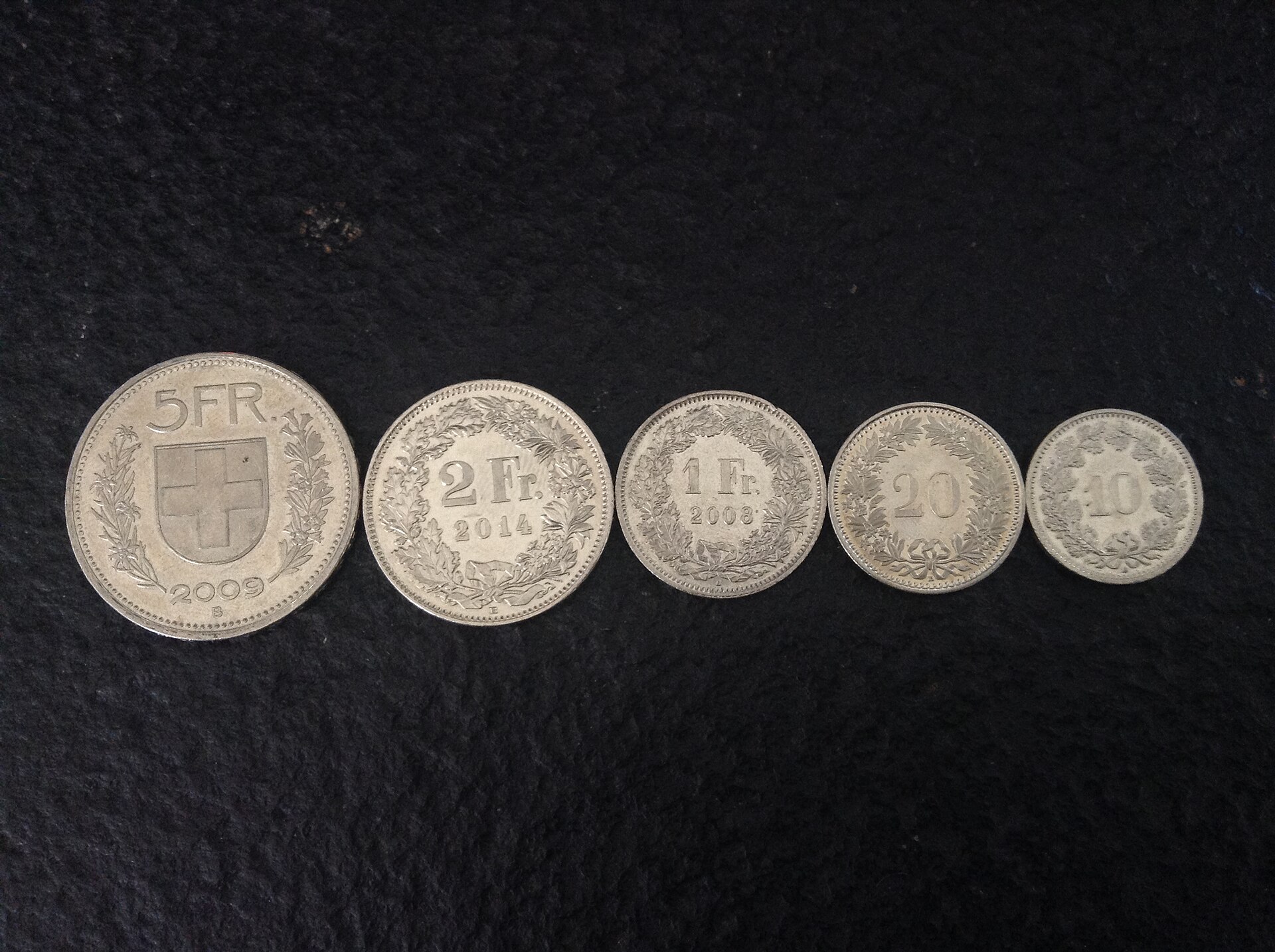
| Coins | 5, 10, 20, 50 centimes; 1, 2, 5 francs. |
| Banknotes | 10, 20, 50, 100, 200, 1000 CHF. The 1000 is Europe’s largest banknote. |
| Cards | Visa and Mastercard universal. Amex around 80 percent. Apple and Google Pay everywhere. |
| TWINT | The Swiss payment app. Needs a Swiss bank account, so tourists effectively cannot use it. |
| ATMs (Bancomats) | Everywhere, best rates. Withdraw CHF 200 to 500 to spread the fee. |
| Tipping | Service is included by law. Round up if pleased. No 10 to 15 percent. |
| VAT | 8.1 percent since 2024. Tax-free refund for visitors living outside Switzerland, EU and EEA residents included, over CHF 300 per shop. |
| Daily budget | Backpacker CHF 80 to 120, mid-range CHF 200 to 400, luxury CHF 500 plus. |
02 — The Swiss franc, and why it is not the euro
The franc (CHF, sometimes written “Fr.” or “SFr.”) has been the money of Switzerland and Liechtenstein since 1850, and it is one of the most stable currencies on earth thanks to the Swiss National Bank’s cautious habits and decades of low inflation. Switzerland rejected EU membership in 1992 and 2001 referendums and joined Schengen in 2008, so you cross the border with no passport drama but you still swap your euros for francs.
What that means for your wallet: the franc trades close to the euro, roughly 1 CHF to EUR 1.05 to 1.10 in 2026, so check the live rate before you fly. The franc’s strength is exactly why Geneva feels expensive, and it is why so many residents drive across to France (Annemasse, Ferney-Voltaire) to do their grocery shopping, where the same basket costs noticeably less.
03 — Notes and coins you will actually handle
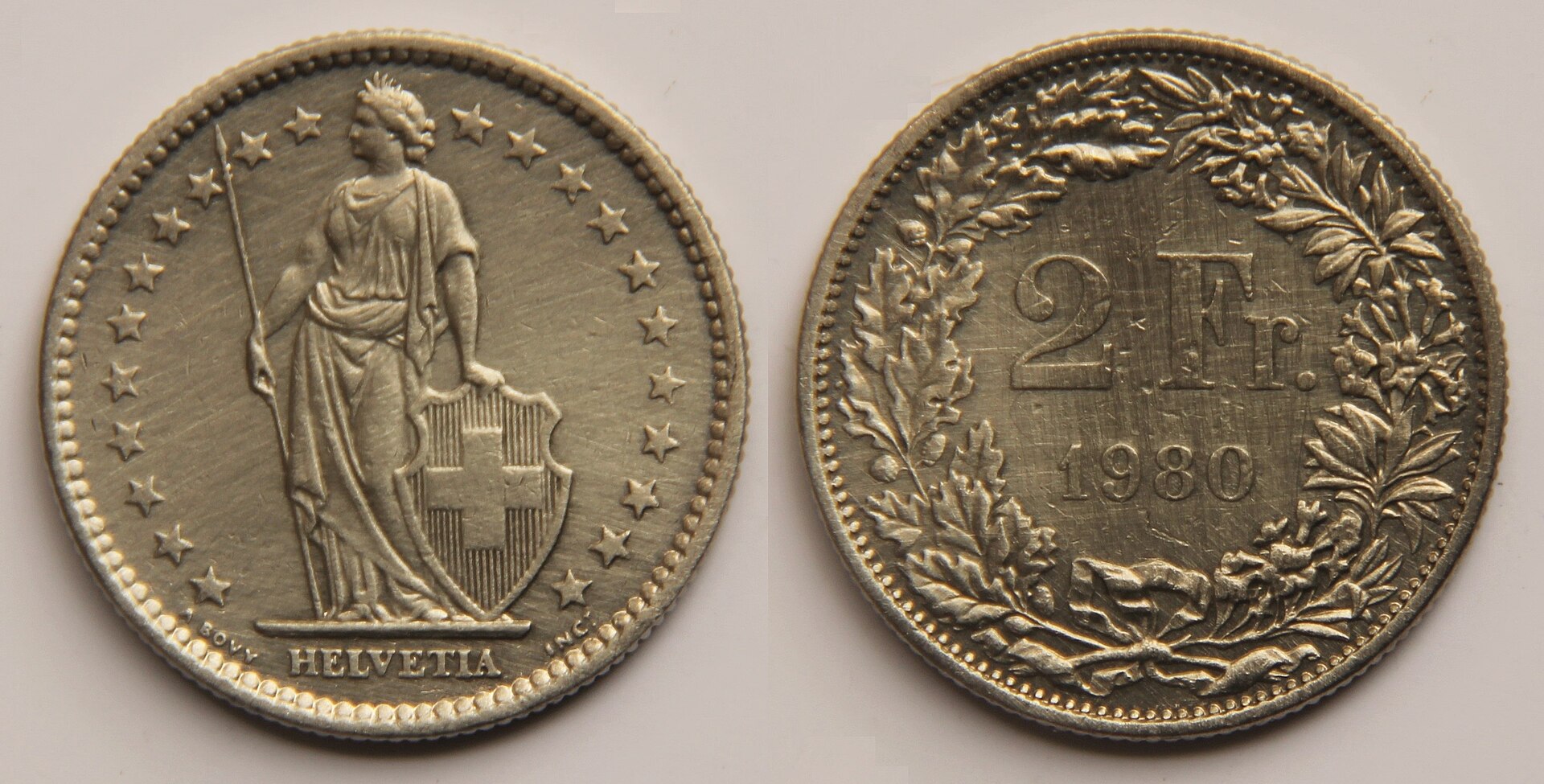
The coins run 5, 10, 20 and 50 centimes, then 1, 2 and 5 francs. The chunky 5-franc coin is the heavy one with the Alpine herder, and the 1-franc carries the Helvetia figure. Banknotes from the current 2016 to 2019 series go 10 (yellow), 20 (red), 50 (green), 100 (blue), 200 (yellow-brown), and the purple 1000, which is the largest banknote in Europe.
In practice most shops take up to 100 CHF without blinking. A 200 sometimes needs a manager nod, and plenty of cafes, small shops and food vendors flat-out refuse the 1000 and will ask for ID on the big notes. ATMs here usually spit out 100s and 50s, so ask for smaller denominations if you want them, and do not bother bringing large bills from home because they are a pain to break.
04 — Cards in Geneva: what works where
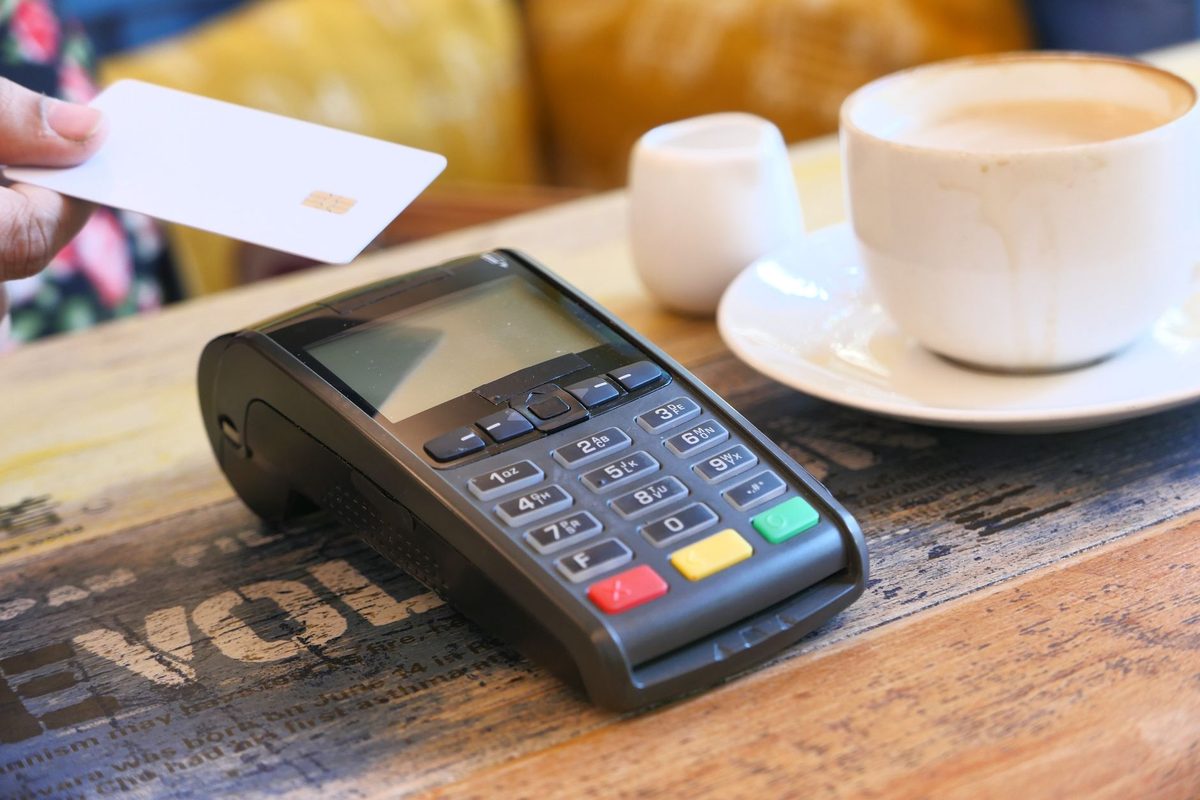
Geneva is close to cashless for everyday spending. Visa and Mastercard are accepted virtually everywhere: hotels, restaurants, shops, taxis, supermarkets, ticket machines. American Express runs around 80 percent, fine at luxury hotels and high-end restaurants and shops but a coin-flip at casual places, so ask before you order. Apple Pay, Google Pay and Samsung Pay work anywhere with a contactless terminal, which is essentially everywhere. Maestro and V-Pay debit are universal, UnionPay is common at big hotels and malls, and crypto turns up only at novelty venues, so do not count on it.
Then there is TWINT, the Swiss payment app locals use for everything from splitting dinner to paying a market stall. Tourists effectively cannot use it because setup needs a Swiss bank account and Swiss mobile number. A TWINT Prepaid option exists for loading a balance without a Swiss account, but almost no visitor bothers. The honest answer for travellers: use cards everywhere, keep a little CHF cash for the gaps, and forget TWINT exists.
05 — When you still need cash in Geneva
Even in this card-soaked city, a few spots want francs in hand. The Plainpalais flea market stalls are mostly cash-only, the Bains des Paquis entry turnstile is CHF 2 in summer and often coin-only at the door, and small Carouge and Paquis bakeries sometimes set a card minimum of CHF 10 to 20. Add festival food trucks (cards common now, cash a useful backup), paid public toilets at 50 to 100 centimes, coin-operated lockers at the station, and the Mouettes water taxis at CHF 2 a single.
Round-up tips are also easier with coins than a card. For a typical Geneva trip, carrying CHF 100 to 200 in mixed denominations (a 50, a couple of 20s, some 10s and coins) covers everything cash-only you will run into, with a bit left over as emergency backup.
06 — ATMs (Bancomats): the cheapest way to get francs
Bancomat is the Swiss word for ATM, and they sit on every other corner in Geneva: bank branches, Cornavin station, malls, the airport. Five rules get you the best rate. Use bank-branded machines (UBS, Raiffeisen, PostFinance) over non-bank operators like Travelex or Euronet, which charge more. Withdraw a larger lump because most fees are per transaction, so pulling CHF 500 once costs the same fee as CHF 100 once. When the screen offers to charge you in your home currency, say no and choose CHF, because that home-currency option adds a 3 to 7 percent markup. Bring a no-FX-fee card. And skip the airport exchange counter, where Geneva Airport’s UBS Change marks up the rate.
For a four-day trip, one ATM withdrawal of CHF 300 to 500 on arrival usually covers all your cash needs for the whole stay.
07 — Currency exchange: airport vs city vs digital
Where you change money decides how much you lose to the spread. Here is the rough pecking order against the mid-market rate.
| Method | Rate vs mid-market | Best for |
|---|---|---|
| Geneva Airport exchange counter | -3% to -7% | Last resort only |
| Bank exchange counter (city) | -2% to -4% | Documented exchange |
| Bank ATM with home card | -1% to -3% | Standard option |
| Bank ATM with a no-fee card | Near mid-market | Best rate |
| City exchange (Wise, B-sharpe) | -1% to -2% | Better than airport |
| Buying CHF at home first | -2% to -5% | Convenient but pricey |
Cards worth packing for the no-FX-fee rate: Wise (fixed small fee, holds multiple currencies, my pick as an all-rounder), Revolut (similar, with a weekend markup), and US options like Chase Sapphire, Capital One Venture X and Charles Schwab Investor Checking, which refunds ATM fees worldwide. UK travellers do well with Halifax Clarity or Starling; Monzo and N26 give limited free withdrawals. The cheapest combo: bring a no-fee card, pull CHF 200 to 400 from an airport ATM on landing, and tap the card for everything else.
08 — Tipping in Geneva: service compris, decoded
The most common money mistake visitors make in Geneva is tipping like they are back home. Since the 1970s, Swiss labour law has folded service into the menu price (service compris), and waitstaff earn a proper wage by law, with Geneva canton’s minimum at CHF 24.32 an hour in 2026, the highest in the country. So a tip here is a small thank-you for good service, not a chunk of someone’s income. The 10 to 15 percent you may have read about reflects American or French habits, not Swiss ones.
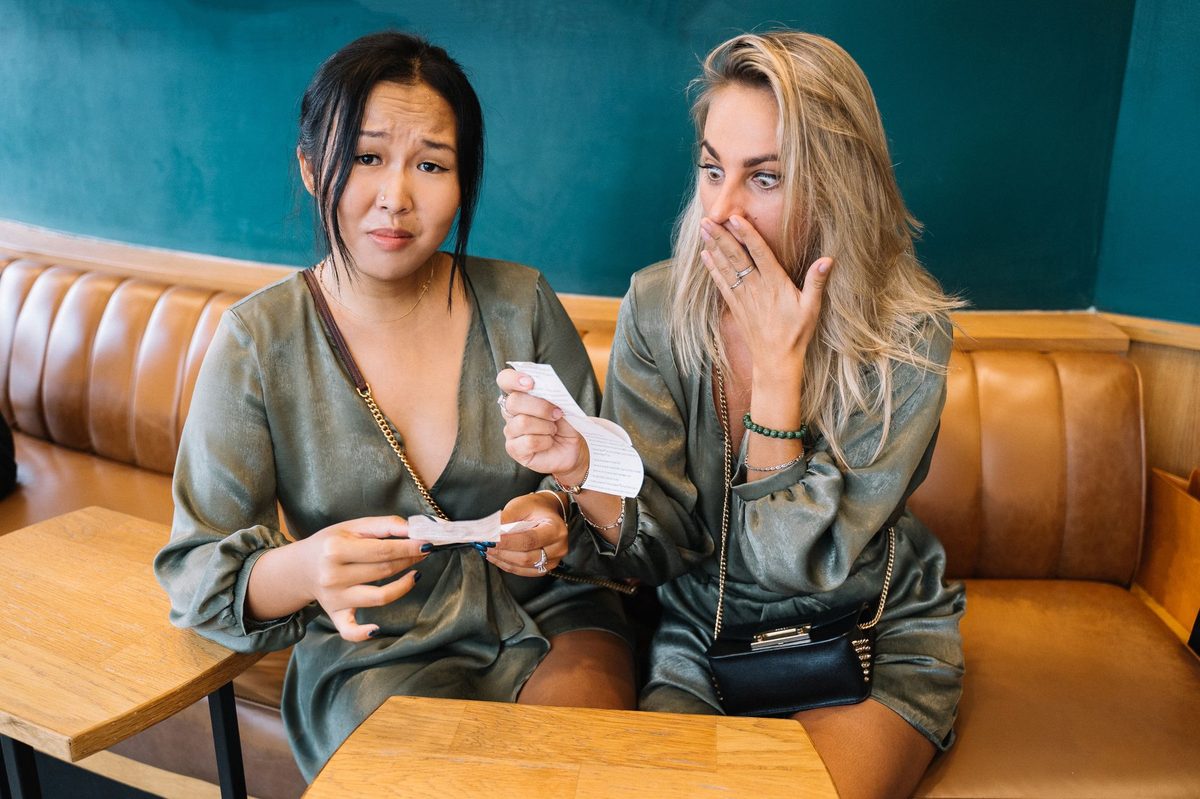
What that looks like in practice: at restaurants, round up to the nearest franc, or the nearest 5 on a bigger bill, or leave CHF 2 to 5 if the service was genuinely good. Cafes and bars, round up the change. Taxis, round up to the nearest 5 CHF. Hotel porters get CHF 1 to 2 a bag and housekeeping CHF 5 to 10 a night left at the end if you like. Tour guides, figure CHF 5 to 10 for a half day and CHF 10 to 20 for a full one; food and parcel delivery, CHF 2 to 5.
What you do not do is add 15 to 20 percent on the card slip, which tends to confuse and even embarrass the server. Do not tip taxi drivers a percentage, and do not apologise for following local convention, because there is nothing to apologise for. Had a memorable meal and want to say so? Hand the server CHF 10 to 20 in cash with a “merci beaucoup” and leave it there; anything more is unusual and may be politely refused.
09 — VAT and tax-free shopping
Swiss VAT (called MWST or TVA) sits at 8.1 percent since 1 January 2024, up from 7.7, and plenty of older websites still quote the old figure, so trust your receipt. If you live outside Switzerland (EU and EEA residents included, along with the US, UK, Canada, Australia, Japan, China and most others), you can claim tax-free on a single-shop, single-day spend of CHF 300 or more. Ask for the Global Blue or Planet form at checkout, show your passport, keep the goods unused, and export within 30 days.
Get the form stamped by Swiss Customs on the way out, at the Geneva Airport customs office in Terminal 1 or at Cornavin for road travellers heading into France, then drop it in the box, post it, or use the Global Blue or Planet app for your refund. The net refund lands around 5 to 7 percent of the price after processing fees, which is real money on a watch from Rue du Rhone or fine jewellery but not worth the paperwork on a CHF 50 souvenir. See the Geneva luxury shopping guide for how this plays out on big purchases.
10 — Daily budgets: backpacker, mid-range, luxury
Geneva earns its pricey reputation, but the spread between travel styles is huge. Here is what a day actually costs at each tier.
| Tier | Daily total | Sleep | Eat | Do |
|---|---|---|---|---|
| Backpacker | CHF 80-120 | Hostel dorm CHF 50-80 | Migros lunch CHF 8, picnic dinner CHF 15 | Free museums and parks |
| Mid-range | CHF 200-400 | 3-star hotel CHF 130-250 | Lunch CHF 20-30, dinner CHF 40-60 | Free plus paid (Saleve cable car around EUR 18) |
| Luxury | CHF 500-1500+ | 5-star CHF 400-1500+ | Business lunch CHF 80, fine dining CHF 150-300 | Spas, private tours, paragliding |
Over a typical four-day trip that works out to roughly CHF 320 to 480 for a solo backpacker, CHF 1,600 to 3,200 for a mid-range couple, CHF 2,400 to 5,000 for a mid-range family of four, and CHF 4,000 to 12,000-plus for a luxury couple. For the full breakdown, see the Geneva trip cost guide.
11 — How to eat and do Geneva cheaply
Geneva is expensive, but a bit of planning knocks the daily number down fast. These are the moves locals actually use.
Food
The big-supermarket restaurants are the backbone of cheap eating: Migros cafeterias do a full hot lunch for CHF 12 to 15, the Manor food court runs a plat du jour around CHF 15 to 20, and Coop counters make sandwiches to order for about CHF 4.50. The Bains des Paquis buvette serves a CHF 15 plat du jour right on the lake, and Chez ma Cousine in the Old Town does roast chicken, potatoes and salad for CHF 15.90, which is basically the only thing on the menu. Build a picnic from Halle de Rive (cheese, charcuterie and bread for two runs CHF 20 to 30), grab Migros Naturaplan chocolate bars at CHF 3 to 5 instead of tourist-shop prices, and drink the tap water, which is excellent and pours free from fountains all over town.
Attractions, most of them free
This is where Geneva quietly rewards you. The MAH art and history museum, the MEG ethnography museum, the History of Science museum in Parc Mon Repos, Maison Tavel (the oldest house in town) and the Ariana ceramics museum all have free or pay-what-you-wish permanent collections, and the CERN Science Gateway, opened in 2023, is free too. Outdoors you get the Reformation Wall, the 28-hectare Botanical Gardens, the free Bois-de-la-Batie Bioparc, every city park and playground, 11 free summer paddling pools from mid-June to mid-September, free lake swimming at most beaches, and the Bains des Paquis pier in winter at just CHF 2 (sauna optional at CHF 22). Add the free L’Escalade festival in mid-December, free first-Sunday entry at the Patek Philippe Museum and the Red Cross Museum, and the free Geneva Lux light festival, which ran from 16 January to 1 February in 2026 (check geneve.com for the next edition’s dates). The museums and culture guide maps the lot.
Transport
The single best money-saver is the Geneva Transport Card, handed to you free at any Swiss-side hotel, covering TPG buses and trams, the Leman Express within the canton and the Mouettes water taxis for your whole party for the length of your stay. There are also Geneveroule’s free bikes (four hours free against a CHF 20 deposit). The free 80-minute ticket that airport baggage claim used to hand out was withdrawn at the end of 2021. Details live in the Geneva transport guide.
12 — Money traps to sidestep
The biggest one is Dynamic Currency Conversion (DCC). Pay with a foreign card at an ATM, restaurant or shop and the terminal asks whether to charge in CHF or your home currency. Always pick CHF, because the home-currency route quietly adds 3 to 7 percent versus your bank’s interbank rate, and the operator keeps the difference. A close cousin is EUR pricing at tourist cafes and shops: the conversion they offer is usually 3 to 5 percent worse than the market, so pay in francs. Be wary of small back-street exchange booths near tourist hotspots, which can hide poor rates or fees, and stick to bank counters or ATMs.
A few non-currency ones round it out. Geneva Airport WiFi is genuinely free with a passport-issued code from the info desk, so ignore any kiosk wanting card details for premium access. Restaurant bill padding is rare, but glance at the bill against the menu and politely decline anything you did not order. And the clipboard petition crews near the Mont-Blanc Bridge are pickpocket cover more than a money scam, so walk on and do not sign.
13 — Crossing into France with money
Geneva is stitched right up against France, and locals cross constantly to Annemasse, Ferney-Voltaire and Saint-Julien-en-Genevois. Over the border, shops want euros first (some take francs at a poor rate), cards work as normal with the usual French conventions and no DCC games, and tipping follows the French line of 5 to 10 percent if pleased, though service compris applies there too. Groceries and fuel are cheaper, which is the whole point of the cross-border run. Just remember French VAT is 20 percent with tax-free for non-EU residents over EUR 100, and watch the CHF 150 customs allowance (it was CHF 300 until the end of 2024) plus the alcohol and tobacco limits when you come back into Switzerland.
14 — Money checklist before you fly
A quick run-through the night before: tell your bank your travel dates so a payment does not get flagged; pack a no-FX-fee card (Wise, Revolut, Chase Sapphire, Charles Schwab, Halifax Clarity, Starling); either bring a little CHF from home at a fair rate or plan an airport ATM withdrawal on arrival; set up Apple Pay or Google Pay; know your card PIN; download your bank app for rate checks and an emergency freeze; and know your home country’s cash-import rule (the US asks you to declare USD 10,000 or more). And consider travel cover for theft and emergency cash, covered in the section below.
Frequently asked questions
Does Geneva use the euro?
No. Geneva uses the Swiss franc (CHF). Switzerland is in the Schengen area but not the EU, and it keeps its own currency. Some tourist spots take euros at a poor rate, but bank ATMs dispense francs only, so change to CHF and pay in CHF.
Should I tip in Geneva restaurants?
Service is already included by Swiss law (service compris). Round up the bill if you are pleased, or leave CHF 2 to 5 for genuinely good service. The 10 to 15 percent American or French convention does not apply here, and waitstaff earn Geneva’s minimum of CHF 24.32 an hour as of 2026.
What is the best way to get Swiss francs?
Bank ATMs (Bancomats) using a no-FX-fee card such as Wise, Revolut, Chase Sapphire or Charles Schwab. Withdraw CHF 200 to 500 in a single transaction to spread the per-withdrawal fee, always decline DCC, and choose CHF. Skip the airport exchange counter, which marks up the rate.
Can I use my credit card everywhere in Geneva?
Visa and Mastercard are near-universal, American Express runs about 80 percent, and Apple Pay and Google Pay work anywhere with a contactless terminal. A handful of places are cash-only, mainly Plainpalais flea-market stalls, some small bakeries, and the Bains des Paquis door, so keep CHF 100 to 200 in cash as backup.
Is TWINT available for tourists?
Not really. TWINT needs a Swiss bank account and Swiss mobile number to set up. A TWINT Prepaid option lets non-residents load a balance, but almost no visitor uses it. Stick to cards and Apple or Google Pay, which cover everything TWINT would.
What is the VAT rate in Switzerland and can I claim it back?
VAT is 8.1 percent as of 1 January 2024. Visitors who live outside Switzerland, EU and EEA residents included, can claim tax-free on a single-shop, single-day spend of CHF 300 or more: get a Global Blue or Planet form, have it stamped by Swiss Customs on departure, and submit it for a net refund of roughly 5 to 7 percent after fees.
How does the Geneva Transport Card work?
Every Swiss-side hotel hands it over free on arrival. It covers all TPG buses and trams, the Leman Express within Canton Geneva and the Mouettes water taxis, for your whole party and the full length of your stay. It is the single biggest practical money-saver for visitors.
15 — Related Geneva guides
Keep planning with the complete Geneva trip planner, save more with Geneva on a budget and the trip cost breakdown, get around cheaply via the transport guide, fill your days with things to do in Geneva, sort your bed with where to stay, and protect the trip with the right Geneva travel insurance.