Geneva Visa & Entry Requirements — Do You Need a Visa? (2026)
This article contains advertising. Our booking links are routed through a partner that adds commission tracking automatically, so if you book through one we earn a commission from the provider, at no extra cost to you. It never affects what we recommend. Affiliate disclosure
Here is the short version on Geneva visa requirements: Switzerland is in the Schengen area but not the European Union, and for tourists that distinction means nothing at the border. The Schengen rules apply: EU and EEA citizens move freely, most other visa-exempt nationalities (Americans, Britons, Canadians, Australians and many more) get 90 days in any 180-day period on a passport, and a long list of other countries need a Schengen visa. The not-EU part only bites on customs and trade, which I cover below.
The big change for 2026 is the Entry/Exit System (EES), fully operational since 10 April 2026, which replaces passport stamps with biometric registration at every Schengen external border, Geneva Airport included. The ETIAS pre-travel authorisation for visa-exempt non-EU travellers is not running yet and has no confirmed start date, so check the EU’s official ETIAS page before you travel. This guide gives you the quick answer by nationality, explains ETIAS and EES, walks through the visa application for those who need one, and covers the Geneva-specific arrival details that trip people up. It sits under our plan your Geneva trip pillar.
01 — Quick answer: do you need a visa for Geneva?
| You are a citizen of | Visa required? | ETIAS once it starts? |
|---|---|---|
| EU / EEA and Switzerland | No (free movement) | No |
| UK | No (90/180) | Yes |
| US, Canada, Australia, NZ, Japan, South Korea, Singapore, UAE, Israel, Brazil, Argentina, Chile, Mexico, Hong Kong | No (90/180) | Yes |
| India, mainland China, Russia, South Africa, Nigeria, most African and many Asian countries | Yes, Schengen Type C visa | N/A, the visa covers it |
| Anyone staying over 90 days (work, study, family) | Yes, Type D national visa | N/A, long-stay visa applies |
For the full list of visa-exempt nationalities, the European Commission keeps an official one at commission.europa.eu (search “Schengen visa-exempt nationalities”).
02 — Switzerland’s odd status: Schengen but not EU
Switzerland joined Schengen on 12 December 2008, the day border controls with its EU neighbours disappeared, but it is not an EU member. The country turned down EU membership in two referendums (1992 and 2001) and built its relationship with Brussels through roughly 120 bilateral agreements covering trade, transport, agriculture and free movement of people. For a tourist at the border, the Schengen rules are what matter: 90 days in 180 for most non-EU visitors, free movement for EU and EEA citizens, the same passport and visa rules, and crucially a Schengen visa issued by any member state (say, France for a Paris trip) is also valid for Geneva. There are no internal Schengen border checks, though occasional spot checks happen, especially at the airport.
Where the not-EU part shows up is customs. Switzerland runs its own customs union, so goods brought in from France, Germany or Italy can attract Swiss duties. A CHF 150 personal-goods allowance applies even from EU neighbours, alcohol and tobacco have their own limits (relevant for the classic Geneva wine run to Annemasse), and the country operates its own VAT system, which is why tax-free shopping refunds work for non-EU/EEA visitors.
03 — Visa-free entry and the 90/180 rule
Most visa-exempt visitors can stay in the Schengen area for up to 90 days in any 180-day period, and the details catch people out. It is a rolling calculation, not a calendar limit, so every day inside Schengen counts against the trailing 180-day window. The 90 days are cumulative across all 29 Schengen countries, not per country, so 30 days in France plus 30 in Italy plus 30 in Switzerland is exactly your 90 used up. To reset, you have to leave Schengen entirely, and the UK, Ireland, Romania, Cyprus, most of the Balkans and anywhere outside Europe all count as outside. Watch the small states, though: time in Andorra, Vatican City, San Marino, Monaco and Liechtenstein still counts as Schengen days. The EU runs a free Schengen calculator that does the rolling maths, which is worth using if you have been moving around Europe and are not sure what you have left.
04 — ETIAS: not running yet
The European Travel Information and Authorisation System has been delayed more than once. It is not in operation and has no confirmed start date, and no applications are being taken. Once it is live, visa-exempt non-EU travellers will need to apply online for ETIAS before boarding any flight, train or ferry into Schengen, Switzerland included. Check the EU’s official ETIAS page before you travel. The essentials:
- Where: the official ETIAS website only, once applications open. Skip third-party “fast-track” sites that charge for a simple government form.
- Tied to your passport: once ETIAS starts, renewing the passport will mean applying again.
- Not a visa: it is a pre-authorisation like the US ESTA and does not override the 90/180 rule.
- Airlines check at the gate: once ETIAS starts, travellers without it will be refused boarding.
It will apply to visa-exempt non-EU/EEA citizens, including the US, UK, Canada, Australia, New Zealand, Japan, South Korea, Singapore, the UAE and Israel. EU/EEA citizens and Schengen visa holders will not need it.
05 — EES: live since April 2026
The Entry/Exit System has been fully operational at all Schengen external borders since 10 April 2026, Geneva Airport included, and it swaps passport stamps for biometric registration. On your first entry you give a facial photograph and fingerprints at a border kiosk, which takes 5-10 minutes; later entries use a quicker facial scan. The system tracks your 90/180 days automatically, with no more manual stamp counting, and you also register on exit. In practice, allow extra time at Geneva Airport on arrival, especially at peak times. Registration is mandatory (refusal means no entry), and EES is separate from ETIAS, which is not running yet.
06 — Schengen visa for nationalities that need one
Citizens of around 100 countries (India, China, most of Africa, parts of Asia and the Middle East, Russia, South Africa, Nigeria, Algeria, Morocco, Egypt, Pakistan, Bangladesh, Sri Lanka, Vietnam, the Philippines, Indonesia, most categories from Thailand and Turkey, Cuba and many more) need a Schengen Type C tourist visa for Geneva. The fee is 90 euros for adults, 45 euros for children aged 6-11, and free for under-6s, plus service fees of roughly 30-50 euros if you apply through VFS Global or TLS Contact.
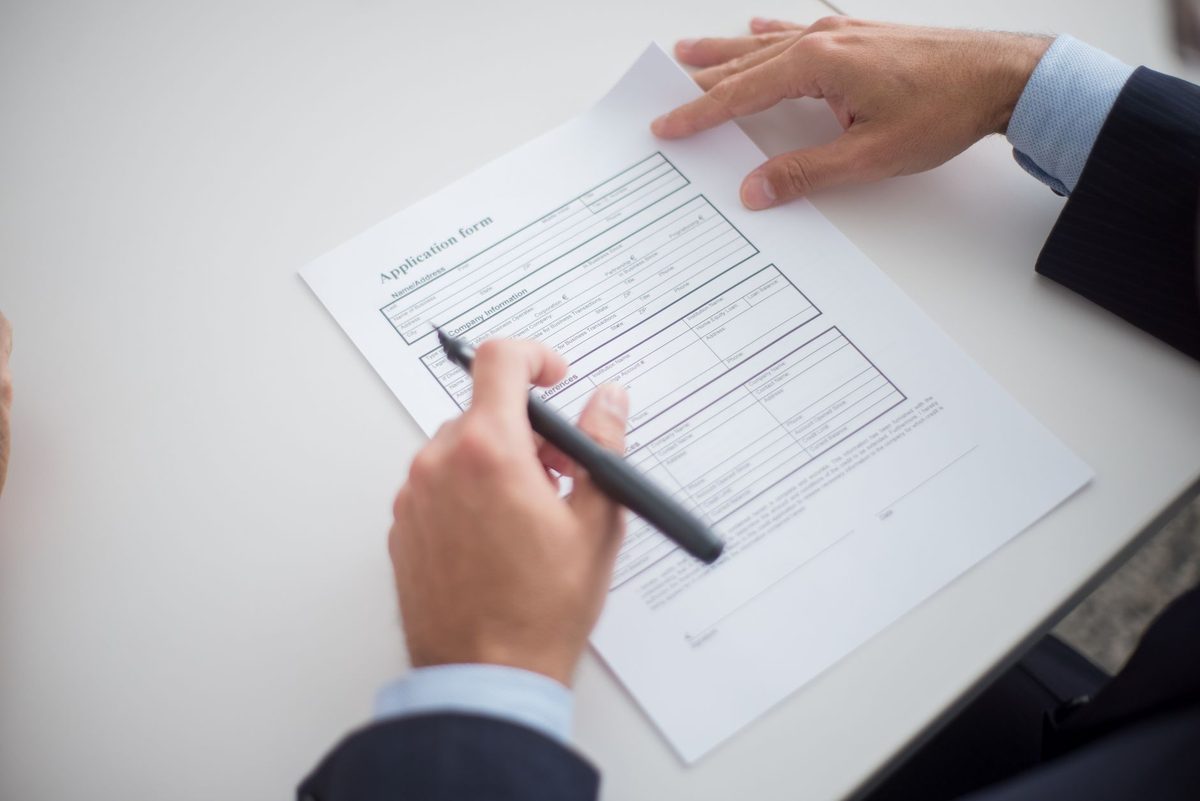
You apply at the Swiss embassy or consulate where you live, though many nationalities go through those visa centres rather than the embassy directly; the Swiss State Secretariat for Migration (SEM) keeps the official list at sem.admin.ch. The standard document set is a valid passport (issued in the last 10 years, valid 3-plus months beyond departure), two Schengen-spec photos, the completed form, a flight itinerary (booked, not necessarily paid), hotel bookings or an invitation letter for the whole stay, travel insurance with at least 30,000 euros of medical and repatriation cover, proof of funds at roughly CHF 100 a day, a cover letter explaining the trip, and an employment letter or other proof of ties home.
On timing, standard processing is 15 calendar days, stretching to 45 if they request more documents, so apply at least 4-6 weeks ahead and never less than 15 days; the earliest you can apply is 6 months out. What you get is a Type C visa in your passport, single or multiple entry (request multiple if you will cross borders), valid for 30, 60 or 90 days inside the 180-day window, and good for all 29 Schengen countries, not only Switzerland.
07 — Long-stay Type D visa
Planning to stay more than 90 days, whatever your nationality, means a Type D national visa. The categories are a study visa (university, language schools), a work visa (your Swiss employer must secure a work permit first), family reunion (spouses, partners and children of Swiss residents), a retirement visa (for non-working over-55s with sufficient means and ties to Switzerland), and an investor visa. You apply at the Swiss embassy or consulate where you live, processing usually runs 8-12 weeks, and once approved the visa gets you in; on arrival you must register with the cantonal migration office within 14 days to receive your residence permit.
08 — Passport requirements
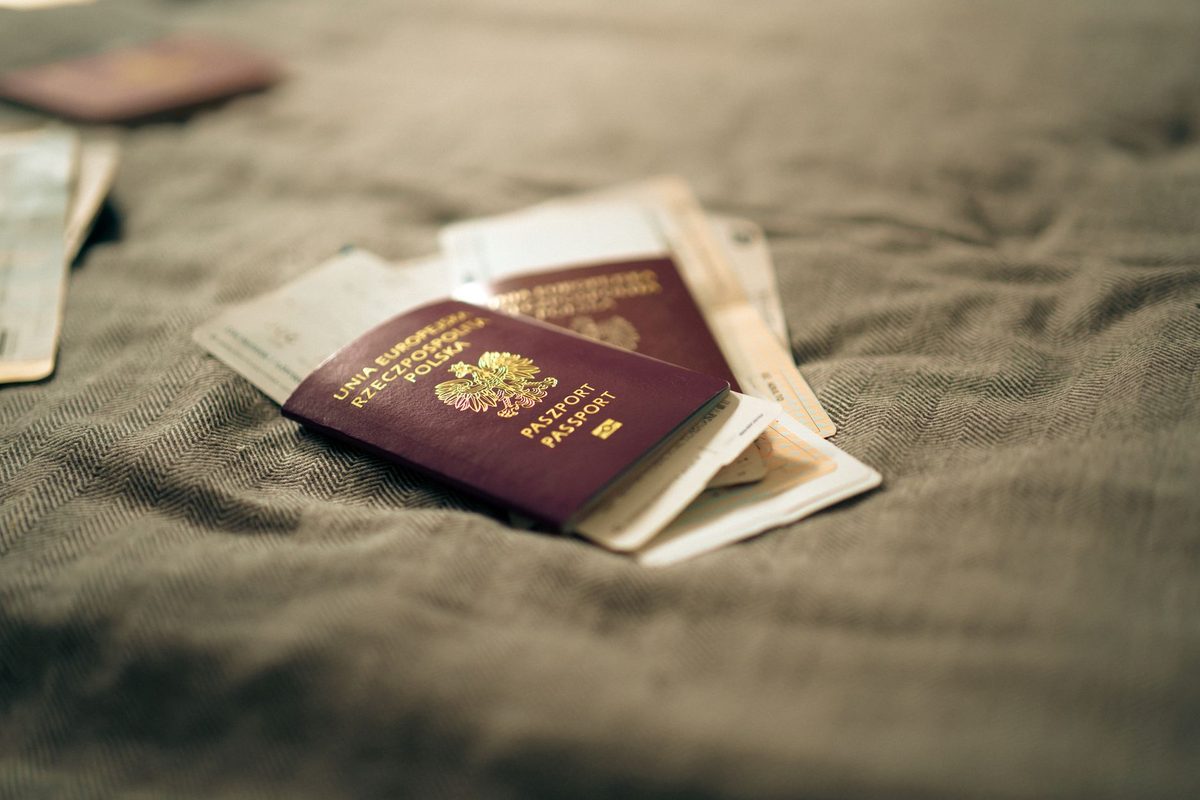
Three rules apply for entry to Switzerland and the wider Schengen area: your passport must be valid for at least 3 months beyond your planned departure, it must have been issued within the last 10 years at the time you enter (older passports are refused even if otherwise in date), and it should have at least two blank pages for stamps, which matters less once EES replaces stamping. If you are close to either limit, renew before you travel, because border officers do turn people away over this.
09 — Arriving at Geneva
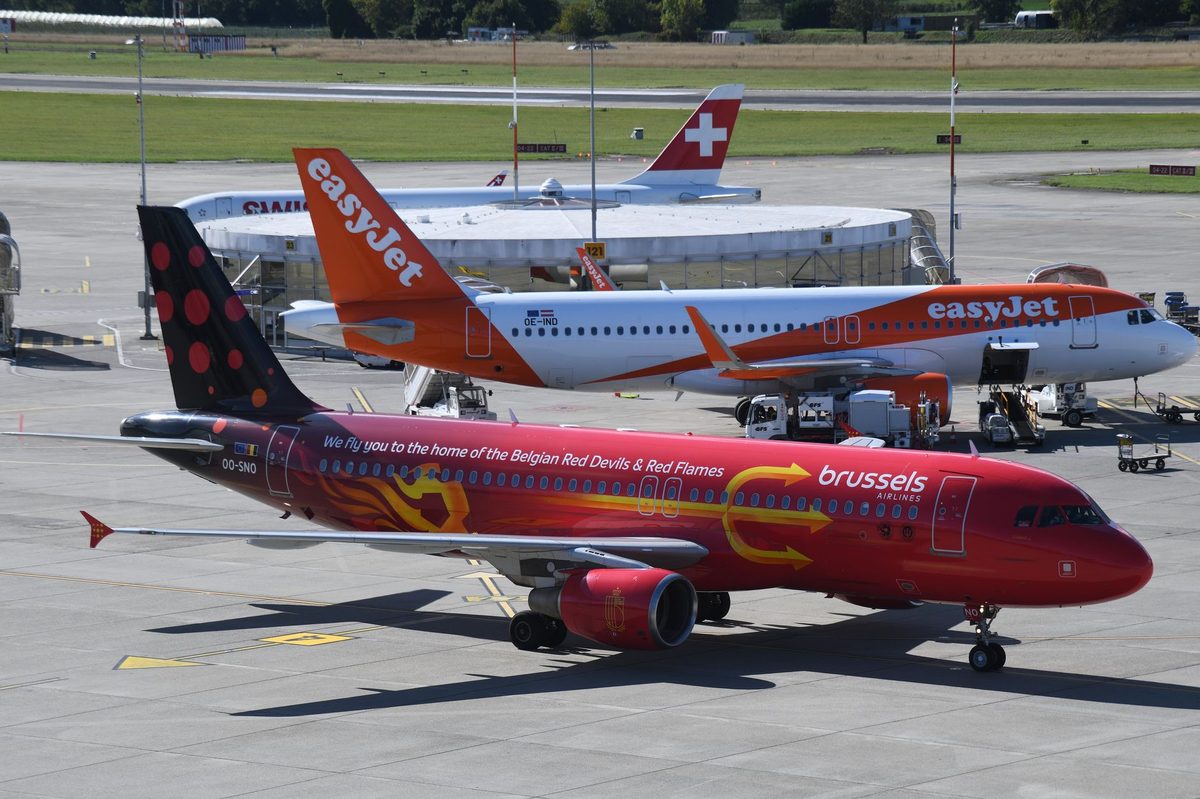
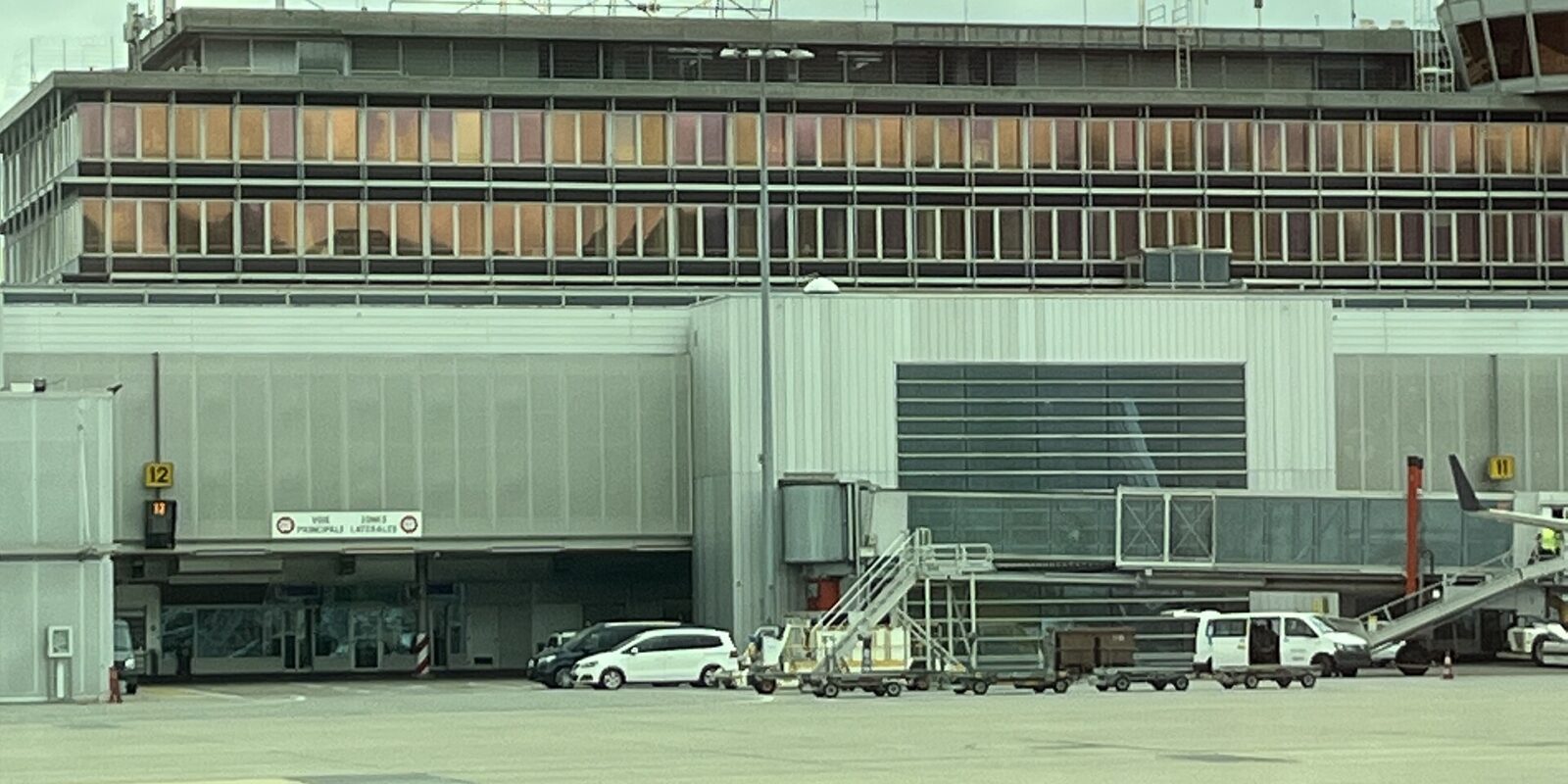
Geneva Airport (GVA, Cointrin) has a quirk worth knowing: it has both a Swiss sector and a French sector (Secteur France). Most international flights land in the Swiss sector with Swiss border control, but some, particularly Air France connections, certain budget carriers and arrivals from France, use the French sector, from which you exit straight into France with no Swiss border crossing. If you land French-side but are staying in Geneva, you cross the airport’s land border into Switzerland (Schengen means usually no check, but spot checks happen), and the same applies in reverse if you fly out of the French sector. For most tourists none of this matters, you arrive Swiss-side and head into town, but the option exists if you are transiting or routing creatively.
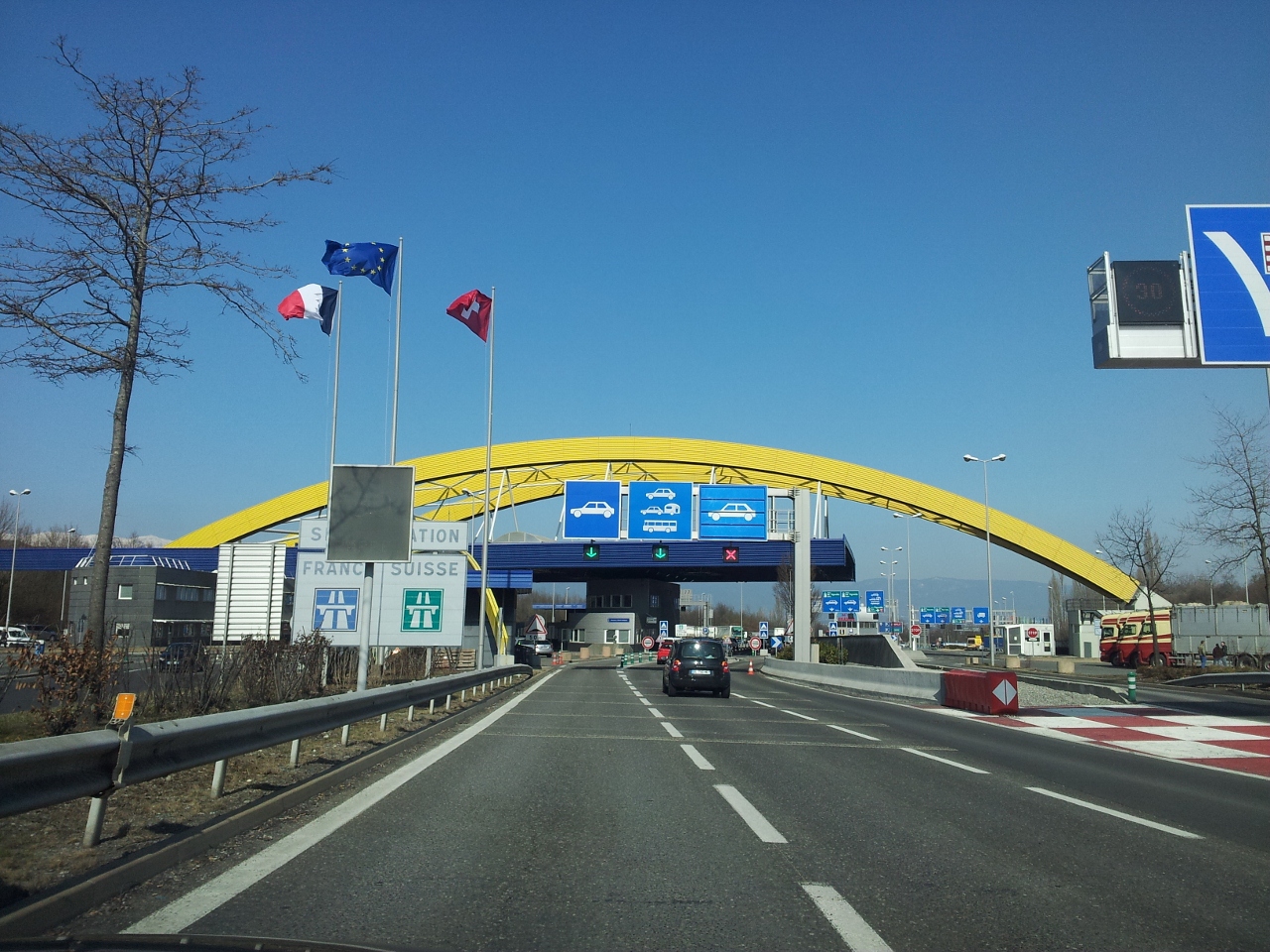
By road, the Geneva region has several crossings with France. The main ones are Bardonnex (the A1/A40 motorway to and from Annecy and Lyon), Mon-Idée and Moillesulaz (both toward Annemasse), Pougny (westbound to Bellegarde) and Saint-Genis (northbound to Ferney-Voltaire and Gex). Schengen means these normally have no passport check, with the customs booth potentially staffed but rarely operating, though spot checks do happen for trucks and during heightened security. Customs, not passports, is the more common issue: the CHF 150 personal-goods allowance applies, and bringing in more wine, cheese or higher-value items from France technically needs a declaration.
By train, the Léman Express reaches Annemasse in 15 minutes from Cornavin with no routine border control, the direct TGV to Lyon Part-Dieu via Bellegarde sometimes sees a French check at Bellegarde, and the TGV Lyria runs direct to Paris Gare de Lyon. For the ride from the airport into town, our Geneva Airport to city centre guide has the details, and the wider Geneva transportation guide covers getting around once you arrive.
10 — What border officers may ask
For visa-exempt travellers, control at Geneva Airport is usually quick: a passport check and maybe a question about your visit. Officers may ask the purpose of your trip, how long you are staying, where you are staying, whether you have a return ticket out of Schengen, and occasionally for proof of funds (about CHF 100 a day, rarely requested but technically required) or insurance details (more so for visa holders). Answer honestly and briefly, keep your hotel booking and return ticket handy on your phone, and if you hold a visa, carry the stamp and your supporting documents. Refused entry is very rare for legitimate tourists with valid papers.
11 — Customs allowances and the CHF 150 limit
Because Switzerland is outside the EU customs union, goods you bring in from anywhere, France, Germany and Italy included, count against Swiss allowances. Goods for your own use or as gifts are free of Swiss VAT up to a total of CHF 150 per person per day, a limit that was cut from CHF 300 on 1 January 2025. Go over it and VAT is due on the whole amount, not just the excess. Alcohol, tobacco and meat also have their own duty-free quantities, which the Swiss customs office (BAZG) lists on its website, and you can declare and pay for anything over the limits in its QuickZoll app. Cash of CHF 10,000 or more must be declared if customs asks. This is exactly why the resident wine run to Annemasse gets complicated: buy beyond the allowance and you technically owe duty. Most road crossings do not check in practice, but the rules are real.
12 — Special situations
Travelling with minors: children under 18 need their own passport, and if a child is travelling with only one parent, some authorities recommend a notarised consent letter from the absent parent. It is uncommon to be asked, but it can happen on unusual itineraries.
Pets: dogs, cats and ferrets need a rabies vaccination at least 21 days before entry, a microchip, and an EU pet passport or equivalent veterinary certificate. Animals from countries where rabies is not controlled (much of Africa, the Middle East, Asia and South America) face extra requirements, including titer testing three or more months before travel.
Prescription medication: carry it in its original packaging with the prescription, and for controlled substances (opioids, certain psychiatric drugs, ADHD stimulants) bring a doctor’s letter explaining the medical need.
Frontalier workers: around 100,000 people cross from France into Geneva each day to work, most holding the G-permit (frontalier), which allows French residence with Swiss employment. It does not apply to tourists, but it explains the traffic at the road borders and why the region’s public transport is so integrated across the line.
Dual nationals: use whichever passport gives the better entry rights. An EU passport means no ETIAS, no 90/180 limit and free movement, so a US-Italian dual national, for instance, would enter Switzerland on the Italian passport.
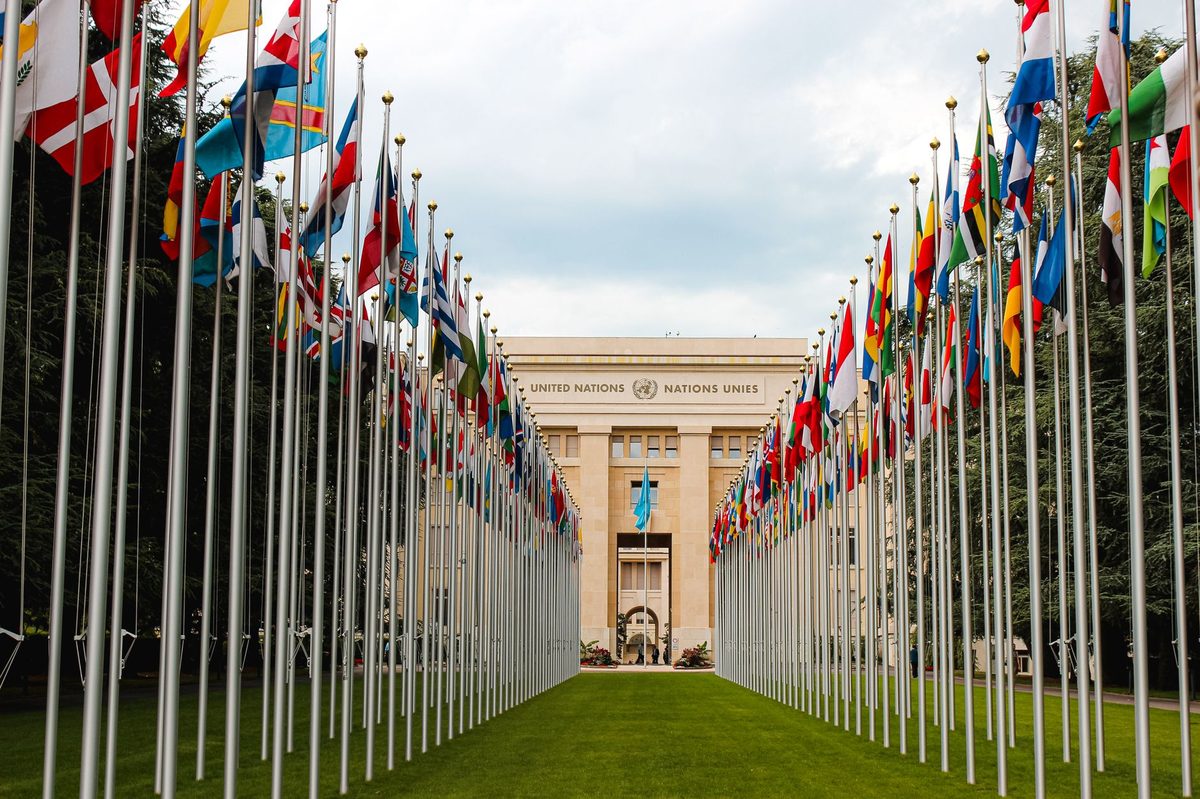
Diplomatic and UN travel: diplomatic passports, UN laissez-passer documents and certain official-visit categories follow modified rules; coordinate with your sending country’s protocol office and the Swiss DFAE. Most UN delegates arriving in Geneva for sessions have streamlined procedures.
13 — If something goes wrong
Refused entry is rare for legitimate tourists, and usually comes down to an invalid passport, a fake or expired visa, or a suspected purpose mismatch such as intent to work on a tourist visa. If it happens, ask for the reason in writing, contact your embassy in Bern, and expect to be sent back on the next flight at your own cost.
A lost passport should be reported to the local Swiss police at once, then to your embassy or consulate in Bern (most countries keep at least an honorary consulate in Geneva, with embassies in the capital), which can usually issue emergency travel documents within a day or two.
Overstays are taken seriously: even a single day over can trigger an entry ban for future visits. If a genuine emergency (medical, weather, force majeure) keeps you past your limit, tell the cantonal migration office immediately and request an extension, and do not assume nobody will notice, because the EES system from April 2026 makes overstays automatic and trackable.
A refused visa can be appealed; the refusal letter explains the reason and the appeal route. The usual grounds are insufficient funds, doubt about your intent to return home, or an incomplete application.
14 — Key Geneva-arrival logistics
- Geneva Airport (GVA) is 5 km from the centre and six minutes by train (CHF 3, or free with the Geneva Transport Card your accommodation issues); see our airport to city centre guide.
- Cornavin station is the main rail hub, with the TGV from Paris, the Léman Express from France and the full Swiss SBB network. The public transport guide explains the local system, and the free Geneva Transport Card covers buses, trams and the Mouettes.
- Currency: the Swiss franc, since Switzerland is not in the eurozone. Our weather and packing guide helps with what to bring for the season.
Frequently asked questions
Do US or UK citizens need a visa for Geneva?
Not for tourism stays under 90 days in any 180-day period. Both (and most visa-exempt nationalities) will need ETIAS pre-authorisation once it starts, but it is not running yet and has no confirmed start date, so check the EU’s official ETIAS page before you travel.
How long can I stay in Switzerland without a visa?
Ninety days in any rolling 180-day period for most visa-exempt visitors. EU and EEA citizens can stay indefinitely under free movement, while visa-required nationalities get the length stated on their visa, typically 30, 60 or 90 days.
Is Switzerland in the Schengen Area and the EU?
It joined Schengen on 12 December 2008, so the Schengen rules apply, but it is not an EU member, having rejected membership in referendums in 1992 and 2001 and worked through bilateral agreements instead.
What is ETIAS and when does it start?
It is the European Travel Information and Authorisation System, a pre-travel authorisation similar to the US ESTA, planned for visa-exempt non-EU travellers entering Schengen, including Switzerland. It is not running yet and has no confirmed start date, so check the EU’s official ETIAS page before you travel.
How much does a Schengen visa for Switzerland cost and take?
It is 90 euros for adults, 45 for children aged 6-11 and free for under-6s, plus 30-50 euros in service fees through a visa centre. Standard processing is 15 calendar days, up to 45 with extra checks, so apply at least 4-6 weeks ahead.
Can I cross from France into Geneva without a passport, and can I work on a tourist visa?
Schengen means no routine passport check at the France-Switzerland border, though spot checks happen, so always carry valid ID. Tourist entries forbid paid work; that requires a Type D work visa after your Swiss employer secures a work permit.
15 — Related Geneva guides
Keep planning with our plan your Geneva trip pillar, the airport to city centre guide, the Geneva transportation guide, the weather and packing guide, plus our things to do in Geneva list and the best day trips from Geneva.