Geneva history spans over two thousand years, from a Celtic lakeside settlement to the global humanitarian capital it is today. Few cities of Geneva’s modest size have played such an outsized role in world affairs — this is where John Calvin transformed Protestant Christianity, where Henry Dunant conceived the Red Cross, where the League of Nations sought to prevent another world war, and where the Geneva Conventions established the rules protecting civilians in conflict. Understanding this history transforms a visit to Geneva from simple sightseeing into a journey through the forces that shaped the modern world.
This guide traces Geneva’s story from its ancient origins to its present-day role as one of the world’s most important cities for diplomacy, humanitarianism, and innovation.
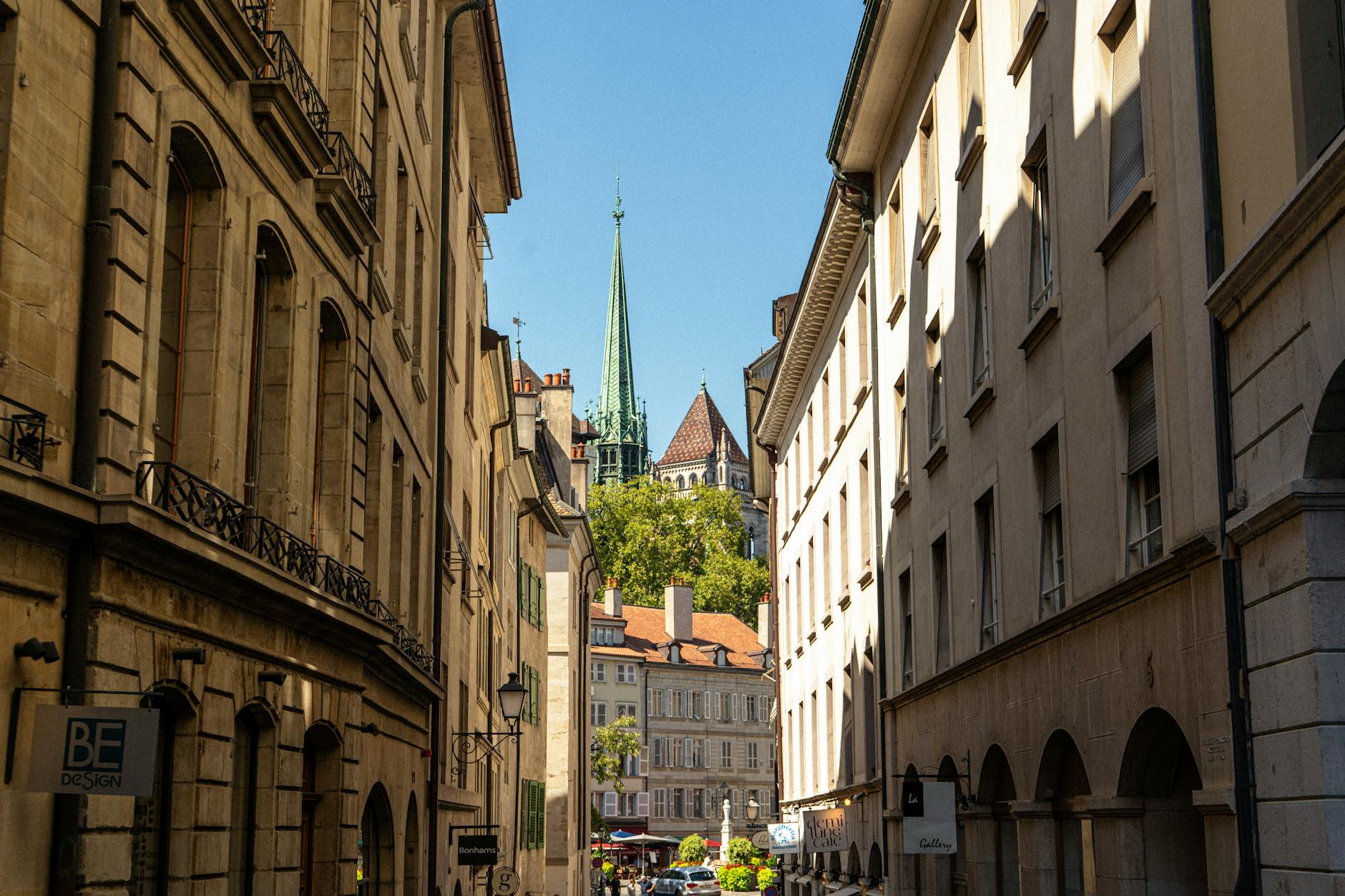
Ancient Origins: Celtic and Roman Geneva
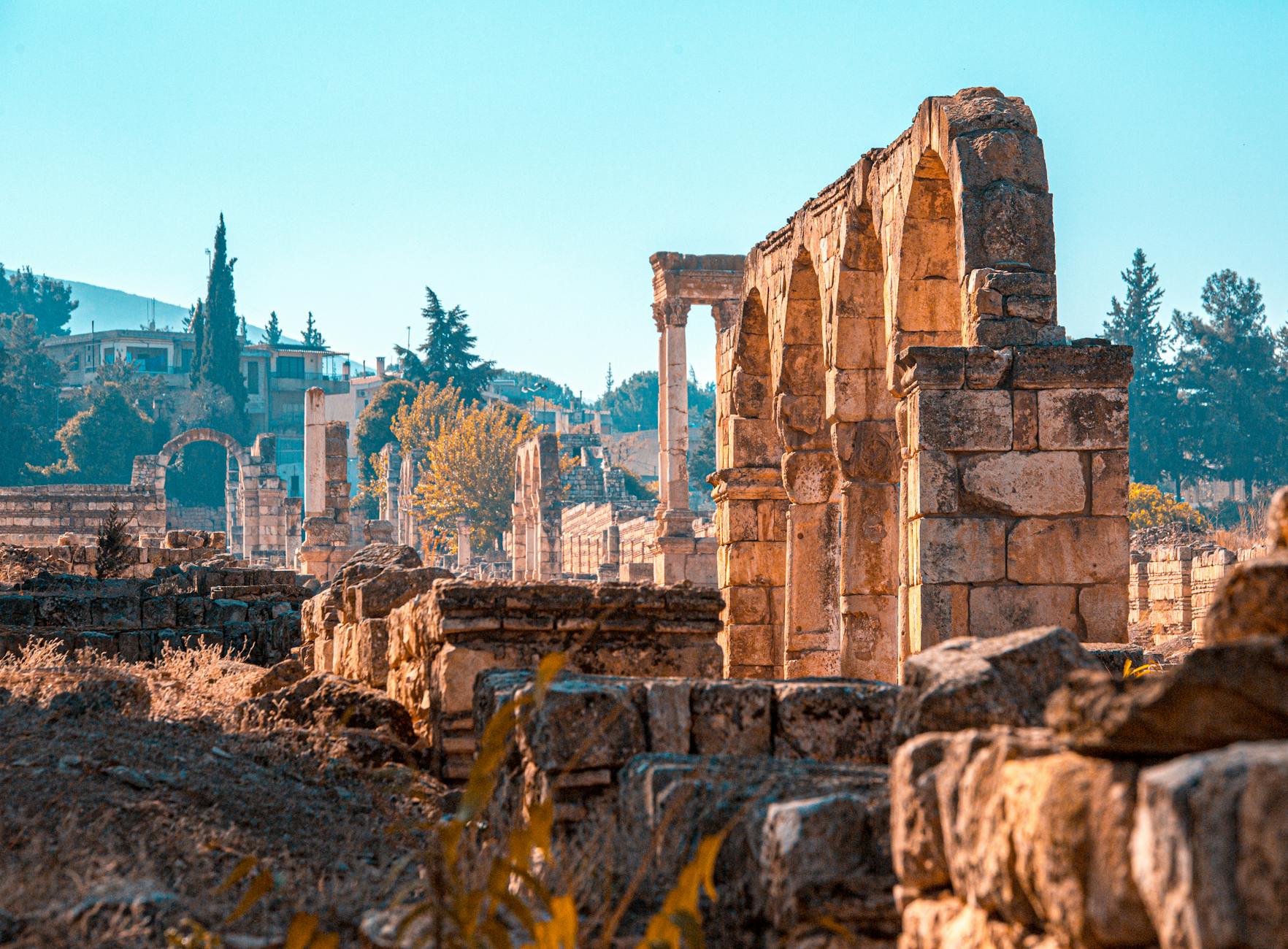
Geneva’s story begins with the Allobroges, a Celtic tribe who established a settlement at the strategic point where the Rhône flows out of Lake Geneva. The location — controlling a natural crossing point between the Alps and the Jura — made it valuable to every power that dominated the region. Julius Caesar mentions Geneva in his account of the Gallic Wars (58 BC), describing it as the last town of the Allobroges before the territory of the Helvetii. He ordered a bridge over the Rhône destroyed to prevent a Helvetian migration.
Under Roman rule, Geneva (Genava) grew into a prosperous town with temples, baths, and a harbor. Archaeological excavations beneath St. Pierre Cathedral have revealed remarkable Roman remains, including a 4th-century baptistery and the foundations of successive churches built on the same site over 1,600 years. This underground archaeological site is open to visitors and provides a tangible connection to Geneva’s earliest urban history. Christianity arrived in the 4th century, and Geneva became an episcopal see — a bishop’s seat — giving it religious and political importance that would shape its identity for centuries.
Medieval Geneva: Bishops, Dukes, and Independence
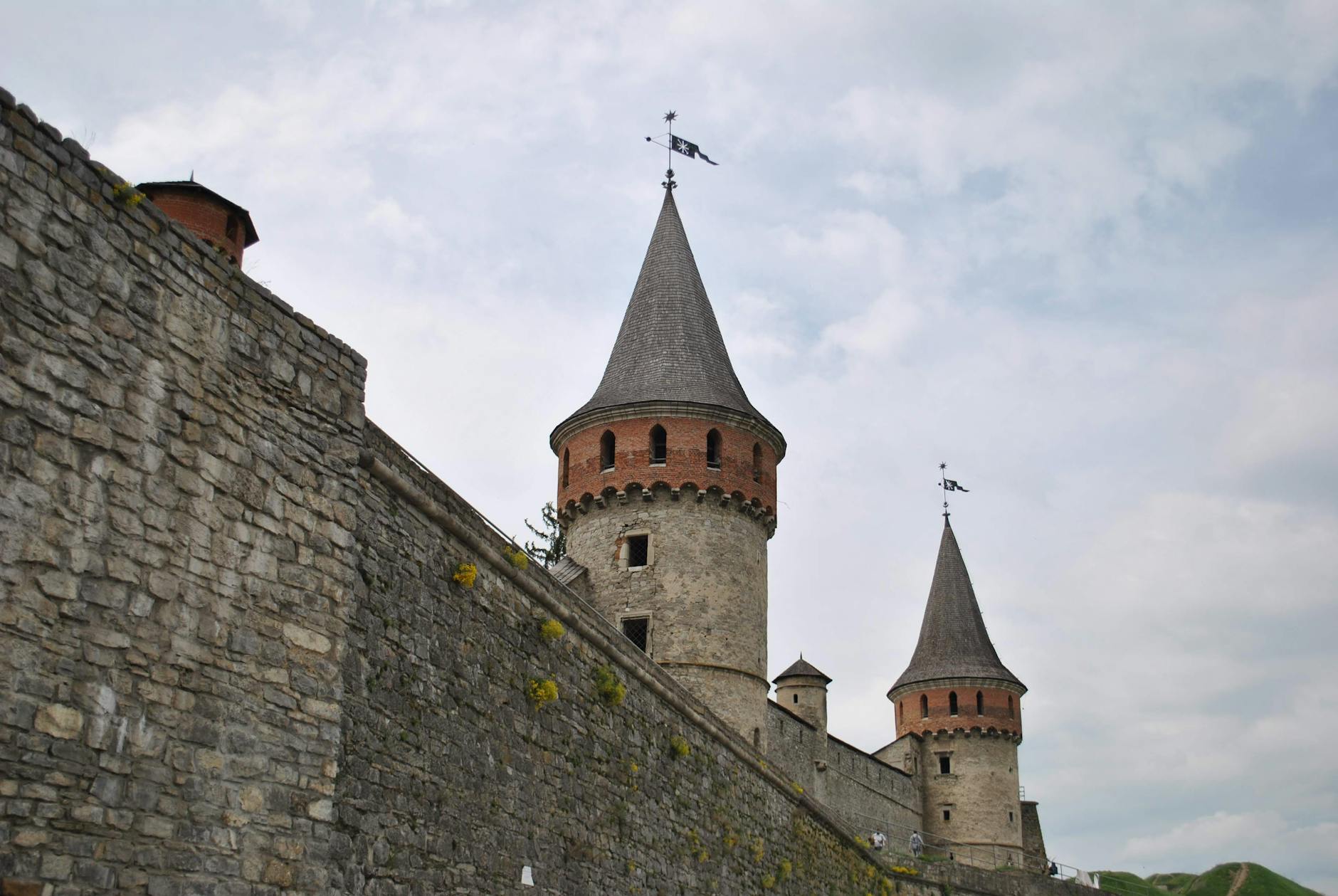
Throughout the Middle Ages, Geneva was contested between the powerful Dukes of Savoy and the prince-bishops who governed the city. Maison Tavel, the oldest private house in Geneva (dating from the 12th century and now a free museum), gives visitors a vivid picture of daily life during this turbulent period. The city’s strategic position on trade routes between France, Italy, and northern Europe made it a prosperous market town, hosting important fairs that attracted merchants from across the continent.
The defining moment of medieval Geneva came on the night of December 11-12, 1602, when the Duke of Savoy launched a surprise attack on the city. Genevans repelled the invaders in what became known as L’Escalade (the “scaling of the walls”), a heroic defense still celebrated every December as Geneva’s most important local festival — complete with torchlit processions through the Old Town and the smashing of chocolate cooking pots (marmites). This victory cemented Geneva’s independent spirit and its determination to resist external domination.
The Reformation: Geneva as the “Protestant Rome”
No chapter of Geneva history had more global impact than the Protestant Reformation of the 16th century. In 1536, the city officially adopted Protestantism, breaking with the Catholic Church and the authority of the bishop. That same year, a French theologian named John Calvin arrived in Geneva, and over the next decades he transformed the city into the intellectual and spiritual capital of Reformed Christianity — earning it the title “Protestant Rome.”
Calvin’s Geneva was rigorous, disciplined, and intellectually vibrant. He established the Genevan Academy in 1559 (now the University of Geneva), which trained pastors and missionaries who spread Calvinist theology across Europe and eventually to the Americas. Calvin’s emphasis on education, work ethic, and individual moral responsibility influenced not only religion but also economics, politics, and culture — scholars have traced connections between Calvinist values and the development of capitalism and democratic governance.
The Reformation Wall (Mur des Réformateurs) in the Parc des Bastions commemorates this era with 5-meter-tall statues of Calvin, William Farel, Theodore Beza, and John Knox. The nearby International Museum of the Reformation, housed in an 18th-century mansion, tells the full story through original documents and multimedia displays. St. Pierre Cathedral, where Calvin preached for over 25 years, remains the symbolic heart of Reformed Geneva. For a deeper exploration, see our Geneva museums guide.
The Enlightenment and the Age of Reason

Geneva’s intellectual tradition continued into the 18th century Enlightenment. Jean-Jacques Rousseau, born at 40 Grand-Rue in the Old Town in 1712, became one of the most influential philosophers in history. His ideas on social contract, popular sovereignty, and education profoundly influenced the French Revolution and modern democratic theory. Voltaire, though French, lived just outside Geneva at Ferney (now Ferney-Voltaire) for the last 20 years of his life, creating a remarkable literary and intellectual rivalry with Geneva’s establishment.
The city also became a center for scientific discovery. Horace-Bénédict de Saussure, a Genevan naturalist, made the second-ever ascent of Mont Blanc in 1787 and is considered a founder of modern meteorology and geology. Geneva’s scientific tradition continues today at CERN, where researchers probe the fundamental nature of the universe.
The Birth of Humanitarianism: The Red Cross and Geneva Conventions
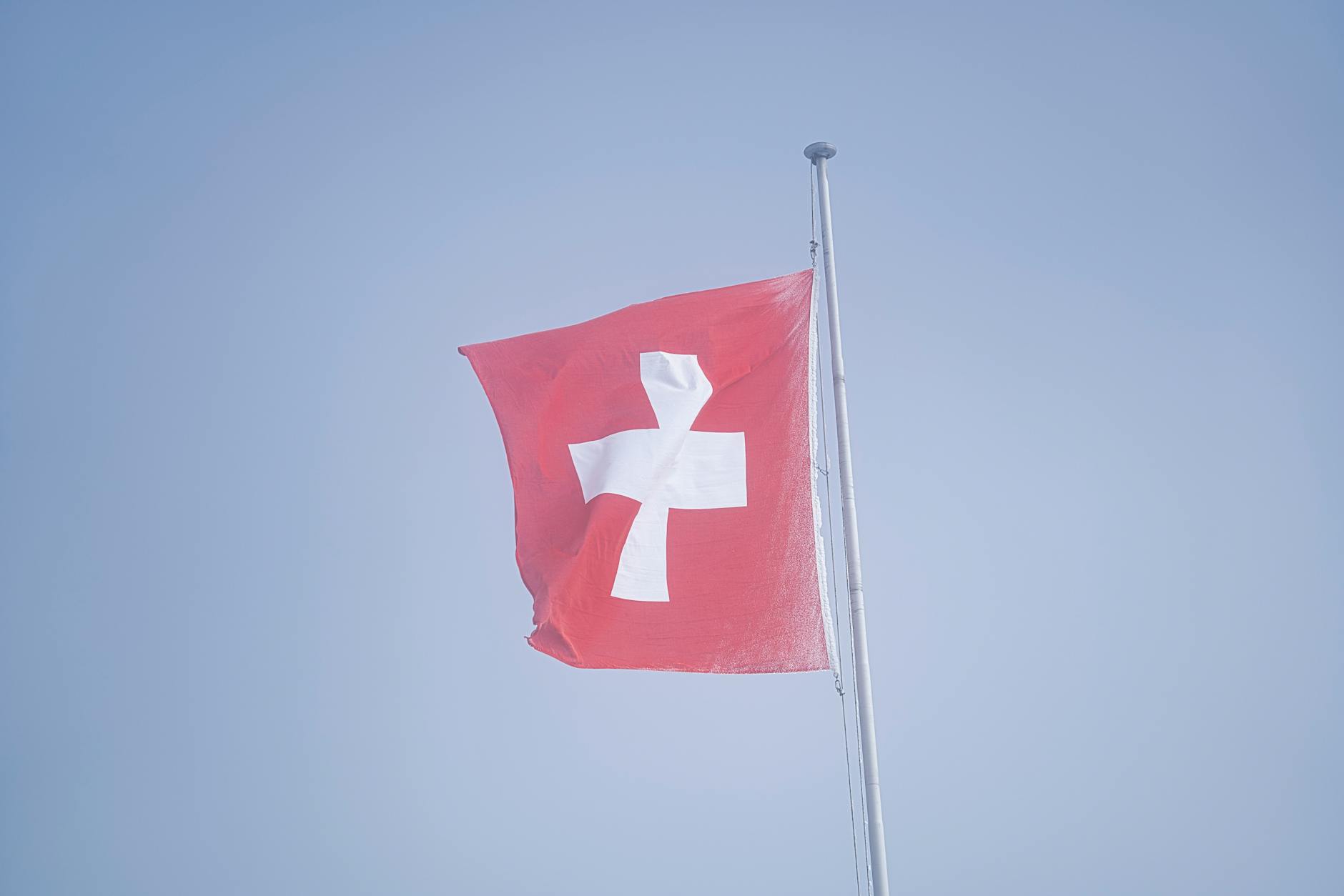
In 1859, a young Genevan businessman named Henry Dunant witnessed the aftermath of the Battle of Solferino in northern Italy, where over 40,000 soldiers lay dead or wounded with virtually no medical care. Horrified, Dunant organized local civilians to provide aid regardless of which side the soldiers fought for — a revolutionary concept at the time. His subsequent book, “A Memory of Solferino,” proposed two transformative ideas: the creation of national relief societies to care for wounded soldiers, and an international agreement protecting the wounded and those who care for them.
Both ideas became reality in Geneva. In 1863, five Genevan citizens (including Dunant) founded the International Committee of the Red Cross (ICRC). In 1864, the first Geneva Convention was signed by twelve nations at the Hôtel de Ville (City Hall), establishing the foundational rules of international humanitarian law. Dunant received the first-ever Nobel Peace Prize in 1901. The Geneva Conventions have since been expanded four times and are now ratified by every country on Earth — arguably the most universally accepted set of international laws in existence. The International Red Cross Museum, opposite the UN, powerfully tells this story through immersive exhibitions.
Geneva as Watchmaking Capital

Geneva’s dominance in watchmaking has its own fascinating historical roots, directly connected to the Reformation. When Calvin banned the wearing of ornamental jewelry in 1541, Geneva’s skilled goldsmiths and jewelers needed a new outlet for their craftsmanship. They turned to watchmaking, combining their artistic expertise with the precision mechanics of timekeeping. When French Huguenot watchmakers fled persecution after the St. Bartholomew’s Day massacre (1572) and the revocation of the Edict of Nantes (1685), many settled in Geneva, bringing advanced techniques that accelerated the industry.
By 1601, Geneva had established the world’s first watchmakers’ guild. By 1760, there were some 600 master watchmakers in the city, and within three decades, Geneva was exporting over 60,000 watches per year. The Geneva Seal (Poinçon de Genève), established by law in 1886, remains the most prestigious quality mark in horology. Today, the city is home to Patek Philippe, Rolex, Vacheron Constantin, and numerous other legendary brands. The Patek Philippe Museum houses over 2,000 timepieces spanning 500 years of this remarkable heritage. For more on Geneva’s watch shopping, see our shopping guide.
International Geneva: From the League of Nations to Today
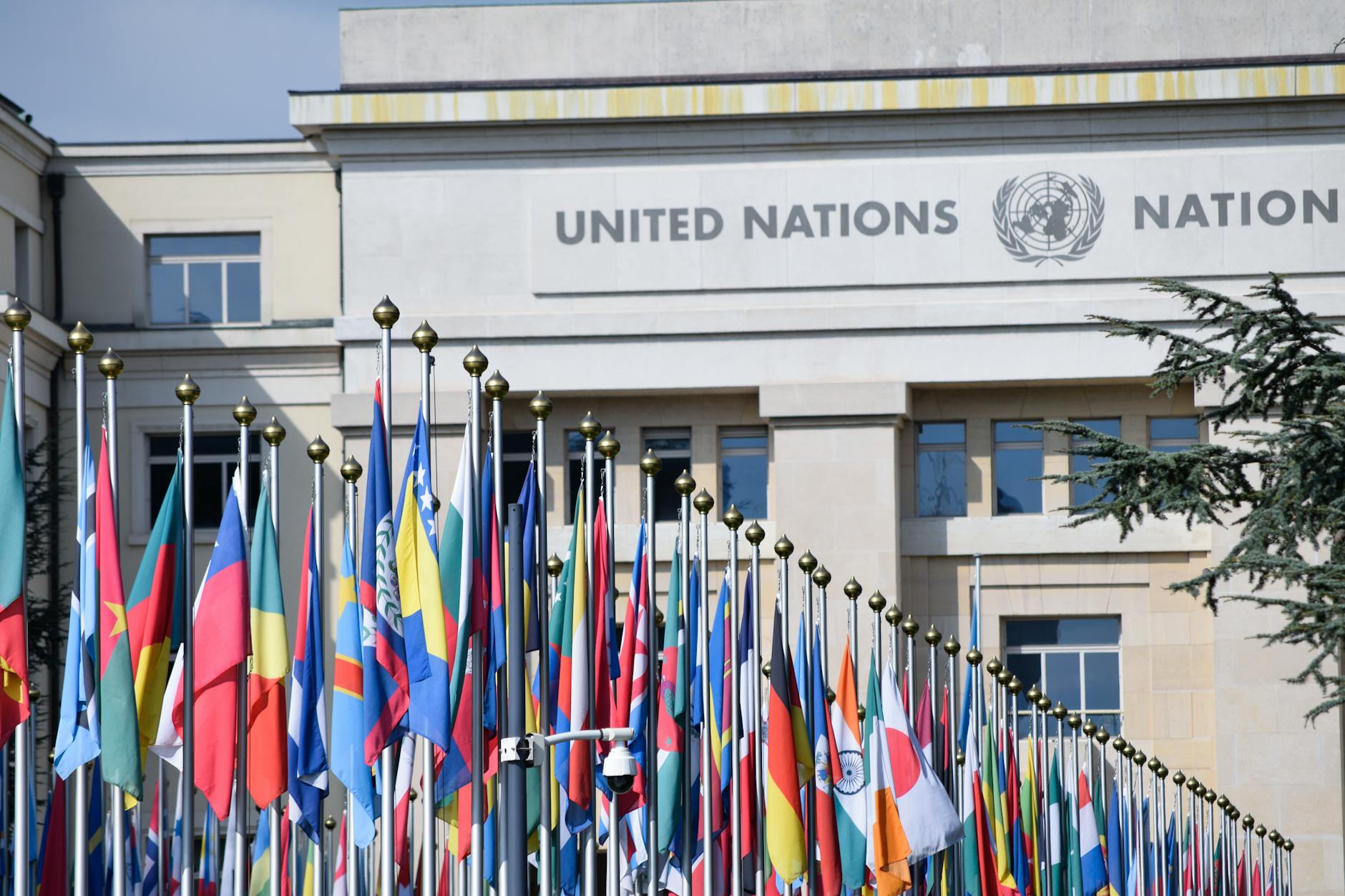
Geneva’s transformation into a global capital of diplomacy began in earnest after World War I. In 1920, the newly created League of Nations chose Geneva as its headquarters, housed in the Palais Wilson on the lakefront (named after US President Woodrow Wilson, the League’s chief architect). The magnificent Palais des Nations was built between 1929 and 1938 to serve as the League’s home, and today serves as the European headquarters of the United Nations.
After the League’s failure to prevent World War II, Geneva’s role in international affairs was reinforced rather than diminished. The United Nations established its European headquarters here in 1946, and over the following decades, Geneva became home to an extraordinary concentration of international organizations. Today, “International Geneva” hosts over 40 international organizations, 750 NGOs, and 177 diplomatic missions. The World Health Organization, World Trade Organization, International Labour Organization, UNHCR, and many more are headquartered here. Over 34,000 international civil servants work in Geneva — in a city of just 200,000 residents.

Experiencing Geneva’s History Today
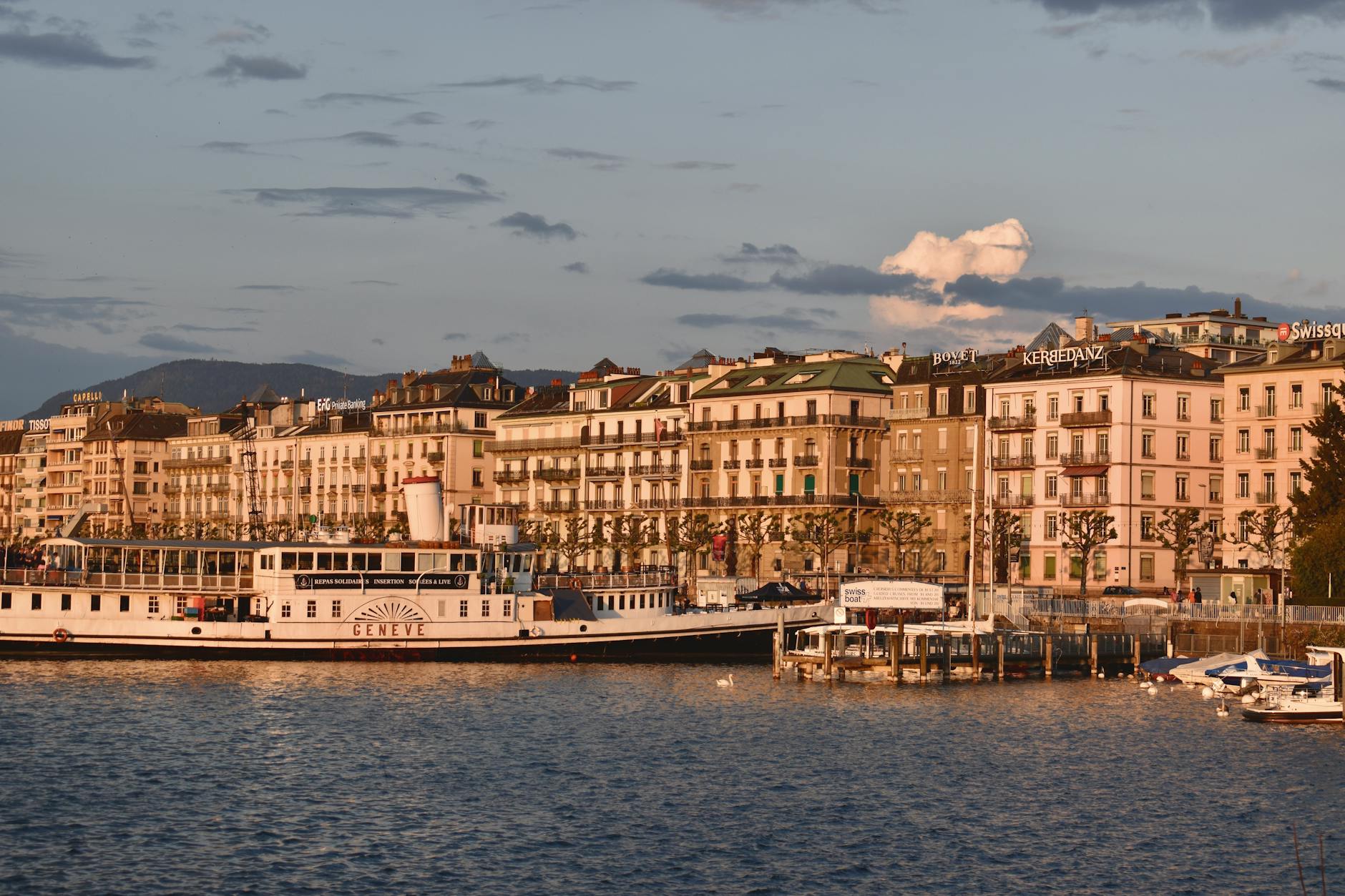
Geneva’s history is not confined to museum displays — it lives in the streets, buildings, and institutions you encounter every day. Walk the cobblestones of the Old Town and you’re following paths worn by Roman soldiers, medieval merchants, and Reformation theologians. Visit the underground archaeological site beneath St. Pierre Cathedral to see 2,000 years of history layered beneath your feet. Stand at the Reformation Wall and read the motto of both Geneva and the Reformation: “Post Tenebras Lux” (After Darkness, Light).
Tour the Palais des Nations to see where nations negotiate the challenges of today, just as they did in the League of Nations era. Visit the Red Cross Museum to understand how one Genevan’s vision transformed the protection of human dignity worldwide. Admire a Patek Philippe timepiece and know that the craft behind it stretches back to Reformation-era goldsmiths finding a new purpose. Geneva’s history isn’t just remarkable — it’s ongoing, and every visitor plays a small part in the next chapter. For a comprehensive exploration of Geneva’s neighborhoods where this history unfolds, see our neighborhoods guide, and for planning your visit, check our trip planning guide.