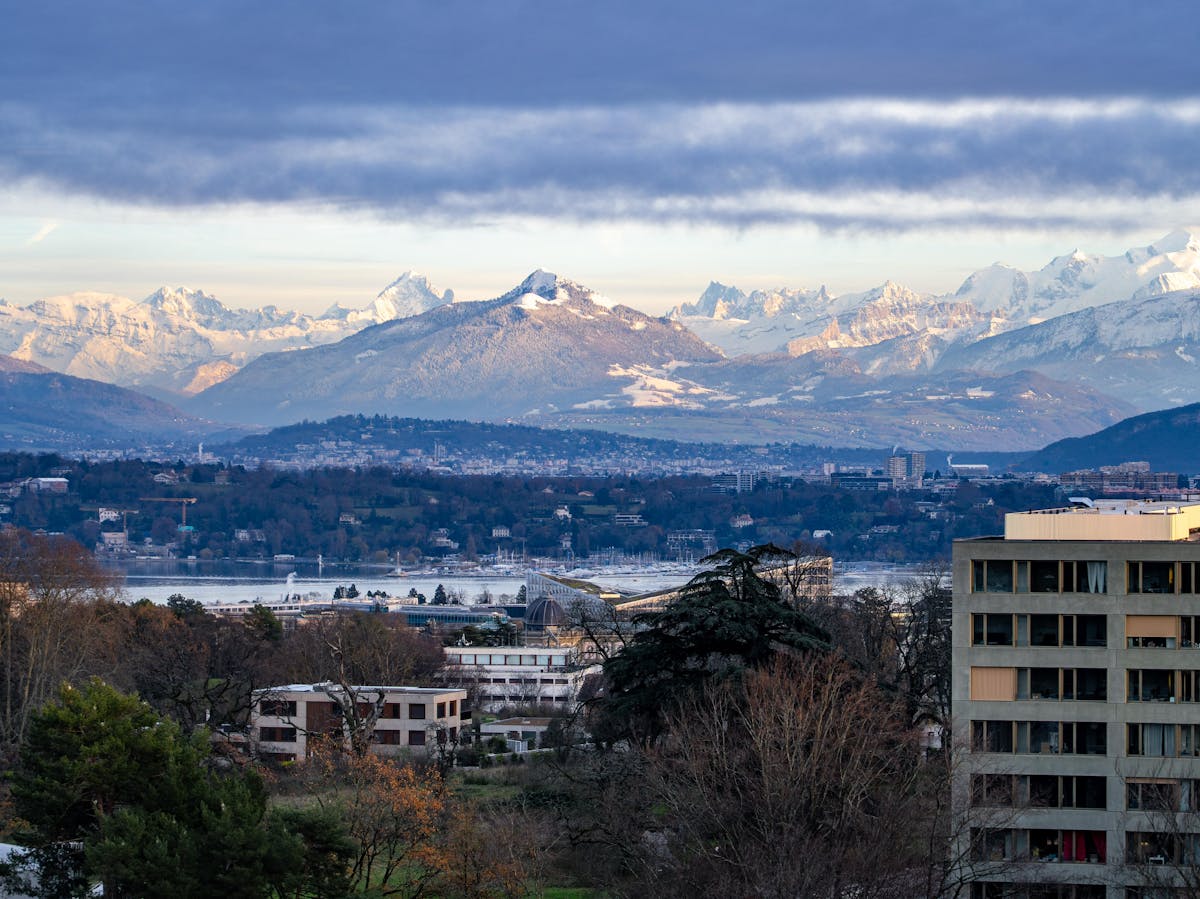
Geneva is one of Europe’s most captivating cities — a place where the soaring jet of the Jet d’Eau fountain meets the snow-capped backdrop of Mont Blanc, where 2,000 years of history intertwine with cutting-edge science at CERN, and where the aroma of Swiss chocolate drifts through cobblestone streets that have hosted everyone from John Calvin to the United Nations. Whether you’re planning a weekend escape or a week-long immersion, this comprehensive guide covers every worthwhile thing to do in Geneva, Switzerland.
Perched at the southwestern tip of Lake Geneva (Lac Léman), Switzerland’s second-largest city punches far above its weight as a cultural, diplomatic, and gastronomic powerhouse. With over 36 museums, pristine Alpine nature on your doorstep, and some of the finest fondue on the planet, Geneva has something extraordinary for every type of traveler. This guide is organized to help you plan efficiently — from iconic landmarks and world-class museums to hidden gems, culinary experiences, outdoor adventures, and practical tips that will save you time and money.
Iconic Landmarks and Must-See Attractions in Geneva
Every visit to Geneva starts with its most recognizable landmarks — the kind of sights that define a city’s identity and appear on every postcard. These are the attractions that first-time visitors should prioritize, and they’re also the ones that reward repeat visits with new details each time.
Jet d’Eau: Geneva’s Towering Water Fountain
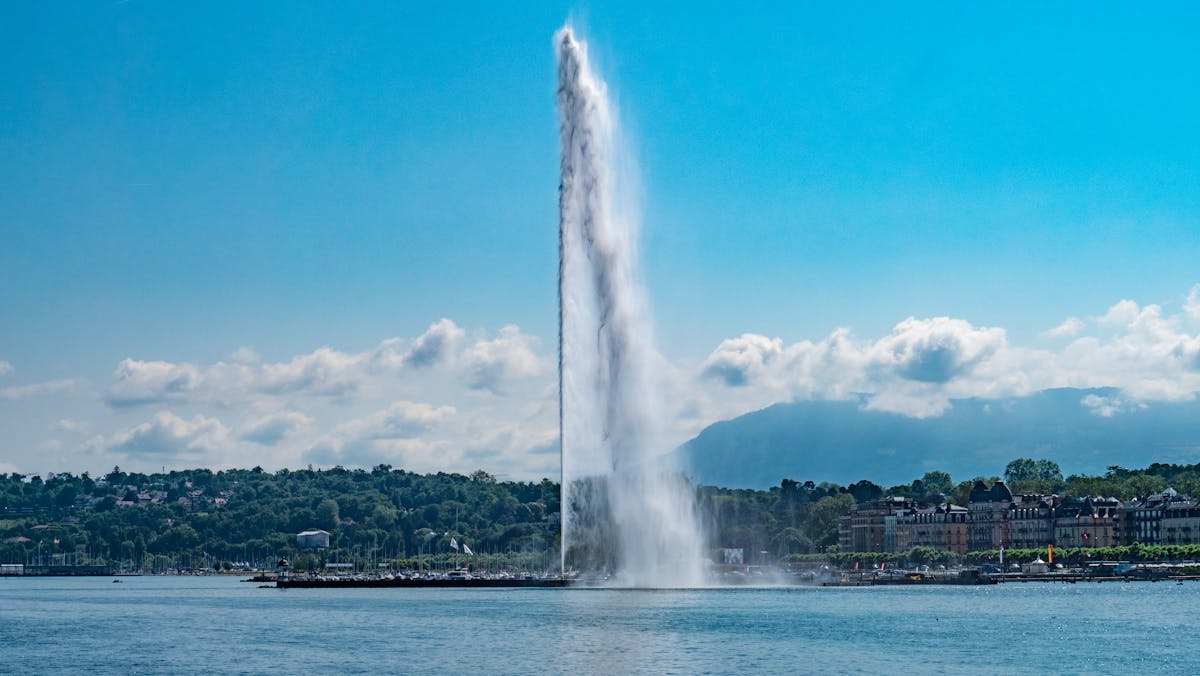
The Jet d’Eau is Geneva’s most famous landmark and one of the tallest water fountains in the world. Rising 140 meters (460 feet) into the sky from the point where Lake Geneva meets the River Rhône, this spectacular fountain shoots 500 liters of water per second at a speed of 200 km/h. The water plume is visible from virtually everywhere in the city, and on clear days it forms a stunning contrast against the backdrop of the Alps.
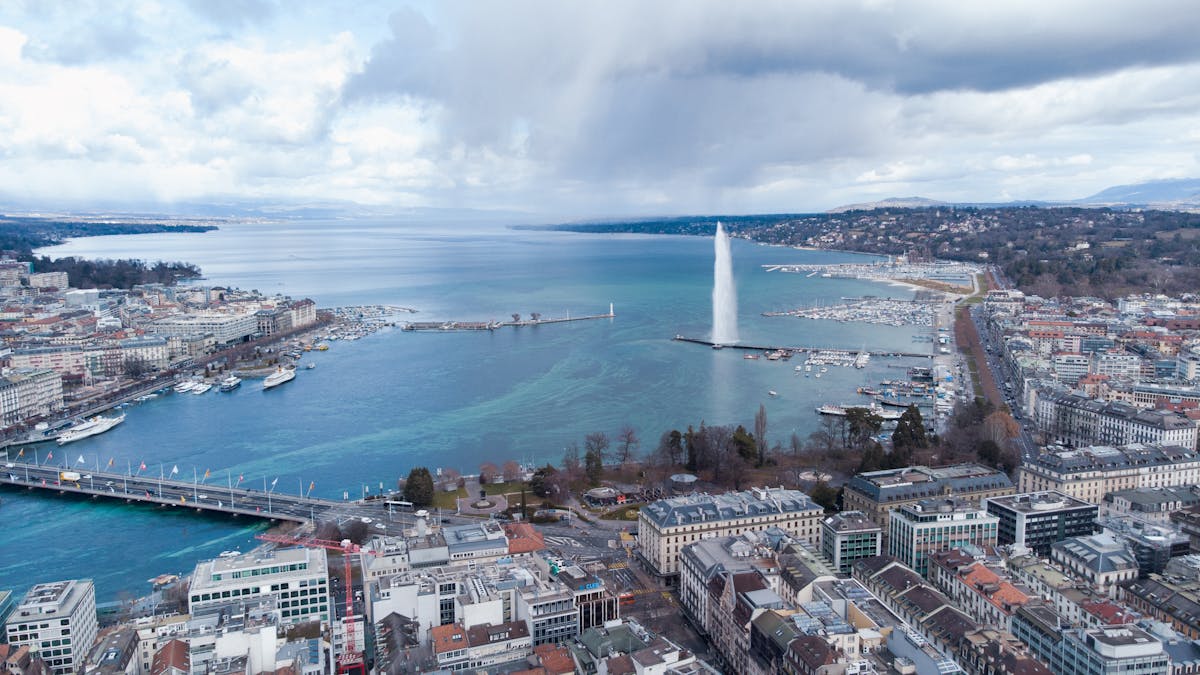
Originally created in 1886 as a pressure release valve for a hydraulic plant, the fountain was relocated to its current position in the lake in 1951 and has been a symbol of Geneva ever since. The best spots to view and photograph the Jet d’Eau include the Quai Gustave-Ador promenade on the left bank, the Bains des Pâquis pier on the right bank, and from the water itself on a lake cruise. You can also walk out on the stone jetty that extends into the lake right beside the fountain — just be prepared to get sprayed on windy days. The fountain operates from March through October during the day, and is illuminated on certain evenings during summer months.
L’Horloge Fleurie (The Flower Clock)
Located in the Jardin Anglais (English Garden) on the south bank of the lake, the Flower Clock is one of Geneva’s most photographed attractions. Created in 1955 as a tribute to Geneva’s watchmaking heritage, the clock features a functioning timepiece with a diameter of 5 meters, composed of over 6,500 flowering plants that are changed with the seasons. The second hand, at 2.5 meters, is the longest in the world. It’s a lovely spot to pause during a lakeside walk, and the surrounding English Garden offers shaded benches and views of the Jet d’Eau across the water.
St. Pierre Cathedral and the Tower Climb
Dominating the skyline of Geneva’s Old Town, St. Pierre Cathedral has been a place of worship since the 12th century and played a pivotal role during the Protestant Reformation when John Calvin preached here from 1536 to 1564. The cathedral’s architecture is a fascinating blend of Romanesque, Gothic, and neoclassical elements — a reflection of centuries of modifications and restorations.
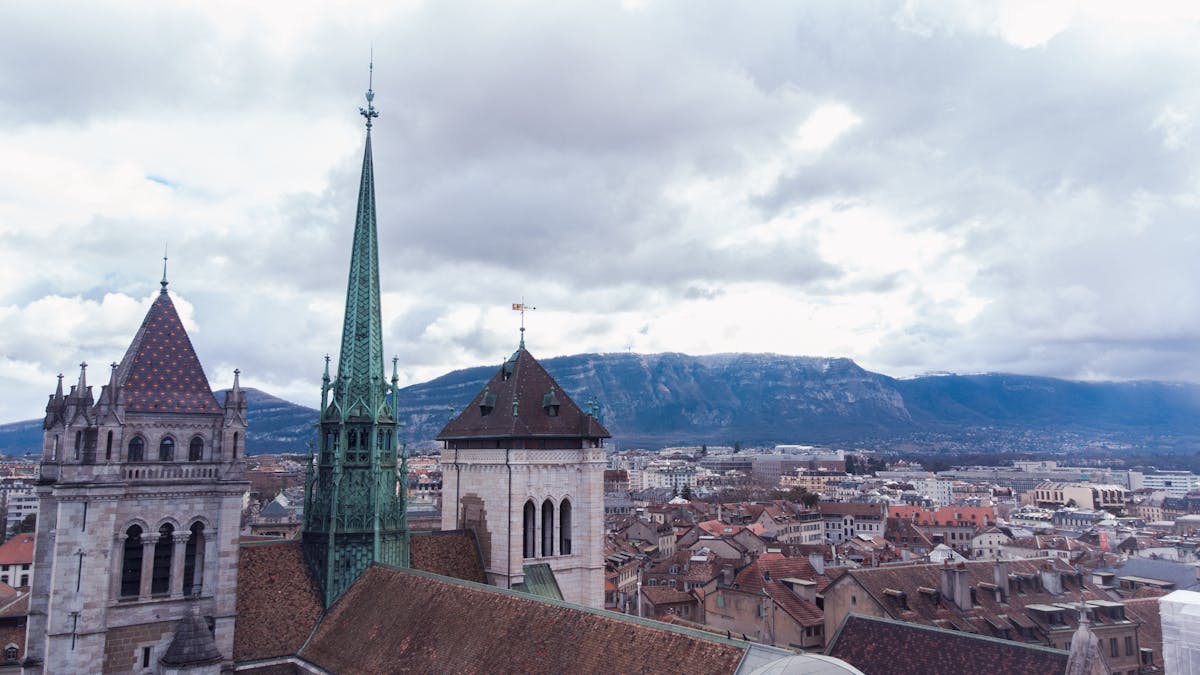
The absolute highlight for visitors is climbing the 157 steps of the north tower. The effort rewards you with a 360-degree panorama that is arguably the best viewpoint in Geneva: the entire Old Town spread below you, Lake Geneva glittering in the distance, the Jura Mountains to the west, and the Alps (including Mont Blanc on clear days) to the south and east. Below the cathedral, the Archaeological Site reveals layers of history dating back to Roman times, including 4th-century mosaics and early Christian baptismal fonts.
The Reformation Wall (Mur des Réformateurs)
Set into the old city walls within the beautiful Parc des Bastions, the Reformation Wall stretches 100 meters and features imposing statues of the four principal figures of the Reformation: Guillaume Farel, John Calvin, Théodore de Bèze, and John Knox. The monument was erected between 1909 and 1917 on the 400th anniversary of Calvin’s birth. Even if you’re not particularly interested in religious history, the monument is architecturally impressive, and the Parc des Bastions surrounding it is one of Geneva’s most pleasant green spaces — home to the famous giant chess boards where locals gather for open-air games.
Exploring Geneva’s Old Town (Vieille Ville)
Geneva’s Vieille Ville is the largest historic city center in Switzerland and one of the best-preserved old towns in Europe. Built on a hill above the lake, this atmospheric quarter is a labyrinth of narrow cobblestone streets, hidden courtyards, ancient fountains, and centuries-old buildings that reward aimless exploration as much as purposeful sightseeing.
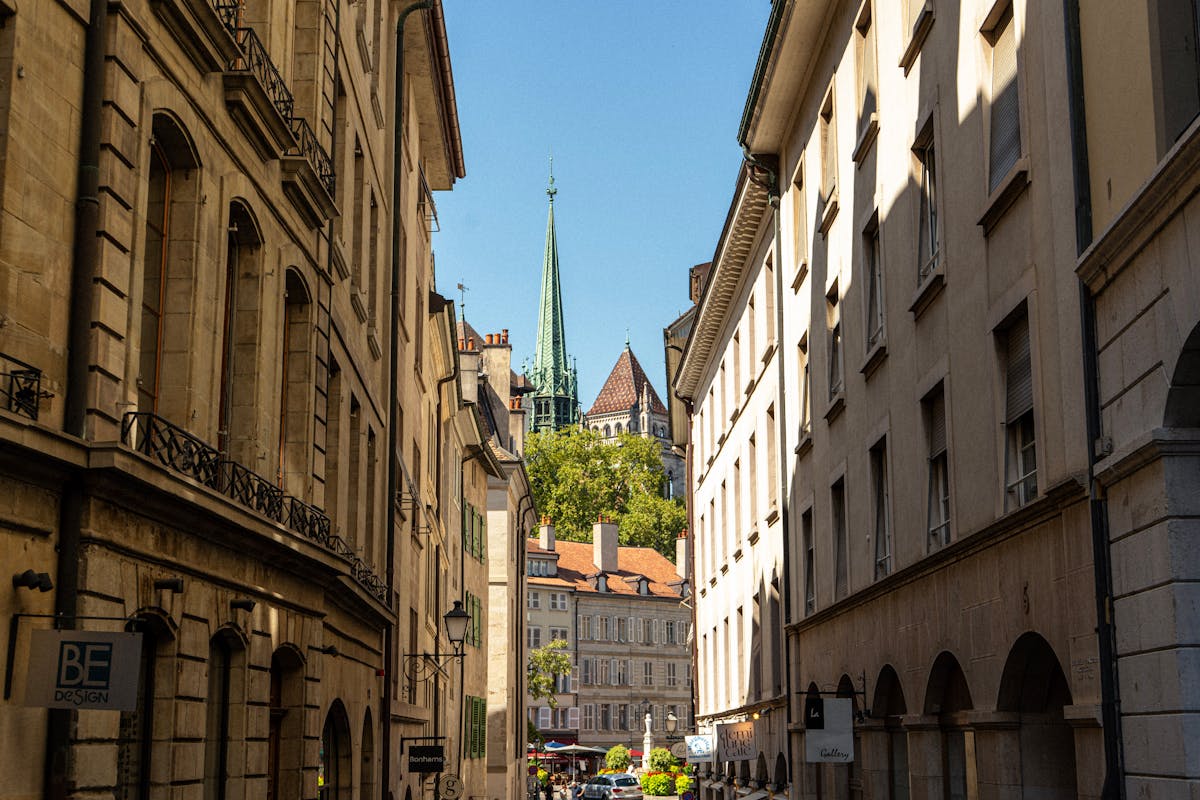
Start your exploration at Place du Bourg-de-Four, Geneva’s oldest square and a natural gathering point surrounded by cafés and restaurants. From here, the streets fan out in all directions, each revealing something different. Rue du Puits-Saint-Pierre leads past art galleries and antique shops toward the cathedral. The Grand-Rue, where philosopher Jean-Jacques Rousseau was born at No. 40, is lined with bookshops, artisan studios, and the Maison Tavel — Geneva’s oldest private residence, now a free museum chronicling the city’s history from the medieval period to the 19th century.
Don’t miss the Passage des Degrés-de-Poules, a steep medieval stairway offering glimpses of the rooftops below, or the Treille Promenade with its famous 120-meter-long bench (the longest wooden bench in the world). The Old Town is also home to Geneva’s Town Hall (Hôtel de Ville), where the first Geneva Convention was signed in 1864 — a fitting symbol for a city that would become the world’s humanitarian capital. For the best experience, allow at least 2-3 hours to wander without a strict itinerary; the Old Town reveals its best secrets to those who simply explore.
World-Class Museums and Cultural Attractions
Geneva punches extraordinarily far above its weight when it comes to museums. With over 36 museums housing permanent collections and around 50 commercial galleries, this city of just 200,000 residents offers a cultural density that rivals cities many times its size. From particle physics to humanitarian history, from haute horlogerie to contemporary art, there is a museum in Geneva for virtually every interest.
CERN Science Gateway
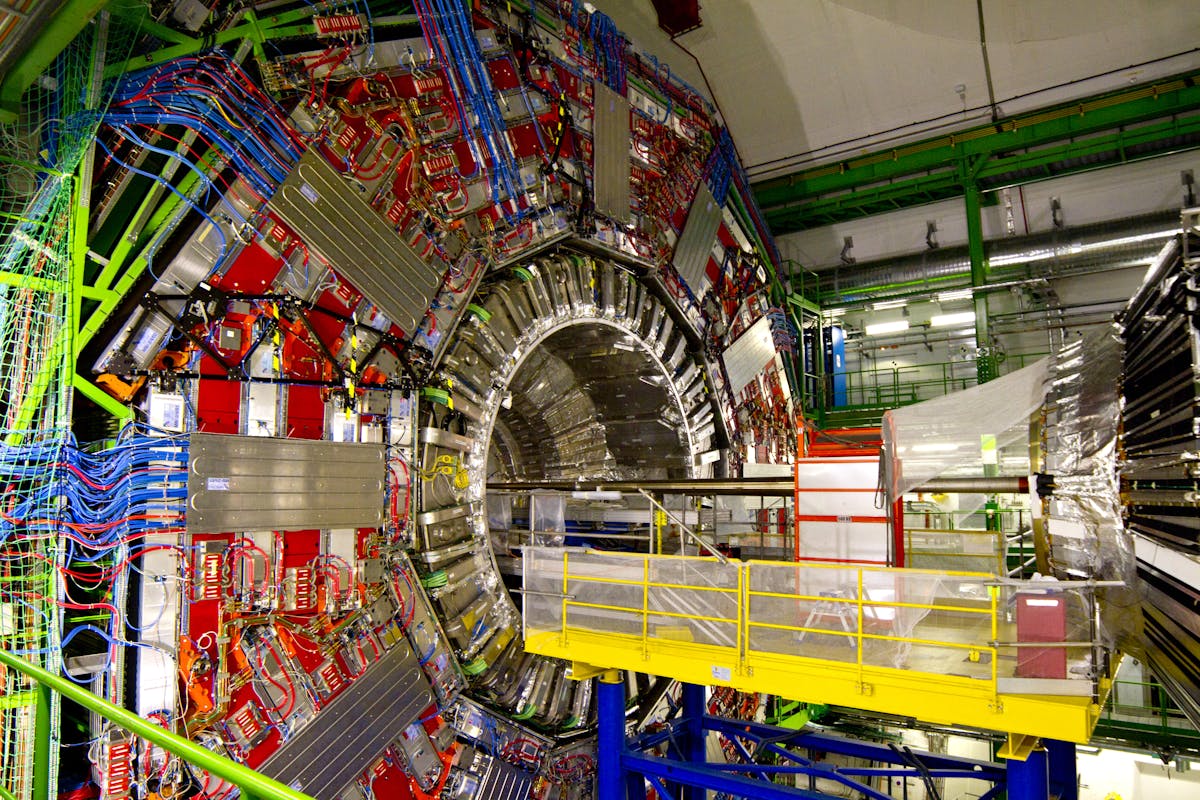
CERN (the European Organization for Nuclear Research) is where some of humanity’s most profound discoveries have been made — including the Higgs boson particle and, perhaps even more impactfully for daily life, the World Wide Web. Located on the outskirts of Geneva straddling the French-Swiss border, CERN welcomes hundreds of thousands of visitors each year to its Science Gateway, a striking Renzo Piano-designed building that opened in 2023.
The Science Gateway features three immersive exhibitions exploring the Big Bang, particle physics, and the technologies born at CERN. Interactive displays let you manipulate virtual particle accelerators, and the exhibitions are designed to be engaging for visitors of all ages and scientific backgrounds — you don’t need a physics degree to enjoy this. Guided tours (available on select days and bookable in advance) take you closer to the actual experiments and sometimes into underground tunnels. Best of all, entry to the permanent exhibitions is free, making CERN one of the best free things to do in Geneva.
International Red Cross and Red Crescent Museum
This powerful museum explores over 150 years of humanitarian action through three permanent exhibitions, each curated by a different architect and focused on a core humanitarian challenge: defending human dignity, restoring family links, and reducing natural risks. The experience is deeply moving and profoundly educational, using personal testimonies, multimedia installations, and historical artifacts to tell stories of conflict, disaster, and the human spirit’s capacity for compassion. Geneva is the birthplace of the Red Cross and the Geneva Conventions, and this museum provides essential context for understanding the city’s unique role in world affairs.
Patek Philippe Museum
Even if you’re not a watch enthusiast, the Patek Philippe Museum is a revelation. Spread across four floors of an elegant Art Deco building, the museum houses one of the world’s most important collections of timepieces spanning five centuries of watchmaking history. The ground and first floors showcase Patek Philippe’s own creations, including extraordinarily complex pieces with dozens of complications. The second floor is dedicated to Geneva watchmaking from the 16th to 19th centuries, with enameled watches, automata, and musical pieces that are genuine works of art. Geneva is the world capital of haute horlogerie, and this museum is the perfect introduction to that heritage.
Palais des Nations (United Nations Office)
The Palais des Nations is the European headquarters of the United Nations and the second-largest UN complex in the world after New York. Guided tours (available in 15 languages) take visitors through the historic Assembly Hall, the Human Rights and Alliance of Civilizations Room with its stunning ceiling by Spanish artist Miquel Barceló, and the Council Chamber. The surrounding Ariana Park offers beautiful gardens, peacocks roaming freely, and the iconic Broken Chair sculpture — a 12-meter-tall wooden chair with a broken leg, symbolizing opposition to landmines and cluster munitions. Book tours in advance through the UN Geneva website, especially during peak season.
More Must-Visit Museums
Beyond the headline attractions, Geneva’s museum scene runs deep. The Musée d’Art et d’Histoire is the city’s largest museum, with collections spanning fine art from the Middle Ages to modern times, archaeological artifacts, and applied arts. The Museum of Natural History offers free admission and is perfect for families, with spectacular dioramas and a popular dinosaur section. MAMCO (Musée d’Art Moderne et Contemporain) in the Quartier des Bains is Geneva’s premier contemporary art museum, housed in a converted factory. And the Musée Ariana, located next to the Palais des Nations, houses one of Europe’s finest collections of ceramics and glass — also free to visit.
Lake Geneva Activities and Boat Cruises
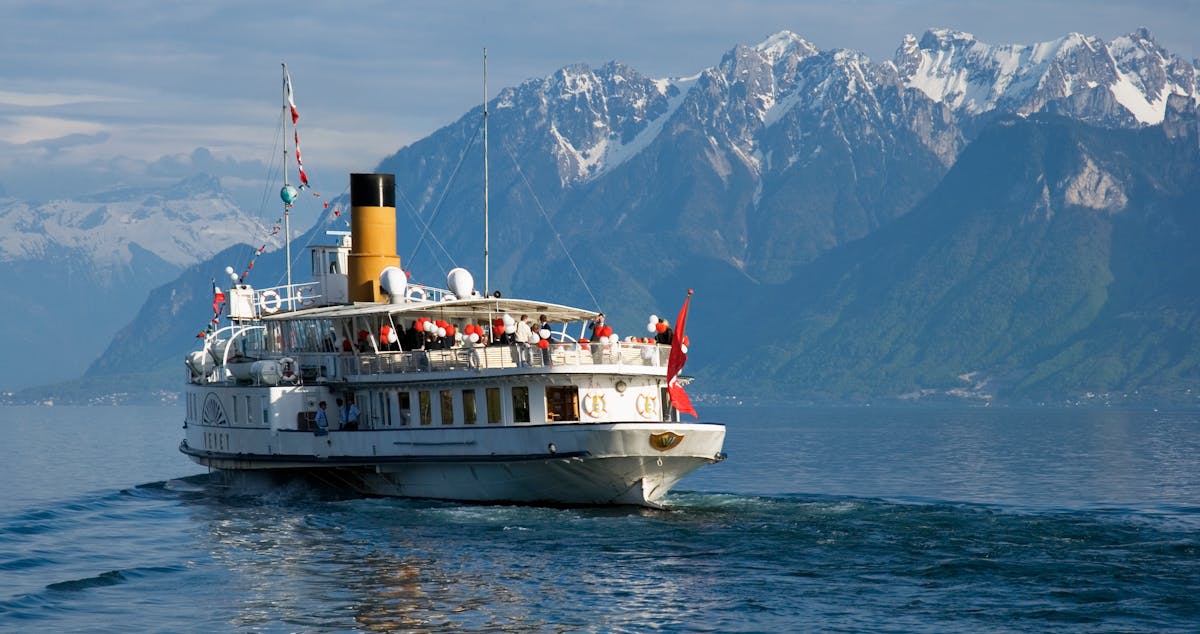
Lake Geneva (Lac Léman) is the largest lake in Western Europe and the defining natural feature of the city. Crescent-shaped and bordered by Switzerland and France, it stretches 73 kilometers from Geneva in the west to Montreux in the east, with the Alps providing a dramatic southern backdrop. The lake is not just scenery — it’s an activity hub and transportation corridor that offers some of the most memorable experiences in the region.
The CGN (Compagnie Générale de Navigation) operates a fleet of boats including beautifully restored Belle Époque paddle steamers that have been cruising the lake since the late 19th century. Cruise options range from a quick 50-minute sightseeing loop around the Geneva harbor (perfect for seeing the Jet d’Eau from the water) to full-day voyages along the Swiss Riviera to Montreux with stops at Nyon, Lausanne, and Vevey. Dinner cruises and themed cruises (jazz, fondue, sunset) are available during the summer months.
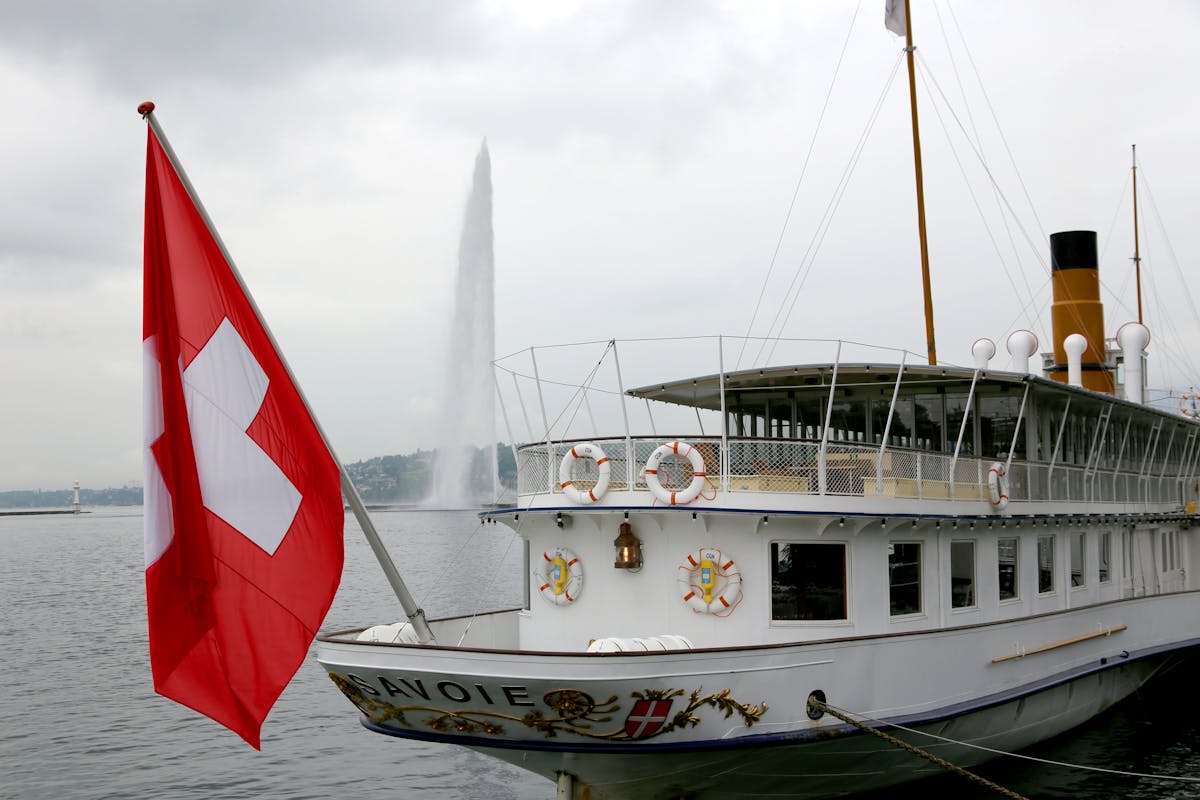
For something more active, the lake offers excellent conditions for paddleboarding, kayaking, sailing, and even wakeboarding. Multiple rental outfits operate along the Geneva waterfront, particularly around the Pâquis area and Eaux-Vives. The Mouettes Genevoises — small yellow water taxis — provide a charming and practical way to cross the lake between the left and right banks, and they’re included in the free Geneva Transport Card that you receive when you stay at any Geneva hotel.
Outdoor Activities and Nature Experiences
Despite its reputation as a city of diplomacy and banking, Geneva offers exceptional access to nature and outdoor activities. The Alps are visible from virtually everywhere, the lake provides a year-round playground, and green spaces are woven throughout the urban fabric.
Mont Salève: Geneva’s Backyard Mountain
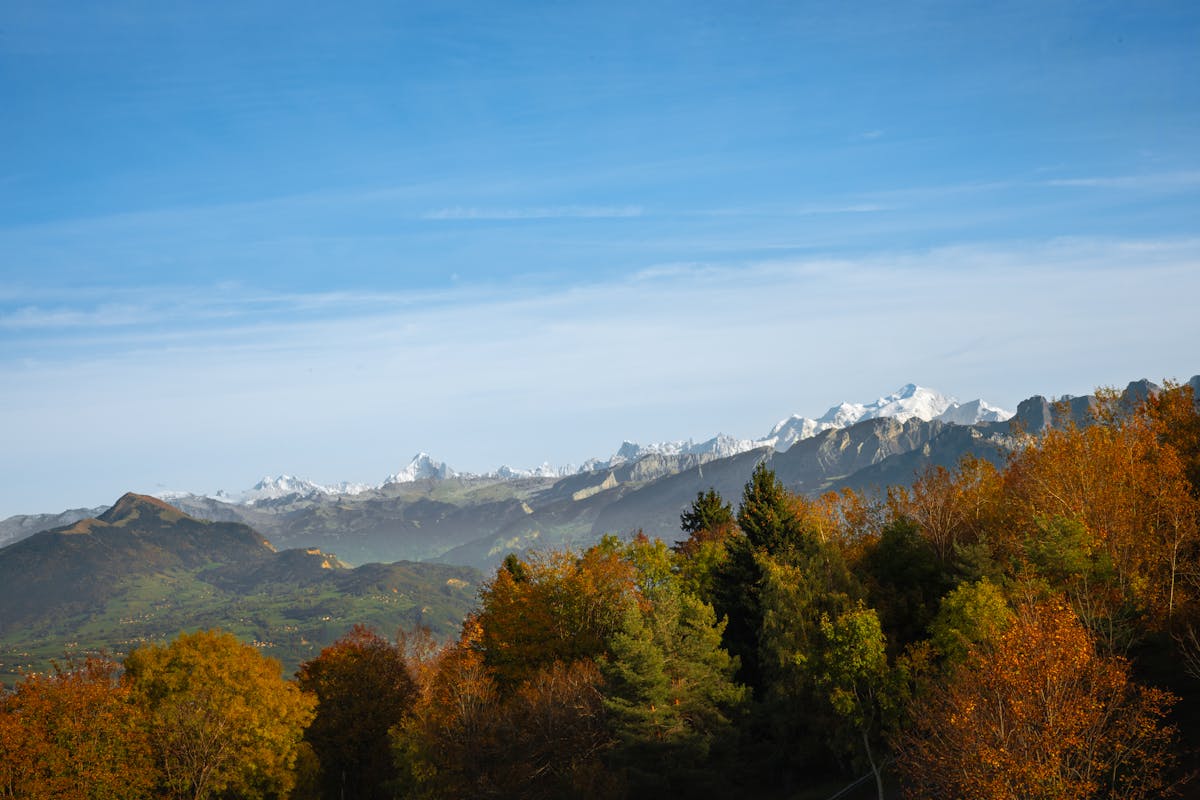
Technically on French soil but universally considered Geneva’s mountain, Mont Salève rises directly south of the city and is accessible by a cable car that whisks you from the base station (reachable by public bus from Geneva) to 1,100 meters in under five minutes. The panoramic views from the top are extraordinary — Geneva laid out below you, the entire expanse of Lake Geneva, the Jura range to the west, and on clear days, the full chain of Alpine peaks including Mont Blanc.
At the summit, activities include well-marked hiking trails for all levels, paragliding (tandem flights available for beginners), a climbing wall, mountain biking routes, and a museum about the mountain’s natural and cultural history. In winter, there are cross-country skiing trails. The round-trip cable car ticket costs around 18 euros, with discounts for children and seniors. It’s easily one of the best half-day activities from Geneva and perfect for travelers who want Alpine experiences without traveling far.
Bains des Pâquis: Geneva’s Beloved Lakeside Baths
The Bains des Pâquis is not just a swimming spot — it’s a Geneva institution and cultural touchstone. This public bathhouse on a jetty extending into the lake has been part of Geneva life since 1872. For a small entry fee (CHF 2), you get access to swimming in the lake, sunbathing decks, saunas, a hammam, and — perhaps most famously — a simple restaurant that serves what many locals consider the best fondue in Geneva, eaten at communal tables with the Jet d’Eau spraying in the background.
The Bains are open year-round, with winter bringing a devoted crowd of cold-water swimmers who break through the morning mist for a bracing dip. It’s the most authentically Genevois experience you can have, beloved equally by bankers in suits, families with children, hipsters, and tourists who’ve stumbled upon it. Visit in the late afternoon for sunset views, or come for the legendary Saturday morning hammam-and-brunch ritual.
Parks, Gardens, and Green Spaces
Geneva is remarkably green for a city its size. The Conservatory and Botanical Garden (Conservatoire et Jardin Botaniques) near the Palais des Nations is a lush oasis with over 12,000 plant species, a serene rock garden, and a deer and bird enclosure — all completely free. The Parc de la Grange on the left bank is Geneva’s largest park, famous for its rose garden containing over 200 varieties that bloom spectacularly in June. The Parc des Bastions, home to the Reformation Wall and those famous giant chess boards, is a popular spot for a picnic or a leisurely game. And the Promenade de la Treille, built on the old city ramparts, offers both the world’s longest bench and one of the most charming viewpoints over the Salève and the surrounding countryside.
Hiking and Water Sports
For hikers, the options expand dramatically beyond Mont Salève. The shores of Lake Geneva offer flat, scenic walking and cycling paths. The nearby Jura Mountains provide moderate trails through forests and wildflower meadows. And for more serious Alpine trekking, day trips to Chamonix (1 hour away) open up world-class mountain terrain. On the water, paddle sports rentals are available at multiple points along the Geneva lakefront, sailing schools offer courses for all levels, and swimmers can choose between public beaches (Genève-Plage and Baby-Plage are the most popular) and the wild swimming spots scattered along the lakeshore.
Food and Chocolate Experiences
Geneva’s food scene reflects its position at the crossroads of Swiss, French, and international cultures. From hearty Alpine comfort food to Michelin-starred fine dining, and from artisan chocolate workshops to bustling food markets, eating is one of the great pleasures of visiting this city.
Fondue and Raclette: The Essential Swiss Experience
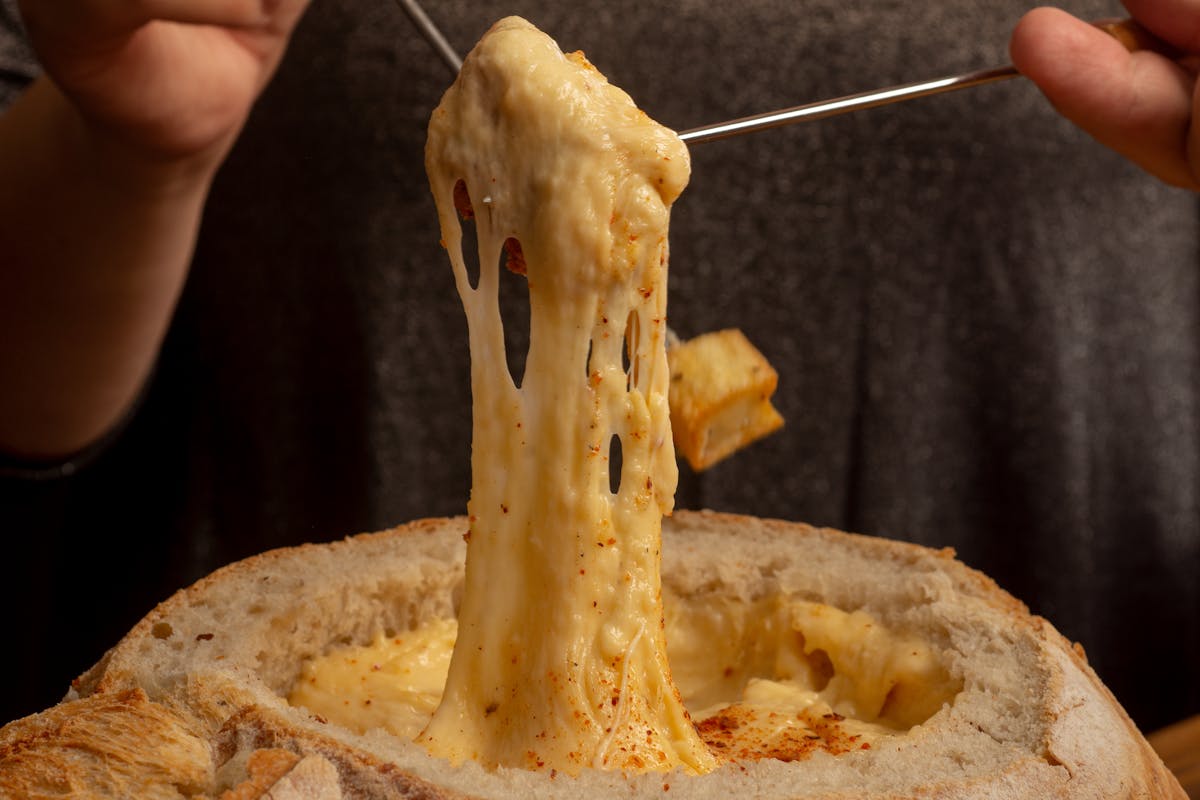
No trip to Geneva is complete without sitting down to a pot of bubbling fondue. The classic Geneva fondue uses a blend of Gruyère and Vacherin Fribourgeois cheeses melted with white wine and a touch of kirsch, served in a communal caquelon over a small flame. The best fondue restaurants in Geneva each have their own character: Café du Soleil in Petit-Saconnex has been serving fondue for over four centuries and is considered the benchmark. Restaurant Les Armures in the Old Town offers fondue in a magnificent 17th-century setting. The Bains des Pâquis serves a straightforward but atmospheric fondue literally on the lake. And Auberge de Savièse in the Pâquis district has been upholding Swiss culinary traditions for over 50 years.
Raclette — an entire half-wheel of cheese melted under a heat source and scraped onto potatoes, pickles, and cured meats — is the other great Swiss cheese experience. L’Edelweiss restaurant offers the full Alpine immersion with live yodeling, cowbell-decorated interiors, and generous raclette platters. For a comprehensive guide to Geneva’s best cheese restaurants, see our dedicated guide to the best fondue restaurants in Geneva.
Swiss Chocolate: Tours, Tastings, and Shopping
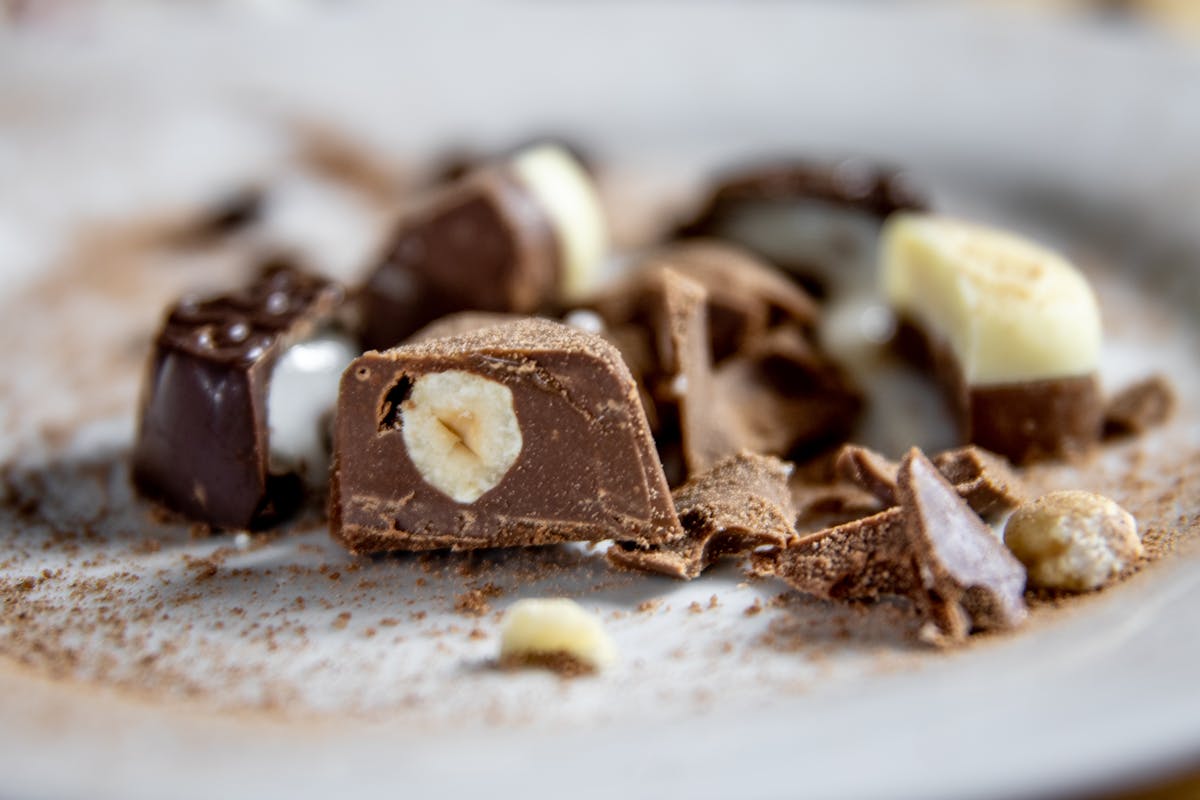
Geneva is one of the world’s great chocolate cities, with a tradition of artisan chocolate-making that stretches back centuries. While you can buy excellent Swiss chocolate in any supermarket, the real experience lies in visiting Geneva’s independent chocolatiers who still handcraft their creations in small batches.
Several operators run guided chocolate tours through the city, typically lasting 2-3 hours and visiting 4-6 chocolatiers with tastings at each stop. These tours also weave in Geneva’s history and culture, making them an efficient way to see the city while satisfying your sweet tooth. For self-guided exploration, don’t miss Stettler (famous for their Pavés de Genève), Auer Chocolatier (a family business since 1939 in the Old Town), and Du Rhône Chocolatier (known for their exquisite pralines and truffles). Our complete Geneva chocolate guide covers the best shops and tasting experiences in detail.
Markets and Local Food Scene
For a taste of daily Genevois life, visit the food markets that pop up throughout the week. The Plainpalais flea market (Wednesdays and Saturdays) is the largest open-air market in Switzerland, mixing food stalls with vintage finds and antiques. The Carouge market (Wednesday and Saturday mornings) in the bohemian Carouge neighborhood is particularly charming, with local farmers selling regional cheeses, cured meats, fresh bread, seasonal fruits, and flowers. Several other neighborhood markets — Rive, Grenus, Coutance — rotate throughout the week and offer everything from organic produce to hot prepared meals. For budget-conscious travelers, Geneva’s markets are one of the best ways to eat well without the restaurant price tag.
Exploring Geneva’s Distinctive Neighborhoods
One of Geneva’s great pleasures is that each neighborhood has its own distinct character. Exploring beyond the tourist center reveals the personality and diversity that make this city special.
Carouge: The Bohemian Quarter
Just south of the city center, Carouge feels like a Mediterranean village transplanted to Switzerland. Founded by the King of Sardinia in the 18th century as a rival to Geneva, Carouge retains a distinctly Italian-influenced character with its low-rise colorful buildings, wide arcaded sidewalks, leafy squares, and artisan workshops. Today it’s Geneva’s most creative neighborhood — home to independent boutiques, ceramic studios, vintage clothing shops, excellent restaurants (particularly Italian and Middle Eastern), and some of the city’s best nightlife. The Wednesday and Saturday markets in Place du Marché are among the most pleasant in Geneva. For a full exploration, see our Carouge neighborhood guide.
Pâquis: Multicultural Energy
The Pâquis district, stretching along the right bank of the lake north of the train station, is Geneva’s most diverse and energetic neighborhood. Its streets are lined with restaurants representing dozens of cuisines — Thai, Ethiopian, Indian, Lebanese, Turkish, Portuguese — often at prices significantly lower than the tourist areas. This is where locals go for cheap eats, and it’s also home to the Bains des Pâquis. The area has a gritty, real-world energy that contrasts with Geneva’s polished international image, and that’s precisely what makes it interesting. The main commercial drag, Rue de Berne, and the surrounding side streets reward exploration with unexpected finds.
Eaux-Vives and the Left Bank
Eaux-Vives stretches along the left bank lakefront from the Jet d’Eau eastward, encompassing some of Geneva’s most beautiful waterfront parks and upscale residential streets. The Parc de la Grange and Parc des Eaux-Vives are spectacular — especially the rose garden in early summer — and the lakefront promenade is perfect for a sunset walk. The Baby-Plage beach area is popular with families, and the neighborhood has a growing restaurant and café scene along Rue du 31-Décembre and the streets behind the waterfront.
Shopping and Luxury Experiences
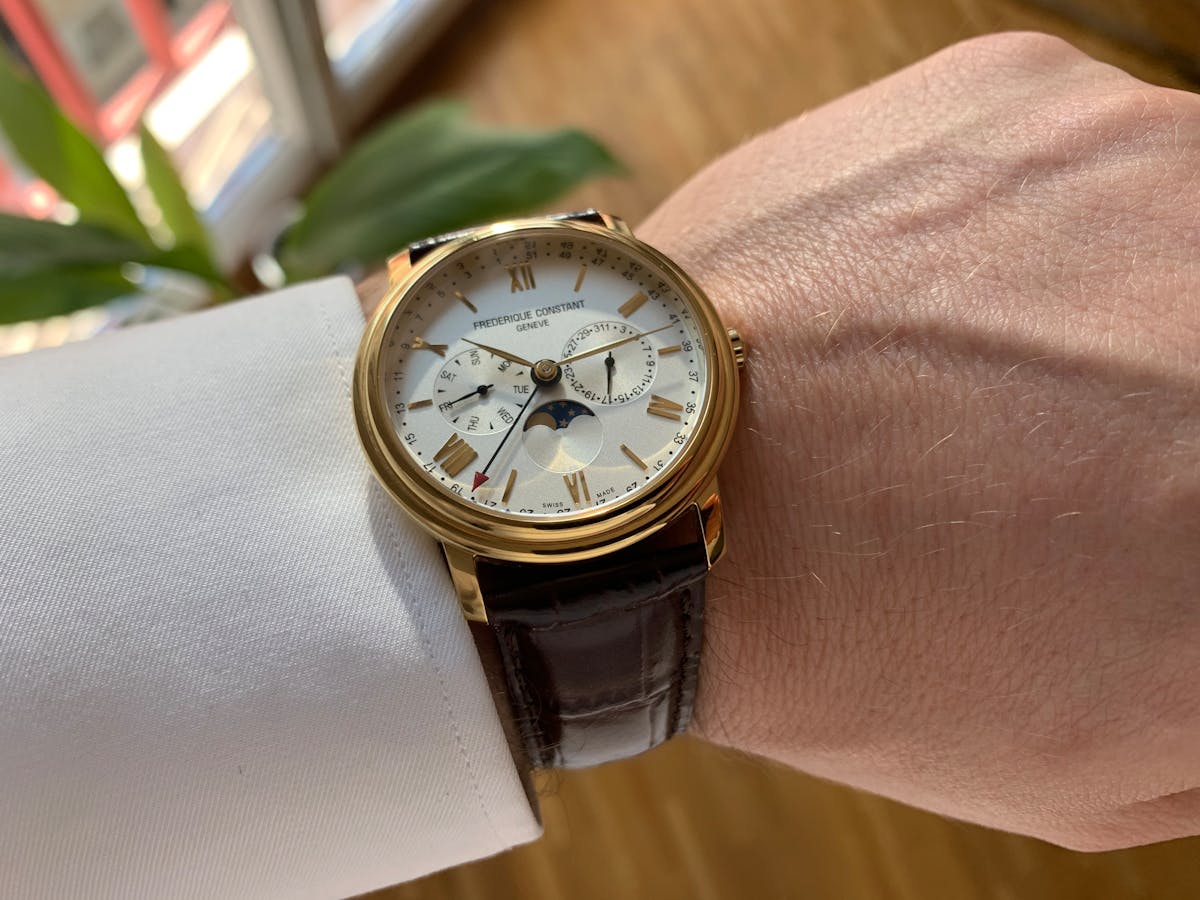
Geneva has been synonymous with luxury for centuries, and its shopping scene reflects this heritage. Whether you’re in the market for a Swiss timepiece, artisan chocolate, or unique souvenirs, Geneva offers shopping experiences that range from world-class luxury to charming independent boutiques.
Rue du Rhône: Luxury Shopping Street
Rue du Rhône is one of the most expensive shopping streets in the world and the epicenter of Geneva’s luxury retail scene. The street and its immediate surroundings are home to virtually every major luxury brand — Patek Philippe, Rolex, Audemars Piguet, Cartier, Bulgari, Hermès, Louis Vuitton, and many more. Even if you’re not planning to make a purchase, window-shopping along Rue du Rhône is an experience in itself, and the Patek Philippe Salon at No. 41 is the only place in the world where you can see the brand’s entire current collection. For more on Geneva’s watch shopping scene, see our dedicated watch shopping guide.
Best Souvenirs to Buy
Beyond watches and jewelry, Geneva offers excellent souvenir shopping. Swiss chocolate is the obvious choice — look for artisan brands like Du Rhône, Auer, and Stettler rather than mass-produced options. Swiss Army knives (the Victorinox store on Rue du Marché has the full range), cheese (vacuum-packed for travel), music boxes, Swiss textiles, and products featuring the Geneva cross are all popular choices. The Globus department store in the city center and the Manor store near Cornavin station both have excellent food halls for edible souvenirs.
Day Trips from Geneva
Geneva’s location at the meeting point of Switzerland and France, with the Alps within an hour’s drive, makes it an exceptional base for day trips. Several world-class destinations are easily reachable by train, bus, or car, and the variety — from medieval villages and vineyard terraces to glaciers and Alpine peaks — is remarkable.
The most popular day trips include Chamonix and Mont Blanc (1 hour by car or bus) for cable car rides, glacier views, and Alpine scenery; Annecy in France (40 minutes) for a fairy-tale medieval old town and crystal-clear lake; Montreux (1 hour by train) for the Château de Chillon and Swiss Riviera atmosphere; Lausanne (40 minutes by train) for the Olympic Museum and hilltop cathedral; and Gruyères (90 minutes) for cheese-making demonstrations, the Cailler chocolate factory, and a perfectly preserved medieval castle. For a complete guide to planning these excursions, see our day trips from Geneva guide.
Geneva for Families with Children
Geneva is an excellent family destination — safe, clean, well-organized, and with plenty of activities to keep children of all ages entertained. The city’s parks and lakefront areas provide natural playgrounds, and many of the major museums have dedicated children’s programs and interactive exhibits.
Top family activities include the Museum of Natural History (free entry, wonderful dioramas and dinosaur exhibits), CERN’s Science Gateway (free, with interactive exhibits perfect for curious kids), boat rides on the Mouettes Genevoises (the small yellow water taxis are a thrill for children), the playground in Parc de la Grange, Baby-Plage for summer swimming, and chocolate-tasting tours that the whole family can enjoy. The Geneva Transport Card, provided free with any hotel stay, makes getting around with kids stress-free. For a complete family itinerary with age-specific recommendations, see our Geneva with kids guide.
Nightlife and Evening Activities
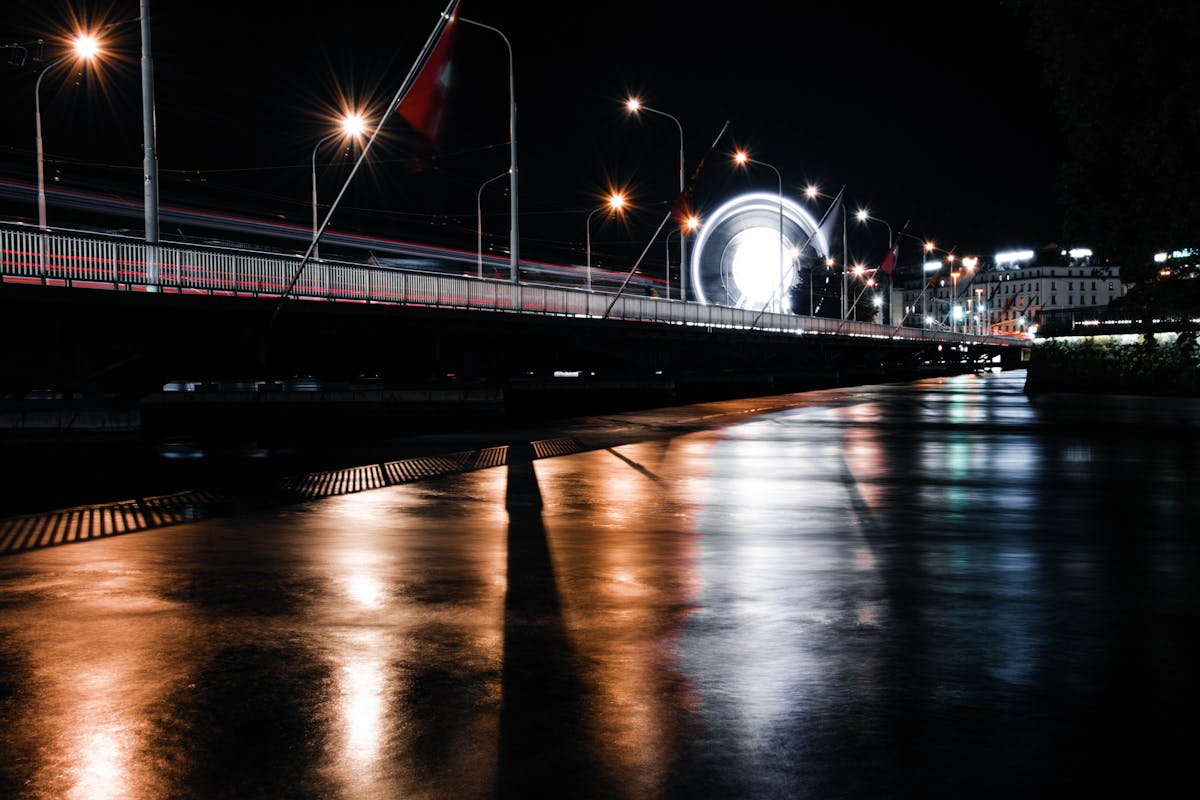
Geneva’s nightlife is more sophisticated than wild, reflecting the city’s character. Rooftop bars with lake views are a highlight — Le Panorama at the Hôtel Métropole and the terrace at La Réserve are particularly scenic. The Pâquis neighborhood and the streets around Place du Molard offer the densest concentration of bars, from craft cocktail lounges to relaxed wine bars. Carouge is the neighborhood of choice for a more bohemian evening out, with live music venues, intimate bars, and late-night eateries.
For cultural evenings, the Grand Théâtre de Genève hosts world-class opera and ballet, and the Victoria Hall is home to the Orchestre de la Suisse Romande. During summer months, Ciné Transat offers free open-air cinema screenings in the Parc de la Perle du Lac, and various lakeside venues host concerts and DJ sets. In winter, the Christmas markets provide an enchanting evening atmosphere with mulled wine, artisan gifts, and twinkling lights along the waterfront.
Seasonal Events and Festivals
Geneva has a rich calendar of events that can add an extra dimension to your trip depending on when you visit. The Fêtes de Genève (typically early August) is the city’s biggest annual celebration, with concerts, fairground rides, food stalls, and a spectacular fireworks display over the lake that draws hundreds of thousands of spectators. L’Escalade in December commemorates Geneva’s defeat of a surprise attack by the Duke of Savoy in 1602 with costumed parades, torch-lit runs through the Old Town, and the tradition of smashing chocolate marmites (cauldrons).
Winter brings the Antigel Festival (February), a cutting-edge music and performing arts festival held in unusual venues across the city, and the Geneva Christmas markets (late November through December) that transform the waterfront and Old Town into a winter wonderland. Spring sees the Salon International de l’Automobile (when it’s held) and the Geneva International Film Festival. Summer brings open-air cinema, lake festivals, and the Musiques en Été concert series. For a month-by-month breakdown of what’s happening, see our best time to visit Geneva guide.
Practical Tips for Visiting Geneva
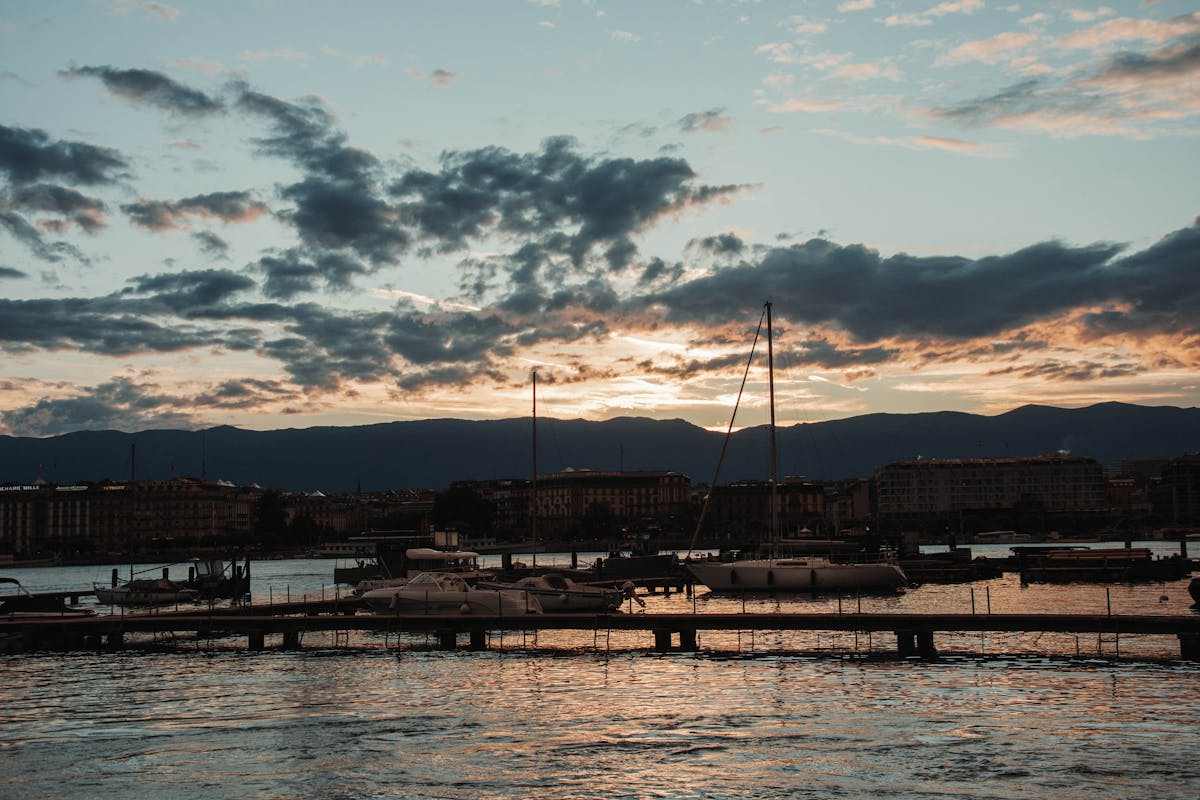
A few practical insights will help you make the most of your time and money in Geneva. First, the Geneva Transport Card is essential — every hotel, hostel, and campsite in the canton provides it free to guests, and it gives unlimited access to buses, trams, trains, and even the yellow Mouettes water taxis for the duration of your stay. Pick it up at reception when you check in.
Geneva is expensive, but there are smart ways to manage costs. Many of the city’s best attractions — CERN, the Botanical Garden, the Museum of Natural History, the Musée Ariana, the Maison Tavel, and the Reformation Wall — are completely free. The lake itself is free to enjoy, and public beaches don’t charge entry (though Genève-Plage, the main swimming complex, does). Tap water in Geneva is excellent and safe to drink, so bring a reusable bottle. For budget dining, the Pâquis neighborhood offers the cheapest restaurants, the university canteens serve solid meals for around CHF 15, and supermarkets like Coop and Migros have prepared food sections that are far cheaper than restaurants.
The best time to visit Geneva depends on your priorities. Summer (June-September) brings the warmest weather, lake swimming, and the fullest events calendar, but also the biggest crowds and highest prices. Spring (April-May) and autumn (September-October) offer pleasant temperatures, smaller crowds, and the beauty of blooming gardens or autumn foliage. Winter (December-February) is cold but atmospheric, with Christmas markets, nearby skiing, and a cozy fondue culture that’s at its best when the temperature drops. For a detailed seasonal breakdown, visit our comprehensive trip planning guide.
Frequently Asked Questions About Things to Do in Geneva
What are the top 5 must-see attractions in Geneva?
The five essential Geneva attractions are: the Jet d’Eau fountain, the Old Town (Vieille Ville) including St. Pierre Cathedral, a Lake Geneva boat cruise, CERN’s Science Gateway, and the International Red Cross Museum. Together, these cover Geneva’s most iconic landmark, its historic heart, its stunning natural setting, its scientific importance, and its humanitarian heritage.
How many days do you need to explore Geneva?
Two to three days is ideal for seeing Geneva’s main attractions, enjoying the food scene, and soaking in the lakeside atmosphere. With four to five days, you can add day trips to Chamonix, Annecy, or Montreux. A full week allows for a thorough exploration including lesser-known neighborhoods, multiple day trips, and a more relaxed pace. Even a single day, while tight, can cover the Jet d’Eau, Old Town, and a lake cruise.
Is Geneva worth visiting?
Absolutely. Geneva offers a unique combination of natural beauty (the lake and Alps), world-class cultural institutions, exceptional food, and a cosmopolitan atmosphere that few cities can match. Its compact size means you can experience a remarkable amount in a short visit, and its position as a gateway to both the Swiss Alps and the French countryside makes it an ideal base for broader exploration.
What can you do for free in Geneva?
Geneva offers numerous free activities: visiting CERN’s Science Gateway, the Botanical Garden, the Museum of Natural History, the Musée Ariana, the Maison Tavel, and the Reformation Wall. Walking the Old Town, swimming at public lake beaches, enjoying the parks and gardens, and watching the Jet d’Eau are all free. With the complimentary Geneva Transport Card from your hotel, public transportation is also free.
What is Geneva famous for?
Geneva is famous as the world headquarters of numerous international organizations including the United Nations and the Red Cross, as the birthplace of the Geneva Conventions, as a global center for luxury watchmaking and banking, for its iconic Jet d’Eau fountain, for Swiss chocolate and fondue, and for its stunning location on the shores of Lake Geneva with the Alps as a backdrop.
What is the best time of year to visit Geneva?
The best time depends on your preferences. June through September offers the warmest weather and the most events, including lake swimming and outdoor festivals. April-May and September-October provide pleasant conditions with fewer crowds. December through February appeals to those who enjoy Christmas markets, nearby skiing, and cozy fondue evenings. Geneva has something to offer in every season.
Is Geneva expensive to visit?
Geneva is one of Europe’s most expensive cities, but smart planning can significantly reduce costs. Budget travelers spend around CHF 150-200 per day using hostels, cooking some meals, and taking advantage of free attractions and the free Transport Card. Mid-range travelers can expect CHF 250-400 per day. Many of Geneva’s best experiences — lake walks, park visits, CERN, and several excellent museums — cost nothing.
How do I get around Geneva?
Geneva has an excellent public transport system of trams, buses, and water taxis (Mouettes), all covered by the free Geneva Transport Card provided by hotels. The city center is also very walkable — most major attractions are within a 30-minute walk of each other. Cycling is popular and rental bikes are widely available. For day trips, Geneva’s main train station (Cornavin) connects to the Swiss rail network and nearby French cities.