A Geneva neighborhoods guide is essential for any visitor wanting to experience the city beyond its famous landmarks. While most tourists cluster around the Jet d’Eau and the Old Town, Geneva is actually a mosaic of distinctive districts — each with its own character, cuisine, and charm. From the bohemian cafés of Carouge to the cosmopolitan energy of Les Pâquis, from the cultural intensity of Plainpalais to the lakeside elegance of Eaux-Vives, understanding Geneva’s neighborhoods transforms a good trip into an unforgettable one.
This guide walks you through every major district, covering what makes each one special, what to see and do there, where to eat and drink, and which neighborhoods suit different travel styles. Whether you’re deciding where to stay in Geneva or simply planning your daily explorations, this neighborhood-by-neighborhood breakdown will help you discover the city like a local.
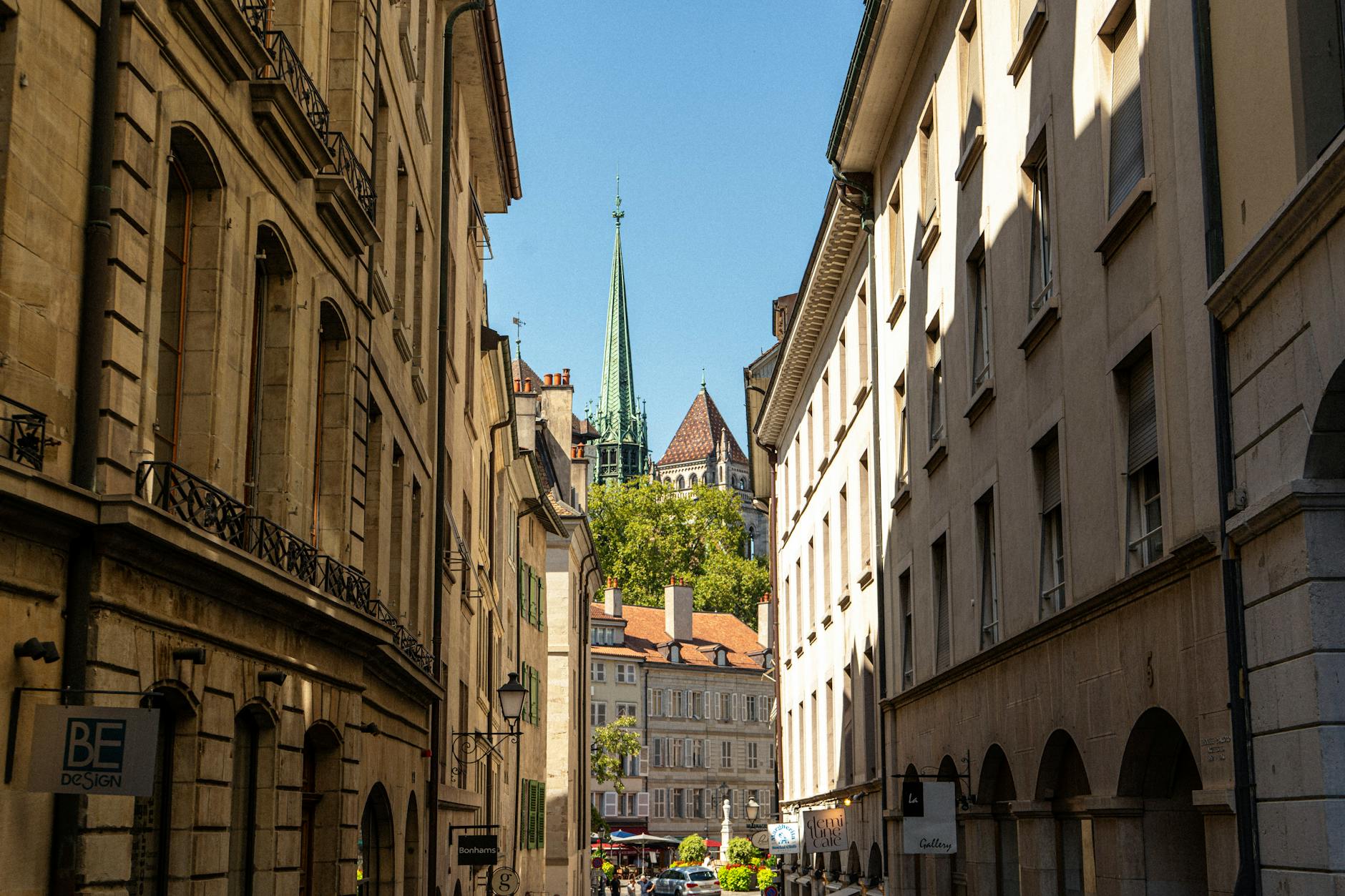
Geneva’s Old Town (Vieille Ville) — The Historic Heart
Geneva’s Old Town sits on a hill above the lake, its winding cobblestone streets hiding five centuries of history behind every corner. This is where the city began, and it remains the spiritual and cultural center of Geneva. The neighborhood radiates outward from St. Pierre Cathedral, whose tower offers the best panoramic views of the city, the lake, and the Alps beyond.
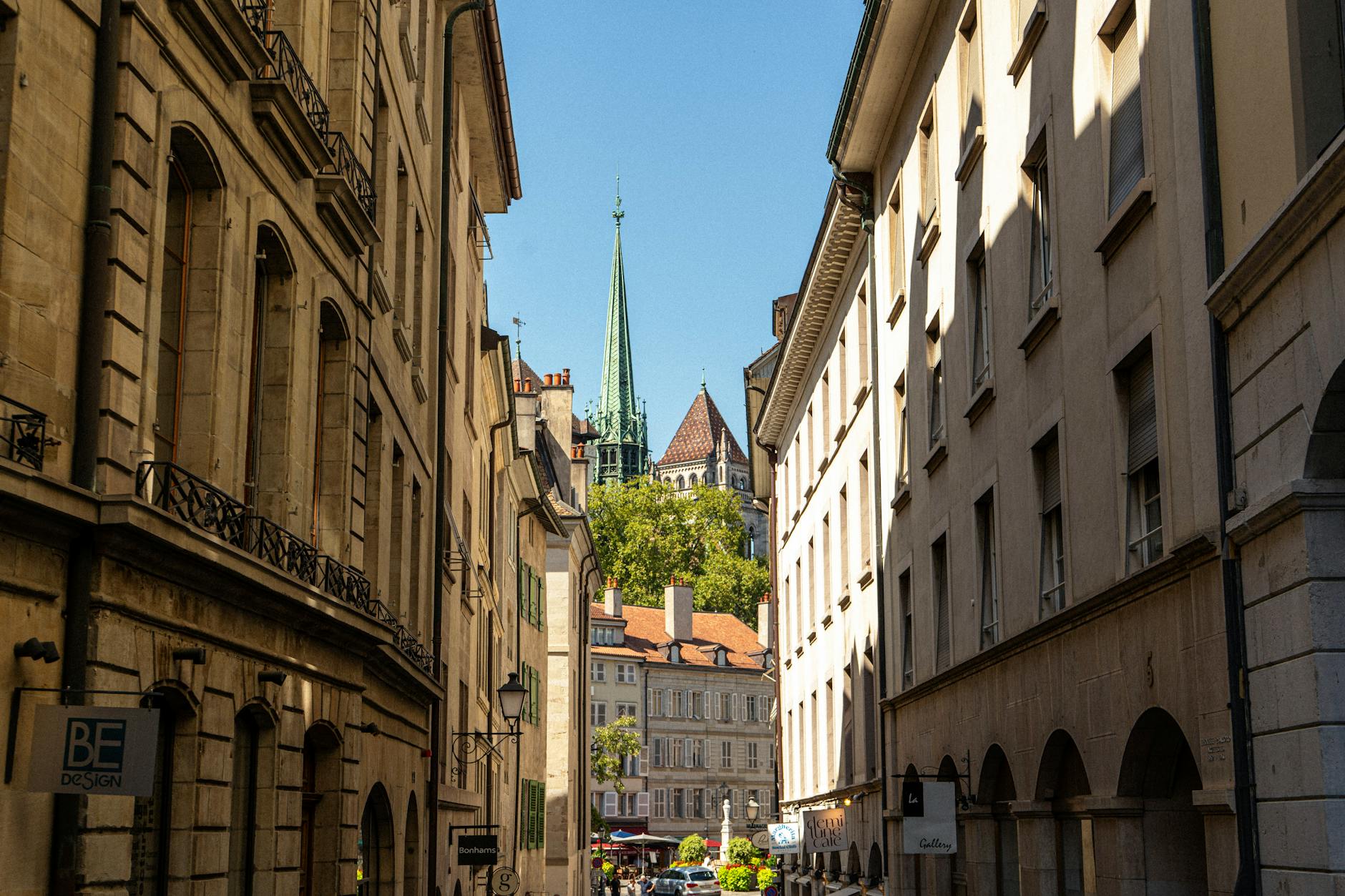
The Old Town rewards slow exploration. Wander through Place du Bourg-de-Four — Geneva’s oldest square and still a lively gathering spot with fountain-side cafés. Browse the antique bookshops and art galleries along Grand-Rue, where Jean-Jacques Rousseau was born at number 40. Visit Maison Tavel, the city’s oldest house turned free history museum, and the Reformation Wall in the adjacent Parc des Bastions. The Treille Promenade offers beautiful views and claims to have the world’s longest wooden bench at 120 meters.
For dining in the Old Town, expect upscale restaurants and atmospheric wine bars tucked into medieval cellars. Café du Soleil in nearby Petit-Saconnex serves what many consider Geneva’s best fondue. The Old Town is ideal for history lovers, first-time visitors, and couples seeking romantic ambiance — though note that its hilly streets and stairs can be challenging for those with mobility issues.
Carouge — Geneva’s Bohemian Soul
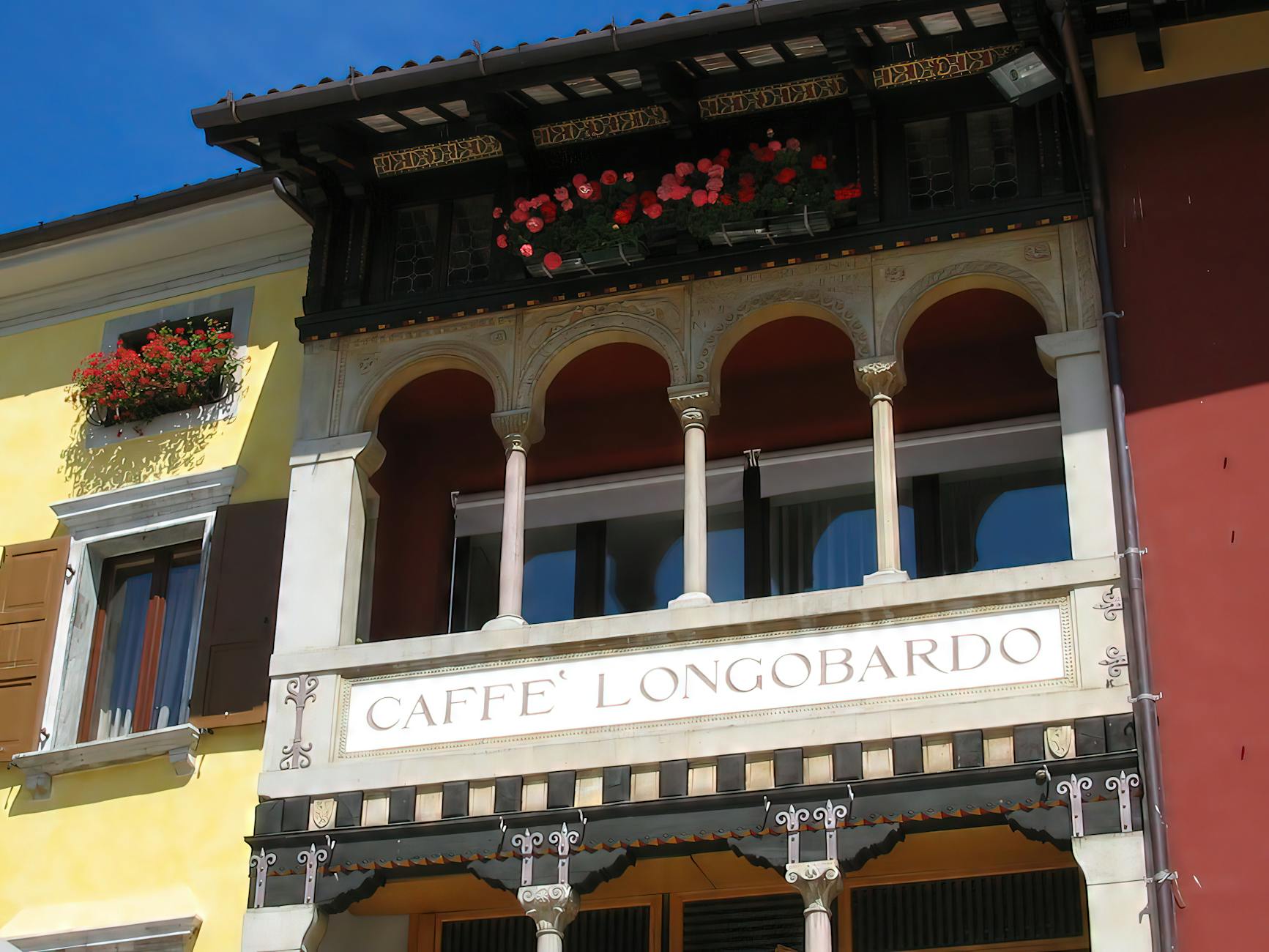
Just south of the city center, Carouge feels like stepping into a small Italian town transplanted to Swiss soil — which is essentially what happened. Built in the 18th century by the King of Sardinia as a rival to Geneva, Carouge was designed by Italian architects with wide piazzas, low-rise buildings with shuttered windows, and intimate courtyards. Today it’s Geneva’s most artistic and bohemian neighborhood, attracting craftspeople, designers, and independent boutique owners.
Carouge’s main draw is its atmosphere. The Place du Marché hosts a vibrant Wednesday and Saturday morning market — one of the best in the region for fresh produce, cheese, and flowers. The surrounding streets are lined with independent boutiques, vintage shops, ceramic workshops, and artisan chocolatiers. By night, Carouge transforms into Geneva’s liveliest nightlife district, anchored by the legendary Chat Noir jazz club and a constellation of cocktail bars, wine caves, and late-night bistros along Rue Saint-Joseph.
For food, Carouge offers some of Geneva’s most interesting dining, from authentic Italian trattorias to fusion restaurants and craft breweries. The neighborhood is perfect for creative types, nightlife enthusiasts, and anyone who prefers charm over convention. Reach Carouge in 10 minutes by tram from the center (lines 12, 13, or 18).
Les Pâquis — The Cosmopolitan Melting Pot
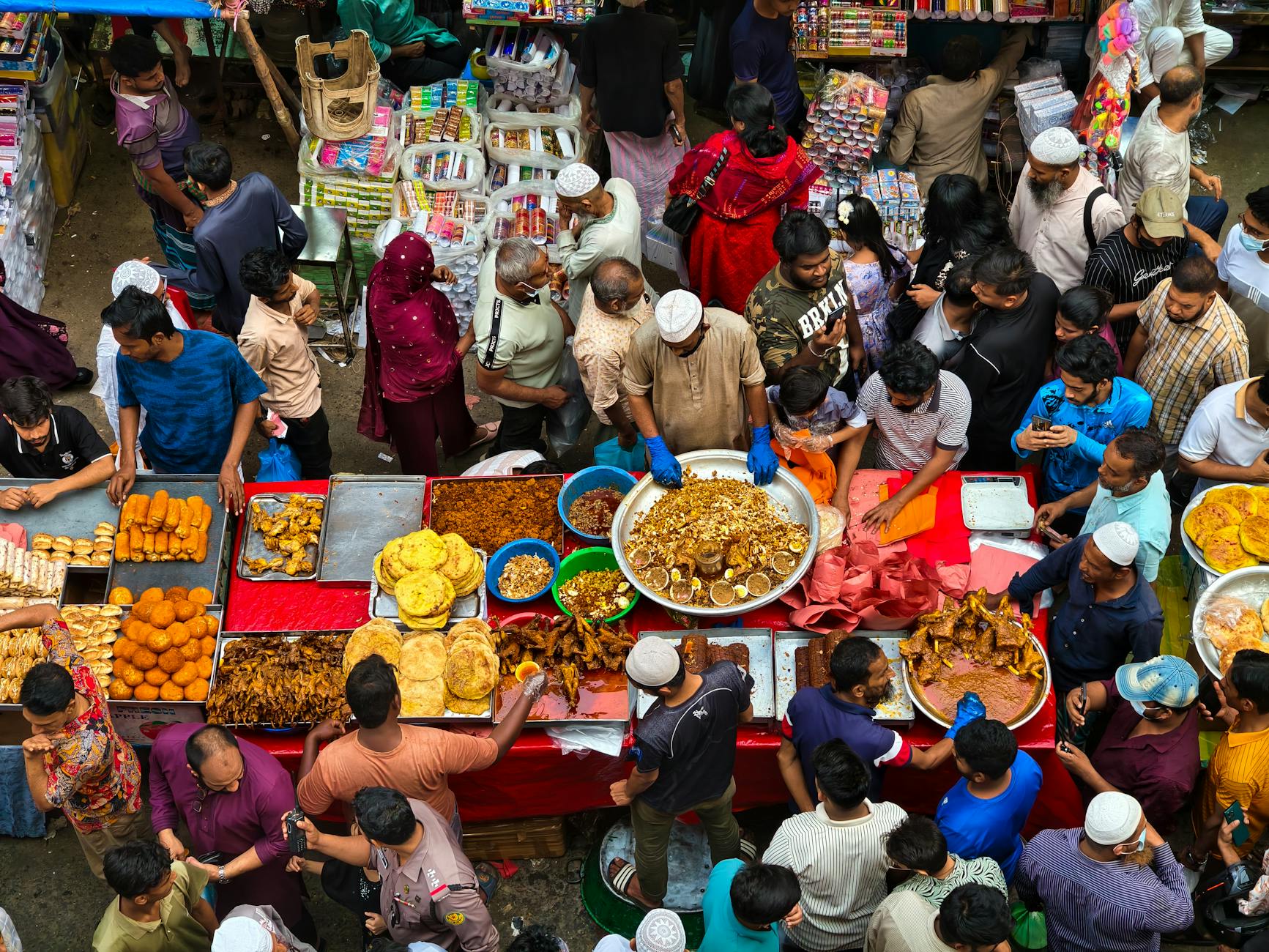
Nestled between Gare Cornavin (the main train station) and the lake, Les Pâquis is Geneva’s most diverse and dynamic neighborhood. This is where over 100 nationalities live side by side, creating a vibrant street scene of Thai restaurants, Middle Eastern bakeries, African grocery shops, Portuguese cafés, and Japanese ramen houses — all within a few blocks. It’s raw, authentic, and endlessly interesting.
The crown jewel of Les Pâquis is the Bains des Pâquis, a public bathhouse and pier jutting into Lake Geneva that serves as the neighborhood’s communal living room. In summer, locals swim, sunbathe, and eat fondue on the terrace. In winter, a sauna and Turkish bath offer warmth, and the restaurant serves hearty Swiss dishes with lakeside views year-round. The Bains hosts cultural events, concerts, and even an annual poetry festival.
Les Pâquis offers Geneva’s most affordable dining — you can eat an excellent Thai curry, a shawarma plate, or Portuguese grilled chicken for under CHF 15, rare value in this expensive city. The neighborhood is ideal for budget travelers, food adventurers, and anyone seeking authentic urban energy. It’s also the most convenient area for transport, with the train station and major tram lines at your doorstep. For more budget tips, see our Geneva on a budget guide.
Eaux-Vives — Lakeside Elegance
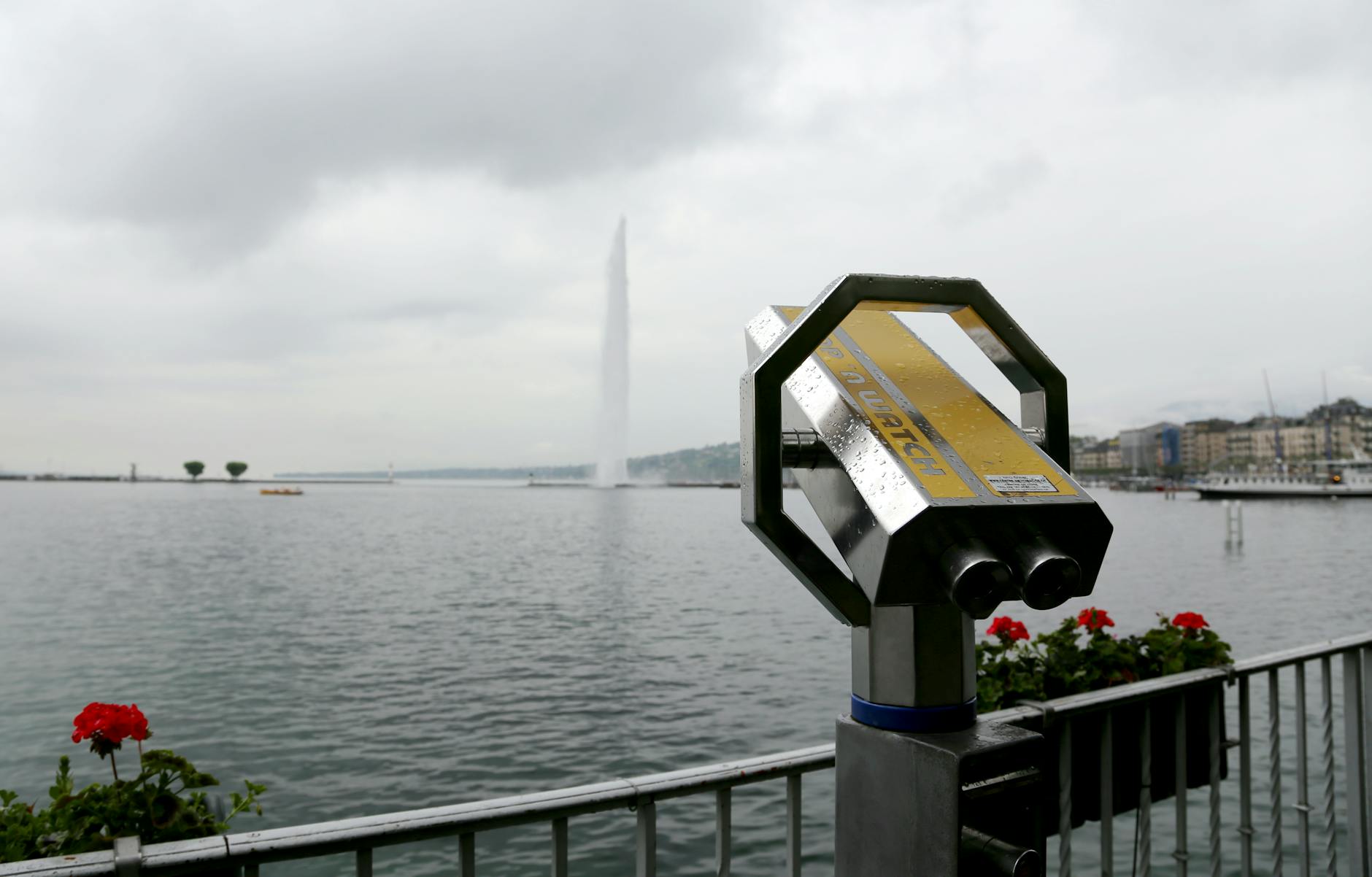
Stretching along the southern shore of Lake Geneva east of the Old Town, Eaux-Vives combines residential tranquility with lakeside beauty. The neighborhood is home to two of Geneva’s finest green spaces: the Parc de la Grange (with its famous rose garden of 200 varieties) and the Parc des Eaux-Vives, both offering stunning views across the water to the Alps.
The Rue du 31-Décembre and surrounding streets form the commercial heart of Eaux-Vives, with a mix of independent shops, bakeries, and neighborhood restaurants that cater more to locals than tourists. The Plage des Eaux-Vives (a public beach and pool complex) is one of the best lakeside swimming spots in Geneva, particularly popular in summer. The area also provides excellent access to the lakeside promenade for walking and cycling.
Eaux-Vives is perfect for families, couples, and anyone who values green space and waterfront living. The CEVA rail line connects the neighborhood directly to the main station and across the border to Annemasse, France. Dining leans toward refined bistros and neighborhood institutions — less touristy, more genuinely local.
Plainpalais — Culture and Student Energy
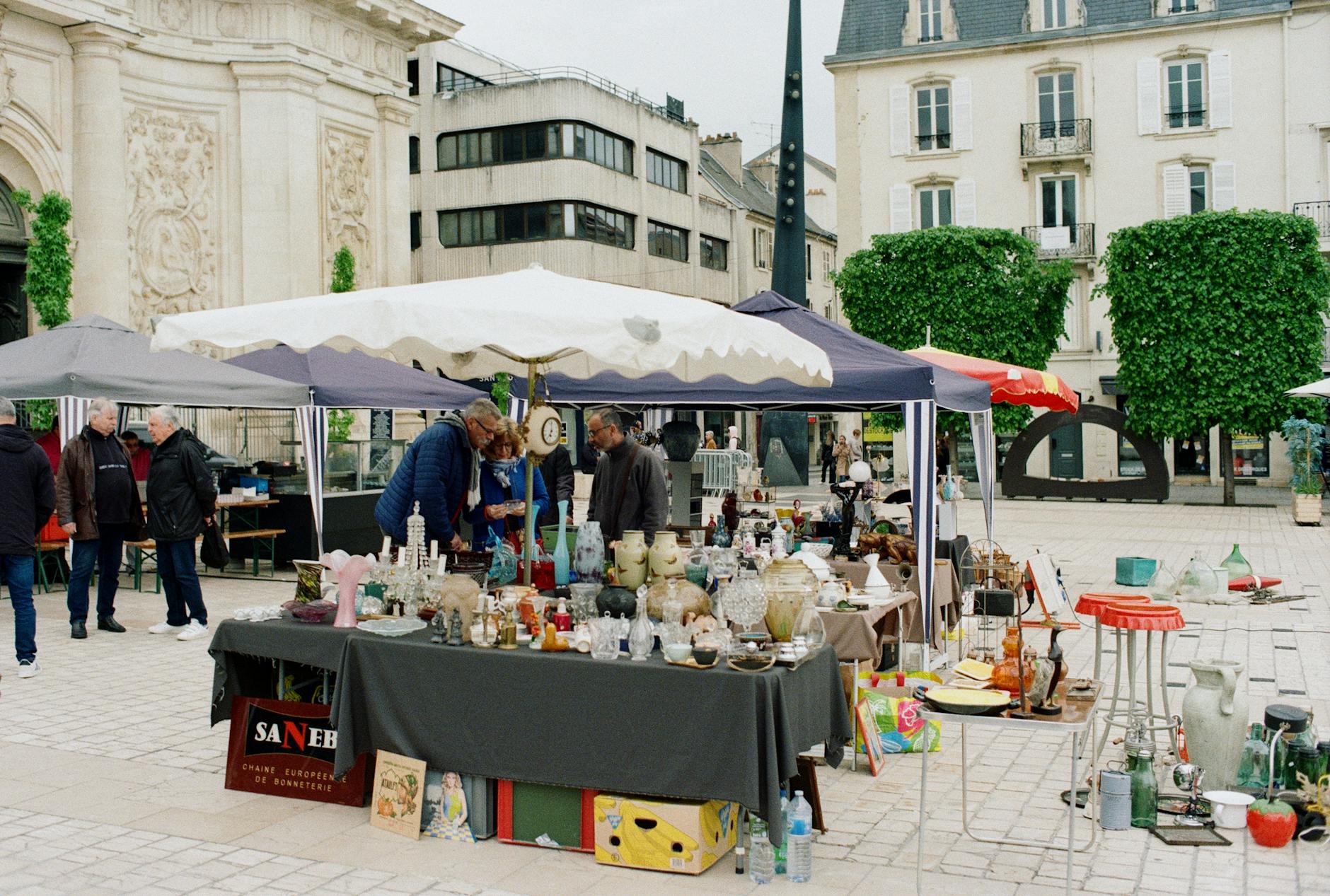
Centered on the large diamond-shaped Place de Plainpalais, this neighborhood is Geneva’s cultural and academic hub. Home to the University of Geneva and several art schools, Plainpalais buzzes with student energy, and the resulting café and bar scene is among the most affordable and creative in the city.
Plainpalais is also Geneva’s museum district. The Patek Philippe Museum, MAMCO (Switzerland’s largest contemporary art museum), the Musée d’Ethnographie (MEG), and numerous private galleries in the Quartier des Bains all call this neighborhood home. The Place de Plainpalais itself hosts Geneva’s famous flea market every Wednesday and Saturday — a treasure trove of antiques, vintage clothing, vinyl secondhand books. For a deeper dive into the museums, see our Geneva museums and culture guide.
Dining in Plainpalais ranges from student-budget kebab shops and Asian noodle houses to trendy brunch spots and wine bars. The neighborhood attracts younger travelers, art enthusiasts, and anyone who enjoys vibrant urban culture. Tram lines 12, 13, and 15 serve the area well.
Champel — Quiet Residential Elegance
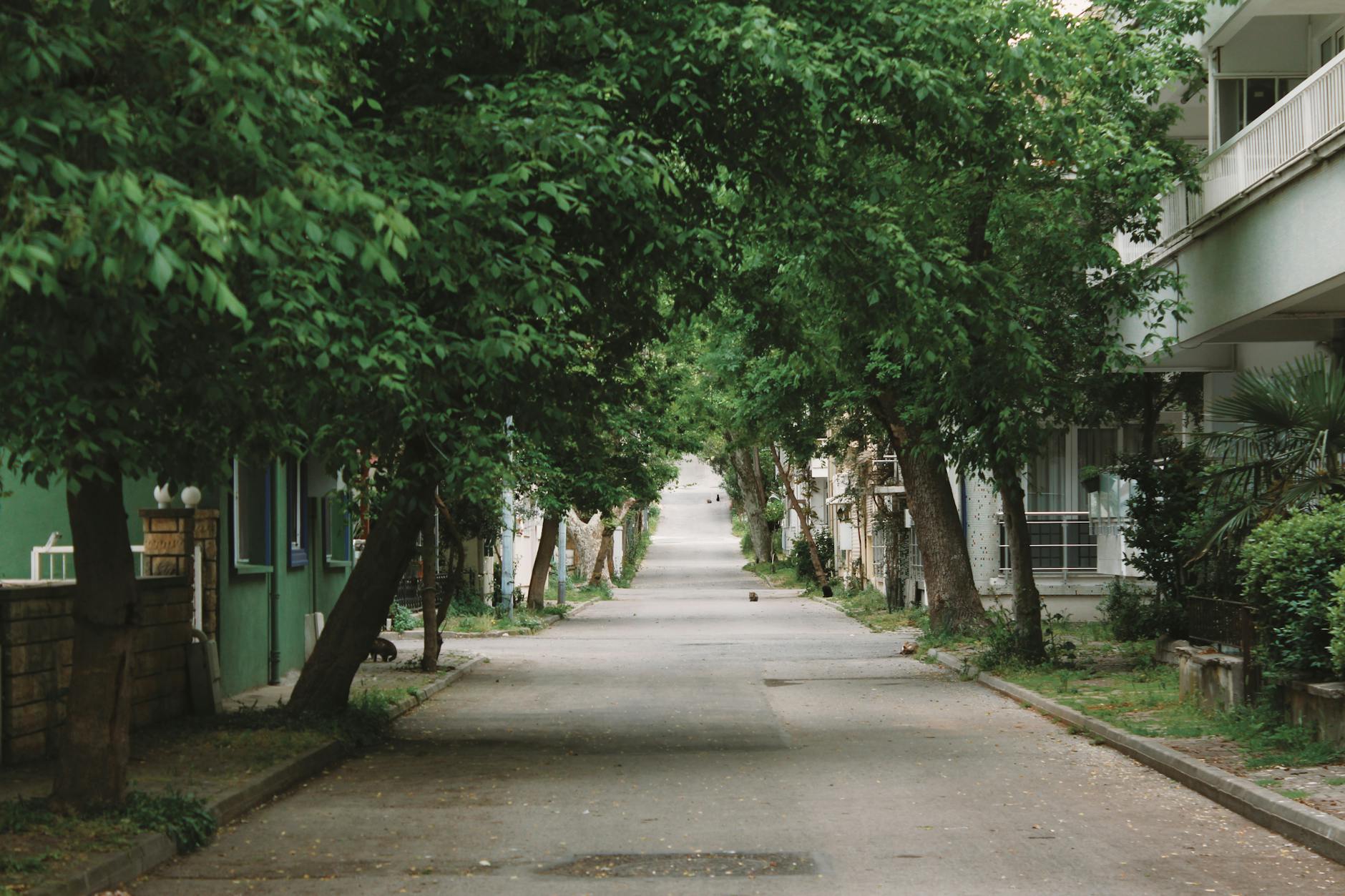
South of the Old Town and uphill from Plainpalais, Champel is Geneva’s most prestigious residential neighborhood. Tree-lined avenues, elegant 19th-century villas, and manicured gardens define this peaceful quarter. While it lacks the commercial buzz of other neighborhoods, Champel offers a distinctly different Geneva experience — the Geneva of diplomats, long-time residents, and families who value tranquility above all.
The main attraction here is the Arve river gorge and its walking paths, offering surprisingly wild nature just minutes from the city center. The Bois de la Bâtie park provides forest walks and, in summer, a free open-air cinema. Champel has limited dining options compared to central neighborhoods, but those that exist tend to be high-quality neighborhood bistros. The CEVA train station at Champel connects the area efficiently to the center and Eaux-Vives.
Nations Quarter — The International District
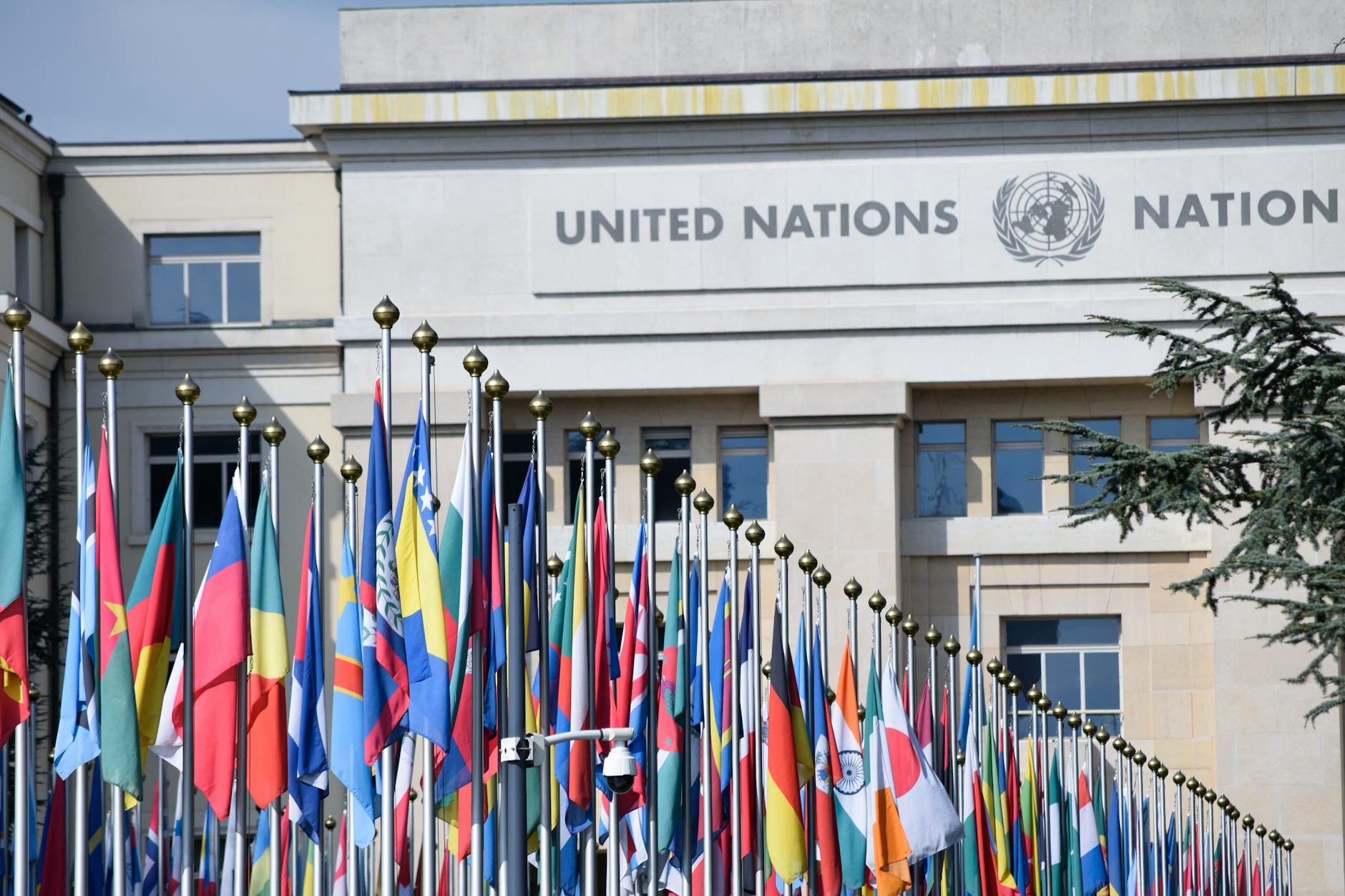
North of the lake in the Petit-Saconnex area, the Nations Quarter revolves around the Place des Nations and the massive Palais des Nations — the European headquarters of the United Nations. This is “International Geneva,” where diplomats, NGO workers, and journalists from around the world live and work alongside some of the city’s most important cultural institutions.
Key attractions in this area include the Palais des Nations (guided tours available), the International Red Cross Museum, the Musée Ariana (ceramics and glass), and the stunning Conservatory and Botanical Garden — all within walking distance of each other. The Broken Chair sculpture in Place des Nations has become one of Geneva’s most photographed landmarks.
The Nations Quarter is well-connected by bus routes 5, 8, and 28. Hotels here tend to cater to business travelers and offer good value compared to the city center. Dining is international, fittingly, with restaurants representing cuisines from every corner of the globe.
Grottes & Saint-Gervais — The Creative Quarter
Just behind the main train station, the Grottes neighborhood is famous for one thing: the Schtroumpfs buildings (Smurf Houses), a cluster of fantastically surreal apartment buildings with curved walls, organic shapes, and no straight lines. Built in the 1980s, they remain one of Geneva’s most surprising architectural sights and are worth a detour even if you’re not staying nearby.
Beyond the Smurf Houses, Grottes and adjacent Saint-Gervais form a gritty, creative area with independent theaters (notably the Théâtre Saint-Gervais), alternative art spaces, and a growing food scene. The Temple de Saint-Gervais, dating from the 15th century, is one of Geneva’s oldest churches. This area appeals to travelers who enjoy discovering off-the-beaten-path neighborhoods and don’t mind a rougher urban aesthetic.
Choosing the Right Neighborhood for Your Trip
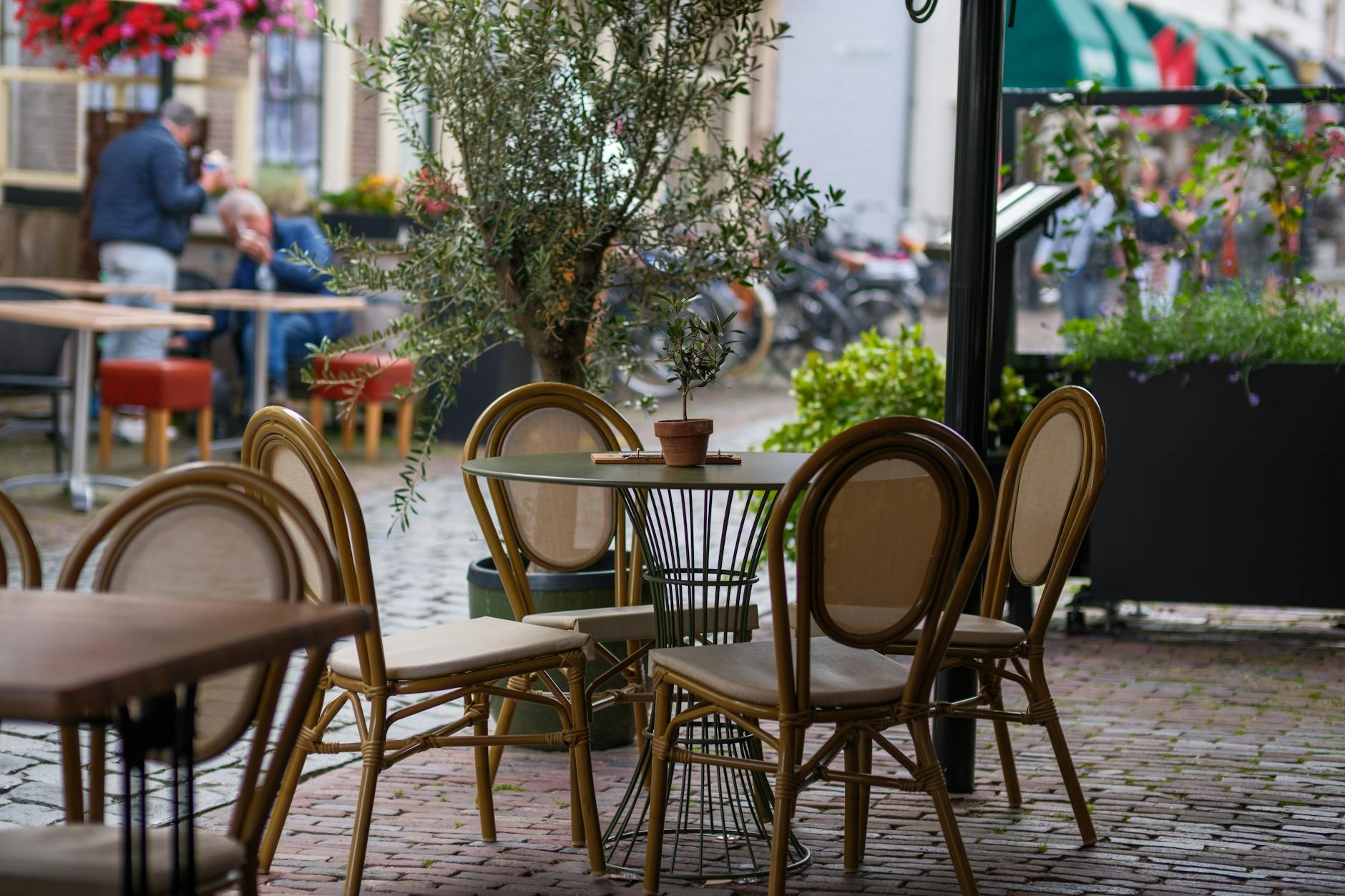
Your ideal Geneva neighborhood depends on your travel style and priorities. Here’s a quick guide to matching neighborhoods with traveler types.
| Travel Style | Best Neighborhood | Why |
|---|---|---|
| First-time visitor | Old Town | Walk to major sights, historic atmosphere, central location |
| Budget traveler | Les Pâquis | Cheapest dining, affordable hotels, near train station |
| Nightlife seeker | Carouge | Best bars, clubs, and late-night dining scene |
| Art & culture lover | Plainpalais | Museum district, galleries, creative energy |
| Families with kids | Eaux-Vives | Parks, lakeside beaches, calm residential streets |
| Luxury & quiet | Champel | Elegant villas, green spaces, upscale dining |
| Business traveler | Nations Quarter | Near UN/NGOs, good hotels, international dining |
| Foodie & explorer | Les Pâquis + Carouge | Most diverse food scenes in the city |
Getting Between Neighborhoods
Geneva is remarkably compact. Most neighborhoods are within 15-20 minutes of each other by tram or bus, and the entire city center is walkable in under an hour. Your free Geneva Transport Card (provided by your hotel) covers all public transport including trams, buses, and the yellow shuttle boats that cross the lake. The CEVA train line connects Cornavin, Champel, Eaux-Vives, and continues to Annemasse across the French border — useful for exploring the southern neighborhoods. For complete transport details, see our Geneva transportation guide.
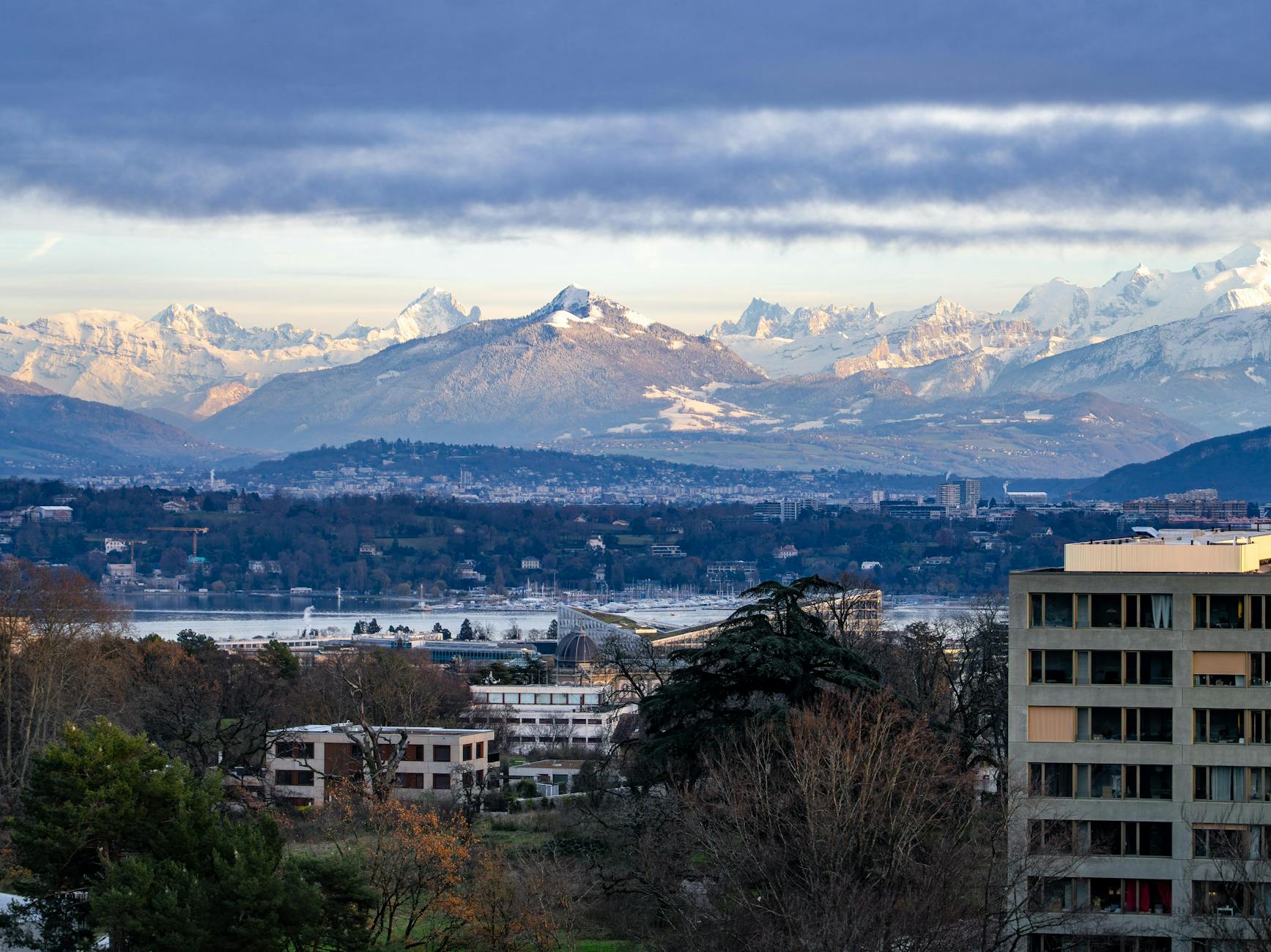
The best way to truly appreciate Geneva’s neighborhoods is to explore them on foot, dedicating a morning or afternoon to each district. Start in the Old Town for its historical perspective, wander down to Plainpalais for museums and markets, take the tram to Carouge for lunch and shopping, and finish the day at the Bains des Pâquis in Les Pâquis as the sun sets over the lake. Geneva reveals its best secrets at walking pace, one neighborhood at a time.