Geneva's History, Heritage & International Importance
The United Nations in Geneva — Inside UNOG and the Palais des Nations
This article contains advertising. Our booking links are routed through a partner that adds commission tracking automatically, so if you book through one we earn a commission from the provider, at no extra cost to you. It never affects what we recommend. Affiliate disclosure
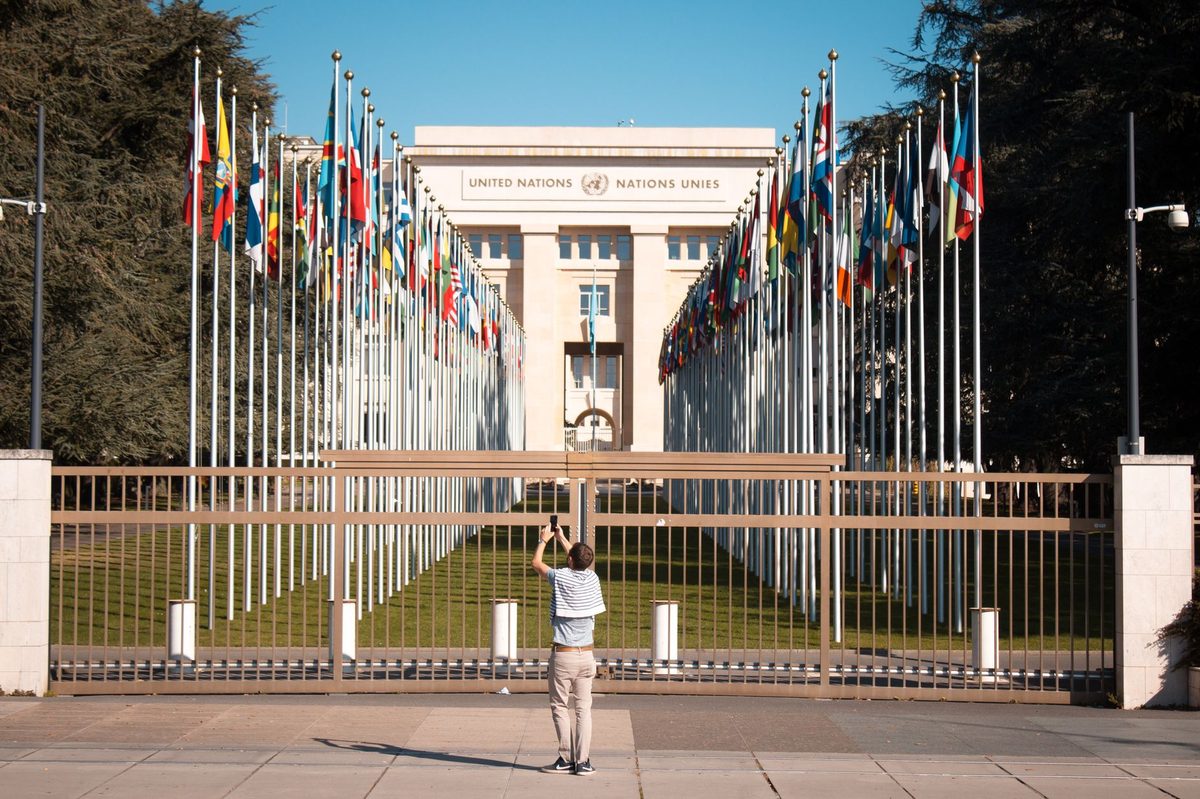
The biggest misconception about the United Nations in Geneva is that it is a satellite office. It is not. The United Nations Office at Geneva (UNOG) is the largest UN duty station outside New York and the busiest by meeting count, hosting around 8,000 meetings and conferences a year inside the Palais des Nations alone. The Human Rights Council, the Conference on Disarmament, dozens of treaty body sessions, and most of the UN’s specialised agencies have their primary seat here, not on the East River. New York runs the politics; Geneva runs the operations.
This guide covers what is actually here, what the Palais des Nations looks like inside, and exactly how to walk through the gates as a visitor. For the wider context, start at the Geneva history and heritage pillar and the humanitarian capital guide; to build it into a trip, see things to do in Geneva and the trip planner.
01 — What UNOG actually is
The United Nations Office at Geneva is one of four major UN duty stations alongside New York, Vienna, and Nairobi. Within the UN system it sits directly under the Secretary-General; the Director-General of UNOG (currently Tatiana Valovaya, the first woman to hold the post) ranks at Under-Secretary-General level and reports to the SG.
UNOG provides conference services and administrative support for the UN system in Europe and acts as the operational base for most of the UN’s specialised agencies and programmes. In practice that means three things: it runs the buildings; it provides interpretation, translation, security, IT, and other shared services for any UN meeting in Europe; and it represents the UN to the host state, the diplomatic community in Geneva, and the public.
The numbers are big. UNOG hosts around 8,000 meetings a year. It has about 1,600 staff of its own, plus several thousand more across the agencies that share the Palais and surrounding buildings. The Palais des Nations sees roughly 25,000 distinct delegates and accredited journalists every year. It is the most heavily used conference complex in the entire UN system.
02 — The Palais des Nations: history and architecture
The Palais des Nations was originally built as the headquarters of the League of Nations. After the League selected Geneva in 1920, it spent eight years operating out of rented buildings (initially the Hotel National on the lakeshore, now the Palais Wilson) while it found a permanent home. The site was donated by the Canton of Geneva: the Parc de l’Ariana, a park bequeathed to the city in 1890 by Gustave Revilliod with the condition that public access to the gardens be preserved. That condition is why parts of the park remain open to the public today.
An international architectural competition in 1926 drew 377 entries from across the world. After a long and politically fraught process, the prize was split between five architects from five different countries: Henri-Paul Nenot and Julien Flegenheimer (France and Switzerland), Carlo Broggi (Italy), Camille Lefevre (France) and Joseph Vago (Hungary). They worked together as a team. The Swiss-French modernist Le Corbusier submitted a famously brilliant design that lost on a technicality and never quite forgave the League for it.
Construction ran from 1929 to 1938. The result is monumental, slightly austere classical, with long colonnades, vast double-height halls, and elaborate donated interiors: Italian marble in the Council Chamber, Spanish ceramics in the entrance halls, donated artworks from member states throughout. The original Palais measured about 600 metres end to end, with around 600 offices and several large halls. A massive 1973 extension on the lake side (the New Building) added more offices and the modern Assembly Hall now used by the Human Rights Council.
By the 2010s the Palais needed serious work. The Strategic Heritage Plan, a major renovation project costing roughly CHF 800 million and running from 2014 to 2025, has overhauled the building’s structural, mechanical and accessibility systems while preserving the original architectural design. The work is ongoing as of 2026; some areas remain closed or partially closed at various times. If a guided tour is important to your visit, check the UN Geneva website close to your dates.
03 — UN agencies headquartered in Geneva
The Palais itself houses UNOG, the Office of the High Commissioner for Human Rights (in part), UNCTAD’s main offices, and the secretariats of various treaty bodies. The full Geneva-based UN ecosystem is much larger and spreads across the diplomatic quarter.
Major UN-system agencies based in Geneva: World Health Organization (HQ on Avenue Appia), UN High Commissioner for Refugees (Rue de Montbrillant), UN High Commissioner for Human Rights (Palais Wilson, on the lakefront), UN Conference on Trade and Development, International Labour Organization (Route des Morillons), International Telecommunication Union, World Intellectual Property Organization, World Meteorological Organization, International Organization for Migration, UN Office for Disaster Risk Reduction, UNAIDS, Joint Inspection Unit, and the regional offices of UNICEF, UNESCO, UN Women, OCHA and others.
Not technically part of the UN but operationally interwoven: the World Trade Organization (in the former Centre William Rappard on Rue de Lausanne), the Inter-Parliamentary Union, the International Trade Centre (jointly run by WTO and UNCTAD), and the International Committee of the Red Cross.
04 — The Human Rights Council
If you want to see the United Nations doing what the United Nations does, the Human Rights Council is your best bet. The HRC is the UN’s primary intergovernmental body for human rights. It sits three times a year (March, June and September) in regular sessions of three to four weeks each, plus special sessions called for emergencies. The Council has 47 member states elected on regional quotas, and its meetings draw thousands of NGO observers, diplomats from non-member states, and accredited journalists.
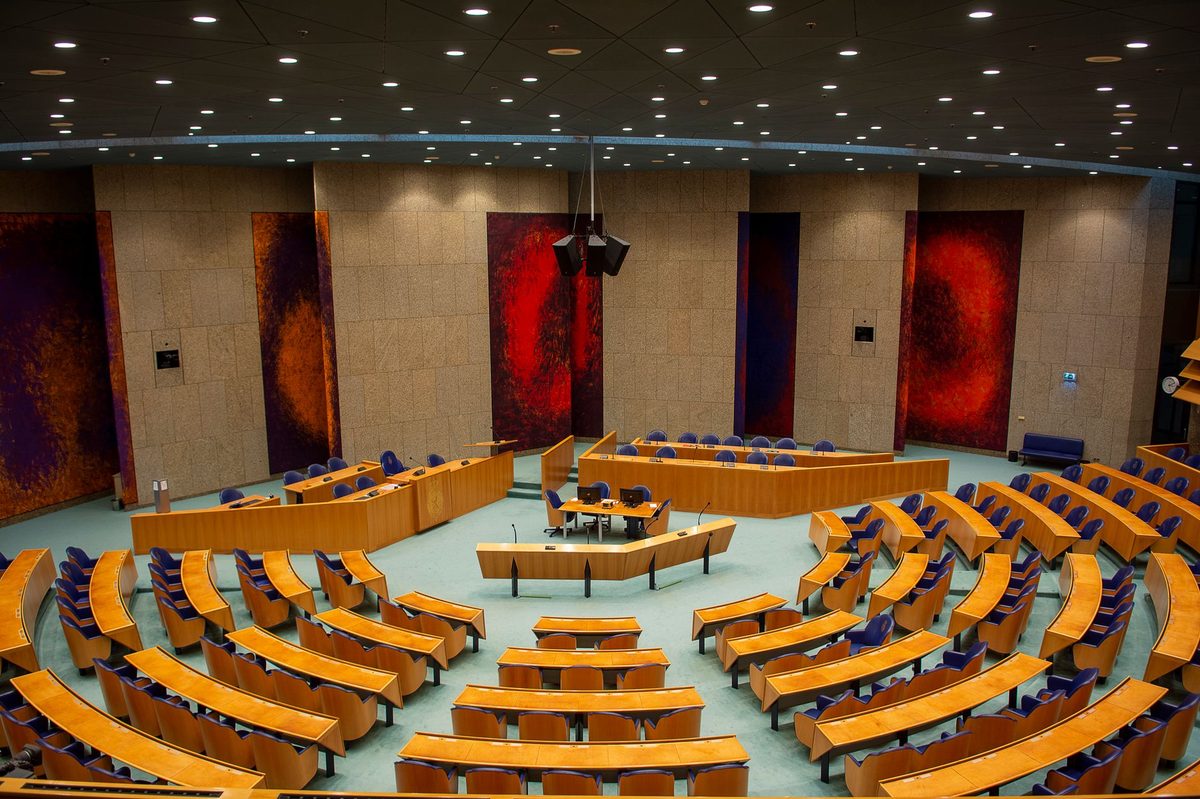
Sessions take place in Room XX, usually called the Human Rights and Alliance of Civilizations Room, in the New Building of the Palais. It is one of the most striking interiors in the entire UN system. The ceiling is a 1,400-square-metre painted relief by the Spanish artist Miquel Barcelo, gifted by Spain in 2008, depicting “the multiple language of the world” as a dripping, multi-coloured stalactite-like surface. The Council Chamber sits beneath it; member-state diplomats speak from horseshoe-arranged desks, NGO observers watch from the public galleries, and interpretation runs simultaneously in all six UN official languages plus often two or three more.
HRC sessions are open to the public via the UN’s online webcast (un.tv/webtv) and, on a much more limited basis, to accredited visitors in person. Casual tourists cannot just walk in; accreditation is required and slots are limited. But UN guided tours often include a brief stop in or near Room XX to view the Barcelo ceiling, depending on the meeting schedule.
05 — The Conference on Disarmament
The Conference on Disarmament (usually abbreviated CD) is the sole permanent multilateral disarmament negotiating forum of the international community. It has 65 member states (the nuclear powers, the major military states, and a rotating slate of others), meets year-round in Geneva, and was the body that produced the Comprehensive Nuclear-Test-Ban Treaty in 1996.
The CD operates by consensus, which means in practice that almost nothing happens; the body has been deadlocked on its work programme since the late 1990s, largely over the question of negotiating a Fissile Material Cut-Off Treaty. But it is one of those things that has to keep meeting precisely because someday it will not be deadlocked, and the institutional infrastructure has to be there when the politics shifts. The CD meets in the Council Chamber of the historic Palais, a room with extraordinary 1936 Sert murals on the walls, in muted gold and brown, depicting allegories of peace, justice, and human progress. The room itself is one of the architectural high points of the original Palais.
06 — A day in the life of UNOG
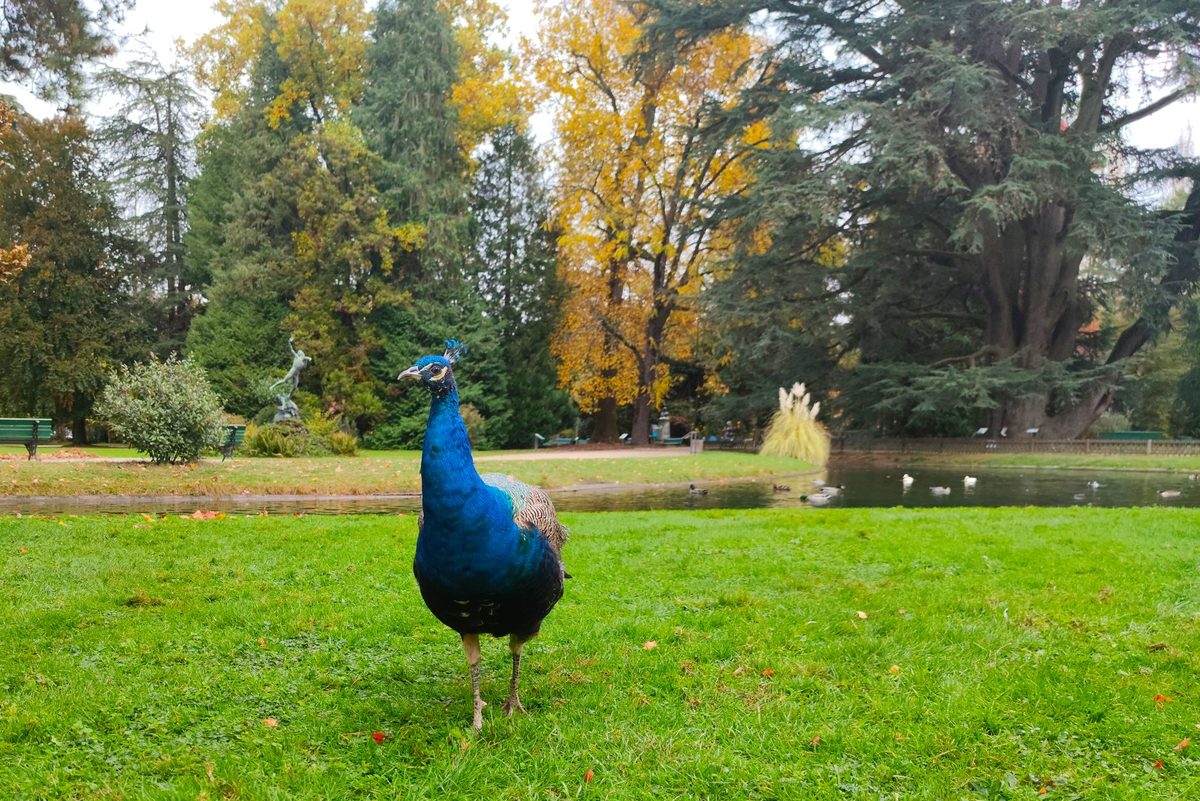
To get a feel for the scale, here is what a normal Wednesday in March looks like inside the Palais. The Human Rights Council session is in full flow; Room XX runs from 9am to 6pm with delegations speaking on Item 4 (human rights situations requiring attention). Three or four side events, organised by NGOs and individual member states, run in smaller meeting rooms over the lunch break. Two parallel treaty body sessions (perhaps CEDAW and the Committee Against Torture) are meeting in dedicated chambers, with their secretariats coordinating from offices in the New Building. The Conference on Disarmament holds its weekly plenary in the Council Chamber. UNCTAD runs an inter-governmental expert meeting on debt sustainability. A press briefing happens at 11am in the press room. Behind the scenes, the interpretation booths (Arabic, Chinese, English, French, Russian, Spanish, and frequently more) switch staff between sessions. The cafeteria, the press lounge, the bookshop, and the medical clinic all run at near-capacity. Outside in Parc de l’Ariana, schoolchildren on field trips photograph the peacocks who wander freely on the grounds, a Geneva-specific quirk.
07 — Visiting the UN in Geneva
The UN runs a public guided-tour programme. As of the most recent published rates the standard adult tour is around CHF 18, with reductions for students and children and free entry for under-6s. Tours run daily Monday to Friday in multiple languages (typically English, French, German, Spanish, Italian, Russian, Chinese and Arabic, depending on day and demand). The tour takes about an hour.
Book in advance. The tours fill up quickly, especially in summer, and walk-in availability is unreliable. The official booking system is on the UN Geneva website (visit the Visitors section). You will need a passport-style ID document at check-in and you will go through airport-style security to enter the grounds. Bags larger than a small day-pack are not allowed inside.
The entrance for visitors is the Pregny Gate, on Avenue de la Paix, not the diplomatic gate on Place des Nations. Tram 15 stops a few metres from the visitor entrance. Arrive 30 to 45 minutes before your tour starts for security and accreditation.
One important note: at the time of writing, parts of the Palais are still under renovation as part of the Strategic Heritage Plan, and the tour route can vary. The Council Chamber and the Room XX area are usually included when not in use for live sessions, but exact contents depend on what is happening that day. The guides are well briefed and the tour will always include the major historical and political highlights.
08 — Inside the guided tour
The standard tour starts at the visitor centre at the Pregny Gate with a brief introduction to the UN system, then takes you through the original main building and into the New Building. Typical stops include:
The Pregny Gate exhibition area, with displays on the history of the League of Nations and the early UN.
The Salle des Pas Perdus (the Hall of Lost Footsteps), the long marble corridor lined with gifts from member states (Italian marble, Spanish ceramics, gifts from China, India and many others) that connects the original Council Chamber to the Assembly Hall.
The historic Council Chamber, with the Jose Maria Sert murals depicting “Technical Progress and Social Progress” in their distinctive muted gold-and-brown palette. This was the original meeting room of the League of Nations Council and is now used by the Conference on Disarmament. One of the most architecturally important rooms in the UN system.
The Assembly Hall in the original Palais, designed for League of Nations General Assembly sessions and still used for major plenary meetings.
Room XX in the New Building, with the Barcelo ceiling, when the Human Rights Council is not in active session.
The Salle des Conferences and Parc de l’Ariana exterior views, including the armillary sphere (a 1939 monument), the celestial sphere donated by the Woodrow Wilson Foundation, and the famous resident peacocks. Allow about 90 minutes total including security and check-in.
09 — What else to see in the diplomatic district
Make a half-day of it. Within ten minutes’ walk of the Palais des Nations gates you have:
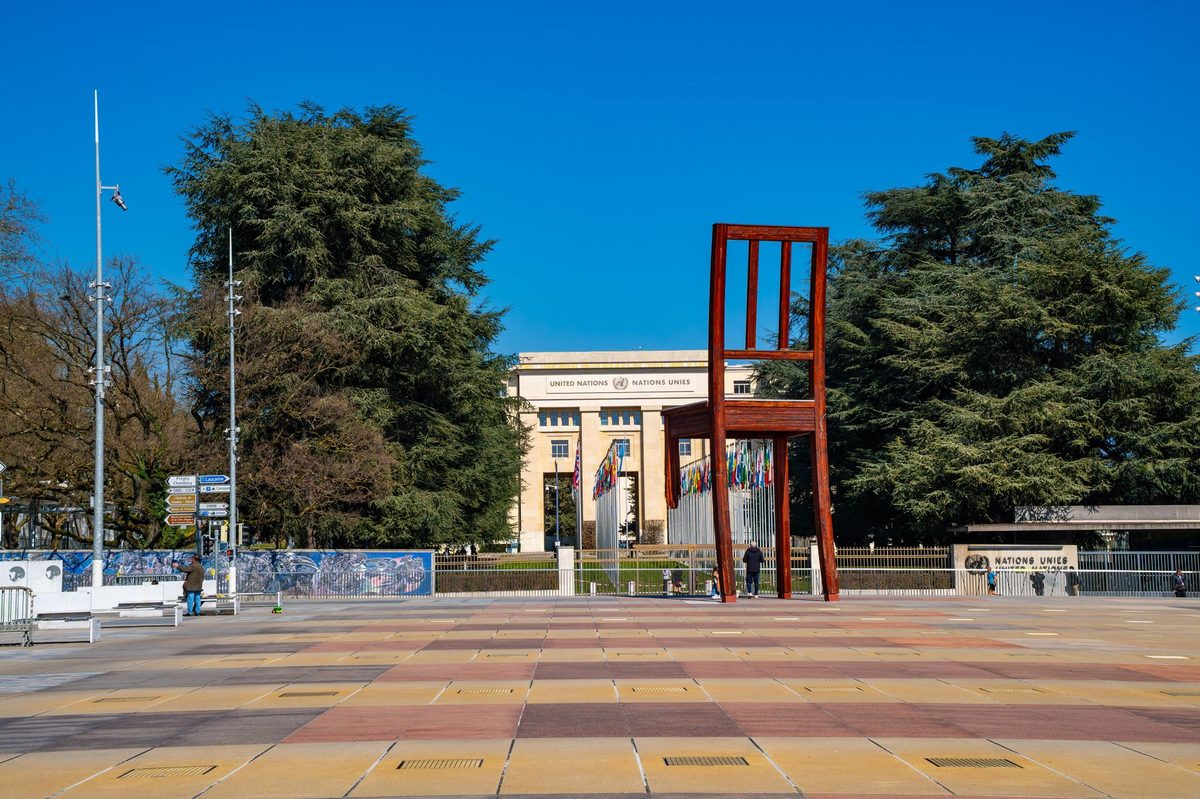
Place des Nations and the Broken Chair. The 12-metre wooden sculpture by Daniel Berset (1997), with one leg deliberately broken off, protesting the use of anti-personnel landmines. Originally installed for the Ottawa Treaty negotiations and made permanent in 2007. One of the most photographed sculptures in Geneva.
The Musee International de la Croix-Rouge et du Croissant-Rouge. The Red Cross and Red Crescent Museum, on Avenue de la Paix immediately next to the ICRC HQ. An excellent two-hour visit. Adult admission around CHF 15.
Parc de l’Ariana. The public-access part of the Palais grounds. Free, full of mature trees, with the famous peacocks. A lovely place to picnic.
Parc Mon Repos. The next park west, on the lakeshore, with a children’s playground, the Botanical Garden entrance, and excellent lake views.
Conservatoire et Jardin botaniques. Geneva’s botanical garden, free, large and varied, directly adjacent to Mon Repos.
The League of Nations Museum inside the Palais (limited access, usually requires special arrangement).
For practical planning and broader context see our things to do in Geneva pillar, the museums and culture guide, the history of Geneva, the humanitarian capital guide, and the trip planner and where to stay in Geneva.
Frequently asked questions
Is the UN headquarters in Geneva or New York?
Both, in different senses. New York is the UN’s political and ceremonial headquarters and hosts the General Assembly, Security Council, and the Secretary-General’s main office. Geneva is the UN’s largest operational hub and headquarters for most specialised technical agencies, the Human Rights Council, the Conference on Disarmament, and most treaty bodies. The Palais des Nations in Geneva is the most heavily used UN conference complex in the world by meeting count.
Can tourists visit the United Nations in Geneva?
Yes. UNOG runs guided tours daily Monday to Friday in multiple languages. Standard adult admission is around CHF 18; book in advance via the UN Geneva visitors page. You must bring photo ID and clear airport-style security. The visitor entrance is the Pregny Gate on Avenue de la Paix, not the main diplomatic gate.
How do I get to the Palais des Nations?
Tram 15 from the city centre runs directly to the Nations stop; the visitor entrance is a few minutes’ walk. Tram 18 and several bus lines also serve Place des Nations. Taxis from the railway station take about 10 minutes. There is no visitor parking, so public transport is by far the easiest option.
Is the UN building free to enter?
The Palais des Nations is a working diplomatic complex and is not freely open to the public. Access is by guided tour only (around CHF 18) or by official accreditation for diplomats, journalists and NGO observers attending specific meetings. The surrounding gardens of Parc de l’Ariana are free and open to visitors during park hours.
What is the Broken Chair?
A 12-metre wooden sculpture by Swiss artist Daniel Berset, installed on Place des Nations in 1997. The chair has one broken leg, symbolising the destructive impact of anti-personnel landmines and cluster munitions. Originally a temporary installation to coincide with the Ottawa Treaty negotiations, it became permanent in 2007. Free to view 24 hours a day.
When was the Palais des Nations built?
Construction ran from 1929 to 1938. It was designed as the headquarters of the League of Nations by an international team of five architects following a global competition in 1926. The UN took over the buildings in 1946 after the League dissolved. A major modern extension was added in 1973, and a comprehensive renovation (the Strategic Heritage Plan) is running through the mid-2020s.
10 — Related Geneva guides
Keep going with the Geneva history and heritage pillar, the humanitarian capital guide, the full history of Geneva, our museums and culture picks, the things to do in Geneva overview, and the practical trip planner and where to stay pages.