Geneva Events, Festivals & Seasonal Guide
Geneva in Winter — Christmas, Skiing & Thermal Baths (Dec-Feb)
This article contains advertising. Our booking links are routed through a partner that adds commission tracking automatically, so if you book through one we earn a commission from the provider, at no extra cost to you. It never affects what we recommend. Affiliate disclosure
Geneva in winter is the season most international visitors skip, which is exactly why locals like it. The Christmas markets along the Quai du Mont-Blanc and at the Parc des Bastions open in mid-November and run to Christmas Eve. L’Escalade on 11 to 12 December marks the night in 1602 when Geneva repelled the Duke of Savoy’s troops scaling the city walls, and it is still the most distinctive December festival in Switzerland. In February the Antigel Festival drops world-class music and performance into unlikely venues across the canton, from swimming pools to churches to gymnasiums. And the ski belt sits one to two hours away, from Les Houches and Les Gets to Verbier and year-round glacier skiing at Glacier 3000.
There are warm-water antidotes too: thermal baths at Bains de Cressy (15 minutes), Evian (45 minutes by ferry) and Lavey-les-Bains (about 75 minutes), plus the Bains des Paquis sauna-and-cold-plunge ritual that turns the coldest days into a strange kind of pleasure. This is the working December-January-February guide focused on events and seasonal experiences; the snow sports themselves have their own guide. For the wider calendar, start with our Geneva events and festivals pillar.
01 — Geneva in winter at a glance
- December: average high 6C, low 0C, daylight 8 hours 40 minutes (shortest day 21 December). Christmas markets in full swing.
- January: average high 5C, low -1C. The coldest, foggiest month, with the cheapest hotel rates.
- February: average high 7C, low 0C. Antigel Festival, and days lengthening fast.
- Snow: sporadic in the city, reliable above 1,000 m.
- Key events: Christmas markets (mid-November to 24 December), L’Escalade (11 to 13 December), Lux Festival (late January to mid-February), Antigel Festival (5 to 28 February 2026), New Year’s Eve fireworks.
- The Bise wind can drop the felt temperature 8 to 10C, so a windproof shell is essential.
- The sea-of-clouds trick: when fog sits over the city, ride the Saleve cable car up to 1,100 m for bright sun above it.
02 — December in Geneva
Weather: average high 6C, low 0C, around 90mm of rain across 10 days and only 1.5 hours of sunshine a day. Daylight is 8 hours 40 minutes, with the shortest day on 21 December (sunrise 08:00, sunset 16:45).
What is on: the Christmas markets are in full swing (Noel au Quai, the Bastions village and ice rink, the Carouge artisan weekend, the Plainpalais tree market), all in our Christmas markets guide. L’Escalade (11 to 13 December 2026) brings the Sunday-evening torchlit procession, with the Course de l’Escalade running race the weekend before (5 to 6 December), covered in our L’Escalade guide. The Bastions ice rink runs from mid-November to early February with free entry, the city illuminations light up the Mont-Blanc Bridge and Carouge from early December, the cathedral runs Advent concerts, and New Year’s Eve on the Quai Gustave-Ador ends with midnight fireworks over the lake. Ski season opens at the major resorts mid-month.
Open and pricing: the Bains des Paquis sauna and Buvette run their full winter schedule, the Saleve cable car is on reduced Wednesday-to-Sunday hours, and most museums are open (closing Mondays). Early-to-mid December weekdays are surprisingly affordable; the L’Escalade weekend is busy, and Christmas week and New Year’s Eve are peak.
03 — January in Geneva
Weather: average high 5C, low -1C, the coldest month, with about 75mm of rain across 10 days and only 2 hours of sunshine. Snow is possible but uncommon in the city. Daylight is 9 hours 5 minutes and growing, with sunset moving from 17:00 to 17:30 across the month.
What is on: the Geneva Lux Festival runs free light-art installations across the city from late January, with themed routes through the Old Town and lakefront. The Black Movie Festival in mid-January is an independent international film festival, the Bastions and Carouge ice rinks keep going, and ski season is at its peak (our skiing near Geneva guide has the resorts). The Bains des Paquis sauna culture is at its best, with cold-water swimming lessons every Monday and Wednesday at 12:30 and fully booked fondue evenings, and the museums are blissfully uncrowded.
Pricing: January is one of the cheapest months alongside November, with the only spike during the WEF week (usually the third week of the month, on the Davos overflow). Best for budget travel, ski-and-city combinations, museum days, the sauna ritual and the Lux Festival.
04 — February in Geneva
Weather: average high 7C, low 0C, the driest winter month at about 55mm across 8 days, with 3.5 hours of sunshine and daylight up to 10 hours 25 minutes and growing fast. Sunset reaches 18:00.
What is on: the Antigel Festival (5 to 28 February 2026) is the flagship winter event (full detail below), the Lux Festival carries on into mid-February, and the Carnaval de Carouge lands in late February or early March depending on Lent. Ski season is at its peak, often with the best snow of the year, and the days lengthen visibly as sunset moves from 17:30 early in the month to 18:30 by the end.
Pricing: rates return toward peak as business travel resumes and Antigel weekends draw cultural visitors. Best for Antigel, peak skiing and the last cheap pre-spring weeks before March warming.
05 — Christmas markets in detail
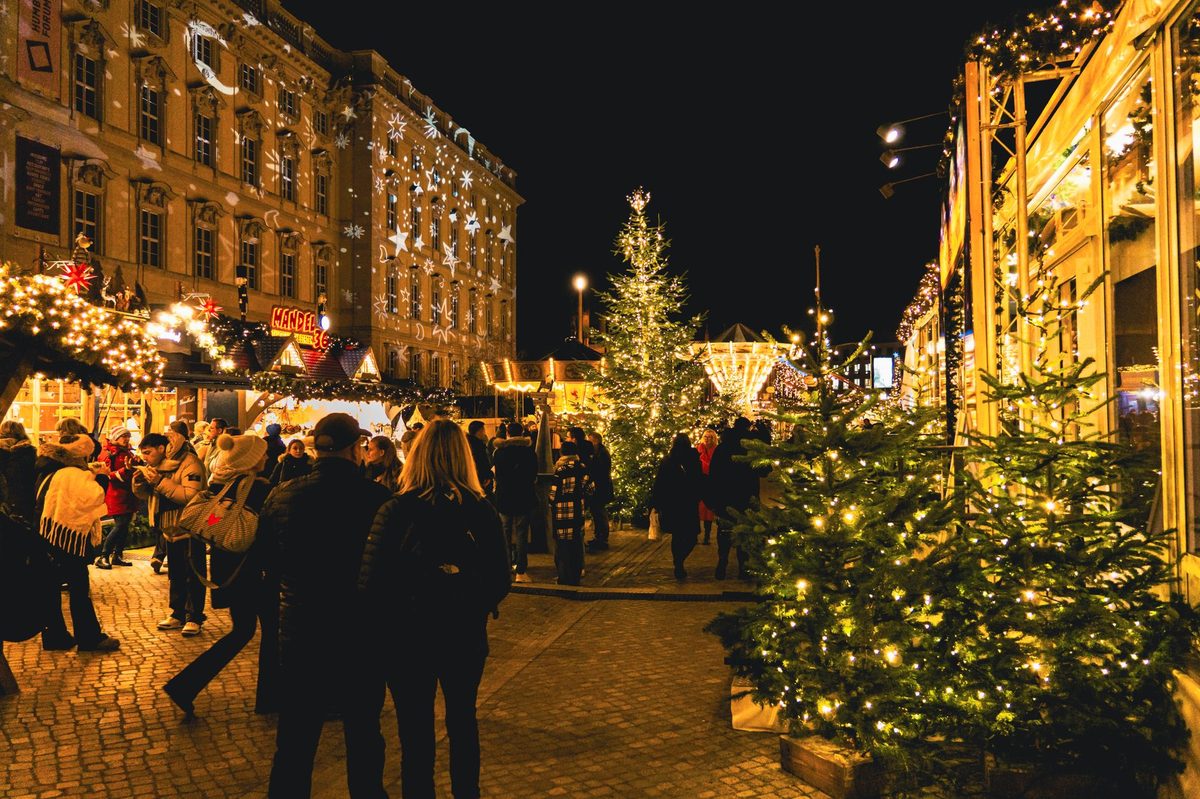
The four main markets, in brief:
- Noel au Quai (Quais de Noel) on the Quai du Mont-Blanc lakefront, 20 November to 24 December 2026 (expected), with the Fondue Chalet (book ahead), a kids yurt, a Ferris wheel and illuminations.
- Noel aux Bastions in the Parc des Bastions, the village portion 14 November to 24 December 2026, with the ice rink running into early March 2027 (free skating, CHF 2 rental).
- Marche de Noel de Carouge on 11 to 13 December 2026, with 150+ artisan stalls across the cobbled streets.
- Plainpalais Christmas tree market, 29 November to 24 December 2026, daily 8:00 to 20:00.
Full coverage is in our Geneva Christmas markets guide.
06 — L’Escalade: the December festival that defines Geneva
L’Escalade marks the night of 11 to 12 December 1602, when the Catholic Duke of Savoy’s troops tried a surprise attack on Protestant Geneva by climbing the city walls. The attack failed, and Geneva stayed independent. The festival weekend in 2026 is 11 to 13 December, and the highlights are worth planning around.
- The Sunday-evening cortege historique, with 800-plus costumed participants, 60-plus horses, drums and fifes and torchlight, leaving around 17:00 for a three-hour procession through the Old Town that ends with bonfires on the Cour Saint-Pierre.
- The Saturday daytime parades and demonstrations by the Compagnie de 1602, plus the Passage de Monetier, the narrowest passage in Geneva, opened only this weekend with free mulled wine.
- The Course de l’Escalade running race the weekend before (5 to 6 December 2026), with 40,000-plus runners and costumed children’s races.
- The marmite tradition: chocolate cauldrons filled with marzipan vegetables, smashed at the table with the cry “Ainsi perissent les ennemis de la Republique”, on sale from mid-November.
This one is genuinely unique to Geneva; see our full L’Escalade festival guide.
07 — Ski day trips from Geneva
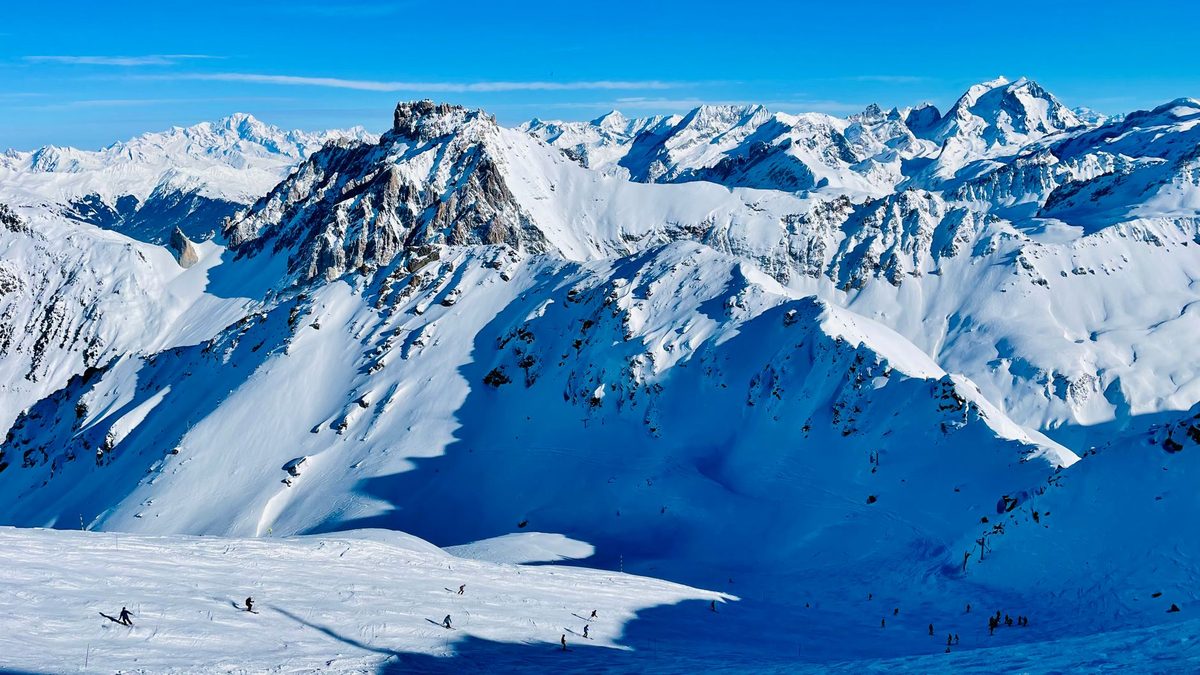
The single biggest reason Geneva works as a winter base is the ski belt within one to two hours. A quick map:
- Under an hour: Les Houches in the Mont Blanc valley, Les Brasses (Magic Pass) and Monts Jura.
- About an hour: Les Gets, Morzine, Avoriaz, Flaine, Samoens, La Clusaz, Le Grand-Bornand and the Chamonix valley.
- One to two hours: Megeve, Verbier, Villars and Les Diablerets, Crans-Montana, Glacier 3000 (open year-round) and the Aiguille du Midi for the off-piste Vallee Blanche.
- The Magic Pass (around CHF 419 for the season) covers 100-plus Swiss and French resorts, including Villars, Les Diablerets, Glacier 3000, Champery and Leysin.
- By public transport: Chamonix on the Mont Blanc Express, and Champery, Verbier, Villars and Leysin via Aigle.
Full coverage is in our skiing near Geneva guide.
08 — Thermal baths: the warm-water antidote
Five thermal options within day-trip range, from closest out:
- Bains de Cressy (Confignon), 15 minutes from the city, with indoor and outdoor 33C pools and a family-friendly feel. The closest hot soak.
- Evian-les-Bains, 45 minutes by CGN ferry or car, the historic French spa town across the lake.
- Bains de Lavey-les-Bains, about 75 minutes by car or train, Switzerland’s warmest natural source (70C at the spring) in a fine mountain valley.
- Bains d’Yverdon-les-Bains, an hour by train, a sulphurous Roman-origin complex with indoor and outdoor pools.
- Bain-Bleu Hammam (Cologny), 15 minutes from the city, an upmarket indoor hammam-and-pool wellness centre.
A thermal day at Evian or Yverdon paired with a cold-afternoon city wander is one of the underrated Geneva winter experiences.
09 — The Bains des Paquis sauna ritual
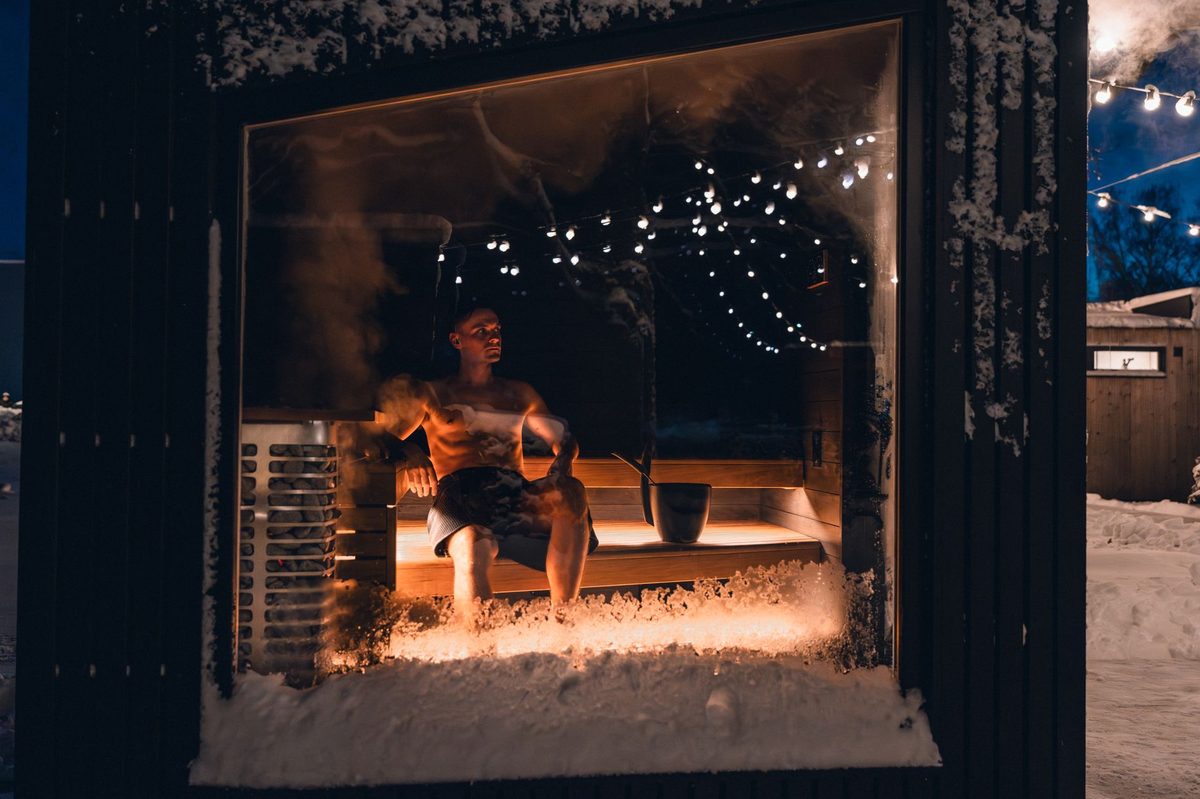
In winter the Bains des Paquis pier changes character. The summer beach crowd is gone, and what is left is the sauna, hammam and Turkish bath, the cold plunge into 5 to 9C Lake Geneva, the Buvette with its CHF 14 plat du jour and famous fondue evenings, and a small, committed community of cold-water swimmers.
- Pier entry is free in winter; a sauna day pass is around CHF 22, or CHF 13 on Mondays.
- The protocol: 15 minutes of Finnish heat at 75C, 30 seconds to 2 minutes in the lake, 5 to 10 minutes resting in the fresh air, repeated about four times.
- Cold-water swimming lessons run every Monday and Wednesday at 12:30 and are beginner-friendly.
- Fondue evenings run October to April; book at least two weeks ahead, and longer for December and January weekends.
For many Genevans this is the defining winter ritual; our Bains des Paquis guide has the full detail.
10 — Lux and Antigel: the January and February festivals
The Geneva Lux Festival runs free light-art installations across the city from late January into mid-February, with self-guided themed routes through the Old Town, lakefront and key squares that take an hour or two to walk.
The Antigel Festival (5 to 28 February 2026) is the 16th edition and the city’s flagship winter event, with 40-plus concerts, 13 shows and 500-plus artists across 50 venues in 26 towns spanning Greater Geneva. What makes it distinctive is the venues: performances happen in swimming pools, churches, gymnasiums, bus depots and industrial halls. The name means antifreeze, a deliberate jab at the grey February, and the festival pass runs CHF 110 (CHF 90 reduced), with individual tickets from free to around CHF 50. See our Antigel Festival guide.
11 — The sea of clouds: escaping the Geneva fog
This is the best Geneva winter weather hack. From November through February the city sits under days of inversion-layer fog, a degree or two colder than the air above it, with the sun barely showing. The fix is to get above the fog ceiling, which usually sits around 800 to 1,000 m.
- The Mont Saleve cable car, 15 minutes from the city to a summit at 1,100 m, is the cheapest option at around 18 euros return.
- The Col de la Faucille and Mijoux, 45 minutes by car, are reliably above the fog.
- Saint-Cergue and La Dole, via Nyon and the NStCM railway, and Les Voirons, 30 minutes east by car, work too.
You come out above a sea of white cloud with the Jura and Alps poking through and Mont Blanc on the horizon on clear days. It is one of Geneva’s stranger winter pleasures, and almost nobody writes about it.
12 — Indoor refuges: the museums in winter
The major Geneva museums are at their best in winter, uncrowded and quiet on grey afternoons. The Natural History Museum (free, four floors of dinosaurs and taxidermy), the CERN Science Gateway (free, immersive physics, opened 2023), the MAH (free permanent collection), the Patek Philippe Museum (paid, best when quiet), the International Red Cross and Red Crescent Museum (paid, free first Sunday) and the MEG ethnography museum (free permanent collection) all reward a slow visit. See our Geneva museums and culture guide.
13 — Winter fondue and raclette season
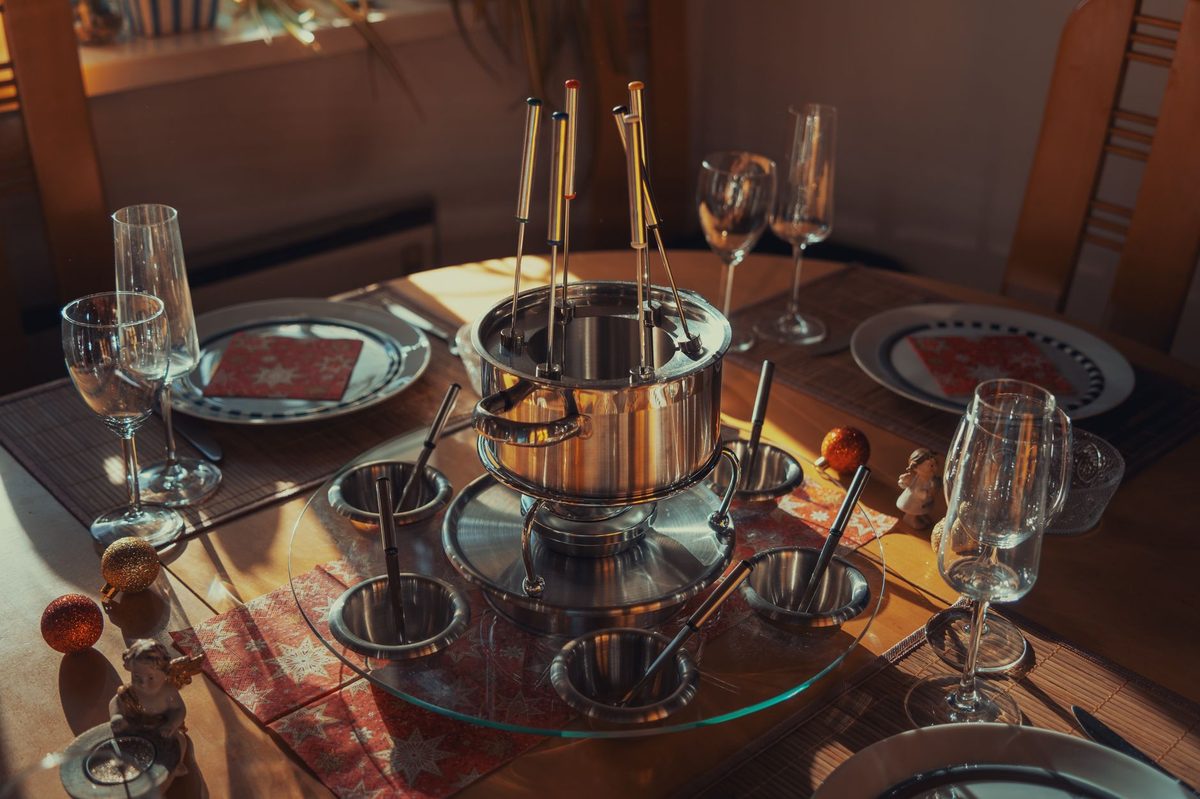
Fondue and raclette are year-round here but hit their proper season from October to April. A few picks:
- The Buvette des Bains des Paquis for winter fondue dinners (book at least two weeks ahead), with the lake outside and sauna steam drifting past the windows.
- Cafe du Soleil (Petit-Saconnex), the legendary fondue terrace.
- Edelweiss (Paquis), a Swiss chalet with yodelling and accordion, touristy but kid-friendly.
- Les Armures (Old Town), historic and medieval-themed, with fondue and raclette, and Cafe du Vieux-Bourg (Carouge) for casual neighbourhood fare.
- Raclette stalls at the Plainpalais market on Saturday mornings from October to March.
See our best fondue in Geneva and best raclette in Geneva guides.
14 — New Year’s Eve in Geneva
The free city celebration runs at the Quai Gustave-Ador on the left bank, typically 20:00 on 31 December to 03:00 on 1 January, with three DJ stages, 15 food trucks, beer gardens, lake views and midnight fireworks over the water. If you want something more upmarket, the CGN paddle steamer dinner cruise departs Lausanne-Ouchy at 20:00 and returns 00:30 with fireworks views from the lake (from CHF 234 dinner-only), and the lakefront hotels (Beau-Rivage, Four Seasons, Mandarin Oriental, La Reserve) run black-tie gala dinners from roughly CHF 200 to 500, bookable by early November. The Carouge and Paquis bars stay open through the night.
15 — Where to stay in winter
Timing within the season moves the price a lot. Early December weekdays are affordable mid-range, the L’Escalade weekend (11 to 13 December) is busy, and Christmas week (23 to 26 December) and New Year’s Eve are peak. The stretch between Christmas and New Year (27 to 30 December) is surprisingly affordable, January is the cheapest month except for WEF week, and February returns toward peak with business travel and Antigel. For where to base yourself, see our where to stay in Geneva pillar.
16 — What to wear and how to handle the Bise
The Bise, the cold dry north-easterly that blows for two to four days at a stretch, drops the felt temperature 8 to 10C below the reading. Pack for it:
- A waterproof, windproof shell, non-negotiable, over an insulated mid-layer (down or fleece) and a thermal base layer (merino works best).
- A beanie, proper gloves and waterproof boots with grip, since the lakefront promenades ice over.
- Face balm and lip balm, because the Bise dries skin fast, and a hood rather than an umbrella, which will turn inside out.
- Swim shoes and a robe if you plan on the sauna, and sunglasses for the bright winter sun off the snow on the Saleve or in the Alps.
17 — Winter day-trip ideas
Beyond the slopes, winter opens up plenty: an Evian thermal day by CGN ferry; the Maison Cailler chocolate factory and the Maison du Gruyere, both indoors and a perfect cold-day pairing by train; the Aquatis aquarium and the Olympic Museum in Lausanne, both around 40 to 45 minutes by train; Chaplin’s World in Vevey; the Annecy Christmas market (until early January, 45 minutes by car) and the Montreux Noel market (until late December, an hour by train); the Gruyeres medieval village with its cheese tour and castle; and the underground Bex Salt Mines. See our day trips from Geneva guide.
18 — A sample 3-day winter itinerary
Day 1 (city): a morning at the Natural History Museum, lunch at the Bains des Paquis Buvette, an afternoon walk through the Old Town and the Bastions Christmas village with a skate on the rink, then a fondue dinner with yodelling at the Edelweiss.
Day 2 (snow): a morning ski day-trip to Les Houches or Les Gets, or the Saleve cable car for snowshoeing and lunch at L’Observatoire, then back to the city for a Bains des Paquis sauna evening with a cold lake plunge and a Buvette fondue.
Day 3 (culture): a morning at the CERN Science Gateway, lunch at the Cafe du Soleil fondue terrace, an afternoon at the Patek Philippe or Red Cross Museum, and a Lux Festival walk through the Old Town with hot-chocolate stops at Auer.
Frequently asked questions
Is December a good time to visit Geneva, and does it snow?
December is excellent for the Christmas markets, L’Escalade, ski day-trips, the fondue season and the illuminations, with mid-week the most affordable and the L’Escalade weekend the most atmospheric. Snow in the city itself is rare (Geneva sits at 375 m), but it is reliable above 1,000 m on the Saleve, the Jura and in the Alps from late November.
How cold does Geneva get in January?
Average high 5C, low -1C, with lows occasionally dipping to -8C in a cold snap. The Bise wind makes the felt temperature 8 to 10C lower, so a windproof shell matters more than heavy insulation.
Can you ski from Geneva for the day?
Easily. Les Brasses is 45 minutes, Les Houches about an hour, and Les Gets, Flaine, La Clusaz and Le Grand-Bornand all sit within roughly 75 minutes. Route-by-route detail is in Geneva to Les Gets, Geneva to Flaine and Geneva to La Clusaz. Glacier 3000 runs year-round, and the Magic Pass covers a long list of nearby resorts.
What are L’Escalade and the Antigel Festival?
L’Escalade (11 to 13 December 2026) commemorates the failed 1602 attack on the city with a torchlit procession, the marmite chocolate-cauldron tradition and a running race. Antigel (5 to 28 February 2026) is the flagship winter music and performance festival, known for staging shows in swimming pools, churches and gymnasiums across Greater Geneva.
Is Geneva expensive in winter, and what is the fog like?
Early December weekdays are affordable, the L’Escalade weekend and Christmas week are peak, and January is one of the cheapest months of the year. The November-to-February inversion fog can sit over the lake for days, but the 15-minute Saleve cable car lifts you above it into the sun.
Are the Christmas markets free, and what else is free in winter?
Yes, market entry is free; you only pay for food, drink and gifts. Plenty more is free too: the Natural History Museum, MAH and MEG, the CERN Science Gateway, the Bastions ice rink and pier entry, the Lux Festival, the L’Escalade procession and the city illuminations.
Trading the city for the mountains for a few days is straightforward from Geneva. Our Geneva to Verbier transfer guide covers the rail route up the Rhône valley, which runs whatever the weather is doing on the passes.
Morzine is close enough to Geneva to ski for a day and be back for dinner. Our Geneva to Morzine and Avoriaz guide sets out the options, including the cable car you need for Avoriaz.
Most winter visitors head straight for the mountains, and the transfer is the leg that goes wrong: shared, private, coach or train compares the options and the prices before you book anything.
19 — Related Geneva guides
Keep planning with our Geneva events and festivals pillar, the Geneva Christmas markets and L’Escalade guides, the Geneva winter outdoor activities guide for the snow sports, the best day trips from Geneva, and the where to stay in Geneva pillar.
If Geneva is only your arrival point and the mountains are the real destination, the Geneva Airport ski transfer guide covers every route from GVA into the French Alps and the Swiss Valais.