Geneva Events, Festivals & Seasonal Guide
L’Escalade Geneva — The Historic December Festival Guide (2026)
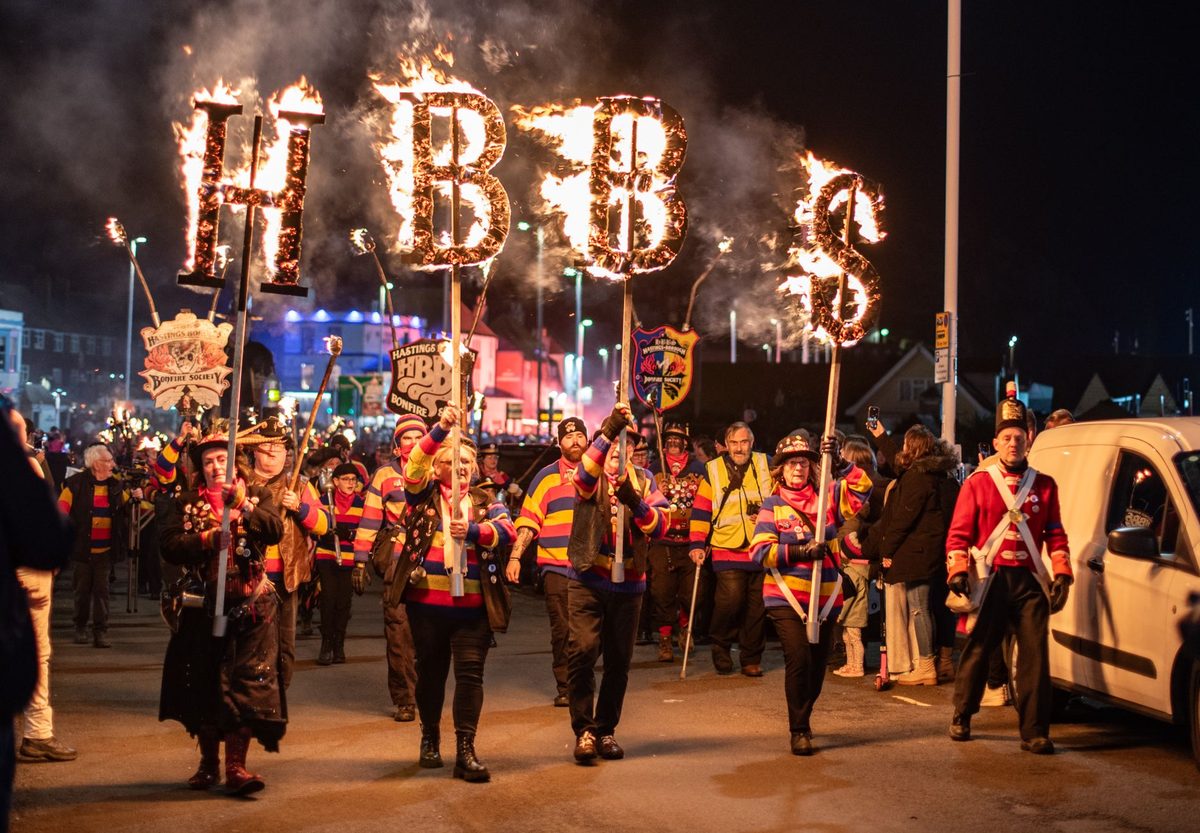
This article contains advertising. Our booking links are routed through a partner that adds commission tracking automatically, so if you book through one we earn a commission from the provider, at no extra cost to you. It never affects what we recommend. Affiliate disclosure
The Escalade Festival is Geneva’s strangest and best-loved tradition, and probably the most genuinely odd thing on the Swiss cultural calendar. It marks the night of 11-12 December 1602, when the Catholic Duke of Savoy’s troops tried to take Protestant Geneva by surprise, scaling the city walls with ladders – escalade means scaling. The attack failed, Geneva stayed independent, and the city has marked the night every year since. Today that means a serious 17th-century costumed re-enactment, a chocolate-cauldron ritual where families smash and eat marzipan-filled marmites, a running race that pulls in more than 40,000 people, and the city’s own anthem, Ce qu’e laino, sung in the Arpitan dialect and written into the cantonal constitution in 2024.
This is the full Escalade guide, the kind I wish I had on my first December here: the history past the Wikipedia bullet points, the marmite ritual with its actual phrasing, the 2026 weekend hour by hour, the race categories, a chocolatier comparison for the marmites, and where to stand for the procession. For the wider winter calendar, see the Geneva events and festivals pillar; to build the trip around it, start with the Geneva trip planner.
01 — L’Escalade 2026 at a glance
- Anniversary night: 11-12 December 2026, the actual 1602 dates.
- Festival weekend: 11-13 December 2026 (Friday to Sunday).
- Cortege historique (procession): Sunday evening 13 December, departing around 17:00.
- Course de l’Escalade running race: Saturday-Sunday 5-6 December 2026, the weekend before the anniversary.
- Marmite tradition: chocolate cauldrons sold from mid-November, smashed at home gatherings through the week.
- Cathedral St-Pierre service: 11 December, with bonfires (les feux) in front of the cathedral.
- Mostly free – no tickets for the procession, the bonfires or the street events. The running race needs registration.
- Best viewing spots: Cour Saint-Pierre for the bonfires, Rue de la Cite for the procession, Bourg-de-Four for the Mere Royaume re-enactment, the Treille for cannon fire, and the Passage de Monetier for its once-a-year reopening.
02 — What is L’Escalade? The night of 11-12 December 1602
On the night of 11-12 December 1602, around 2am, a 2,000-strong force loyal to Charles Emmanuel I, the Catholic Duke of Savoy, gathered at Plainpalais, then open fields outside Geneva’s walls. The plan was to use scaling ladders to climb the southern walls, secure a gate, and let the rest of the force in. The aim was to seize Geneva, end its Protestant independence, and fold the city back under Savoy rule.
It went wrong almost at once. A small group got over the walls and into the city, but they were spotted fast. The garrison and the citizens – men, women and children – rose to defend, and the Saint-Pierre Cathedral bell was rung as the alarm. The attackers inside were killed or captured, and those still on the ladders were pushed back. By dawn the city was secure. Seventeen Genevan defenders died, around 54 Savoyards were killed, and 13 prisoners were hanged the next day.
Geneva stayed independent. The Treaty of Saint-Julien the following summer formalised the end of hostilities, and the city’s Protestant identity, its place as a Reformation centre and its diplomatic independence all survived.
L’Escalade has been marked continuously since 1603, making it one of the few unbroken civic-religious traditions in Europe. It survived the French occupation (1798-1813), Geneva joining the Swiss Confederation in 1815, and modern secularisation. The current format – the costumed procession, the chocolate marmites, the race – grew through the 19th and 20th centuries, but the core meaning held: the city’s collective memory of the night it stayed free.
03 — The legend of Mere Royaume
The one piece of Escalade folklore everyone knows – and the one that gave us the chocolate cauldron – is the legend of Mere Royaume.
The story goes that Catherine Cheynel, a Genevan housewife known as la Mere Royaume after the family name, was making a pot of vegetable soup when the Savoyards attacked. As one soldier climbed the wall right outside her kitchen window, she grabbed the cauldron of boiling soup and emptied it over his head. The soldier fell, and Geneva was saved by a furious cook with a soup pot.
How much of this is literal history and how much is national myth, historians still argue. But the legend stuck. Mere Royaume became Geneva’s everywoman defender, her cauldron of soup became the central symbol of L’Escalade, and the marzipan-and-chocolate marmite became the way every Geneva family re-enacts the story each December.
04 — The Marmite de l’Escalade: Geneva’s chocolate ritual

From mid-November through December, every Geneva patisserie and chocolatier puts out chocolate marmites – hollow chocolate cauldrons, usually dark but also milk and white, filled with marzipan vegetables: miniature onions, carrots, garlic, beets and leeks, sometimes with coloured candies thrown in. They run from small CHF 8 personal versions to CHF 50-plus family centrepieces.
The family ritual: on the evening of 11 December, or at any festive gathering in the surrounding days, the marmite goes on the table. The youngest and oldest people present put their hands together on the cauldron and smash it open while everyone recites the line:
“Ainsi perissent les ennemis de la Republique!”
(Thus perish the enemies of the Republic!)
The marzipan vegetables – standing in for the contents of Mere Royaume’s soup pot – and the chocolate shards are then shared around. Some families run a longer version, pouring wine into the broken cauldron before drinking it. Schools, offices and restaurants all hold their own marmite ceremonies in the run-up to L’Escalade.
Where to buy a marmite:
- Auer (Rue de Rive 4) – Geneva’s classic chocolatier, and the most-photographed window in December.
- Du Rhone Chocolatier – premium dark-chocolate marmites at several central locations.
- Stettler & Castrischer (Place Longemalle) – a heritage chocolatier, often with the most photogenic marmites.
- La Bonbonniere – family-friendly and a touch cheaper.
- Sprungli (Confederation-Centre) – the Zurich brand with a full marmite range.
- Sweetzerland (Carouge) – a bohemian artisan shop with creative variants.
- Favarger – the classic Swiss chocolate company, stocked in Migros and Coop.
- Migros and Coop – budget marmites from CHF 8.
For a one-off celebration, any of the artisan chocolatiers will sell you a good marmite for CHF 20-35. On a budget, the Migros version at CHF 8-12 is a perfectly fine family option. The full sweet-tooth picture is in our where to eat in Geneva guide.
05 — The festival weekend: Friday to Sunday, hour by hour
The 2026 weekend runs 11-13 December. Here is what typically happens, day by day.
Friday 11 December
- Family marmite ceremonies in homes and schools across the city – the actual anniversary, the night the soup cauldron supposedly fell.
- Cathedral Saint-Pierre evening service with the traditional readings.
- Bonfires (les feux) at Cour Saint-Pierre, in front of the cathedral, lit after dark.
- Escalade menus city-wide – usually including soupe a la jardiniere, Mere Royaume’s vegetable soup, and other traditional dishes.
- The Compagnie de 1602, the re-enactment society that runs the cortege, gives small public demonstrations through the day.
Saturday 12 December
- Daytime parades and demonstrations by the Compagnie de 1602 in costume, including drum-and-fife corps through the Old Town.
- Cannon and musket fire at the Treille bastion.
- The Passage de Monetier opens to the public – the narrowest passageway in Geneva, accessible only this weekend, with free mulled wine at the exit.
- Street performances in the Old Town squares.
- Family activities at various locations, and the bonfires continuing at Cour Saint-Pierre.
- Old Town restaurants and bars busy with festival visitors.
Sunday 13 December – procession day
- Cortege historique departs around 17:00.
- Route: typically Place de Neuve to Rue de la Cite, Rue Calvin, Cour Saint-Pierre, Bourg-de-Four, then Saint-Gervais via the Tour de l’Ile and back to the Old Town.
- 800-plus costumed participants: musketeers, halberdiers, monks, peasants, citizens, drum and fife corps, banner carriers, riders, and the Compagnie’s own cannons and powder.
- Around 60 horses.
- Torchlight – the procession runs into the dark.
- Bonfires lit at Cour Saint-Pierre when the procession arrives – the centrepiece of the evening.
- Re-enactment of the Mere Royaume legend at Bourg-de-Four.
- About three hours end to end, with tens of thousands lining the route. The best viewing points fill by 16:30.
06 — Course de l’Escalade: the running race
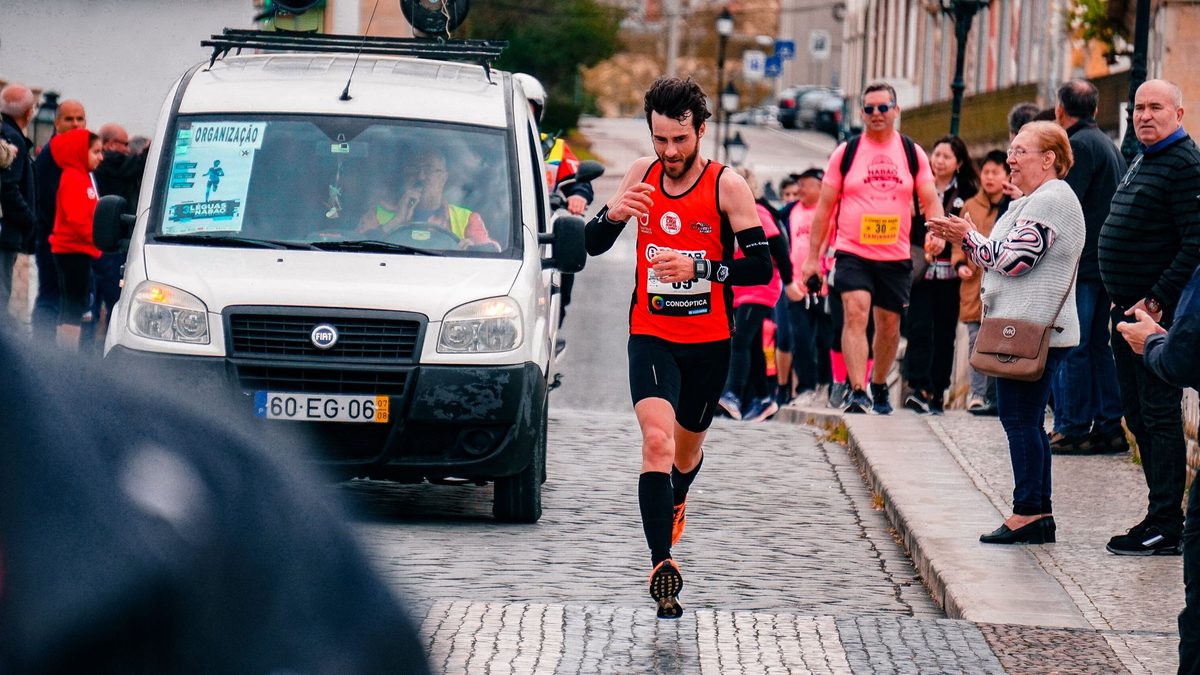
The 48th Course de l’Escalade runs Saturday-Sunday 5-6 December 2026, the weekend before the anniversary. Around 40,000 runners take part across several categories and distances, on a course through the city centre and along the lakefront.
Distances and categories:
- Marmite race – the kids’ costumed run, about 3.6km, Saturday afternoon. Kids turn out in 17th-century costume or whatever they fancy, and it is the most photogenic event of the whole weekend.
- Women’s race – about 4.8km (two laps), Saturday afternoon.
- Men’s race – about 7.3km (three laps), Saturday evening.
- Juniors – various age categories on Saturday.
- FlexiMix – an open category.
- Elite races – Saturday evening, the fastest field.
- Relay – double distance, team format.
- Walk – 8.96km, non-competitive.
Registration is via escalade.ch, and fields close in advance, so book early if you want a place. Fees run CHF 30-80 depending on category, and watching from the route is free. The race is basically the canton’s collective workout – Geneva offices fill up with race-T-shirt veterans comparing times on the Monday morning.
07 — “Ce qu’e laino”: Geneva’s anthem
Geneva’s anthem is a song called “Ce qu’e laino” – literally “He who is above” in the Arpitan dialect of Genevan French. It was written shortly after the 1603 events to commemorate the defence of the city and became the canton’s de facto anthem, sung at every L’Escalade and on major civic occasions.
In December 2024, after a cantonal referendum, Ce qu’e laino was formally enshrined as Geneva’s official anthem. The change was largely symbolic – it had been the de facto anthem for centuries – but it cemented the link between L’Escalade and Genevan identity.
The first verse, in Arpitan with a translation:
Ce qu’e laino, le maitre des batailles,
Que se moqu’e se rit des canailles,
A bin fai vi pe on desande nai,
Qu’il etive patron de Genevoi.
“He who is above, the master of battles, who mocks and laughs at scoundrels, showed well on a Saturday night that he was the patron of Genevans.”
Verses 2, 4 and 68 – yes, the song has 68 verses, though only a handful are usually sung – are the ones you tend to hear, at the bonfires, in restaurants serving Escalade dinners, and at school assemblies during the festival week.
08 — Soupe de la Mere Royaume: the traditional soup

The soup Mere Royaume is supposed to have tipped over the Savoyard soldier – the soupe a la jardiniere, or soupe de la Mere Royaume – is a plain winter vegetable soup. The modern version uses:
- Cabbage (chou)
- Leek (poireau)
- Carrot (carotte)
- Turnip (navet)
- Potato (pomme de terre)
- Onion (oignon)
- Sometimes celery, garlic and herbs
- Vegetable or chicken stock
- Olive oil or butter
Sweat the leek, onion and garlic in butter, add stock, then the harder vegetables – potato, turnip, carrot – and simmer. Add the cabbage near the end, season, and serve hot with bread. Many Geneva restaurants put it on as a starter during the Escalade week: Cafe du Soleil, Les Armures, Brasserie des Halles de l’Ile and several Old Town bistros all do. At home, families serve it before the marmite ceremony.
09 — Where to watch the procession: insider viewing spots
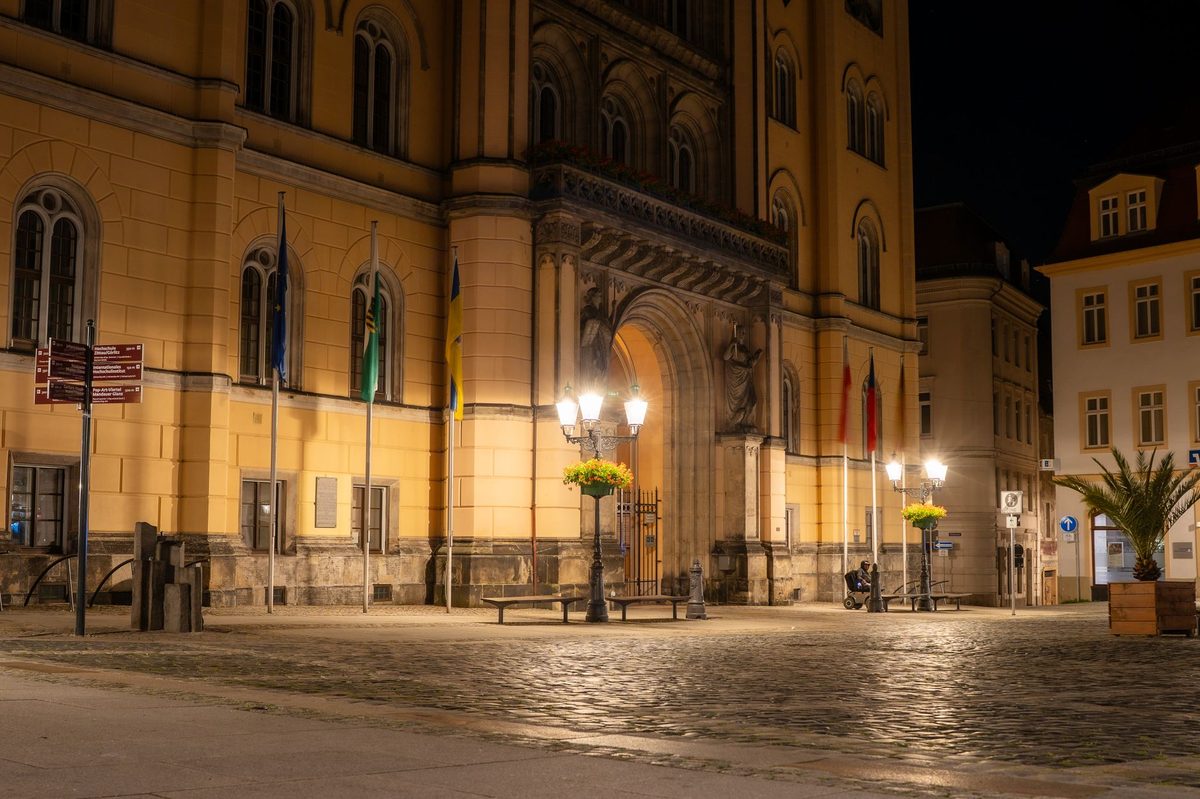
The cortege historique runs through narrow Old Town streets, so where you stand really matters. My picks:
- Cour Saint-Pierre – the courtyard in front of the cathedral, where the bonfires are lit when the procession arrives. The big set-piece of the evening. Get there by 16:30 for a spot with a view of the fires.
- Rue de la Cite – the main Old Town street the procession runs down, with several angles and the drums and fifes bouncing off the medieval walls.
- Bourg-de-Four – the main Old Town square, where the Mere Royaume re-enactment happens, with food and drink on hand.
- Treille bastion – the elevated overlook where the cannons fire, striking at night with the lit Old Town below.
- Passage de Monetier – Geneva’s narrowest passageway, open only this weekend, with free mulled wine at the exit. The insider photo spot.
- A Bourg-de-Four cafe table – book a window seat at Les Armures, Cafe Papon or the Brasserie des Halles de l’Ile and watch the procession pass while warm and seated.
10 — What to eat and drink during L’Escalade
- Soupe a la jardiniere – Mere Royaume’s soup, at restaurants running Escalade menus through the week.
- Longeole – the long Geneva sausage, often sold at Escalade stalls.
- Vin chaud – mulled wine, at every street stall and free at the Passage de Monetier.
- Fondue and raclette – winter season is in full swing.
- The marmite – the chocolate cauldron itself, for the after-dinner family ritual.
- Restaurants with Escalade menus: Les Armures, Brasserie des Halles de l’Ile, Cafe du Soleil, Cafe du Vieux-Bourg in Carouge, and the Bains des Paquis buvette (book the fondue evenings ahead).
For the wider food scene, see our best fondue in Geneva and traditional Swiss food guides.
11 — Bringing kids: family events
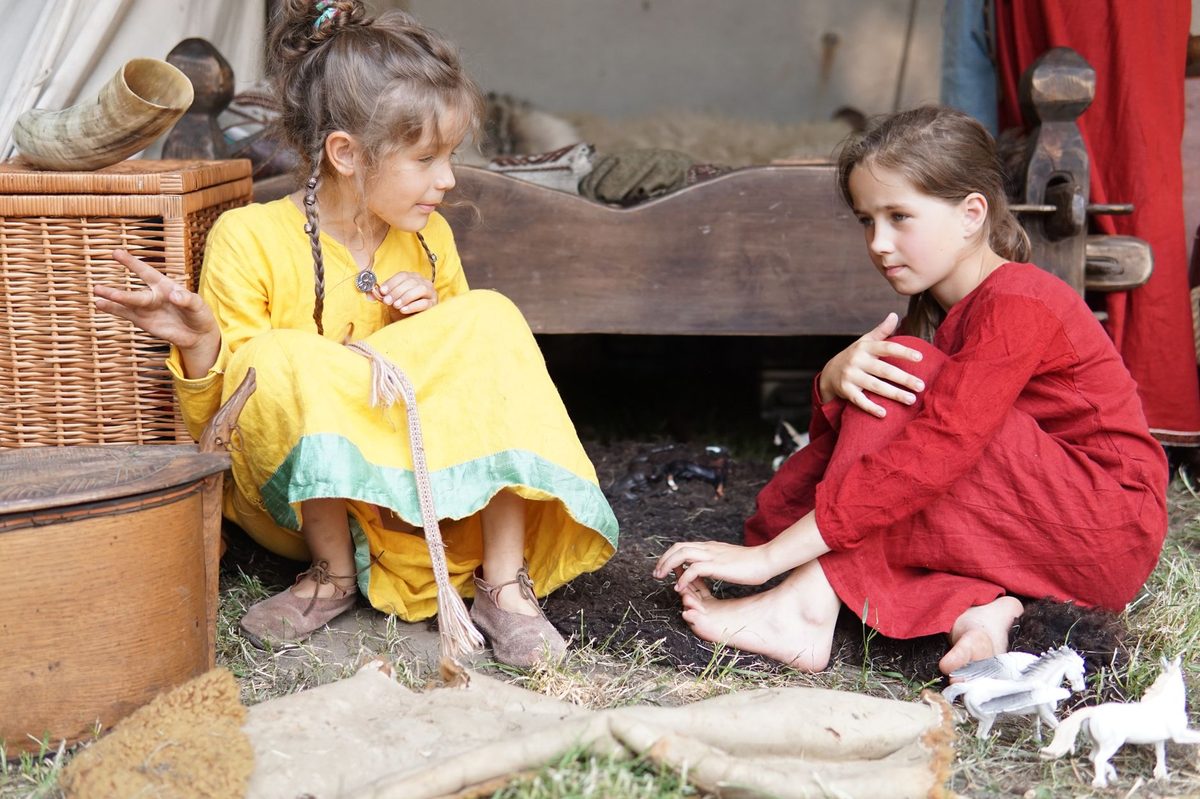
L’Escalade is one of Geneva’s most child-friendly festivals – kids love the costumes, the torches, the chocolate and the gentle controlled chaos.
- The costume tradition – Geneva kids dress up in 17th-century costume, or as princesses, knights, anything, and tour the patisseries asking for sweets. It is the city’s gentle Halloween, spread over the week before L’Escalade.
- The Marmite race – the costumed kids’ run on the Saturday of race weekend (5 December 2026). Photogenic and age-friendly.
- Family marmite parties at schools, kindergartens and homes through the week.
- The procession itself – kids over four generally love the costumes, torches, drums and bonfires. Smaller ones can find the dense crowds and smoke overwhelming, so bring ear defenders for the very young near the cannons at the Treille.
- The Saint-Pierre Cathedral tower climb – open during the festival weekend, 157 steps to a view over the lit-up city. Best for kids six and up.
For broader family planning, see our Geneva with kids guide.
12 — Practical visit info
- Getting there: Cornavin to the Old Town is a 15-minute walk, or take tram 12 to Place de Neuve. The Old Town goes pedestrian during the procession, most of Sunday evening.
- Road closures: plan on the trams. Cars cannot drive into the Old Town from late Sunday afternoon, and several tram routes get diverted around the procession.
- What to wear: layered, warm and waterproof. You are standing outside for three hours in December, and the Bise can drop the felt temperature 8-10C, so bring a windproof shell and waterproof boots for the cobbles.
- Restaurant reservations: book Old Town tables three or more weeks ahead for the weekend, and expect festival menus to need pre-ordering.
- Hotel pricing: the Escalade weekend is one of Geneva’s highest-demand hotel periods, so book by October. Our where to stay in Geneva guide helps you pick an area.
- Parking: do not try to park in the Old Town. Use Parking de Neuve or Parking de Cornavin.
- Toilets: public toilets are limited in the Old Town – use Cornavin or a cafe (with a purchase).
- Accessibility: parts of the route are cobbled and uneven. Cour Saint-Pierre is accessible; Bourg-de-Four is mostly cobbled.
13 — Quick history timeline
| Year | Event |
|---|---|
| 11-12 Dec 1602 | Savoy attempted the Escalade; Geneva repelled the attack. |
| 1603 | First commemoration, with religious services. |
| 17th-19th centuries | Tradition evolves into a civic-religious commemoration. |
| 1880s | The chocolate marmite tradition emerges in Geneva patisseries. |
| 1926 | The Compagnie de 1602 is founded to organise the costumed cortege. |
| 1978 | First Course de l’Escalade running race. |
| 2020 | L’Escalade restricted by COVID, the first major disruption in four centuries. |
| December 2024 | Ce qu’e laino formally enshrined as Geneva’s official cantonal anthem. |
| 11-13 Dec 2026 | The 424th anniversary of the Escalade. |
14 — How L’Escalade pairs with the rest of Geneva winter
An Escalade weekend slots neatly into the rest of a Geneva winter:
- Christmas markets – at their peak the same weekend. The events pillar links out to the dedicated markets guide.
- The Saint-Pierre tower climb at sunset for the lit-up city view.
- A Bains des Paquis sauna for the Sunday-morning reset before the evening procession – see our Geneva outdoor activities guide.
- Fondue afterwards, at the Bains or Cafe du Soleil.
- An Old Town wander – covered in our Geneva neighborhoods guide.
- A ski day-trip on the Friday or Saturday before the Sunday procession – again, the outdoor guide has the nearest resorts.
For the rest of what to see, our things to do in Geneva guide is the place to start.
Frequently asked questions
What is L’Escalade in Geneva?
It is the Geneva festival marking the night of 11-12 December 1602, when the Catholic Duke of Savoy’s troops tried to take the city by scaling its walls. The attack was repelled and Geneva stayed independent, and the city has commemorated it every year since.
When is L’Escalade 2026?
The anniversary is 11-12 December. The festival weekend with the cortege historique runs 11-13 December 2026 (Friday to Sunday), and the Course de l’Escalade running race is the weekend before, on 5-6 December 2026.
Why do they smash chocolate cauldrons at L’Escalade?
The chocolate marmite re-enacts the legend of Mere Royaume, the Geneva cook said to have poured a cauldron of hot soup on a Savoyard soldier climbing the walls. Families smash the marmite while reciting “Ainsi perissent les ennemis de la Republique!” – “Thus perish the enemies of the Republic!”
Where can I watch the Escalade procession in Geneva?
The best spots are Cour Saint-Pierre for the bonfires, Rue de la Cite for the procession passing, Bourg-de-Four for the legend re-enactment, the Treille bastion for the cannons, and the Passage de Monetier for the once-a-year alley reopening with free mulled wine. The procession departs around 17:00 on Sunday and runs about three hours.
Is L’Escalade free to attend?
Yes. The cortege historique, the bonfires, the street events and the music demonstrations are all free. Only the Course de l’Escalade race needs registration (CHF 30-80 by category), and some restaurants run pre-booked Escalade menus.
Where can I buy a Marmite de l’Escalade?
Try Auer, Du Rhone Chocolatier, Stettler & Castrischer, La Bonbonniere, Sprungli, Sweetzerland and Favarger, or the budget versions at Migros and Coop. They are on sale from mid-November through December.
15 — Related Geneva guides
Keep planning with the Geneva events and festivals pillar, the Geneva trip planner, our list of things to do in Geneva, where to stay in Geneva, and the best places to eat.